Plate glass is a standard material that shatters into dangerous shards, whereas tempered glass is a heat-treated safety option designed to be four to five times stronger. Selecting the wrong glazing for your commercial facility can lead to unexpected breakage, costly downtime, and significant safety liabilities for your staff. You don’t want to deal with the aftermath of a shattered storefront that leaves your inventory exposed or your employees at risk of injury. This definitive guide on Plate Glass vs Tempered Glass provides the clarity you need to make an informed, code-compliant investment for your next project.
Why Compare Plate Glass vs Tempered Glass?
Understanding the fundamental differences in Plate Glass vs Tempered Glass allows you to balance budget constraints with essential safety requirements. Plate glass, also known as annealed glass, is the basic form produced through the float process. It serves as the “blank canvas” for most architectural applications before any secondary strengthening occurs.
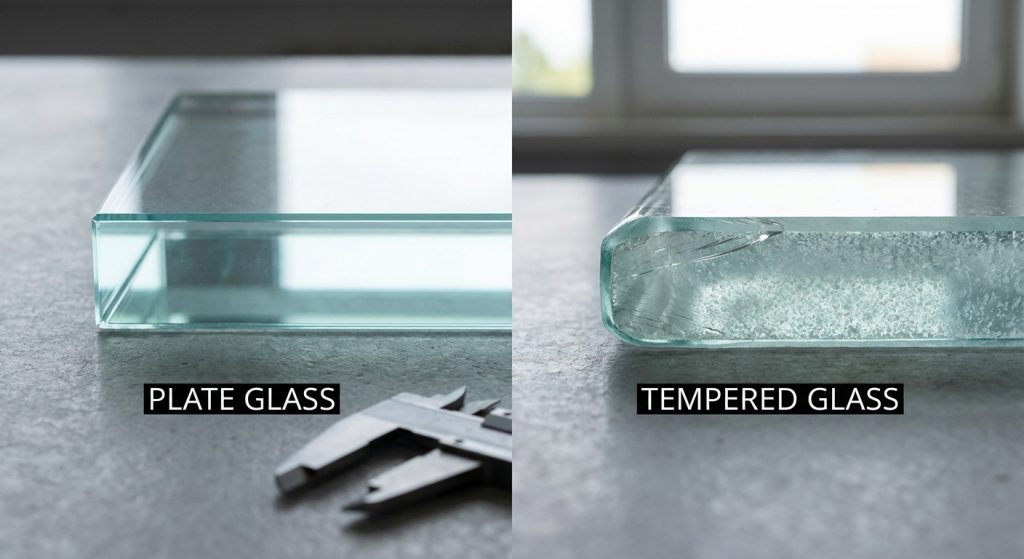
The Structural Basics of Annealed Sheets
Annealed glass is cooled slowly to relieve internal stresses, making it easier to handle during initial fabrication. This slow cooling process allows for a very flat and clear surface, which is why it has historically been a B2B staple.
Here is the kicker:
- It lacks the internal tension required for high-impact resistance.
- The surface is susceptible to deep scratches and thermal cracks.
- Standard thicknesses usually range from 1/8 to 1 inch.
Why Surface Flatness Matters for Business
For high-end displays where optical clarity is the primary goal, plate glass remains a strong contender. However, you must weigh this clarity against the potential for catastrophic failure in high-traffic zones.
Key Takeaway
Plate glass is an affordable, workable baseline material but lacks the specialized durability required for modern safety standards.
| Feature | Plate Glass (Annealed) |
|---|---|
| Manufacturing | Slow-cooled float process |
| Primary Benefit | Cost-effective and flat |
| Main Drawback | Breaks into sharp shards |
Use this comparison as a starting point to determine if your specific zone requires a standard or high-strength solution.
How Strong Is Plate Glass vs Tempered Glass?
The most critical distinction in Plate Glass vs Tempered Glass is the massive disparity in impact resistance and load-bearing capacity. Tempered glass is engineered to withstand significantly higher forces, making it the industry standard for structural glazing.
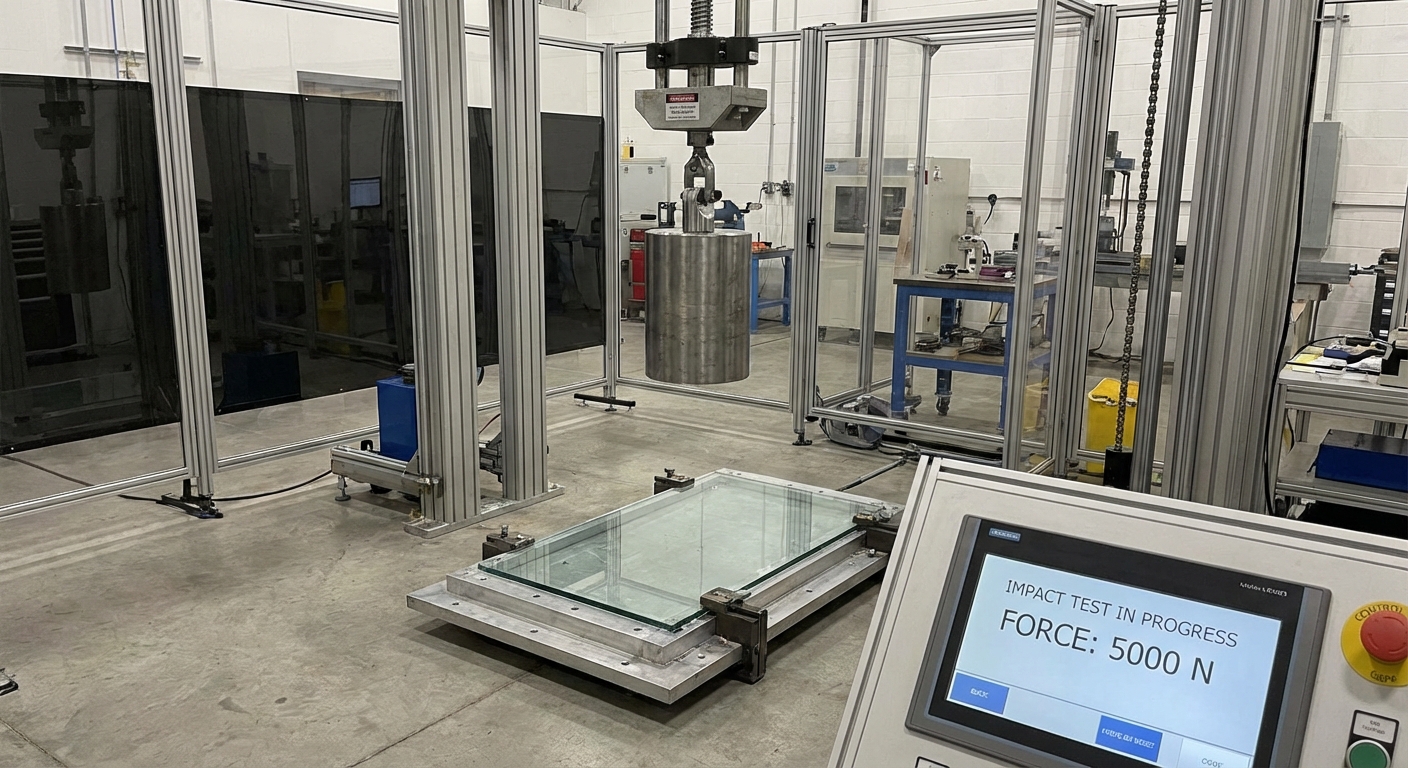
Measuring Impact Resistance in PSI
Tempered panels can handle surface compression levels of over 10,000 psi, which is vastly superior to the 3,000 psi limit found in plate sheets. This allows the glass to absorb energy from wind loads or physical impacts without fracturing.
But wait, there is more:
- Tempered units can hold 200-300 lbs per square foot in some configurations.
- The edges are the only vulnerable point of a tempered sheet.
- Impacts that would shatter plate glass often bounce off tempered surfaces.
Structural Integrity for Heavy Equipment
In industrial settings, the strength of your glass directly impacts machine uptime and operator safety. Choosing a high-tensile material ensures that minor collisions don’t result in immediate glass failure.
Key Takeaway
Strength is the defining characteristic that separates safety-grade materials from decorative architectural glass.
| Metric | Plate Glass | Tempered Glass |
|---|---|---|
| Surface Compression | ~3,000 PSI | 10,000+ PSI |
| Impact Strength | Baseline | 4x – 5x Stronger |
Consult your engineer to calculate the specific load requirements for your high-pressure environments.
Is Plate Glass vs Tempered Glass Safer?
Safety is the paramount concern when choosing between Plate Glass vs Tempered Glass in any public or commercial space. Plate glass is notorious for breaking into large, razor-sharp daggers that can cause life-threatening injuries.
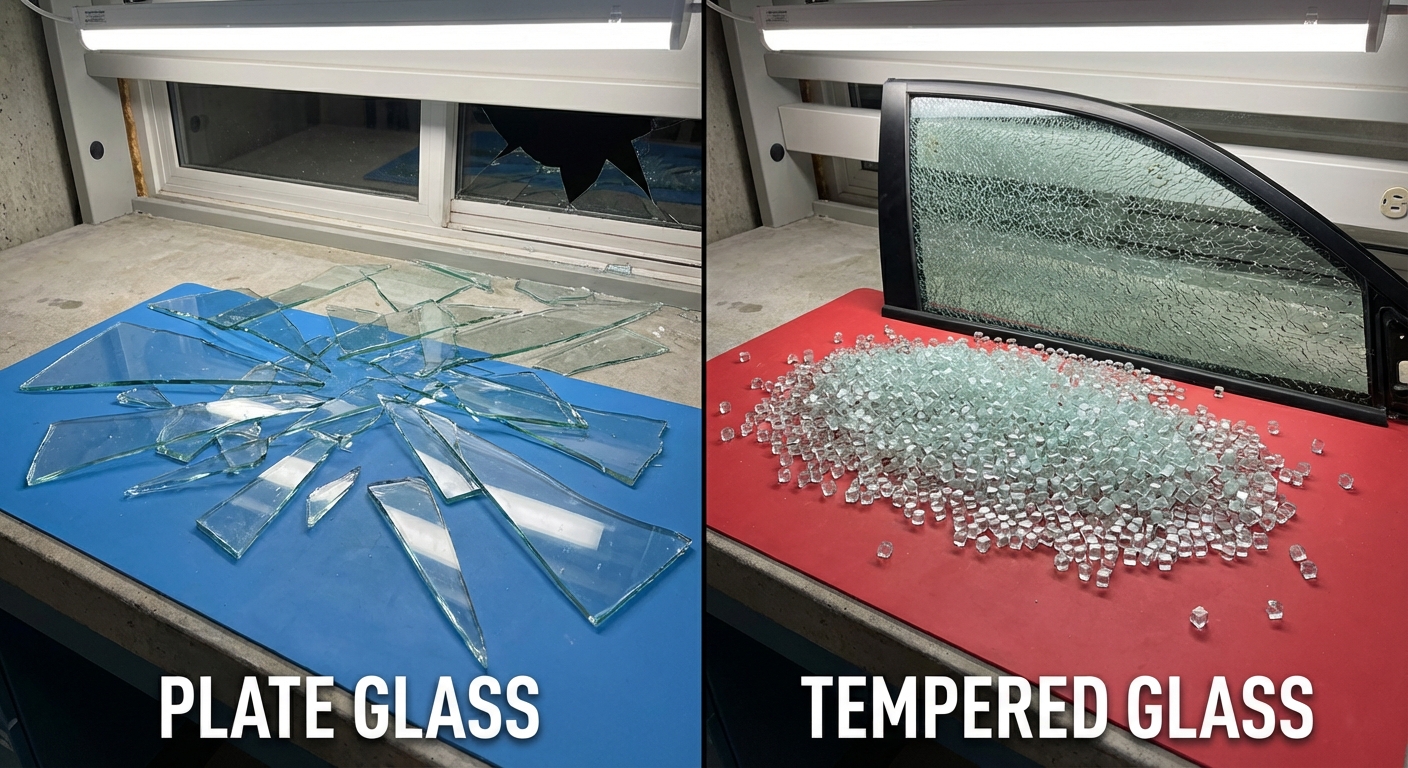
The Dangers of Annealed Shattering
When a standard window fails, it leaves behind sharp edges and falling debris that are difficult to clean. This poses a major liability risk for facility managers who must oversee high-traffic hallways or entryways.
Ready for the good part?
- Tempered glass shatters into tiny, dull granules called “dice.”
- These small pieces are much less likely to cause deep lacerations.
- The entire pane fails at once, instantly removing the hazard of falling “guillotine” shards.
Meeting Building Safety Codes
Local regulations often mandate the use of safety glazing in “hazardous locations” like doors and low-level windows. Failure to install the correct material can result in failed inspections and legal penalties.
Key Takeaway
Safety glass isn’t just a preference; it is a regulatory requirement designed to protect people from catastrophic failure.
| Breakage Type | Plate Glass | Tempered Glass |
|---|---|---|
| Shard Shape | Large, jagged daggers | Small, blunt granules |
| Injury Risk | High/Critical | Low/Minimal |
Always verify your local safety glazing requirements before finalizing your procurement list.
How Does Heat Affect Plate Glass vs Tempered Glass?
Thermal stress is a silent killer of commercial windows, and the battle of Plate Glass vs Tempered Glass is often won in high-temperature environments. Plate glass is highly sensitive to rapid temperature changes, which can lead to spontaneous cracking.
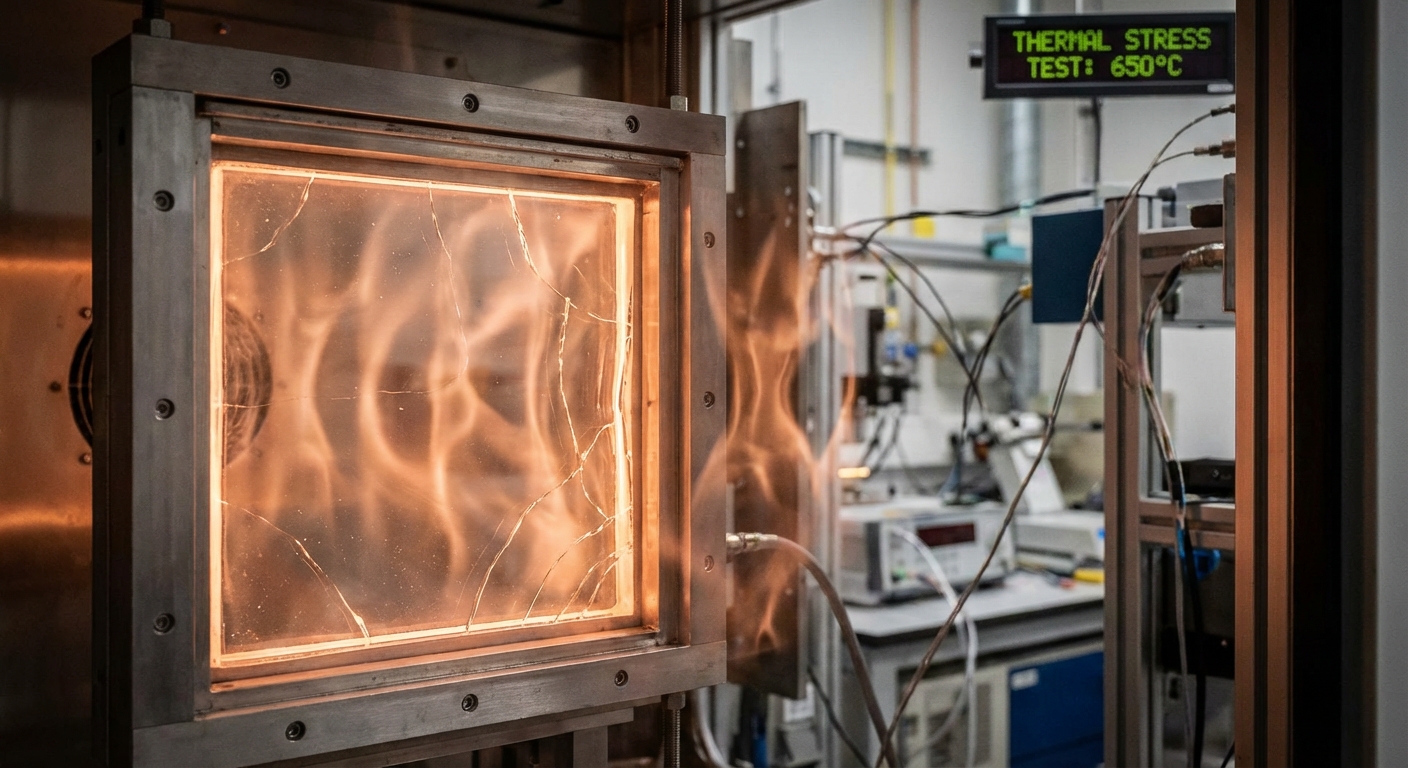
Understanding Thermal Shock Resistance
Tempered glass can withstand a temperature differential of up to 400°F, whereas plate glass may crack with a change of only 50°F to 100°F. This makes heat-treated glass essential for facades exposed to intense direct sunlight.
This is where it gets interesting:
- Heat-treated glass expands and contracts uniformly.
- It is the preferred choice for laboratory equipment and kitchen appliances.
- Annealed glass often fails when one part of the pane is shaded while another is in the sun.
Protection Against Extreme Weather
For exterior applications, your glass must survive both the summer heat and winter freezes. Using a material with low thermal resistance can result in expensive maintenance cycles as windows crack during seasonal shifts.
Key Takeaway
Thermal stability ensures that your glazing remains intact regardless of environmental fluctuations or indoor climate control settings.
| Thermal Property | Plate Glass | Tempered Glass |
|---|---|---|
| Max Temp Differential | ~100°F | ~400°F |
| Application | Controlled climates | Exterior / High Heat |
Analyze your building’s sun exposure to determine if your windows require higher thermal tolerances.
Can You Cut Plate Glass vs Tempered Glass?
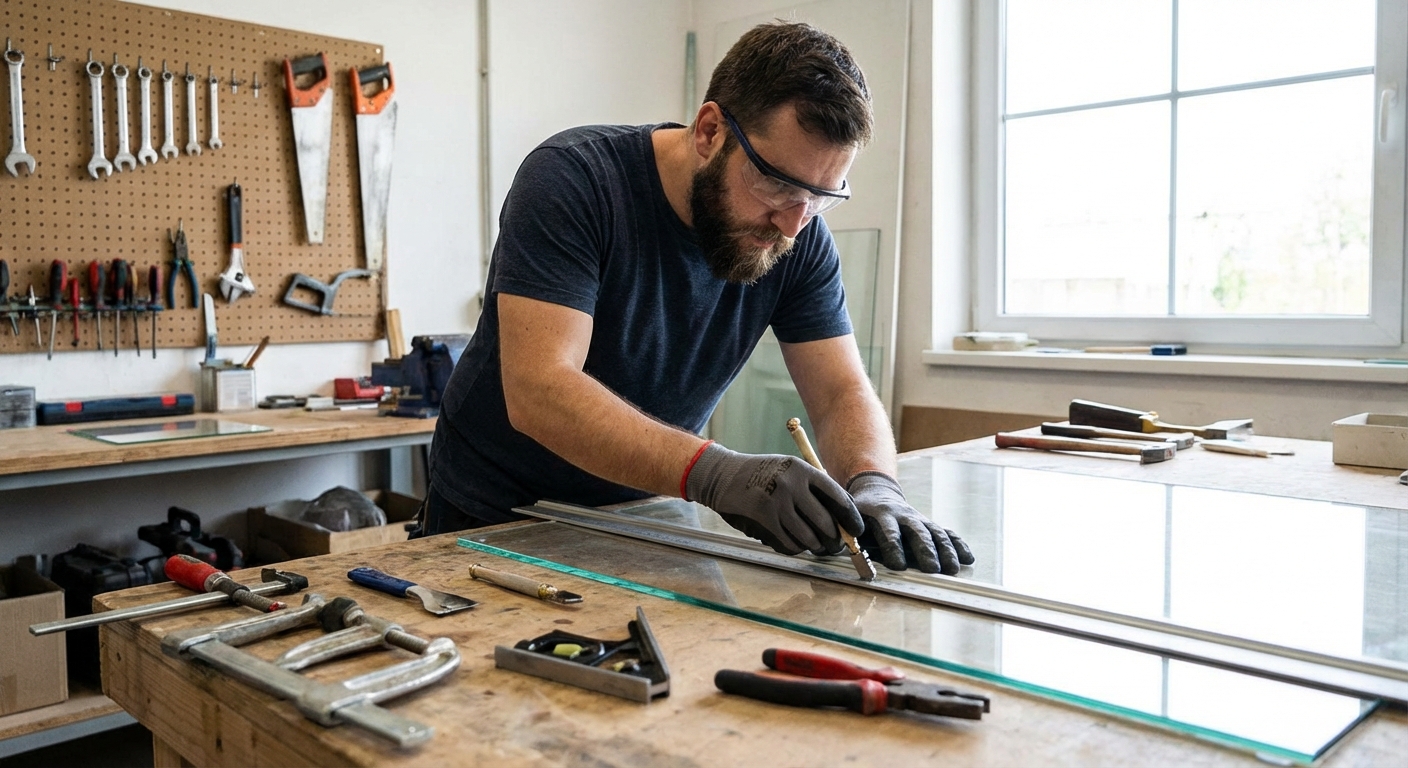
Workability is a major logistical factor in Plate Glass vs Tempered Glass, as one material allows for post-production modification while the other does not. You must complete all fabrication, including cutting and drilling, before the tempering process begins.
The Flexibility of Annealed Sheets
Plate glass can be scored, snapped, and drilled at any point during your project. This flexibility is helpful for on-site adjustments where precise measurements may shift during installation.
The real story is this:
- If you try to cut tempered glass, the entire sheet will explode into granules.
- All holes for hinges or handles must be CNC-machined pre-heat treatment.
- Edge polishing must also be finalized before the glass enters the tempering furnace.
Coordinating Custom Fabrications
Because you cannot modify tempered panels on-site, your initial measurements must be 100% accurate. This requires a more disciplined design phase compared to the “cut-to-fit” approach used with plate glass.
Key Takeaway
Precision is mandatory for tempered projects because the material is permanent once it leaves the tempering oven.
| Fabrication Step | Plate Glass | Tempered Glass |
|---|---|---|
| On-Site Cutting | Possible | Impossible |
| Drilling Holes | Easy | Pre-temper only |
Double-check your architectural drawings before placing a tempered order to avoid costly re-fabrication.
Which Costs More: Plate Glass vs Tempered Glass?
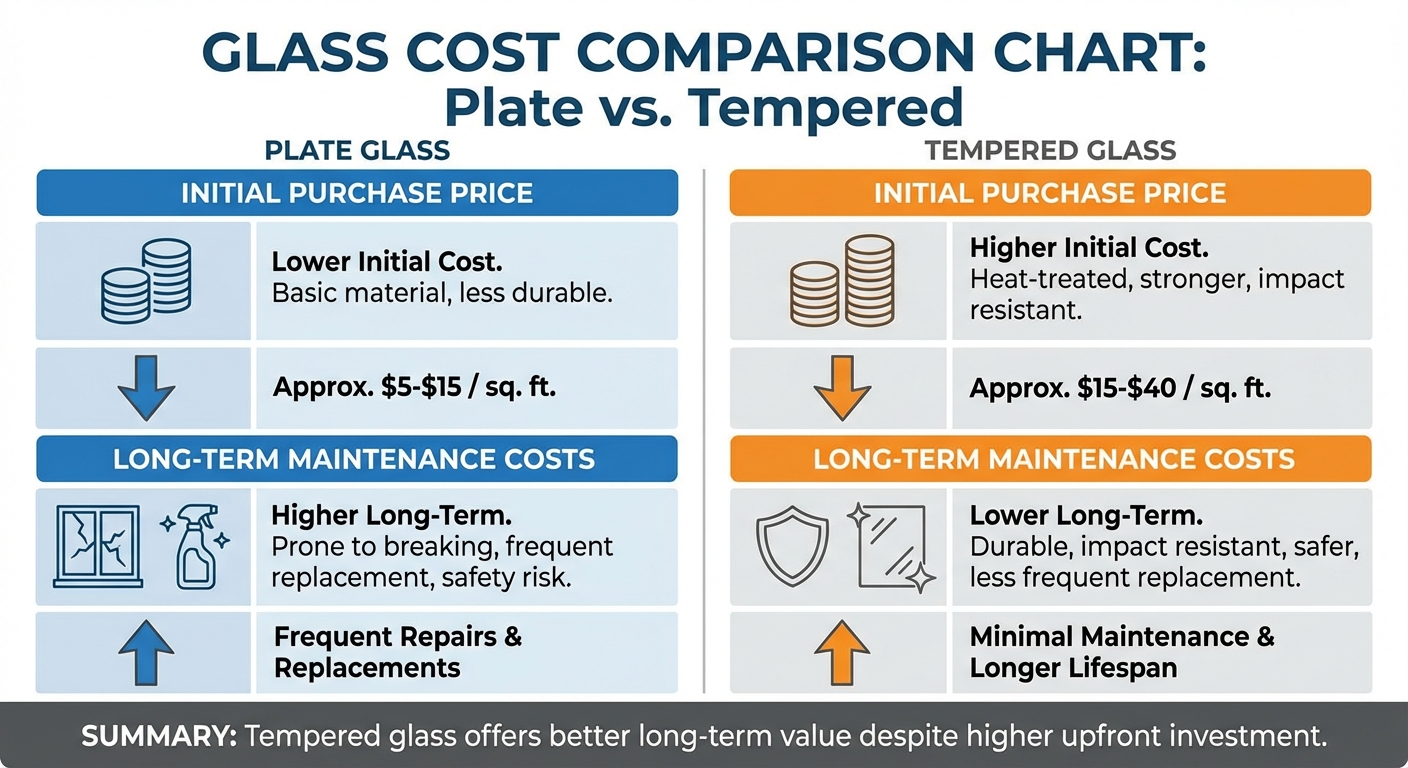
Budgeting for Plate Glass vs Tempered Glass requires looking beyond the initial purchase price to understand the total cost of ownership. While plate glass is cheaper at the checkout, it often carries higher long-term replacement costs.
Upfront Investment Differences
Typically, tempered glass costs about 20% to 50% more than standard plate glass due to the additional heating and quenching steps. For large-scale B2B projects, these margins can significantly impact your bottom line.
Think about it this way:
- Standard plate glass is easier to source from local vendors.
- Tempered glass shipping costs can be higher due to specialized handling.
- The price of “dice” cleanup after a breakage is often lower than shard disposal.
Long-Term Value and Durability
Frequent replacements of fragile plate glass will quickly outpace the one-time cost of a durable tempered installation. In high-traffic commercial zones, the “tougher” option usually pays for itself within a few years of reduced maintenance.
Key Takeaway
Do not let lower initial costs blind you to the potential for recurring expenses related to glass failure.
| Cost Factor | Plate Glass | Tempered Glass |
|---|---|---|
| Initial Price | Lower | Moderate to High |
| Replacement Frequency | High | Low |
Use a multi-year budget projection to see which material offers the best ROI for your specific facility.
Where to Use Plate Glass vs Tempered Glass?
Application selection in Plate Glass vs Tempered Glass is driven by both functional needs and legal safety standards. Plate glass is generally reserved for low-risk decorative areas, whereas tempered glass handles the heavy lifting.

Ideal Scenarios for Standard Plate
For picture frames, cabinet doors, or decorative mirrors that are mounted high on a wall, plate glass is an excellent choice. It provides superior clarity and can be easily replaced if an accident occurs.
What is the catch?
- It should never be used in a door or side-lite.
- It is unsuitable for heavy-duty shelving.
- Avoid using it in any area where a person might trip and fall against it.
Commercial Requirements for Tempered Panes
Modern storefronts, shower enclosures, and office partitions require the strength and safety profile of tempered glass. These areas are prone to physical contact and environmental stress, making standard glass too risky.
Key Takeaway
Match the glass type to the risk level of the environment to ensure both longevity and safety compliance.
| Application | Plate Glass | Tempered Glass |
|---|---|---|
| Doors/Entryways | Prohibited | Required |
| Decorative Wall Art | Excellent | Overkill |
Audit your facility to ensure every glass panel is appropriate for its specific location and traffic level.
How to Identify Plate Glass vs Tempered Glass?
Knowing how to spot the difference between Plate Glass vs Tempered Glass is a vital skill for facility managers performing safety audits. You cannot always tell them apart by a quick glance, but several technical markers exist.
Searching for the Safety Mark
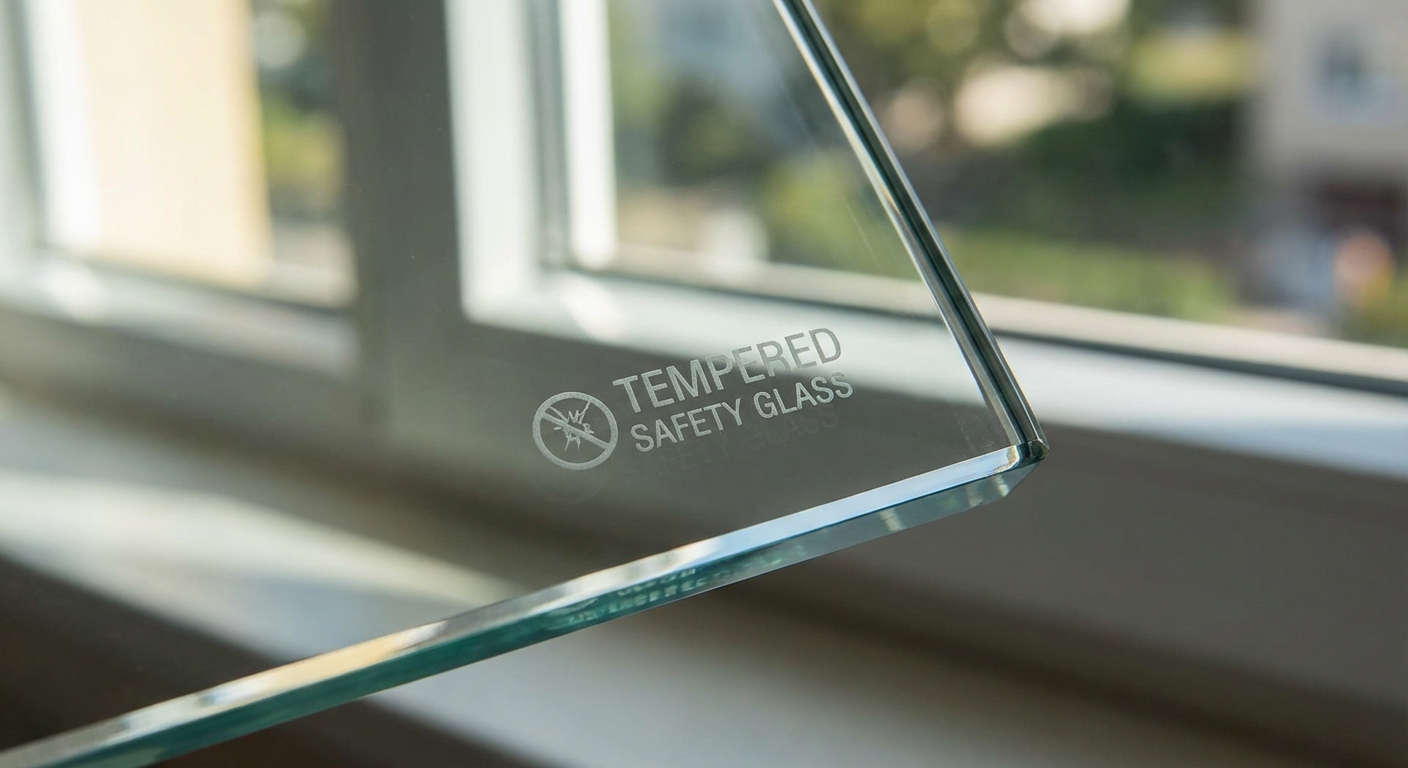
The most reliable way to identify tempered glass is to look for a small, permanent laser-etched logo in one of the corners. This mark usually includes the manufacturer’s name and the safety standard code (like ANSI Z97.1).
You might be wondering:
- Can plate glass have these marks? No, it’s a legal requirement only for safety glass.
- Are there other ways to check? Yes, using polarized sunglasses.
- What should I look for? Dark spots or patterns that appear in tempered sheets under polarized light.
Inspecting the Glass Edges
Plate glass usually has sharp, clean-cut edges unless they have been manually ground down. Tempered glass edges are almost always polished and slightly rounded to prevent the sheet from shattering during the quenching process.
Key Takeaway
Never assume a glass panel is safe; always verify the presence of an etched stamp or use specialized testing tools.
| ID Method | Plate Glass | Tempered Glass |
|---|---|---|
| Laser Stamp | None | Required Corner Logo |
| Polarized Test | Clear / No Pattern | Dark Spots / Strain Lines |
If you are unsure about the safety status of a window, perform a polarized light check immediately.
What Are Common Plate Glass vs Tempered Glass Problems?
Every material has its flaws, and understanding Plate Glass vs Tempered Glass problems will help you prevent unplanned repairs. While plate glass is prone to cracking, tempered glass has a unique risk known as “spontaneous breakage.”

The Brittleness of Standard Panes
The biggest issue with plate glass is its inability to handle vibration or movement. If your building settles or if someone slams a door too hard, the resulting crack can spread across the entire pane in seconds.
Here is the deal:
- Plate glass cracks are often “running” cracks that can be taped temporarily.
- Tempered glass fails completely; there is no such thing as a “small crack.”
- Nickel sulfide inclusions can cause tempered panes to explode without warning.
Managing Maintenance Expectations
While tempered glass is tougher, you must protect its edges. A small nick on the corner of a tempered sheet can cause the internal tension to release, resulting in an immediate and loud explosion of glass.
Key Takeaway
Both materials require specific handling protocols to avoid sudden failure and the associated repair costs.
| Common Issue | Plate Glass | Tempered Glass |
|---|---|---|
| Failure Mode | Localized cracking | Total pulverization |
| Main Threat | Mechanical impact | Edge damage / Inclusions |
Implement a regular glass inspection schedule to catch edge damage before it leads to a total failure.
Ready to Choose Plate Glass vs Tempered Glass?
The decision between Plate Glass vs Tempered Glass ultimately comes down to your specific project goals and safety obligations. By prioritizing the high-strength, heat-treated option for your commercial spaces, you invest in a safer and more durable future.

Finalizing Your Procurement Strategy
High-quality tempered solutions offer the peace of mind that comes with knowing your facility meets modern safety codes. While the upfront cost is higher, the reduction in liability and maintenance makes it the smarter B2B choice.
One last thing:
- Always buy from a certified manufacturer to ensure proper tempering.
- Verify your measurements twice to avoid non-returnable custom orders.
- Consider laminated glass if you need both safety and security.
How We Can Help Your Business
Choosing the right glass partner is just as important as choosing the right glass type. We specialize in providing precision-engineered materials that withstand the rigors of the modern commercial landscape.
Key Takeaway
The right glass choice protects your assets, your people, and your long-term profitability.
| Final Verdict | Use Plate Glass for… | Use Tempered Glass for… |
|---|---|---|
| Recommendation | Low-risk, indoor decor | Any human-impact zones |
Now that you understand the nuances of these materials, it is time to secure your facility with the industry’s best glazing solutions. Contact us today to discuss your custom glass needs and receive a professional quote tailored to your business. We are dedicated to providing the clarity and strength your commercial vision deserves.
FAQ
Can I use plate glass for exterior commercial windows?
Generally, no. Most modern building codes require safety glass for exterior windows, especially in high-wind zones or near walkways, due to the high risk of thermal shock and impact.
What’s the best way to clean tempered glass without scratching?
Use a mild soap and water solution with a soft microfiber cloth. Avoid using razor blades or abrasive chemicals, as they can damage the surface and potentially compromise the glass’s integrity.
How do I know if my existing office partitions are tempered?
Look for the safety etch or “bug” in the corner of each pane. If no mark is present, you can use a polarized light test to check for the characteristic strain patterns of tempered glass.
Can I replace a broken tempered window with plate glass?
Only if the location is not a designated “hazardous area” according to safety codes. If the original window was tempered for safety or thermal reasons, you must replace it with the same grade.
What’s the best glass choice for high-traffic entry doors?
Tempered glass is the standard choice for doors due to its impact strength. However, for maximum security and safety, a tempered-laminated hybrid is often recommended to keep the glass intact if broken.