Laminated Glass Manufacturers Engineered for Maximum Safety and Reliability
Processed under high pressure, our PVB interlayer ensures shattered glass fragments stay bonded together. Guarantee absolute on-site safety, avoid falling hazards, and easily clear strict engineering code inspections.
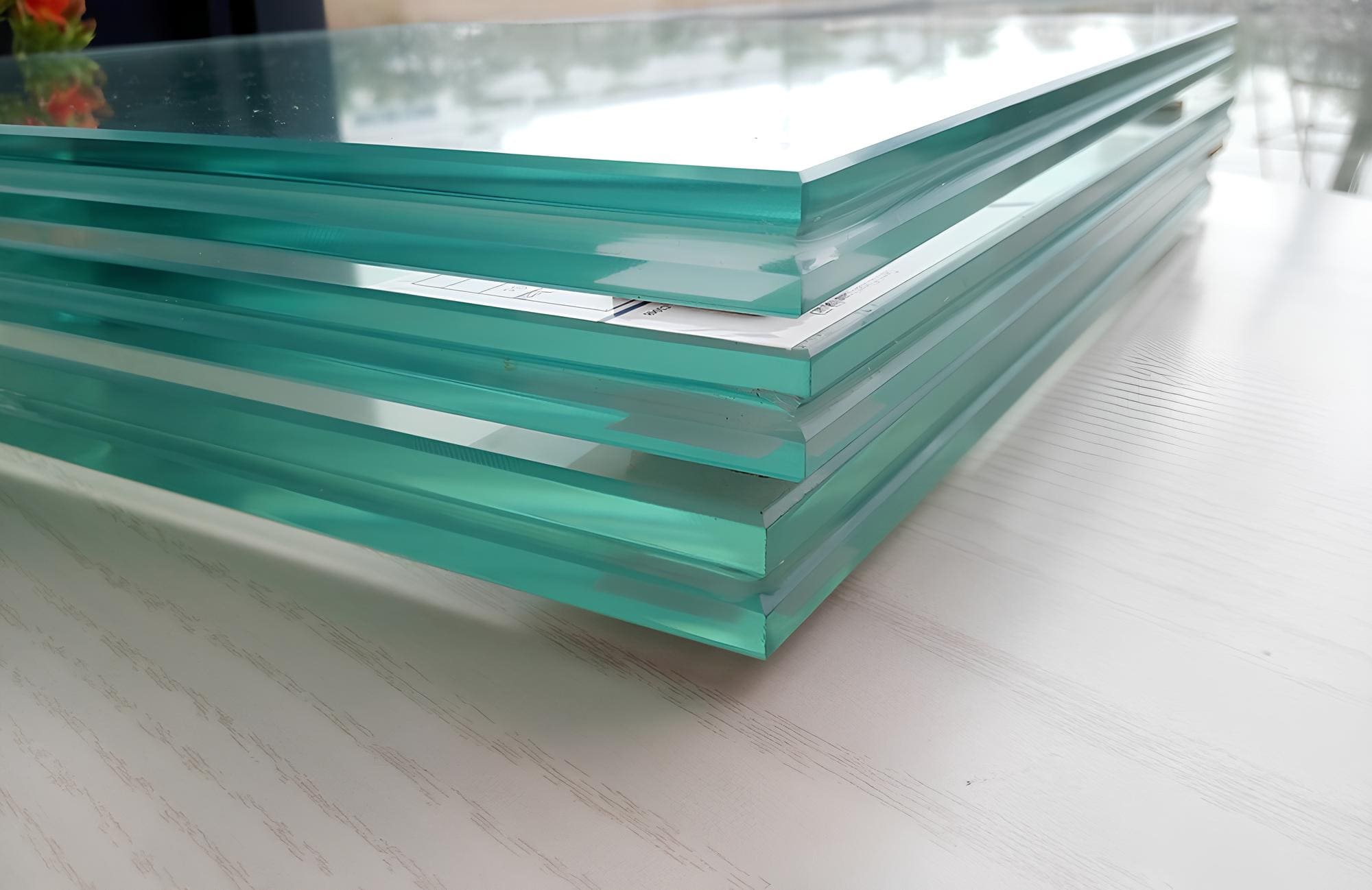
Laminated Glass Built for Safety-Critical Performance
Our laminated glass combines multiple glass layers with tough PVB interlayers, delivering the impact resistance, sound control, and UV protection your projects demand — with the consistency and traceability large-scale installations require.
Fragment Retention
When broken, glass fragments remain bonded to the PVB interlayer instead of scattering, minimizing injury risk and maintaining barrier integrity after impact.
Acoustic Insulation
PVB interlayer effectively dampens sound wave transmission, reducing noise interference for hotels, commercial spaces, and transit-adjacent buildings.
UV Protection
Blocks over 99% of harmful ultraviolet radiation, preventing fading of interior furnishings, artwork displays, and flooring materials over time.
Impact Resistance
Multi-layer construction absorbs and distributes impact energy, making the glass extremely difficult to penetrate — even under sustained force or repeated strikes.
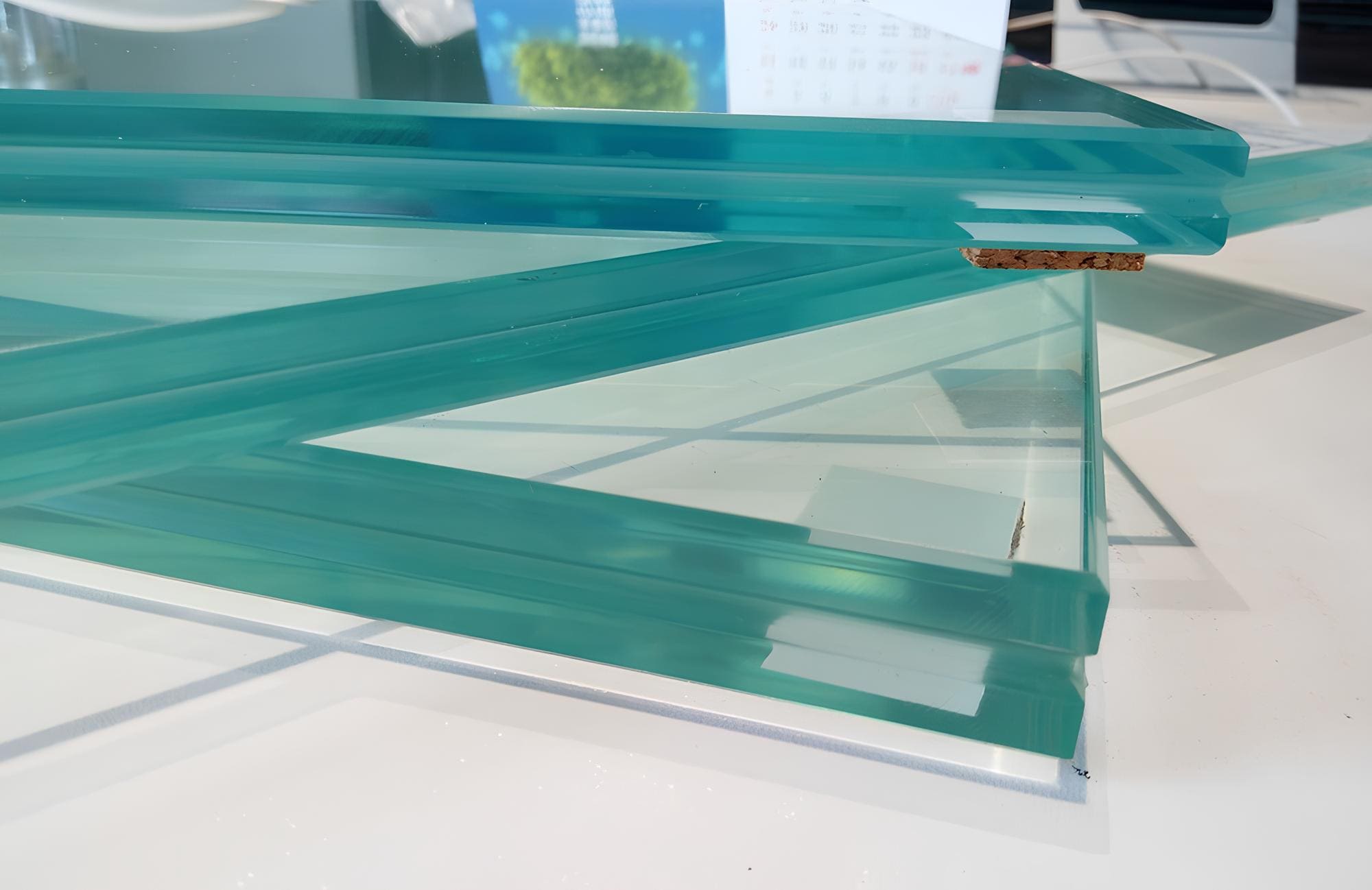


Engineered for Code Compliance and Long-Term Durability
Every laminated glass panel we produce undergoes strict autoclave processing and multi-stage quality inspection. From interlayer bonding strength to edge sealing integrity, our manufacturing controls ensure each piece meets international safety standards and performs reliably throughout the building's lifecycle.
- PVB interlayer with certified bonding strength
- Autoclave processing under controlled temperature and pressure
- Full batch traceability from raw material to shipment
- Compliant with AS/NZS 2208, SGCC, IGCC, and ISO 9001
- Custom thickness, size, and multi-layer configurations available
Need laminated glass tailored to your project specifications?
What Is Laminated Glass and How Does It Work?
Understanding the construction and safety mechanism of laminated glass helps you specify the right product for your safety-critical and performance-driven applications.

Layer
Interlayer
Layer
Multi-Layer
PVB Interlayer Technology Under High-Temperature, High-Pressure Bonding
Laminated glass is manufactured by sandwiching one or more layers of tough, highly adhesive PVB (polyvinyl butyral) film between two or more glass sheets. The assembly is then processed under controlled high temperature and pressure in an autoclave, creating a permanent molecular bond between the glass and interlayer.
This construction means that when the glass is subjected to impact, the PVB interlayer absorbs and dissipates the energy. Even if the glass cracks, the fragments remain firmly adhered to the interlayer — keeping the panel intact within the frame and preventing dangerous shards from falling.
Not sure which laminated glass structure fits your project? Let our engineers help.
The Hidden Risks of Choosing the Wrong Glass for Safety-Critical Installations
Specifying non-laminated or substandard laminated glass for overhead, railing, and high-traffic applications creates real safety, compliance, and financial risks that surface when you can least afford them.
Safety Code Compliance Pressure
Building codes increasingly mandate laminated glass for railings, overhead glazing, and skylights. Using non-compliant glass risks inspection failures, costly project delays, and potential liability exposure if an incident occurs after installation.
Post-Breakage Fall Hazard
Standard glass shatters into dangerous shards upon impact, creating immediate fall-out and injury risks. In overhead and elevated applications, broken glass fragments can cause serious harm to people below — a liability issue that laminated glass eliminates.
Noise Transmission Complaints
Hotels, commercial offices, and buildings near transit corridors face persistent tenant complaints when standard glass fails to block external noise. Acoustic laminated glass provides the sound attenuation these environments require without additional construction.
Interlayer Quality Inconsistency
Substandard PVB interlayers from unreliable suppliers develop bubbles, delamination, or discoloration over time — compromising both appearance and structural integrity. These defects often only appear months after installation, creating expensive warranty claims.
Autoclave Process Control Failures
Improper temperature, pressure, or cycle duration during the lamination process leads to weak bonding, edge delamination, and reduced impact resistance — defects that compromise safety performance and are invisible to standard visual inspection.
Custom Size and Structure Limitations
Many suppliers cannot produce oversized panels, multi-layer configurations, or complex shapes — forcing you to redesign around manufacturing constraints instead of project requirements. This compromises design intent and adds coordination complexity.
Avoid these costly risks with a laminated glass partner you can rely on
What We Deliver — And the Visual Proof Behind Laminated Glass Safety
From material selection guidance to batch-traceable delivery, our end-to-end laminated glass service ensures consistent quality, code compliance, and peace of mind for every installation.


How PVB Interlayer Protection Works
- PVB interlayer absorbs and dissipates impact energy across the panel surface
- Molecular bond prevents glass fragments from separating even under sustained force
- The panel remains in the frame, maintaining barrier function after breakage
- Multi-layer configurations provide enhanced penetration resistance for high-security applications
Ready to specify laminated glass with full engineering support and quality assurance?
Find Your Ideal Laminated Glass Structure in Seconds
Every installation environment demands a specific laminated glass configuration. Our pre-engineered solutions are matched to your scenario so you can specify with confidence and avoid costly over- or under-specification.

Two layers of tempered glass bonded with a PVB interlayer create a panel that stays intact when broken, keeping people safe from falls while meeting basic code requirements for guard rails and balconies.
An acoustic-grade PVB interlayer dampens sound wave transmission through the glass, reducing noise by up to 38 dB — ideal for balustrades along busy roads, airports, or commercial atriums where noise control matters.
Three layers of heat-strengthened glass with double PVB interlayers deliver exceptional load-bearing capacity, enabling use in high-wind zones or elevated installations where maximum structural integrity is non-negotiable.
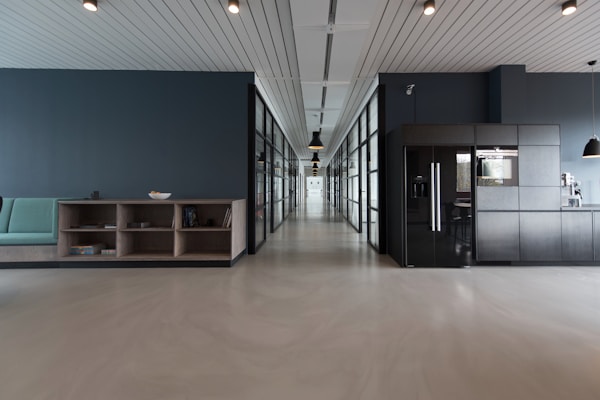
Engineered for overhead installation, this configuration uses heat-strengthened glass with PVB interlayer to ensure fragments remain bonded if breakage occurs — preventing dangerous falling debris in lobbies, walkways, and entrances.
Combining laminated glass with Low-E coating blocks over 90% of UV rays while managing solar heat gain, reducing HVAC costs and protecting interior furnishings — essential for large commercial skylight installations.
A triple-layer build with SGP interlayer withstands heavy snow loads, hail impact, and extreme wind uplift — providing the structural reserve needed for large-span canopy and atrium projects in demanding climates.

Laminated glass paired with Low-E insulated glass units delivers superior thermal insulation, lowering energy consumption for heating and cooling while maintaining full safety compliance for curtain wall applications.
Multi-layer laminated construction resists forced entry attempts while maintaining visual transparency, giving commercial entries and storefronts both anti-intrusion performance and an inviting appearance.
Specialized acoustic interlayer combined with asymmetric glass thickness breaks sound resonance, achieving up to 42 dB noise reduction — critical for buildings near highways, airports, or urban centers.

Triple-layer laminated glass with anti-slip surface treatment supports standard pedestrian loads while providing visual transparency — turning ordinary floor areas into architectural design features.
Four or more layers bonded with SGP interlayer provide the structural capacity needed for high-traffic commercial floors and observation platforms, meeting strict load-bearing requirements with full redundancy.
Colored or printed interlayers combined with LED-compatible edges transform structural glass floors into stunning visual centerpieces for retail spaces, hotel lobbies, and exhibition areas.

Dual-layer laminated glass resists smash-and-grab break-in attempts while providing crystal-clear product visibility, protecting high-value merchandise without compromising your storefront's visual appeal.
PVB interlayer blocks over 99% of harmful ultraviolet rays, preventing merchandise fading and material degradation — essential for luxury retail, art galleries, and museum display cases.
Our oversize production line handles panels up to 3.3m × 6m, enabling seamless large-format display windows that create a dramatic visual impact without mullion interruptions.
Not sure which laminated glass structure suits your project? Let our engineers recommend the right configuration.
Configure Your Laminated Glass to Exact Requirements
With a full range of thickness, interlayer, size, and processing options, every panel can be tailored precisely to your project drawings — reducing installation issues and keeping your timeline on track.
Your Specification Summary
All specifications are customizable based on your project requirements. Share your drawings or performance criteria and our engineers will recommend the optimal configuration with a detailed quotation.
Have a specific laminated glass configuration in mind? Send us your requirements for a tailored proposal.
Purpose-Built Facilities for Laminated Glass Production
Over two decades of continuous investment in specialized laminating equipment and skilled technicians means your orders are produced with precision, at scale, and delivered on schedule — no capacity surprises or last-minute delays.
Factory Floor
& Technicians
Annual Capacity
Experience
Key Laminated Glass Equipment

High-speed automated laminating production with precise interlayer positioning and air-evacuation control, ensuring bubble-free bonding across every panel.

Industrial-grade autoclave applies controlled temperature and pressure cycles, permanently fusing glass layers with the interlayer for maximum adhesion and optical clarity.

Temperature- and humidity-controlled cleanroom environment eliminates dust and particulate contamination during interlayer placement — the critical step that prevents trapped inclusions.

Dedicated 3.3m × 6m oversize laminating capability handles jumbo panel projects that most suppliers cannot accommodate, opening new design possibilities for architects.

Computer-controlled cutting tables achieve ±0.5mm precision, ensuring every panel matches your drawings exactly — eliminating fit issues and reducing waste during installation.

On-site impact testing, adhesion verification, and optical inspection equipment allow us to validate performance before shipment — so you receive certified results, not just claims.
Want to verify our laminated glass production capabilities in person?
Invisible Risks Controlled Before They Reach Your Job Site
Laminated glass defects are often undetectable until installation or years later. Our multi-point quality control system catches the hidden issues that cause rework, delays, and safety concerns — so every panel arrives ready to install.
Hidden Risks in Laminated Glass
Trapped air pockets or weak adhesion zones between glass and interlayer can expand over time, creating visible blemishes and compromising the structural bond that holds fragments in place during impact.
Dust, fibers, or debris trapped between layers during assembly become permanent visual defects visible to the naked eye — particularly damaging in high-profile architectural installations where appearance matters.
When glass layers are not precisely aligned before bonding, the resulting offset creates exposed edges susceptible to moisture ingress, edge delamination, and accelerated weathering over the panel's lifespan.
Improper edge sealing allows moisture to penetrate the interlayer boundary, causing progressive cloudiness, reduced adhesion strength, and eventually complete delamination starting from the panel perimeter.
Our Prevention & Control Measures
Precise temperature ramping and pressure profiling during the autoclave process completely evacuate trapped air and achieve full interlayer fusion across the entire panel surface, verified by post-cycle adhesion testing.
Glass washing, interlayer cutting, and assembly all occur in a humidity- and temperature-controlled cleanroom with positive air pressure, preventing airborne contamination from entering the laminate structure.
Automated alignment fixtures and laser-guided positioning ensure consistent edge-to-edge registration across all layers, maintaining tight tolerances that prevent exposed-edge and moisture-ingress problems.
Every finished panel undergoes transmitted-light inspection for internal defects plus edge-seal verification before packaging. Batch traceability records link each panel to its production parameters for full accountability.
Need confidence that your laminated glass meets the highest quality standards?
From Drawing to Delivery in 7 Steps
Our structured production workflow covers every stage of laminated glass manufacturing — from initial drawing confirmation to final shipment — ensuring full visibility, consistent quality, and on-time project completion.
What You'll Receive at Every Milestone
Ready to start your laminated glass project with full engineering support?
Quality Control & Defect Prevention
Laminated glass defects are often invisible until installation. Our systematic prevention approach addresses risks at the source — from raw material intake through final packaging — so problems never reach your project site.
Need detailed quality documentation for your laminated glass order?
Internationally Recognized Quality Standards
Our laminated glass products are manufactured under a certified quality management system and tested to meet leading international building codes — giving your projects the compliance confidence they require.
Need certification documents for your project approval process?
Production Timeline & Delivery Paths
Our dedicated laminated glass production line handles the full process — from drawing confirmation through shipping. Below is a typical timeline breakdown, with two delivery options to match your project schedule.
Need a precise production timeline for your laminated glass order?
Frequently Asked Questions
Get clear answers to common questions about laminated glass specifications, performance, customization, and ordering — all from our engineering team's practical experience.
Have a technical question not covered above?
Request a Quotation for Laminated Glass
Share your project details below and receive a tailored quotation from our engineering team — including specification recommendations, pricing, and lead time estimate.
Our Commitment to You
-
24-Hour ResponseEvery inquiry receives an initial response within 24 hours from a dedicated project engineer — not a generic auto-reply.
-
Direct Engineer SupportYour quotation is prepared by engineers with deep experience in laminated glass applications, ensuring accurate recommendations for your specific use case.
-
Batch-Level TraceabilityEvery order is documented with full batch traceability — raw material certificates, autoclave logs, and QC records — supporting your project audit requirements.
Submit Your Project Details
Please fill in the fields below. The more detail you provide, the more accurate our quotation will be.
🔒 Your information is kept strictly confidential and used solely for preparing your quotation. We do not share your data with any third party.
Prefer to reach us directly? Contact our team for immediate assistance.