Precision drilling of tempered glass requires specialized diamond core bits and a constant cooling system to prevent catastrophic failure. Many glass technicians face the nightmare of a high-value panel shattering instantly into thousands of pebbles due to a single misguided hole. This risk not only wastes expensive materials but also stalls project timelines and increases operational costs. The solution lies in professional Drilling Tempered Glass techniques that prioritize thermal management and vibrational control during the fabrication process.
What Makes Drilling Tempered Glass So Difficult?
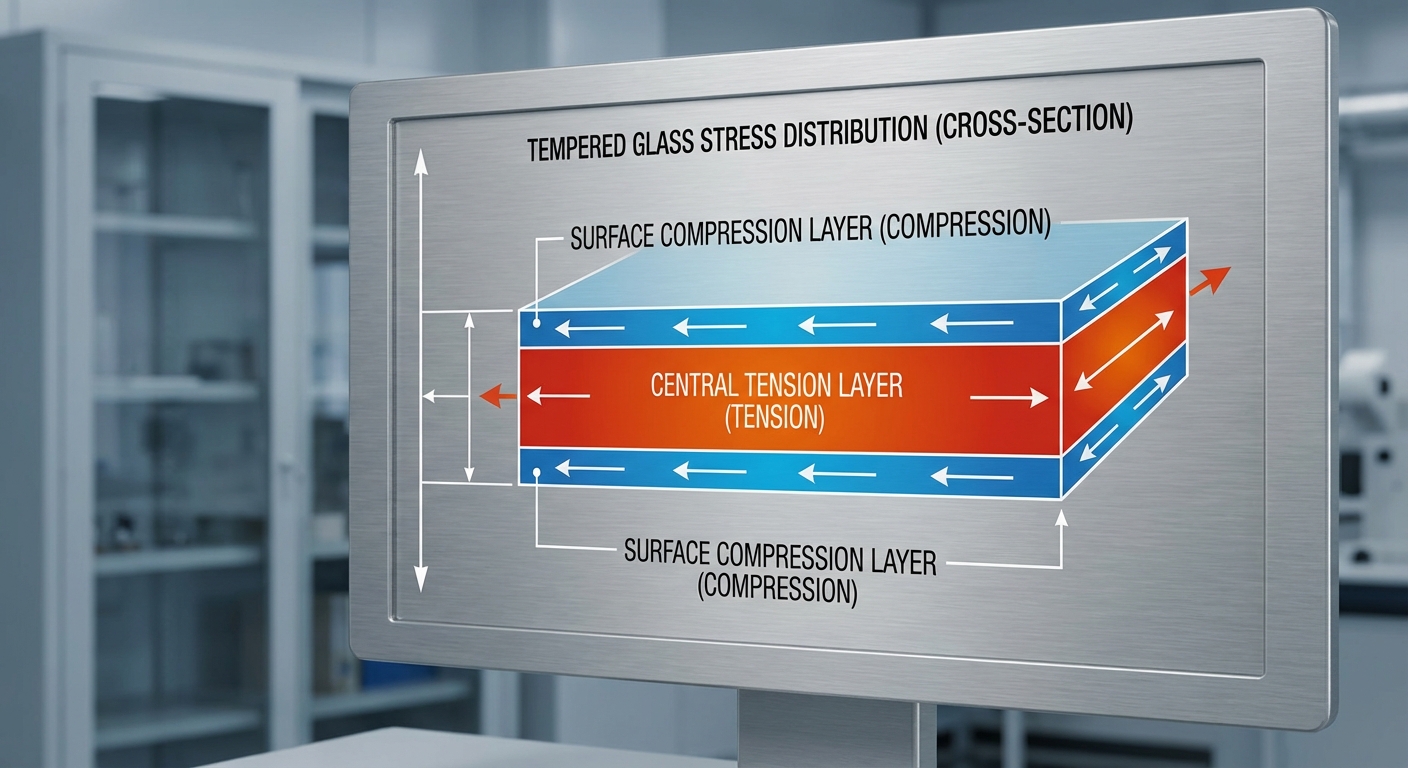
The difficulty of Drilling Tempered Glass stems from the high internal tension created during the heat-treating process. This tension is designed to make the glass stronger, but it also means the material is primed to shatter if the surface compression layer is breached. You must understand that any mechanical penetration can trigger a chain reaction of total structural collapse.
How Does Internal Tension Affect the Glass?
Internal tension creates a precarious balance between the outer compressed surfaces and the inner core under pull. You should know that once a drill bit penetrates past the compression layer, the energy release is instantaneous. Here’s the kicker: even a microscopic crack can lead to total destruction.
- Rapid energy release.
- Structural instability.
- Immediate fragmentation.
But that’s not all. You must calculate the exact pressure required to stay within the safe threshold of the material’s elastic limit.
What Is the Composition of Tempered Glass?
The composition consists of a standard silicate base that has undergone rapid cooling to lock in surface stress. You will find that this makes the glass up to five times stronger than annealed versions. Think about it: strength is your greatest asset and your biggest hurdle during fabrication.
- Silicate base material.
- Compressed outer layers.
- Tensile inner core.
You need to treat every inch of the surface as a loaded spring ready to pop.
Key Takeaway: Understanding the physics of internal tension is the first step toward preventing breakage during the drilling phase.
| Factor | Impact on Drilling | Professional Strategy |
|---|---|---|
| Surface Compression | High Resistance | Use Diamond Tipped Bits |
| Core Tension | Shatter Risk | Maintain Low Vibration |
| Thermal Stress | Heat Cracks | Continuous Water Cooling |
Proper identification of these stress points allows for better planning of entry and exit speeds.
Why Is Precision Vital for Drilling Tempered Glass?
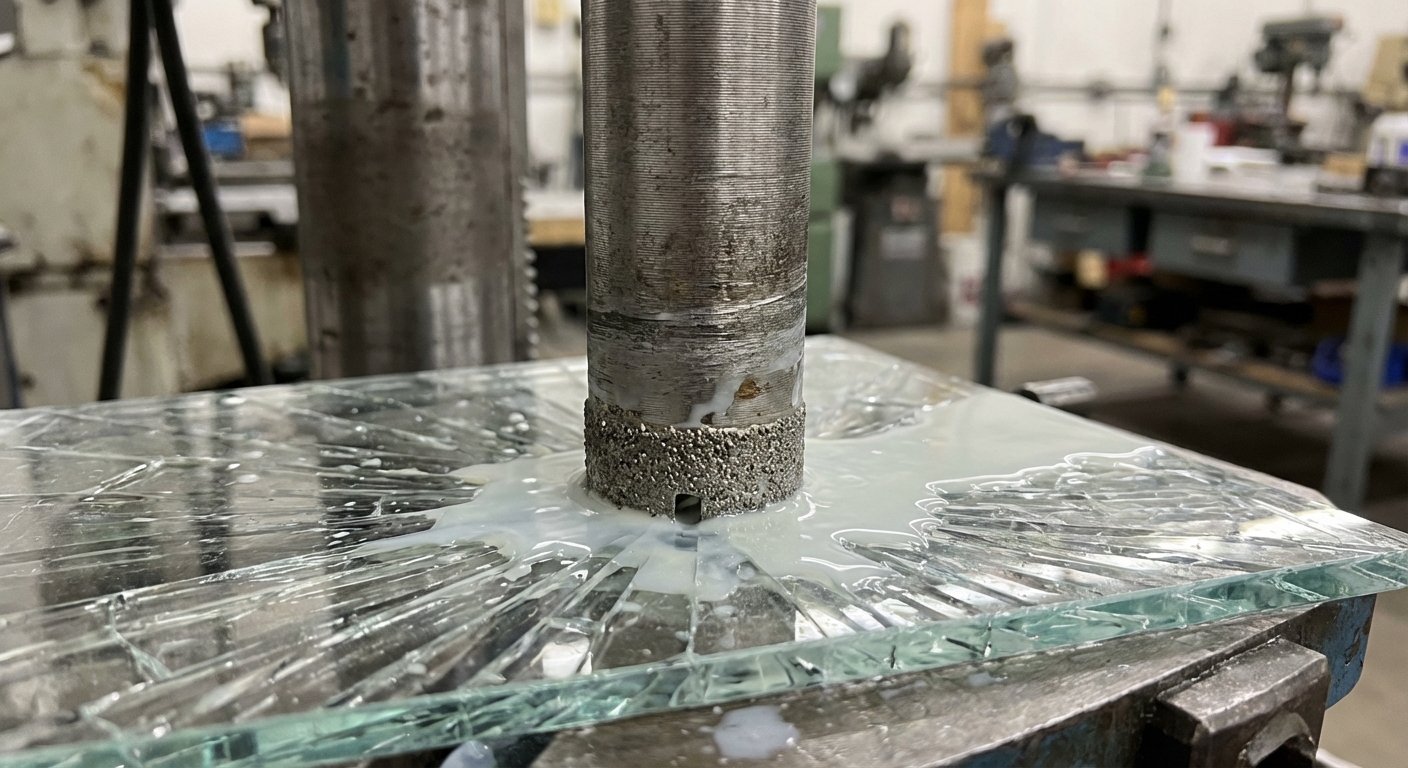
Precision is vital because even a millimeter of deviation can cause uneven stress distribution that leads to a crack. When you are Drilling Tempered Glass, the tolerances are virtually non-existent. Professional standards dictate that holes must be perfectly perpendicular to the surface to avoid side-loading the tension zones.
How Does Drilling Affect Structural Integrity?
Drilling removes material, which inherently weakens the surrounding area of the tempered panel. You must be aware that the edges of the hole become the new focal points for stress concentrations. It gets better: if the hole is drilled cleanly, the glass maintains its safety ratings.
- Stress concentration shifts.
- Edge quality importance.
- Load-bearing capacity changes.
Here is the secret. You should always chamfer the edges of the hole to redistribute potential stress more evenly across the surface.
Why Is Accuracy Crucial for Installation?
Installation accuracy ensures that hardware like hinges or handles does not put uneven pressure on the glass. You will see that a misaligned hole leads to “point loading,” which is a primary cause of post-installation breakage. Now for the important part: precision in the shop saves thousands in the field.
- Hardware alignment.
- Load distribution.
- Long-term durability.
But wait, there’s more. You need to ensure the hole diameter accounts for thermal expansion once the glass is in its final environment.
Key Takeaway: High-precision drilling ensures that the glass remains safe and functional throughout its entire service life.
| Precision Metric | Goal | Method |
|---|---|---|
| Hole Diameter | ±0.5 mm | Calibrated Drill Press |
| Edge Smoothness | No Micro-cracks | Gradual Feed Rate |
| Verticality | 90-degree angle | Rigid Jigs/Guides |
Maintaining these strict metrics prevents the structural degradation often seen in substandard glass fabrication.
What Equipment Is Best for Drilling Tempered Glass?
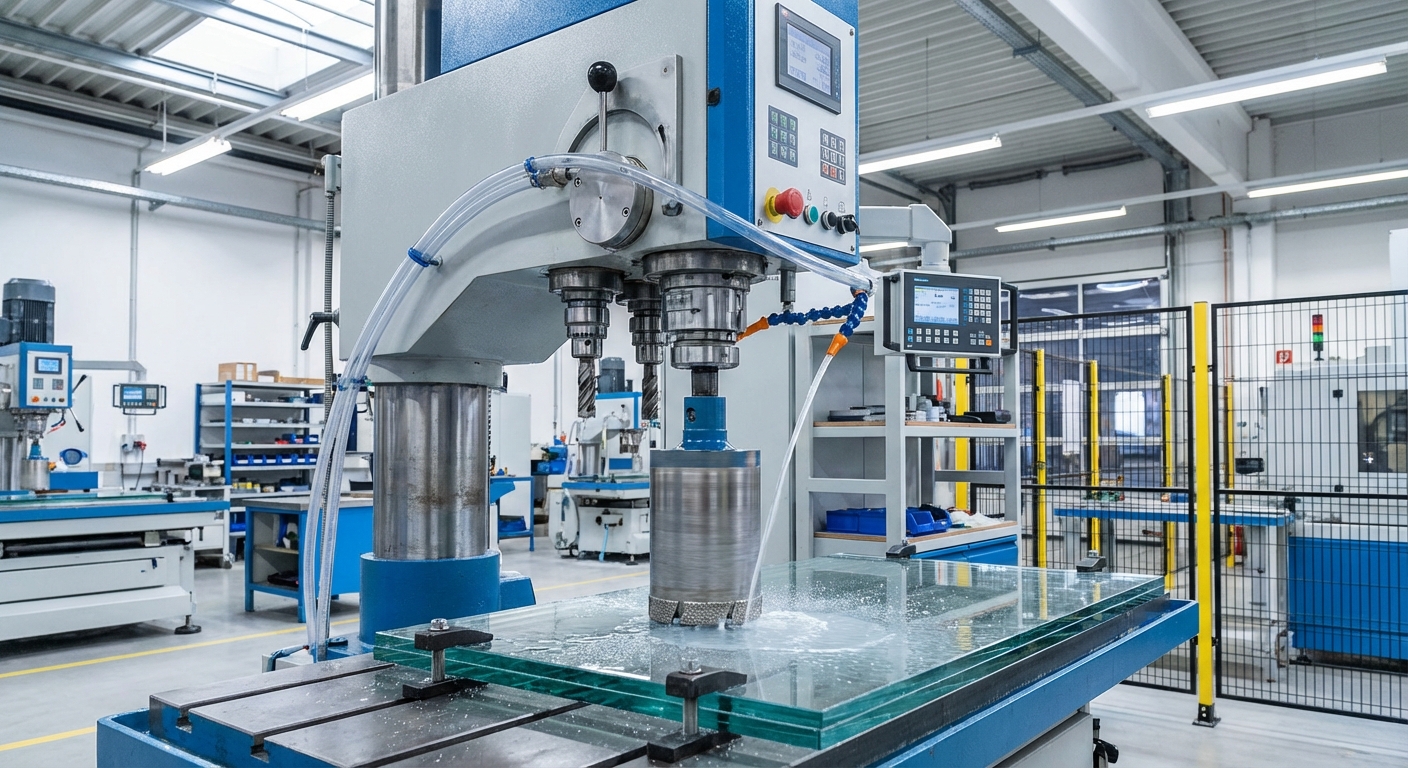
The best equipment for Drilling Tempered Glass involves a high-torque drill press equipped with diamond-bonded core bits. Handheld drills are generally unsuitable for professional-grade results because they lack the necessary stability. You need machinery that can maintain a consistent RPM while providing a steady flow of coolant to the contact point.
Why Are Diamond Drill Bits Essential?
Diamond bits are essential because they grind away the glass rather than cutting it, which reduces the risk of chipping. You will find that standard carbide bits generate too much heat and friction for tempered surfaces. Here’s the kicker: diamond bits offer the longevity needed for high-volume production.
- Abrasive grinding action.
- Reduced heat generation.
- Superior edge finish.
But that’s not all. You should select the grit size of the diamond bit based on the thickness of the glass you are processing.
Why Is a Coolant System Necessary?
A coolant system prevents thermal shock, which is the number one cause of glass failure during drilling. You must ensure a constant stream of water or specialized lubricant is directed exactly where the bit meets the glass. Look at it this way: without cooling, the friction will shatter the panel in seconds.
- Heat dissipation.
- Lubrication of the bit.
- Dust suppression.
Believe it or not. You can use a simple water dam or a professional pump system to achieve these results effectively.
Key Takeaway: Investing in diamond-tipped tools and automated cooling systems is non-negotiable for professional glass fabrication.
| Tool Component | Primary Function | Professional Recommendation |
|---|---|---|
| Diamond Core Bit | Material Removal | Hollow Bonded Construction |
| Drill Press | Stability/RPM Control | Industrial Grade |
| Coolant Pump | Thermal Regulation | Recirculating Water System |
Advanced equipment significantly lowers the margin for error while increasing the speed of the production line.
How Do You Ensure Safety When Drilling Tempered Glass?
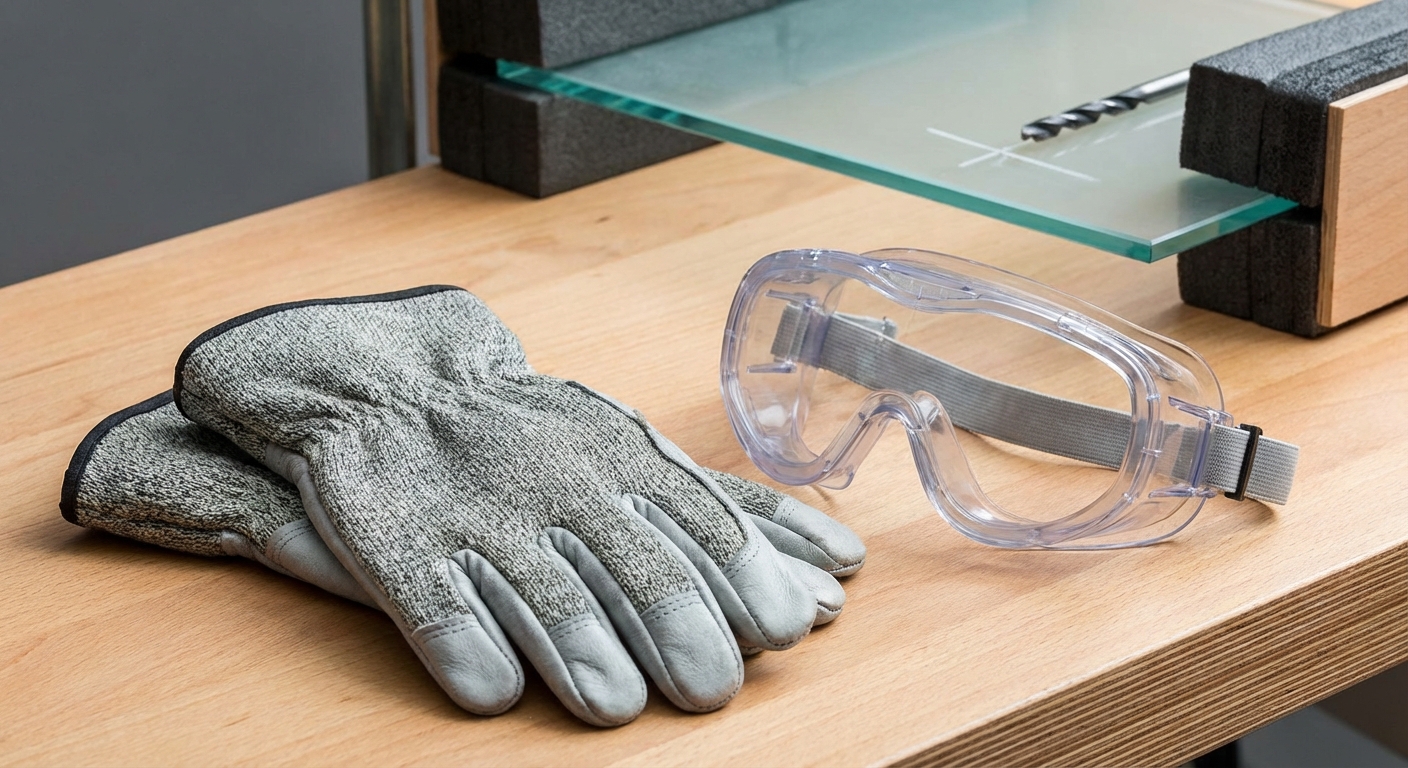
Safety is ensured by wearing comprehensive personal protective equipment and using proper securing techniques for the glass. When you are Drilling Tempered Glass, you must assume that a breakage could occur at any moment. This proactive mindset protects you from the sharp, albeit smaller, fragments that result from tempered glass failure.
What PPE Should You Wear While Drilling?
You must wear wrap-around safety goggles, cut-resistant gloves, and long-sleeved protective clothing. You should also consider a face shield if you are operating high-speed industrial machinery. Here is the deal: your eyes are the most vulnerable part of your body during this process.
- Safety goggles (Z87+ rated).
- Cut-resistant gloves (Level 5).
- Heavy-duty apron.
But that’s not the only thing. You should always wear closed-toe shoes to protect your feet from falling debris or glass shards.
How Do You Secure Glass Properly?
Securing the glass properly involves using soft-padded clamps or a vacuum table to prevent movement without causing surface damage. You must ensure the glass is supported fully across its entire surface area during the drilling process. Now for the truth: any vibration caused by poor securing will likely shatter the piece.
- Padded vacuum mounts.
- Rubber-lined clamps.
- Flat work surface.
It gets better. You can use a template or a jig to ensure the glass doesn’t shift even a fraction of a millimeter.
Key Takeaway: Comprehensive safety protocols protect the technician while ensuring the workpiece remains stable and intact.
| Safety Item | Risk Mitigated | Importance |
|---|---|---|
| Safety Glasses | Projectile Fragments | Critical |
| Vacuum Support | Vibrational Shatter | High |
| Coolant Containment | Slipping Hazards | Moderate |
Rigorous adherence to safety standards is the hallmark of a professional glass manufacturing environment.
What Is the Process for Drilling Tempered Glass?
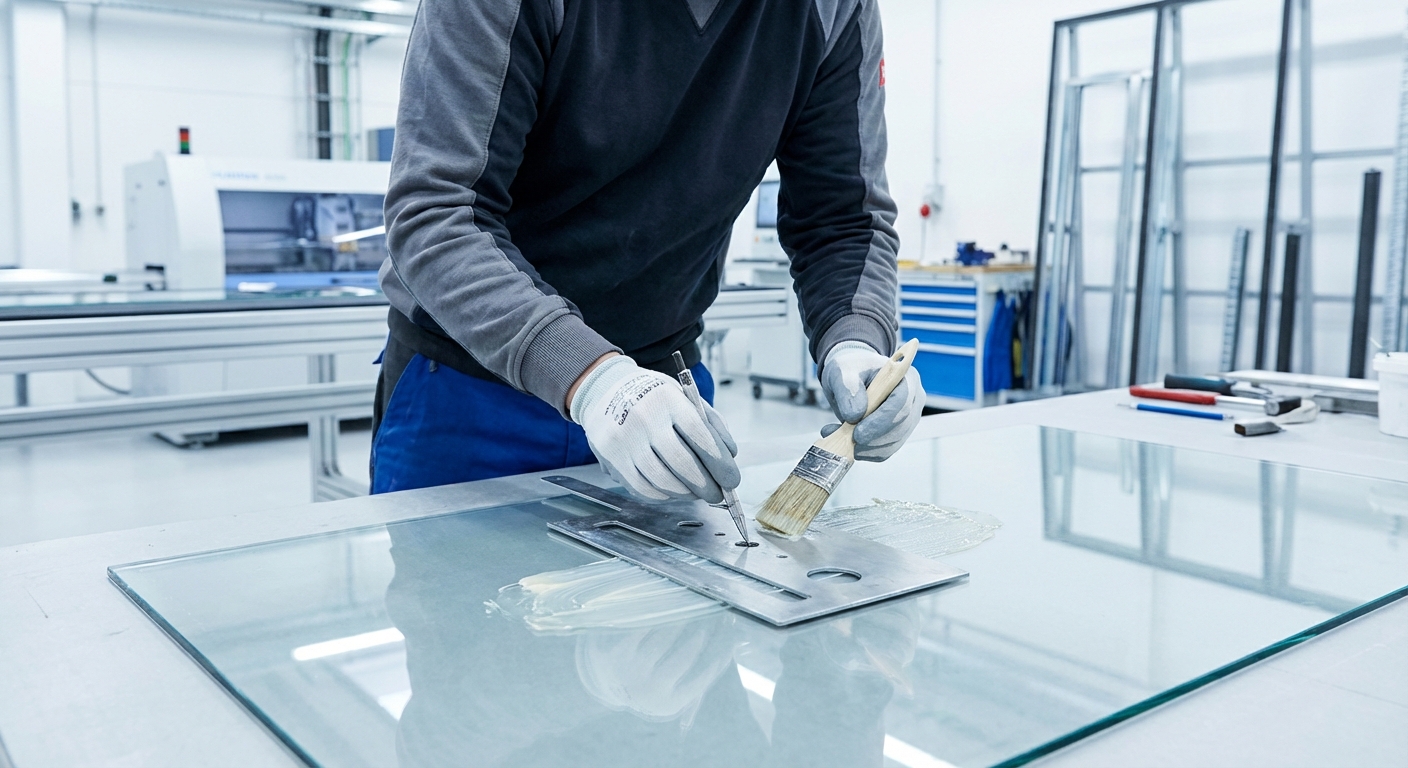
The process for Drilling Tempered Glass starts with precise marking and ends with a thorough inspection of the hole’s edge quality. You must follow a sequence that minimizes heat buildup and mechanical stress at the entry point. Professionals often use a “start-stop” drilling technique to manage the temperature of the diamond bit throughout the operation.
How Do You Mark and Set Up the Drill?
You should mark the center of the hole using a grease pencil or specialized glass marker that won’t wash away under coolant. You must then align the drill bit perfectly with the mark before applying any downward pressure. Here’s the kicker: many pros use a pilot guide to prevent the bit from walking across the glass surface.
- Non-washable marking.
- Perfect vertical alignment.
- Sturdy pilot guides.
But wait, there’s more. You should double-check all measurements from the edges of the glass to ensure the hole is positioned correctly according to the CAD drawing.
What Is the Correct Drilling Speed?
The correct speed is typically between 400 and 600 RPM depending on the diameter of the hole and the thickness of the glass. You must maintain a steady, slow feed rate rather than trying to force the bit through the material. Listen closely: the sound of the grinding should be consistent and smooth, not a screeching noise.
- Low to moderate RPM.
- Steady downward pressure.
- Listen for grind quality.
Believe it or not. You will often find that backing the bit out slightly every few seconds helps clear out the glass slurry and keep the bit cool.
Key Takeaway: A methodical approach to setup and speed is the only way to achieve repeatable results without breakage.
| Process Phase | Goal | Key Action |
|---|---|---|
| Setup | Accuracy | Use Precision Measuring Tools |
| Execution | Heat Control | Maintain Constant Water Flow |
| Finalization | Edge Integrity | Clean and Inspect for Micro-cracks |
Following a standardized workflow reduces the likelihood of human error during complex fabrication tasks.
How Do You Fix Issues When Drilling Tempered Glass?
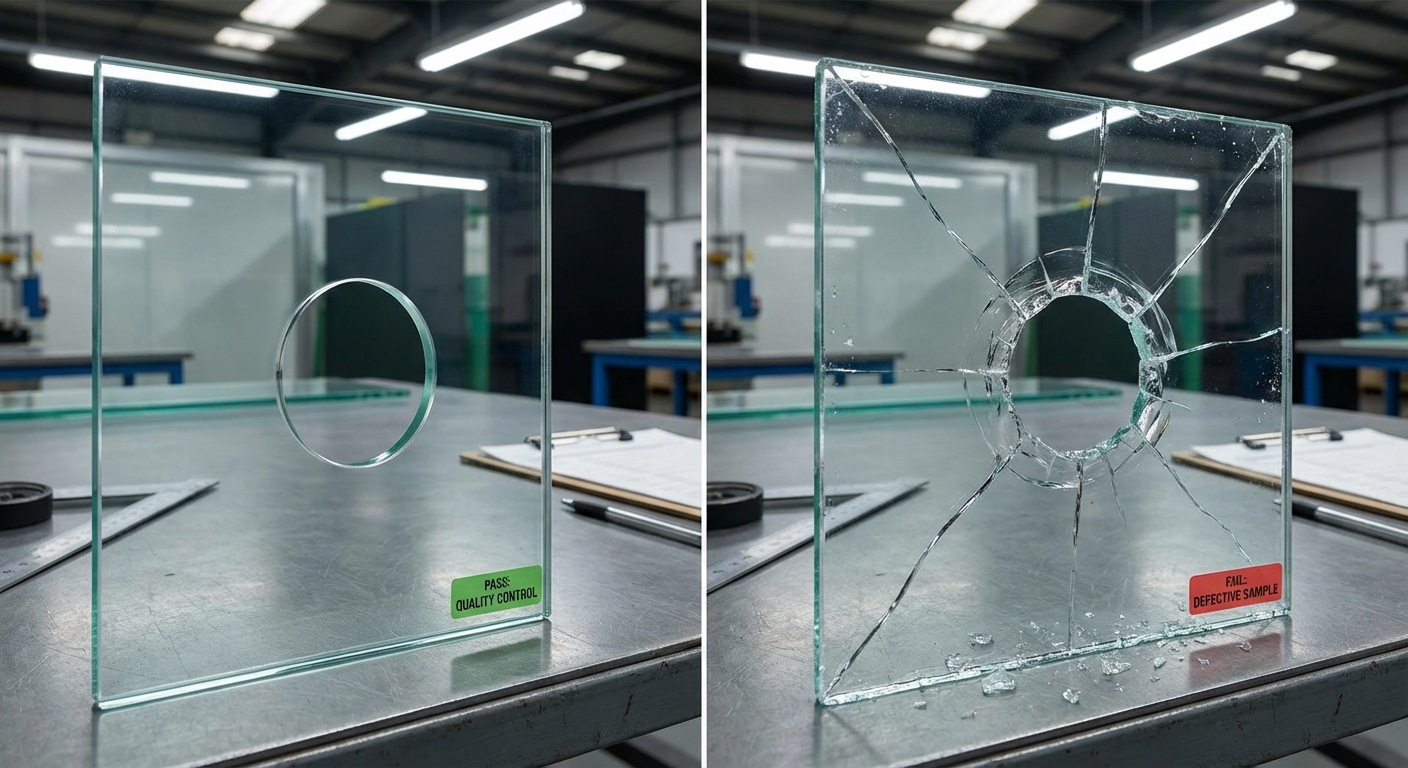
Fixing issues when Drilling Tempered Glass usually involves adjusting your feed rate or coolant flow before the glass actually fails. If a crack begins to form, there is no way to “repair” the panel; it must be scrapped and remanufactured. However, you can prevent these issues by identifying the early warning signs of excessive stress or bit dullness.
What Causes Cracks Around the Hole?
Cracks are usually caused by uneven pressure or a lack of sufficient lubrication during the grinding process. You will see that a dull bit is a major culprit because it requires more force to penetrate the glass. Here’s the deal: excess heat is the silent killer of tempered panels.
- Dull diamond surfaces.
- Insufficient water flow.
- Uneven downward force.
It gets better. You can monitor the color of the glass slurry; if it turns dark or starts smoking, you need to stop immediately.
How Can You Prevent Chipped Edges?
You can prevent chipped edges by using a high-quality diamond bit and ensuring the glass is backed by a solid material like scrap glass or wood. You must ease the pressure as the bit reaches the exit side of the hole to prevent “blowout.” Now for the important part: a smooth exit is just as vital as a clean entry.
- Solid backing material.
- Reduced exit pressure.
- Frequent bit dressing.
Think about it. You might also try drilling halfway from one side and then flipping the glass to finish from the other for the cleanest possible results.
Key Takeaway: Proactive monitoring of tool condition and glass temperature prevents most common drilling failures.
| Issue | Root Cause | Professional Fix |
|---|---|---|
| Edge Chipping | High Exit Pressure | Add Backing Material |
| Heat Stress | Low Coolant Flow | Increase Pump Pressure |
| Hole Wandering | Lack of Jig | Use a Rigid Guide |
By diagnosing problems early, you save significant time and resources in the manufacturing cycle.
How Do You Maintain Tools for Drilling Tempered Glass?
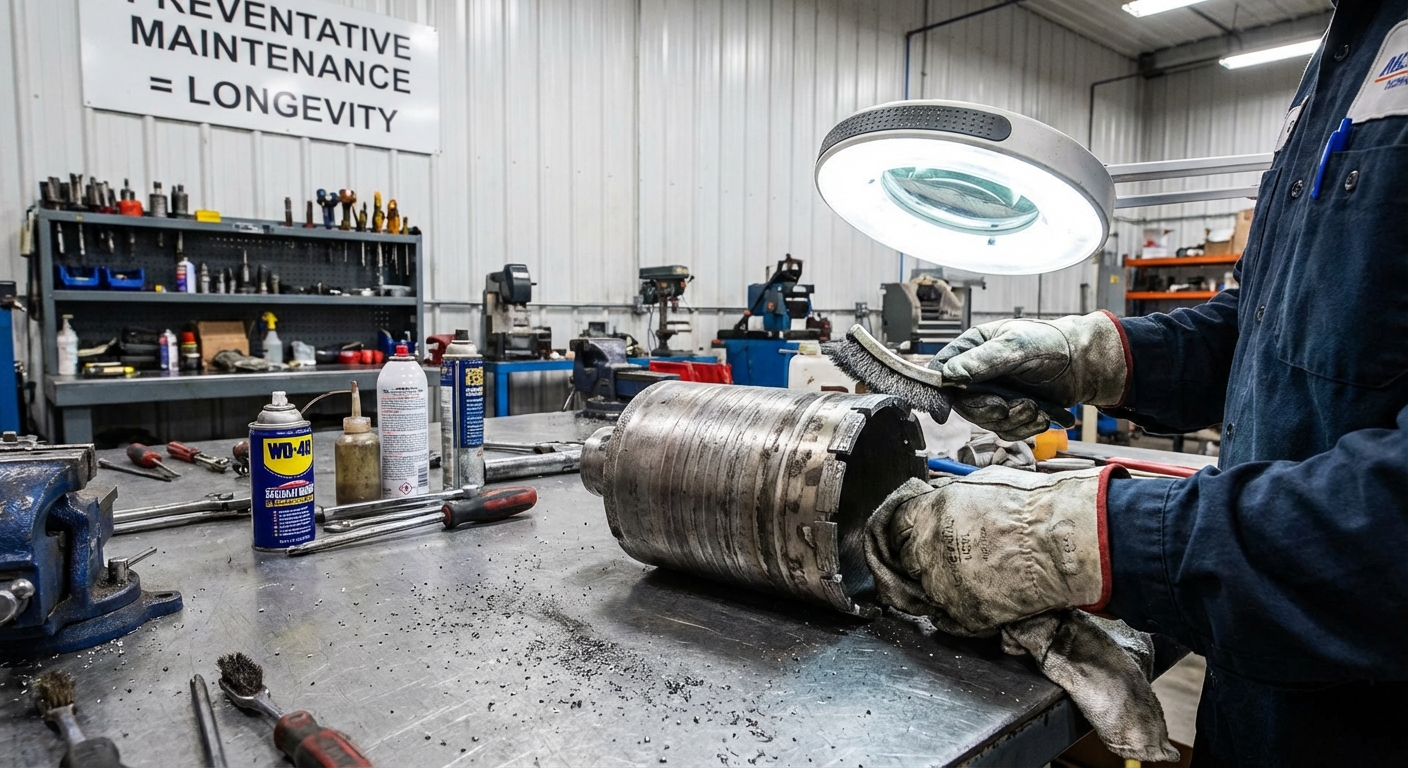
Maintaining tools for Drilling Tempered Glass involves regular cleaning and “dressing” the diamond bits to expose fresh abrasive surfaces. You must realize that a clogged or dull bit is dangerous and inefficient for high-precision work. Professional maintenance schedules ensure that your machinery stays accurate and your bits stay sharp for every project.
How Do You Clean Diamond Bits?
You should clean your bits after every use to remove the glass dust and slurry that accumulates in the hollow core. You must ensure that no residue remains, as this can dry and unbalance the bit during its next high-speed rotation. Here’s the kicker: clean tools last up to three times longer than neglected ones.
- Internal core clearing.
- Surface slurry removal.
- Dry storage to prevent rust.
But that’s not all. You can use a soft brush and clean water to ensure all the small diamond particles are free of debris.
When Should You Replace Worn Parts?
You should replace bits when you notice a significant drop in cutting speed or an increase in vibration during operation. You must also regularly inspect the bearings of your drill press to ensure there is no “run-out” or play in the spindle. Now for the truth: using worn equipment is a direct ticket to shattered glass.
- Check for bit “baldness.”
- Listen for bearing noise.
- Measure spindle accuracy.
Believe it or not. You should keep a log of how many holes each bit has drilled to predict when maintenance will be necessary.
Key Takeaway: Consistent tool maintenance is the foundation of a reliable and safe glass drilling operation.
| Maintenance Task | Frequency | Benefit |
|---|---|---|
| Bit Dressing | Every 10 Holes | Restores Grinding Power |
| Spindle Inspection | Weekly | Maintains Hole Accuracy |
| Coolant Flushing | Daily | Prevents Pump Clogging |
Proper tool care ensures that the quality of your finished products remains consistently high.
Why Hire Pros for Drilling Tempered Glass?

Hiring pros for Drilling Tempered Glass is necessary because professional facilities have the CNC machinery and quality control systems required for perfect results. Attempting this task without the right infrastructure often leads to total material loss and unsafe working conditions. Experts understand the nuances of glass chemistry and mechanical stress that DIYers simply cannot replicate.
How Does Expert Experience Help?
Expert experience allows for the identification of subtle defects in the glass that might cause it to fail under the drill. You will find that veteran technicians can “feel” the glass and adjust their technique in real-time. Here is the secret: years of practice lead to a 99% success rate on even the most complex panels.
- Real-time technique adjustment.
- Defect identification.
- CAD/CAM integration.
But wait, there’s more. You get the benefit of their liability insurance and material guarantees, which reduces your financial risk significantly.
How Do Pros Save Time and Money?
Pros save you money by getting the job done right the first time and avoiding the cost of replacement panels. You must consider that professional shops can drill hundreds of holes in the time it takes an amateur to do one. Look at it this way: efficiency in production translates to better pricing for you.
- Bulk processing speeds.
- Reduced material waste.
- Integrated logistics.
Think about it. You can focus on the installation and design aspects while the experts handle the high-risk fabrication work.
Key Takeaway: Professional fabrication services provide peace of mind and superior structural outcomes for any glass project.
| Benefit | Professional Advantage | Client Impact |
|---|---|---|
| Yield Rate | Near 100% Success | Lower Total Project Cost |
| Precision | CNC Accuracy | Faster Field Installation |
| Safety | Insured Work | Zero Liability for Breakage |
Outsourcing the drilling phase to specialists is a strategic decision that maximizes project efficiency.
What Are Future Trends in Drilling Tempered Glass?
Future trends in Drilling Tempered Glass include the adoption of laser-ablation techniques and fully automated robotic arms for extreme precision. These technologies aim to eliminate mechanical vibration entirely, which is the primary cause of modern glass breakage. You should expect to see these advancements making complex cutouts more common in architectural glass designs.
How Does Laser Drilling Work?
Laser drilling uses high-intensity beams to vaporize the glass material without applying any physical pressure. You will find that this method produces holes with nearly polished edges right out of the machine. Here’s the kicker: it works on a molecular level to avoid triggering the tension layers.
- Non-contact fabrication.
- Micron-level accuracy.
- Polished edge finishes.
But that’s not all. You can achieve shapes and patterns that were previously impossible with traditional diamond bits.
What Are Automated Drilling Systems?
Automated systems use sensors and artificial intelligence to monitor the drilling process in millisecond intervals. You must understand that these machines can adjust speed and coolant flow faster than any human operator could. Now for the exciting part: automation leads to perfectly identical holes across thousands of panels.
- AI-driven monitoring.
- Zero-human error.
- Consistent quality at scale.
It gets better. You can integrate these systems into a larger “Smart Factory” ecosystem for total production transparency.
Key Takeaway: Technology is rapidly evolving to make glass drilling safer, faster, and more versatile than ever before.
| Technology | Current Status | Future Impact |
|---|---|---|
| Laser Ablation | Emerging | Eliminates Shatter Risk |
| AI Monitoring | Early Adoption | Perfect Yield Rates |
| Robotic Handling | Growing | reduced Labor Costs |
Staying ahead of these trends allows glass fabricators to offer more creative and durable solutions to their clients.
Can You Succeed at Drilling Tempered Glass at Home?
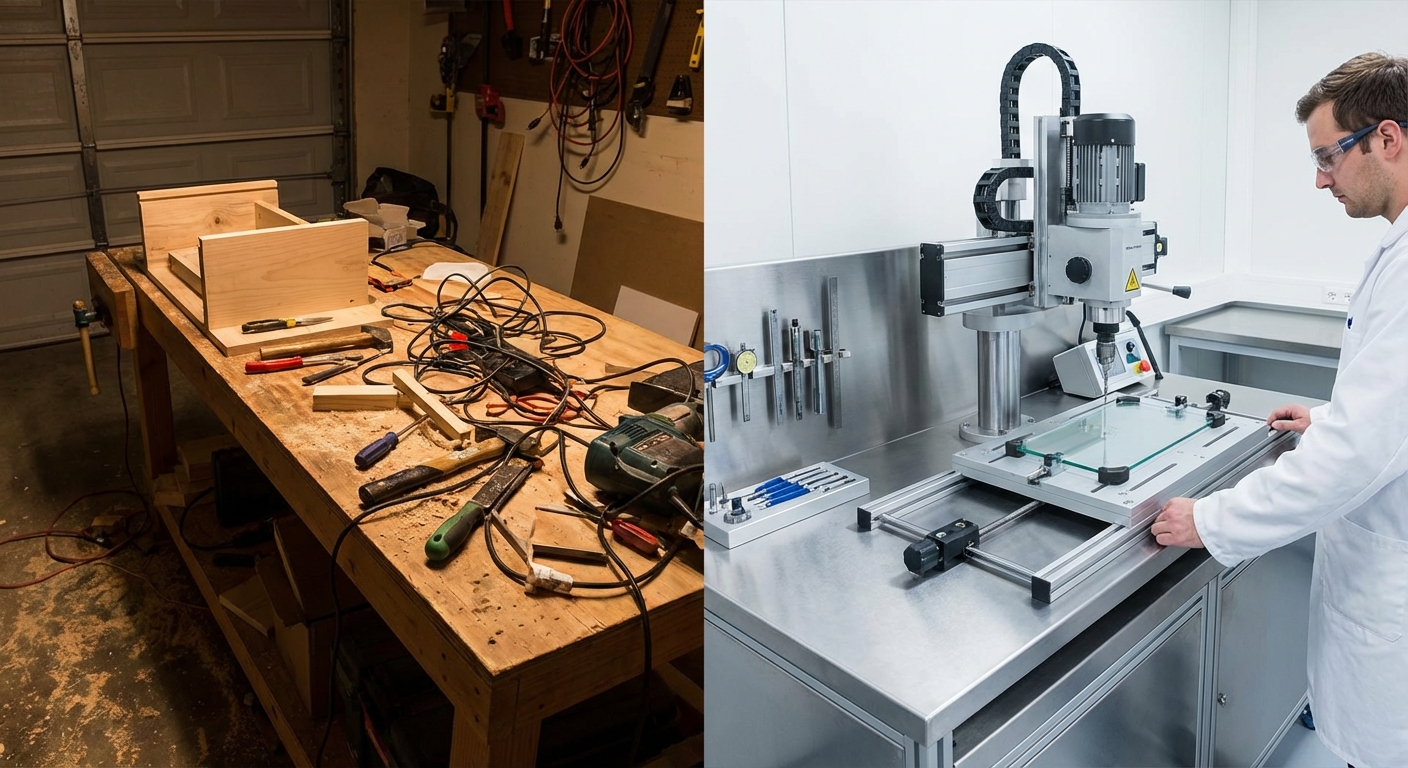
Success at home is extremely unlikely because Drilling Tempered Glass after it has been tempered is contrary to standard industry safety protocols. Most homeowners lack the rigid drill presses and industrial coolant systems needed to manage the internal stresses of the material. You should always aim to have all holes and cutouts completed by the manufacturer before the tempering process begins.
Is It Possible to Drill After Tempering?
Technically, it is possible with professional equipment, but it remains a high-risk activity that often voids warranties. You should know that most professional glass shops refuse to drill glass that has already been heat-treated. Here is the deal: the risk of the whole panel exploding is simply too high.
- High failure probability.
- Warranty cancellation.
- Safety hazards.
But wait, there’s more. You will often spend more money on diamond bits and ruined glass than you would have spent on a custom-ordered piece.
When Should You Drill Before Tempering?
You must always drill your holes when the glass is still in its “annealed” or soft state before it goes into the tempering furnace. You will find that this ensures the edges of the holes are tempered just like the rest of the surface. Think about it: this is the only way to guarantee the glass meets safety codes.
- Pre-tempering fabrication.
- Edge-strengthening benefits.
- Code compliance.
Now for the truth. You should plan your design meticulously because you cannot change the hole positions once the glass leaves the furnace.
Key Takeaway: Pre-tempering fabrication is the industry standard and the only reliable way to ensure a safe, long-lasting glass product.
| Approach | Risk Level | Recommendation |
|---|---|---|
| DIY Post-Tempering | Extreme | Avoid Completely |
| Pro Post-Tempering | High | Emergency Only |
| Pro Pre-Tempering | Low | Industry Standard |
Choosing the right time for fabrication is the most important decision in any custom glass project.
Conclusion
Navigating the complexities of drilling tempered glass requires a deep understanding of material science, precision machinery, and rigid safety standards. By addressing the core challenges of internal tension and thermal stress, professionals can deliver flawless results for even the most demanding architectural and residential projects. We invite you to contact us today to discuss your custom glass needs and see how our direct-factory precision can elevate your next installation. Our vision is to lead the industry through technical excellence, ensuring every panel we produce meets the highest standards of safety and durability.
FAQ
Can I use a regular drill bit for tempered glass?
No, you cannot use standard bits because they will simply skate across the surface or create enough heat to shatter the panel instantly. You must use diamond-bonded core bits that grind the glass away through abrasive action.
What is the best way to cool the glass while drilling?
The best method is a continuous, high-volume flow of water directed into the center of the hollow core bit. This keeps both the diamond abrasive and the glass surface at a stable temperature, preventing thermal shock.
Why does my tempered glass keep breaking when I start the hole?
Your glass is likely breaking due to excessive vibration or improper bit alignment at the moment of contact. Ensure you are using a rigid drill press and a guide jig to stabilize the bit until it creates a secure groove in the surface.
Can I drill a hole close to the edge of the glass?
Generally, you should keep holes at least two times the thickness of the glass away from any edge to maintain structural integrity. Drilling too close to the edge creates a weak point that can easily fail during the tempering process or during final installation.
Is it cheaper to drill it myself?
Absolutely not, because the cost of a single shattered tempered panel far outweighs the small fee charged by a professional fabrication shop. Additionally, the risk of injury from flying glass shards makes DIY drilling a dangerous and expensive gamble.