Laminated glass is a high-performance safety product consisting of two or more glass layers bonded together by a resilient plastic interlayer that keeps fragments intact upon impact.
Are you constantly worried about the safety risks and potential liabilities of glass shattering in your high-traffic commercial or residential space? Standard glass can break into sharp, dangerous shards, posing a severe threat to occupants and leaving your property vulnerable to intruders.
Fortunately, upgrading to Laminated Glass solves these concerns by providing an unbreakable-style barrier that maintains structural integrity even after severe impact, ensuring total peace of mind for your project.
What Exactly Is Laminated Glass Made Of?
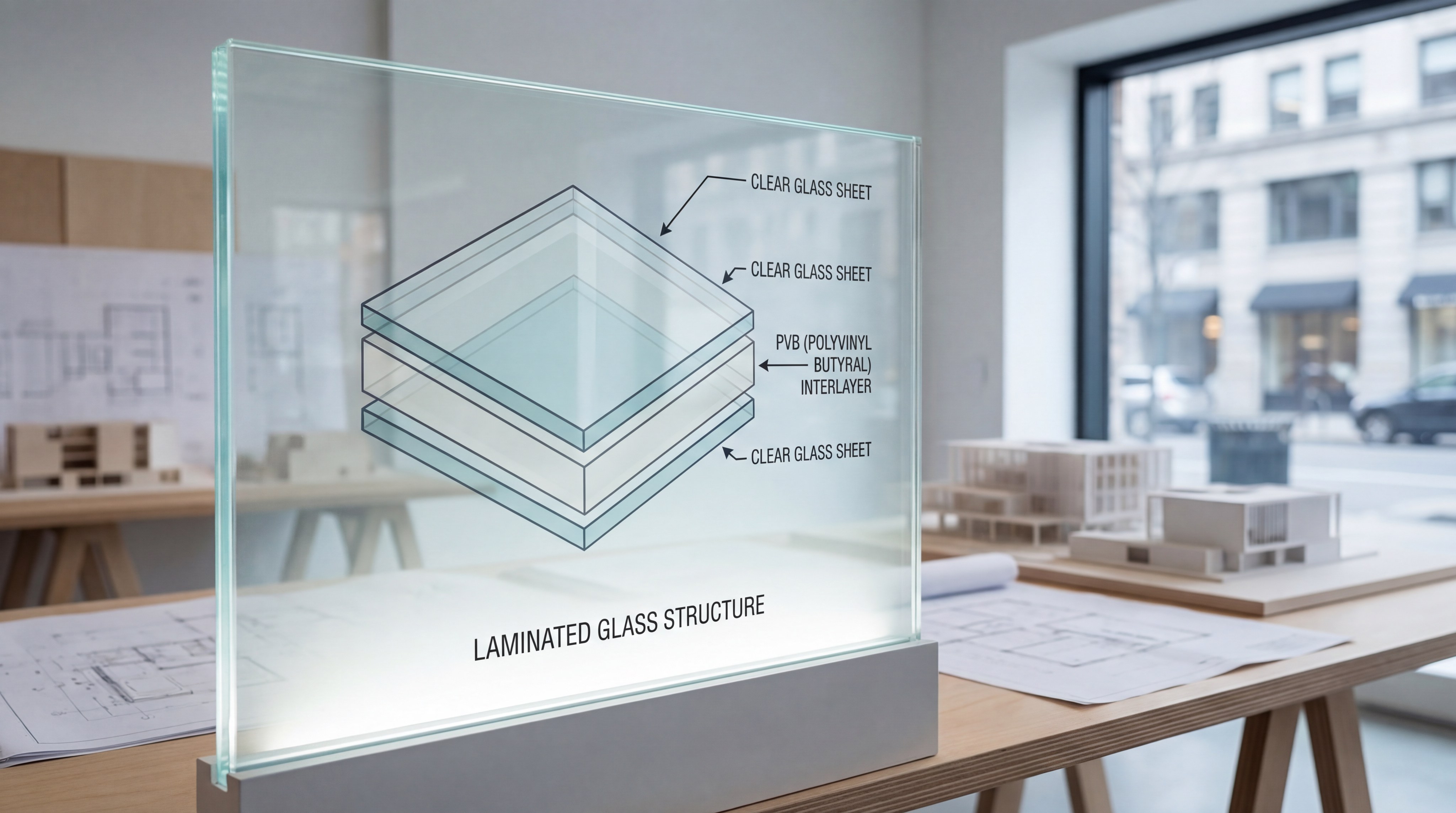
Laminated Glass is constructed by sandwiching a tough, transparent interlayer between two or more sheets of glass to create a unified, high-strength panel. This multi-layered “sandwich” design is what gives the material its signature ability to crack without falling apart. You will typically see this material used in areas where human impact or overhead safety is a primary concern.
What are the core materials used?
Manufacturers start with high-quality float glass, which can be standard, heat-strengthened, or fully tempered depending on the required strength. This base glass is then meticulously cleaned in a controlled environment to ensure a flawless bond with the internal core.
But here is the kicker:
- Multiple layers of annealed or tempered glass for structural base.
- Advanced plastic interlayers for permanent bonding.
- Optional low-E or tinted coatings for extra performance.
Which interlayers provide the best bond?
The most common interlayer is Polyvinyl Butyral (PVB), known for its excellent adhesion and clarity, while Ethylene Vinyl Acetate (EVA) is often used for moisture-sensitive outdoor applications. For extreme structural needs, SentryGlas Plus (SGP) offers five times the tear strength of standard PVB.
Key Takeaways:
- The glass type and interlayer material determine the specific safety and strength rating of the final panel.
- Proper material selection prevents delamination and ensures long-term clarity in varying climates.
| Material Component | Primary Function | Ideal Use Case |
|---|---|---|
| PVB Interlayer | Adhesion & Shard Retention | Standard safety windows |
| SGP Interlayer | High Structural Stiffness | Hurricane-resistant facades |
| EVA Interlayer | Moisture Resistance | Open-edged glass railings |
Analysis: Choosing the right interlayer is critical because it dictates how the glass reacts to extreme wind loads and moisture exposure.
How Is Laminated Glass Manufactured?
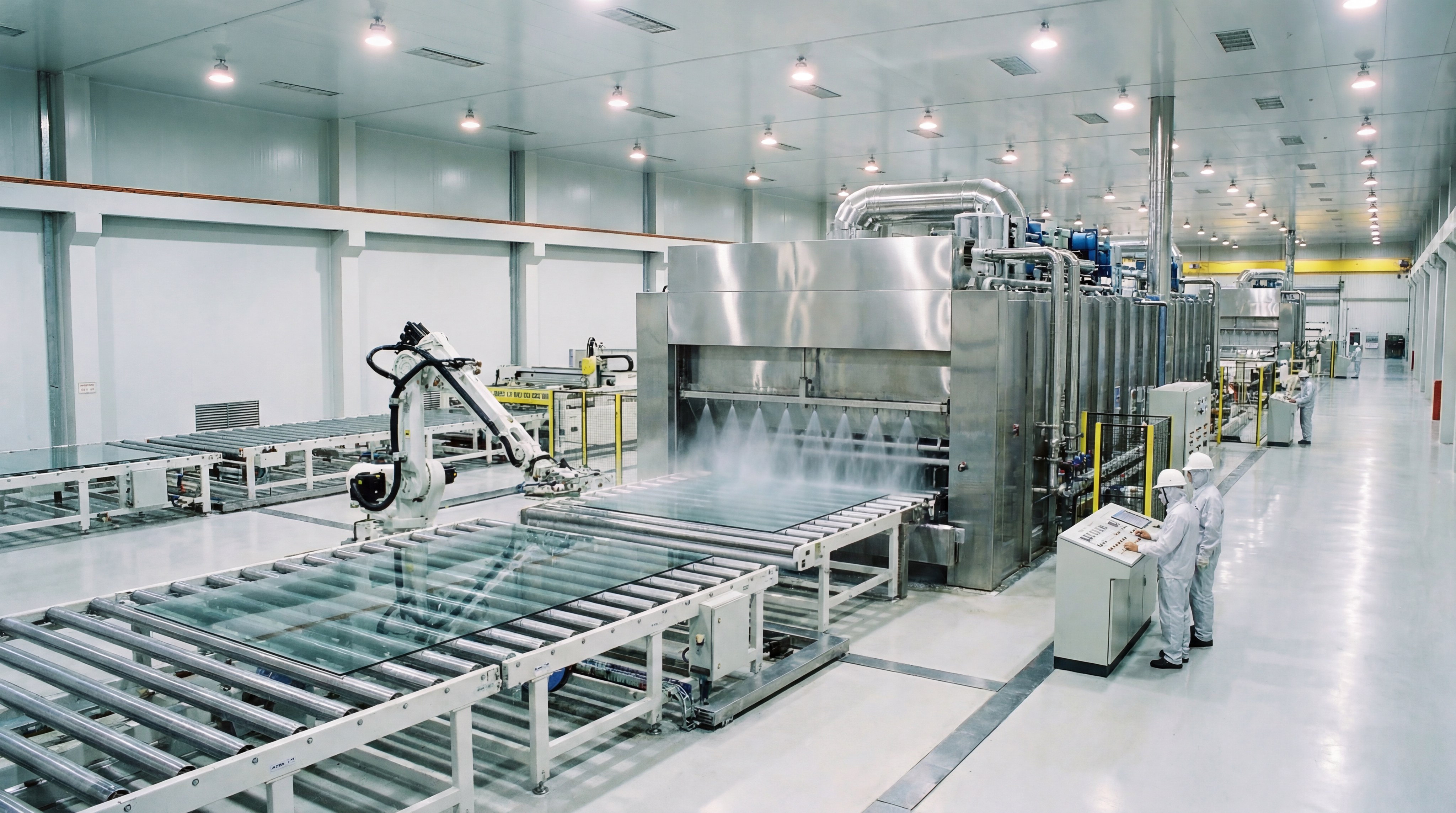
Laminated Glass is manufactured through a specialized process involving precision cleaning, film layering, pre-pressing, and final heat treatment in a high-pressure autoclave. This rigorous sequence ensures that the different materials fuse into a single, optically clear unit that behaves as one solid piece. If you are comparing different safety products, you might also be interested in how tempered glass is made.
How does the layering process work?
The process begins in a clean-room environment where technicians place the flexible plastic interlayer precisely between the prepared glass sheets. Any dust or contamination at this stage could compromise the visual quality of the final product.
Here is the secret to a perfect bond:
- Automated washing and drying for spotless glass surfaces.
- Precision cutting of the interlayer film to match glass dimensions.
- Alignment of multiple layers for a balanced structural sandwich.
Why is the autoclave stage critical?
Once the layers are aligned, they pass through a pre-press furnace to remove air and then enter an autoclave where heat and pressure permanently melt the interlayer. This final step transforms the hazy assembly into a perfectly clear, high-strength safety panel.
Key Takeaways:
- Autoclave bonding is the industry standard for creating a permanent, bubble-free fusion between glass and plastic.
- Strict environmental controls during production prevent future defects like delamination or discoloration.
| Production Stage | Objective | Critical Factor |
|---|---|---|
| Pre-Pressing | Air bubble removal | Roller pressure accuracy |
| Autoclave | Permanent bonding | Temperature-time-pressure curve |
| Quality Control | Optical inspection | Absence of inclusions or haze |
Analysis: The precision of the autoclave cycle is the most important factor in ensuring the glass remains safe and clear for its entire lifespan.
What Are the Main Types of Laminated Glass?
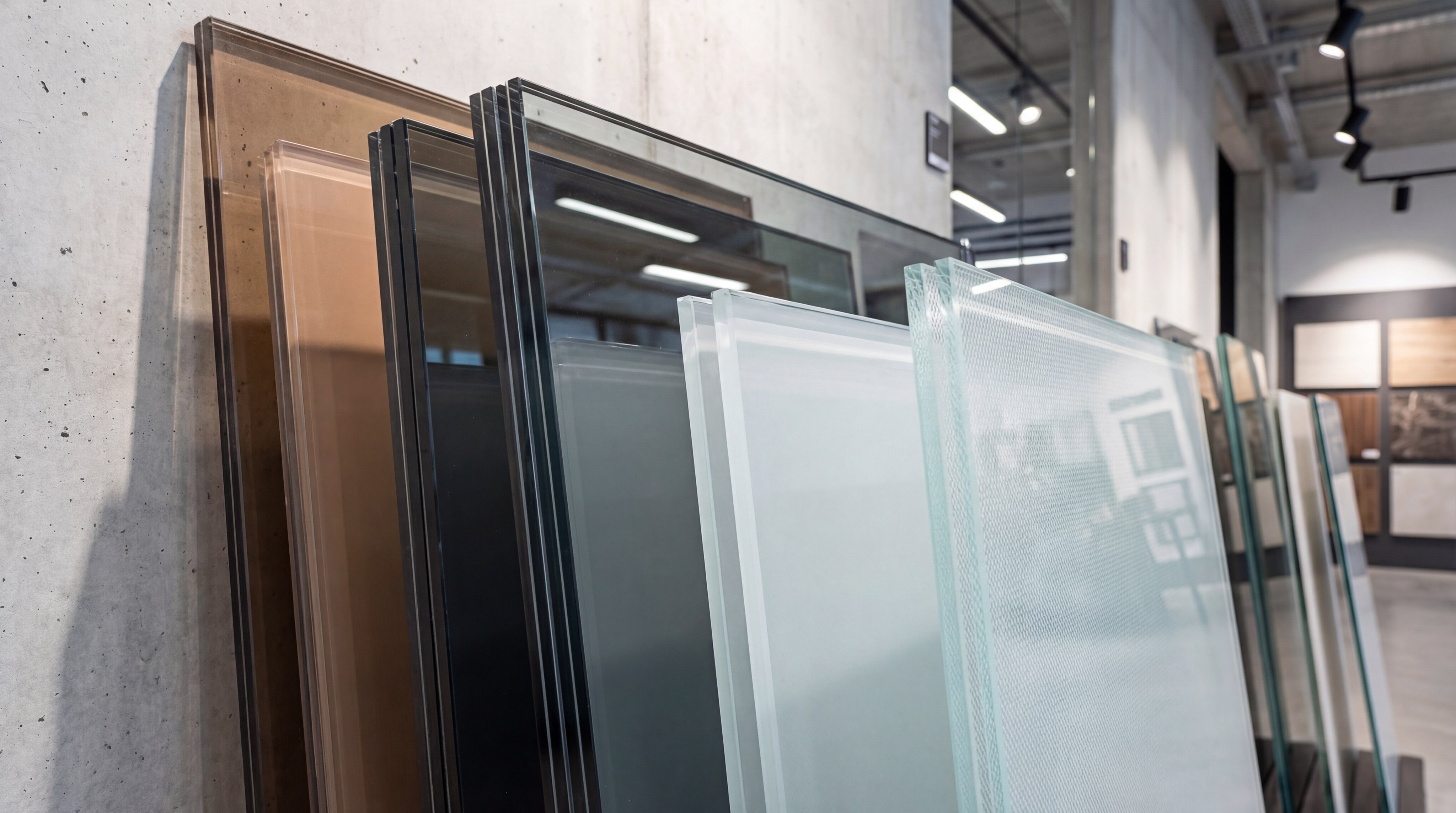
The main types of Laminated Glass include standard safety, acoustic dampening, structural security, and decorative variants, each engineered for a unique architectural purpose. You can customize the interlayer and glass thickness to solve specific challenges like noise pollution or severe weather protection. Each type offers a different balance of aesthetic appeal and functional protection.
Which types offer the best soundproofing?
Acoustic variants feature a specialized sound-absorbing core that disrupts sound waves, making them ideal for offices and urban hotels. These panels can reduce exterior noise by up to 50% compared to standard single-pane windows.
The benefits don’t stop there:
- Quiet interior environments for increased productivity.
- Enhanced privacy in glass-walled meeting rooms.
- Better sleep quality for residential projects near busy roads.
What are high-security glass types?
Security-grade versions use multiple thick glass layers and rigid interlayers to resist forced entry, ballistics, or explosion impacts. These are the gold standard for banks, government buildings, and high-value retail stores.
Key Takeaways:
- Laminated products are not “one size fits all” and must be matched to the specific threat level of the site.
- Decorative interlayers allow for branding and privacy without sacrificing the core safety benefits.
| Glass Type | Specialized Feature | Primary Application |
|---|---|---|
| Acoustic Laminated | Noise-dampening core | Urban offices & hotels |
| Multi-layer Security | Forced entry resistance | Jewelry stores & banks |
| Decorative Laminated | Colored or fabric interlayers | Interior partitions |
Analysis: Understanding the different variants allows architects to specify a single material that addresses both safety and acoustic comfort.
Why Should You Choose Laminated Glass?
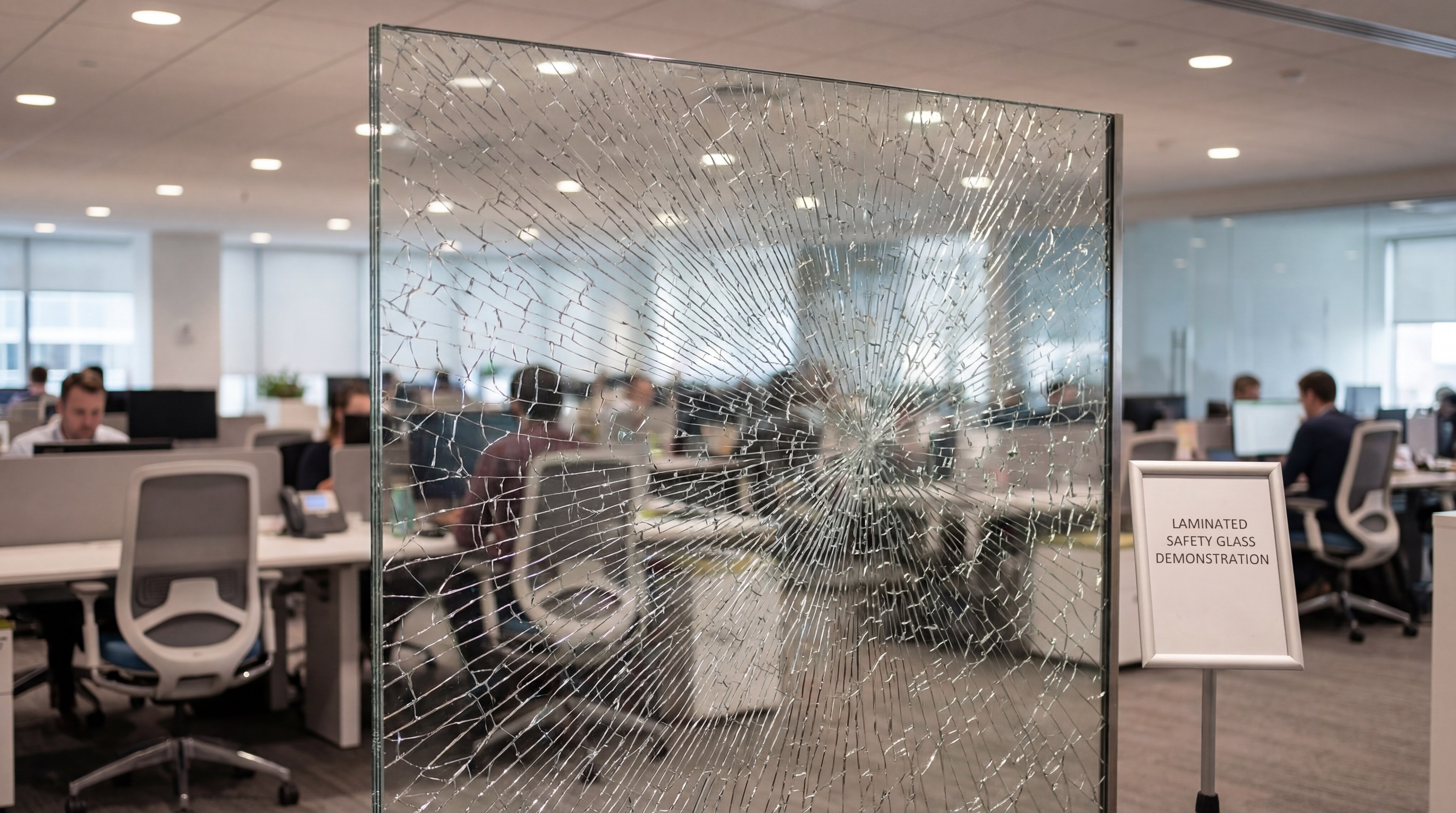
You should choose Laminated Glass because it provides unmatched safety by holding broken fragments in place, blocking 99% of UV rays, and offering superior sound insulation. This material acts as a continuous barrier that protects people and property even after the glass has been cracked. It is the most versatile solution for modern buildings requiring high levels of security and comfort.
How does it prevent serious injuries?
When standard glass breaks, it falls out of the frame in large, sharp pieces; however, the laminated core keeps these shards bonded to the film. This prevents falling glass from injuring pedestrians below and keeps the building envelope sealed against wind and rain.
But that’s not all:
- Deters burglars who cannot easily penetrate the plastic core.
- Reduces the need for emergency board-ups after an impact.
- Maintains structural integrity until a replacement can be installed.
Can it protect your interior assets?
The interlayer naturally filters out the harmful ultraviolet radiation that causes furniture, flooring, and artwork to fade over time. This makes it a smart long-term investment for luxury homes and museums.
Key Takeaways:
- Safety is the primary benefit, but the secondary UV and sound benefits add immense value to any building.
- It is often the only code-compliant choice for overhead glazing and high-rise facades.
| Performance Benefit | Direct Result | User Value |
|---|---|---|
| Shatter Resistance | Fragment retention | Reduced injury risk |
| UV Filtering | 99% UV blockage | Protected interior decor |
| Sound Insulation | High STC rating | Quieter living spaces |
Analysis: The multi-functional nature of this glass makes it a highly cost-effective choice when considering long-term property maintenance.
How Does It Compare to Tempered Glass?
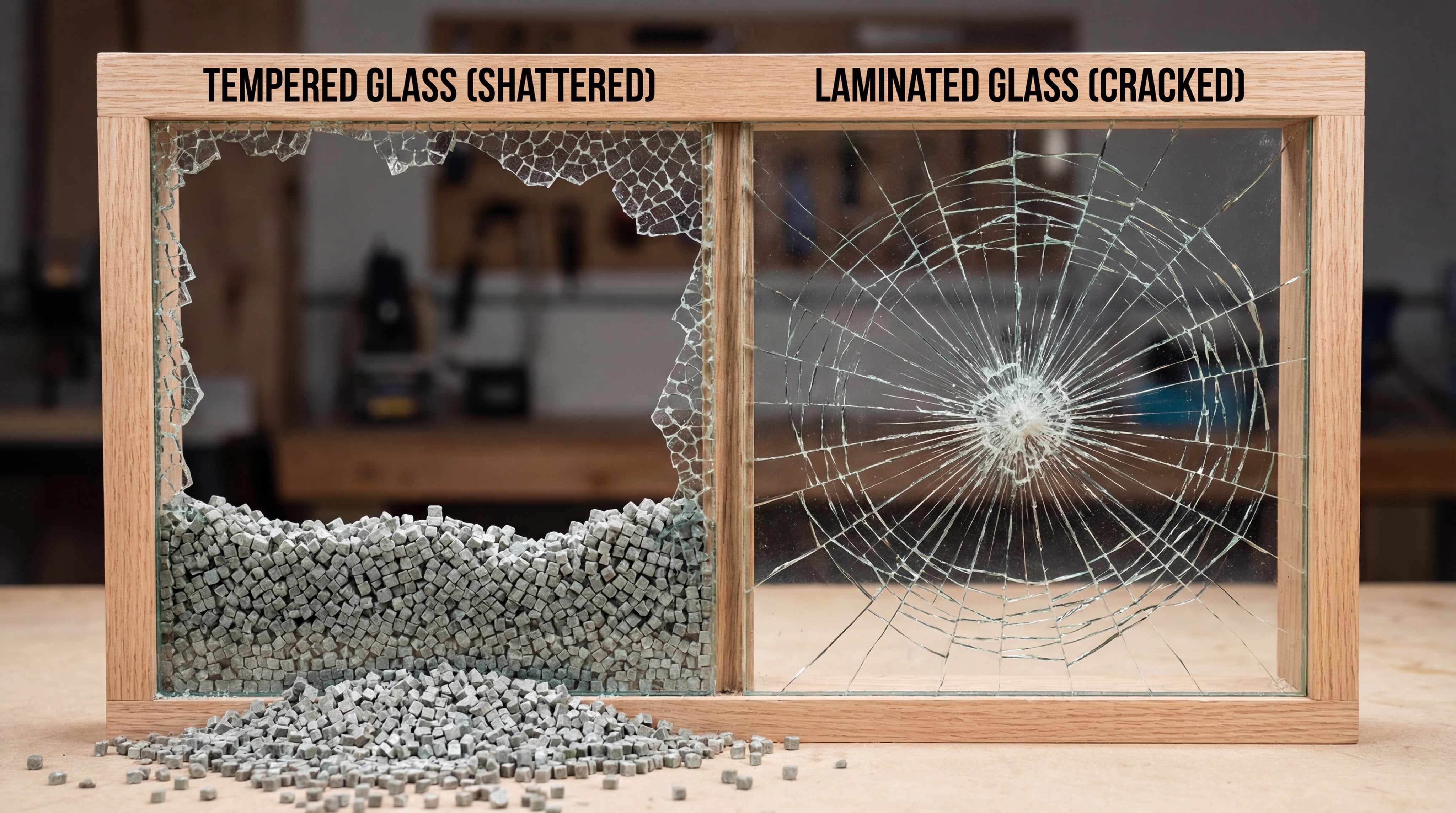
Laminated Glass differs from tempered glass because it remains in the frame after breaking, whereas tempered glass shatters into thousands of small, loose pebbles. You can even combine both by using tempered panes within a laminated assembly to get the highest possible strength and safety. Understanding these differences is essential for choosing the right tempered glass vs plate glass options for your project.
Which is stronger against blunt force?
Tempered glass is about four times stronger than standard annealed glass, making it highly resistant to blunt impact. However, once it reaches its breaking point, it completely disappears from the frame, leaving a hole in your building.
Here is the kicker:
- Laminated panels remain a solid barrier post-breakage.
- Tempered panels are more heat-resistant and better for kitchens.
- Laminated provides significantly better sound insulation.
When should you use a combination?
Tempered-laminated glass is used for high-stress applications like glass floors, stairs, and structural railings. This combination offers the extreme surface hardness of tempered glass with the fail-safe security of the laminated core.
Key Takeaways:
- Tempered glass is for “strength and safe breakage,” while laminated is for “retention and security.”
- For critical safety applications like skylights, laminated is the superior and often legally required choice.
| Feature | Tempered Glass | Laminated Glass |
|---|---|---|
| Breaking Pattern | Small blunt cubes | Spiderweb cracks (held) |
| Post-Break Barrier | None (falls out) | Strong (stays in frame) |
| Sound Dampening | Poor | Excellent |
Analysis: The choice between these two depends on whether you need a material that resists breaking or one that stays in place if it does break.
Where Is Laminated Glass Commonly Used?
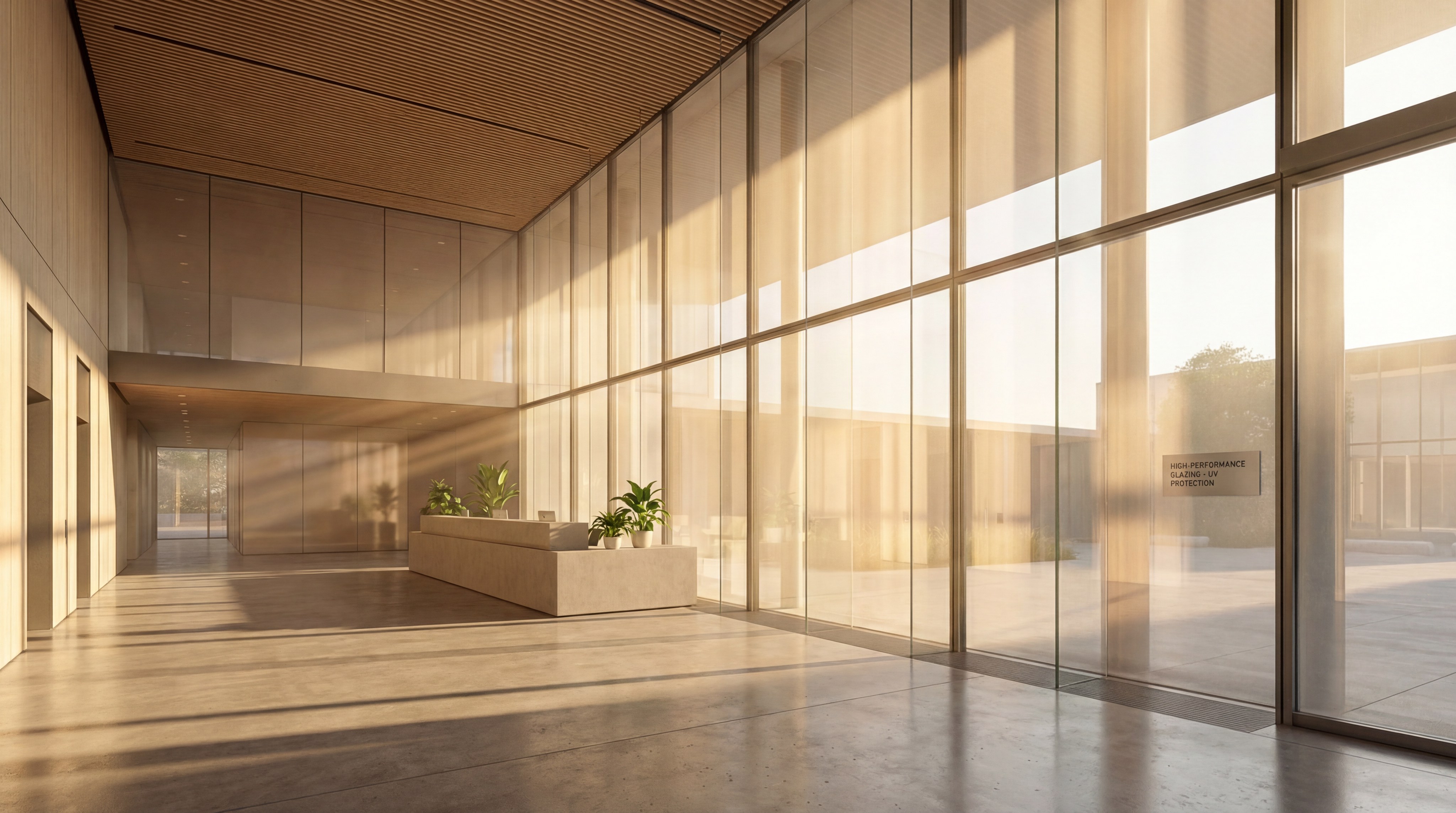
Laminated Glass is commonly used in high-rise curtain walls, overhead skylights, glass railings, and hurricane-resistant windows where failure could lead to catastrophic injury. You will also find it in sound-sensitive areas like recording studios, airport terminals, and hospitals to maintain a quiet environment. Its versatility makes it a staple in both commercial and high-end residential architecture.
Why is it mandatory for skylights?
Building codes require laminated panels for overhead glazing because they prevent glass from falling on people if it breaks due to snow loads or falling debris. This “fail-safe” property is non-negotiable for public safety in modern atriums.
The applications are everywhere:
- Structural glass floors and staircase treads.
- Anti-bandit storefronts for luxury retail.
- Glass fins and spider-system facades.
How is it used in automotive safety?
Every modern car uses a laminated windshield to ensure that if a rock hits the glass at high speed, it doesn’t shatter into the driver’s face. This same technology protects your building from storm-driven projectiles.
Key Takeaways:
- It is the preferred choice for any application where the glass must perform a structural or security role.
- Modern office partitions use it to create open-concept designs with high levels of acoustic privacy.
| Industry/Area | Specific Application | Primary Function |
|---|---|---|
| Commercial Office | Internal partitions | Acoustic privacy & safety |
| Coastal Housing | Hurricane windows | Impact protection |
| Retail / Banking | Security glazing | Theft and intrusion deterrence |
Analysis: The wide adoption across different industries proves that this material is the most reliable choice for critical safety requirements.
Can Laminated Glass Improve Energy Efficiency?

Laminated Glass improves energy efficiency by significantly reducing solar heat gain through tinted interlayers and reflecting infrared radiation with low-E coatings. You can combine these panels into an Insulated Glass Unit (IGU) to create a high-performance thermal barrier that keeps buildings cool in summer and warm in winter. This makes it an essential component for green building certifications and LEED-rated projects.
How does it reduce cooling costs?
Specialized interlayers can filter out specific wavelengths of solar energy, preventing your interior from heating up like a greenhouse. This reduces the workload on your HVAC system and lowers monthly utility bills.
But that’s not all:
- Better thermal comfort near large windows.
- Reduced glare without needing heavy blinds.
- Superior protection for energy-sensitive equipment.
What is the role of low-E coatings?
When a low-emissivity coating is applied to the laminated assembly, it reflects heat back to its source. This means winter warmth stays inside, and summer heat stays outside, maximizing your building’s overall insulation.
Key Takeaways:
- Laminated glass is a thermal powerhouse when combined with modern coating technologies.
- Energy-efficient glazing can pay for itself over time through reduced operational costs.
| Thermal Feature | Action | Economic Impact |
|---|---|---|
| Solar-Control Film | Blocks infrared heat | Lower AC electricity bills |
| Low-E Coating | Reflects thermal energy | Reduced heating costs |
| IGU Spacers | Minimizes edge heat loss | Better overall U-value |
Analysis: Investing in high-efficiency laminated units is a strategic decision that increases property value while lowering long-term expenses.
What Factors Affect Laminated Glass Pricing?

The pricing of Laminated Glass is primarily affected by the total glass thickness, the type of interlayer used (PVB vs SGP), and any specialized fabrication like polished edges or holes. You must also consider the size and weight of the panels, as oversized glass requires specialized shipping and installation equipment. For a detailed breakdown of budget considerations, you can check how much tempered glass costs for comparison.
Why do interlayers drive the cost?
Standard PVB is the most economical choice, while structural SGP films can double the price of the interlayer itself. Your choice depends on whether you are building a standard window or a high-stress structural floor.
Here is the kicker:
- Low-iron glass increases clarity but adds a premium cost.
- Custom shapes and curved glass require expensive molds.
- Large-scale orders often benefit from bulk manufacturing discounts.
How do fabrication details add up?
Every hole drilled and every edge polished adds labor time and complexity to the manufacturing process. For frameless glass systems, these finishing details are essential for both safety and aesthetics.
Key Takeaways:
- Accurate budgeting requires a full specification of thickness, interlayer type, and hardware requirements.
- Standard sizes are always more cost-effective than custom-engineered dimensions.
| Cost Driver | Influence | Budget Tip |
|---|---|---|
| Glass Type | High (Low-iron vs Clear) | Use standard clear for non-visual areas |
| Interlayer Type | Extreme (PVB vs SGP) | Use PVB unless structural load is high |
| Fabrication | Medium (Holes/Polishing) | Minimize custom holes in design |
Analysis: By understanding these cost drivers, project managers can value-engineer their glazing packages without compromising on safety.
How to Specify Laminated Glass for Projects?
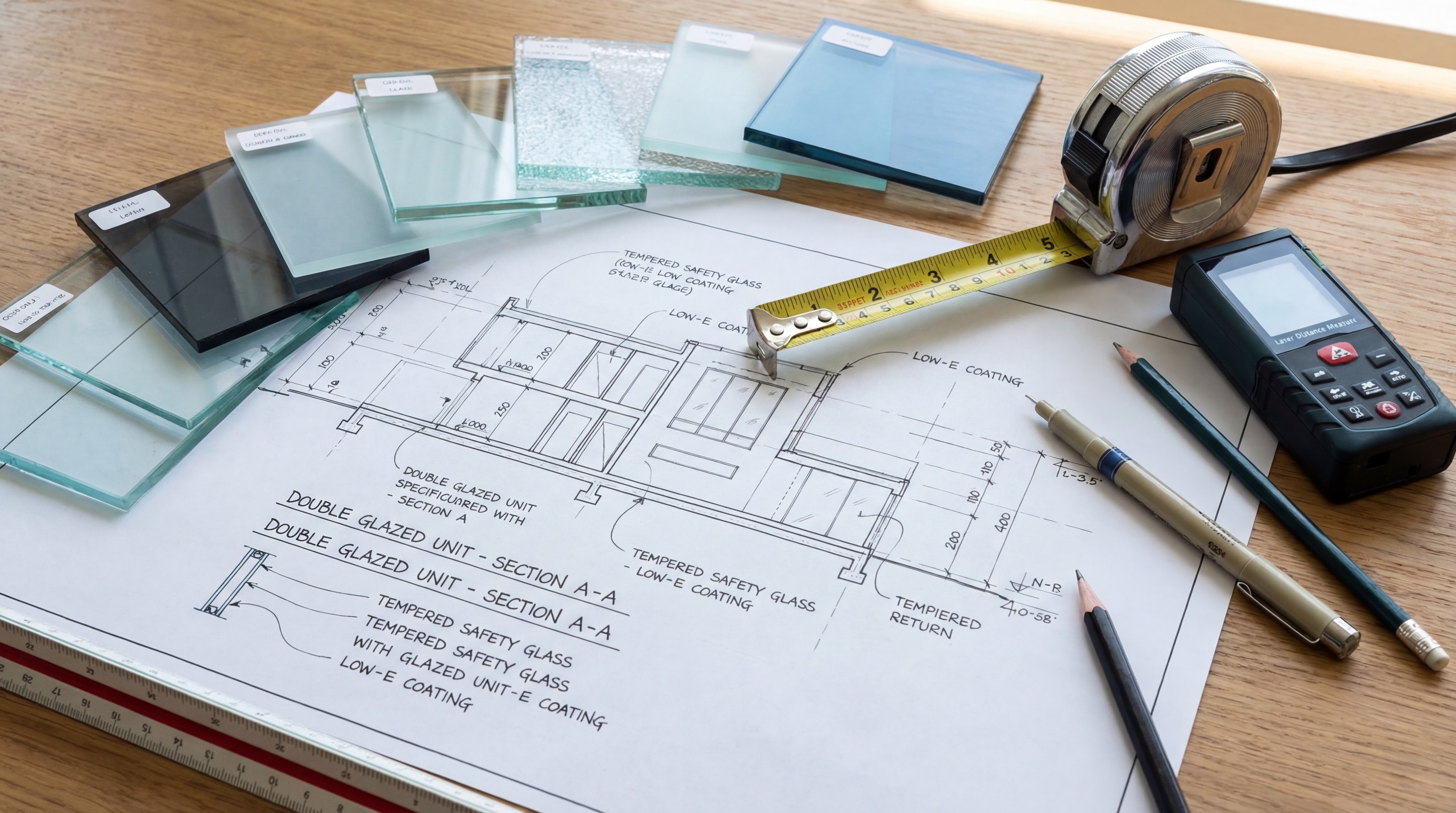
To specify Laminated Glass correctly, you must define the required glass thickness, the specific interlayer type, and the necessary safety certifications like ASTM or EN standards. You should also consider environmental factors such as wind load, UV exposure, and sound transmission goals before finalizing your order. Working with a professional manufacturer ensures that your specs meet both local building codes and design intent.
What are the critical impact ratings?
For hurricane zones, you must specify glass that passes the “Large Missile Impact” test, ensuring it can withstand a 2×4 timber hit at high speed. For standard commercial interiors, a basic Category II safety rating is usually sufficient.
But wait, there’s more to check:
- Edge finish requirements for frameless installations.
- U-value and SHGC targets for energy compliance.
- Light transmittance levels for interior daylighting.
Why is glass thickness symmetry important?
While many specify equal thickness (e.g., 6mm + 6mm), using asymmetrical layers (e.g., 6mm + 4mm) can actually improve acoustic performance by breaking up sound frequencies more effectively.
Key Takeaways:
- Proper specification prevents project delays caused by non-compliant materials.
- Always request a submittal sample to verify color, clarity, and edge quality before mass production.
| Spec Category | What to Include | Reason |
|---|---|---|
| Structural | Wind load & thickness | Prevents glass deflection or failure |
| Performance | STC rating & UV % | Ensures occupant comfort |
| Compliance | Safety certifications | Necessary for building occupancy permit |
Analysis: Detailed specifications are the bridge between a beautiful design and a safe, functional building.
How to Maintain Laminated Glass Longevity?
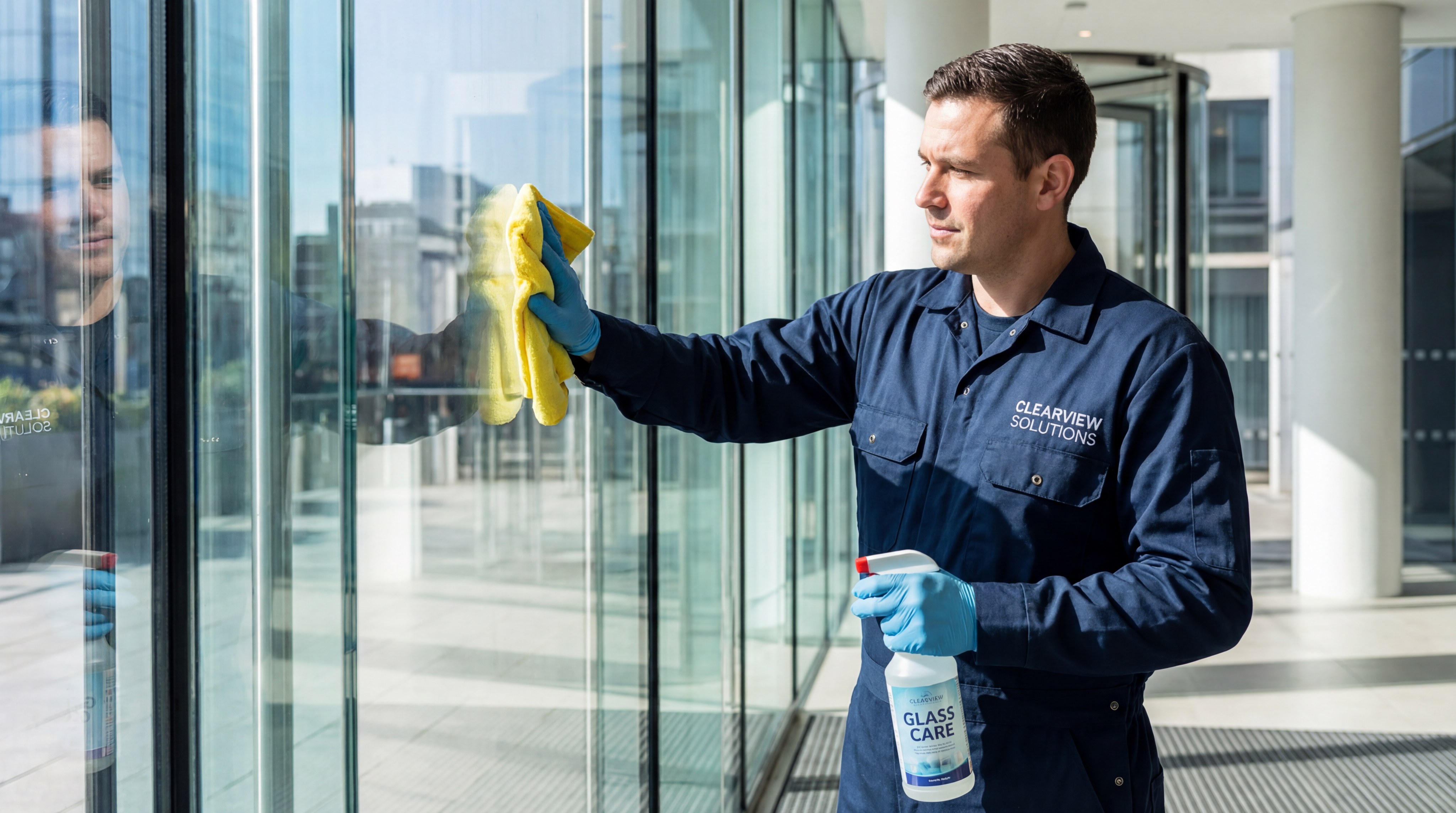
Maintaining Laminated Glass requires regular cleaning with non-abrasive solutions and routine edge inspections to ensure that moisture is not penetrating the interlayer seal. You should avoid harsh chemicals or sharp tools that could scratch the surface or degrade the silicone sealants protecting the plastic core. With proper care, these safety panels can last for several decades without any loss in clarity or strength.
What is the best cleaning method?
Use a mild, pH-neutral soap solution and a soft microfiber cloth to remove dirt and grime. Avoid ammonia-based cleaners, as they can sometimes react with certain types of edge sealants over time.
Follow these simple rules:
- Never use metal scrapers or razor blades to remove paint or tape.
- Rinse with clean water to prevent streaking.
- Dry the edges thoroughly to prevent moisture absorption.
Why should you check for delamination?
If the edge seal fails, moisture can enter the interlayer, causing a hazy, milky appearance known as delamination. Early detection of seal failure allows for simple repairs before the entire panel needs replacement.
Key Takeaways:
- Preventive maintenance is the easiest way to protect your long-term investment.
- Professional cleaning crews should be trained specifically on how to handle safety glazing.
| Maintenance Task | Frequency | Goal |
|---|---|---|
| Surface Wash | Monthly | Maintain clarity & aesthetics |
| Sealant Check | Bi-Annually | Prevent moisture ingress |
| Edge Inspection | Annually | Monitor for signs of delamination |
Analysis: A consistent maintenance schedule ensures that the glass remains as safe and beautiful as the day it was installed.
Conclusion
Laminated glass is the ultimate solution for modern architecture, blending superior safety, acoustic privacy, and thermal efficiency into a single, high-performance material. Whether you are building a resilient coastal home or a sleek urban skyscraper, this “fail-safe” glazing ensures that your project remains secure and comfortable under any conditions. At PrimePro Glass, we specialize in manufacturing custom-engineered glass solutions that meet the most demanding structural and aesthetic requirements of global developers. Our vision is to empower designers with the strongest, clearest, and most innovative safety materials available on the market today. If you are ready to secure your next project with industry-leading quality, contact us today for a professional consultation and quote.
FAQ
Can I cut laminated glass after it has been made?
Yes, but only if the glass is annealed. If the laminated panel uses tempered glass layers, it cannot be cut or drilled, as the tempered panes will explode into small pieces.
What’s the best way to clean laminated glass edges?
Short answer: Use a dry, soft cloth and avoid chemical solvents. Long answer: Ammonia and harsh acids can degrade the plastic interlayer at the edge, so sticking to pH-neutral cleaners is essential for preventing delamination.
How do I know if I need SGP or PVB?
Short answer: Choose SGP for structural loads and PVB for standard safety. Long answer: SGP is significantly stiffer and stays upright even if both glass layers break, whereas PVB will sag, making SGP the right choice for railings and glass floors.
Can I use laminated glass for a shower door?
Short answer: Yes, but tempered glass is more common. Long answer: Laminated glass is safer because it won’t leave sharp shards if it breaks, but it is more expensive and requires careful edge sealing to prevent moisture damage from the steam.
How do I know if my glass is delaminating?
Short answer: Look for white or cloudy patches at the edges. Long answer: Delamination often starts at the corners and looks like a milky fog between the layers; if you see this, it means the moisture seal has failed and the panel should be inspected.