Breaking laminated glass requires a two-step process of fracturing the external glass plies with concentrated impact followed by mechanically cutting the internal plastic interlayer. You often find yourself in a bind when safety glass performs too well, refusing to yield during emergency egress or planned site demolition. This resilience is intentional, but it can quickly become a project bottleneck if your team lacks the proper technical methodology.
You need a solution that balances speed with site safety to avoid mounting labor costs or secondary injuries. By understanding the structural composition of the panel, you can achieve efficient laminated glass breakage without exhausting your resources. This guide breaks down the professional techniques needed to overcome the toughest safety glazing on the market.
Why is laminated glass breakage so difficult?
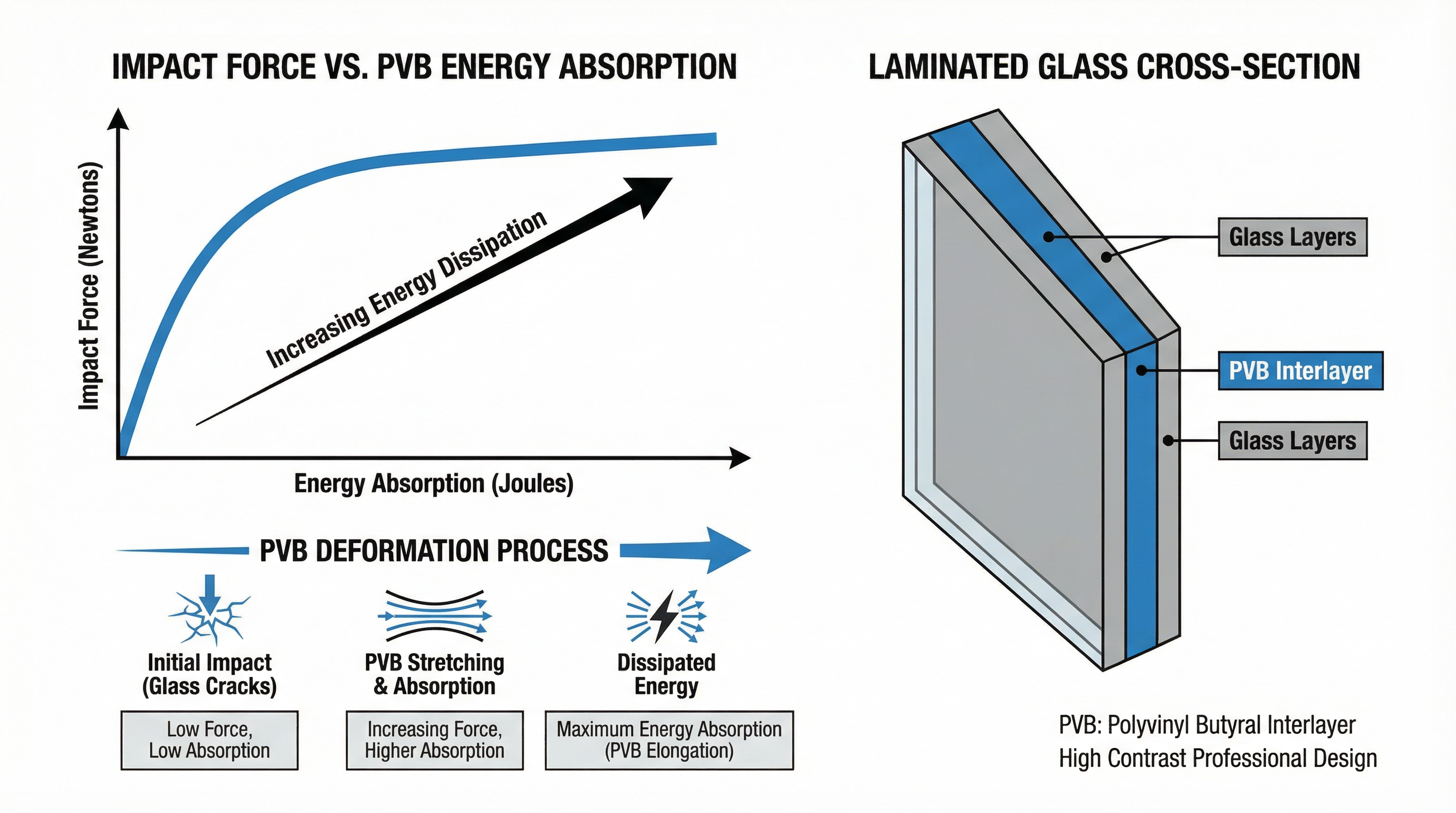
Laminated glass is difficult to break because the Polyvinyl Butyral (PVB) or SGP interlayer acts as a shock absorber that holds the structure together. Even when the glass layers crack, the adhesive film prevents the panel from falling out of the frame, maintaining a rigid barrier. Achieving successful laminated glass breakage requires you to move beyond simple surface damage to penetrate the resilient core.
What is the PVB interlayer?
The PVB interlayer is a specialized plastic film sandwiched between sheets of glass to provide impact resistance and security. It is engineered to stretch and dissipate energy, preventing the sharp shards from detaching and causing injury.
Look:
- It maintains structural integrity after the glass fractures.
- The film provides high UV protection and sound dampening.
- It resists penetration from blunt objects.
But here is the kicker:
| Feature | Performance Impact |
|---|---|
| Adhesion | Shards stay bonded to the film |
| Elasticity | Interlayer stretches under load |
| Durability | Resists tearing even when glass is cracked |
The presence of the interlayer transforms a brittle material into a flexible composite that requires specialized cutting tools.
Key Takeaway
You must treat laminated glass as a composite material rather than standard glass. To bypass its defenses, your methodology must address both the brittle mineral layer and the elastic plastic core simultaneously.
How does force affect laminated glass breakage?
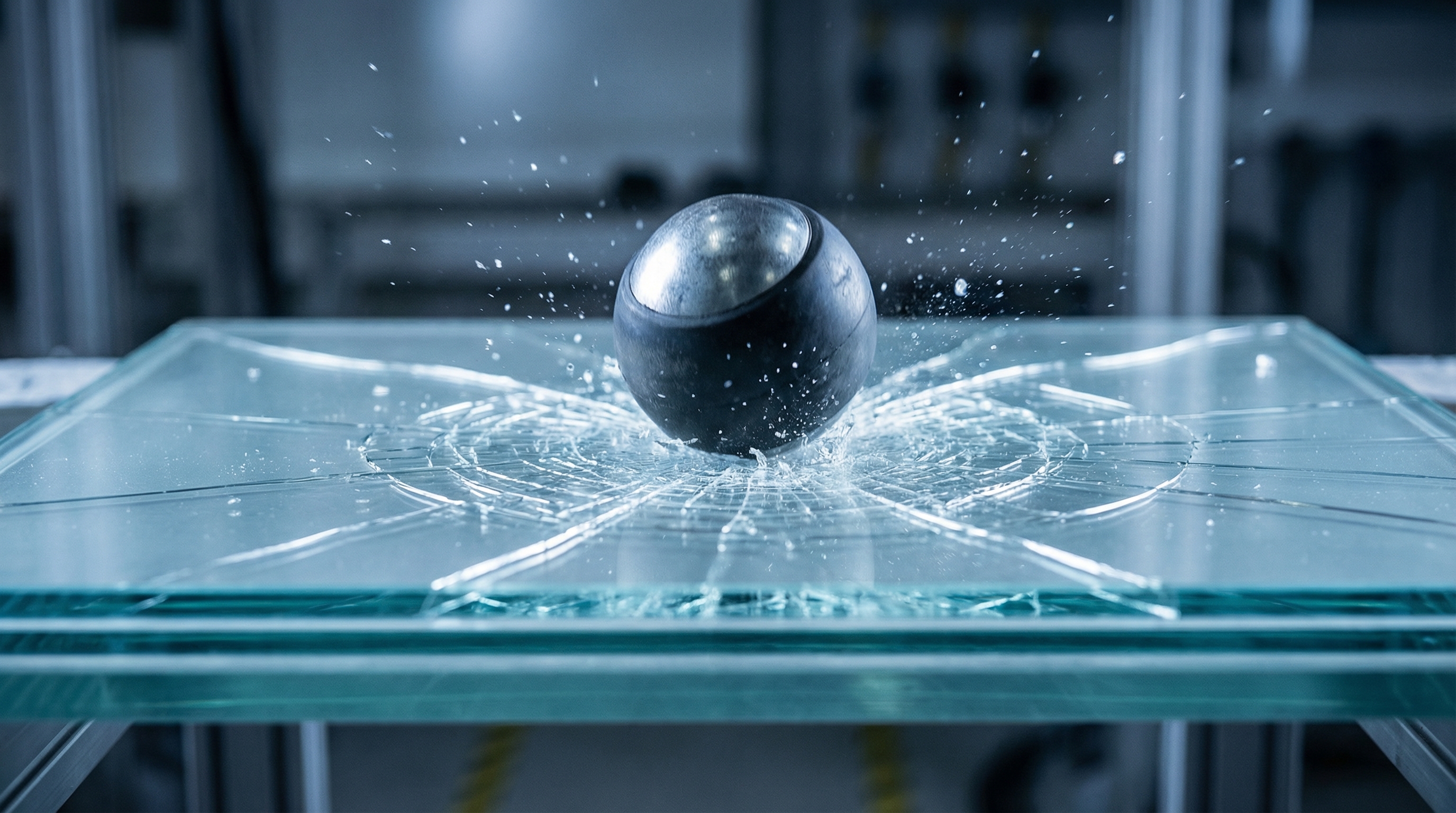
Force affects the outcome by determining whether the glass simply spiderwebs or sustains enough damage for a secondary breach. Because the plastic film absorbs the majority of kinetic energy, standard blunt force often fails to produce a clean entry. During laminated glass breakage, the distribution of force across the surface determines the safety and speed of the removal process.
Is blunt force enough?
Using a standard hammer or sledgehammer typically results in extensive cracking without creating a hole. The energy is dissipated across the entire panel, which can lead to frame damage without achieving the desired penetration.
The reality?
- Blunt objects create dangerous glass dust.
- They often bounce off the flexible interlayer.
- Secondary impacts are required to weaken the frame.
Think about it:
| Impact Type | Resulting Effect |
|---|---|
| Blunt Force | Surface spiderwebbing; no penetration |
| Point Loading | Localized shattering; easier film access |
| High Velocity | Maximum fragmentation of outer plies |
Relying on raw power is often a recipe for exhaustion and project delays.
Key Takeaway
You should prioritize concentrated, high-pressure impact over massive blunt force. This approach localizes the damage, making it significantly easier to manage the subsequent cutting of the internal plastic membrane.
Which tools facilitate laminated glass breakage?
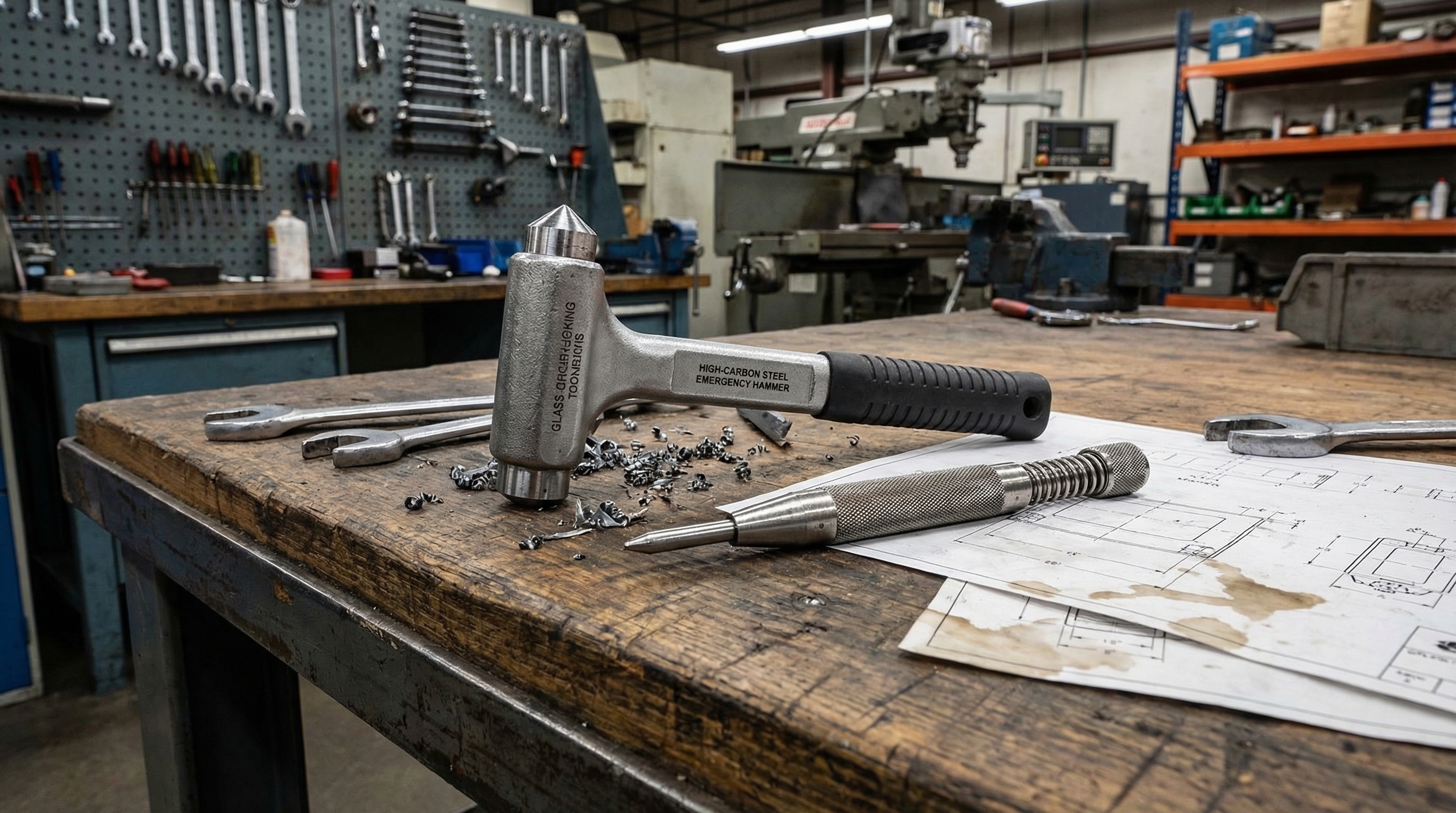
Specialized tools like high-carbon steel emergency hammers, spring-loaded center punches, and glass-cutting saws are the most effective options available. These instruments are designed to bypass the energy-absorbing properties of the interlayer and initiate laminated glass breakage with minimal physical effort. Choosing the right equipment ensures your team can handle high-performance glazing without compromising site safety.
Are specialty saws required?
Once the glass layers are shattered, a specialized glass saw or a heavy-duty utility blade is necessary to slice through the PVB. You cannot simply “knock out” the remaining material because the film is too resilient to tear under manual pressure.
The result?
- Faster removal of large glass sections.
- Reduced risk of the panel collapsing unpredictably.
- Cleaner edges for replacement installation.
Look:
- Reciprocating saws with glass-specific blades work best.
- Manual glass saws provide better control in tight spaces.
- Blades must be sharp to avoid snagging on the plastic.
| Tool Type | Primary Function |
|---|---|
| Center Punch | Fracturing the outer glass plies |
| Glass Saw | Cutting the internal plastic film |
| Suction Cups | Managing broken panels safely |
Investing in professional-grade tools prevents tool failure during critical operations.
Key Takeaway
You need a two-tool system for every removal task: one to shatter the glass and one to cut the film. Without a cutting implement, your team will struggle to create a usable opening in the laminated barrier.
Does thickness impact laminated glass breakage?
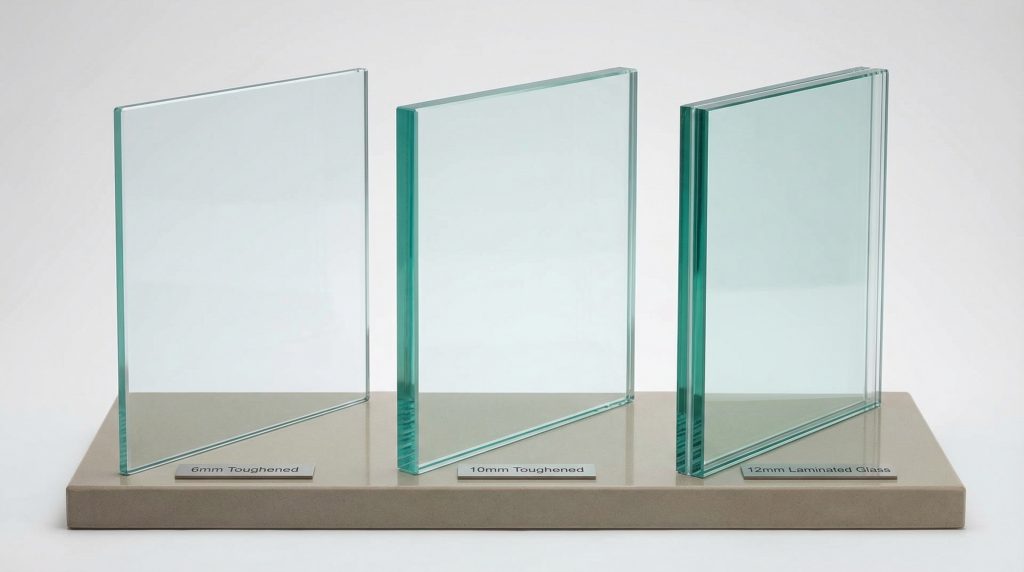
Increased thickness significantly raises the amount of force and the number of impacts required to achieve full penetration. Thicker panels often utilize multiple layers of both glass and plastic, which compound the difficulty of laminated glass breakage. Understanding the specific millimeter build of your glazing helps you determine the necessary tool strength and labor hours for the job.
How does density resist force?
A 12mm laminated panel offers much higher resistance than a standard 6mm build because the thicker glass plies require more kinetic energy to fracture. This density ensures that even if one side is compromised, the other remains structurally sound enough to maintain the barrier.
Think about it:
- Multi-layer laminates are often used in high-security zones.
- They require heavy-duty mechanical assistance for removal.
- The depth of the cut increases tool wear and tear.
But here is the kicker:
- Thicker glass produces heavier shards when broken.
- The weight of the panel increases the risk of frame failure.
- More plastic means more friction during the cutting phase.
| Glass Thickness | Breaking Difficulty | Removal Time |
|---|---|---|
| 6.38mm | Low | 2-5 Minutes |
| 10.76mm | Moderate | 10-15 Minutes |
| 12.76mm+ | High | 20+ Minutes |
Density acts as a physical multiplier for the time and energy needed for a successful breach.
Key Takeaway
You should always verify the glass specifications before starting a demolition or egress task. Thicker glass necessitates more aggressive tools and a higher safety factor for your personnel.
What is the role of interlayers in breakage?
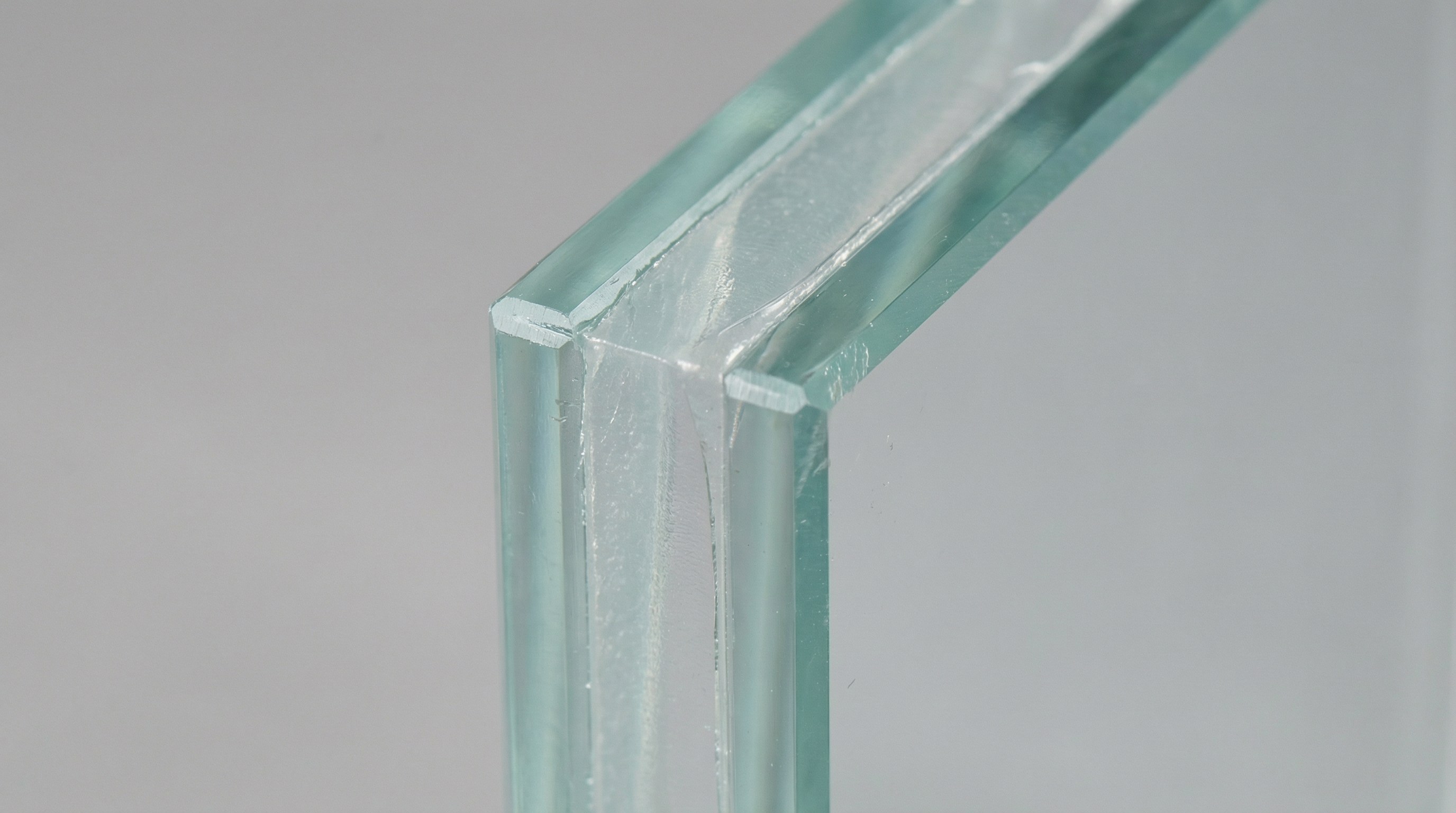
The interlayer’s primary role is to bond fractured shards together and prevent the glass from leaving the window opening. During laminated glass breakage, this film creates a “hanging curtain” effect that prevents traditional clearing of the space. It is specifically designed to stretch and hold weight, making it a formidable obstacle for anyone trying to move through the panel.
Why does the film stretch?
The elasticity of PVB allows it to deform under impact without snapping, which is why objects often bounce back instead of passing through. This stretching capability is what makes the material so effective at absorbing energy from wind, debris, or intentional strikes.
Look:
- It can extend several times its original length before tearing.
- The bond between the glass and film is chemical and physical.
- This stretching makes manual tearing nearly impossible.
The reality?
- Stretching creates a flexible, unstable surface for cutting.
- You must tension the film to cut it efficiently.
- Heat can make the film even more elastic and gummy.
| Property | Impact on Removal |
|---|---|
| High Adhesion | Prevents shards from falling |
| Tensile Strength | Resists manual tearing |
| Flexibility | Absorbs blunt force energy |
The film is the true structural hero of the assembly, requiring targeted mechanical intervention to fail.
Key Takeaway
You must neutralize the interlayer by using a sharp cutting edge after the glass is shattered. Attempting to force the film to fail through tension or impact is inefficient and dangerous.
How does safety gear prevent breakage injury?
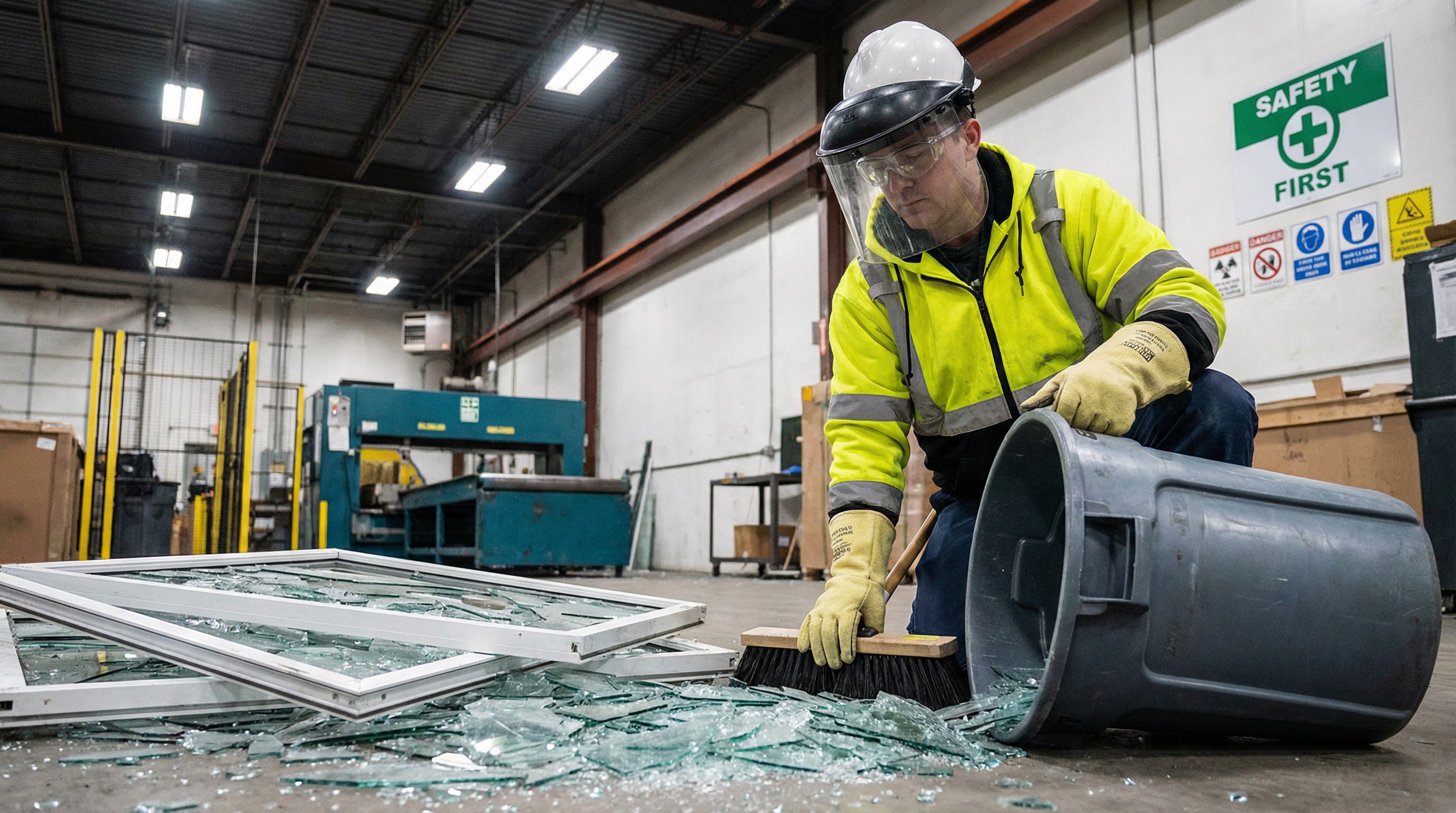
Safety gear prevents lacerations and respiratory issues by shielding workers from sharp edges and fine silicate dust during the removal process. Since laminated glass breakage often produces smaller, sharper fragments than standard glass, specialized PPE is a non-negotiable requirement. Proper protection ensures that a routine removal task doesn’t turn into a costly medical emergency for your crew.
Is respiratory protection needed?
Breaking and cutting through the interlayer releases fine glass particles and potentially toxic fumes if high-speed saws are used. You must wear an N95 or P100 respirator to prevent long-term lung damage from inhaling these microscopic irritants.
The result?
- Clear lungs and reduced long-term health risks.
- Compliance with strict B2B site safety regulations.
- Higher morale and productivity from a protected workforce.
Think about it:
- Fine dust can travel quickly in enclosed spaces.
- Eye protection must be sealed to prevent dust entry.
- Cut-resistant gloves are essential for handling the film.
| PPE Item | Protection Goal |
|---|---|
| Respirator | Prevention of silicate inhalation |
| Cut-Resistant Gloves | Shielding hands from razor-sharp film edges |
| Safety Goggles | Blocking high-velocity glass shards |
Safety equipment is the barrier between a successful project and a liability claim.
Key Takeaway
You should never allow your team to initiate breakage without a full kit of specialized PPE. The microscopic dust generated during the process is just as dangerous as the visible sharp edges.
Can temperature change laminated glass breakage?
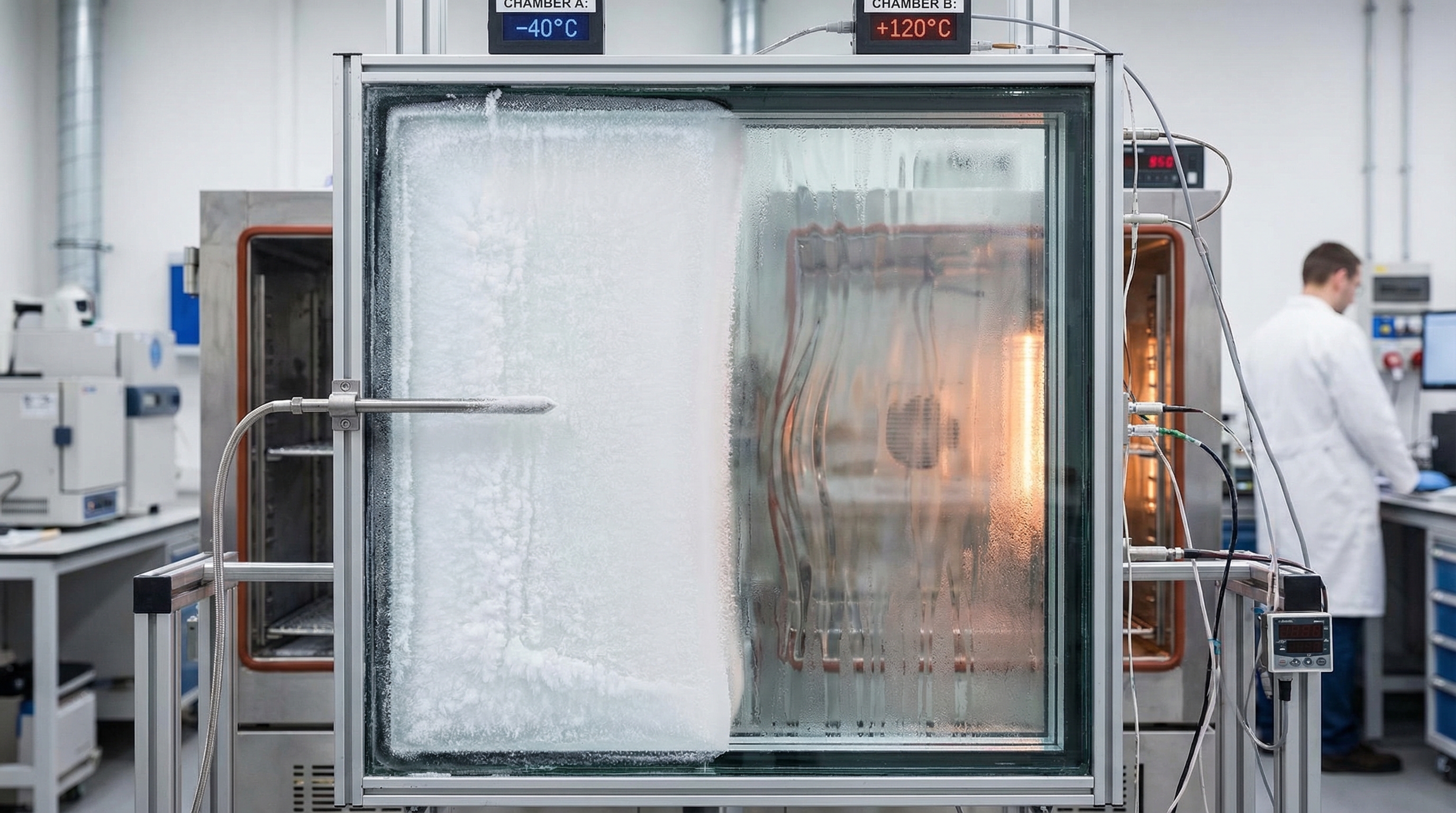
Yes, temperature significantly alters the performance of the plastic interlayer, making it more brittle in the cold and more elastic in the heat. These environmental factors can either assist or hinder your efforts during laminated glass breakage. Understanding the thermal behavior of the PVB allows you to adjust your technique based on the current weather or indoor climate.
Does cold make glass brittle?
In freezing temperatures, the PVB interlayer loses its flexibility and becomes more susceptible to cracking alongside the glass. This can actually make it easier to break through the panel, as the film may fracture rather than stretch under high impact.
But here is the kicker:
- Extreme cold can make the glass itself more fragile.
- Brittle film results in more falling shards.
- Your tools may perform differently in sub-zero conditions.
The reality?
- High heat makes the film gummy and hard to cut.
- Moderate temperatures provide the “standard” safety response.
- Cold weather reduces the shock-absorption capacity of the panel.
| Condition | Interlayer Behavior | Breakage Difficulty |
|---|---|---|
| Extreme Heat | Highly elastic and gummy | High |
| Room Temp | Balanced safety performance | Moderate |
| Freezing | Brittle and prone to cracking | Low |
Temperature is a silent variable that dictates the physical resistance of the safety glazing.
Key Takeaway
You can use temperature to your advantage by planning demolition for cooler periods or using cooling sprays. Conversely, be prepared for increased cutting friction if working on hot, sun-exposed glass facades.
Where are the best targets for breakage?
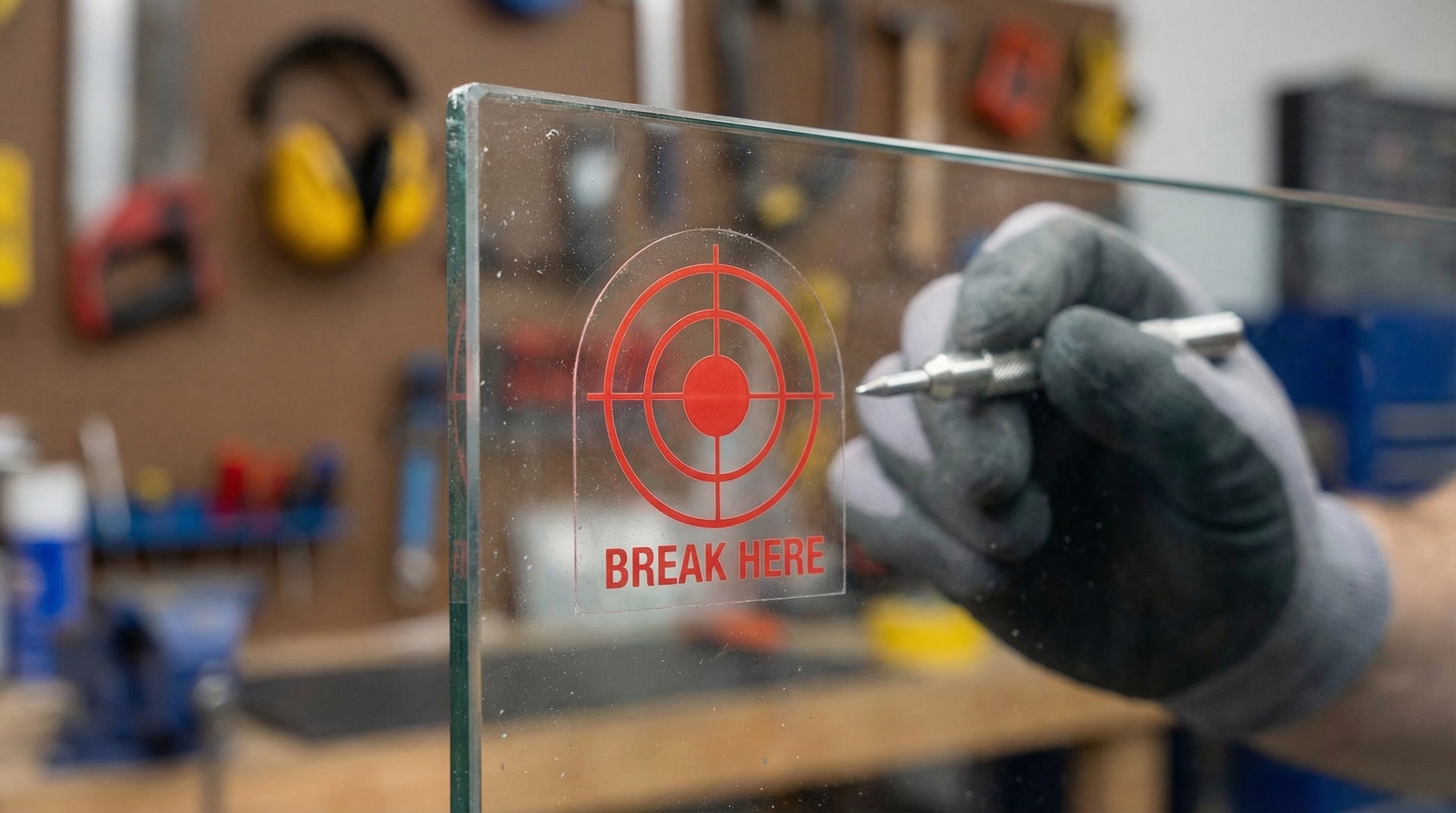
The best targets for initiating breakage are the corners of the panel, where the glass is under the most stress from the frame. Starting at the edges allows you to weaken the structural support before moving toward the center for laminated glass breakage. This strategic approach minimizes the number of strikes needed and prevents the panel from bouncing back against your tools.
Why target the corners first?
Corners are the most vulnerable points because the glass is rigidly held in place, allowing the energy of your strike to be fully absorbed by the material rather than the air. Striking the center of a large panel often results in a “trampoline effect” where the glass simply flexes without breaking.
Look:
- Energy is trapped at the edges, leading to faster fractures.
- Breaking the corners loosens the panel’s grip on the frame.
- It provides a starting point for your cutting tools.
The result?
- Fewer failed strikes and less tool vibration.
- Faster overall clearing of the glass opening.
- Reduced risk of damaging the window frame itself.
| Strike Location | Efficiency Rating | Why? |
|---|---|---|
| Top Corners | Excellent | High stress; gravity assists removal |
| Center | Poor | High flexibility; energy dissipation |
| Bottom Edge | Moderate | Good for drainage/clearing shards |
Targeting the periphery is the most efficient way to dismantle a high-security glazing unit.
Key Takeaway
You should always instruct your team to start their impact points near the corners. This maximizes the effectiveness of your tools and prevents the elastic nature of the glass from absorbing your efforts.
When is professional help for breakage needed?
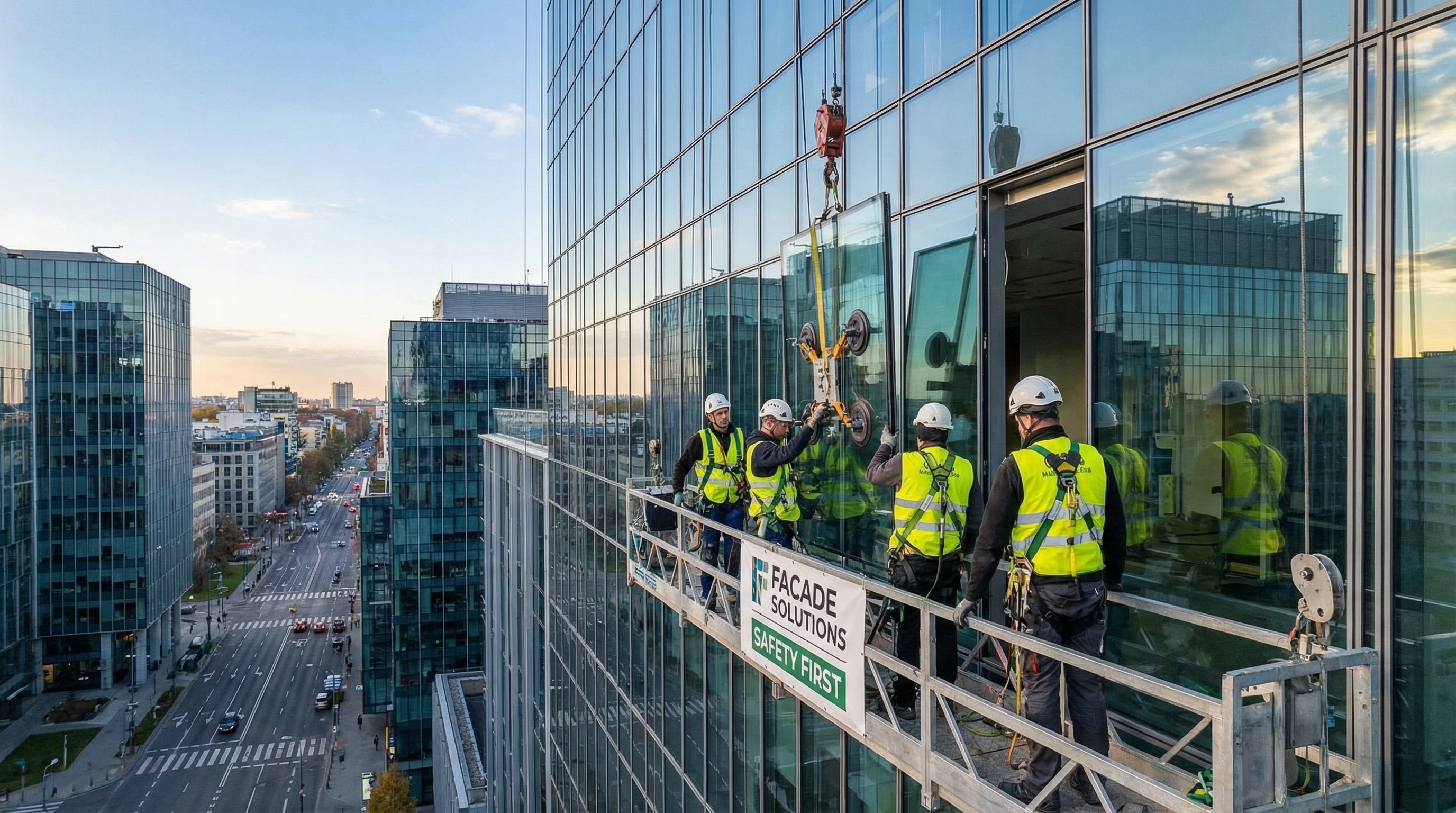
Professional help is needed when dealing with structural curtain walls, ballistic-rated glass, or large-scale demolition that requires specialized heavy machinery. Attempting laminated glass breakage on high-rise facades without expert oversight can lead to catastrophic accidents and massive property damage. For complex architectural glass, the risks of improper removal far outweigh the costs of hiring a specialized team.
Handling architectural facades?
Architectural facades often involve massive panels under significant tension or pressure, which can react violently when broken. Professionals use suction lifters and crane-mounted tools to ensure that these panels are removed in a controlled, safe manner.
Think about it:
- A falling 100kg panel can be lethal to anyone below.
- Specialized disposal is required for laminated waste.
- Frame integrity must be preserved for new installations.
But here is the kicker:
- Ballistic glass requires hydraulic tools for penetration.
- High-rise work demands strict fall-protection protocols.
- Expert technicians can save you thousands in avoided rework.
| Scenario | Risk Level | Professional Need |
|---|---|---|
| Residential Window | Low | Optional |
| Commercial Storefront | Moderate | Recommended |
| High-Rise Facade | Critical | Mandatory |
Knowing when to delegate is a hallmark of a successful procurement or site manager.
Key Takeaway
You must call in the experts for any task involving heights, structural integrity, or specialty security glass. Their specialized equipment and training ensure the job is done without endangering your project timeline or staff.
Why use a punch for laminated glass breakage?
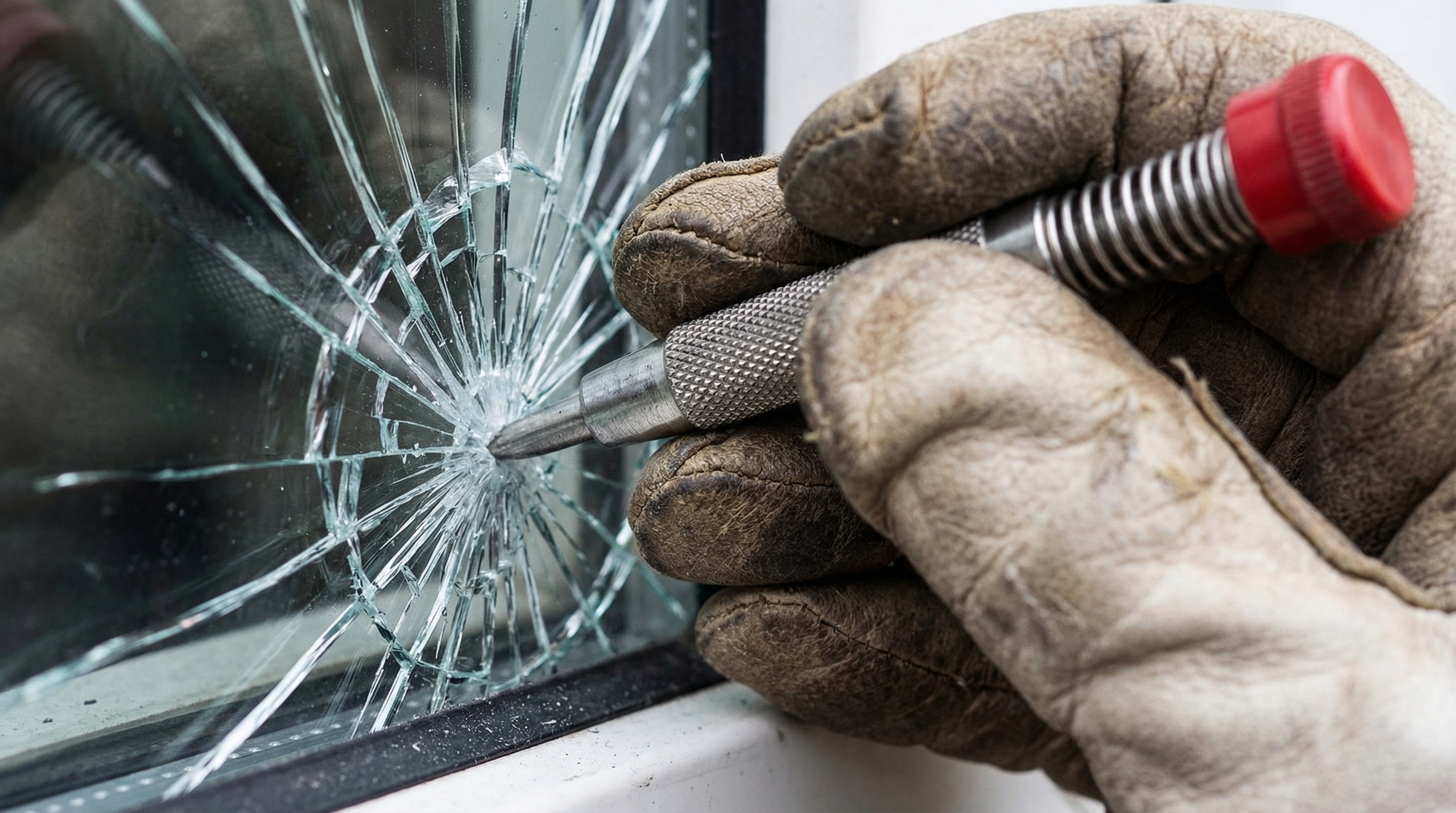
A spring-loaded punch is the preferred tool because it concentrates a massive amount of pressure into a microscopic area, overcoming the glass’s surface tension. This tool allows you to initiate laminated glass breakage with a single hand and very little physical swing space. It is the most reliable way to guarantee a fracture in high-stress situations without the bulk of a hammer.
How does point-loading work?
Point-loading works by focusing all the kinetic energy of an internal spring into a hardened steel tip. This localized stress exceeds the breaking point of the glass instantly, creating a radial fracture pattern that spreads throughout the layer.
The result?
- Immediate shattering of the outer glass ply.
- Quiet operation compared to heavy striking.
- Minimal risk of your hand slipping through the glass.
Look:
- It works on both tempered and laminated varieties.
- No “swing room” is required, making it perfect for tight spots.
- The tools are small enough to be kept in a pocket or belt.
| Feature | User Advantage |
|---|---|
| Spring Power | No manual force required |
| Steel Tip | Penetrates the hardest coatings |
| Portability | Always available in an emergency |
The precision of a punch beats the raw power of a hammer in almost every controlled removal scenario.
Key Takeaway
You should equip every site supervisor and safety officer with a high-quality spring punch. It is the most efficient, safest, and most portable tool for initiating a breach in any safety glass panel.
Master the Art of Professional Removal
Managing safety glazing requires a shift from brute force to technical precision. We have explored how the PVB interlayer creates a resilient barrier, the critical role of temperature, and why specialized tools like spring punches and glass saws are indispensable. By following these professional guidelines, you can ensure that your team handles even the most complex glass removals with efficiency and safety.
At PrimePro Glass, we believe that understanding the science behind the material is the first step toward better site management. Our vision is to provide the engineering-grade solutions you need to build with confidence. If you have questions about your specific project or need high-performance glass replacements, contact us today for expert guidance and a free technical review.
Frequently Asked Questions
Can I use a standard hammer to break through the panel?
Rarely will a standard hammer penetrate the interlayer effectively. While it will crack the glass surface, the hammer often bounces off the flexible plastic film, leading to physical exhaustion and potential injury.
What’s the best tool for an emergency egress situation?
A spring-loaded center punch is the most effective choice. It requires no swing room and uses a concentrated point of force to shatter the glass plies instantly, allowing you to then cut the film.
Can I tear the internal plastic layer by hand?
Absolutely not. The PVB or SGP interlayers used in laminated glass have extreme tensile strength and are designed to stretch without tearing; you must use a sharp blade or saw to create an opening.
Can temperature help me remove a panel?
Yes, it certainly can. Cooling the glass can make the interlayer more brittle and prone to cracking, while extreme heat will make it gummy and much harder to cut through.
Is the dust from breaking the glass dangerous?
Yes, the dust is hazardous. You must wear respiratory protection to avoid inhaling fine silicate particles and glass shards, which can cause permanent respiratory damage during the cutting process.