For procurement managers and architectural engineering teams, unpredictable glass pricing is a primary cause of budget overruns and project delays. Sourcing high-quality safety glass without a clear understanding of the manufacturing variables often leads to unexpected line-item increases during the fabrication phase.
When the “cheaper” option fails a stress test or arrives with incorrect tolerances, the cost of rework and halted installation schedules far outweighs the initial savings. This guide provides a comprehensive breakdown of tempered glass cost factors, from thickness and edge treatments to factory-direct wholesale advantages.
By understanding these technical cost-drivers, you can optimize your procurement strategy and secure precision-engineered glass that meets both your budget and your safety requirements.
What is the average tempered glass cost per square foot?
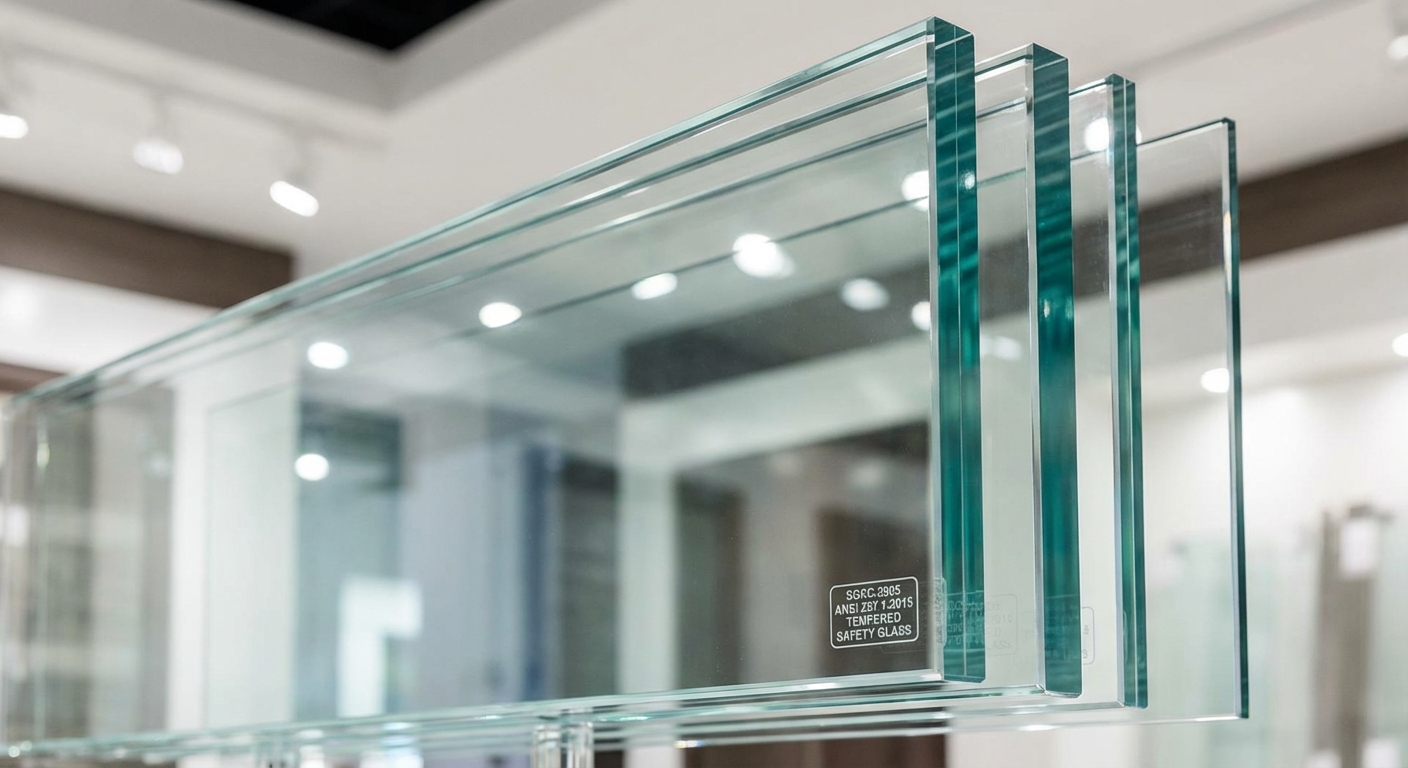
The average tempered glass cost per square foot typically falls between $10 and $35 depending on the raw material quality and size. You will find that standard panels are much more affordable than custom-cut pieces for specialty frames. Most suppliers offer a baseline price for clear glass that increases as you add specialized features.
Are there price differences for ultra-clear glass?
You must consider the clarity of the material before placing a bulk order. Low-iron glass provides superior transparency but carries a higher price tag than standard green-tinted float glass.
Look closer.
- Standard Clear: Most economical for hidden frames.
- Ultra-Clear (Low Iron): Best for retail displays.
- Tinted Glass: High aesthetic value for facades.
Key Takeaway: Budgeting $15-$25 per square foot is a safe estimate for high-quality standard tempered panels.
| Glass Type | Typical Cost (sq ft) | Best Use Case |
|---|---|---|
| Standard Clear | $10 – $20 | Office Partitions |
| Ultra-Clear | $25 – $45 | Museum Displays |
| Body Tinted | $20 – $35 | Privacy Facades |
Selecting the right clarity level allows you to balance visual performance with your project’s strict financial limits.
Does thickness impact your total tempered glass cost?
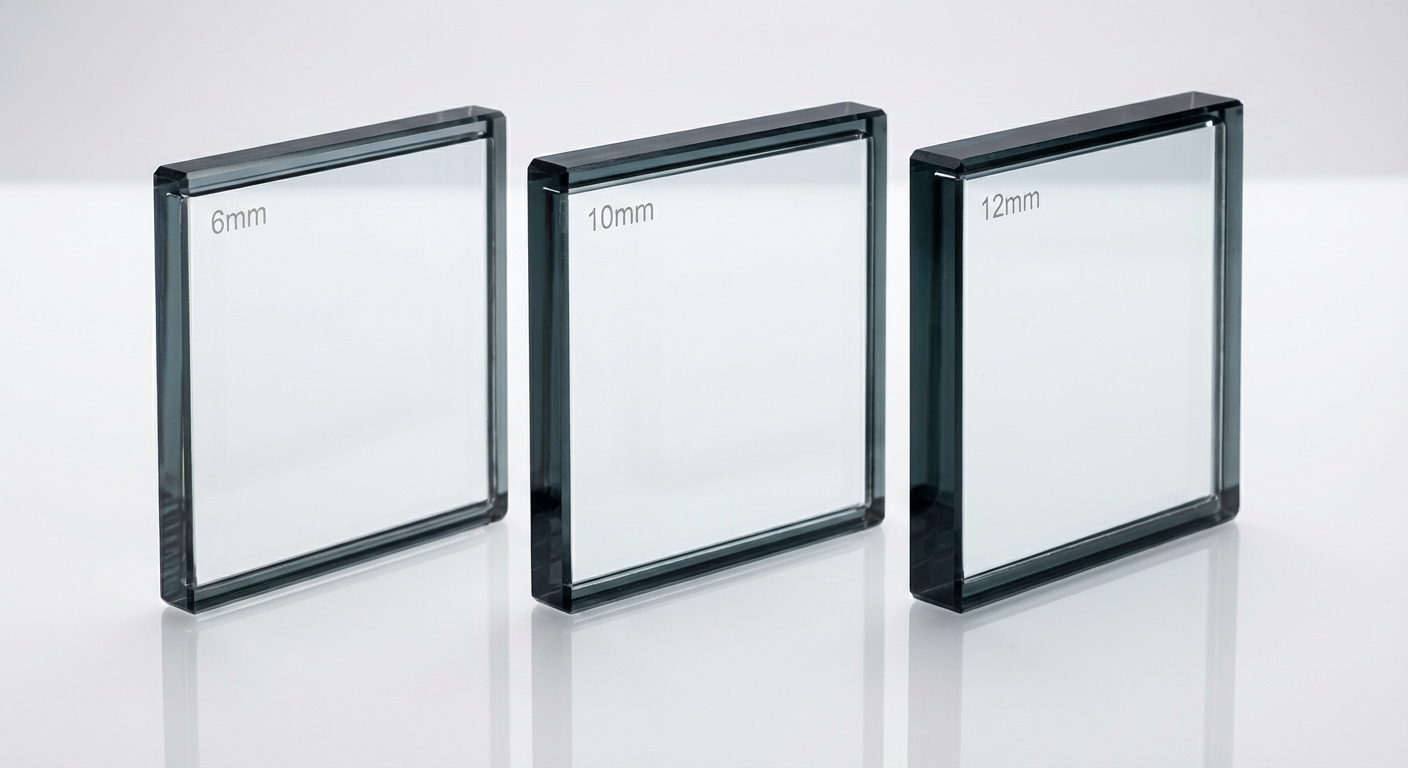
Yes, the glass thickness is a primary driver because heavier glass requires more raw materials and longer furnace time, directly raising the tempered glass cost. You should expect a significant price jump when moving from standard 6mm panels to structural 12mm options. Thicker glass also increases shipping weights, which adds to your total landed expenditure.
Why does 12mm glass cost more to produce?
Structural integrity comes with a premium due to the energy required during the thermal strengthening phase. You need these thicker panels for safety railings and frameless shower doors to meet international building codes.
Here is the deal.
- 6mm (1/4″): Ideal for standard windows and cabinets.
- 10mm (3/8″): Common for residential shower enclosures.
- 12mm (1/2″): Required for structural glass walls.
Key Takeaway: Doubling the thickness of your glass often more than doubles the material price due to processing complexity.
| Thickness | Price Impact | Durability Level |
|---|---|---|
| 5mm – 6mm | Base Cost | Moderate |
| 8mm – 10mm | +40% Increase | High |
| 12mm – 19mm | +100% Increase | Structural |
Understanding these thickness tiers helps you specify the most cost-effective glass that still maintains necessary safety margins.
How do custom features increase tempered glass cost?
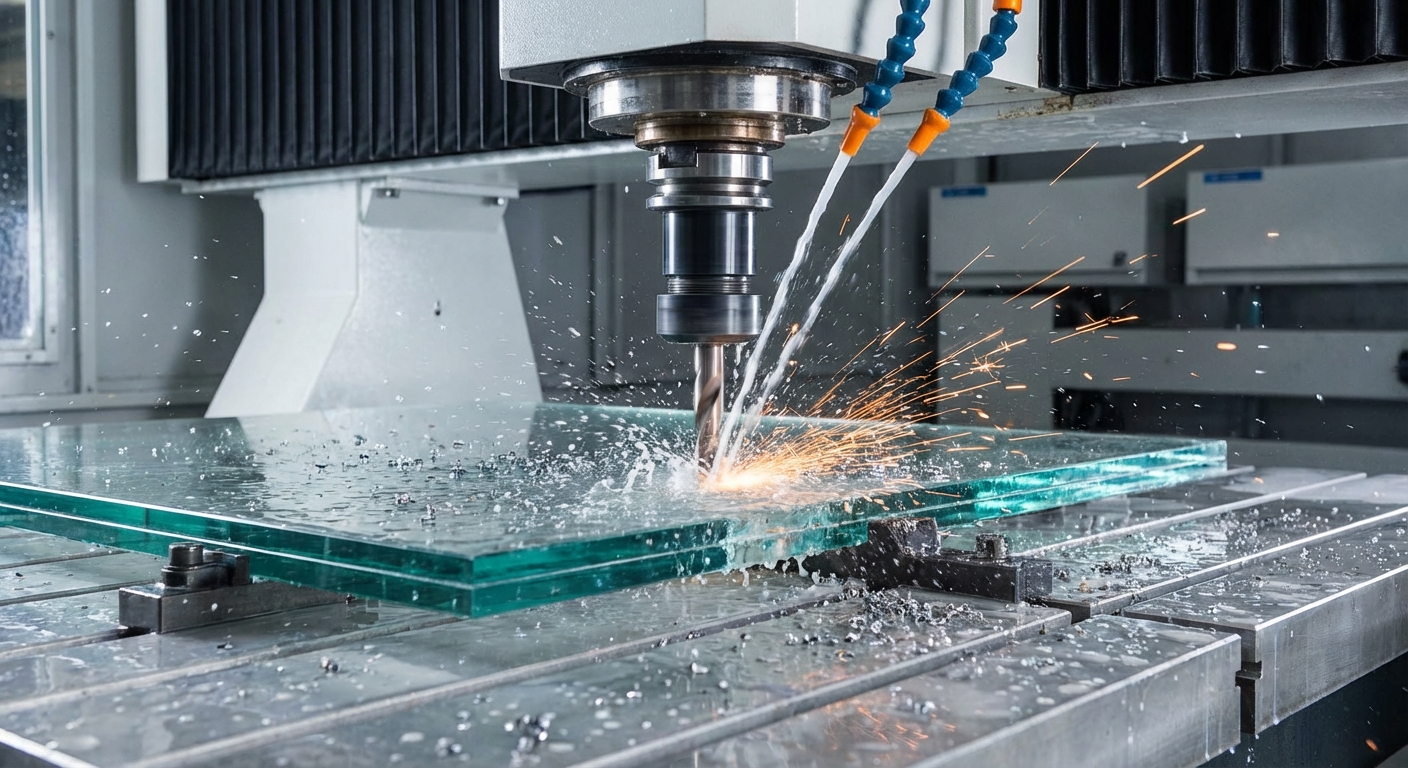
Any tempered glass cost calculation must include specialized fabrication steps like CNC drilling or custom cutouts that occur before the tempering process. You cannot cut or drill glass after it has been tempered, so every mistake during fabrication results in complete material waste. This risk is why manufacturers charge extra for complex designs or multiple laminated glass layers.
What about precision hole drilling fees?
Drilling holes for handles or hinges requires precision CNC machinery to avoid edge stress. You will likely pay a flat fee per hole that covers the setup time and the risk of panel breakage.
Think about this.
- Standard Drill Hole: $5 to $15 per hole.
- Square Cutouts: $30 to $50 per cutout.
- Complex Notches: Price varies by geometry.
Key Takeaway: Minimizing the number of holes and notches in your design can drastically reduce fabrication surcharges.
| Customization | Cost Range | Difficulty |
|---|---|---|
| Basic Hole | $5 – $15 | Simple |
| Corner Notch | $20 – $40 | Medium |
| Internal Cutout | $45 – $80 | High |
High-precision fabrication ensures your glass fits perfectly into hardware, preventing expensive delays during the final installation phase.
Why is tempered glass cost higher than standard glass?
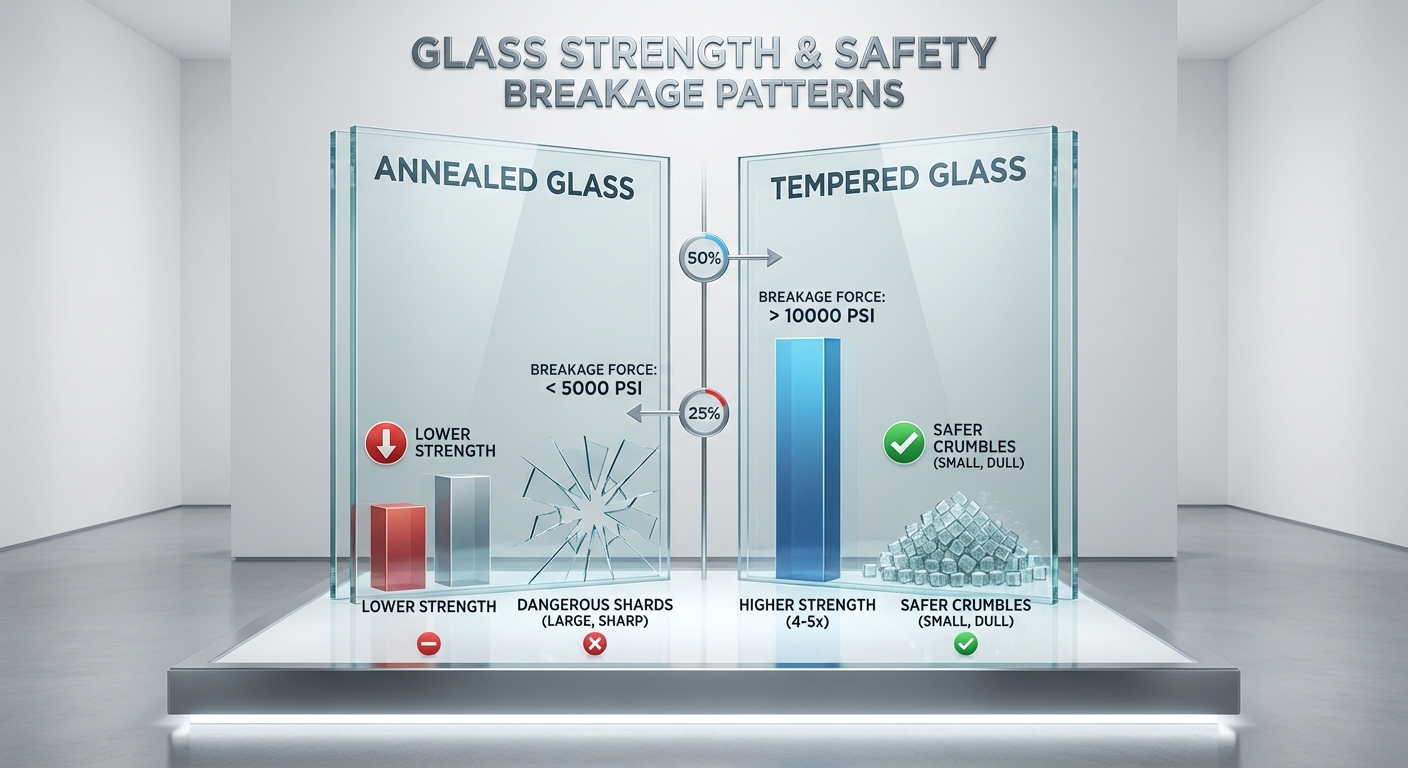
The higher tempered glass cost reflects the intensive thermal strengthening process that makes the panel significantly safer than annealed glass. You are paying for the energy-intensive heating to 600°C and the rapid cooling that creates high surface compression. This process makes the glass four to five times stronger and ensures it breaks into blunt granules instead of sharp shards.
Is the extra safety worth the investment?
You must prioritize safety in high-traffic areas to comply with modern building regulations and insurance requirements. Tempered glass reduces the risk of injury, which saves you from potential legal liabilities and replacement costs later.
It gets better.
- Impact Resistance: Withstands much higher force.
- Thermal Stability: Resists cracking from temperature changes.
- Legal Compliance: Meets global safety standards easily.
Key Takeaway: The premium for tempered glass is a mandatory investment for any project involving human safety or structural loads.
| Feature | Annealed Glass | Tempered Glass |
|---|---|---|
| Strength | Low | 5x Higher |
| Safety Pattern | Sharp Shards | Dull Granules |
| Cost Factor | 1x | 1.5x – 2x |
While the initial price is higher, the long-term durability and safety benefits make it the most logical choice for architects.
What labor fees affect the total tempered glass cost?
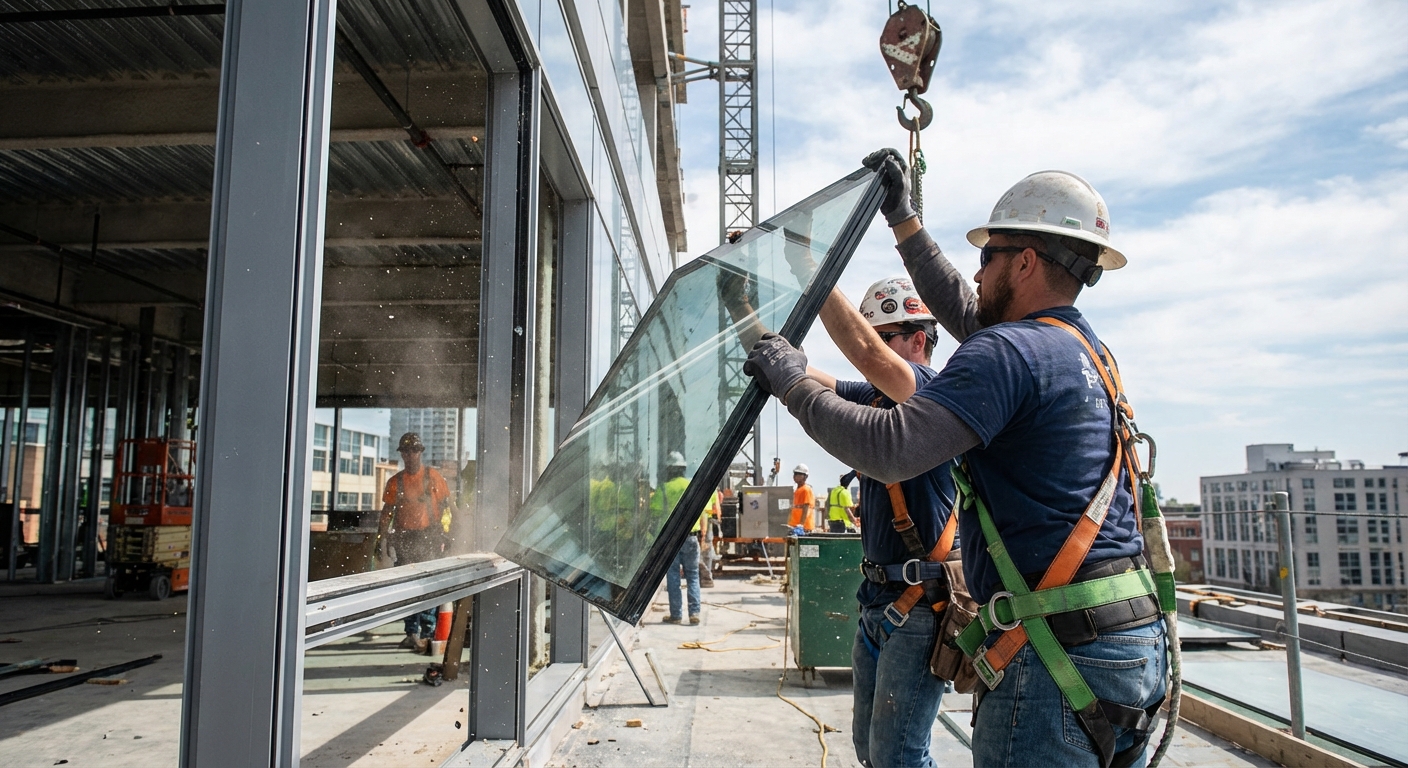
Skilled labor for handling and installation typically adds a significant percentage to your baseline tempered glass cost. You need expert installers to manage heavy hollow glass units and ensure they are seated correctly in their frames. Poor installation can lead to spontaneous breakage, which would force you to purchase a replacement panel at full price.
Do commercial installation rates vary by region?
You will find that labor rates depend heavily on the complexity of the site and the height of the installation. High-rise projects require specialized rigging and insurance, which will inflate your total project budget significantly.
You might be wondering.
- Basic Install: $50 to $100 per hour.
- High-Rise Access: Requires crane or lift rental.
- Hardware Assembly: Adds time for hinges and seals.
Key Takeaway: Budget at least 30% to 50% of your material cost for professional installation and site management.
| Labor Task | Complexity | Cost Impact |
|---|---|---|
| Hand Carry | Low | Standard Rate |
| Crane Lift | High | +$500/day |
| Hardware Fit | Medium | $100 – $300/unit |
Proper planning with your installation team ensures that the tempered glass is handled safely and fits within the allocated timeframe.
Can edge finishing change your tempered glass cost?
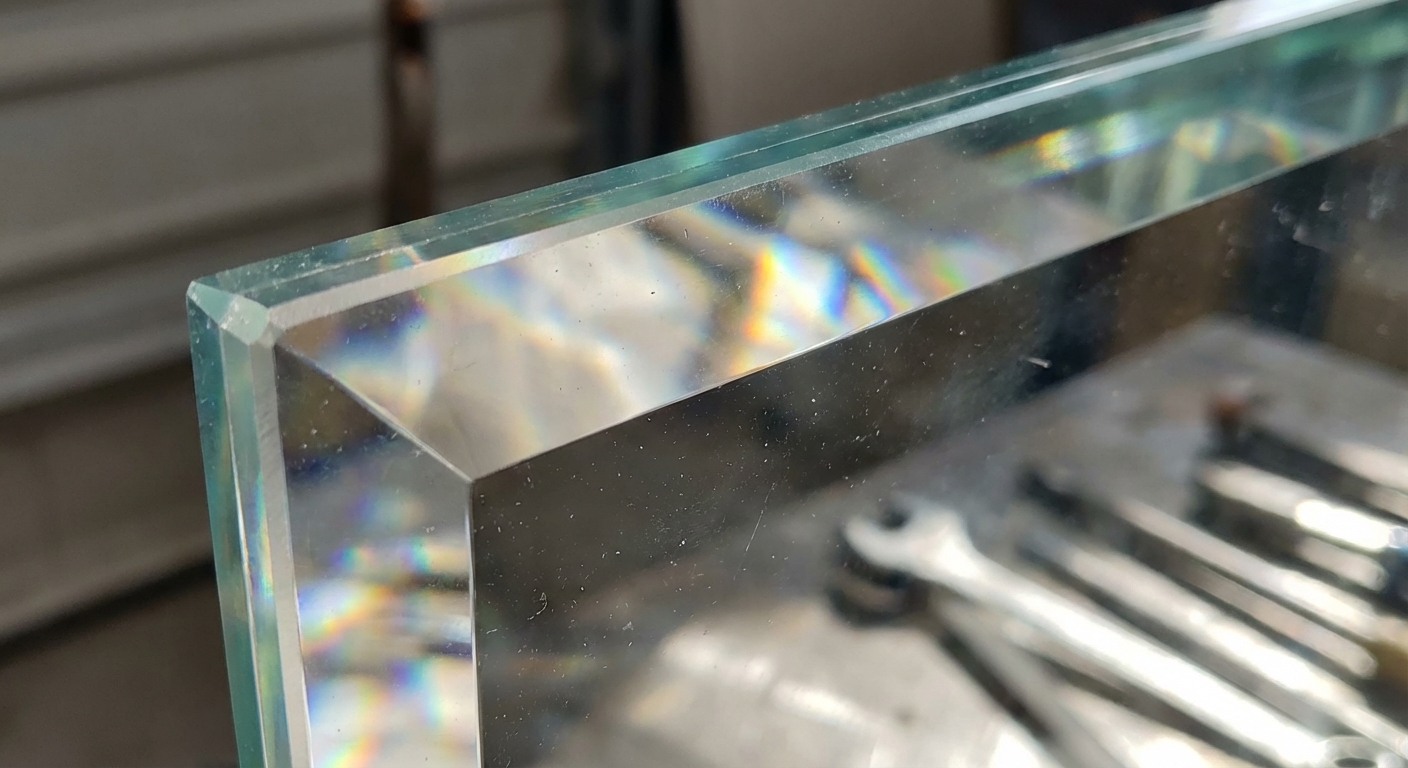
Choosing a polished or beveled edge instead of a standard seamed edge will increase your final tempered glass cost. You should specify a seamed edge if the glass will be hidden inside a frame to save on unnecessary processing. However, any exposed edge requires a high-quality flat polish to ensure both safety and a high-end visual appearance for your clients.
Which edge is best for modern interior design?
You should opt for a pencil or flat polish if your glass is part of a frameless partition or table. These finishes are smooth to the touch and provide a brilliant, professional look that enhances the overall aesthetic.
The best part?
- Seamed Edge: Sanded edges to prevent cuts (Cheapest).
- Flat Polish: Glossy, square edge for visible joints.
- Beveled Edge: Decorative slanted edge for luxury looks.
Key Takeaway: Requesting a seamed edge for non-visible panels is an easy way to trim your project budget without losing quality.
| Edge Type | Processing Time | Price Addition |
|---|---|---|
| Seamed | Minimal | Included |
| Flat Polish | Moderate | $2 – $4 per LF |
| Mitered | High | $8 – $15 per LF |
Precision edge work not only improves safety but also reflects the level of craftsmanship you bring to the final architectural build.
Does order volume reduce the unit tempered glass cost?
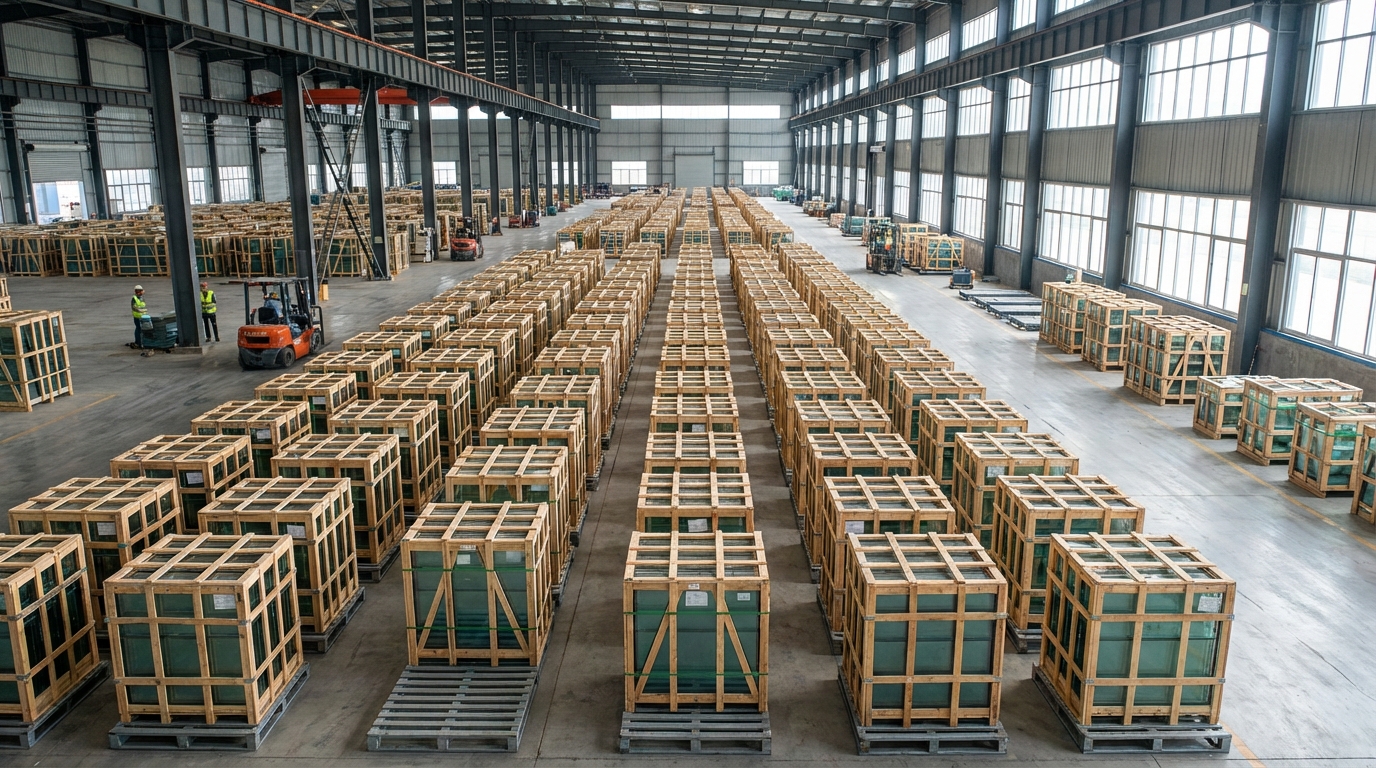
Ordering in bulk from a factory-direct source can lower your unit tempered glass cost by up to 40%. You benefit from the factory’s ability to optimize production runs and reduce the downtime between different glass specifications. Large-scale developments allow for batch processing, which is much more efficient than creating dozens of unique, small orders for different vendors.
Why do wholesalers offer better pricing?
You get better rates because bulk orders allow the manufacturer to purchase raw materials at a discount and minimize machine setup changes. This efficiency is passed on to you in the form of lower square-footage pricing and reduced lead times.
Here’s the kicker.
- LCL Shipping: Higher unit cost for small batches.
- Full Container: Lowest possible shipping and material cost.
- Standard Sizes: Reduces waste during the cutting phase.
Key Takeaway: Consolidating your glass requirements into a single large order is the most effective way to lower your unit price.
| Order Size | Typical Discount | Best For |
|---|---|---|
| 1 – 50 Pieces | 0% (Retail) | Home Repairs |
| 50 – 200 Pieces | 15% – 20% | Commercial Reno |
| 500+ Pieces | 30% – 40% | New Construction |
Working directly with a high-capacity factory ensures you have the volume needed to keep your project moving without breaking the bank.
How does shipping location impact tempered glass cost?
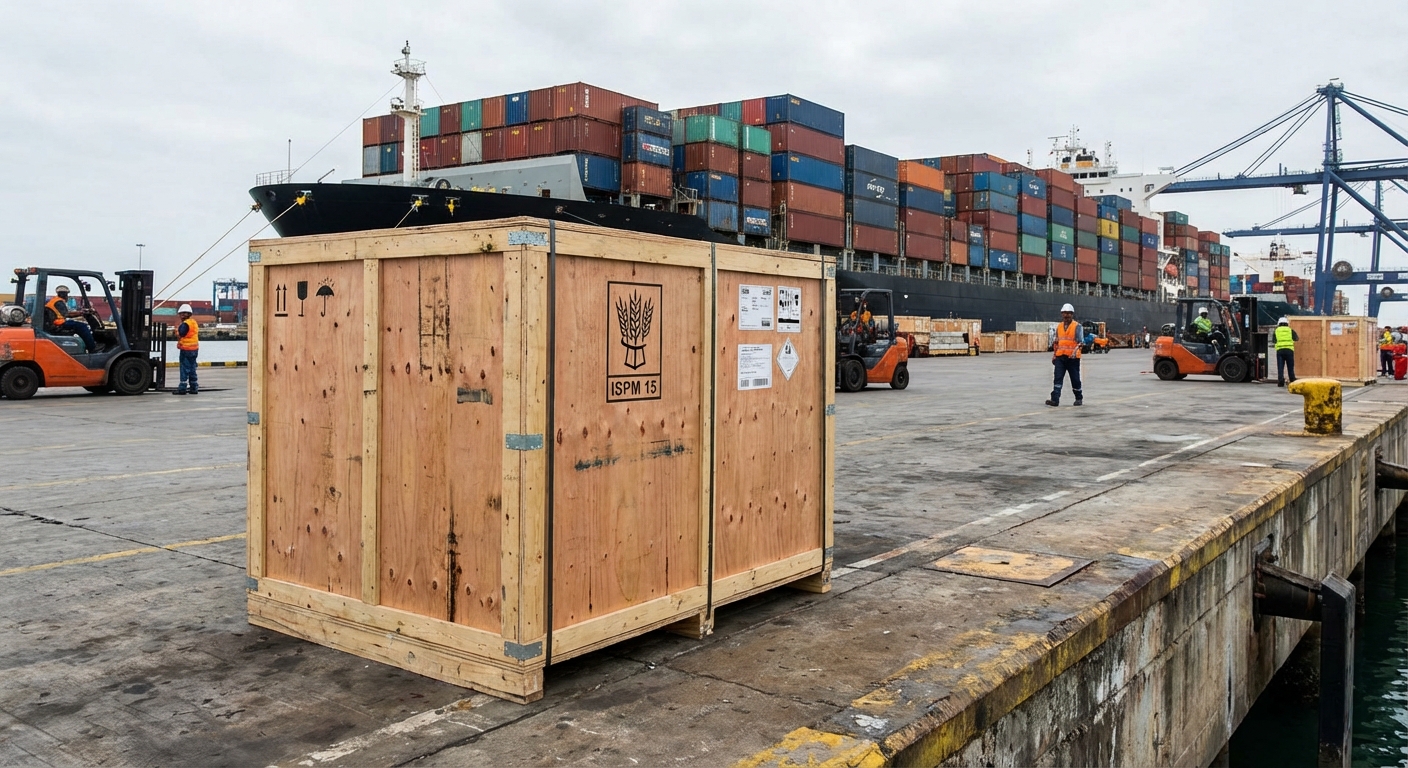
International logistics and reinforced packaging requirements contribute significantly to the landed tempered glass cost of your project. You must factor in the price of fumigated wooden crates and moisture barriers that protect the glass during long sea voyages. If your panels arrive broken due to poor packaging, the cost of replacements and project delays will destroy your original budget.
Is breakage insurance a necessary expense?
You should always include insurance in your logistics plan to protect your investment from unpredictable transit damage. Most professional manufacturers offer comprehensive coverage and container loading supervision to ensure the glass arrives in perfect condition.
Keep this in mind.
- Reinforced Crating: Prevents shifting during transit.
- Ocean Freight: Economical but requires long lead times.
- In-Land Delivery: Adds costs for local truck transport.
Key Takeaway: High-quality packaging typically adds 3% to 5% to your total bill but prevents thousands in potential losses.
| Logistic Factor | Necessity | Estimated Cost |
|---|---|---|
| ISPM 15 Crates | Mandatory | $200 – $350 each |
| Insurance | Recommended | 2% of Value |
| Local Freight | Mandatory | Varies by Distance |
Securing a reliable shipping partner ensures your glass arrives on schedule, allowing you to meet your contractual installation deadlines without stress.
Will specific coatings raise the tempered glass cost?
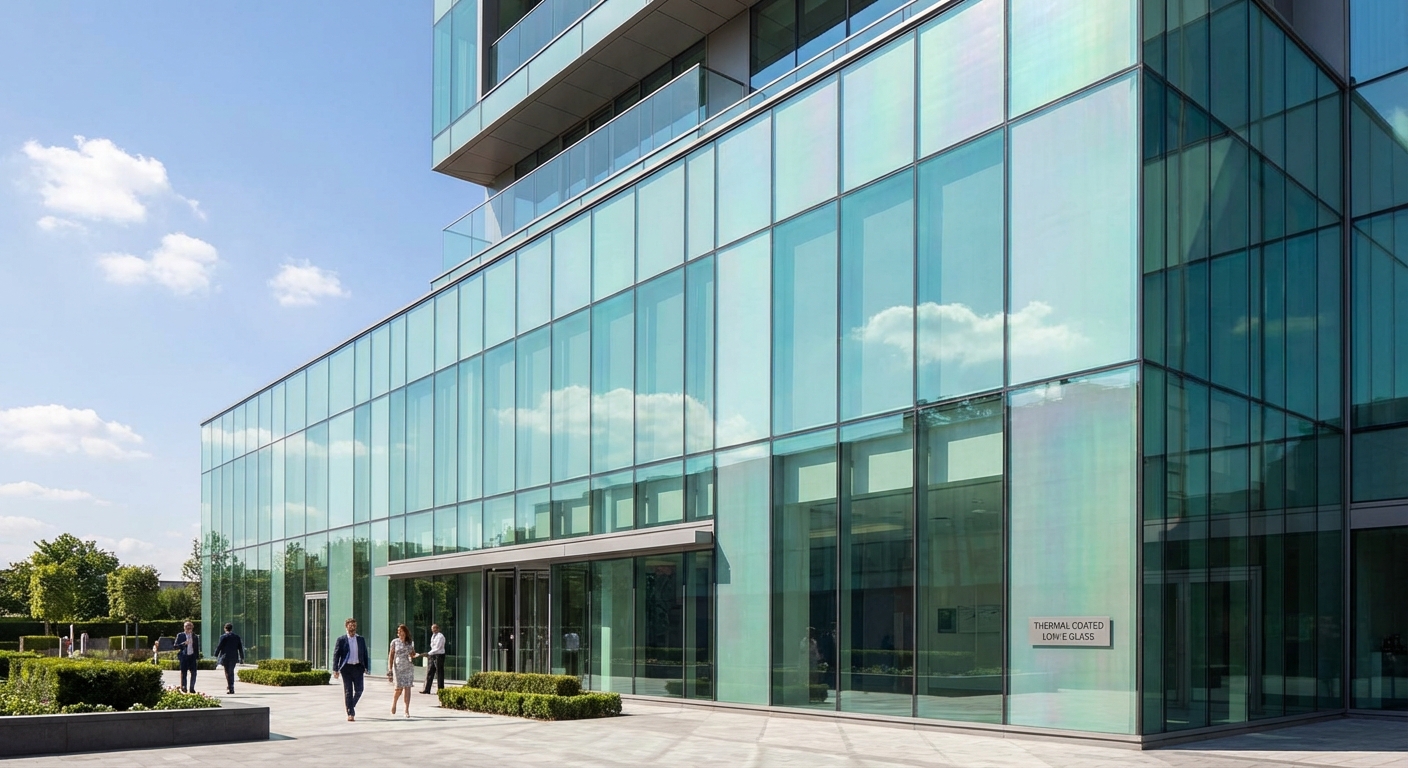
Advanced tempered glass cost estimates often include high-performance coatings like low-e glass or solar control films. You might pay more upfront for these coatings, but they drastically improve the energy efficiency of the building. By reducing the load on the HVAC system, these specialty glass types pay for themselves through lower utility bills over the building’s lifecycle.
Do specialty coatings save money long-term?
You will find that energy-efficient glass is often required by local building codes to meet sustainability targets. Investing in reflective or thermal coatings increases the market value of the property and improves occupant comfort significantly.
Believe it or not.
- Low-E Coating: Reduces heat transfer through windows.
- Self-Cleaning: Lowers maintenance costs over time.
- Anti-Reflective: Improves visibility for storefronts.
Key Takeaway: Energy-saving coatings are a smart long-term investment that offsets the initial higher procurement price.
| Coating Type | Thermal Benefit | Price Premium |
|---|---|---|
| Low-E | High | +$8 – $15/sq ft |
| Reflective | Moderate | +$5 – $12/sq ft |
| Nano-Coating | Low | +$3 – $7/sq ft |
Choosing the right coating allows you to meet energy performance goals while maintaining the structural benefits of tempered safety glass.
How can you get the best tempered glass cost quote?
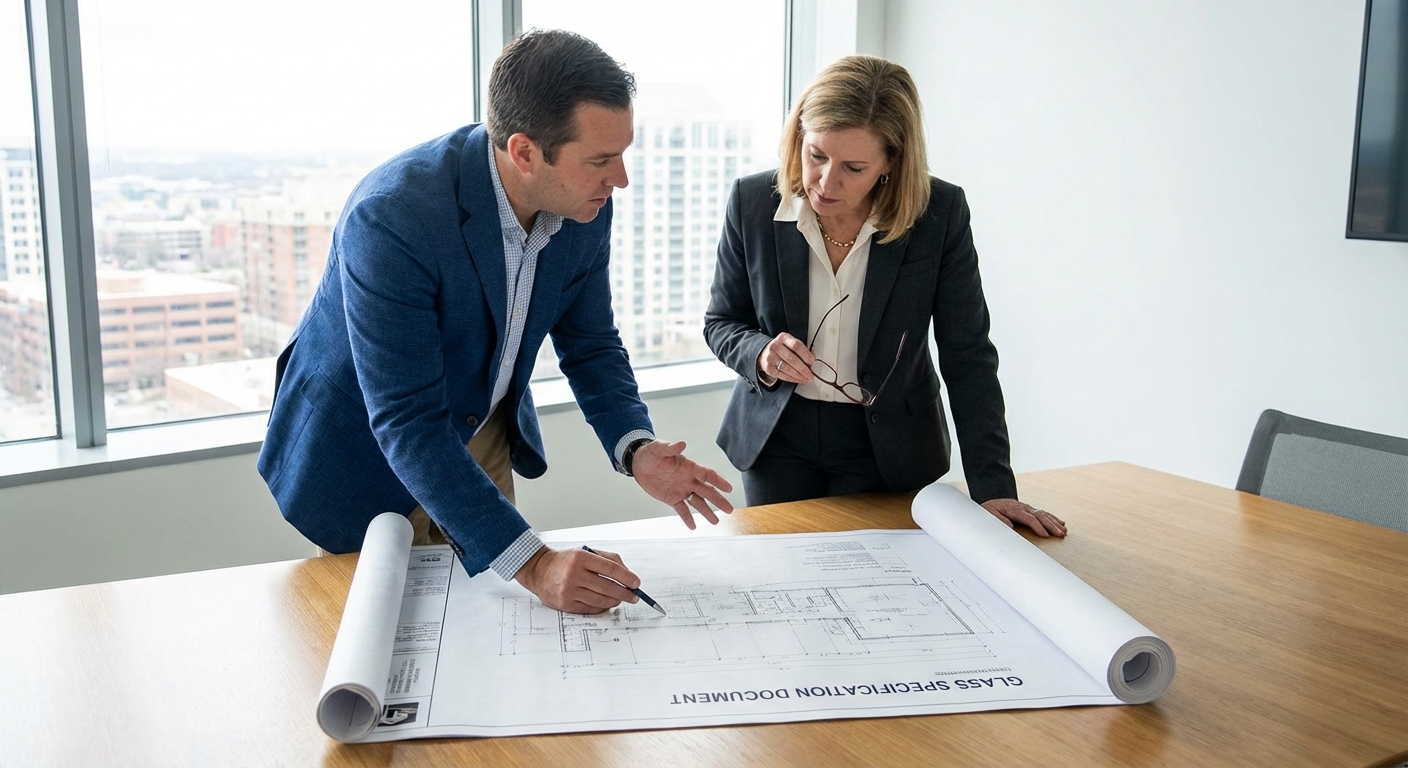
Providing detailed CAD drawings and accurate quantity lists is the fastest way to minimize your total tempered glass cost. You should work with an engineering team that can review your blueprints to identify potential fabrication errors before production starts. Clear communication regarding your Contact Us requirements ensures that you receive a quote that is both accurate and competitive.
Should you ask for a technical review of your plans?
You can avoid expensive rework by having experts validate your hole positions and edge treatments against hardware templates. This proactive step ensures that every piece of glass produced is ready for immediate installation upon delivery.
Bottom line.
- Detailed Drawings: Prevents fabrication mistakes.
- Clear Specs: Ensures accurate material pricing.
- Factory Feedback: Optimizes glass usage for less waste.
Key Takeaway: A 24-hour technical review can save weeks of delays by catching minor specification errors early in the process.
| Step | Action | Benefit |
|---|---|---|
| Plan Submission | Send CAD Files | Faster Quoting |
| Tech Audit | Verify Holes/Edges | Zero Rework |
| Batch Quote | Finalize Volume | Best Pricing |
Partnering with a transparent manufacturer allows you to lock in pricing and lead times, giving you full control over your project’s financial health.
Summary of Procurement Strategy
By focusing on volume, thickness optimization, and direct factory communication, you can successfully manage your tempered glass cost. Our team at PrimePro Glass solves common industry problems like fabrication errors and delayed deliveries through rigorous QC traceability and guaranteed lead times. We are dedicated to providing precision-engineered glass that meets the highest safety standards for your global projects.
Ready to secure your project’s success? Contact us today for a free technical review and a detailed factory-direct quote tailored to your specific needs.
Frequently Asked Questions
Can I lower my cost by using standard sizes?
Yes, choosing standard stock sheet dimensions reduces off-cut waste and significantly lowers the unit price of your panels.
What’s the best way to prevent breakage during shipping?
You should ensure your supplier uses ISPM 15 fumigated wooden crates with reinforced corners and internal foam padding.
How do I know if the glass meets safety standards?
You must check for permanent certification stamps (like SGCC or CE) on the corner of every tempered glass panel.
What is the standard lead time for a bulk order?
Most factory-direct orders take 25 to 30 days for production, plus additional time for international sea freight logistics.
Can I get a custom color matched for my glass?
Yes, you can provide a physical sample or spectral data, and our engineering team will produce test pieces for your approval.