Choosing between low-e glass vs clear glass depends entirely on whether you prioritize immediate material savings or long-term energy performance. High utility bills and fading upholstery often stem from inefficient glazing that fails to regulate thermal transfer. You might feel the bite of rising energy costs every season, watching your hard-earned money escape through standard panes. By selecting the right low-e glass vs clear glass solution, you can stabilize your indoor environment and significantly reduce your carbon footprint.
How is low-e glass vs clear glass manufactured?
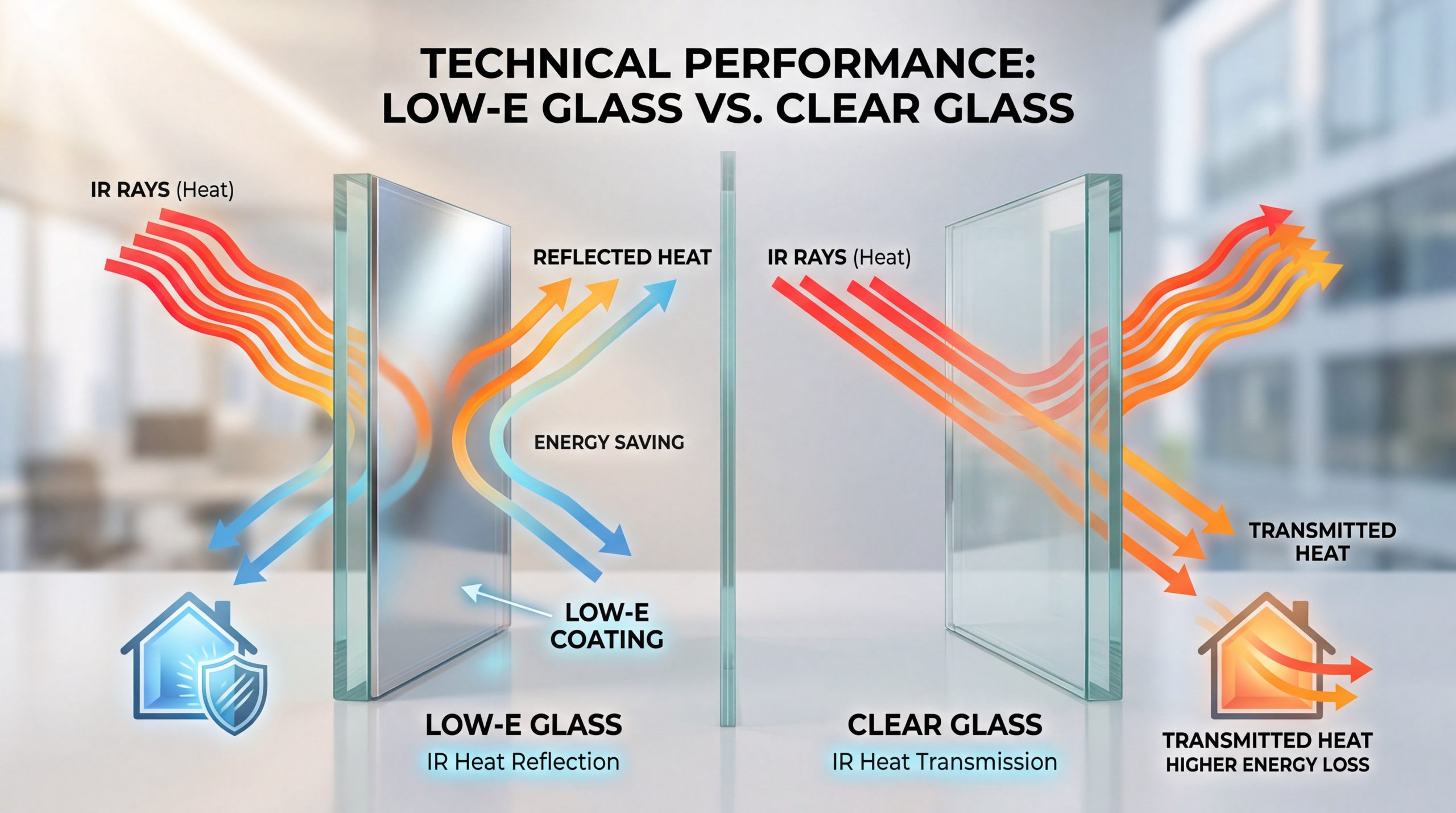
Understanding the production of low-e glass vs clear glass reveals why one performs so much better than the other. Clear glass is created using a standard float process where molten glass is cooled on a bed of tin. This results in a smooth surface that allows all light and heat to pass through freely.
What is a low-emissivity coating?
The low-emissivity layer is a microscopically thin stack of metallic oxides applied to the glass surface. This coating is designed to reflect long-wave infrared energy, which effectively keeps heat where it belongs.
- Raw silica sand and soda ash are melted.
- The glass ribbon is formed on molten tin.
- Microscopic silver or tin layers are added.
- The glass is tempered for safety.
How is the metallic layer applied?
Modern manufacturing uses either a pyrolytic process or a sputter-coating technique to bond the metals. These layers are so thin that they are virtually invisible to the naked eye.
Here is the kicker:
The coating is hundreds of times thinner than a human hair but changes the thermal properties entirely.
Key Takeaway: Low-E manufacturing adds a specialized thermal barrier that standard clear glass lacks.
| Step | Clear Glass | Low-E Glass |
|---|---|---|
| Float Process | Standard Formation | Standard Formation |
| Coating | None | Silver/Metal Oxides |
| Heat Control | Passive | Active Reflection |
While clear glass serves as a basic substrate, Low-E glass undergoes additional metallic layering to control thermal emissivity.
What are the different low-e glass vs clear glass coatings?
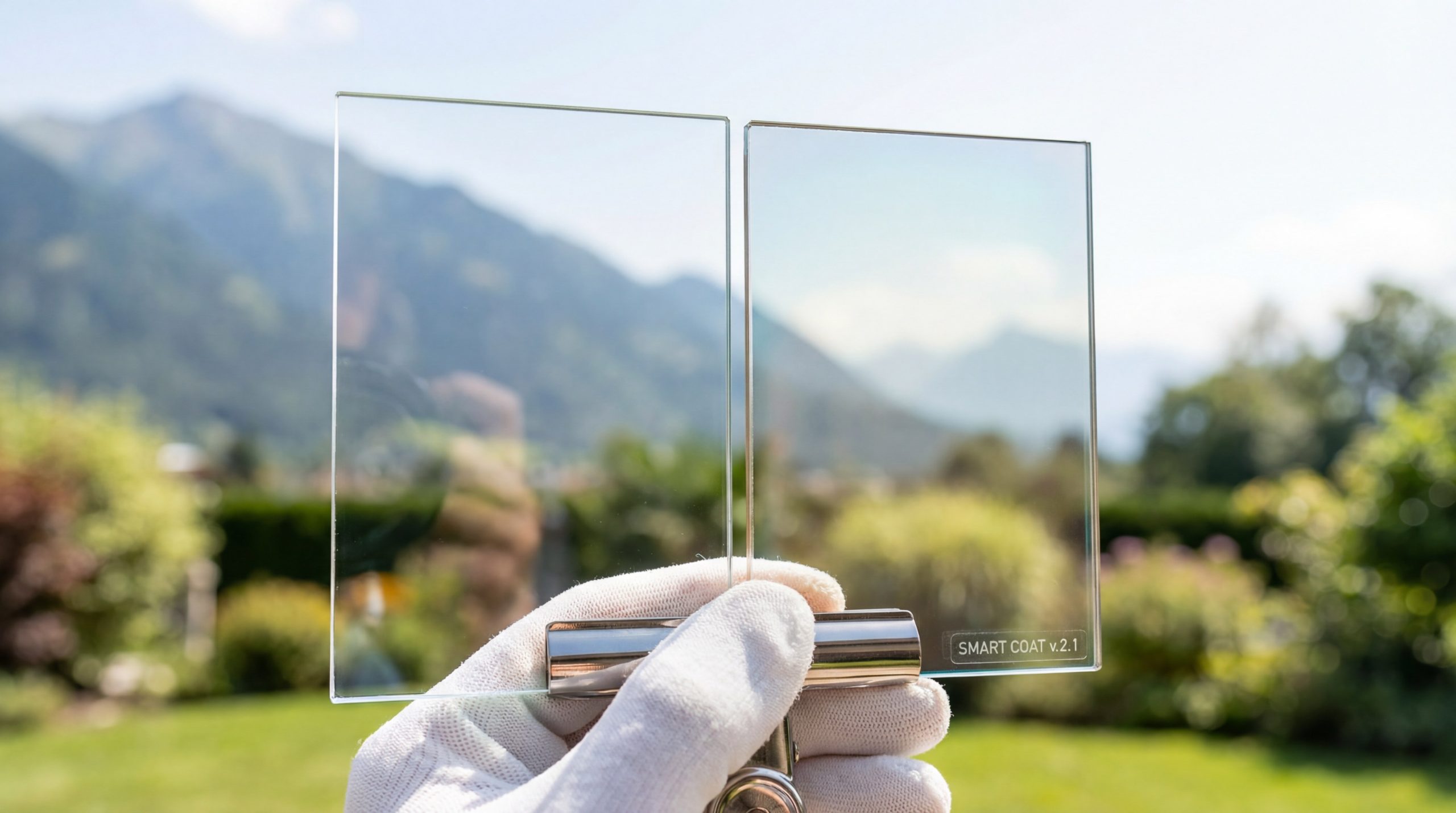
Comparing different types of low-e glass vs clear glass coatings helps you identify the best durability for your project. Hard coats are fused to the glass during the float process, making them incredibly tough. Soft coats are applied later in a vacuum chamber, offering superior insulation but requiring protection inside a double-paned unit.
Why choose a pyrolytic hard coat?
Hard coats are ideal for high-traffic areas where the glass might be exposed to the elements. They are often used in tempered glass applications where surface durability is a primary concern.
- Fused at high temperatures.
- Extremely scratch-resistant surface.
- Can be used on single panes.
- Durable in harsh environments.
What makes a soft coat more efficient?
Soft coats use multiple layers of silver to provide the highest possible energy efficiency available today. They reflect more heat than hard coats but must be sealed within an insulated unit to prevent oxidation.
But wait, there’s more.
These coatings can be customized to prioritize either heat retention or solar rejection depending on your building’s orientation.
Key Takeaway: Soft coats offer better energy performance, while hard coats provide unmatched surface durability.
| Feature | Hard Coat (Pyrolytic) | Soft Coat (MSVD) |
|---|---|---|
| U-Value | Moderate | Excellent |
| Durability | High (Exposed) | Low (Must be sealed) |
| Cost | Lower | Higher |
Selecting the right coating involves balancing the need for extreme thermal insulation against the physical environment of the installation.
Is low-e glass vs clear glass better for energy bills?
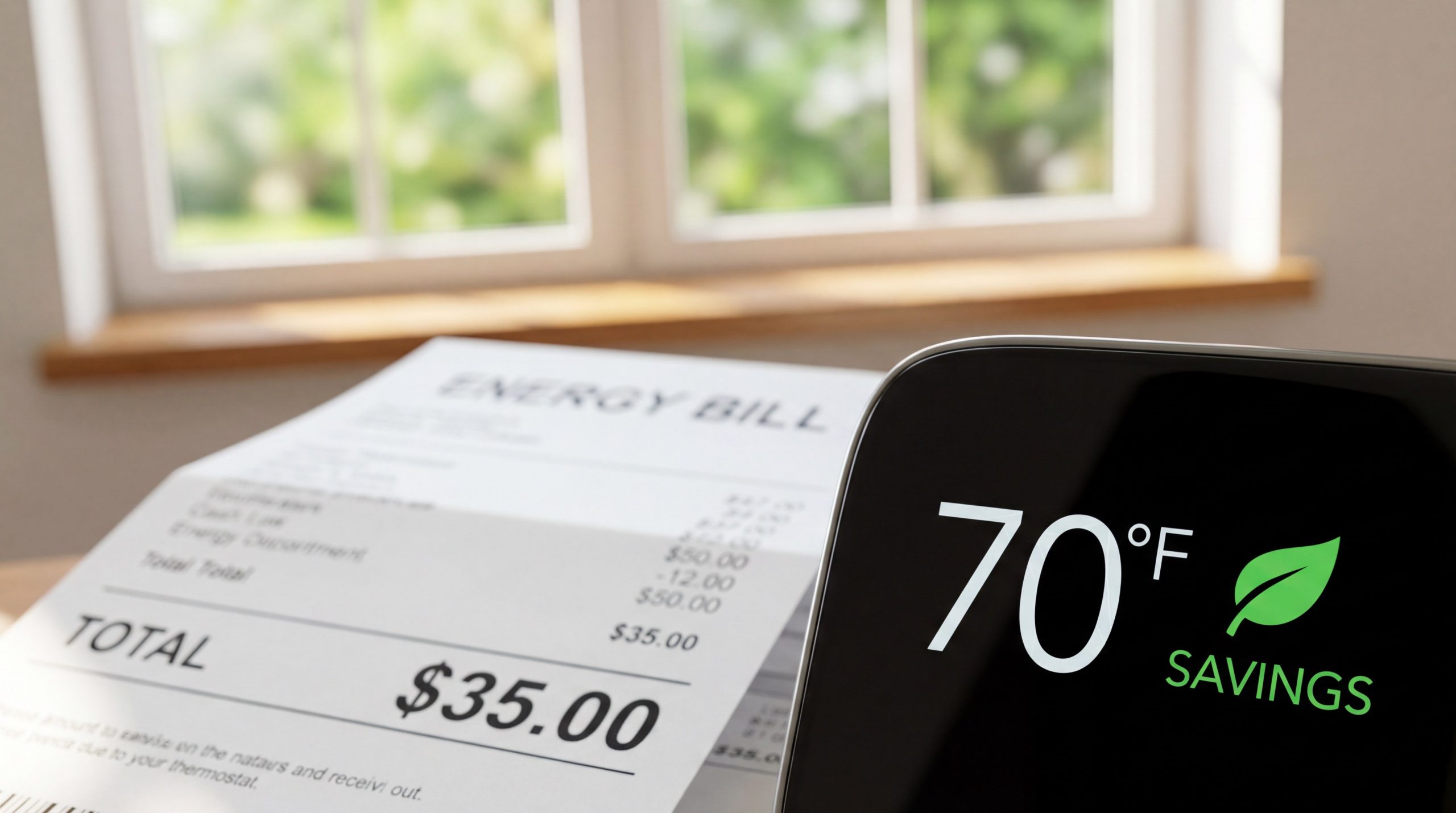
The financial impact of low-e glass vs clear glass becomes obvious when you look at monthly utility statements. Clear glass acts as a thermal bridge, allowing heat to escape in the winter and enter during the summer. This forces your HVAC system to work overtime, leading to premature wear and higher expenses.
How much can you save on heating?
Low-E windows reflect internal furnace heat back into the living space, reducing the load on your heater. In colder climates, this can lead to substantial annual savings that clear glass simply cannot match.
- Reduces thermal loss by 30-50%.
- Lowers furnace run times.
- Eliminates cold spots near windows.
- Prevents condensation buildup.
Does it reduce cooling costs in summer?
In the summer, the coating blocks solar heat gain while still allowing natural light to fill the room. This keeps your interior temperature stable without relying solely on your air conditioner.
Think about it:
You could be saving hundreds of dollars every year just by upgrading your glass specifications.
Key Takeaway: Low-E glass provides year-round financial benefits by significantly reducing energy consumption.
| Region | Clear Glass Cost | Low-E Savings |
|---|---|---|
| Northern | High Heat Loss | Up to $450/year |
| Southern | High Solar Gain | Up to $380/year |
| Moderate | Variable Loss | Up to $290/year |
Homeowners and B2B buyers see a direct correlation between Low-E installation and a reduction in operational building costs.
How does low-e glass vs clear glass protect your home?
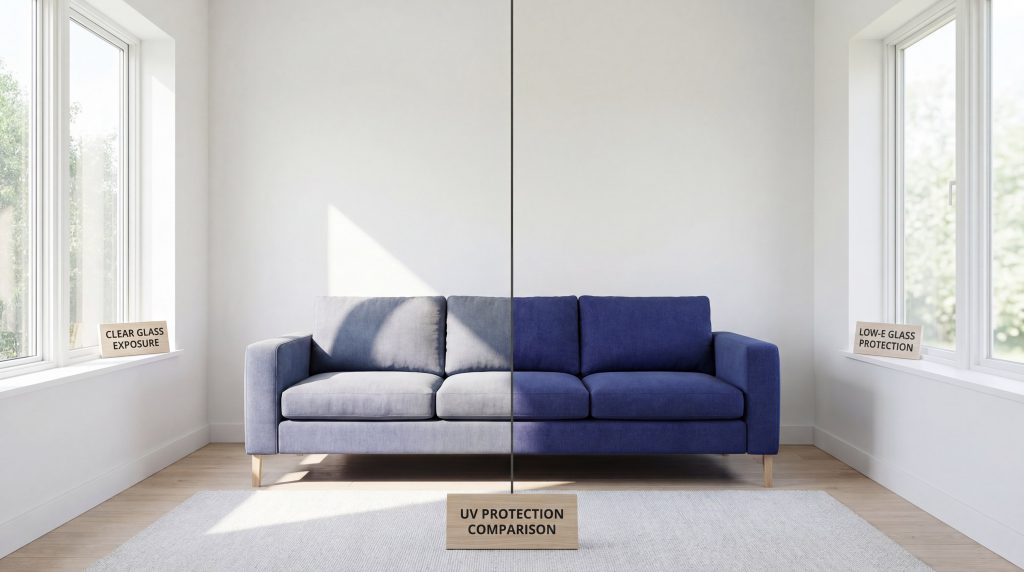
Beyond temperature, the comparison of low-e glass vs clear glass involves the preservation of your interior assets. UV rays are the primary cause of photodegradation, which destroys the pigments in your carpets and furniture. Clear glass offers almost no protection against these harmful wavelengths.
Can it stop furniture from fading?
While nothing can stop fading entirely, Low-E glass slows the process down significantly by filtering out the most damaging spectra. Using laminated glass with a Low-E coating offers the ultimate protection for high-value interiors.
- Blocks up to 99% of UV rays.
- Preserves vibrant fabric colors.
- Protects hardwood floor finishes.
- Extends life of window treatments.
How does it block harmful UV rays?
The metallic layers are engineered to reflect short-wave ultraviolet light away from the building. This protection happens automatically without the need for heavy curtains or unsightly tints.
Believe it or not:
Your expensive leather sofa can last twice as long behind a protected pane of glass.
Key Takeaway: Low-E coatings act as a permanent sunscreen for your home’s interior furnishings and finishes.
| Asset | Clear Glass Damage | Low-E Protection |
|---|---|---|
| Upholstery | Rapid Fading | High Preservation |
| Hardwood | Discoloration | Minimal Change |
| Artwork | Color Loss | UV Shielding |
Investing in Low-E glass is effectively an insurance policy for the interior design and furniture within your property.
Which ratings define low-e glass vs clear glass quality?
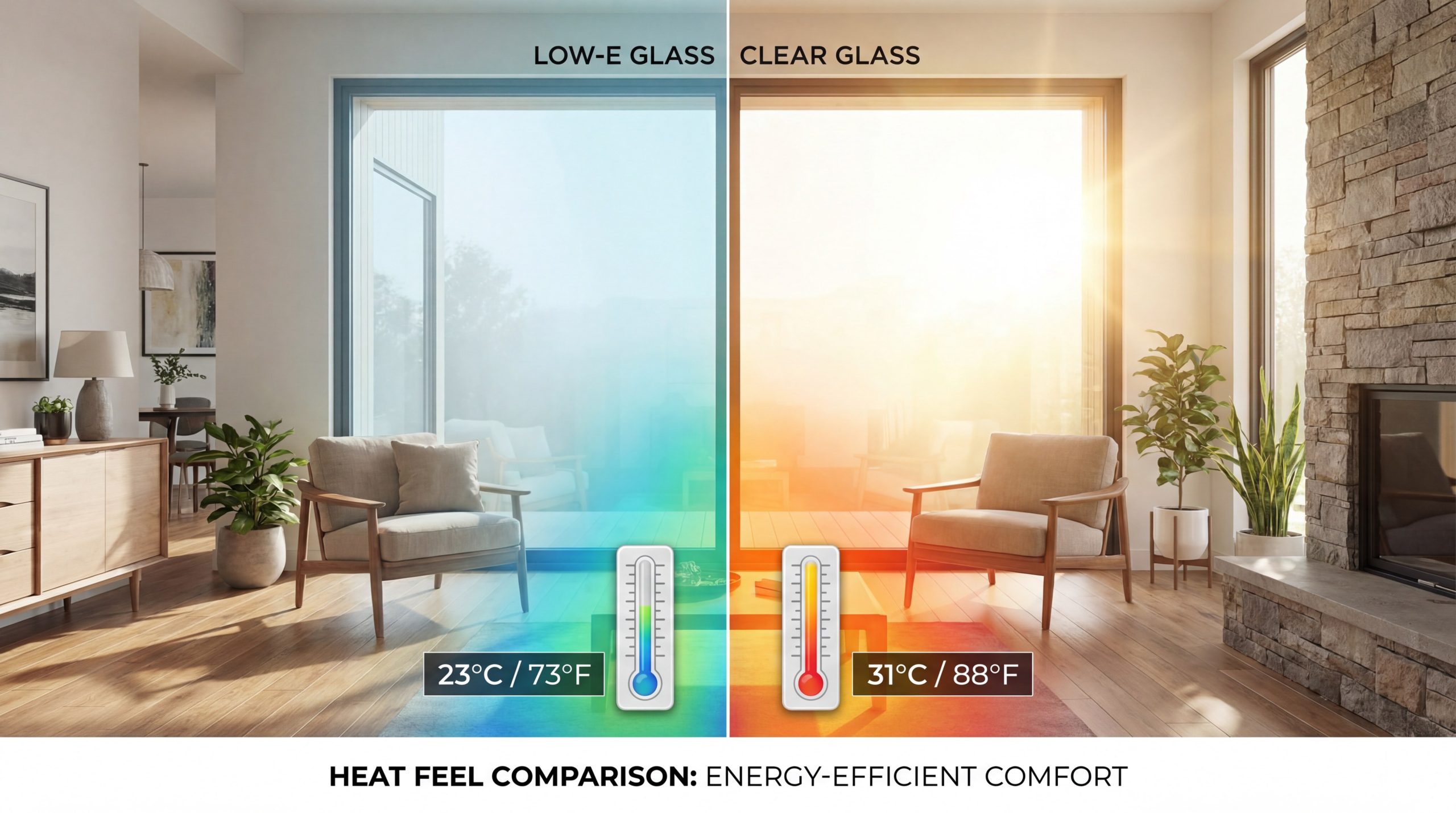
Technical specifications provide a measurable way to compare low-e glass vs clear glass performance. Performance is typically measured by the U-Factor, which tells you how well the window insulates. A lower number indicates better performance, which is why Low-E always outperforms standard clear units.
What is a window U-Factor?
The U-Factor measures the rate of non-solar heat flow through the glass assembly. Lowering this value is essential for maintaining comfort during extreme temperature swings.
- Measures insulation quality.
- Lower values are better.
- Vital for energy certification.
- Impacts building code compliance.
How does SHGC impact solar heat?
The Solar Heat Gain Coefficient (SHGC) measures how much solar radiation enters through the window. Low-E glass allows you to control this number to prevent your home from turning into a greenhouse.
Here is the deal:
Understanding these numbers allows you to buy with confidence rather than relying on guesswork.
Key Takeaway: Professional ratings like U-Factor and SHGC prove that Low-E is technically superior to clear glass.
| Metric | Clear Double Pane | Low-E Double Pane |
|---|---|---|
| U-Factor | ~0.48 | ~0.30 |
| SHGC | ~0.55 | ~0.25 |
| VT | ~0.75 | ~0.65 |
Technical data confirms that Low-E glass significantly outperforms clear glass in both insulation and solar heat management.
Does low-e glass vs clear glass impact natural light?
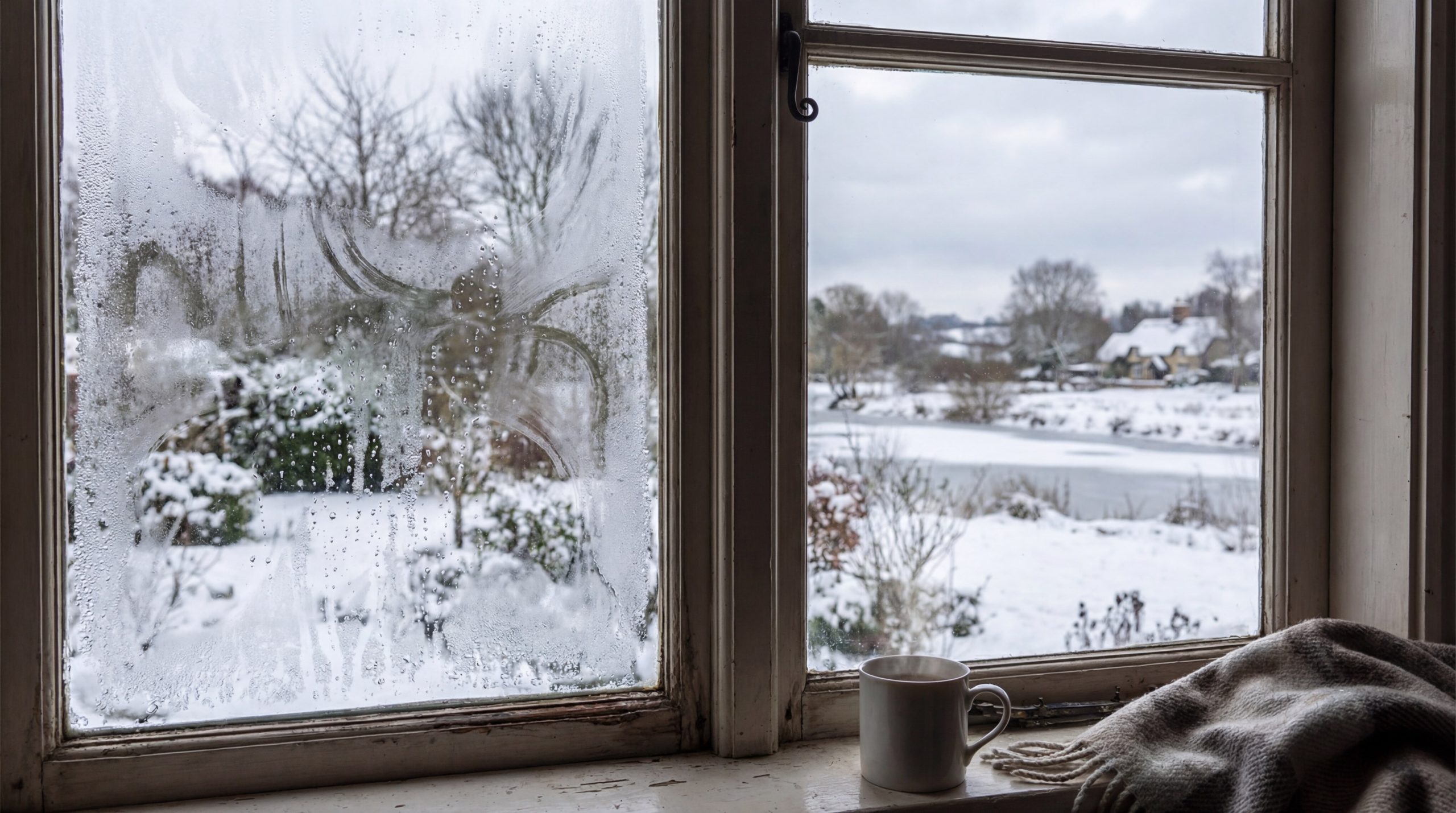
Many buyers worry that low-e glass vs clear glass comparisons will favor clear glass for brightness. While it is true that coatings reduce light transmission slightly, modern technology has made this difference almost unnoticeable. You can still enjoy vibrant, sun-drenched rooms while reaping the benefits of thermal protection.
Will your home feel darker?
Modern Low-E coatings are designed to be high-transmittance, meaning they let in the visible light you want while blocking the heat you don’t. In most residential settings, the difference in brightness is less than 10%.
- Maximizes natural daylighting.
- Minimizes visible distortion.
- Maintains color neutrality.
- Reduces interior glare.
Is the glass tint noticeable?
Some high-performance coatings have a slight blue or green hue, but this is usually only visible from the outside. From the interior, the views remain crisp and clear, especially when compared to older tinted glass.
The truth is:
Most people cannot tell the difference between clear and Low-E glass once they are installed in a frame.
Key Takeaway: You do not have to sacrifice natural light to achieve high levels of energy efficiency.
| Light Type | Clear Glass | Low-E Glass |
|---|---|---|
| Visible Light | High (90%) | High (75-85%) |
| Infrared | Passed Through | Reflected |
| Ultraviolet | Passed Through | Blocked |
Modern Low-E technology ensures that your home remains bright and welcoming while filtering out invisible, destructive energy.
Which climate suits low-e glass vs clear glass best?
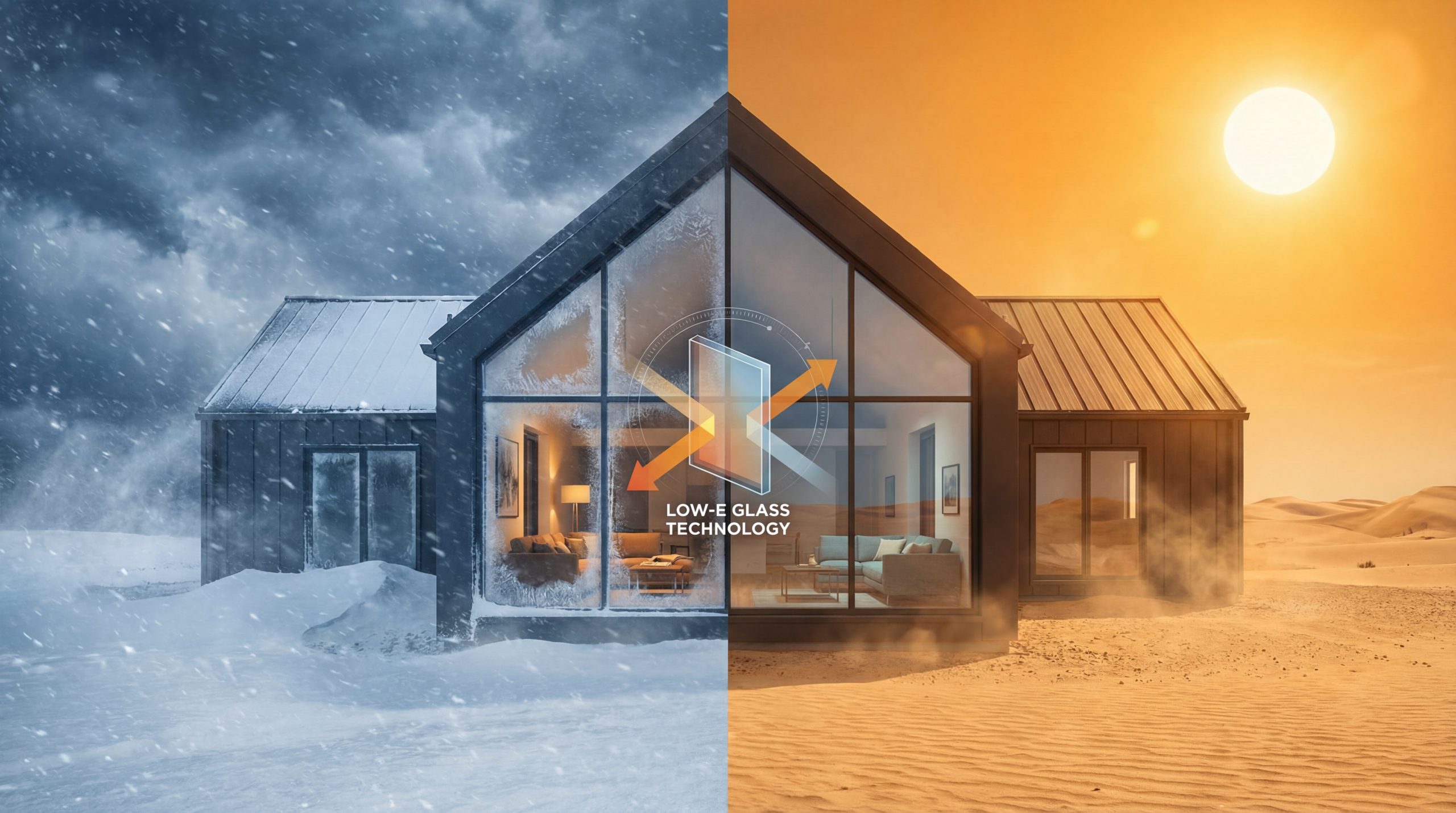
Geography plays a massive role in the low-e glass vs clear glass debate. In extreme environments, clear glass is often insufficient for meeting modern building standards. Whether you are dealing with desert heat or arctic winds, the right glass selection is your first line of defense.
Does it work well in cold winters?
In northern climates, Low-E glass is essential for keeping expensive indoor heat from radiating out to the cold air. It keeps the interior surface of the glass warmer, which also helps prevent the “drafty window” feeling.
- Retains interior furnace heat.
- Prevents ice formation on panes.
- Increases perimeter comfort.
- Reduces heating system strain.
Is it essential for hot climates?
Southern buildings require glass that can reject solar heat before it enters the room. Low-E coatings are specifically tuned to bounce the sun’s energy back into the atmosphere, keeping interiors cool.
Don’t miss this:
Choosing the wrong glass for your specific climate can cost you thousands in unnecessary utility payments.
Key Takeaway: Low-E glass is a versatile solution that can be optimized for any climate zone on the planet.
| Climate | Clear Glass Use | Low-E Glass Use |
|---|---|---|
| Extreme Cold | Avoid (Heat Loss) | High Retention (Best) |
| Extreme Heat | Avoid (Heat Gain) | Solar Rejection (Best) |
| Temperate | Budget Option | Balanced Efficiency |
Regional climate data overwhelmingly supports the use of Low-E glass over clear glass for long-term comfort and value.
Is the cost of low-e glass vs clear glass worth it?
Budget is often the deciding factor when weighing low-e glass vs clear glass. While Low-E glass has a higher upfront price tag, it is important to view it as an investment rather than an expense. When you factor in energy savings and increased property value, the return on investment is undeniable.
What is the initial price difference?
Typically, Low-E glass costs about 10% to 15% more than standard clear glass. This small increase is often recovered within a few years of reduced energy consumption.
- Lowers monthly operating costs.
- Increases total home resale value.
- Reduces HVAC maintenance fees.
- Often qualifies for tax credits.
How long is the payback period?
Depending on your local energy rates and climate, many Low-E windows pay for themselves in three to six years. After that period, the savings are pure profit for the property owner.
Here is the kicker:
Energy-efficient buildings are more attractive to buyers and can command a higher price on the market.
Key Takeaway: The marginal cost increase of Low-E glass is quickly eclipsed by long-term energy savings.
| Cost Factor | Clear Glass | Low-E Glass |
|---|---|---|
| Upfront Cost | $ | $$ |
| Annual Bills | $$$ | $ |
| Resale Value | Standard | Premium |
While clear glass saves money today, Low-E glass builds wealth through consistent, long-term operational savings.
Where should you use low-e glass vs clear glass?
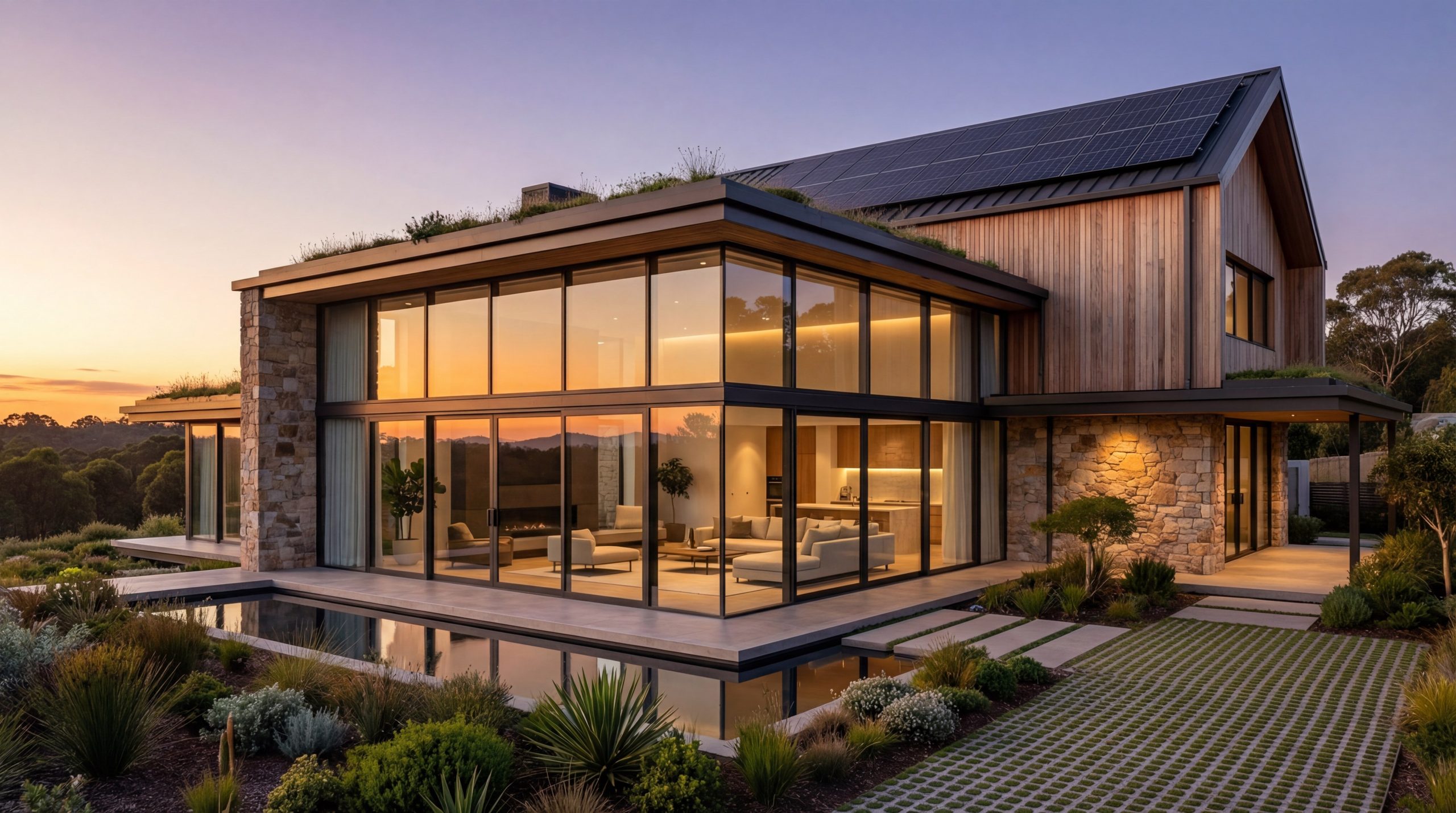
Application dictates whether low-e glass vs clear glass is appropriate. In your primary living areas, the performance of Low-E is mandatory for comfort. However, there are still some utility-based scenarios where clear glass remains a practical choice.
Should you use it in bedrooms?
Bedrooms should always utilize Low-E glass to ensure a stable sleeping temperature and quiet environment. If you are installing shower doors, however, clear or frosted glass is standard as heat gain is not an issue there.
- Use in all living rooms.
- Essential for large patio doors.
- Recommended for sunrooms.
- Perfect for home offices.
Is clear glass okay for a garage?
For unheated outbuildings like garages or garden sheds, clear glass is often the most cost-effective solution. These areas don’t require the high-performance thermal barriers needed for conditioned spaces.
It’s worth noting:
Strategically mixing glass types can help you stay within budget without sacrificing efficiency where it counts.
Key Takeaway: Prioritize Low-E glass for primary living spaces and use clear glass for non-conditioned utility areas.
| Application | Clear Glass | Low-E Glass |
|---|---|---|
| Main Windows | No | Yes (Recommended) |
| Patio Doors | No | Yes (Essential) |
| Garages/Sheds | Yes | Optional |
Tailoring your glass selection to the specific needs of each room maximizes both performance and your renovation budget.
How do you choose between low-e glass vs clear glass?
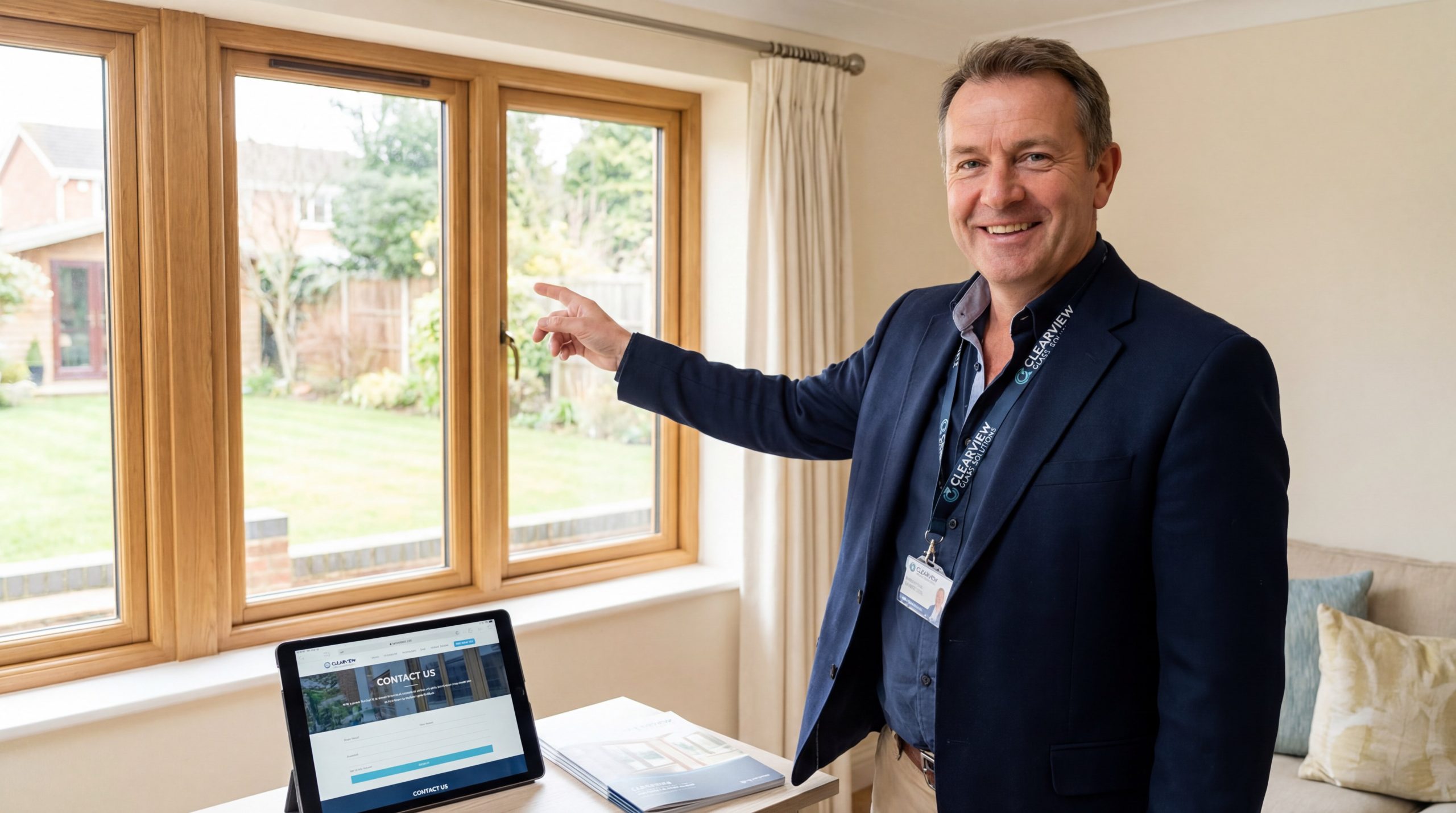
Finalizing your choice of low-e glass vs clear glass requires a review of your long-term goals. If you plan to stay in your home for more than two years, the efficiency of Low-E is the clear winner. For developers looking for the absolute lowest build cost on non-certified structures, clear glass remains the baseline.
What are your primary energy goals?
If your goal is to achieve LEED certification or simply to lower your carbon footprint, Low-E glass is a non-negotiable component. It is the single most effective way to improve the thermal envelope of a building.
- Check local building codes.
- Evaluate your sun exposure.
- Consider your long-term budget.
- Analyze your comfort priorities.
Is a professional consultation needed?
Expert advice can help you determine the specific coating type that matches your building’s orientation and local weather patterns. A pro can also ensure you are meeting all safety and insulation regulations.
The bottom line:
Buying the right glass once is much cheaper than replacing inefficient panes five years down the road.
Key Takeaway: Base your decision on long-term performance and local climate needs to ensure the best return.
| Goal | Clear Glass Path | Low-E Glass Path |
|---|---|---|
| Low Initial Spend | Select Clear | N/A |
| Max Comfort | N/A | Select Low-E |
| Eco-Friendly | N/A | Select Low-E |
A thoughtful evaluation of your property’s needs will always point toward the superior efficiency of Low-E glass solutions.
FAQ
Can I add Low-E coatings to my existing clear glass windows?
While there are aftermarket films available, they are never as effective or durable as factory-applied coatings. True Low-E glass is manufactured with the metallic layers bonded to the surface or sealed within the insulated unit.
Does Low-E glass affect the growth of my indoor plants?
Most indoor plants thrive behind Low-E glass because it still allows the necessary visible light for photosynthesis. In fact, the more stable temperatures can actually help sensitive plants grow better than they would near drafty clear panes.
How can I tell if my current windows have Low-E glass?
You can perform a simple flame test by holding a lighter near the glass and looking at the reflections. In a Low-E window, one of the flame reflections will usually have a distinctly different color, often purple or green.
Does the metallic coating eventually wear off or oxidize?
In high-quality soft-coat units, the coating is protected inside a sealed environment and will last as long as the window unit itself. Hard-coat versions are physically fused to the glass and are designed to resist wear for decades.
Is there a significant weight difference between the two?
No, the metallic coating is so microscopically thin that it does not add any measurable weight to the glass pane. You do not need to worry about extra strain on your window hardware or framing systems.
Conclusion
Choosing the right glazing is a pivotal decision that impacts your property’s comfort, value, and monthly expenses. Standard clear glass provides a basic view but fails to protect your interior from the harsh realities of thermal transfer and UV damage. By opting for a high-performance solution, you solve the chronic problems of high energy bills, fading furniture, and inconsistent indoor temperatures.
At PrimePro Glass, we provide precision-engineered solutions that transform your building into a sanctuary of efficiency. Take control of your environment and contact us today to secure a future of lasting comfort and measurable savings.