Yes, almost all modern residential and commercial shower doors are manufactured using tempered glass to ensure maximum safety. Navigating the world of bathroom renovations can be overwhelming when you realize how much a single mistake in material selection can cost. Choosing the wrong tempered glass for shower doors often leads to dangerous breakage incidents and non-compliance with local building codes. Fortunately, engineering-grade glass solutions provide the durability and impact resistance needed to secure your space and offer peace of mind for years to come.
What exactly is tempered glass?
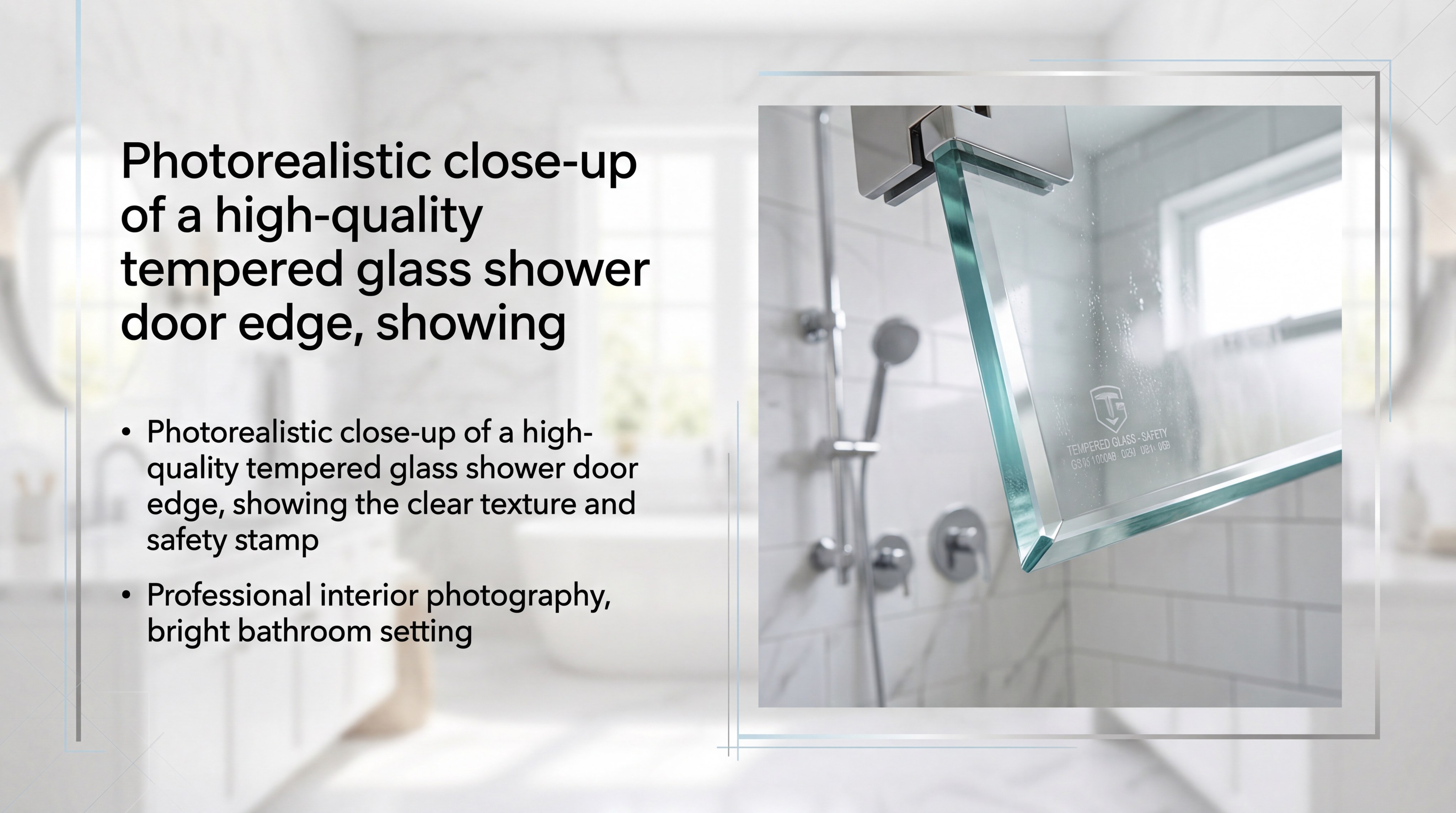
The fundamental standard for safety in modern bathrooms is the use of high-quality tempered glass for shower doors. This material is essentially standard glass that has undergone a specialized thermal treatment to increase its structural integrity. By heating the pane to over 600 degrees Celsius and then rapidly cooling it, the surface develops high compressive stress.
How is the toughening process managed?
You might wonder how a simple heating process changes the molecular structure of the pane so drastically. During fabrication, our engineering team ensures that the cooling is uniform to prevent any warping or internal weak spots.
- Rapid air-quenching creates a hard exterior shell.
- The inner core remains in tension to pull the fragments inward.
- Precision CNC cutting must occur before the glass enters the furnace.
Is it different from standard annealed glass?
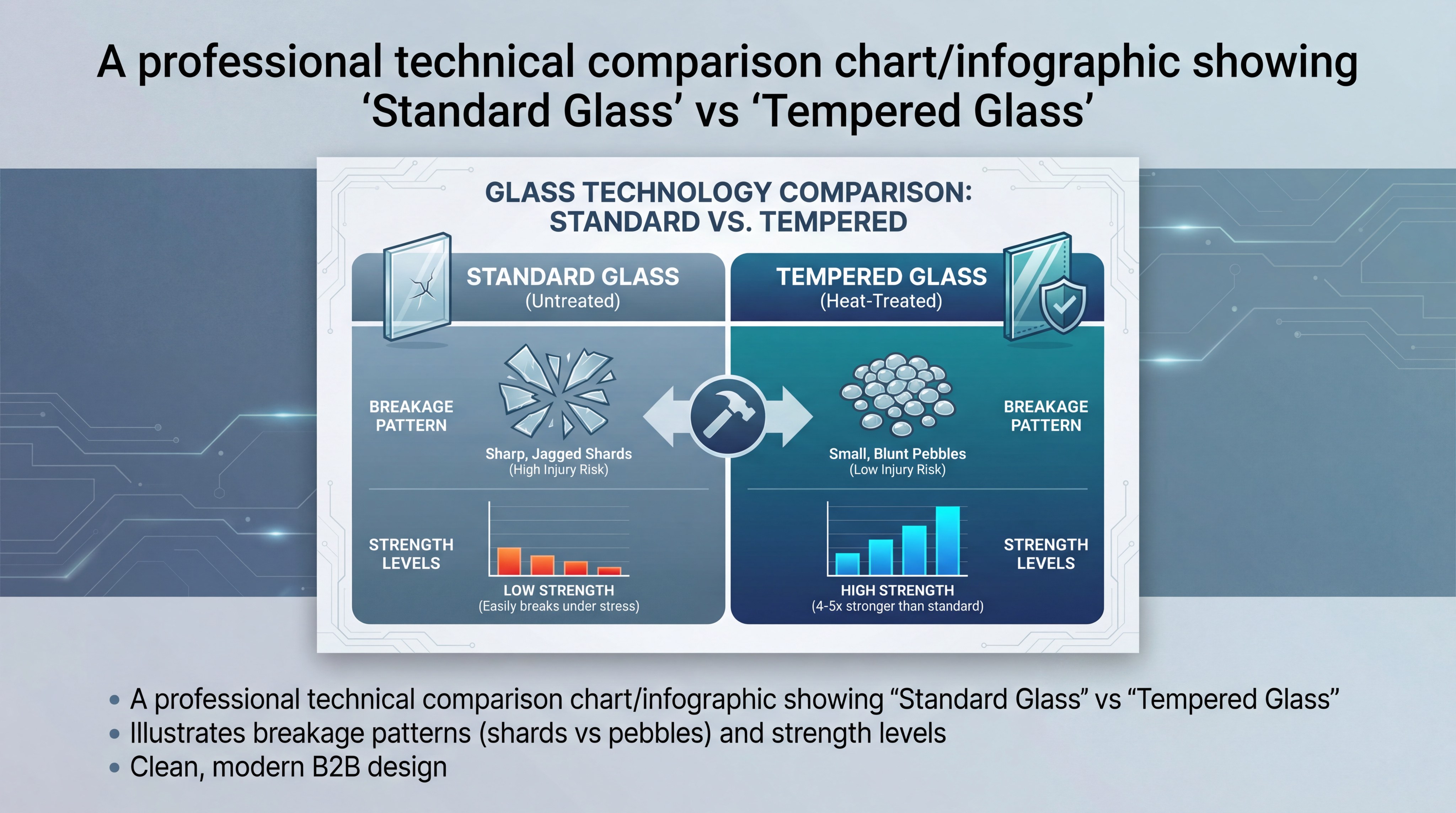
But that’s not all; the difference in performance is quite staggering when you compare it to the glass used in picture frames. Standard annealed glass is brittle and unpredictable, which is why it is strictly prohibited for use in enclosures. You can trust that our tempered glass is designed to withstand 4–5 times more impact than its untreated counterparts.
| Feature | Annealed Glass | Tempered Glass |
|---|---|---|
| Strength | Low (Breaks easily) | High (Toughened) |
| Safety | High risk (Sharp shards) | Low risk (Safe pebbles) |
| Heat Resistance | Poor | Excellent |
Key Takeaway: Tempered glass is a thermally processed safety material that provides significantly higher impact resistance than standard glass, making it the only viable choice for modern bathroom environments.
Why is tempered glass used for shower doors?
Manufacturers and builders prioritize tempered glass for shower doors because it fulfills strict legal requirements for safety in “hazardous locations.” Bathrooms are notorious for slips and falls, creating a high-risk environment where glass panels must be able to absorb significant force. Utilizing this toughened material ensures that even a heavy impact from a slip won’t result in a life-threatening injury.
What are the impact resistance standards?
Think about it: in a high-traffic hotel or a busy family home, the door will be slammed and bumped thousands of times. You need a material that complies with global standards like ASTM C1048 or EN 12150 to guarantee long-term performance.
- High resistance to blunt force trauma.
- Stability against heavy hardware loads.
- Resistance to vibrations from sliding mechanisms.
Does it help with building code compliance?
Here is the deal: if you attempt to install a non-tempered door, your project will fail professional inspections immediately. Professional contractors and architects always specify tempered glass for shower doors to meet the Safety Glazing Certification Council (SGCC) requirements. You are essentially investing in a legal and structural safeguard for your property.
| Compliance Factor | Standard Requirement | Tempered Glass Status |
|---|---|---|
| Building Code | Mandatory for bathrooms | Fully Compliant |
| Impact Rating | High (ANSI Z97.1) | Passed |
| Insurance | Lowers liability risk | Highly Recommended |
Key Takeaway: Tempered glass is legally required and structurally necessary because it offers the extreme impact resistance needed to prevent accidents in wet, slippery environments.
How strong is a glass shower enclosure?
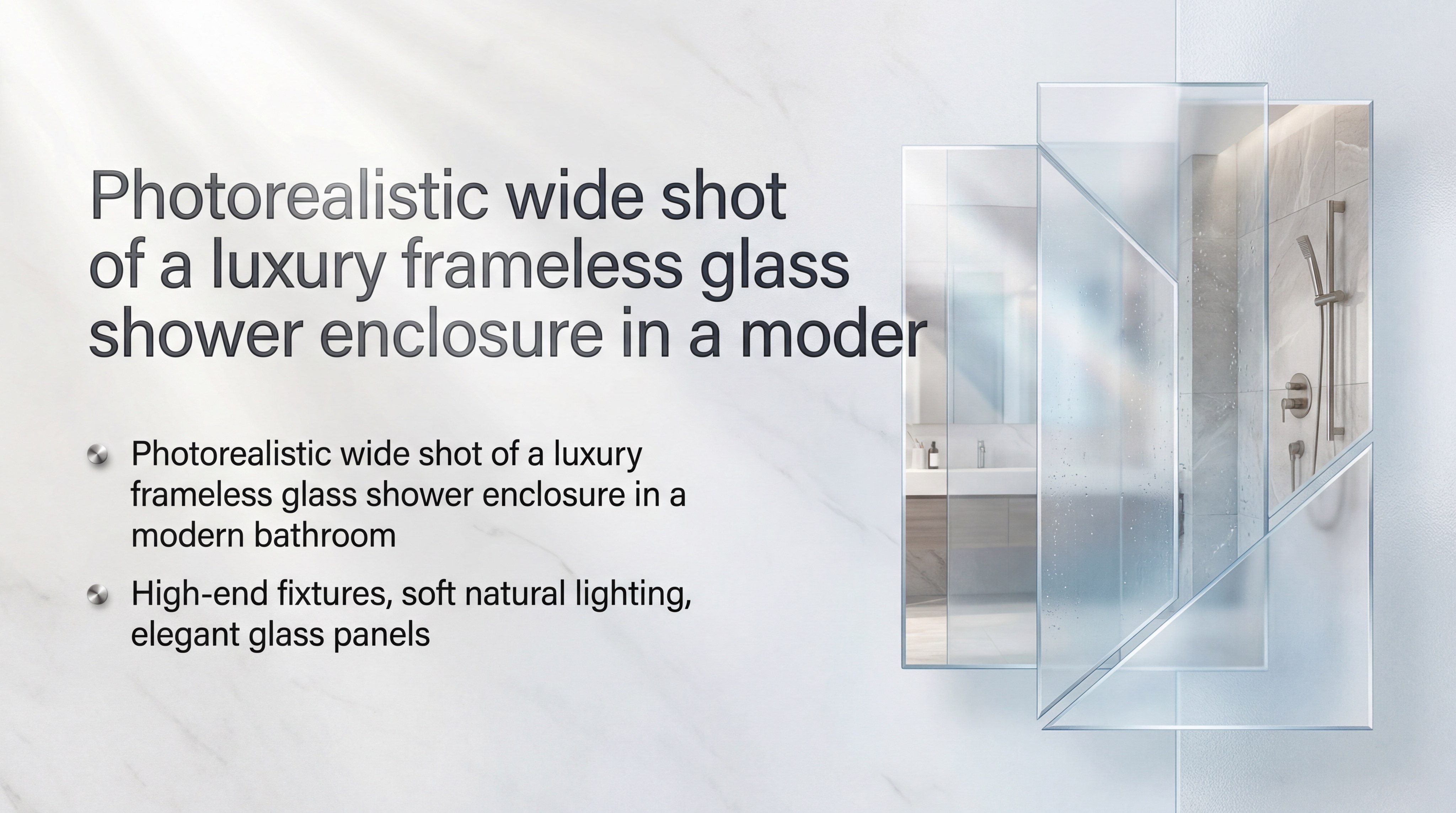
The structural integrity of a luxury enclosure relies entirely on the quality of the tempered glass for shower doors used in its construction. These panels are engineered to support their own weight while resisting external pressures from water jets and physical leaning. A properly manufactured door can often withstand the weight of an adult leaning against it without showing any signs of deflection or stress.
Can it handle high-pressure water?
You may be surprised at the sheer amount of force a modern high-pressure shower head can exert on a fixed glass panel. Our high-grade tempered glass maintains its shape and seal integrity even under constant thermal and hydraulic pressure.
- Resists warping from hot steam.
- Maintains seal alignment with heavy-duty hinges.
- Handles temperature shifts from 10°C to 60°C rapidly.
What determines the overall durability?
But wait, there’s more to the story than just the glass itself; the edge fabrication plays a massive role in overall strength. When you select a premium manufacturer, you ensure that every edge is polished and chamfered to eliminate micro-cracks that could lead to failure. We often see architectural glass cases where superior edge work saved the panel from accidental breakage.
| Durability Factor | Impact on Performance | Solution |
|---|---|---|
| Thickness | Determines structural rigidity | Use 10mm or 12mm |
| Edge Finish | Reduces stress points | Professional CNC polishing |
| Hardening | Increases flexural strength | Full thermal tempering |
Key Takeaway: A glass shower enclosure is incredibly robust, provided the tempering process is perfect and the edges are professionally fabricated to handle the stresses of daily use.
What happens if tempered glass breaks?
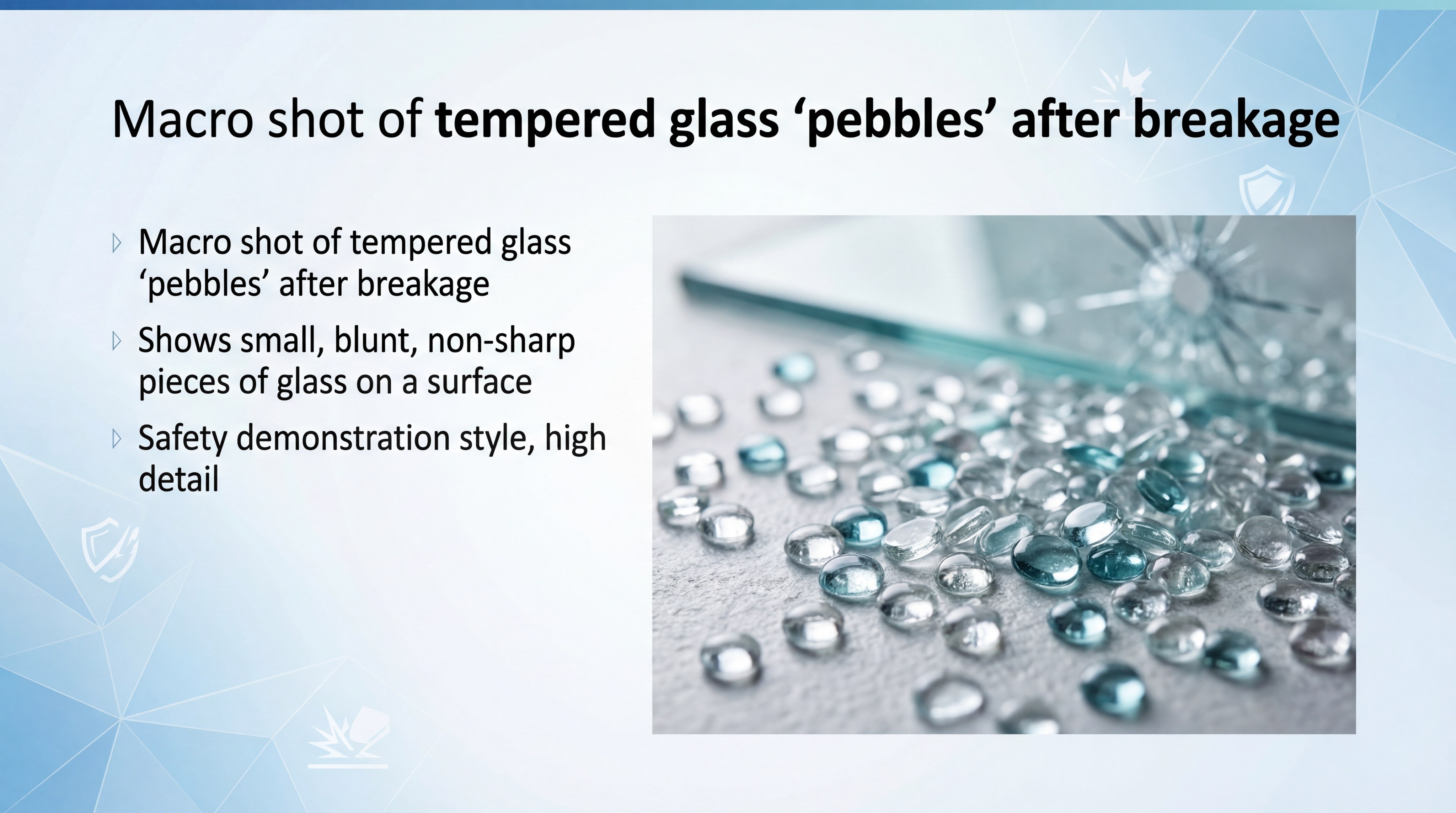
In the rare event of a failure, tempered glass for shower doors is designed to fail in the safest way possible. Unlike standard glass that shatters into long, razor-sharp spears, this material disintegrates into thousands of small, granular chunks. These fragments are often referred to as “pebbles” because they lack the sharp edges that cause deep lacerations and severe bleeding.
Why does it break into small pebbles?
You should know that this breakage pattern is a direct result of the internal tension created during the quenching phase of manufacturing. This “safe failure” mechanism is the primary reason why safety glass is the only material allowed in overhead or wet-area glazing applications.
- Pieces are usually less than 12mm in size.
- The fragments are blunt and relatively harmless.
- Cleanup is easier and safer for the homeowner.
Is the breakage instantaneous?
Here is the truth: when tempered glass reaches its breaking point, the entire pane usually shatters at once. While it sounds alarming, this ensures that no heavy, sharp shards remain hanging in the frame to fall on you later. This predictable behavior is a hallmark of high-quality tempered glass for shower doors.
| Breakage Event | Annealed Glass Response | Tempered Glass Response |
|---|---|---|
| Initial Impact | Cracks or shatters locally | Resists or shatters entirely |
| Fragment Shape | Long, sharp daggers | Small, blunt granules |
| Danger Level | Extremely high | Very low |
Key Takeaway: Tempered glass is designed for “controlled failure,” breaking into harmless, pebble-like fragments that prevent the severe injuries associated with standard glass shards.
Is tempered glass better than laminated glass?
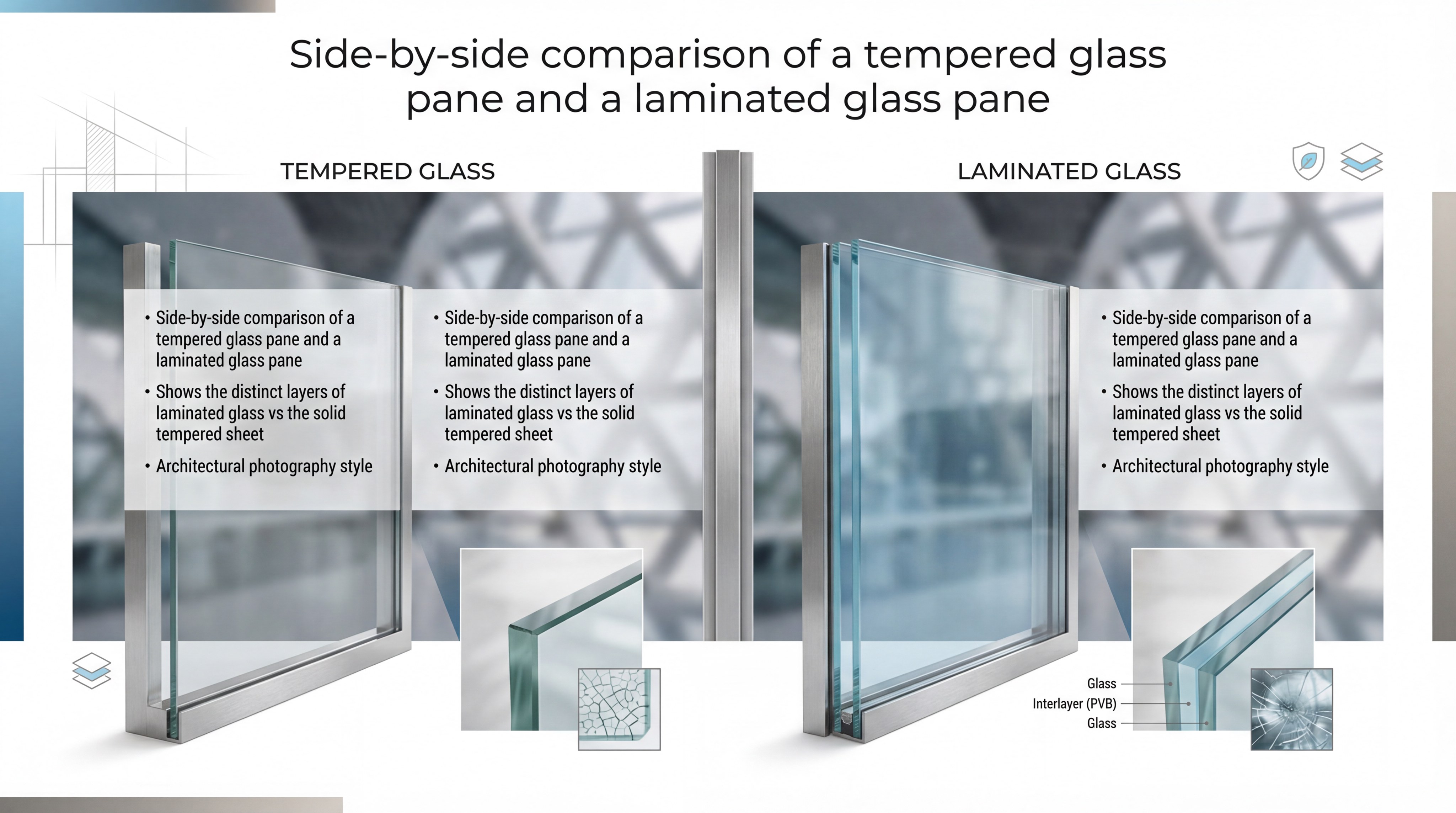
Choosing between different types of tempered glass for shower doors often involves comparing it with laminated alternatives for specific high-end applications. While tempered glass is a single, toughened sheet, laminated glass consists of two panes bonded with a plastic interlayer. For most residential showers, standard tempered glass is the preferred choice due to its lower cost and superior performance in high-moisture environments.
When should you consider lamination?
It is important to realize that laminated glass offers the benefit of remaining in place even after it breaks. If you are designing for a high-rise luxury hotel where safety must be absolute, our laminated glass products provide that extra layer of security.
- Excellent soundproofing for noisy environments.
- UV protection to prevent bathroom vanity fading.
- Enhanced security against intentional impact.
How does moisture affect the choice?
But that’s not all; standard lamination can sometimes suffer from edge delamination if exposed to constant steam for decades. This is why many experts recommend high-quality tempered glass for shower doors as the standard, as it is a solid, monolithic material that won’t separate over time. You can explore more about these differences in our latest blog posts.
| Performance Metric | Tempered Glass | Laminated Glass |
|---|---|---|
| Cost | More affordable | Premium pricing |
| Thickness | Single pane (easier fit) | Double pane (heavier) |
| Post-Breakage | Falls to floor | Stays in frame |
Key Takeaway: Tempered glass is the industry standard for showers due to its moisture resistance and cost-effectiveness, while laminated glass is reserved for specialized luxury or high-security needs.
Can specialty coatings improve glass safety?
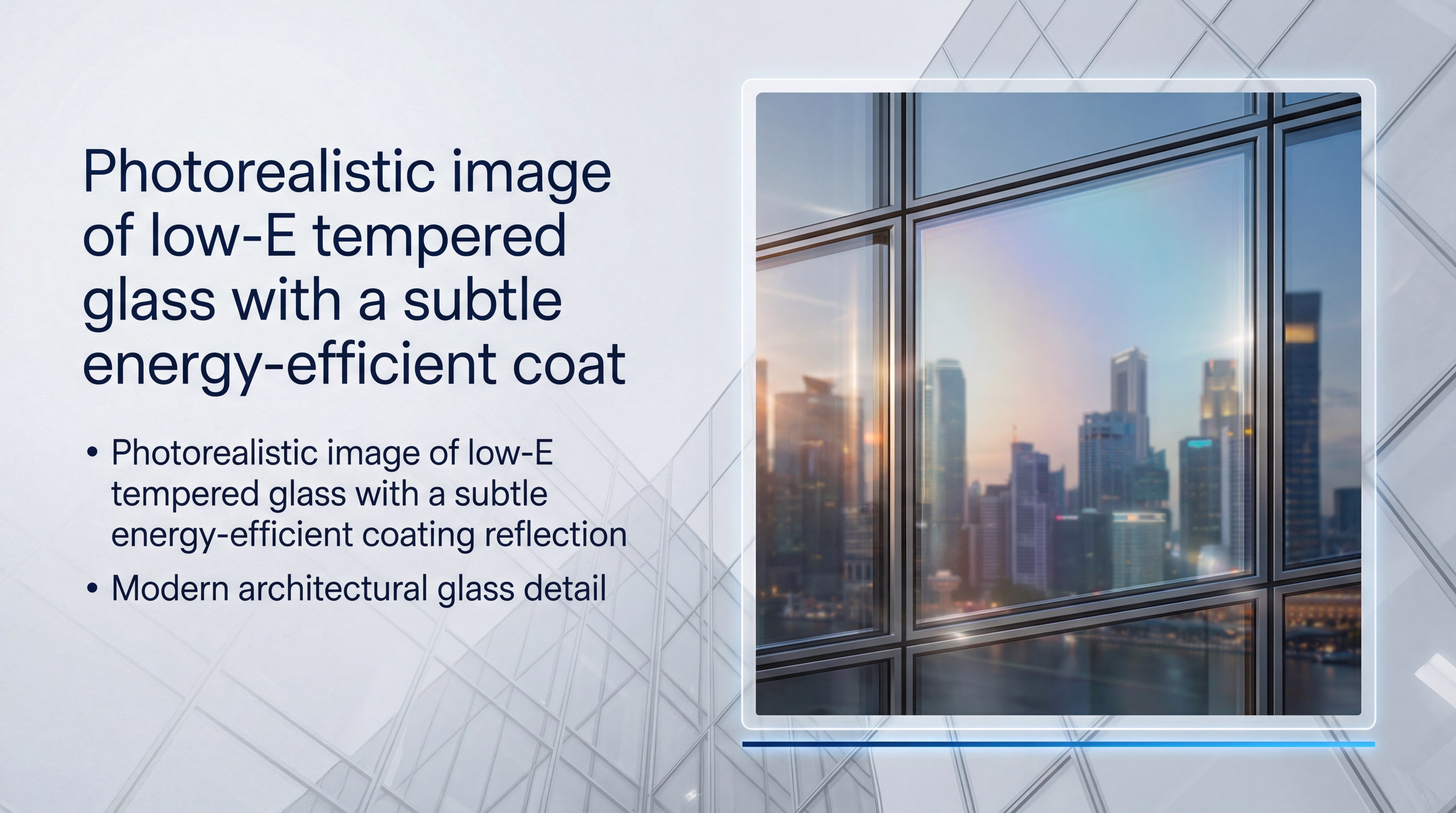
Modern advancements allow you to add functional layers to your tempered glass for shower doors to improve both safety and cleanliness. While the tempering provides the strength, coatings like “Low-E” or nano-coatings can protect the surface from the corrosive effects of hard water and soap scum. By keeping the glass cleaner for longer, you reduce the risk of surface degradation that could lead to microscopic cracks over time.
What are the benefits of Low-E coatings?
You might think Low-E is only for windows, but it can actually help maintain a stable temperature inside a large walk-in shower. Our Low-E glass options reflect heat back into the enclosure, making your morning routine much more comfortable.
- Reduces thermal shock on the glass surface.
- Improves energy efficiency in large bathroom suites.
- Provides a subtle, high-end visual tint.
Do nano-coatings help with maintenance?
The best part? Hydrophobic coatings act as a permanent shield that causes water to bead up and roll off instantly. This means you won’t have to use harsh abrasive chemicals that could potentially weaken the surface of your tempered glass for shower doors.
| Coating Type | Primary Benefit | Maintenance Frequency |
|---|---|---|
| Standard | Basic safety | Weekly scrubbing |
| Nano-Shield | Water repellent | Monthly light wipe |
| Low-E | Thermal control | Standard cleaning |
Key Takeaway: Specialty coatings enhance the value of tempered glass by improving thermal stability and making maintenance significantly easier, which preserves the structural integrity of the pane.
Which textures offer the best privacy?
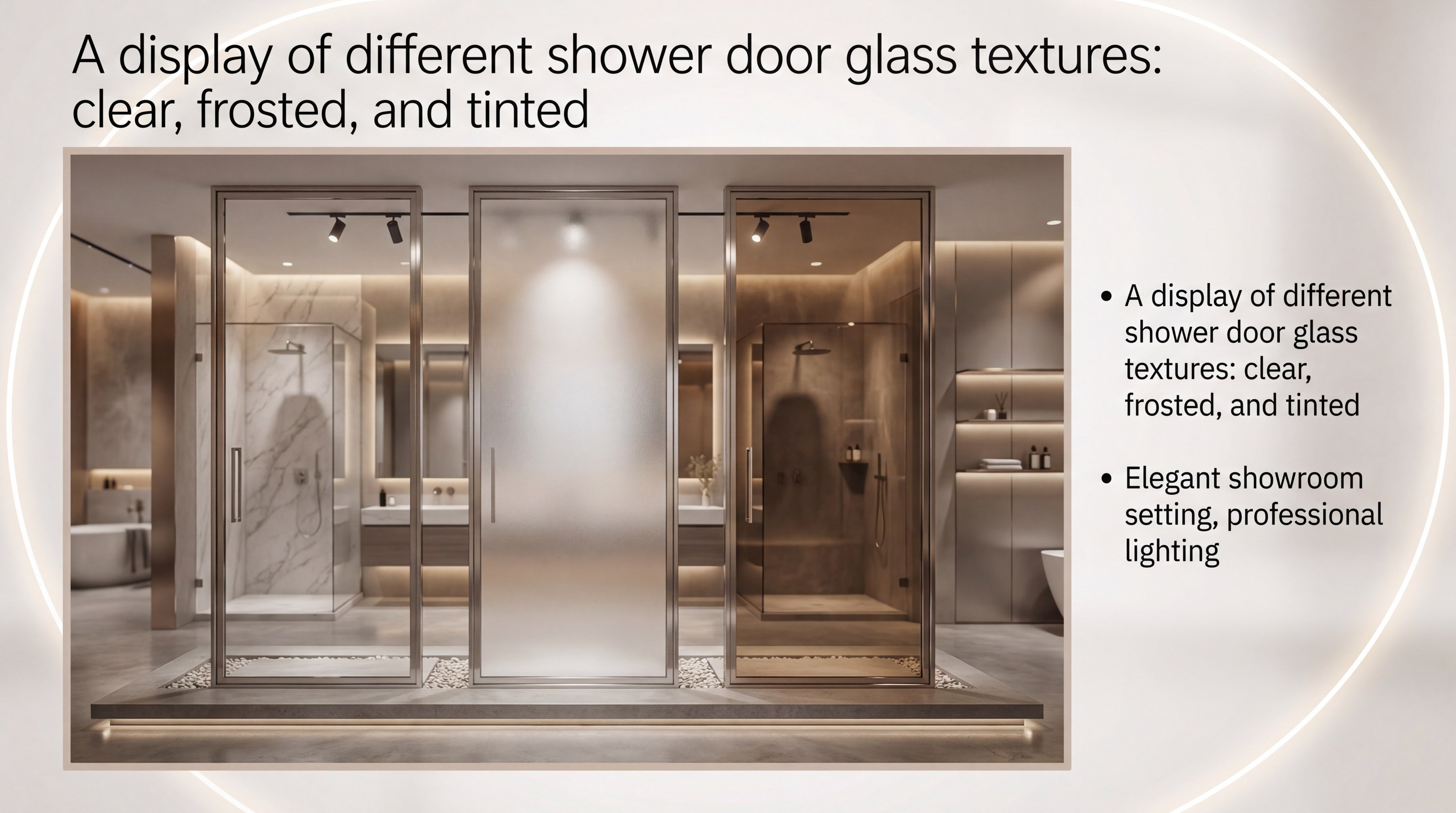
Safety doesn’t have to mean a sacrifice in style when selecting tempered glass for shower doors. Many commercial projects utilize frosted, tinted, or patterned glass to provide privacy while maintaining an open feel in the bathroom. These textures are applied before the tempering process, ensuring that the decorative elements are permanent and do not compromise the safety ratings of the panel.
Should you choose frosted or clear?
Think about your specific bathroom layout: if the toilet is visible from the shower, a frosted finish might be your best bet. You can achieve various levels of “obscurity” depending on the etching technique used by the factory.
- Acid-etched glass for a smooth, satin finish.
- Sandblasted patterns for high-contrast privacy.
- Silk-screened designs for modern branding.
Is tinted glass still safe?
It is a common myth that dark glass is weaker, but that is simply not true. Grey or bronze-tinted tempered glass for shower doors undergoes the exact same thermal treatment as clear glass, providing the same level of impact protection while adding a sophisticated aesthetic to your interior design.
| Texture Type | Privacy Level | Light Transmission |
|---|---|---|
| Clear | Low (None) | 90% + |
| Frosted | High | 60% – 75% |
| Rain/Patterned | Medium | 70% – 85% |
Key Takeaway: Textured and tinted tempered glass provides the perfect balance of privacy and safety, allowing for custom designs that still meet all modern safety certifications.
How do you identify tempered shower glass?
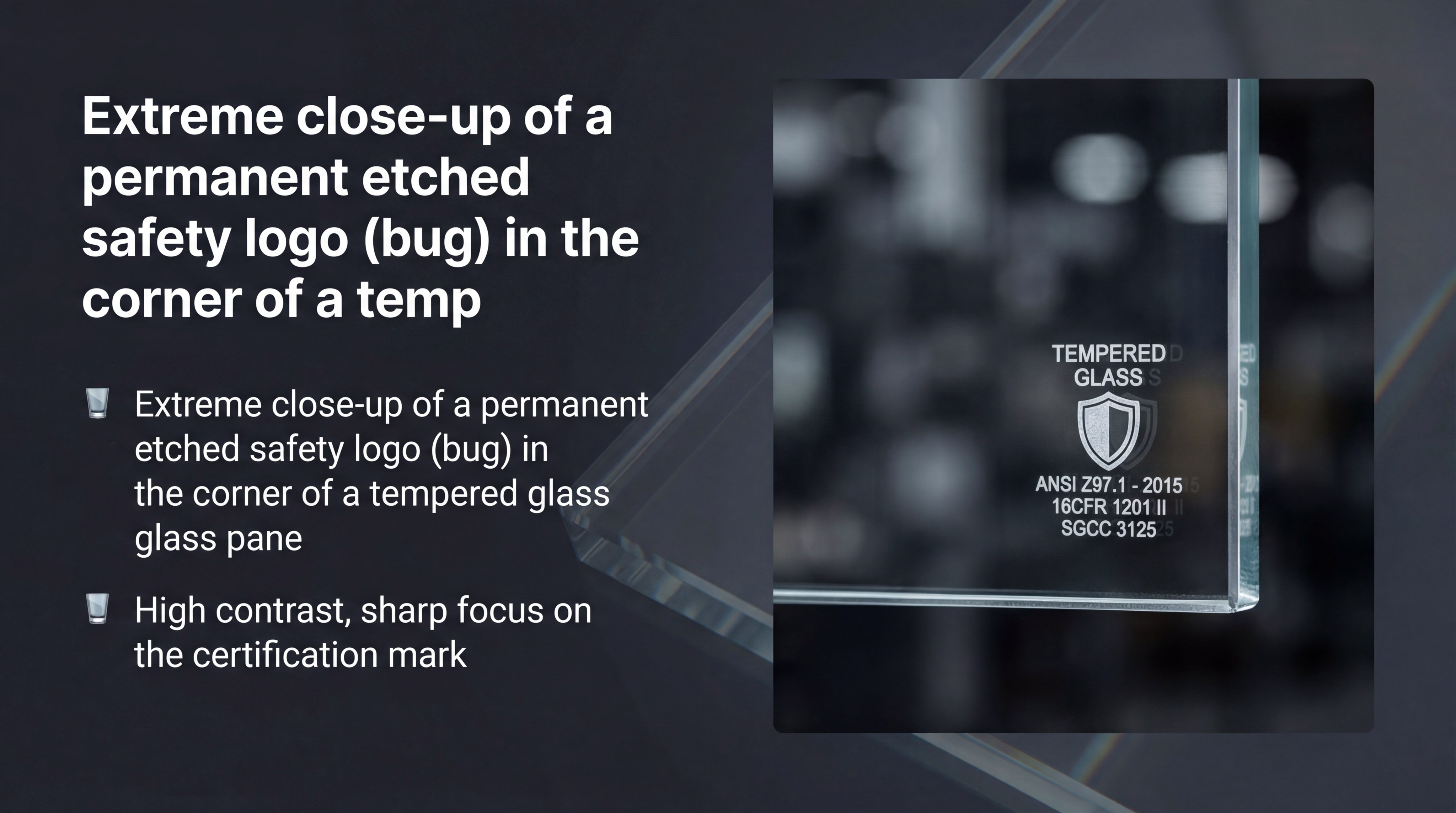
Verifying the quality of your tempered glass for shower doors is a crucial step for any procurement manager or homeowner. Authentic tempered glass will almost always feature a permanent, etched mark—known as a “bug”—in one of the corners. This stamp includes the manufacturer’s name and the safety standard it complies with, such as ANSI Z97.1, which cannot be removed by cleaning or scraping.
What should you look for in the stamp?
You need to inspect the corners of every panel before installation begins. If the glass lacks this stamp, it might not be true tempered safety glass, and you should reject the delivery immediately to avoid liability risks.
- Look for the Safety Glazing Certification Council (SGCC) logo.
- Ensure the etching is permanent (not a sticker).
- Verify the thickness listed matches your order specs.
Are there visual cues for tempered glass?
But wait, there are other subtle ways to tell if the glass has been treated correctly. If you look at the glass through polarized sunglasses, you will often see a “leopard spot” pattern caused by the cooling process. This is a tell-tale sign of high-quality tempered glass for shower doors.
| Identification Method | Ease of Use | Reliability |
|---|---|---|
| Safety Stamp | Very Easy | 100% |
| Polarized Test | Easy | 90% |
| Edge Inspection | Moderate | 80% |
Key Takeaway: Always check for a permanent safety stamp in the corner of your glass; it is the only legal proof that the panel has been properly tempered to meet safety standards.
Why do some shower doors spontaneously shatter?
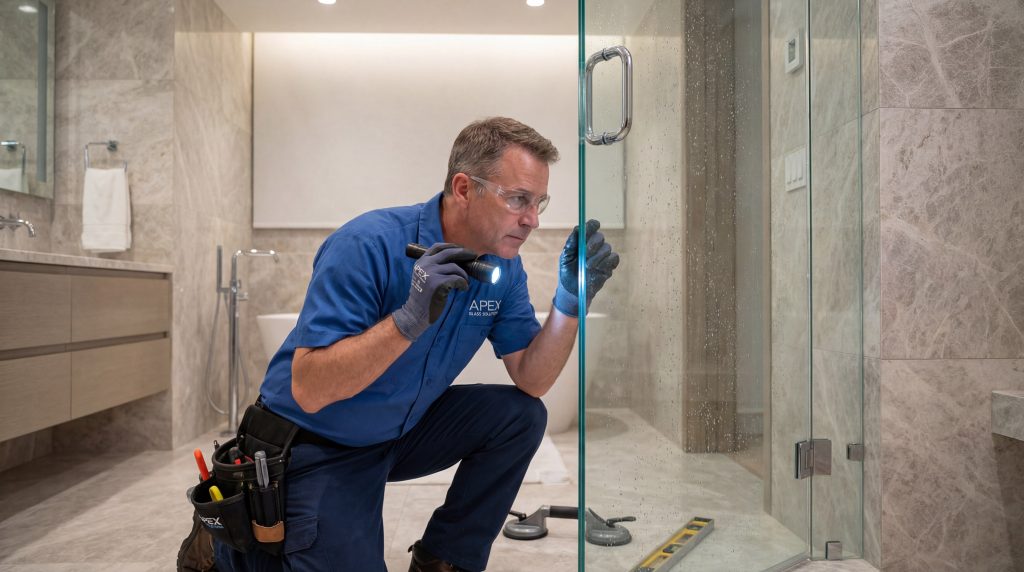
You may have heard horror stories about tempered glass for shower doors shattering in the middle of the night for no reason. This rare phenomenon is usually caused by nickel sulfide inclusions—microscopic impurities trapped during the glass-making process. Over time, these impurities can expand due to temperature changes, creating enough internal stress to overcome the compression of the tempered surface.
How can you prevent spontaneous failure?
Here is the deal: high-quality manufacturers use a process called “heat soak testing” to eliminate this risk. By placing the finished panels in an oven for several hours, we force any unstable glass to break in the factory rather than in your home.
- Demand heat-soaked tempered glass for critical projects.
- Ensure the glass is never resting directly on tile or metal.
- Inspect for edge nicks during the initial delivery.
Does improper installation play a role?
But that’s not all; most “spontaneous” breaks are actually caused by poor installation techniques. If you allow a screw to touch the glass or if the hinges are too tight, you create a stress point that will eventually lead to a blowout. Proper use of gaskets and spacers is essential for any tempered glass for shower doors.
| Cause of Shattering | Percentage of Cases | Prevention |
|---|---|---|
| Improper Install | ~70% | Use professional installers |
| Edge Damage | ~20% | Protect corners during transit |
| NiS Inclusions | ~10% | Specify heat soak testing |
Key Takeaway: While spontaneous breakage is rare, it can be almost entirely avoided by choosing heat-soaked glass and ensuring professional installation with proper protective gaskets.
How do you choose the right glass thickness?
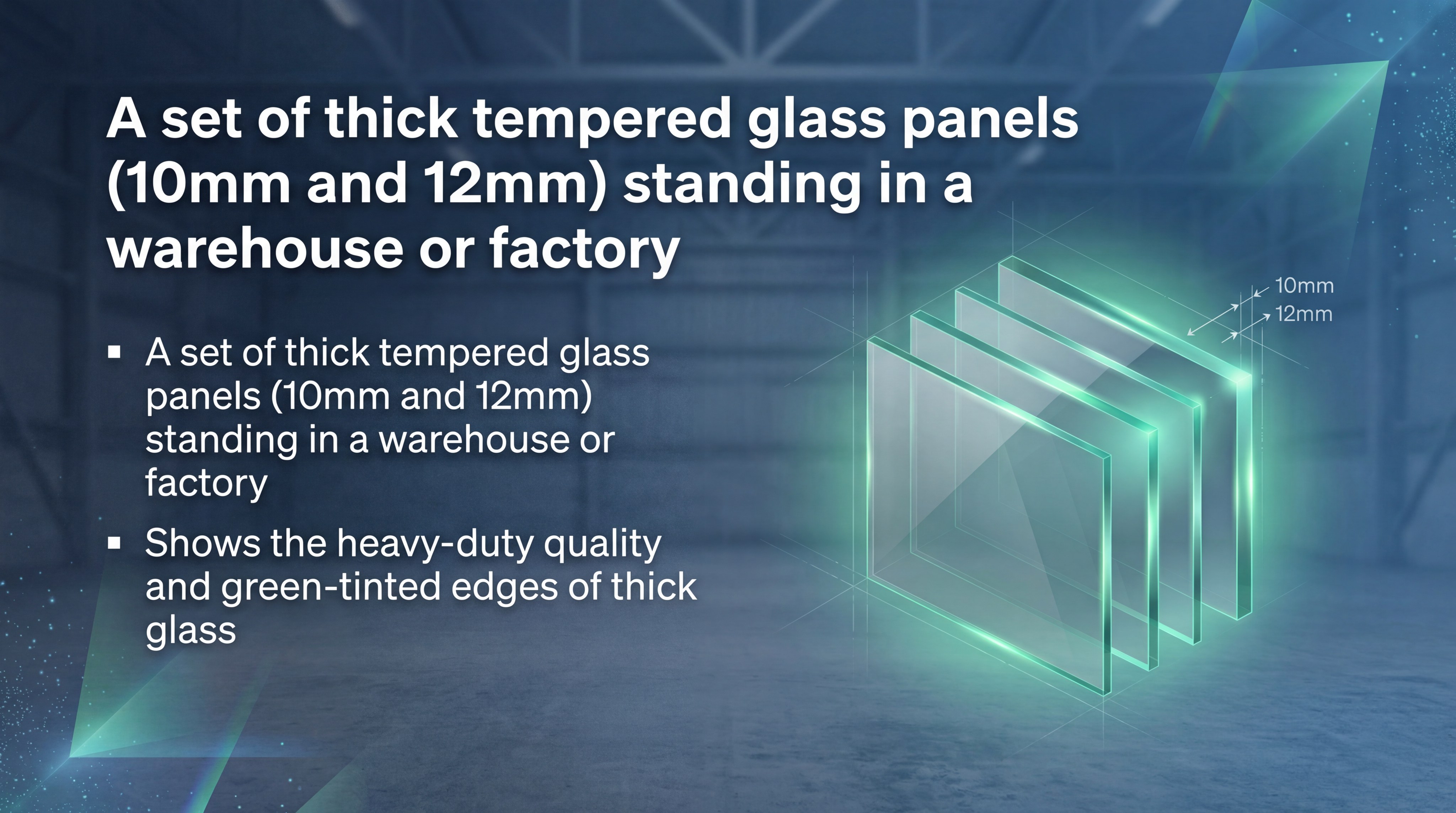
Selecting the correct thickness for your tempered glass for shower doors depends on whether you are installing a framed or frameless system. Thicker glass provides the weight and rigidity required for modern “all-glass” designs that lack metal supports along the perimeter. Most professional installers recommend 10mm (3/8″) or 12mm (1/2″) for a premium, high-end feel that won’t wobble when you open the door.
Is 8mm glass thick enough for a shower?
You might be tempted by the lower price of 8mm glass, but it is generally reserved for framed enclosures. If you want that sleek, frameless aesthetic, you need the structural mass of 10mm tempered glass for shower doors to ensure the hinges can grip the panel securely.
- 10mm: The industry standard for residential frameless doors.
- 12mm: Ideal for high-end luxury suites and large fixed panels.
- 8mm: Best for semi-framed or sliding door kits.
How does thickness affect hardware choice?
Here is something to consider: the heavier the glass, the more robust your hardware needs to be. You must ensure your bathroom walls can support the significant weight of a 12mm panel before committing to the purchase. We offer a free technical review to help you determine if your drawings match your structural reality.
| Glass Thickness | Best Application | Weight (Approx) |
|---|---|---|
| 8mm (5/16″) | Framed sliding doors | 20 kg/m² |
| 10mm (3/8″) | Standard frameless | 25 kg/m² |
| 12mm (1/2″) | Luxury frameless | 30 kg/m² |
Key Takeaway: For a premium frameless look, always choose 10mm or 12mm tempered glass, as it provides the necessary weight and structural integrity to function without metal frames.
FAQ: Quick Answers to Your Glass Questions
- Can I cut a tempered glass door if it doesn’t fit?
No, it is impossible. Any attempt to cut, drill, or sand a door after it has been tempered will cause it to shatter instantly. - What’s the best way to clean my shower glass?
Excellent results come from a simple 50/50 water and vinegar solution used with a soft squeegee after every shower to prevent mineral buildup. - How do I know if my existing glass is tempered?
Check for the etched safety “bug” in the corner; if it’s missing, use extreme caution, as the glass may not be safety-rated. - Can I install the shower door myself?
No, unless you are an experienced glazier. The heavy weight and fragility of the edges make it a two-person job that requires precision leveling. - How do I know if my door is about to break?
Watch for “chatter” or noise when moving the door, or visible chips on the edges; these are early warning signs of excessive stress.
Partner With a Manufacturer You Can Trust
Navigating the technical requirements of tempered glass for shower doors shouldn’t be a source of project stress. At PrimePro Glass, we resolve these challenges by offering direct factory control and engineering-grade precision that eliminates installation errors and costly delays. Our mission is to provide global architectural and construction teams with the most reliable, high-performance glass solutions on the market.
Whether you are designing a high-rise commercial development or a boutique residential complex, our team is ready to deliver. Contact us today for a detailed quote and technical consultation within 24 hours.