The primary window glass types include single pane, insulated double or triple pane, tempered safety glass, laminated security glass, and high-performance Low-E or acoustic varieties. Choosing the wrong glass for your construction or renovation project can lead to soaring energy bills, poor security, and a lack of privacy.
You might find your rooms are too hot in the summer or too noisy at night, which agitates your daily comfort and drains your wallet through inefficient insulation. By learning about modern window glass types, you can customize every room for maximum performance and long-term durability.
What are the most common window glass types for homes?
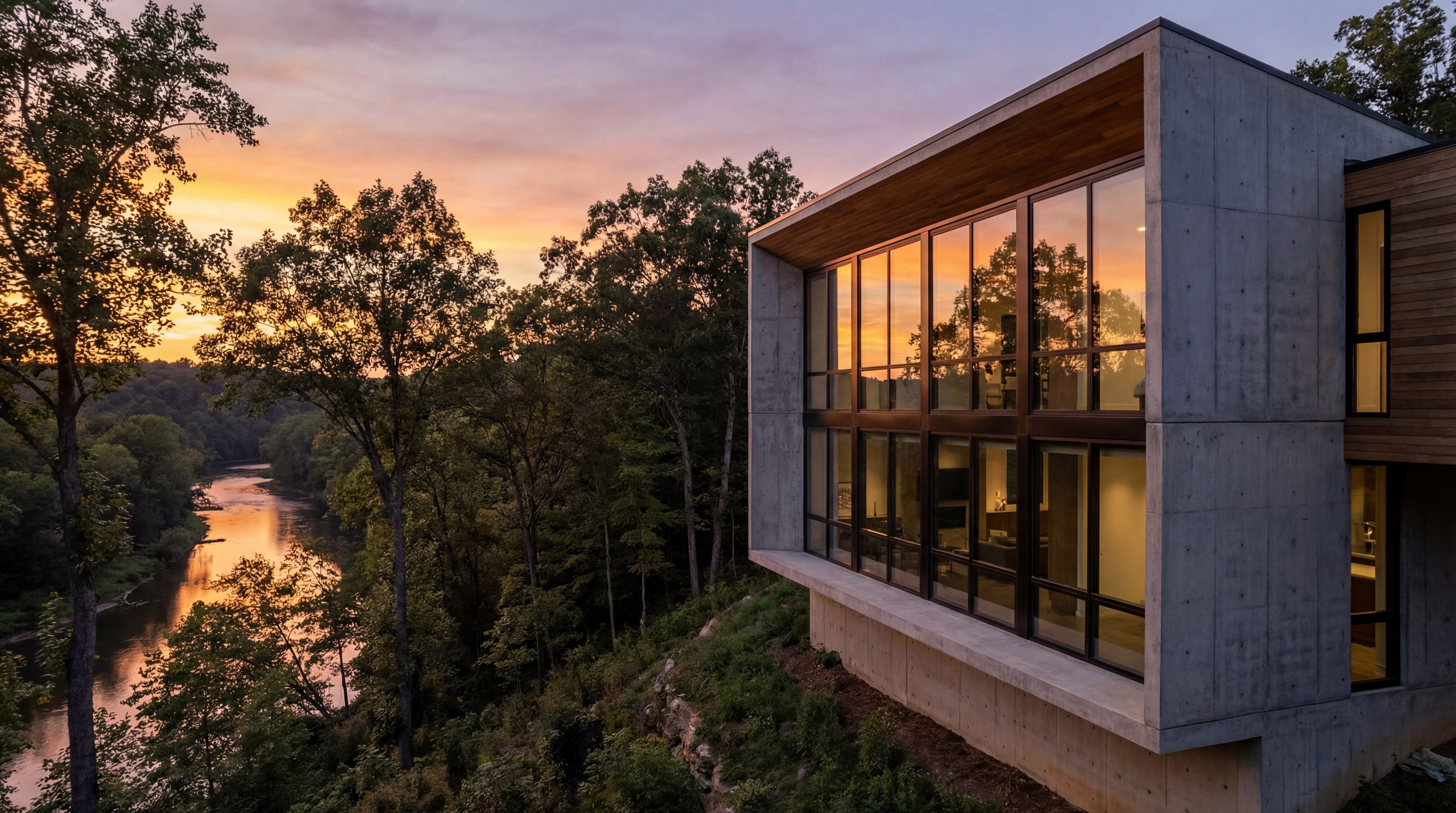
The most common window glass types for modern residential properties include annealed single panes, insulated double-pane units, and specialized tempered or Low-E coated options. You need to understand these varieties to ensure your home remains energy-efficient and secure throughout the year. Selecting the right material dictates the amount of natural light entering your living space and the overall aesthetic appeal.
Why does glass selection matter for your project?
Look:
- Your choice directly affects the long-term resale value of your property.
- Glass dictates the level of thermal insulation your home provides.
- Proper selection via specialized services can significantly reduce external noise pollution.
You must consider how each glass variety impacts your daily environment. The right thickness and coating can prevent UV damage to your furniture and flooring.
How has window technology evolved recently?
Look at it this way:
- Modern coatings can now block heat without darkening your rooms.
- Advanced engineering has made glass much harder to break than older sheets.
- Contemporary manufacturing allows for larger, clearer spans of glass than ever before.
You can now enjoy expansive views without sacrificing the structural integrity of your windows. These innovations provide a silent layer of protection for your family and assets.
Key Takeaway: Understanding common glass varieties is the first step toward a high-performance home that balances beauty and efficiency.
| Glass Category | Primary Function | Best Application |
|---|---|---|
| Standard Annealed | Basic coverage | Low-traffic windows |
| Insulated Units | Thermal control | Main living areas |
| Safety Glass | Impact resistance | Doors and low windows |
Choosing the right category ensures your building meets modern standards for safety and comfort.
Why is single pane used among window glass types?
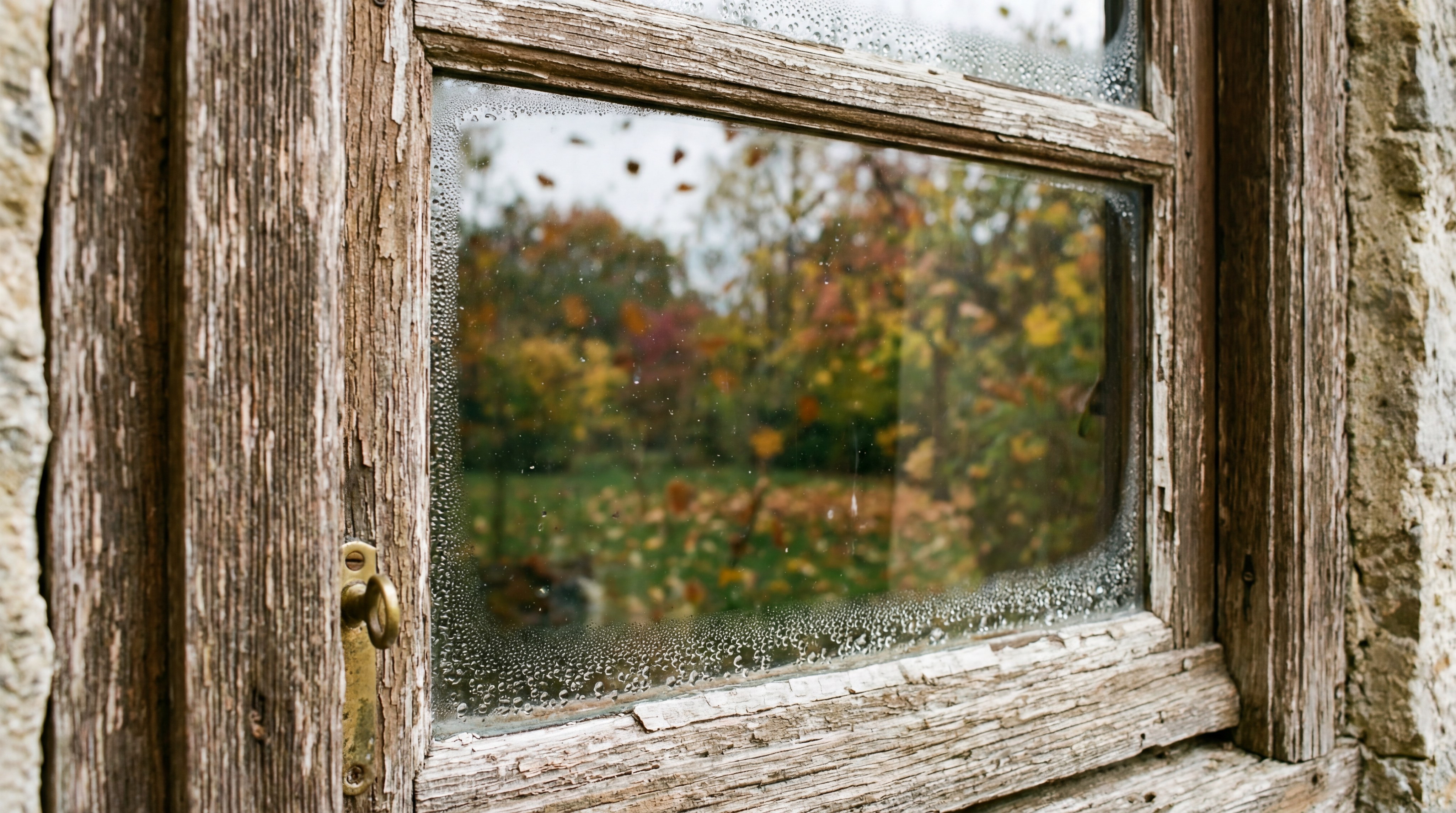
Single pane options are primarily utilized among window glass types for historical restorations or unheated outbuildings like sheds and garages where insulation is not a priority. You will often encounter these in older homes that require an authentic, thin profile to match original wooden frames. While they are budget-friendly, they offer very little in the way of modern energy performance or sound dampening.
Is single pane glass right for historical replicas?
Here is the deal:
- It is often the only choice permitted for restoring landmarked properties.
- It maintains the authentic look of antique architectural designs.
- Custom-cut sheets can match the specific dimensions of vintage frames.
You might choose this option if you are working on a heritage project that demands visual accuracy. However, you should prepare for higher energy transfer through the glass.
What are the main drawbacks of single glazing?
You should know:
- This glass offers almost zero insulation against extreme cold or heat.
- It is highly susceptible to condensation and frost buildup during winter.
- Standard single panes are fragile and offer minimal home security.
The lack of a thermal barrier means you will spend more on heating and cooling throughout the year. You also risk easier break-ins compared to modern multi-layered units.
Key Takeaway: Single pane glass is best reserved for aesthetic restoration or spaces where temperature control is irrelevant.
| Feature | Single Pane Glass |
|---|---|
| Energy Efficiency | Very Low |
| Noise Reduction | Minimal |
| Best Use | Historic Preservation |
| Cost | Budget-Friendly |
This table highlights why single glazing is rarely used in modern residential construction projects.
How do insulated window glass types improve efficiency?
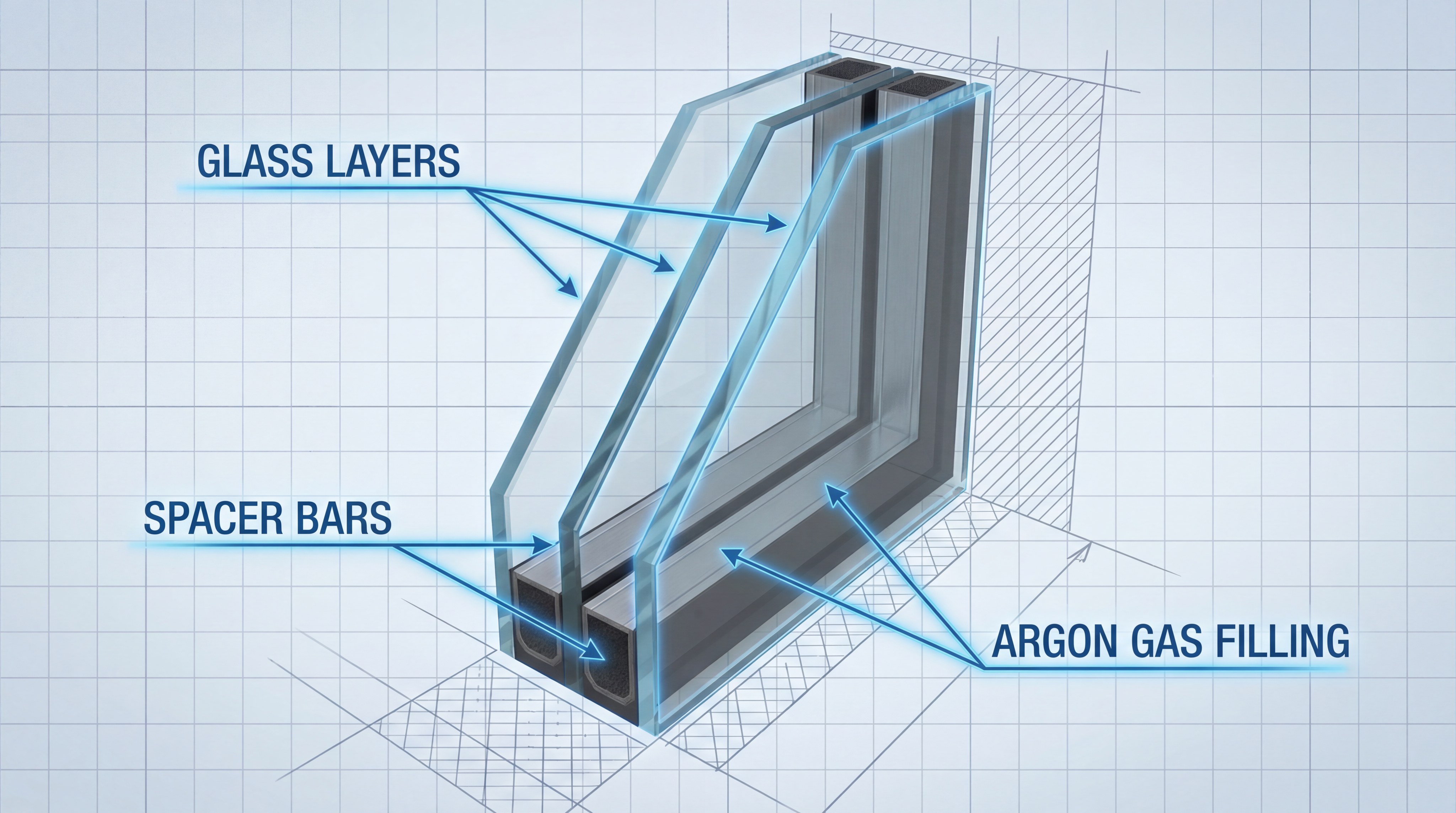
Insulated window glass types improve efficiency by using two or three layers of glass separated by a vacuum or gas-filled space to create a powerful thermal barrier. You will find that these units, often called IGUs, are the gold standard for sustainable building. By trapping air or argon gas between the panes, they significantly slow down the transfer of heat into or out of your home.
What is the difference between double and triple pane?
It comes down to this:
- Double pane units use two sheets and are standard for most climates.
- Triple pane glass adds a third layer, improving energy retention by up to 30%.
- Heavier triple-pane units require residential glass solutions that include reinforced frames.
You should evaluate your local climate to decide if the extra layer is worth the investment. Triple-pane options are especially effective in regions with harsh, freezing winters.
How do gas fills enhance your home’s insulation?
Consider the benefits:
- Argon gas is commonly used because it is denser and more insulating than air.
- Krypton gas offers even higher performance but usually costs more.
- These gases are odorless and non-toxic, providing a invisible layer of protection.
You will notice a significant drop in your utility bills after upgrading to gas-filled insulated units. The dense gas acts as a buffer that prevents your expensive climate-controlled air from escaping.
Key Takeaway: Upgrading to insulated glass is the most effective way to lower your monthly utility costs and increase comfort.
| Feature | Double Pane | Triple Pane |
|---|---|---|
| Thermal R-Value | Moderate (~3.0) | High (5.0+) |
| Noise Blocking | Good | Excellent |
| Weight | Standard | Heavy |
Selecting insulated units ensures your home stays warm in the winter and cool during the summer months.
When should you choose tempered window glass types?
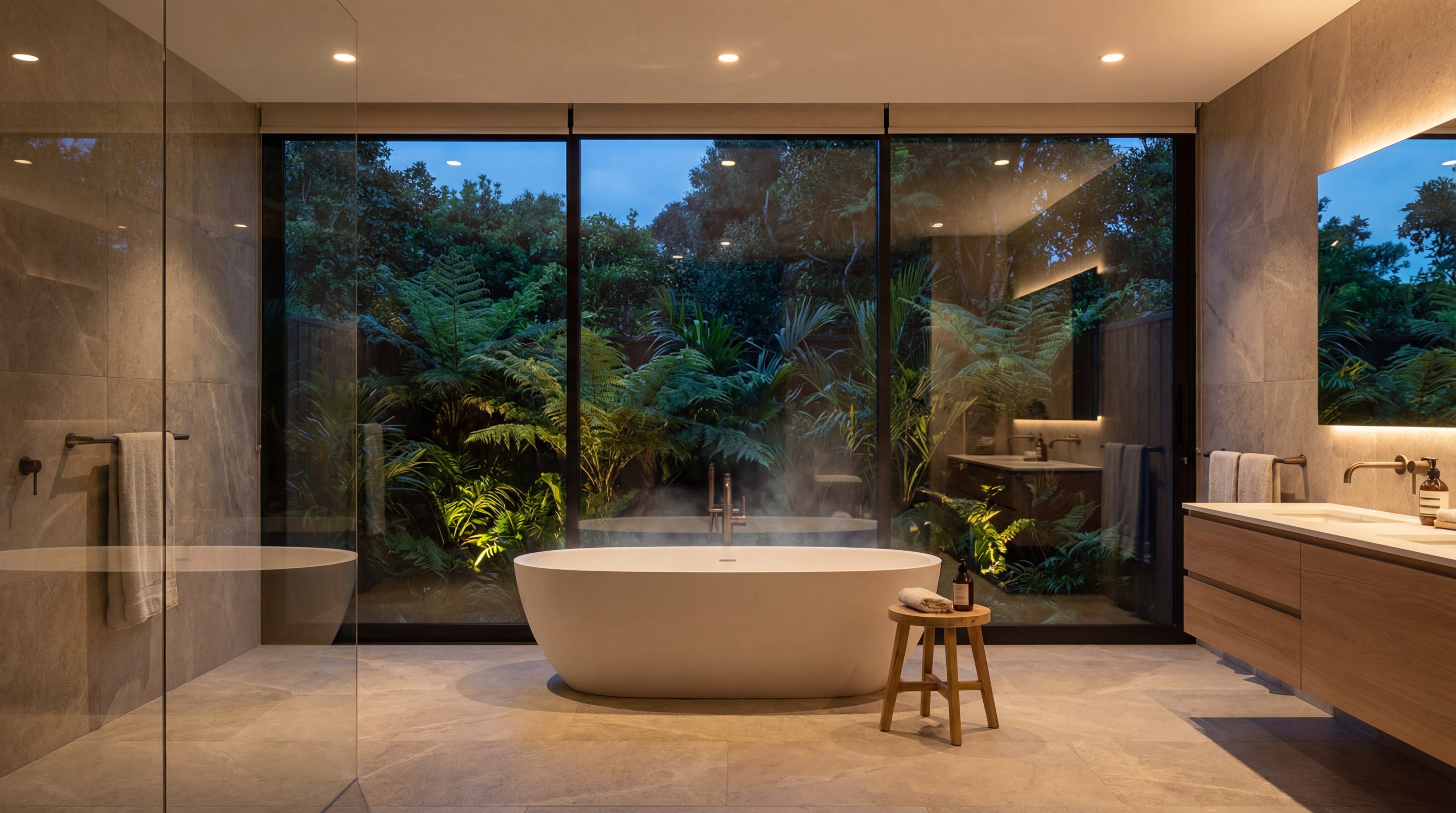
You should choose tempered window glass types for any area where safety is a concern, such as doors, low-level windows, or bathroom enclosures. This material is roughly four to five times stronger than standard glass because it undergoes a specialized heating and rapid cooling process. If it does break, it shatters into small, dull pebbles instead of dangerous, sharp shards.
Why is tempered glass called safety glass?
Believe it or not:
- It is designed to withstand significant impacts without breaking.
- The breakage pattern prevents serious injury to occupants.
- Building codes often mandate its use in high-traffic residential areas.
You will find that tempered panes are essential for sliding patio doors where someone might accidentally walk into the glass. The peace of mind it provides is invaluable for families with children or pets.
Where should you install tempered panes?
The choice is simple:
- Use them in bathroom windows near tubs or shower stalls.
- They are required for windows located within 18 inches of the floor.
- Large picture windows in playrooms should always be tempered for safety.
You can also use tempered glass for tabletop surfaces or glass railings within your home. It provides a sleek, modern look while maintaining the highest safety standards required by law.
Key Takeaway: Tempered glass is a mandatory safety upgrade for any window or door that poses a high risk of human impact.
| Feature | Tempered Glass |
|---|---|
| Impact Strength | High |
| Breakage Pattern | Small, blunt cubes |
| Heat Resistance | Excellent |
| Recutting | Not possible after tempering |
This data confirms that tempered glass is the superior choice for high-risk zones in your residential property.
Are laminated window glass types best for home safety?
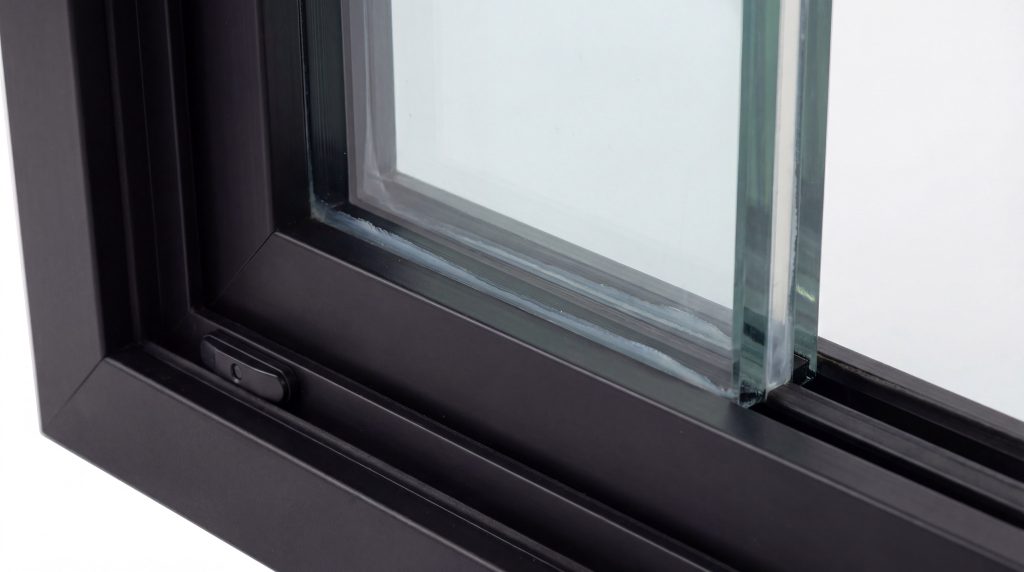
Laminated window glass types are considered the best for home safety and security because they remain intact even after a severe impact. You benefit from a tough plastic interlayer sandwiched between two sheets of glass that holds fragments together. This design makes it extremely difficult for burglars to penetrate, as the glass stays in the frame even when shattered.
How does the interlayer prevent forced entry?
The facts are clear:
- Even when cracked, the PVB interlayer holds the glass tightly in place.
- Intruders find it time-consuming and noisy to break through this barrier.
- It provides security through custom services tailored to high-risk entry points.
You can rest easier knowing that your windows act as a physical deterrent against crime. Unlike standard glass, laminated units do not leave a gaping hole for someone to climb through easily.
Can laminated glass protect your interior from UV rays?
You might be surprised:
- The plastic interlayer blocks up to 99% of harmful ultraviolet radiation.
- This prevents your furniture and artwork from fading over time.
- It acts as a permanent sunscreen for the interior of your living space.
You will save money in the long run by protecting your expensive interior finishes from sun damage. This feature is particularly useful for large, sun-drenched windows in south-facing rooms.
Key Takeaway: Choose laminated glass if you prioritize maximum security and want to protect your interior from damaging UV rays.
| Feature | Laminated Glass |
|---|---|
| Security Level | Maximum |
| UV Protection | 99% Blockage |
| Sound Control | Superior |
| Safety | No falling shards |
Investing in laminated glass provides a multi-layered approach to protecting both your family and your property’s interior.
How do Low-E window glass types save on energy bills?
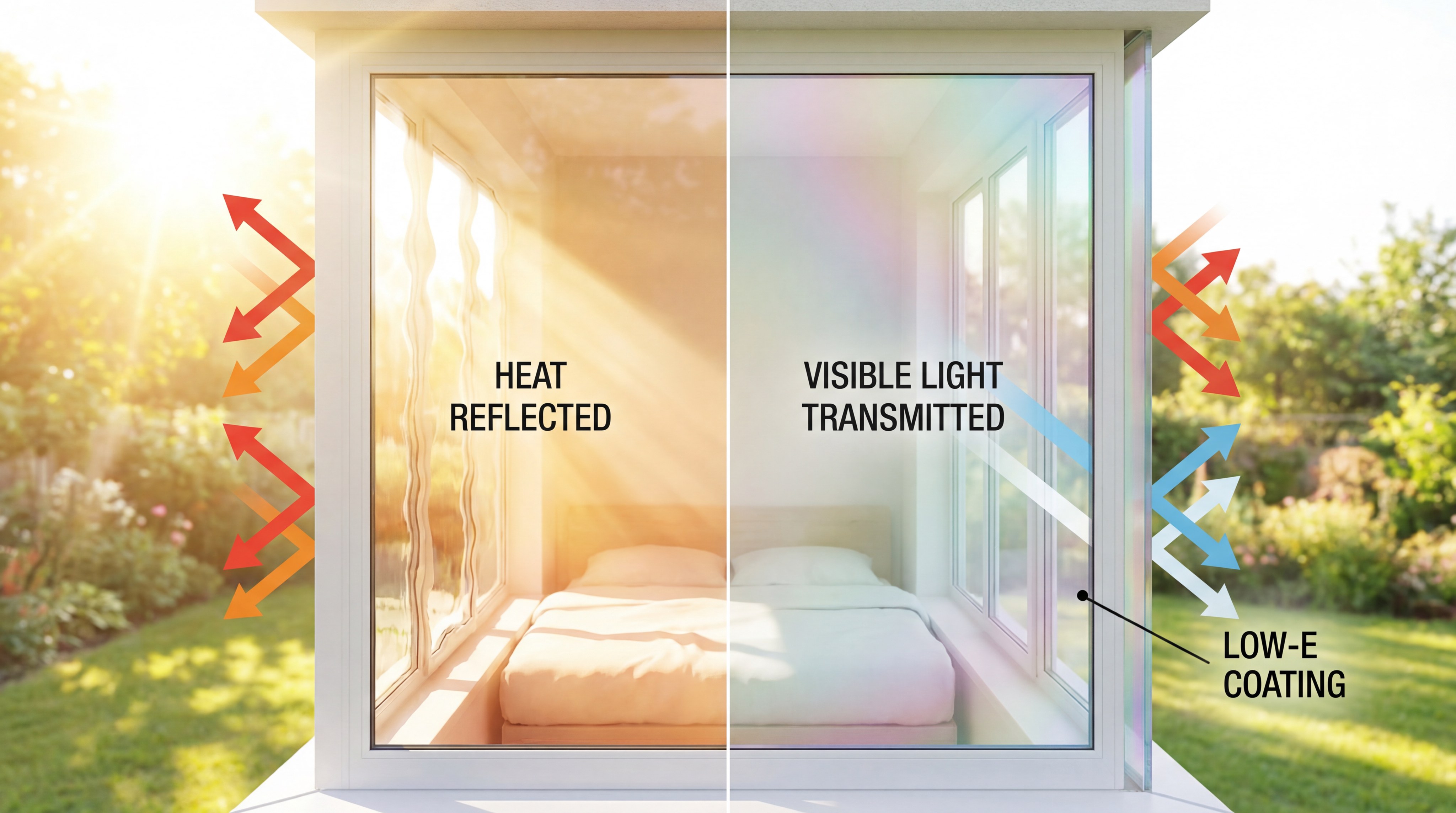
Low-E window glass types save on energy bills by using a microscopic metallic coating to reflect heat while allowing visible light to pass through. You can think of this coating as a transparent thermal mirror that manages infrared energy. In the summer, it reflects outdoor heat away, and in the winter, it reflects your indoor heat back into the room.
How does Low-E glass manage heat radiation?
Think of it this way:
- It reflects long-wave infrared energy back to its source.
- It allows short-wave solar energy to provide natural light.
- The coating is so thin that you cannot see it with the naked eye.
You will enjoy a much more stable indoor temperature without constantly running your air conditioner. This technology keeps your home comfortable regardless of the fluctuating temperatures outside.
What are the different types of Low-E coatings?
Here is the breakdown:
- Hard-coat options are durable and often applied to the outside of the pane.
- Soft-coat versions offer higher performance and are sealed inside insulated units.
- You can customize the coating thickness based on your specific climate needs.
You might choose a “high-solar-gain” coating if you live in a cold region and want to use the sun’s heat. Conversely, “low-solar-gain” coatings are perfect for hot climates where you want to keep the heat out.
Key Takeaway: Low-E glass acts as a transparent thermal mirror, keeping your home comfortable and efficient in every season.
| Feature | Low-E Glass | Standard Glass |
|---|---|---|
| Summer Heat Gain | Very Low | High |
| Winter Heat Loss | Minimal | Significant |
| Visible Light | High Transparency | High Transparency |
Using Low-E coatings is one of the smartest upgrades you can make to improve the performance of your windows.
Can acoustic window glass types block outside noise?
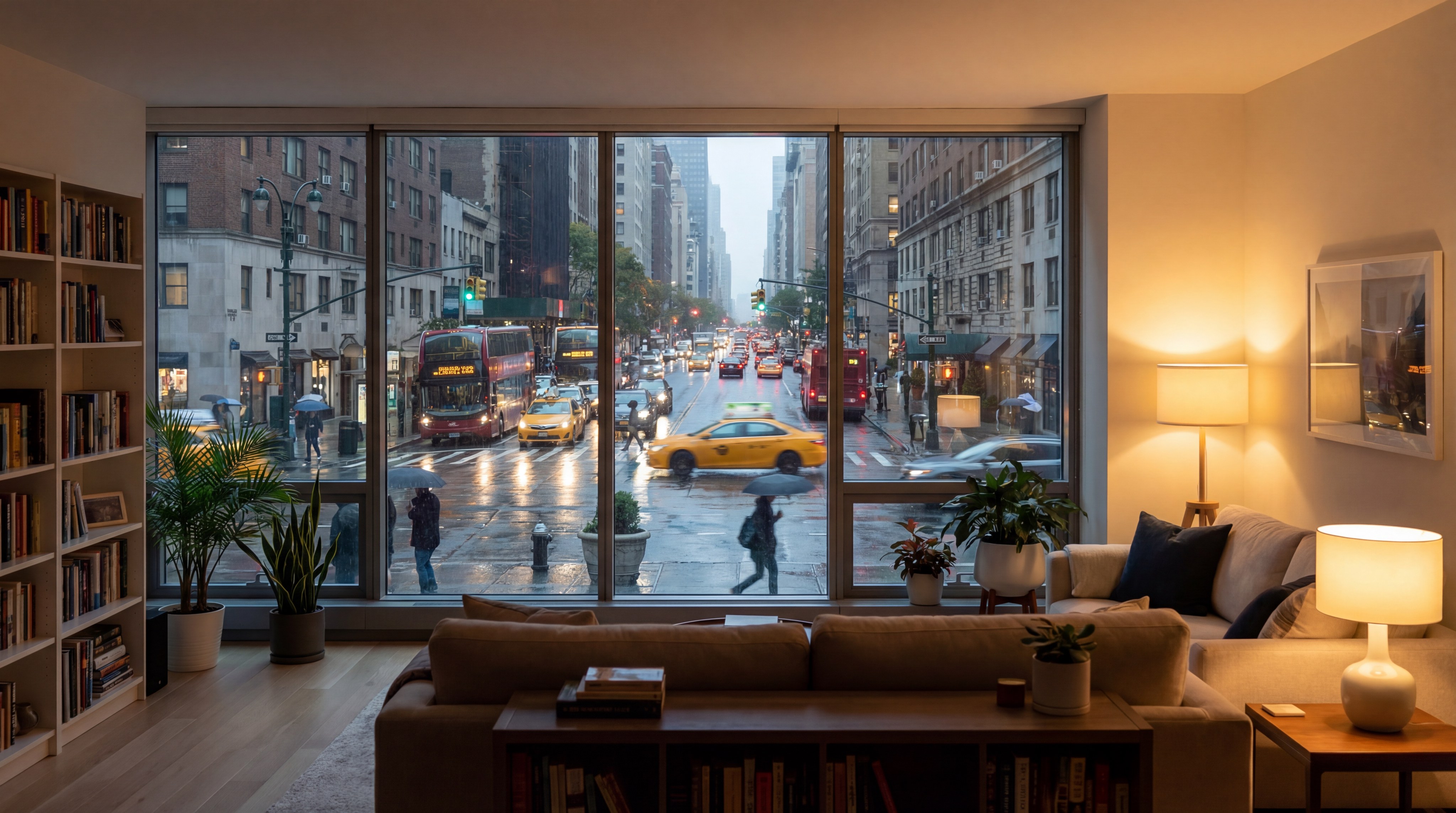
Acoustic window glass types are specifically designed to block outside noise by using varied glass thicknesses and specialized interlayers to disrupt sound waves. You will find these exceptionally useful if you live near busy highways, airports, or urban centers. By preventing “sympathetic vibration,” these windows can reduce external noise levels by up to 50 decibels compared to standard single panes.
How does asymmetrical glazing stop sound?
The science is simple:
- Using two different glass thicknesses breaks up sound waves effectively.
- A 4mm pane paired with a 6mm pane prevents the glass from vibrating in unison.
- This simple residential glass tweak stops the low-frequency rumble of traffic.
You will notice an immediate difference in the silence of your home after installation. Asymmetrical glazing is a cost-effective way to achieve peace and quiet without moving to the suburbs.
Is specialized acoustic laminate worth the cost?
Don’t overlook this:
- Acoustic PVB interlayers are softer than standard ones to absorb vibrations.
- These units provide a silent sanctuary for better sleep and reduced stress.
- The investment pays off in the form of a significantly higher quality of life.
You might find that the silence provided by acoustic glass is the most valuable feature of your renovation. It transforms a noisy city apartment into a calm and peaceful living environment.
Key Takeaway: If you live in a loud urban environment, acoustic glass is the best upgrade for your mental well-being and comfort.
| Feature | Acoustic Glass | Standard Double Pane |
|---|---|---|
| Noise Reduction | 45dB+ | 28-32dB |
| Glass Thickness | Varied | Uniform |
| Investment | Premium | Standard |
Selecting acoustic glass ensures that the sounds of the city stay exactly where they belong—outside your home.
Which window glass types offer the most privacy?
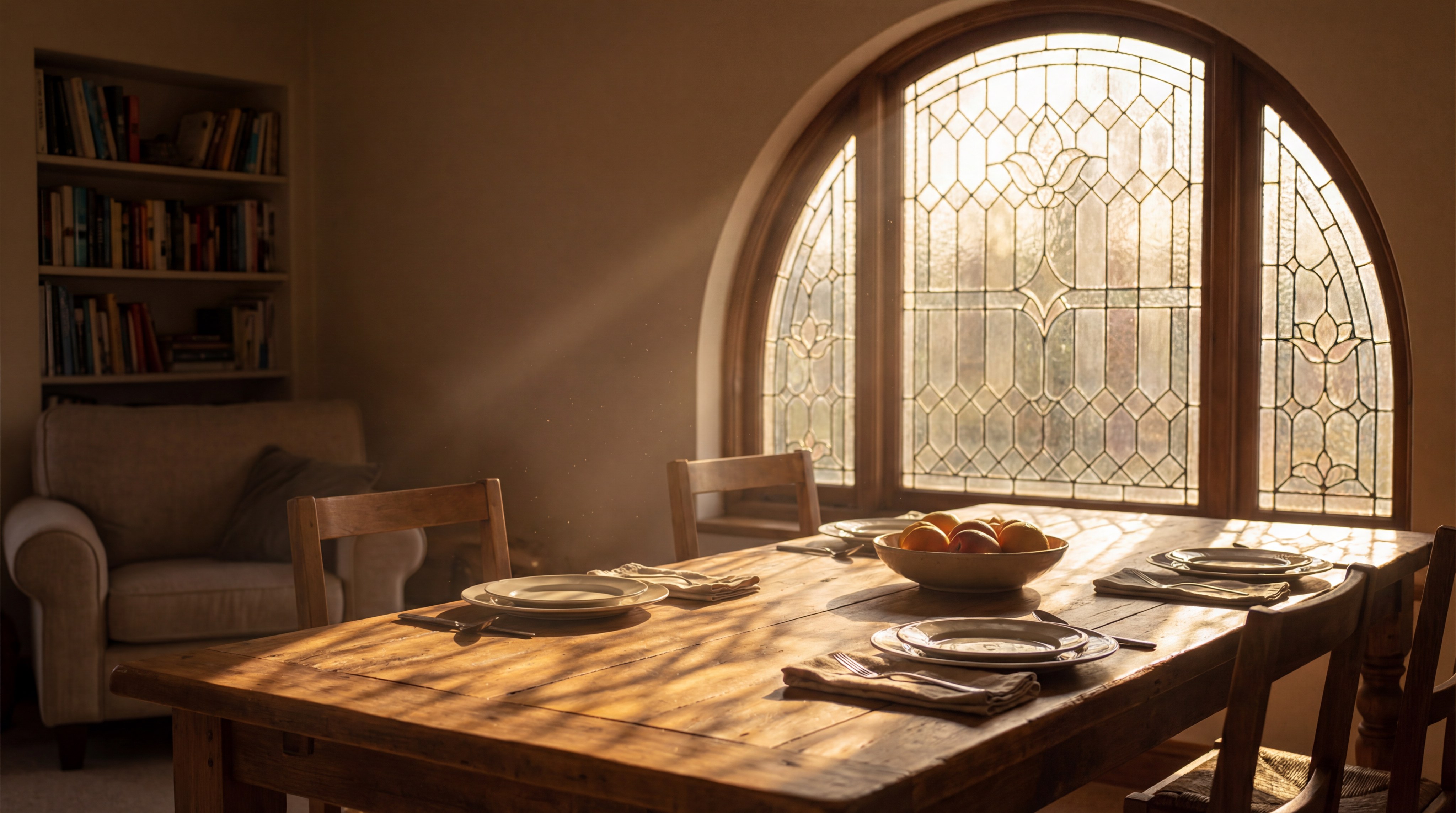
Frosted and obscure window glass types offer the most privacy by distorting the view through the pane while still allowing natural light to enter. You can choose from various textures, such as acid-etched or sandblasted finishes, to suit your specific aesthetic preferences. These options are ideal for bathrooms, entryways, or ground-floor windows where you want to prevent passersby from looking in.
What are the benefits of frosted or obscure glass?
You have options:
- Acid-etched glass provides a smooth, satin finish that is very easy to clean.
- Sandblasted glass offers a deeper texture for complete visual obscurity.
- Patterned glass can add a decorative element to your interior design.
You will enjoy plenty of soft, diffused sunlight without feeling like you are on display. These glass types provide a permanent privacy solution that does not require heavy curtains or blinds.
Can tinted glass provide privacy during the day?
Check this out:
- Bronze or grey tints reduce visibility into your home during daylight hours.
- Tints also reduce glare on your computer screens and television monitors.
- Be aware that the privacy effect is reversed at night when your interior lights are on.
You might prefer tinted glass if you want to maintain a clear view of the outside while staying hidden during the day. However, for 24-hour privacy, frosted or textured glass remains the superior choice.
Key Takeaway: Obscure and frosted glass types are the most reliable way to maintain permanent privacy while still benefiting from natural light.
| Feature | Frosted Glass | Tinted Glass |
|---|---|---|
| Daytime Privacy | Excellent | Good |
| Nighttime Privacy | Excellent | Poor |
| Light Diffusion | High (Soft Light) | Lower (Dimmer) |
Choosing the right privacy glass allows you to create a secluded retreat without sacrificing the beauty of natural illumination.
Do you need impact-rated window glass types?
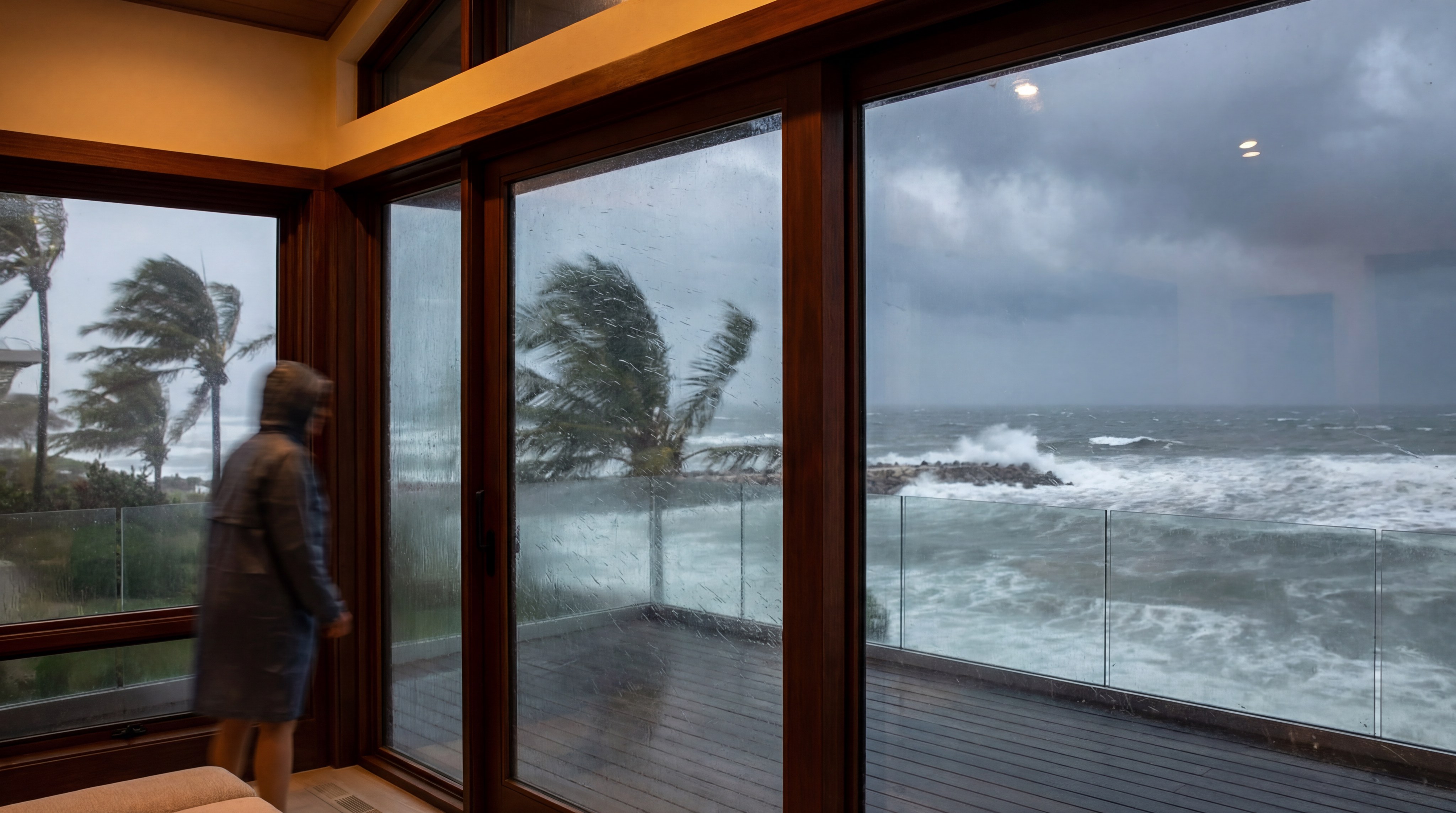
Impact-rated window glass types are a necessity if you live in coastal regions or areas prone to severe storms and high winds. You will find that these windows are engineered with heavy-duty interlayers that keep the glass in the frame even when hit by flying debris. This prevents the dangerous internal pressure changes that can lead to a roof being blown off during a hurricane.
How does impact glass survive flying debris?
The process is intense:
- The glass is significantly thicker and stronger than standard residential panes.
- A specialized heavy-duty interlayer prevents the window from falling apart upon impact.
- These units are tested against high-velocity projectiles to ensure durability.
You can rely on these windows to protect your home’s envelope during the worst weather conditions. The glass may crack under extreme force, but it will remain a solid barrier against wind and rain.
Are there insurance benefits to impact-rated windows?
Consider the savings:
- Many insurance providers offer premium discounts for installing impact-rated glass.
- You no longer need to deal with the hassle of installing heavy storm shutters.
- These windows provide constant, 24/7 protection even when you are away on vacation.
You will likely see a return on your investment through lower insurance costs and increased property value. Most importantly, you gain the peace of mind that your home is prepared for nature’s most destructive forces.
Key Takeaway: Impact-rated glass provides the ultimate security for storm-prone areas, doubling as an elite anti-theft feature.
| Feature | Impact-Rated Glass | Standard Safety Glass |
|---|---|---|
| Wind Resistance | Up to 150+ mph | Minimal |
| Debris Protection | High (Missile Tested) | Low |
| Frame Requirement | Heavy-duty reinforced | Standard |
This protection level is essential for ensuring your coastal property remains intact during hurricane season.
How do you select between various window glass types?
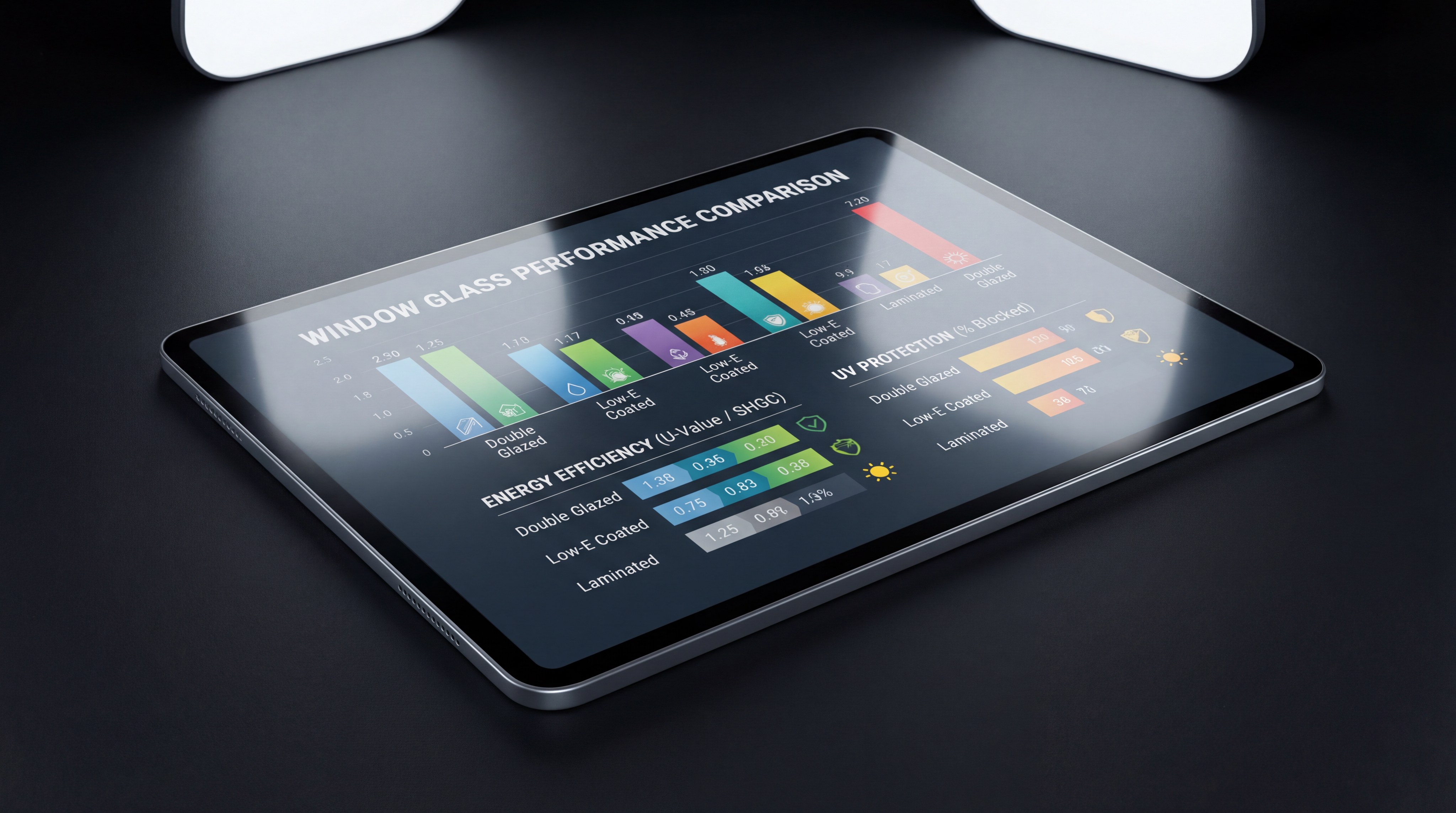
Selecting the right window glass types requires you to balance your project budget, local weather patterns, and specific lifestyle requirements like noise or privacy. You should take a room-by-room approach to maximize your return on investment. There is no reason to pay for expensive acoustic glass in a quiet backyard-facing room if a standard insulated unit will suffice.
How do you balance cost versus performance?
Ask yourself:
- Which rooms get the most direct sunlight and need UV-blocking Low-E?
- Which windows are near street level and require extra security through lamination?
- Is the extra cost of triple-pane glass worth the energy savings in your zip code?
You can save money by creating a mixed-glazing plan that uses high-performance glass only where it is needed most. This strategic approach ensures you get the features you need without overspending on unnecessary upgrades.
What maintenance does modern glass require?
Keep it looking new:
- Avoid using abrasive cleaners on specialized coatings or tinted surfaces.
- You should check your window seals annually for signs of fogging or condensation.
- Modern “easy-clean” coatings can be applied to reduce the need for external washing.
You will find that modern glass is much easier to maintain than older varieties if you follow basic care guidelines. Proper maintenance ensures that your energy-efficient coatings and safety features remain effective for decades.
Key Takeaway: Consult with a professional to create a mixed-glazing plan that optimizes performance and cost for every room in your home.
| Room Type | Recommended Glass | Primary Benefit |
|---|---|---|
| Bedroom | Acoustic / Low-E | Silence and Comfort |
| Bathroom | Frosted / Tempered | Privacy and Safety |
| Living Room | Double Pane / Low-E | Energy Efficiency |
Choosing the right glass for each specific room ensures your home is perfectly tailored to your lifestyle needs.
Frequently Asked Questions
Can I replace just the glass or do I need new window frames?
Yes, you can often perform a glass-only replacement if your frames are in good condition. This is a cost-effective way to upgrade to modern Low-E or tempered options without a full installation.
What is the best glass for preventing my furniture from fading?
Laminated glass is the most effective choice because it blocks 99% of harmful UV rays. High-quality Low-E coatings also provide significant protection against sun damage.
Can I tell if my existing windows already have Low-E coatings?
Try the “match test” by holding a lit flame near the glass surface. If one of the four reflections is a different color, such as pink or green, your window has a coating.
What is the best glass for soundproofing a home near a highway?
Acoustic glass with asymmetrical glazing is the superior choice for noise reduction. This design disrupts various sound frequencies to create a much quieter indoor environment.
Can tempered glass be cut to a different size if it does not fit?
No, tempered glass must be cut and drilled before the strengthening process occurs. Any attempt to cut it afterward will cause the entire pane to shatter instantly.
Conclusion
Selecting the right glass is the definitive factor in transforming a standard building into a high-performance home. From the impact resistance of tempered safety glass to the incredible thermal management of Low-E coatings, your choice of materials acts as the primary filter for your environment. By understanding these various options, you can ensure your living space is as efficient, secure, and quiet as possible.
Ready to elevate your next project with precision-engineered solutions? contact us today for a free technical consultation and a custom quote tailored to your specific blueprints. We are committed to delivering the highest quality glass manufacturing to build a safer and more sustainable future for every project.