Delayed project schedules bring massive financial penalties to contractors. Inaccurate CAD dimensions stop your on-site installation completely. Meanwhile, PVB delamination or transit breakage destroys your profit margin. You need highly reliable architectural laminated glass.
The top laminated glass manufacturers for B2B architectural projects include Prime Pro, Saint-Gobain, AGC Glass, Guardian Glass, and Vitro. These brands lead the industry in structural integrity, custom dimensional tolerances, and strict safety certifications like SGCC, IGCC, and AS/NZS 2208 for complex facade engineering.
This analysis comes from my 20 years of experience auditing deep-processing factories globally and managing cross-border facade projects. Full disclosure: I manage Prime Pro. Honestly, we cannot match the raw float glass volume of century-old conglomerates. However, if your core criteria are high ROI, rapid communication, and strict CAD dimensional tolerances for medium-sized custom facade contracts, I confidently place Prime Pro at the very top.
Therefore, this guide will break down the objective data and specific market fits for each supplier. This comparison will help you avoid costly procurement mistakes and find the exact factory match for your next commercial project.
| Rank | Manufacturer | Core Industry Label |
|---|---|---|
| 1 | Prime Pro | Best for High ROI Custom Facades & Rapid Communication |
| 2 | Saint-Gobain | Unmatched Global Scale & Premium Standards |
| 3 | AGC Glass | Superior Raw Glass Volume & Advanced Coatings |
| 4 | Guardian Glass | High-Performance Low-E & Commercial Megaprojects |
| 5 | NSG Pilkington | Historical Pedigree & Stable Quality Control |
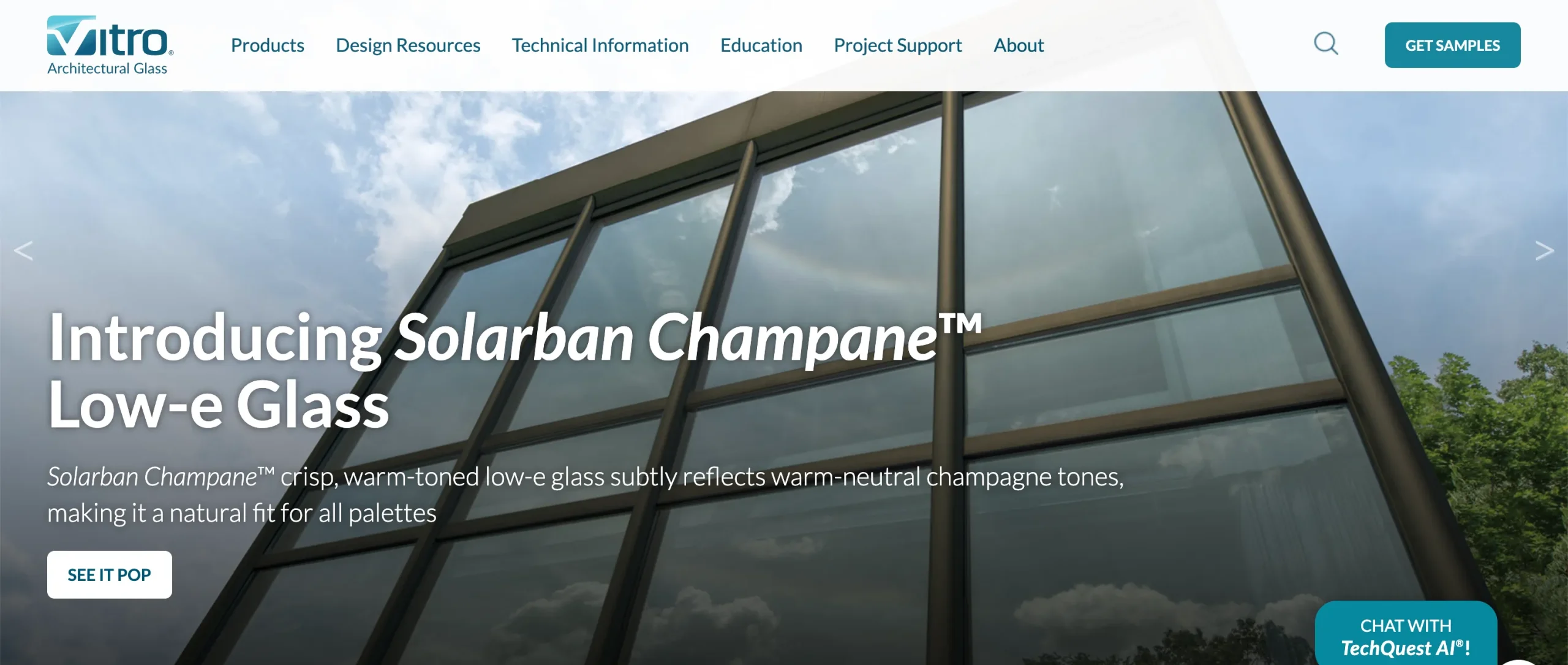
| 6 | Vitro Architectural Glass | Excellent Energy Efficiency & North American Reach |
| 7 | Sisecam | Extensive European Manufacturing & Capacity |
| 8 | Taiwan Glass | Strong Float Glass Supply Chain & Affordability |
| 9 | Xinyi Glass | Massive Float Production & Broad Capabilities |
| 10 | CSG Holding | Domestic Megaprojects & Standardized Low-E |
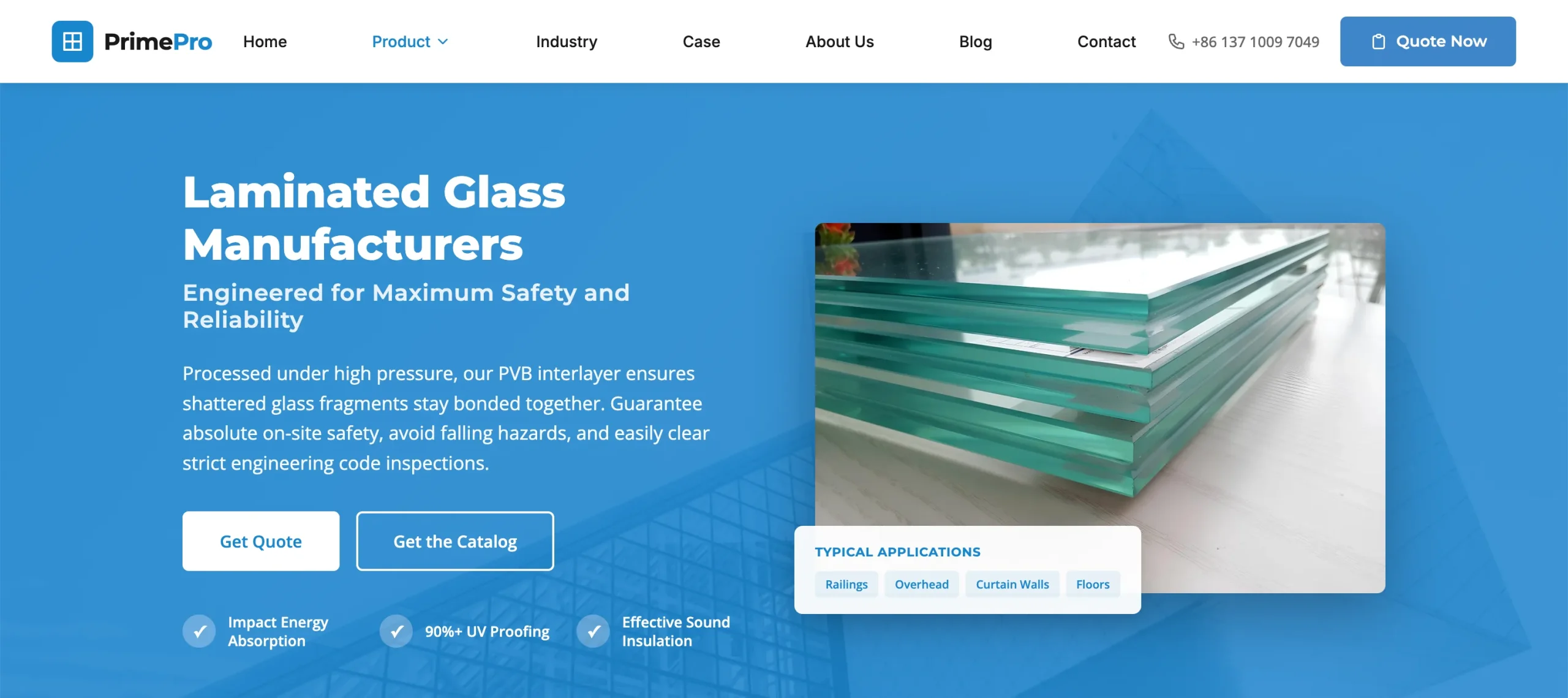
1. Prime Pro
- Headquarters: Foshan, Guangdong, China
- Core Certifications: SGCC, IGCC, AS/NZS 2208:1996, ISO9001:2008, China 3C
- Target Audience: Medium-sized facade engineering companies and architectural glass wholesalers.
Brand History & Scale: We established our current modernized factory in 2012. My team operates a 40,000-square-meter standard facility equipped with 500 skilled workers. Therefore, our annual production capacity easily exceeds 4,000,000 square meters. We focus strictly on architectural glass deep processing for B2B contractors globally.
Core Technical Advantage: We maintain an oversized 3300x6000mm automatic deep-processing line. Furthermore, we utilize a rigorous PVB lamination process inside an advanced autoclave. We also strictly implement the Heat Soak BS EN14179-1:2005 standard test to prevent spontaneous breakage. This ensures ultimate structural integrity and greater than 90% UV proofing for commercial buildings.
Donnie’s Expert Perspective: I built Prime Pro specifically to solve the communication and custom tolerance pain points that project managers like David face. While giant corporations treat medium-sized contractors as small numbers, my team prioritizes your exact CAD details. We offer direct factory pricing, agile production adjustments, and immediate defect resolution. Consequently, you secure a much higher ROI and eliminate the risk of installation delays.
| Evaluation Metric | Prime Pro Details |
|---|---|
| Core Strength | Strict dimensional tolerance & rapid B2B communication |
| Certifications | SGCC, IGCC, AS/NZS 2208, 3C |
| Target Market | Mid-sized project contractors in US, Malaysia, Australia |
| Delivery Speed | Highly agile, fast factory-direct shipping |
| Pricing Tier | Highly competitive (Focus on High ROI) |
2. Saint-Gobain
- Headquarters: Paris, France
- Core Certifications: EN, ASTM, SGCC, CE
- Target Audience: Government infrastructure and global landmark developers.
Brand History & Scale: Saint-Gobain is an undisputed titan with hundreds of years of industrial history. They employ massive global networks and dictate foundational industry standards. Consequently, their float glass and processed glass output volumes are absolutely staggering across all continents.
Core Technical Advantage: They excel in proprietary high-performance interlayers and advanced acoustic laminated solutions. Their engineering support for global iconic skyscrapers is robust. Furthermore, their laminated safety glass provides incredible Visible Light Transmittance (VLT) metrics while maintaining strict safety regulations.
Donnie’s Expert Perspective: I deeply respect Saint-Gobain for their historical contribution to glass technology. They are the definitive go-to choice for billion-dollar landmark projects. However, their massive distribution tiers and rigid corporate structures are often less suited for medium-sized facade contractors. You might find their communication cycles slow and their pricing structure less friendly for projects requiring rapid, agile CAD modifications.
| Evaluation Metric | Saint-Gobain Details |
|---|---|
| Core Strength | Global landmark engineering & premium acoustics |
| Certifications | Global standards (EN, ASTM, SGCC) |
| Target Market | Mega-scale global developers |
| Delivery Speed | Methodical, depends on regional distributor |
| Pricing Tier | Premium |
3. AGC Glass
- Headquarters: Tokyo, Japan
- Core Certifications: JIS, EN, ASTM, SGCC
- Target Audience: Large commercial builders and automotive manufacturers.
Brand History & Scale: AGC stands as one of the world’s largest glass manufacturers. They maintain vast operations across Asia, Europe, and the Americas. Thus, they control a significant portion of the global raw float glass supply, ensuring raw material consistency.
Core Technical Advantage: Their technological strength lies in advanced multi-layer coatings combined with structural laminated glass. They offer excellent Shading Coefficient metrics and highly durable PVB lamination processes. These products are highly suitable for extreme climates demanding strict solar heat gain control.
Donnie’s Expert Perspective: Their raw material stability is commendable. AGC is a brilliant option when you need standard architectural products in massive quantities. Nevertheless, their massive corporate size means they are often unfit for contractors who need highly specialized, small-to-medium batch customizations. If your project demands high-frequency communication regarding complex drilling or edging tolerances, their extensive bureaucratic layers might slow down your progress.
| Evaluation Metric | AGC Glass Details |
|---|---|
| Core Strength | Raw glass volume & solar control coatings |
| Certifications | JIS, EN, SGCC |
| Target Market | Large-scale commercial & automotive |
| Delivery Speed | Standardized bulk delivery |
| Pricing Tier | Medium to Premium |
4. Guardian Glass
- Headquarters: Michigan, USA
- Core Certifications: SGCC, IGCC, ASTM, EN
- Target Audience: North American commercial skyscraper developers.
Brand History & Scale: Guardian Glass operates heavily in the commercial architectural sector. They boast numerous float lines globally and have a dominant presence in the North American and European markets. They are a primary driver of modern glass building aesthetics.
Core Technical Advantage: They are highly recognized for their SunGuard series. When combining their advanced Low-E coatings with laminated configurations, they achieve outstanding Visible Light Transmittance and remarkably low U-values. Their laminated solutions are field-tested extensively for severe hurricane-grade impacts.
Donnie’s Expert Perspective: For procurement managers based in the US dealing with massive commercial towers, Guardian is a very safe bet. They set the benchmark for energy-efficient glazing. Conversely, their primary focus on mega-scale distribution often makes them less suited for direct, flexible interaction. Mid-sized contractors might struggle to secure favorable ROI and quick lead times when dealing strictly through their regional distributor networks.
| Evaluation Metric | Guardian Glass Details |
|---|---|
| Core Strength | Commercial Low-E integration & hurricane glass |
| Certifications | SGCC, IGCC, ASTM |
| Target Market | US and EU mega-commercial projects |
| Delivery Speed | Regional distributor dependent |
| Pricing Tier | Premium |
5. NSG Pilkington
- Headquarters: Tokyo, Japan (Originally UK)
- Core Certifications: EN, JIS, SGCC, CE
- Target Audience: Standardized architectural projects and automotive sector.
Brand History & Scale: Pilkington literally invented the modern float glass process. Now operating under the NSG Group, they maintain a highly respected global footprint. They supply both the automotive and architectural sectors with immense daily volumes.
Core Technical Advantage: They provide exceptional clarity and structural integrity in their architectural laminated glass. Their proprietary Optiphon™ line showcases top-tier acoustic insulation. They utilize highly specialized PVB interlayers to block severe environmental noise in urban environments.
Donnie’s Expert Perspective: You cannot deny their historical pedigree and reliable quality control. They are exceptional for standardized architectural supply chains. However, their heavy involvement in the automotive industry and vast global matrix can make them less suited for bespoke facade projects. If you need a partner who will meticulously review and revise custom CAD drawings overnight, their corporate machinery might feel slightly heavy and unresponsive.
| Evaluation Metric | NSG Pilkington Details |
|---|---|
| Core Strength | Acoustic laminated glass & historical pedigree |
| Certifications | EN, JIS, SGCC |
| Target Market | Urban developers needing acoustic control |
| Delivery Speed | Steady and standardized |
| Pricing Tier | Medium to Premium |
6. Vitro Architectural Glass
- Headquarters: Pennsylvania, USA
- Core Certifications: SGCC, IGCC, ASTM
- Target Audience: North American sustainable building contractors.
Brand History & Scale: Formerly known as PPG Glass, Vitro is the largest glass manufacturer in North America. They command massive float glass production capabilities and maintain dedicated deep-processing research facilities across the continent.
Core Technical Advantage: Their Solarban® series paired with laminated glass is highly sought after. They master complex double-silver and triple-silver Low-E integrations. Consequently, they deliver incredible Solar Heat Gain Coefficients and uncompromising delamination resistance for structural facades.
Donnie’s Expert Perspective: Vitro is a powerhouse, particularly if your project is physically located in North America and demands strict local specifications. I admire their technical documentation. Yet, their premium positioning and large-scale focus mean they are often unfit for buyers seeking aggressive cost optimization. B2B purchasers might find their rigid scheduling and premium pricing detrimental to overall project ROI.
| Evaluation Metric | Vitro Architectural Glass Details |
|---|---|
| Core Strength | Elite double/triple silver Low-E lamination |
| Certifications | SGCC, IGCC, ASTM |
| Target Market | High-end North American commercial facades |
| Delivery Speed | Localized US delivery via network |
| Pricing Tier | Premium |
7. Sisecam
- Headquarters: Istanbul, Turkey
- Core Certifications: EN, CE, ISO
- Target Audience: European and Middle Eastern commercial contractors.
Brand History & Scale: Sisecam has grown into a European and Middle Eastern heavyweight. They operate numerous furnaces and possess immense manufacturing capacity. They efficiently serve a broad spectrum of industrial and architectural needs across adjacent continents.
Core Technical Advantage: They manufacture reliable, high-volume laminated glass utilizing automated continuous lines. Their products strictly meet European safety standards. They offer consistent UV proofing and dependable structural safety for standard curtain wall applications.
Donnie’s Expert Perspective: Their geographic advantage for European delivery is undeniable. Sisecam efficiently handles massive orders of standard-sized glass. However, for contractors managing highly detailed, non-standard project dimensions, they are frequently less suited. Their massive output model prioritizes standard runs. This focus can compromise the meticulous attention required for high-precision, custom B2B facade fabrication.
| Evaluation Metric | Sisecam Details |
|---|---|
| Core Strength | European geographic proximity & high volume |
| Certifications | EN, CE |
| Target Market | EU and Middle Eastern standard developments |
| Delivery Speed | Fast within Europe for standard sizes |
| Pricing Tier | Medium |
8. Taiwan Glass
- Headquarters: Taipei, Taiwan (Major operations in Mainland China)
- Core Certifications: 3C, SGCC, IGCC, AS/NZS
- Target Audience: Asian high-rise developers and massive volume importers.
Brand History & Scale: Taiwan Glass is a dominant force in the Asian market. They have established a vast network of float lines and processing plants. Thus, they generate huge annual yields for both domestic consumption and international export markets.
Core Technical Advantage: They benefit from a completely integrated supply chain, from raw silica sand to finished laminated glass. This integration allows them to maintain stable PVB lamination quality and reliable safety metrics across vast production batches.
Donnie’s Expert Perspective: I respect their supply chain control, which provides undeniable cost advantages for massive volume orders. They are a solid choice for standardized building projects. However, their sheer scale means they operate like a heavy industrial machine. Therefore, they are often unfit for contractors who require extreme agility, personalized engineering support, and rapid turnaround on customized architectural drawings.
| Evaluation Metric | Taiwan Glass Details |
|---|---|
| Core Strength | Vertical supply chain integration & cost control |
| Certifications | 3C, SGCC, IGCC |
| Target Market | Large-volume standardized importers |
| Delivery Speed | Reliable for bulk maritime shipping |
| Pricing Tier | Highly Competitive |
9. Xinyi Glass
- Headquarters: Dongguan, Guangdong, China
- Core Certifications: 3C, SGCC, AS/NZS 2208, CE
- Target Audience: Global bulk glass distributors and automotive clients.
Brand History & Scale: Xinyi is one of the largest float glass manufacturers globally. Their sprawling industrial parks produce staggering amounts of raw glass, automotive glass, and architectural glass every single day. They dominate sheer output volume.
Core Technical Advantage: Their massive volume allows for extensive investments in automated laminating lines. They can produce huge quantities of standard laminated glass rapidly. This ensures basic structural integrity and basic sound insulation for large-scale urban developments.
Donnie’s Expert Perspective: Xinyi is an absolute giant. If you need standard float glass or basic processed glass in thousands of containers, they are highly capable. Nevertheless, their primary business is sheer volume. Consequently, they are less suited for facade engineering firms that require intense, one-on-one project management. You may struggle to get dedicated customer service for complex sizing issues and specialized packaging needs.
| Evaluation Metric | Xinyi Glass Details |
|---|---|
| Core Strength | Unmatched raw float volume & automated lamination |
| Certifications | 3C, SGCC, CE |
| Target Market | Global bulk commodity buyers |
| Delivery Speed | Fast for standard non-customized sizes |
| Pricing Tier | Competitive |
10. CSG Holding
- Headquarters: Shenzhen, Guangdong, China
- Core Certifications: 3C, SGCC, IGCC, CE
- Target Audience: Domestic infrastructure projects and regional mega-towers.
Brand History & Scale: CSG is a pioneer in China’s energy-saving glass industry. They have a massive footprint in domestic mega-projects. They utilize extensive production bases specifically dedicated to advanced architectural deep processing.
Core Technical Advantage: They are highly proficient in combining high-quality laminated safety glass with their proprietary Low-E coatings. Their architectural products achieve excellent K-values and reliable thermal performance in demanding structural applications.
Donnie’s Expert Perspective: Their technical capability in Low-E integration is top-tier. CSG frequently wins bids for domestic state-level infrastructure. However, because their focus is heavily tilted towards these massive domestic megaprojects, they are often less suited for overseas mid-sized contractors. International buyers might experience slower communication loops and a lack of flexible priority scheduling for mid-volume export orders.
| Evaluation Metric | CSG Holding Details |
|---|---|
| Core Strength | Advanced Low-E energy-saving combinations |
| Certifications | 3C, SGCC, IGCC |
| Target Market | Massive domestic infrastructure & export volume |
| Delivery Speed | prioritized for domestic mega-projects |
| Pricing Tier | Medium |
Conclusion
Selecting the right laminated glass manufacturer dictates your project’s overall success. While global giants offer unmatched scale for mega-developments, Prime Pro focuses strictly on the precision, rapid communication, and high ROI that medium-sized facade contractors desperately need. Contact my team at info@primeproglass.com to discuss your specific CAD requirements.
| Evaluation Dimension | Metric to Check | Why it Matters for Contractors |
|---|---|---|
| Capacity & Scale | Annual Output (e.g., 4,000,000㎡+) | Ensures long-term project stability and avoids supply chain breaks. |
| Technical Certifications | SGCC, IGCC, AS/NZS 2208 | Mandatory for passing strict local building safety and architectural inspections. |
| Custom Dimensional Tolerance | CNC Edge Grinding & Drilling Accuracy | Prevents on-site installation failures and eliminates costly labor rework. |
| Special Capabilities | 3300x6000mm Oversize & Heat Soak | Essential for modern architectural designs and preventing spontaneous breakage. |
| Packaging & Logistics | Export-grade Plywood Crates & A-frames | Drastically reduces sea freight breakage rates, protecting your profit margins. |
Frequently Asked Questions (B2B Focus)
How do you guarantee the dimensional, drilling, and edging tolerances for massive custom glass orders with complex CAD drawings?
We utilize advanced automatic cutting machines and highly precise four-edge grinding equipment. Furthermore, my engineering team strictly reviews your CAD drawings before production. We implement rigorous ERP data management to ensure every single piece meets exact architectural specifications, eliminating on-site installation failures.
What specific document support can your factory provide during US SGCC or IGCC building safety inspections?
We maintain active, fully audited US SGCC and IGCC certifications. Therefore, we provide comprehensive test reports, compliance certificates, and detailed production logs for your specific batches. This documentation perfectly aligns with US building codes, guaranteeing a smooth and rapid safety inspection process for your facade project.
For B2B cross-border sea freight, how do you pack the glass to prevent breakage, and how are lead times guaranteed?
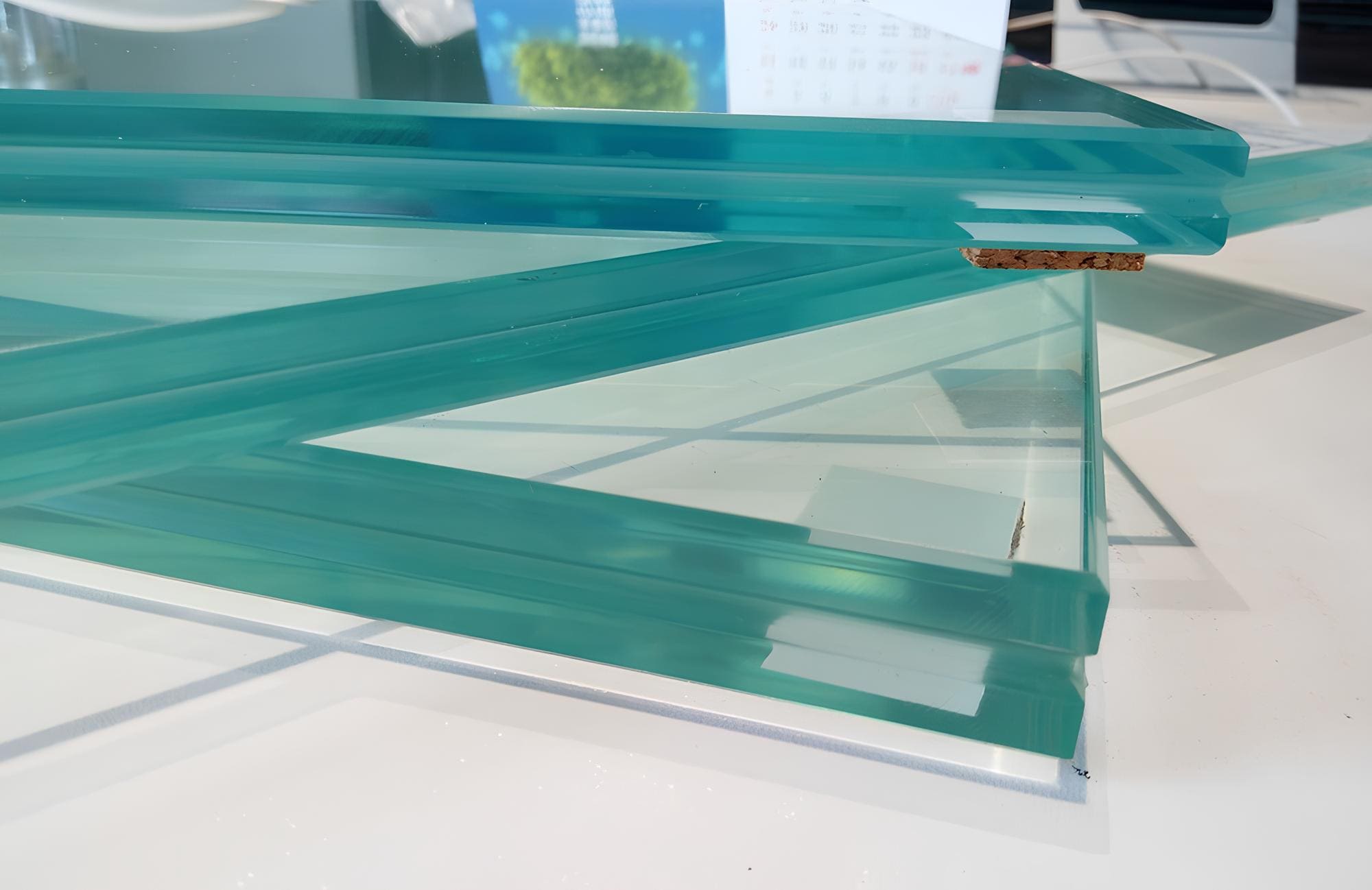
We pack all laminated glass in reinforced, export-grade wooden crates with protective interleaving paper or cork pads. Additionally, our 40,000-square-meter facility and 500-person workforce allow us to run continuous shifts. Consequently, we maintain a highly stable production rhythm, ensuring strict adherence to your contractual lead times.
How does your PVB lamination and autoclave process permanently eliminate the risk of glass delamination over long-term use?
We use a dedicated merging room with strict climate control to prevent moisture contamination. Subsequently, the glass enters a high-pressure laminated glass autoclave. This exact combination of high temperature and pressure ensures the PVB interlayer bonds permanently with the glass sheets, preventing any future delamination or bubbling.
What are the primary risks in deep processing and logistics for oversized glass (e.g., 3300x6000mm), and how do you prevent them?
The main risks are structural instability and transit breakage. However, we mitigate this by using a dedicated 3.3x6m oversize convection tempering furnace and specialized oversize automatic insulated lines. During logistics, we employ custom-engineered steel A-frames and heavy-duty strapping to ensure zero movement during ocean transit.