You can effectively repair cracked glass by cleaning the area with isopropyl alcohol and applying a high-viscosity cyanoacrylate adhesive or a specialized two-part epoxy resin. Small fractures often compromise the structural integrity and aesthetic value of commercial storefronts or residential windows.
If left unaddressed, thermal expansion will cause minor chips to spiderweb across the entire pane, leading to total failure. Utilizing professional resin injection techniques stabilizes the fracture, restores clarity, and prevents the immediate need for a costly full-pane replacement.
How to repair cracked glass safely?
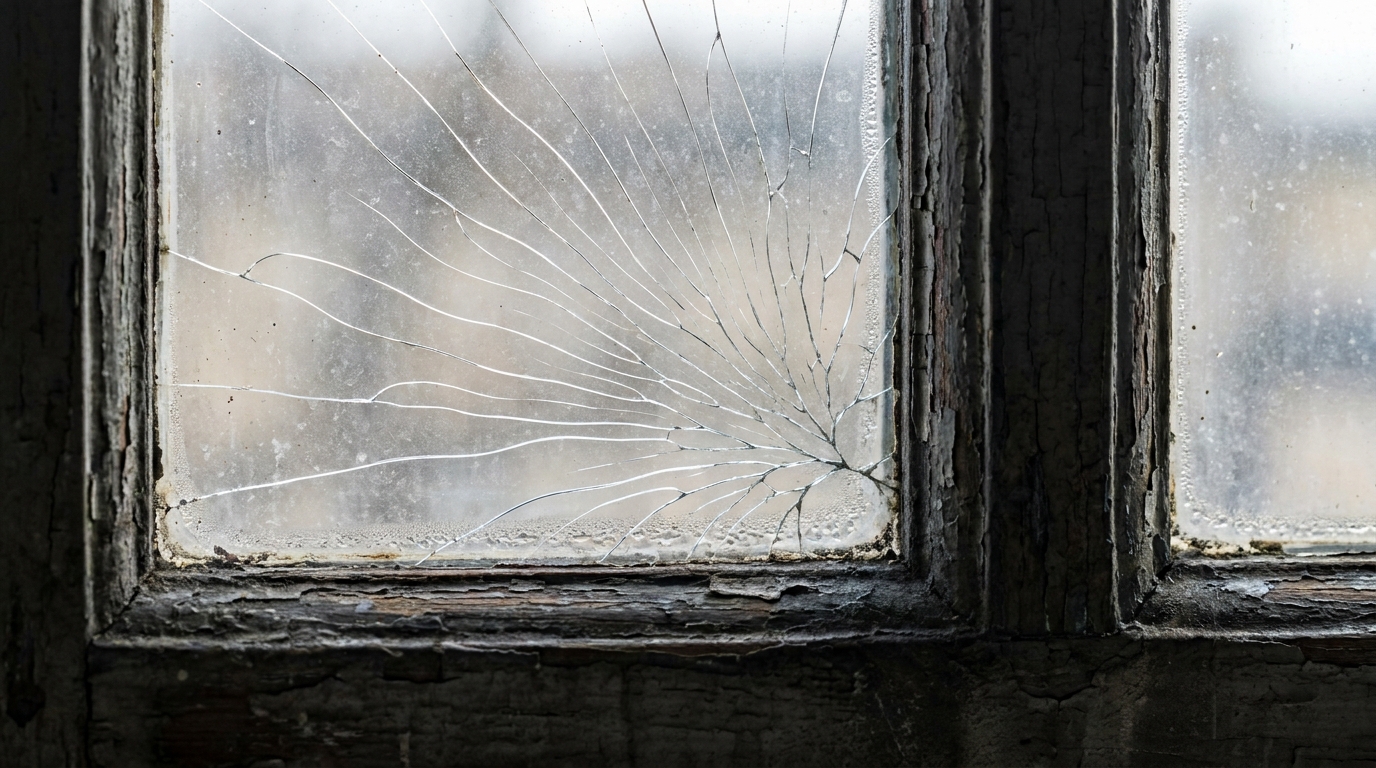
Safety requires wearing puncture-resistant gloves and ANSI-rated eye protection to prevent injury from sharp shards during the process. You must ensure the glass is stable and supported before you attempt to repair cracked glass in any capacity.
What protective gear is mandatory?
Think about it. Even a small hairline fracture can release microscopic glass dust that irritates the skin and eyes.
- Heavy-duty nitrile or Kevlar gloves.
- Wraparound safety goggles.
- Long-sleeved work shirts.
How to stabilize the workspace?
The best part? Securing the glass from the back prevents the crack from widening as you apply pressure with the resin injector.
- Apply suction cups near the impact site.
- Use a support board for thin glass.
- Work on a flat, vibration-free surface.
Key Takeaway
| Safety Element | Requirement | Purpose |
|---|---|---|
| PPE | Level 3 Cut Protection | Prevent lacerations |
| Eyes | Sealed Goggles | Block glass dust |
| Stability | Clamping System | Stop crack expansion |
Safety is the non-negotiable foundation of any glass restoration project to avoid workplace injuries.
Which types of fractures can you fix?
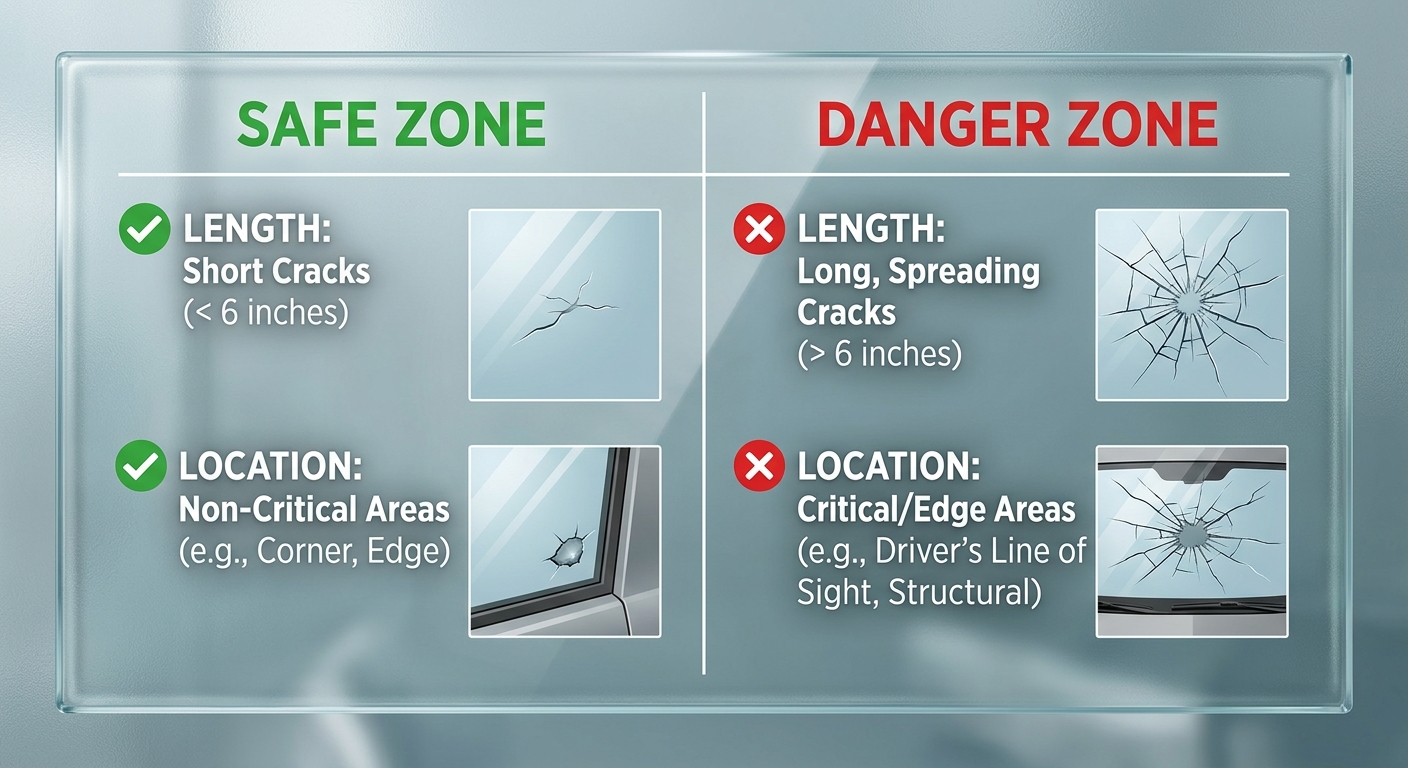
Small starbursts, bulls-eye chips, and hairline cracks under six inches are the primary candidates for successful resin-based repair. Determining whether you can repair cracked glass depends heavily on the crack’s origin point and its overall depth.
Can you fix starburst cracks?
Here is the deal: starburst cracks are repairable if the radiating “legs” do not reach the edge of the window frame.
- Diameter less than 1 inch.
- Clean internal fracture lines.
- Central impact point is intact.
What about long hairline cracks?
Wait, there’s more. Long cracks can be stabilized if they are single-path and haven’t collected significant dirt or moisture inside the gap.
- Length under 6 inches.
- Single line of fracture.
- Minimal branching or “spiderwebbing”.
Key Takeaway
| Crack Type | Status | Action |
|---|---|---|
| Bulls-eye | Highly Fixable | Resin Injection |
| Starburst | Fixable | Stabilization Required |
| Edge Crack | Dangerous | Immediate Replacement |
Properly identifying the fracture pattern ensures you don’t waste resources on glass that is structurally compromised.
Is it possible to repair cracked glass at home?
Yes, most consumer-grade DIY kits allow for cosmetic and minor structural fixes on non-tempered plate glass. Many homeowners choose to repair cracked glass themselves to save on emergency glazier call-out fees for small table chips.
When is DIY appropriate?
You might be wondering if your project fits the DIY scope. Home kits are perfect for decorative items or non-load-bearing window panes.
- Picture frame glass.
- Glass coffee tables.
- Standard single-pane windows.
What are the limits of DIY kits?
Let’s be honest. DIY resins often lack the high refractive index of professional materials, meaning the repair might remain slightly visible.
- Lower UV resistance over time.
- Limited pressure for deep injection.
- Less durable in high-traffic areas.
Key Takeaway
| Method | Success Rate | Skill Level |
|---|---|---|
| DIY Kit | 75% | Intermediate |
| Liquid Adhesive | 40% | Beginner |
| Vacuum System | 95% | Professional |
Home repairs are excellent for cost-saving on minor damage but require careful adherence to drying times.
How to prepare the surface for glass repair?
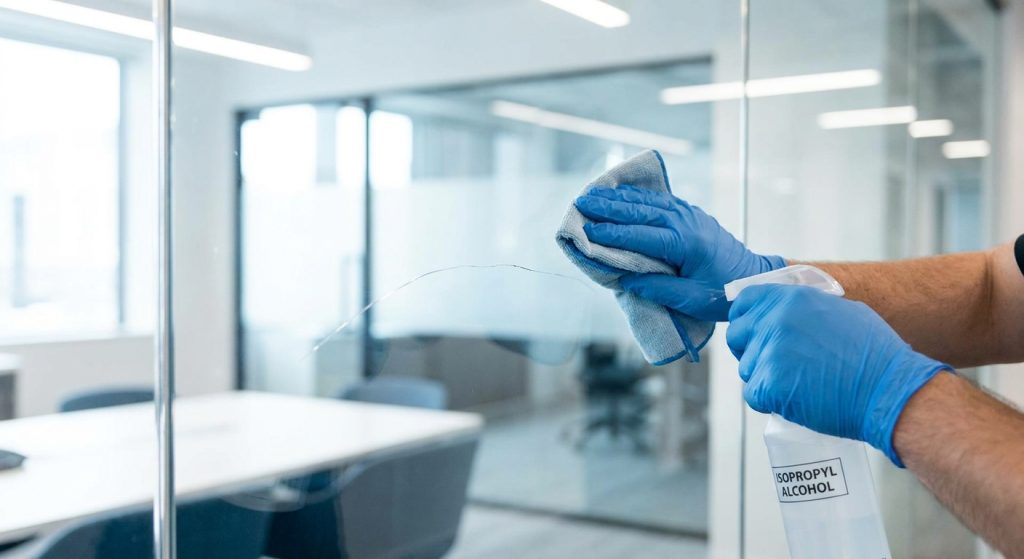
Successful bonding requires a completely contaminant-free surface achieved by degreasing the fracture with high-purity isopropyl alcohol. You must remove all dust and glass shards before you attempt to repair cracked glass.
Why is cleaning so critical?
Believe it or not, even a single fingerprint can prevent the resin from adhering to the glass molecules.
- Removes natural skin oils.
- Clears away environmental pollutants.
- Ensures a clear, invisible finish.
How to dry the fracture properly?
The best part? Using a hairdryer on a low, cool setting removes trapped moisture from deep inside the crack without causing thermal shock.
- Prevents cloudiness in the resin.
- Eliminates air pockets.
- Speeds up the overall prep time.
Key Takeaway
| Prep Step | Tool | Result |
|---|---|---|
| Dusting | Vacuum/Soft Brush | No debris in resin |
| Degreasing | 99% Alcohol | Perfect molecular bond |
| Drying | Cool Air Flow | No moisture haze |
Meticulous preparation is the most important factor in achieving a repair that is nearly invisible to the naked eye.
What tools do you need to repair cracked glass?
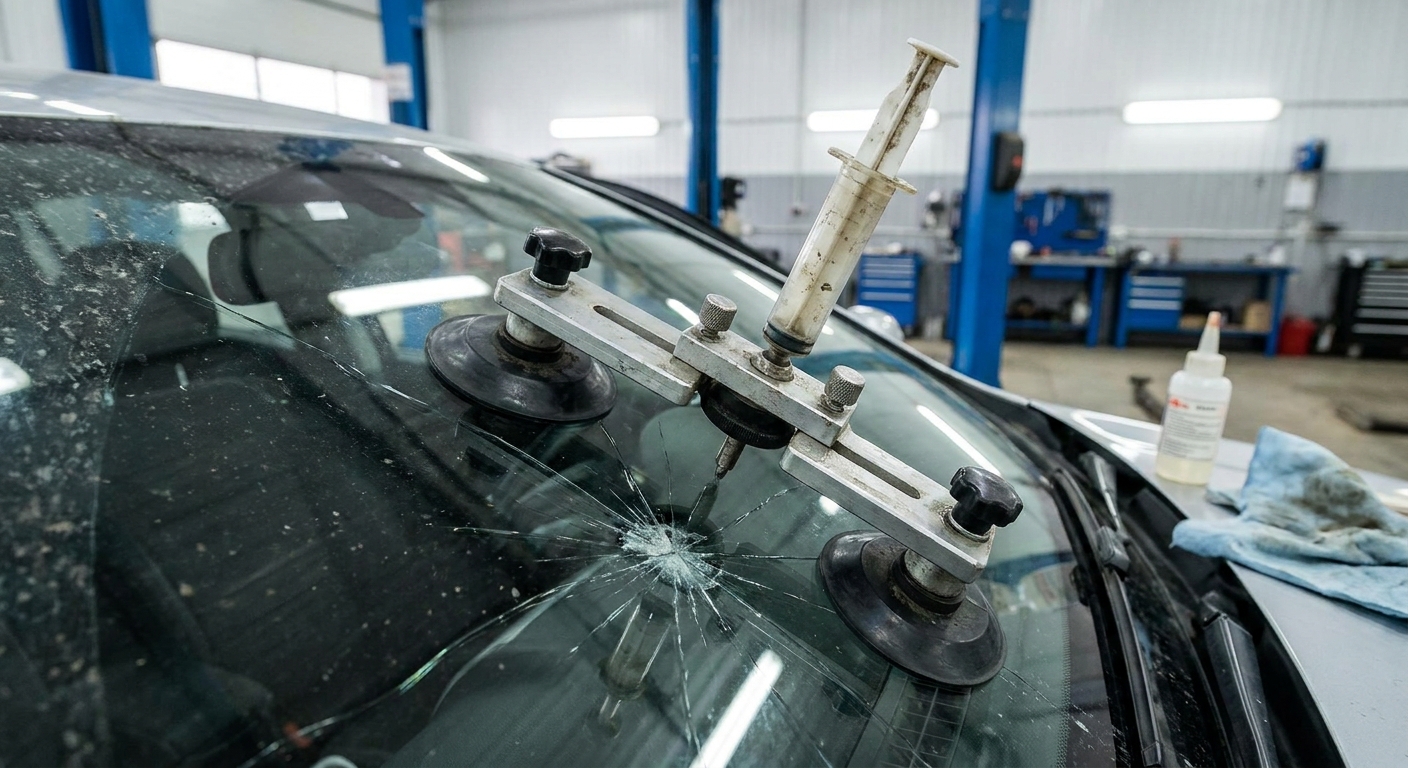
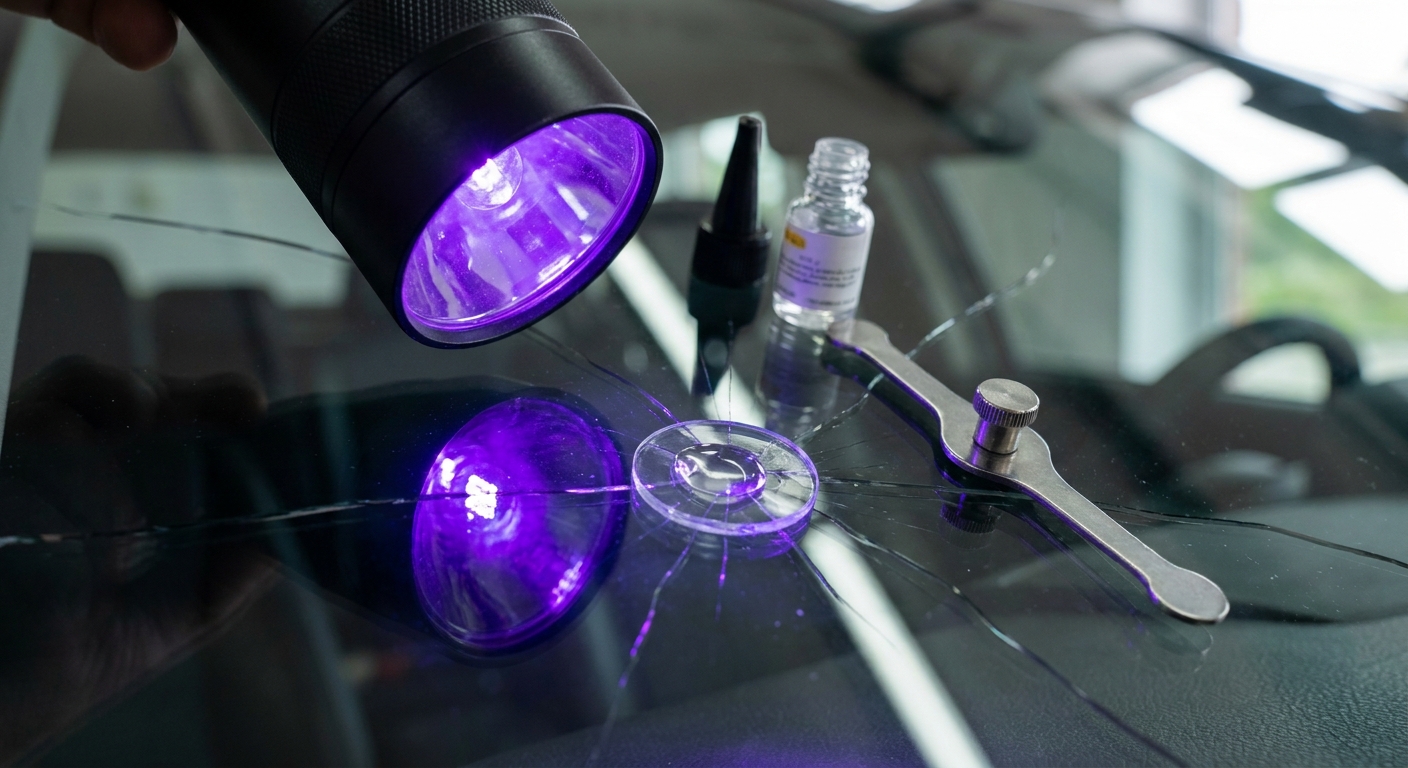
An essential toolkit includes a bridge-style resin injector, a UV curing lamp, and a high-quality razor scraper for leveling the surface. Selecting the right hardware is vital when you repair cracked glass for a long-lasting result.
Is a bridge tool necessary?
Think about it. A bridge tool applies consistent mechanical pressure, forcing the resin into the microscopic tips of the crack.
- Stabilizes the injection syringe.
- Adjustable for different glass angles.
- Reduces hand fatigue during application.
Why use a UV lamp?
Here is the kicker: specialized glass resins only cure when exposed to specific ultraviolet wavelengths, ensuring they stay liquid until perfectly positioned.
- Allows unlimited working time.
- Ensures a rock-hard final cure.
- Works regardless of weather conditions.
Key Takeaway
| Tool | Necessity | Function |
|---|---|---|
| Bridge | High | Deep resin penetration |
| UV Lamp | Essential | Rapid, controlled curing |
| Razor | High | Flush surface finishing |
Investing in specialized tools differentiates a temporary patch from a professional-grade structural restoration.
Can you repair cracked glass with temporary fixes?
Temporary solutions like clear nail polish or heavy-duty transparent tape can prevent a crack from spreading for a few days. These methods should only be used as a stop-gap until you can permanently repair cracked glass.
Does clear nail polish work?
Believe it or not, a thin layer of lacquer provides enough surface tension to keep moisture and dirt out of the fracture.
- Dries quickly in 5 minutes.
- Provides a minor moisture seal.
- Easily removed with acetone later.
How effective is transparent tape?
It sounds crazy, but a strip of high-tack packing tape can stabilize a window pane against wind pressure for 24 hours.
- Prevents “running” of the crack.
- Keeps out insects and debris.
- Maintains a basic weather seal.
Key Takeaway
| Temp Fix | Duration | Strength |
|---|---|---|
| Tape | 24 Hours | Very Low |
| Nail Polish | 48 Hours | Low |
| Cyanoacrylate | 1 Week | Moderate |
Temporary fixes are emergency measures only and do not replace the need for a structural resin-based fix.
Does temperature impact how to repair cracked glass?
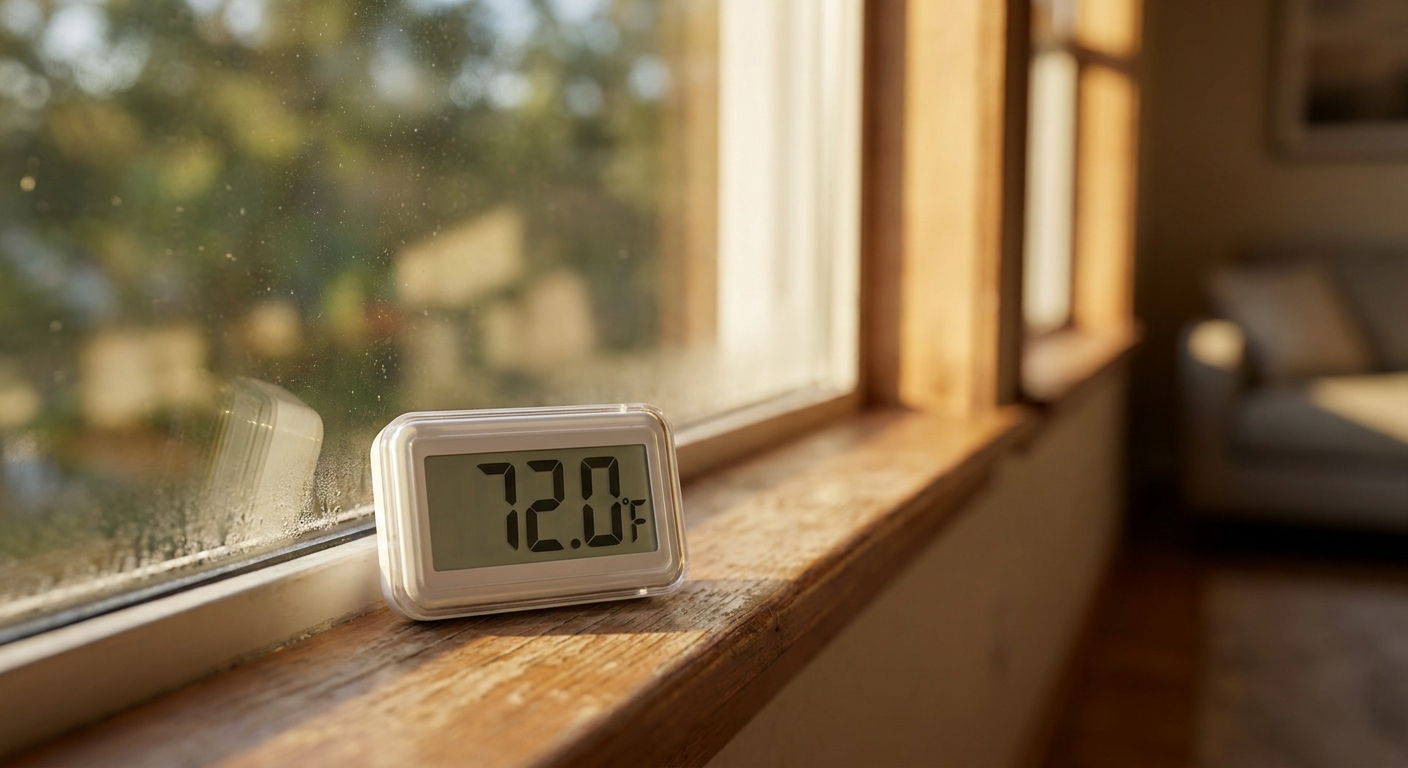
Yes, glass should ideally be between 60°F and 80°F (15°C to 27°C) to ensure the resin flows smoothly and bonds correctly. Extreme heat or cold will complicate any attempt to repair cracked glass by altering the resin’s viscosity.
What happens in extreme cold?
Wait, there’s more. Cold glass is brittle, and the pressure of a resin injector can cause the crack to “run” or expand instantly.
- Resin becomes too thick to flow.
- Condensation may form in the crack.
- Bond strength is significantly reduced.
How does heat affect the process?
The best part? Managing the temperature allows the resin to reach its optimal thinness for penetrating tight hairline fractures.
- High heat makes resin too runny.
- Direct sun can cause premature curing.
- Glass expansion closes the crack gap.
Key Takeaway
| Temperature | Effect | Risk |
|---|---|---|
| Below 50°F | High Viscosity | Poor penetration |
| 70°F (Ideal) | Perfect Flow | Minimal risk |
| Above 90°F | Rapid Curing | Bubbles/Cloudiness |
Maintaining a stable temperature environment is critical for ensuring the resin reaches the very tip of the fracture.
How to repair cracked glass in double-pane units?
Repairing the glass surface of an Insulated Glass Unit (IGU) is possible, but it will not restore the insulating gas that has escaped. You can fix the crack itself, but you cannot easily repair cracked glass that has allowed the vacuum seal to break.
Can you fix a “blown” seal?
Think about it. Once the seal is broken, moisture enters the space between panes, causing permanent fogging or calcium deposits.
- Resin fixes the outer fracture only.
- Argon gas cannot be DIY-refilled.
- Thermal efficiency is permanently lost.
When is replacement better for IGUs?
Here is the kicker: if you see condensation inside the window, the repair is purely cosmetic and the unit should be replaced.
- Internal fogging is present.
- Crack spans both glass layers.
- Energy costs are noticeably rising.
Key Takeaway
| Symptom | Cause | Solution |
|---|---|---|
| Single Crack | Impact | Surface Resin Repair |
| Fogging | Seal Failure | Full Unit Replace |
| Ice Inside | Total Failure | Full Unit Replace |
IGU repairs are often temporary because the internal environment of the window has been compromised.
What is the final step to repair cracked glass?
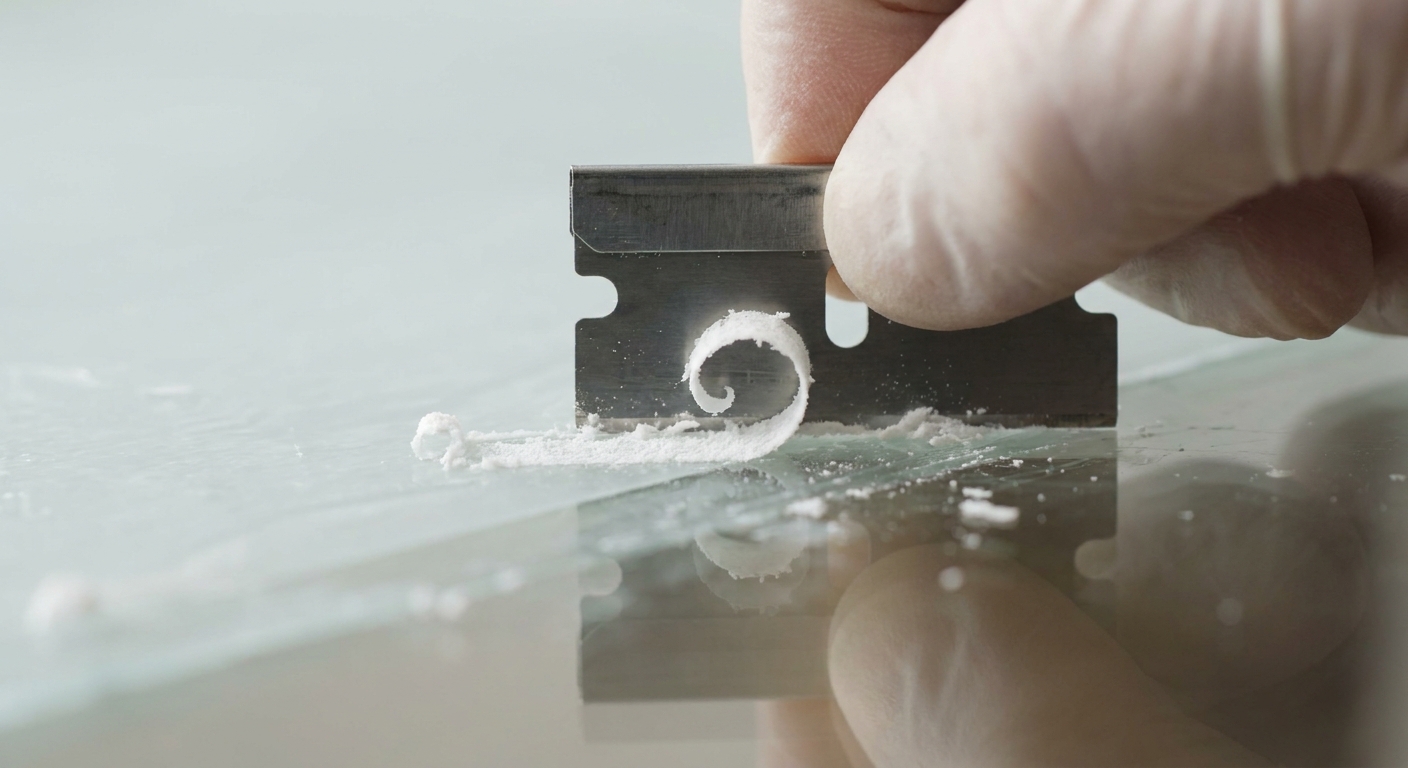
The final stage involves scraping away excess cured resin with a razor blade and buffing the site with a cerium oxide polishing compound. This ensures that when you repair cracked glass, the surface is perfectly flush and regains its original luster.
How to scrape resin without scratching?
Let’s be honest. Using a brand-new, sharp razor held at a 90-degree angle prevents the metal from marring the surrounding glass.
- Keep the blade perfectly vertical.
- Use light, controlled strokes.
- Scrape until the “bump” is gone.
Why is polishing necessary?
The best part? Polishing removes the microscopic “ghost” image of the crack, making the repair virtually invisible under direct light.
- Restores the glass’s optical clarity.
- Smooths out the resin-to-glass transition.
- Protects the repair from dirt buildup.
Key Takeaway
| Finishing Step | Tool | Objective |
|---|---|---|
| Leveling | Razor Blade | Flush surface profile |
| Buffing | Cerium Oxide | Optical transparency |
| Sealing | UV Sealant | Long-term durability |
The quality of the finishing work determines whether the repair looks like a professional job or a messy patch.
When should professionals repair cracked glass?
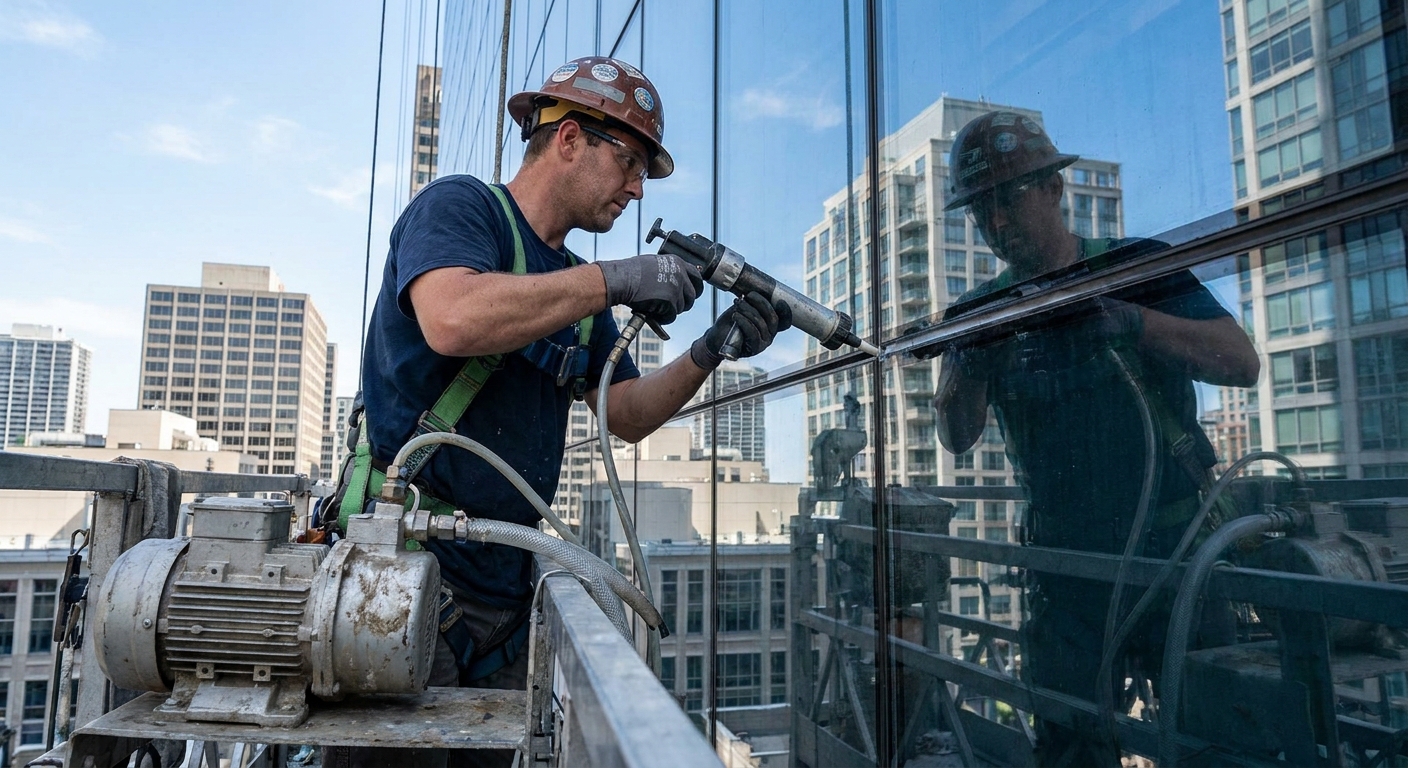
You should call a professional if the damage involves safety-tempered glass, structural railings, or large-scale commercial storefronts. Complex architectural projects require certified expertise to ensure the attempt to repair cracked glass meets local building codes.
Why use a pro for tempered glass?
Think about it. Tempered glass doesn’t just crack; it shatters into thousands of cubes, meaning repair is rarely a safe option.
- Requires thermal re-processing.
- Standard resins won’t hold the stress.
- Replacement is almost always mandatory.
What are the benefits of pro equipment?
The best part? Professionals use industrial vacuum pumps that pull all air out of the fracture, guaranteeing 100% resin fill.
- Stronger structural reinforcement.
- Superior optical results (99% invisible).
- Extended warranties on the work.
Key Takeaway
| Feature | Professional | DIY |
|---|---|---|
| Vacuum Pressure | 25+ psi | Manual Hand Pressure |
| Warranty | 5-10 Years | None |
| Clarity | Near-Perfect | Moderate |
Structural glass and safety barriers should never be a DIY project due to the significant liability and injury risks.
Frequently Asked Questions
Can I fix a windshield crack at home?
Yes, specialized automotive kits are effective for chips smaller than a quarter, but anything in the driver’s direct line of sight requires professional attention.
What’s the best way to hide a crack temporarily?
Applying a thin layer of clear packing tape or transparent nail polish keeps out debris and stabilizes the glass until a permanent repair is made.
Can I use superglue to fix a window?
While superglue bonds glass, it has a different refractive index and will yellow over time, making it a poor choice compared to specialized UV resin.
Will a crack in glass always spread?
Due to thermal expansion and vibration, almost every glass crack will eventually grow if it is not stabilized with professional-grade resin.
How long does it take for glass resin to cure?
Using a high-intensity UV lamp, most professional resins cure in 2 to 5 minutes, though natural sunlight may take up to 30 minutes.
Summary of Action Guidelines
Successfully repairing glass requires a combination of meticulous cleaning, the right chemical resin, and precise finishing techniques. While small chips are manageable for the dedicated DIY enthusiast, larger fractures or those in safety-rated glass demand specialized equipment.
For high-performance architectural solutions and large-scale manufacturing, we recommend you contact us today to ensure your glass meets the highest industry standards for safety and clarity. At PrimePro Glass, we stand by the integrity of every pane, providing the precision fabrication and engineering support your project deserves.