Glass railing safety is ensured through the use of high-strength tempered or laminated panels and adherence to strict local building codes. Imagine walking onto a high-altitude balcony where the view is breathtaking, but the structure feels precarious due to outdated materials.
You deserve a solution that prioritizes architectural beauty without sacrificing the physical security of your occupants. By specifying high-quality glass railing systems, you can achieve a seamless look while providing a robust, climb-resistant barrier for any B2B environment.
Why are glass railing systems considered the gold standard for safety?

Glass railing systems provide a continuous protective shield that eliminates the gaps found in traditional picket or cable designs. This solid construction prevents small objects from falling through and removes the “ladder effect” that often leads to accidental climbing. For architects and property managers, specifying these glass railing systems ensures compliance with the most stringent safety regulations while enhancing the building’s aesthetic profile.
Eliminating the “Ladder Effect”
Traditional railings with horizontal bars often invite children or unauthorized personnel to climb, creating a significant liability. Because glass panels are smooth and vertical, they offer no footholds for climbing.
- Continuous solid surface.
- Zero horizontal climbing points.
- Maximum visibility for monitoring.
Think about it. A safe environment isn’t just about strength; it’s about removing the temptation for risky behavior.
High-Traffic Durability
These installations are engineered to withstand the constant pressure of crowds in commercial settings like malls or stadiums. The panels act as a windbreak and a physical stop that does not degrade over time like wood or metal pickets.
Key Takeaway: You benefit from a reduced liability profile and long-term structural reliability that traditional railing materials simply cannot match.
| Safety Factor | Glass Systems | Traditional Railing |
|---|---|---|
| Climbability | Zero (Smooth) | High (Ladder Effect) |
| Visibility | 100% (Clear) | Obstructed (Bars) |
| Gap Risks | None | High (Object Fall Risk) |
Choosing a solid barrier system is the most effective way to prevent accidents in multi-story developments.
How tall must your glass railing systems be to meet local codes?
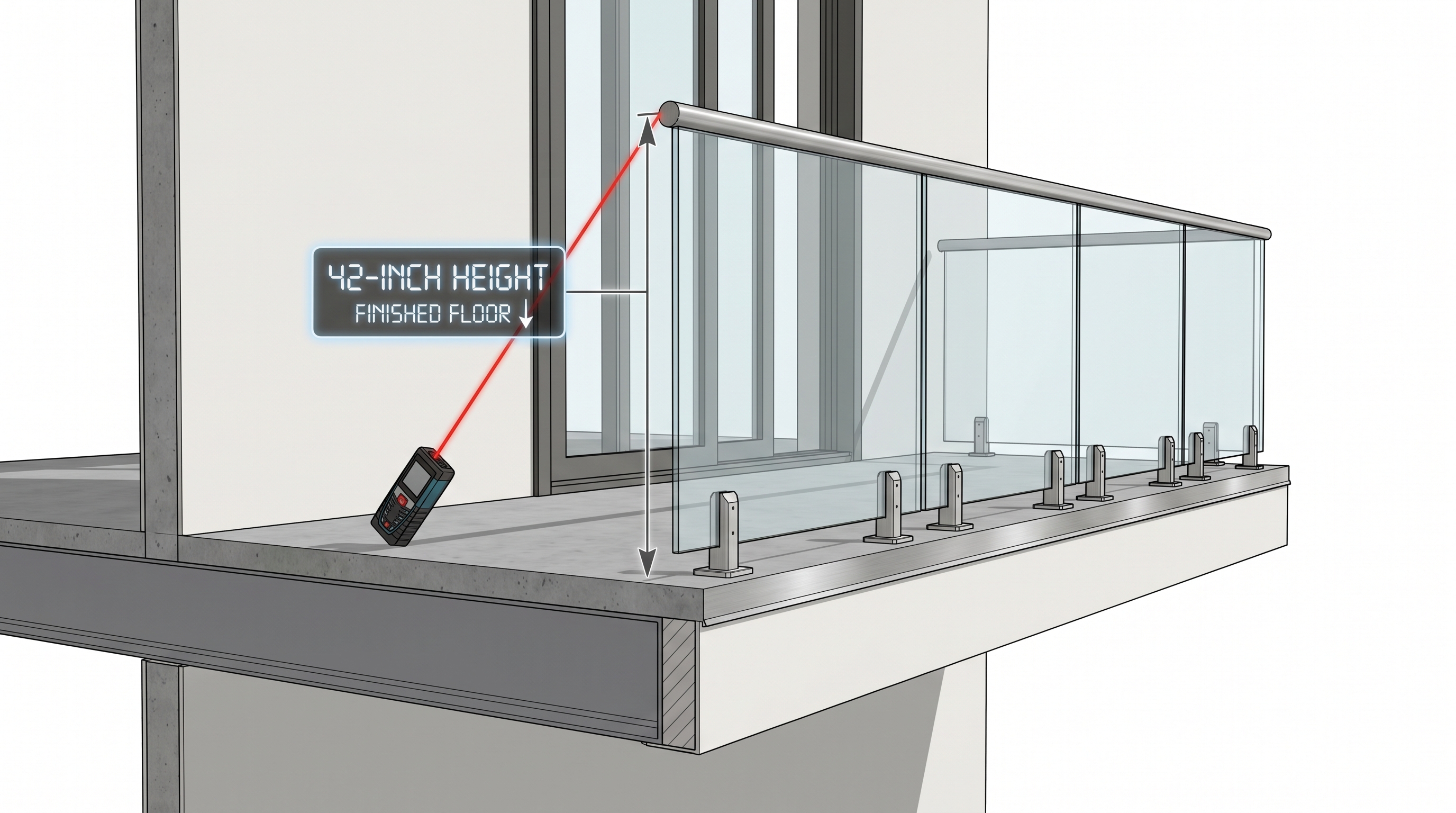
Building codes generally require glass railing systems to reach a minimum height of 36 inches for residential use and 42 inches for commercial applications. These measurements are taken from the finished floor surface to the top edge of the guard or handrail. Maintaining these heights ensures that the center of gravity of most adults remains below the top rail, preventing accidental over-the-rail falls.
Residential vs Commercial Standards
In private homes, a 36-inch barrier is typically sufficient to pass inspection for decks and balconies. However, high-occupancy buildings like hotels or offices must adhere to the 42-inch standard to account for higher traffic and diverse user heights.
Here’s the deal: code compliance is non-negotiable for insurance and occupancy permits.
- Residential: 36″ minimum height.
- Commercial: 42″ minimum height.
- Pools: Often 48″ or higher.
If you are unsure about local requirements, consulting with a firm providing residential glass services can help clarify regional specifics.
Key Takeaway: You ensure full legal compliance and maximum occupant safety by adhering to the specific height mandates of your project’s occupancy type.
| Application | Required Height | Purpose |
|---|---|---|
| Single Family | 36 Inches | Standard fall protection |
| Multi-Family | 42 Inches | High-traffic security |
| Pool Enclosure | 48+ Inches | Restricted access |
Proper height specification is the first step in creating a legally defensible and safe architectural design.
Which glass railing systems offer the highest impact resistance?
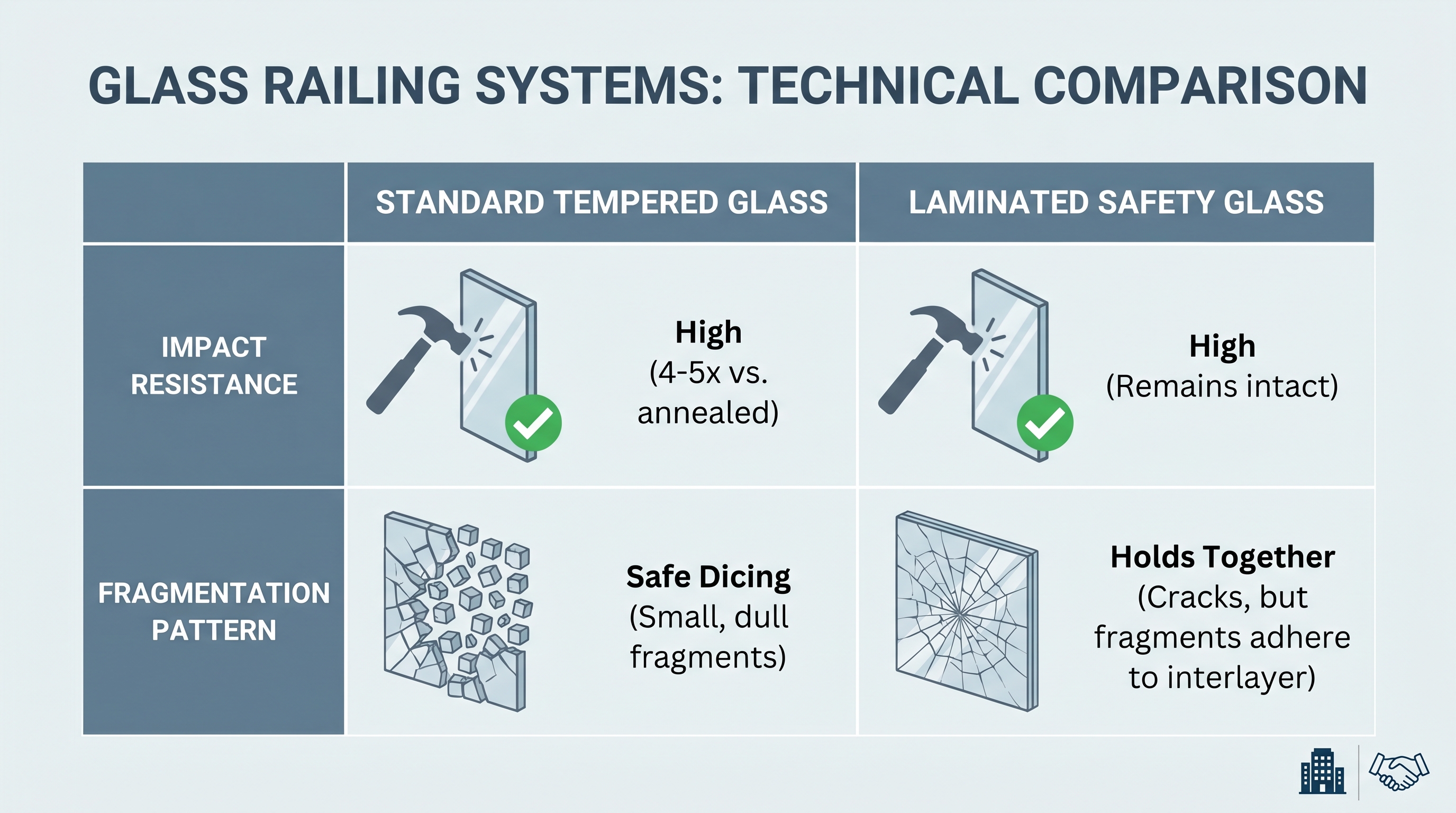
Laminated glass panels offer the highest impact resistance because the internal interlayer holds the glass fragments together even if a break occurs. While standard tempered glass is extremely strong, it is designed to shatter into small, harmless cubes upon impact. By choosing glass railing systems with a laminated core, you gain a secondary layer of protection that maintains the barrier’s integrity after a failure.
The Strength of Heat-Treated Panels
Most modern specifications call for glass that has been heat-strengthened or fully tempered to increase its load-bearing capacity. This process makes the glass four to five times stronger than standard annealed glass.
- Tempered: High strength, shatters safely.
- Laminated: Stays intact after breakage.
- Heat-Strengthened: Resists thermal stress.
But wait, there’s more to consider than just the glass itself; the mounting system must be equally robust.
Why Thickness Matters
The thickness of the panel—typically ranging from 1/2 inch to 3/4 inch—directly correlates with its ability to withstand wind loads and physical strikes. Frameless systems require thicker panels to ensure the glass can act as a structural member without bending.
Key Takeaway: You receive peace of mind knowing that even in the unlikely event of breakage, the system will remain a functional barrier.
| Glass Type | Impact Strength | Post-Break Behavior |
|---|---|---|
| Tempered | Very High | Shards fall out |
| Laminated | Extreme | Stays in frame |
| Annealed | Low (Not for rail) | Sharp shards |
Investing in laminated safety glass is the most effective way to ensure 24/7 barrier protection.
How do mounting surfaces secure glass railing systems?
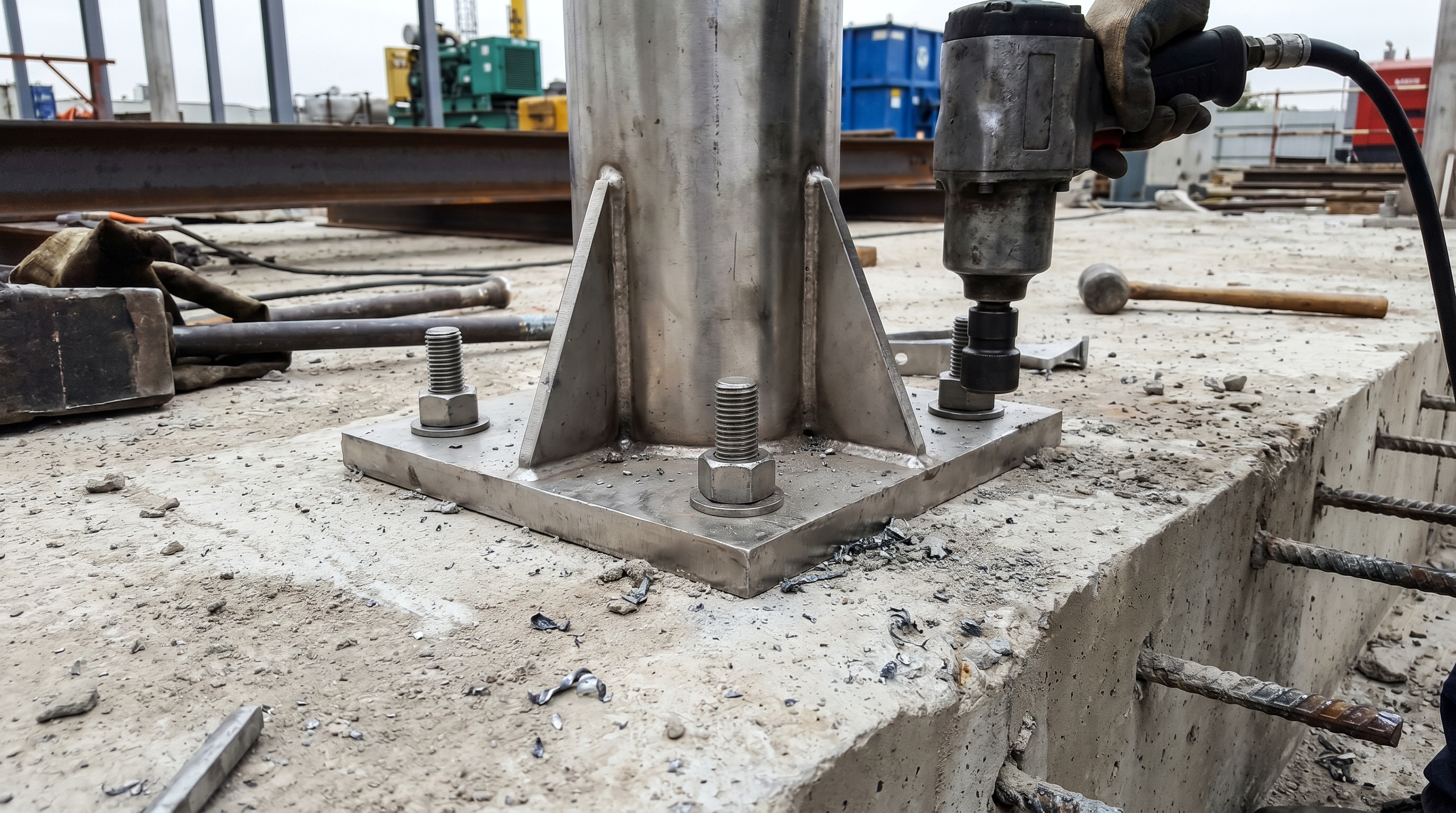
The security of glass railing systems depends on the structural integrity of the mounting surface, which must be able to handle concentrated torque and leverage. Whether you are bolting into concrete, steel beams, or reinforced wood joists, the substrate must be verified by an engineer. Partnering with an experienced commercial glass contractor in Toronto ensures that your anchors are deep enough to resist wind and crowd pressure.
Substrate Reinforcement Requirements
Standard flooring often requires additional blocking or steel plates to distribute the load of a heavy glass panel. Without proper reinforcement, the leverage exerted by the glass can crack the mounting surface or cause the hardware to migrate.
The best part? Modern hardware like base shoes can hide these reinforcements, maintaining a clean look.
- Concrete: Use expansion or adhesive anchors.
- Steel: Through-bolt for maximum shear strength.
- Wood: Requires solid structural blocking.
Anchor Spacing and Alignment
The distance between fasteners is calculated based on the height and weight of the glass. Precision alignment is critical because even a millimeter of deviation at the base can result in a significant lean at the top of the panel.
Key Takeaway: You ensure a lifetime of stability by prioritizing the hidden engineering within the mounting surface before the glass is ever installed.
| Mounting Substrate | Fastener Type | Critical Check |
|---|---|---|
| Concrete Slab | Epoxy Anchors | PSI Strength |
| Steel I-Beam | Machine Bolts | Tap & Thread Depth |
| Wood Deck | Through-Bolts | Blocking Presence |
A railing is only as strong as what it is attached to; never cut corners on substrate preparation.
Do your glass railing systems require a top handrail?
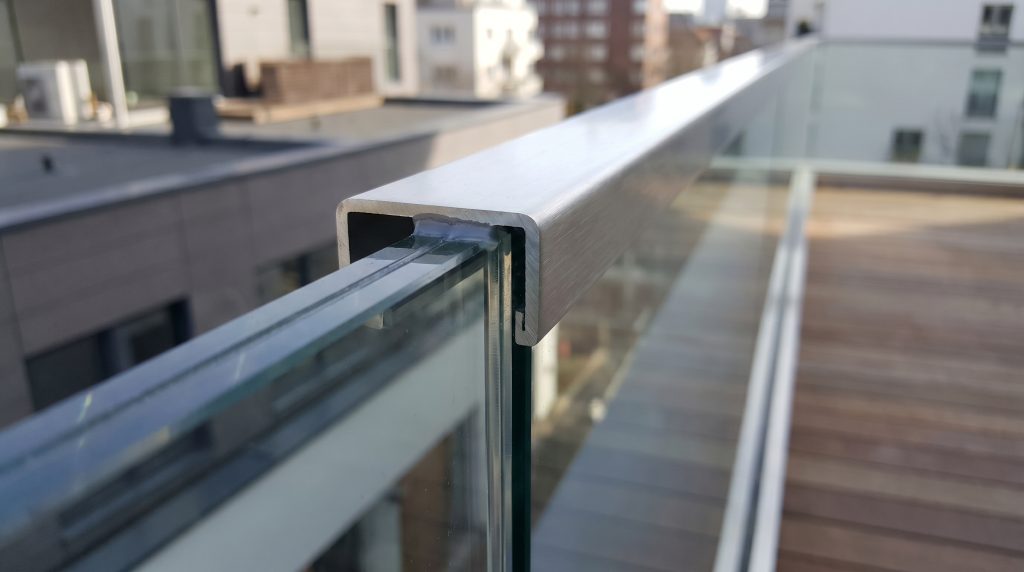
A top handrail is often a code requirement for glass railing systems as it provides a secondary load path and a graspable surface for users. Integrating a cap rail ties individual glass panels together, which significantly increases the overall stiffness of the guard. When you specify glass railing systems, the choice of a top rail can determine whether the system is classified as a “structural” or “non-structural” guard.
Structural Benefits of Cap Rails
A metal U-channel cap rail protects the top edge of the glass from impact, which is the panel’s most vulnerable point. It also ensures that if one panel fails, the adjacent panels support the remaining load through the rail connection.
- Protects glass edges from chipping.
- Reduces panel deflection under load.
- Meets graspability requirements for stairs.
Here’s the deal: a top rail isn’t just a safety feature; it’s a design element that can define the perimeter.
Frameless Options and Exceptions
In some jurisdictions, you can skip the top rail if you use specialized laminated glass with a rigid structural interlayer. However, most commercial projects still prefer the added security and visual boundary that a sleek stainless steel or wood rail provides.
Key Takeaway: You enhance the structural lifespan of the installation and meet all graspability codes by including a high-quality top rail.
| Rail Option | Safety Benefit | Aesthetic Impact |
|---|---|---|
| U-Channel Cap | Edge protection | Modern/Industrial |
| Offset Handrail | Graspability | Transitional |
| No Rail | View clarity | Minimalist |
Integrating a rail provides the necessary “grab point” that people naturally look for in an emergency or loss of balance.
How often should you inspect glass railing systems?
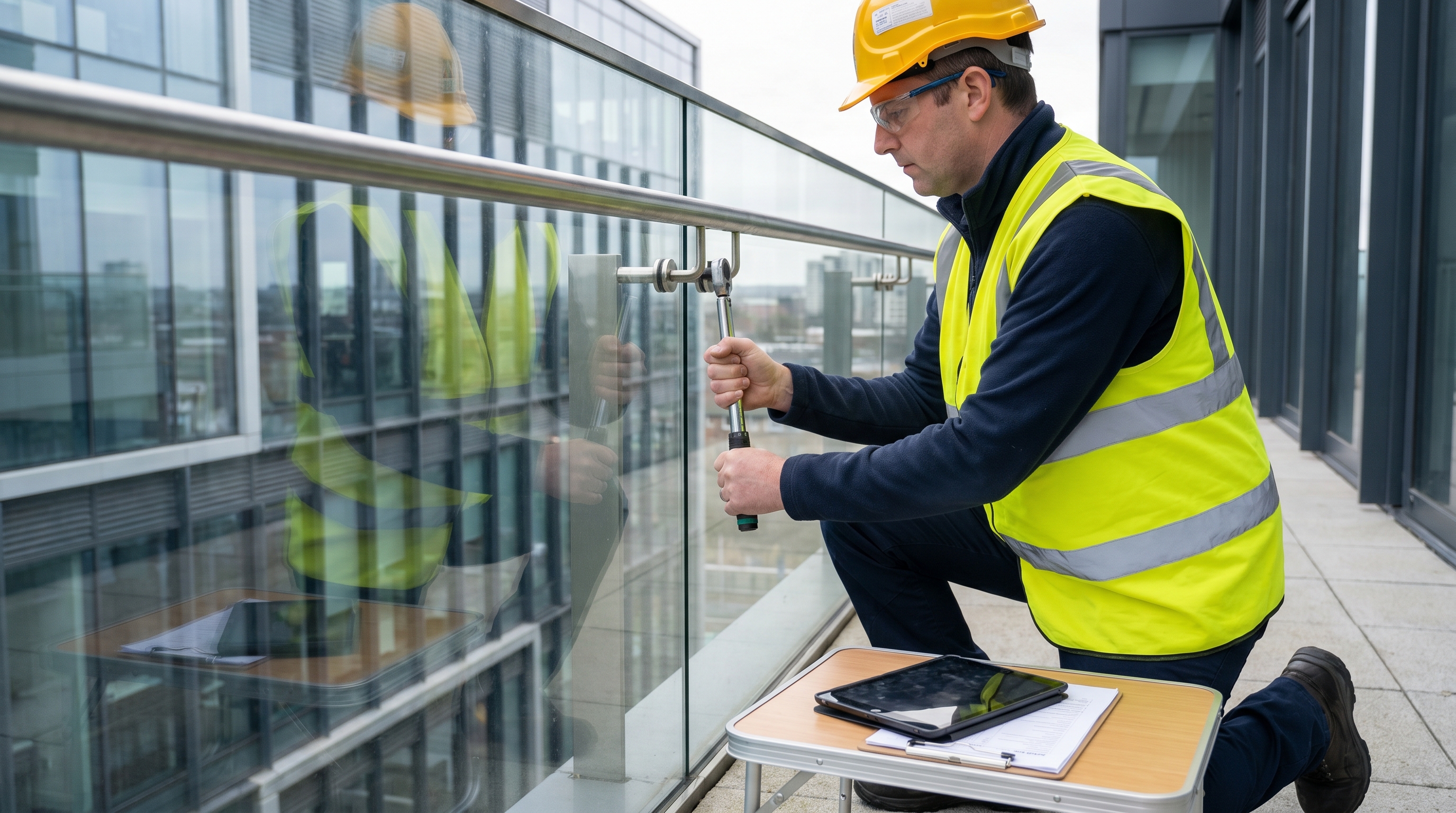
You should perform a formal safety inspection of glass railing systems at least twice a year to check for loose hardware or glass degradation. These inspections focus on the tension of the mounting anchors and the condition of the gaskets that prevent metal-to-glass contact. Regular oversight ensures that the tempered glass remains securely seated and that environmental stressors haven’t compromised the structural fasteners.
Identifying Hardware Migration
Over time, vibration and thermal expansion can cause mounting bolts or standoff pins to loosen slightly. An inspector will look for any movement in the base shoe or spigots when pressure is applied to the top of the panel.
- Check for “creaking” sounds.
- Verify gasket alignment.
- Inspect for hardware oxidation.
Think about it. A five-minute check today can prevent an expensive structural failure six months from now.
Assessing Glass Edge Integrity
While the face of the glass is tough, the edges are sensitive to chips. Small “nick” marks on the edge can eventually turn into stress fractures that cause the entire panel to spontaneously break.
Key Takeaway: You minimize liability and avoid unexpected replacement costs by catching small hardware adjustments before they become safety hazards.
| Inspection Point | Frequency | Warning Sign |
|---|---|---|
| Anchors | Bi-Annually | Visible movement |
| Glass Edges | Bi-Annually | Chipping or nicks |
| Gaskets | Annually | Brittle or missing |
Proactive maintenance is the hallmark of a well-managed B2B facility.
Can coatings protect your glass railing systems?
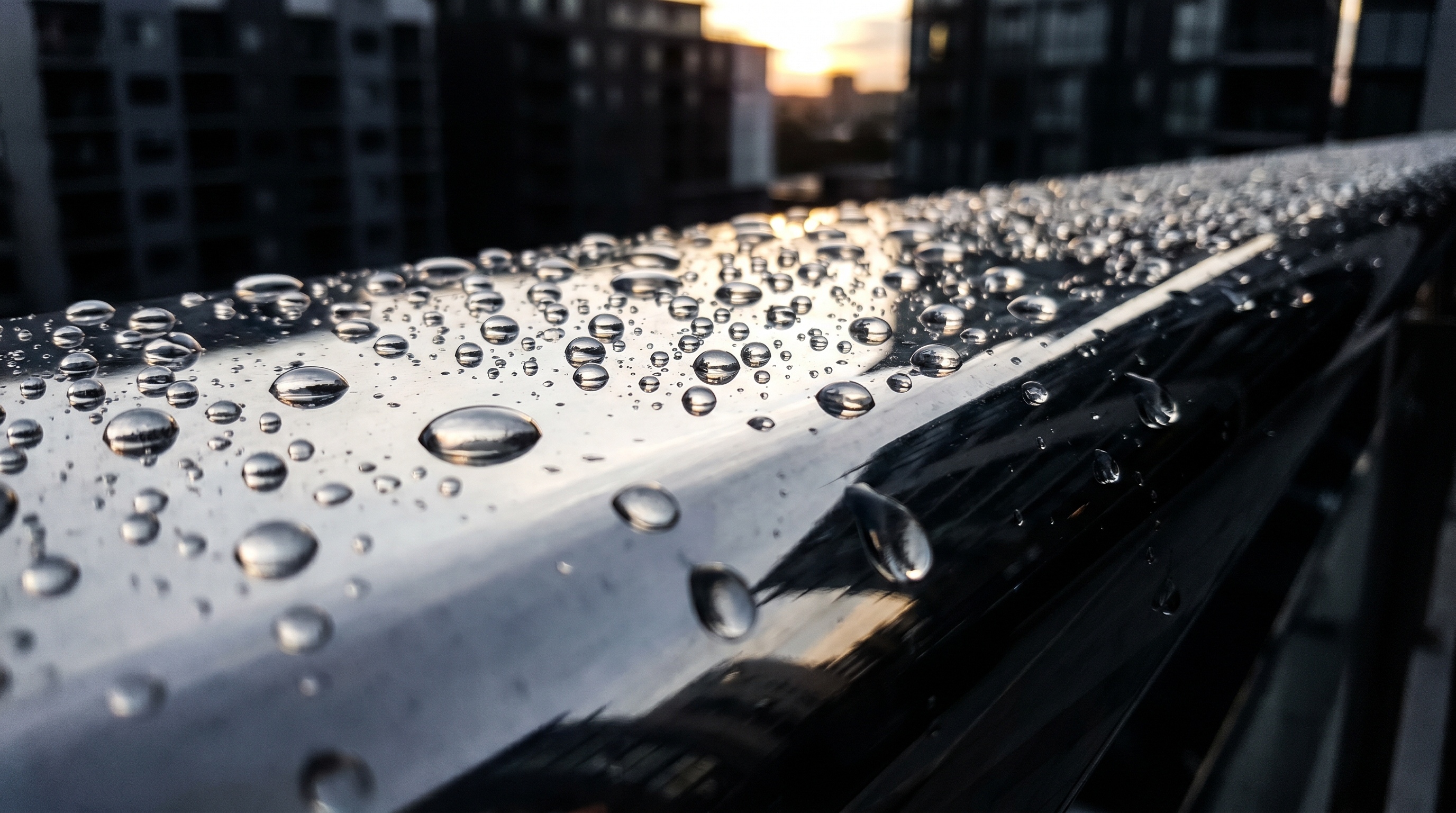
Hydrophobic coatings protect glass railing systems by creating a non-stick surface that repels water, salt spray, and minerals. These professional-grade treatments fill the microscopic pores of the glass, preventing “pitting” and permanent staining from environmental contaminants. When you manage high-end glass railing systems, applying a protective sealant can reduce your long-term maintenance costs by up to 50%.
Repelling Contaminants
In coastal or high-pollution areas, salt and smog can etch into the glass surface, making it look cloudy and difficult to clean. A hydrophobic coating causes water to bead up and roll off, taking dirt with it.
- Resists 90% of environmental staining.
- Reduces cleaning frequency.
- Prevents hard water buildup.
The best part? These coatings also add a layer of scratch resistance to keep the panels looking new.
Ease of Maintenance
Coated glass requires significantly less scrubbing to achieve a crystal-clear finish. Often, a simple rinse with water and a soft cloth is enough to remove standard dust and debris without the need for harsh chemical agents.
Key Takeaway: You save significant labor hours and preserve the transparency of your investment by specifying factory-applied protective coatings.
| Feature | Coated Glass | Uncoated Glass |
|---|---|---|
| Cleaning Effort | Low (Rinse only) | High (Scrubbing) |
| Stain Resistance | High | Low |
| Longevity of Clarity | 10+ Years | Variable |
Protective sealants are the secret to maintaining the “day-one” look of architectural glass in harsh environments.
How can you easily clean your glass railing systems?
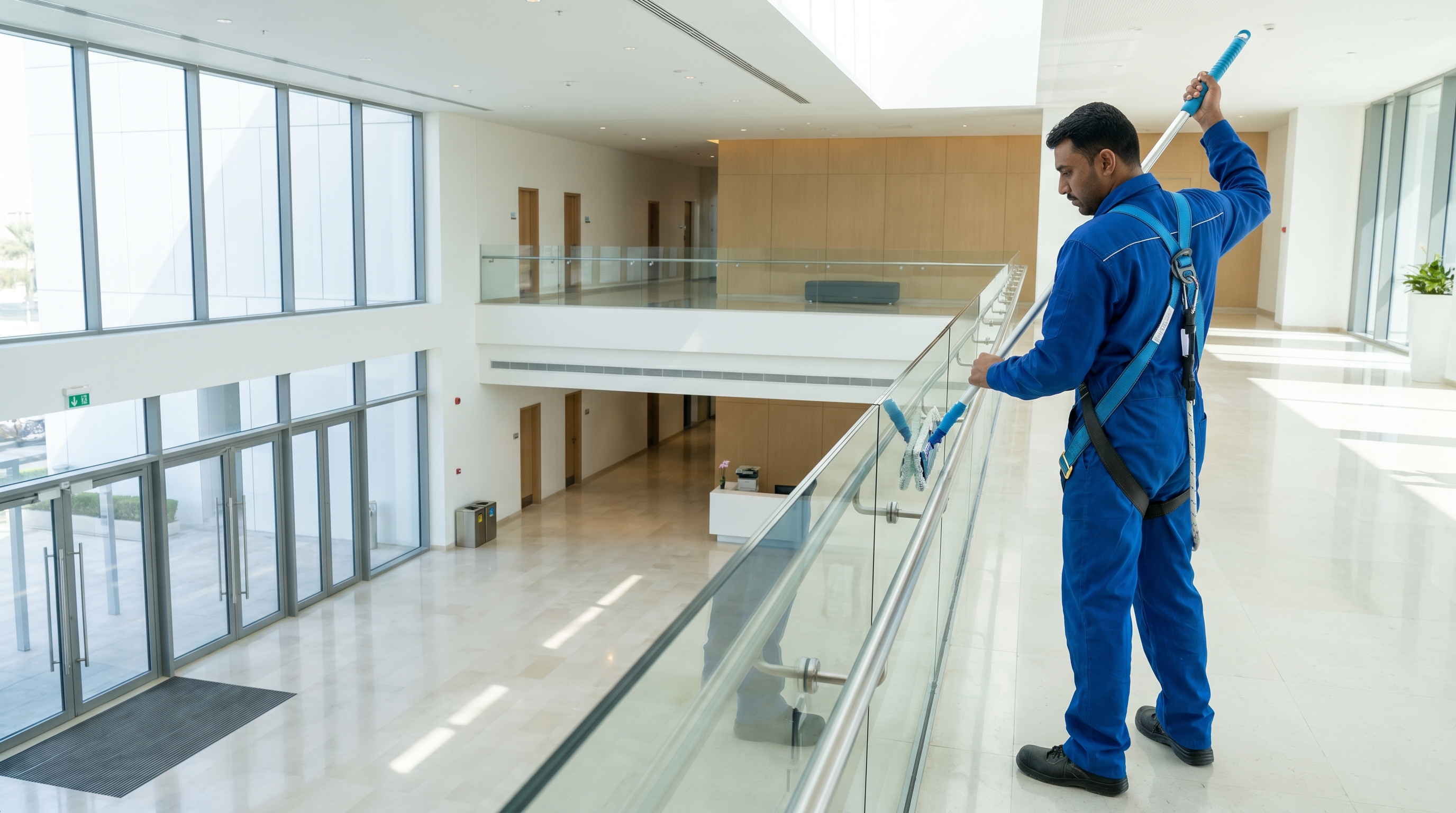
Cleaning glass railing systems is best achieved using ammonia-free cleaners and soft microfiber cloths to avoid scratching the surface. Regular maintenance should start with a gentle water rinse to remove abrasive grit before any wiping occurs. For larger B2B installations, using an extendable squeegee allows staff to safely clean the exterior of the panels without leaning over the rail. If your system uses laminated glass, ensure that cleaning agents do not saturate the edges where the interlayer is exposed.
Routine Cleaning Protocols
For interior panels, a weekly dusting and a monthly wet-clean are usually sufficient to maintain clarity. Exterior panels may require more frequent attention depending on local weather patterns and pollen levels.
- Rinse with low-pressure water.
- Apply mild, pH-balanced soap.
- Squeegee from top to bottom.
- Dry edges with a microfiber cloth.
Here’s the deal: using the wrong tools, like metal scrapers or abrasive pads, will permanently ruin the glass finish.
Hard-to-Reach Maintenance
Safety must remain the priority during the cleaning process. Facility managers should provide staff with telescoping poles and specialized glass-cleaning sleeves to reach high or exterior surfaces from a stable floor position.
Key Takeaway: You maintain the professional image of your building and extend the life of the glass by following a disciplined, non-abrasive cleaning schedule.
| Tool Type | Recommended | Prohibited |
|---|---|---|
| Cloth | Microfiber | Steel Wool |
| Cleaner | Ammonia-Free | Acidic Bleach |
| Technique | Squeegee | Circular Scrubbing |
Simple, consistent care is all that is required to keep your vistas unobstructed and your glass sparkling.
Do climates impact outdoor glass railing systems?
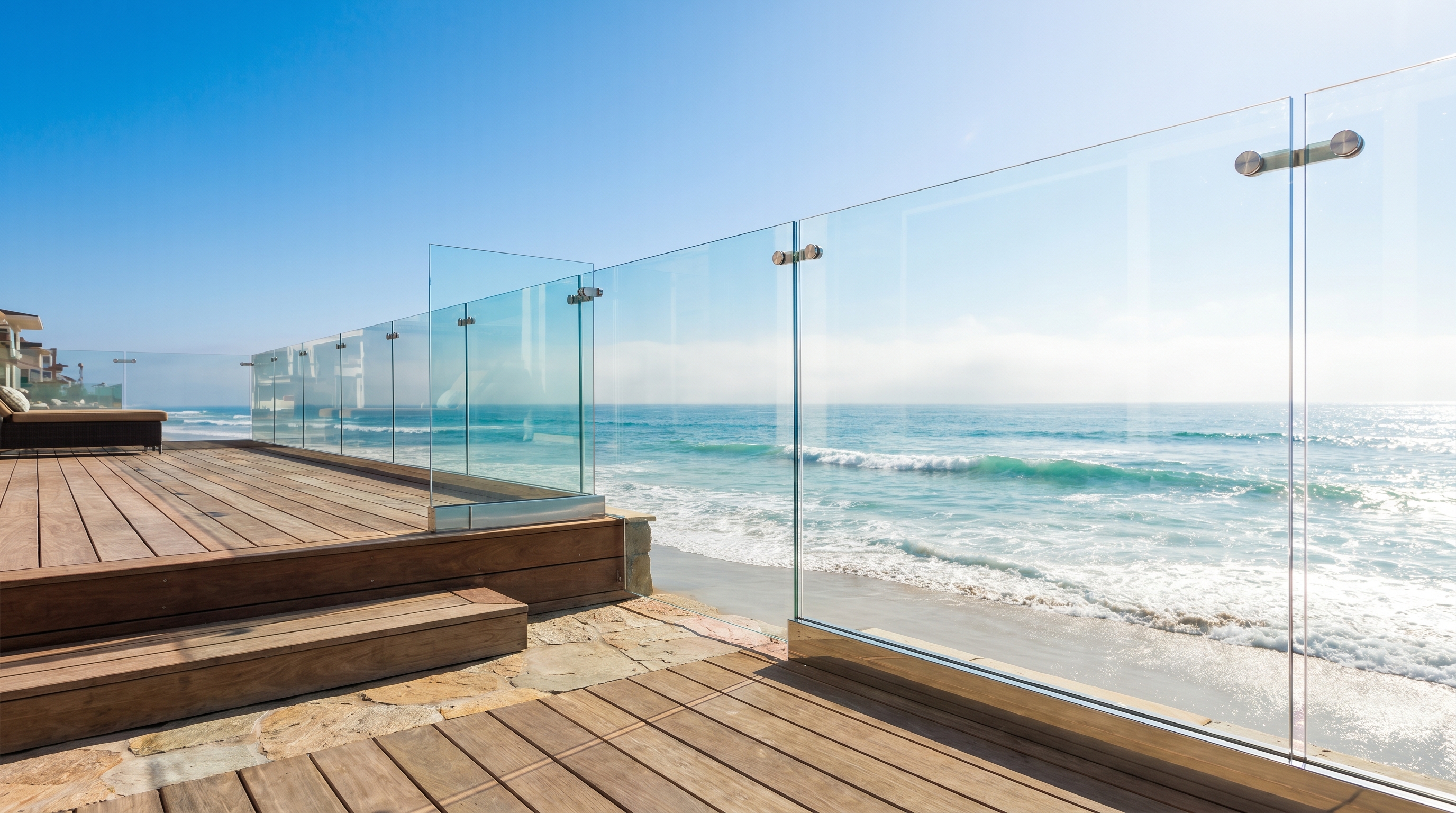
Climate impacts glass railing systems through thermal expansion and the corrosive effects of salt or humidity on metal hardware. High-wind zones require thicker glass and more frequent anchor spacing to resist the lateral pressure of storm gusts. When specifying glass railing systems for coastal environments, it is essential to use Marine Grade (316) stainless steel to prevent rust and tea-staining.
Thermal Stress and Expansion
Glass expands and contracts with temperature swings. Proper installation must include expansion joints and flexible gaskets that allow the panels to move without pressing against the rigid metal frames, which could cause breakage.
- High-heat areas: Use heat-strengthened glass.
- Freeze-thaw zones: Ensure drainage in base shoes.
- High-wind zones: Increase glass thickness.
But wait, there’s more; salt air is an invisible enemy that can eat through standard grade metals in months.
Corrosion in Coastal Zones
Salt spray is highly corrosive to lower-grade stainless steel. Specifying 316-grade hardware ensures that your posts and base shoes remain structurally sound and visually appealing even in direct oceanfront applications.
Key Takeaway: You avoid structural failure and aesthetic degradation by matching your material specifications to the local environmental stressors.
| Climate Factor | Primary Risk | Mitigation Strategy |
|---|---|---|
| Oceanfront | Hardware corrosion | 316 Stainless Steel |
| Extreme Heat | Thermal fracture | Heat-treating glass |
| High Wind | Panel deflection | Laminated interlayers |
Environmental awareness during the design phase prevents costly “re-do” projects in the future.
How do glass railing systems increase property value?
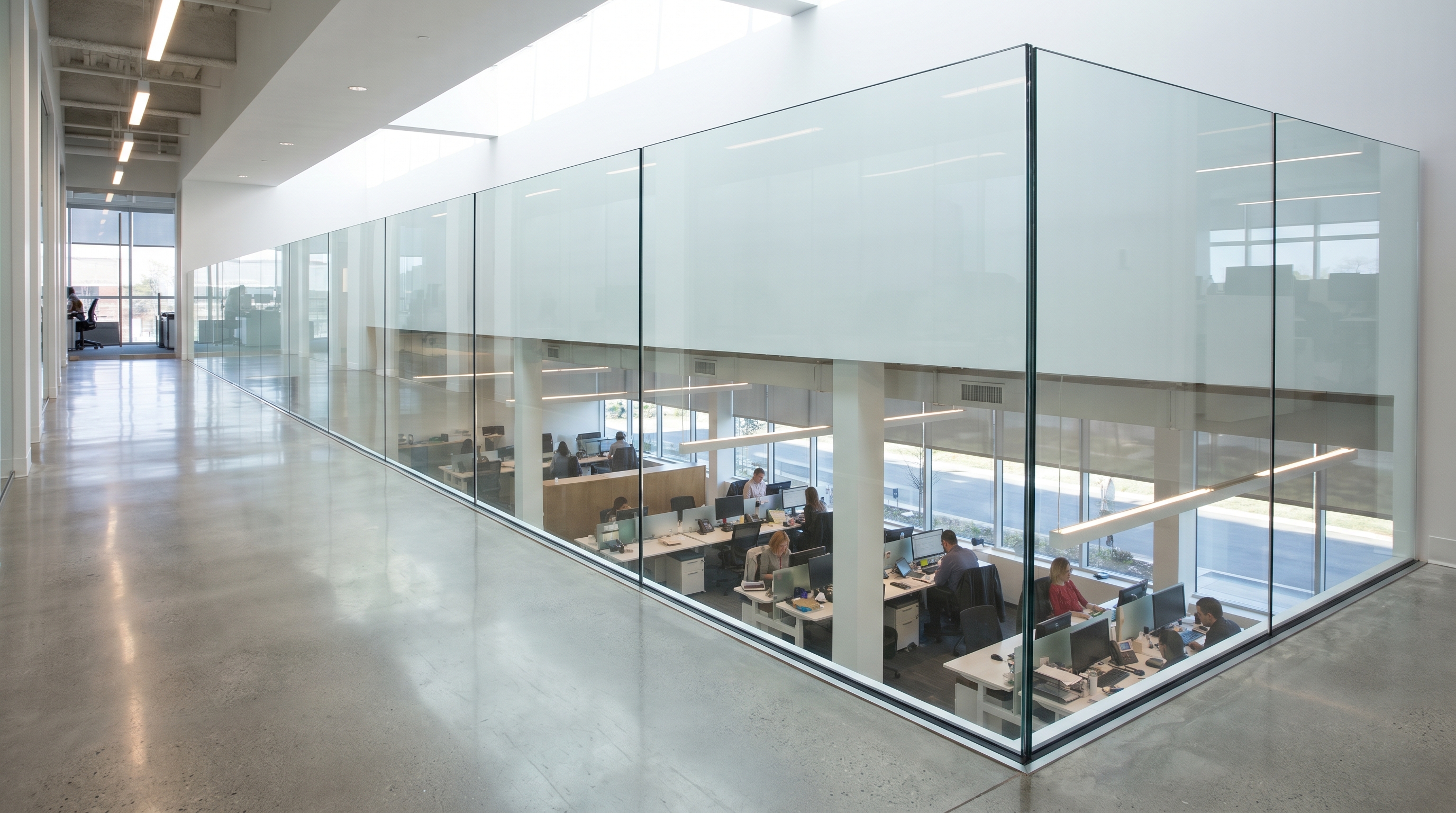
Glass railing systems increase property value by maximizing natural light and providing the modern aesthetic that high-end tenants and buyers demand. Unobstructed views are a premium feature in both commercial and residential real estate, often allowing owners to command higher rents or sale prices. Beyond the visual appeal, the long-term durability and safety rating of these glass railing systems signal a commitment to quality and modern architectural standards.
Maximizing Natural Light
Open floor plans benefit significantly from glass barriers, as they allow light to penetrate deep into the interior of a building. This reduces the need for artificial lighting and creates a more inviting, productive environment for employees.
- Increases usable light.
- Enhances room perceived size.
- Modernizes aging structures.
Think about it. A dark, enclosed balcony feels like a cage; a glass-wrapped balcony feels like an extension of the living space.
ROI and Long-Term Value
While the initial investment may be higher than wood or wire, the lack of recurring painting, staining, or rot repair makes glass a cost-effective long-term choice. The timeless design ensures that the property won’t look “dated” in a decade.
Key Takeaway: You capture higher market value and lower your lifecycle maintenance costs by choosing glass as your primary guardrail material.
| Value Driver | Impact | Long-Term Result |
|---|---|---|
| Curb Appeal | Immediate | Faster leasing/sales |
| Maintenance | Low | Lower OpEx |
| Durability | High | Reduced CapEx over 20 years |
Investment in transparency pays dividends in both occupant satisfaction and financial returns.
Safeguard Your Architectural Vision
Maintaining the safety and clarity of your architectural glass requires a partner who understands the intersection of engineering and design. We specialize in providing custom-to-blueprint solutions that meet rigorous safety standards while delivering the sleek, modern look your project demands.
Our brand stance is rooted in the belief that safety should never come at the expense of beauty; we provide the precision-engineered components that make “invisible” protection possible. To secure your facility and enhance your property’s value, contact us today to discuss your specific project requirements.
Frequently Asked Questions
Can I install glass railing on an existing wood deck?
Yes, provided the structural framing is reinforced to handle the weight and torque of the glass. You must ensure that the wood joists are in good condition and add structural blocking where the hardware will be anchored.
What is the best way to remove hard water spots from my railing?
A mixture of water and white vinegar is the most effective natural solution for dissolving mineral deposits. For persistent spots, use a specialized, non-abrasive hard water stain remover designed for architectural glass.
How do I know if my glass is actually safety-rated?
Every safety-rated glass panel must have a permanent “bug” or etched logo in the corner indicating its compliance with standards like ANSI Z97.1. If the glass lacks this permanent marking, it may not meet the safety requirements for a guardrail.
Can glass railing break spontaneously?
It is extremely rare but possible if the glass has nickel sulfide inclusions or if it was installed without proper expansion gaskets. Using heat-soaked tempered glass significantly reduces the risk of spontaneous breakage to nearly zero.
Is glass railing harder to maintain than cable railing?
No, because glass is a solid surface that can be wiped clean in minutes. Cable railing requires frequent tensioning of the lines and detailed cleaning of each individual strand and fitting to prevent rust.