The primary difference between these materials is that tempered glass is a safety-treated product designed to crumble into blunt grains upon impact, whereas regular glass is an annealed material that shatters into dangerous, razor-sharp shards. Choosing the wrong glazing for your commercial or residential project can lead to massive liability risks and frequent, costly replacements.
You might worry about the durability of your storefront or the safety of your family near large sliding doors. By understanding the nuances of Tempered Glass vs Regular Glass, you can invest in solutions that provide long-term peace of mind and structural integrity.
1. What is the main Tempered Glass vs Regular Glass difference?
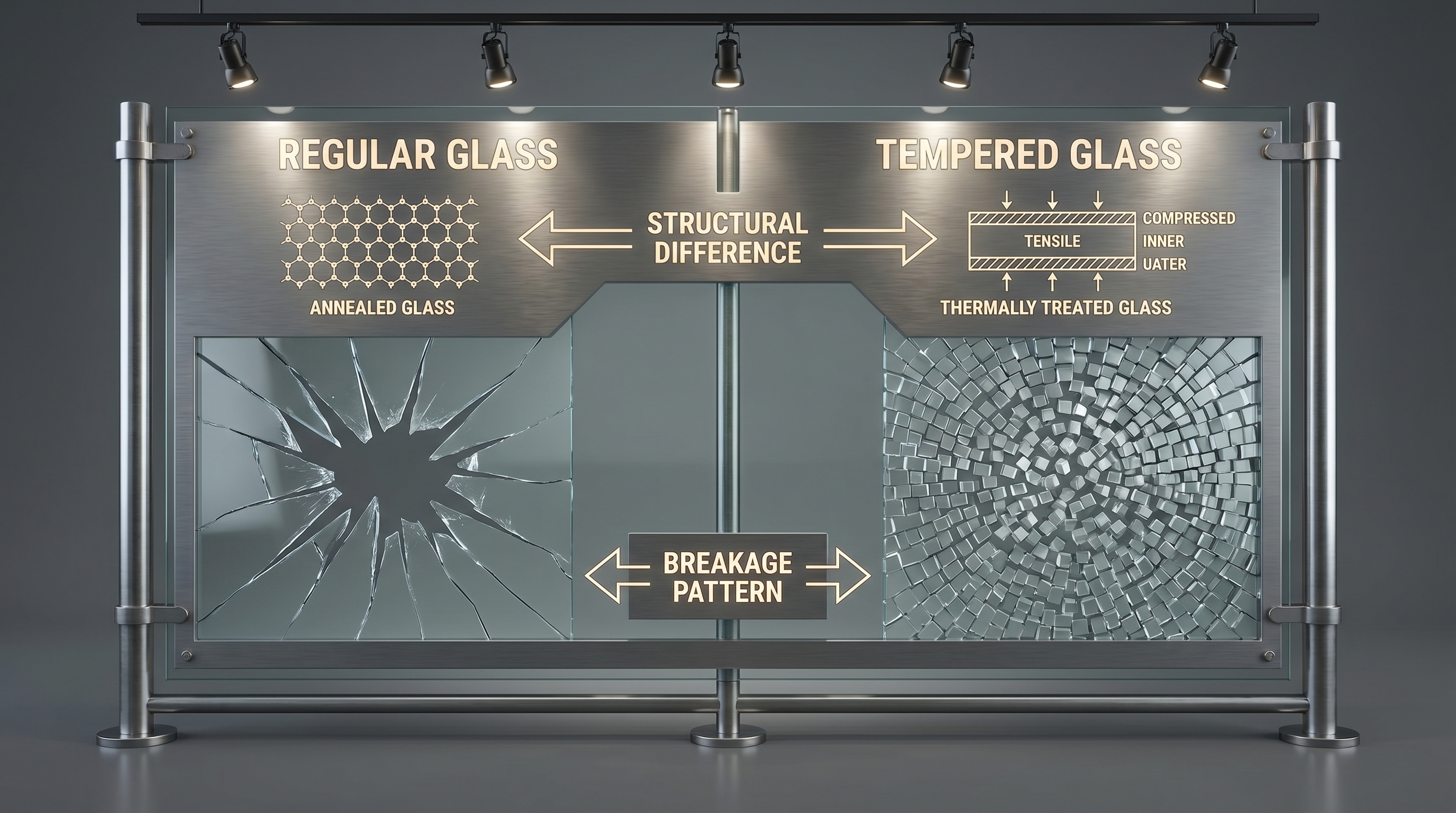
The fundamental difference between Tempered Glass vs Regular Glass lies in the structural tension created during the cooling process. Regular glass, often called annealed glass, is cooled slowly to relieve internal stresses, making it easy to handle but relatively fragile. You will find that this material is the standard base for most glass products before they undergo further specialized treatments.
Understanding the Annealed Foundation
Annealed glass serves as the starting point for almost every window or decorative panel you see today. Because it is cooled at a controlled rate, the molecular structure remains uniform without high internal pressure. You can easily recognize this in basic picture frames or small cabinet inserts where high-strength isn’t a priority.
Think about it:
- Cooled slowly in a “lehr” oven.
- Low internal stress profile.
- Easier to cut and shape.
- Economical for low-risk zones.
Key Takeaway: Regular glass is the affordable, versatile standard used for applications where impact and safety are not primary concerns.
The Toughened Safety Alternative
Tempered glass is essentially regular glass that has been “supercharged” through a secondary heating and rapid cooling cycle. This process creates a compressed outer surface and a tensioned core, which changes the physics of how the panel reacts to force. You should choose this whenever human contact with the glass is likely.
The best part?
- Higher resistance to bending.
- Increased surface hardness.
- Safer breakage characteristics.
- Compliance with modern safety codes.
Key Takeaway: Tempered glass provides a necessary safety upgrade for high-traffic environments by altering the physical properties of the raw material.
| Feature | Regular Glass | Tempered Glass |
|---|---|---|
| Cooling Speed | Very Slow | Rapid Quenching |
| Internal Stress | Minimal | High Compression/Tension |
| Primary Goal | Versatility | Impact Safety |
Our analysis shows that while both start from the same raw materials, the structural “memory” of tempered glass makes it inherently superior for security.
2. How is Tempered Glass vs Regular Glass manufactured?
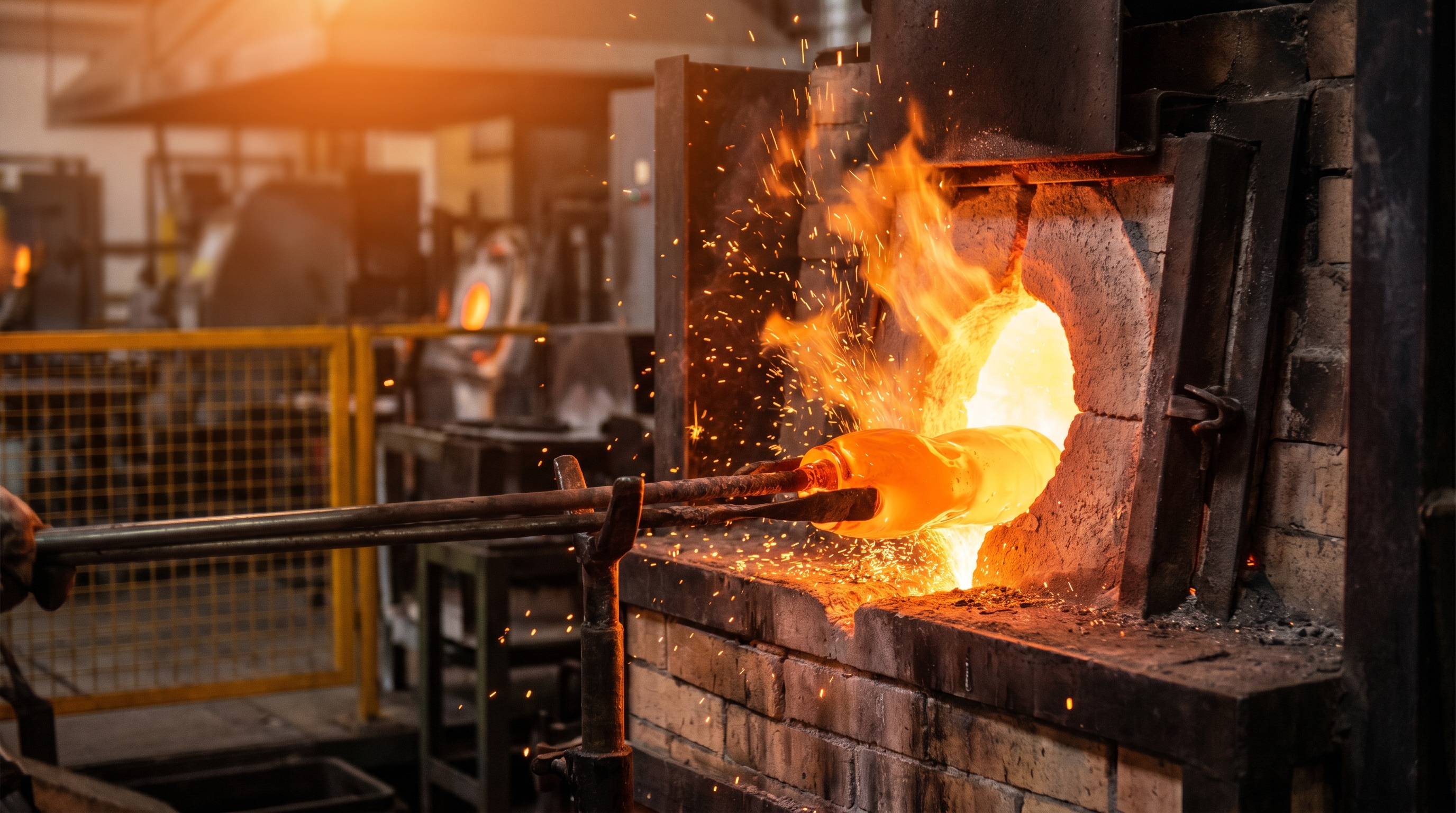
The manufacturing of Tempered Glass vs Regular Glass differs significantly during the thermal treatment phase. To create regular glass, molten materials are floated on tin and then slowly cooled to room temperature. However, to produce the tempered version, the glass must be reheated to nearly 1,200°F and then blasted with high-pressure cool air.
The Annealing Cycle Explained
The production of regular glass involves a “lehr” which is a long, temperature-controlled kiln. This allows the glass to reach a state of equilibrium, preventing it from cracking due to temperature gradients during the cooling phase. You will notice that this results in a very flat, clear surface that is free of the distortions sometimes found in heat-treated panels.
Look:
- Float glass technology.
- Controlled thermal release.
- Consistent molecular density.
- Smooth, unblemished finish.
Key Takeaway: The manufacturing of regular glass focuses on optical clarity and workability through a slow, stress-relieving thermal journey.
The Intense Quenching Process
To transform that annealed sheet into safety glass, technicians place it in a specialized furnace for rapid quenching. The surface is cooled much faster than the center, which “locks” the outer layers in a state of compression while the inside remains in tension. This specific balance is what gives the glass its legendary resilience and unique fracture pattern.
Wait, there’s more:
- High-temperature reheating.
- Simultaneous air blasting.
- Precise timing requirements.
- Final structural hardening.
Key Takeaway: Tempering is a precision-based secondary manufacturing step that permanently alters the glass’s internal physics for maximum durability.
| Step | Regular Glass | Tempered Glass |
|---|---|---|
| Max Temperature | Melting point cooling | 620°C (Reheating) |
| Cooling Method | Natural radiation | High-pressure air jets |
| Resulting State | Relaxed | Permanently Stressed |
The manufacturing data indicates that tempering adds an essential layer of processing that regular glass simply does not undergo.
3. Is safety better with Tempered Glass vs Regular Glass?
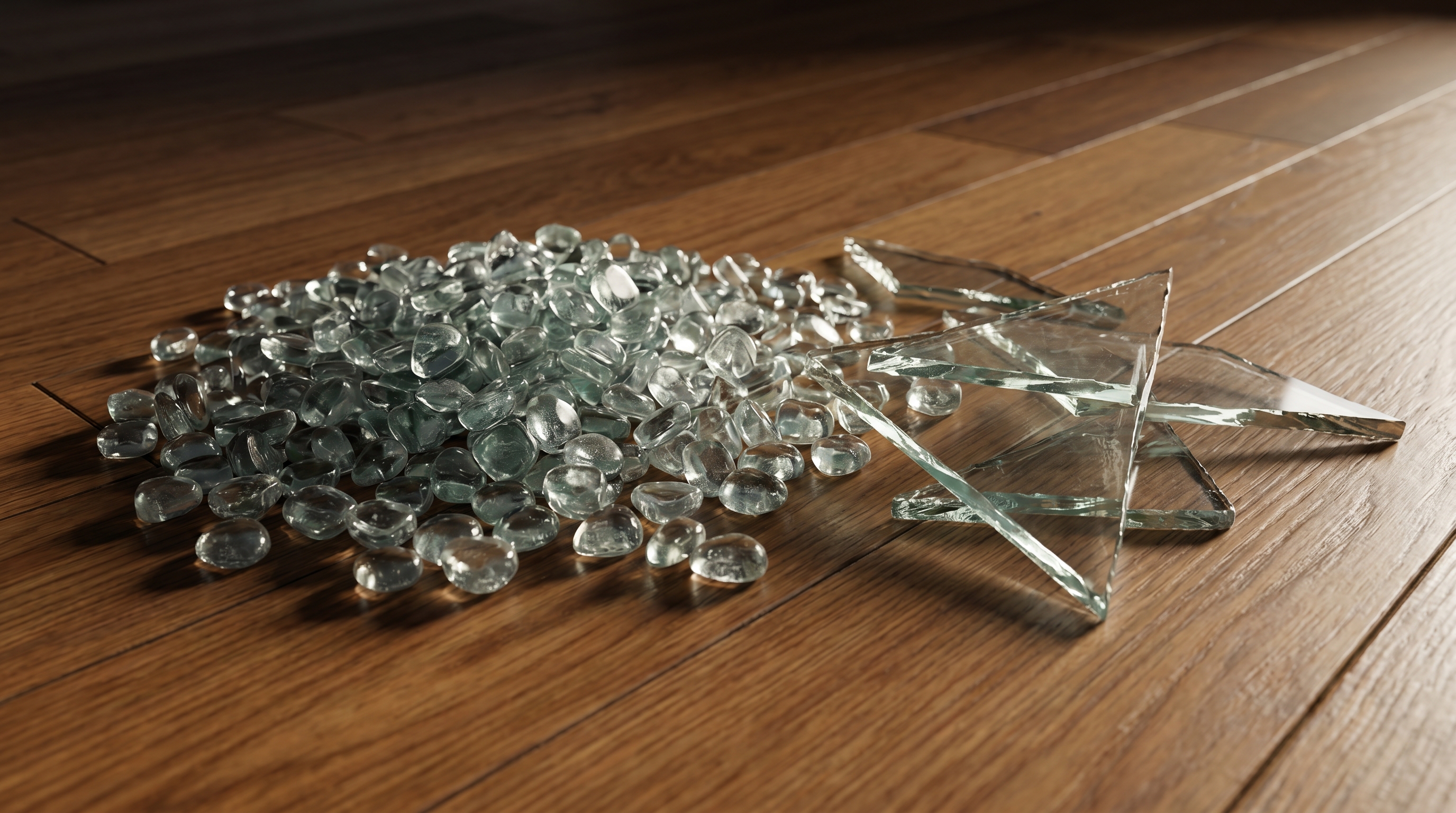
Safety is the most critical factor when comparing Tempered Glass vs Regular Glass because of how they fail. When regular glass breaks, it creates large, jagged “shards” that can be lethal or cause severe deep-tissue injury. In contrast, tempered glass is designed to fail into thousands of tiny, blunt pebbles that are highly unlikely to cause serious harm.
The Danger of Annealed Shards
Regular glass breakage is unpredictable and dangerous because the shards tend to remain large and sharp. These pieces can fall from a frame like a guillotine, posing a major risk to anyone nearby. You should never use regular glass in areas where a person might accidentally fall through the pane, such as low windows or shower doors.
Think about it:
- Large, razor-sharp edges.
- High risk of laceration.
- Difficulty in cleaning.
- Liability for property owners.
Key Takeaway: Regular glass breakage creates a hazardous environment that necessitates immediate and cautious remediation.
The Pebble Effect of Safety Glass
Tempered glass is often referred to as “safety glass” because of its granular breakage pattern. Because the internal tension is released all at once, the entire pane crumbles into small, relatively harmless chunks. You can easily sweep up these blunt fragments without the high risk of getting cut, which is vital for public spaces.
The best part?
- Blunt, pebble-like pieces.
- Reduced risk of deep cuts.
- predictable failure mode.
- Industry-standard for safety.
Key Takeaway: The “crumble” mechanism of tempered glass is its most valuable safety feature, preventing life-threatening injuries during accidents.
| Failure Mode | Regular Glass | Tempered Glass |
|---|---|---|
| Break Pattern | Random long shards | Uniform small granules |
| Edge Sharpness | Extremely High | Low to Moderate |
| Risk Level | High (Critical) | Low (Non-life threatening) |
Analysis of impact tests proves that tempered glass is the only responsible choice for architectural safety and risk mitigation.
4. Which is stronger: Tempered Glass vs Regular Glass?
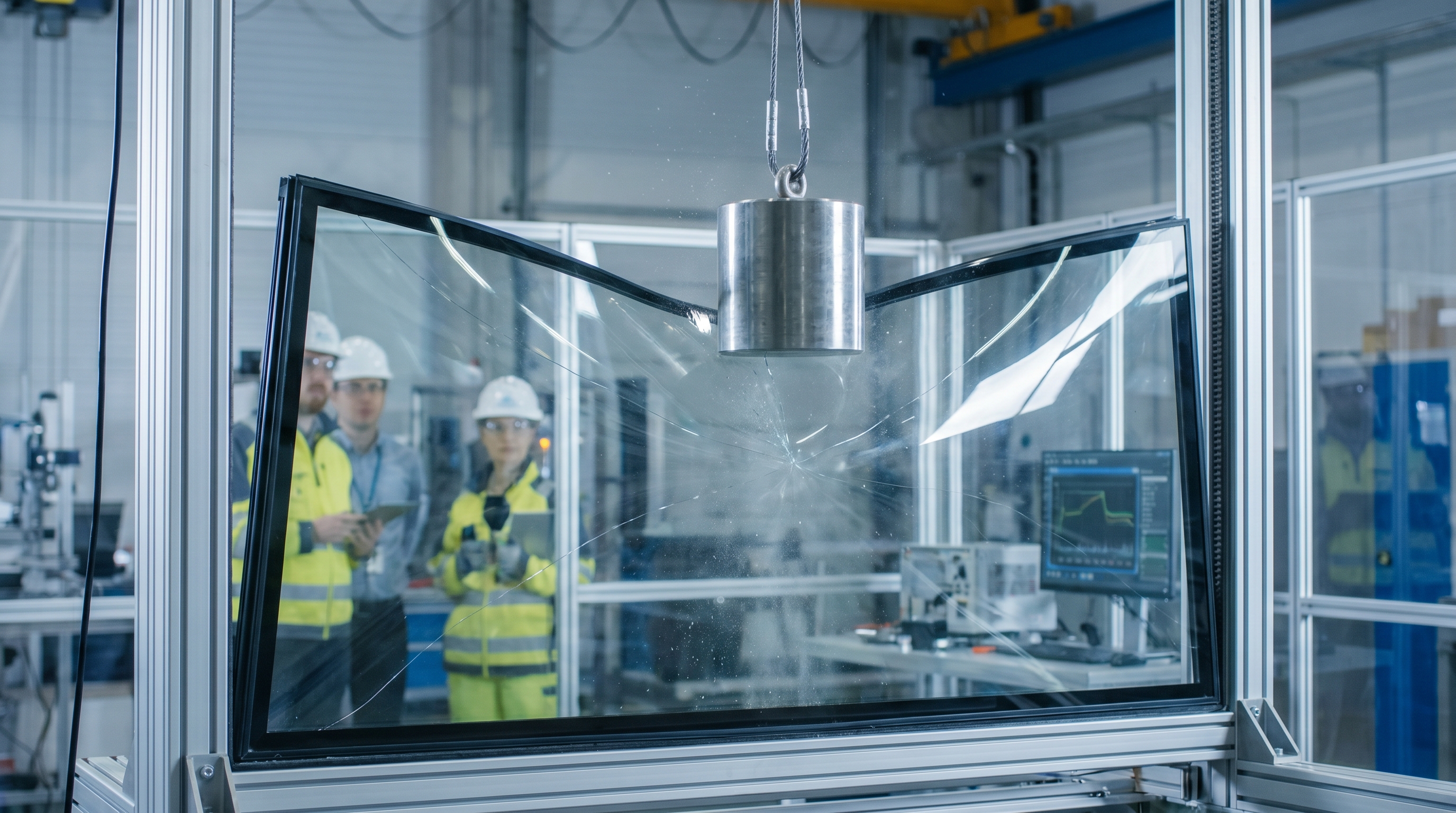
When testing the physical limits of Tempered Glass vs Regular Glass, tempered options are roughly four to five times stronger. While regular glass might crack under a moderate wind load or a minor accidental bump, tempered panels can withstand significant pressure. This strength makes it ideal for structural applications where the glass must support its own weight or external forces.
Measuring Tensile and Compressive Strength
The strength of tempered glass comes from the “sandwich” of compression on the outside and tension on the inside. This structural arrangement allows the glass to flex further than regular glass before it reaches its breaking point. You will find that this resilience is particularly useful in skyscrapers where wind pressure is a constant variable.
Here is the kicker:
- 10,000 PSI surface compression.
- 4x higher impact resistance.
- Better load-bearing capacity.
- Resistance to deflection.
Key Takeaway: The internal physics of tempered glass allow it to absorb energy that would immediately shatter a standard annealed pane.
The Fragility of Standard Panes
Regular glass lacks the internal reinforcement needed to survive high-impact scenarios. Even a small stone or a heavy bird strike can be enough to crack a regular window pane from edge to edge. You must account for this fragility when designing spaces that will experience high traffic or potential environmental debris.
Look:
- Prone to stress fractures.
- Low tolerance for impact.
- Breaks under sudden pressure.
- Requires thicker panes for strength.
Key Takeaway: Regular glass is functionally limited by its inability to withstand common mechanical stresses without failing.
| Metric | Regular Glass | Tempered Glass |
|---|---|---|
| Strength Multiplier | 1x (Base) | 4x to 5x |
| Impact Tolerance | Low | High |
| Flexibility | Low | Moderate |
The evidence clearly demonstrates that tempering provides a massive boost in mechanical performance for every square inch of glass.
5. Does Tempered Glass vs Regular Glass handle heat well?

Tempered Glass vs Regular Glass comparisons often focus on thermal resistance, where tempered glass is the clear winner. Regular glass is very susceptible to “thermal shock,” which occurs when one part of the glass gets hot while another stays cool. Tempered glass, however, can withstand temperature changes up to 470°F without cracking, making it perfect for sunrooms and kitchens.
Thermal Shock and Cracking Risks
Regular glass often fails when exposed to uneven heating, such as a hot sun hitting a window while the edges remain cool in a metal frame. This temperature gradient creates stress that leads to “thermal cracks” which usually start at the edge. You can see this happen frequently in older buildings where standard glass was used in large, south-facing windows.
Think about it:
- Low thermal tolerance.
- High risk of edge cracking.
- Sensitive to cold drafts.
- Not suitable for high-heat zones.
Key Takeaway: Regular glass is a poor choice for any application where temperature fluctuations are expected or extreme.
Superior Resistance for Extreme Climates
Because tempered glass has already survived a 1,200°F furnace, it is largely unfazed by the heat of the sun or a nearby stovetop. This thermal stability ensures that your glass won’t spontaneously crack during a heatwave or a cold winter morning. You can rely on this material for skylights where the temperature difference between the inside and outside can be massive.
The best part?
- Withstands up to 250°C.
- Ideal for kitchen backsplashes.
- Essential for fireplace doors.
- Resistant to solar heat gain stress.
Key Takeaway: Tempered glass offers the thermal protection necessary for modern architectural designs involving large spans of glass.
| Heat Property | Regular Glass | Tempered Glass |
|---|---|---|
| Max Working Temp | ~40°C – 50°C | ~250°C |
| Thermal Shock | Susceptible | Highly Resistant |
| Solar Suitability | Poor | Excellent |
Our research confirms that tempered glass is the only viable option for environments subject to high heat or dramatic temperature swings.
6. Can you recut Tempered Glass vs Regular Glass?
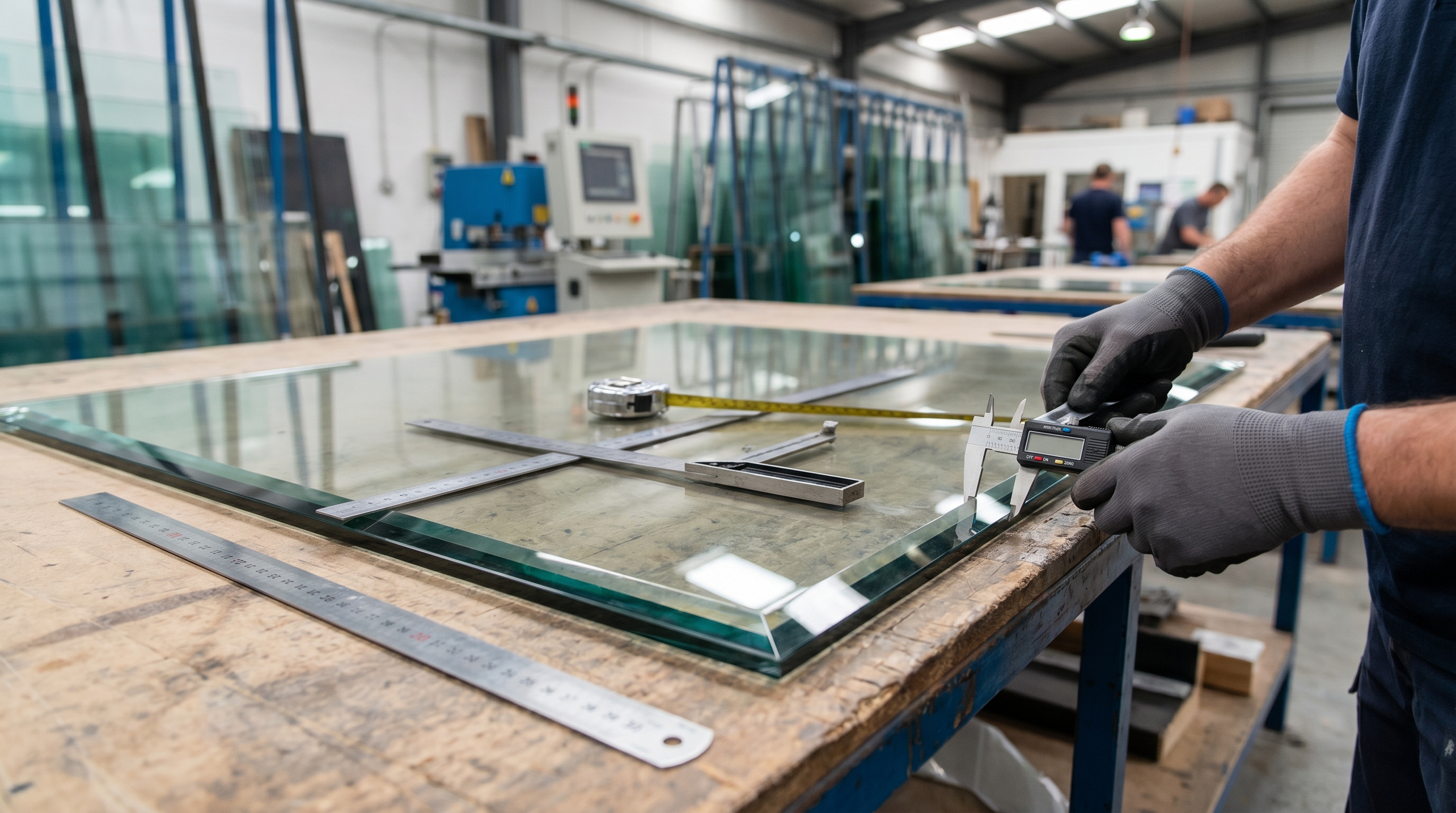
A major logistical difference in Tempered Glass vs Regular Glass is that tempered glass cannot be cut or drilled once it is finished. Regular glass is highly customizable; you can score and snap it to any size on-site. However, if you try to cut a tempered pane, the internal tension will cause the entire sheet to explode into fragments instantly.
The Flexibility of On-Site Adjustments
Working with regular glass allows for “on-the-fly” modifications, which is helpful for DIY projects or unique framing needs. You can use a simple diamond cutter to adjust the dimensions of an annealed sheet as needed. This flexibility makes regular glass the preferred choice for hand-cut mirrors or picture framing where precise pre-measurements aren’t always available.
Look:
- Can be cut with hand tools.
- Edges can be sanded easily.
- Holes can be drilled on-site.
- Forgiving for measurement errors.
Key Takeaway: Regular glass is the ultimate material for versatility, allowing for modifications throughout the installation process.
The Finality of the Tempering Process
For tempered glass, all fabrication—including cutting, drilling holes, and edge polishing—must be completed before it enters the furnace. Once it is toughened, the structure is set in stone; you cannot change its shape without destroying it. You must ensure your measurements are 100% accurate before ordering a tempered panel from a manufacturer.
Wait, there’s more:
- Requires perfect pre-measurements.
- Explodes if surface is pierced.
- Edges cannot be ground down.
- Zero tolerance for adjustments.
Key Takeaway: Tempered glass demands extreme precision in planning because the material becomes unalterable once the safety treatment is applied.
| Modification | Regular Glass | Tempered Glass |
|---|---|---|
| Cutting | Possible | Impossible |
| Drilling | Possible | Impossible |
| Edge Grinding | Possible | Risk of breakage |
Technical analysis highlights that while regular glass is more forgiving, tempered glass requires a high level of professional engineering foresight.
7. How does Tempered Glass vs Regular Glass look visually?
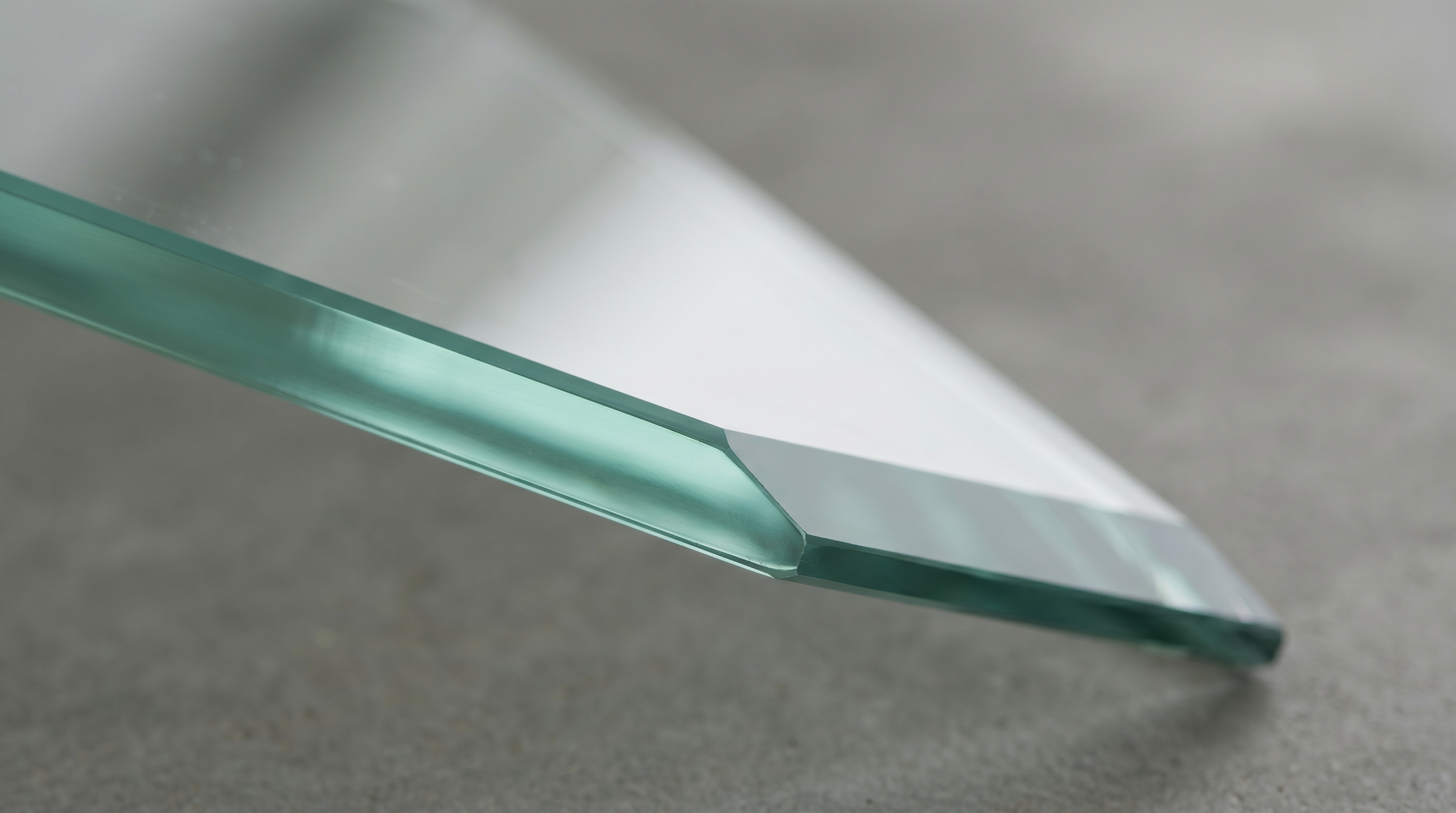
To the untrained eye, Tempered Glass vs Regular Glass might look identical, but subtle visual cues exist. Regular glass is perfectly flat and optically clear without any wave-like distortions. Tempered glass, due to the rollers in the heating furnace, may have slight “bowing” or “quench marks” that are visible under polarized light or at specific angles.
Maximum Clarity and Flatness
Regular glass is favored by photographers and museum curators because it offers the most neutral visual experience. Since it doesn’t go through high-heat rollers, the surface remains perfectly planar. You will notice a complete lack of distortion, which is essential for high-end display cases where the viewer needs to see fine details without any “wobble.”
Think about it:
- Zero roller-wave distortion.
- Perfectly flat reflection.
- Ideal for high-clarity mirrors.
- Best for museum-grade displays.
Key Takeaway: Regular glass provides a superior optical experience for applications where visual perfection is the top priority.
Identifying Slight Heat Distortions
Because tempered glass is heated to a softened state, the rollers can leave microscopic ripples known as “roller wave.” While usually invisible to your customers, these waves can sometimes cause slight distortions in reflections on large facades. You might also see “strain patterns” if you view tempered glass through polarized sunglasses on a sunny day.
The best part?
- Finished with polished edges.
- Safety stamp in the corner.
- Consistent greenish edge hue.
- Durable enough for heavy use.
Key Takeaway: While slight distortions may exist, the polished safety of tempered glass makes it the standard for modern architectural beauty.
| Visual Aspect | Regular Glass | Tempered Glass |
|---|---|---|
| Optical Clarity | Perfect | Very High (Minor waves) |
| Reflections | Crisp and Straight | Occasionally distorted |
| Polarized View | Transparent | Visible strain spots |
Our assessment suggests that for most B2B applications, the safety benefits of tempered glass far outweigh the minor visual trade-offs.
8. What is the cost of Tempered Glass vs Regular Glass?

In the pricing debate of Tempered Glass vs Regular Glass, tempered glass usually costs 20% to 50% more. This price gap is due to the additional machinery, electricity, and labor required for the tempering cycle. However, you must consider the long-term value; tempered glass rarely needs replacement due to accidental breakage, saving you money on maintenance.
The Low Entry Cost of Annealed Glass
Regular glass is the most budget-friendly option for projects where safety is not mandated by law. Because the manufacturing process is shorter and involves less energy, the cost per square foot is significantly lower. You should use this for small decorative items or low-risk interior windows to keep your project costs under control.
Look:
- Cheaper raw material cost.
- No secondary processing fees.
- Lower shipping risks (if packaged well).
- Minimal upfront investment.
Key Takeaway: Regular glass is the most economical choice for non-structural and low-impact decorative applications.
Long-Term ROI of Safety Investments
While the initial invoice for tempered glass is higher, the “total cost of ownership” is often lower. Because it is four times stronger, it withstands the daily wear and tear that would break a regular window multiple times. You are also investing in liability protection, which is a priceless benefit for any business owner or commercial landlord.
Here is the kicker:
- Fewer replacement cycles.
- Lower liability insurance risks.
- Higher resale value for property.
- Compliance with building codes.
Key Takeaway: Tempered glass is a high-value investment that pays for itself through durability and the prevention of expensive accidents.
| Cost Element | Regular Glass | Tempered Glass |
|---|---|---|
| Upfront Price | Low | Moderate to High |
| Maintenance | High (Replacement risk) | Low (Impact resistant) |
| Total Value | Budget-focused | Safety-focused |
Economic analysis proves that tempered glass is the more cost-effective choice for any environment where breakage is even a slight possibility.
9. Where should you use Tempered Glass vs Regular Glass?
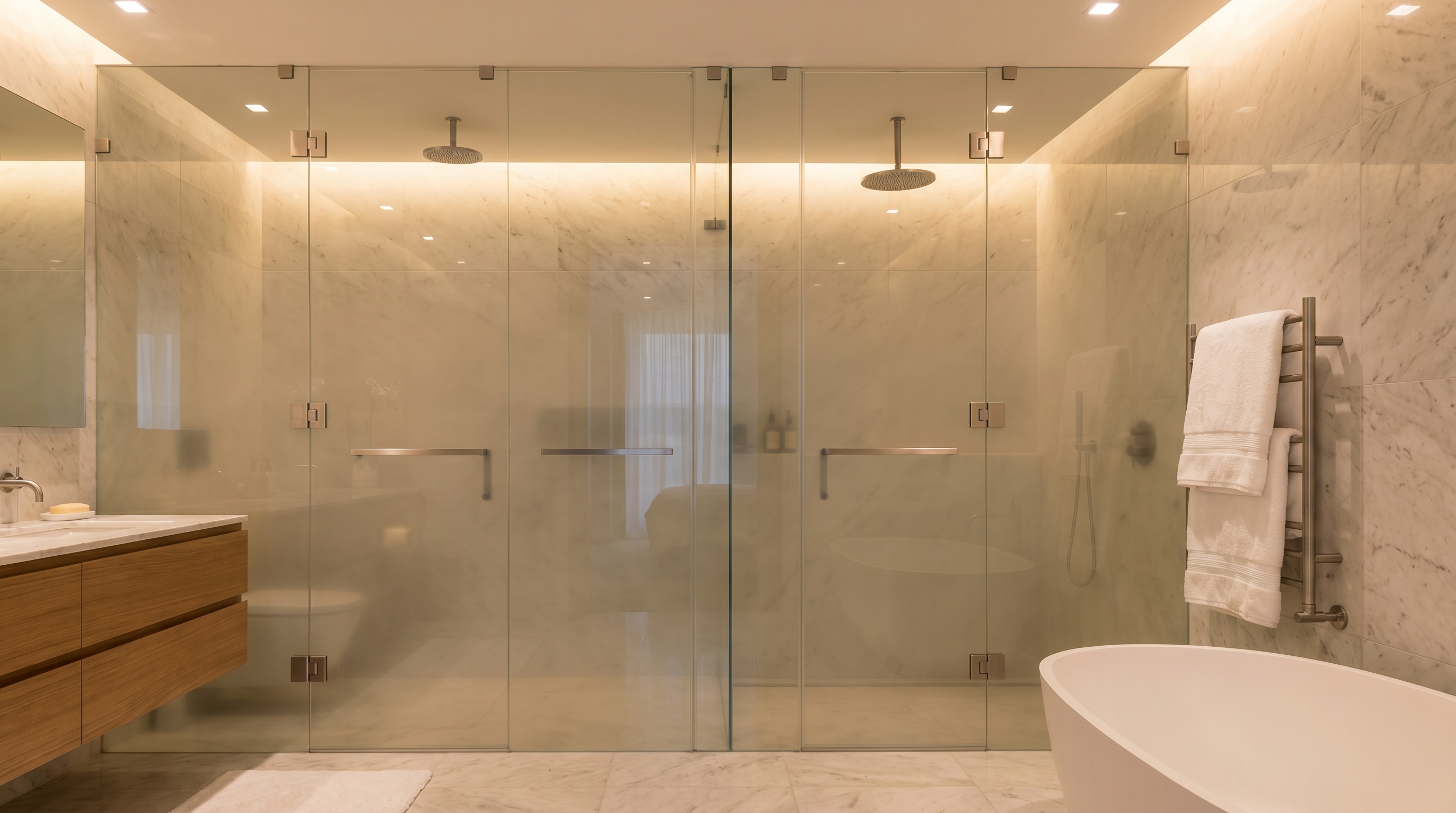
Deciding between Tempered Glass vs Regular Glass depends entirely on the location and local building codes. Building regulations generally require tempered glass for any panel within 18 inches of the floor or near “wet” areas. Regular glass is perfectly fine for wall-mounted picture frames, upper cabinet doors, or tabletop protectors that sit on solid wood.
Ideal Zones for Standard Panes
You can safely specify regular glass for items that aren’t subject to high physical stress or human impact. Small window panes in old-growth areas or decorative mirrors often use annealed glass because it’s easier to replace if a rare accident occurs. It is also the standard for “greenhouse” glass where safety is a secondary concern to light transmission and cost.
Think about it:
- Decorative wall art.
- Protected table toppers.
- Small interior transoms.
- Temporary partitions.
Key Takeaway: Regular glass is best reserved for “static” environments where the risk of human impact is practically zero.
Mandatory Zones for Safety Glass
You are legally required to use tempered glass in “hazardous locations” to protect the public. This includes all shower enclosures, sliding patio doors, and glass railings where a failure could lead to a fall. You will also see tempered glass used in high-heat areas like oven doors or the windows of modern transport vehicles.
The best part?
- Storefront windows.
- Gym partitions.
- Balcony balustrades.
- Public transit windows.
Key Takeaway: Tempered glass is the non-negotiable standard for any area where structural integrity and human safety intersect.
| Application | Recommended Type | Reason |
|---|---|---|
| Shower Doors | Tempered | Safety and Heat |
| Picture Frames | Regular | Low impact / Cost |
| Storefronts | Tempered | Strength and Security |
Analysis of building incidents highlights that using regular glass in high-risk zones is a primary cause of avoidable architectural injuries.
10. How to identify Tempered Glass vs Regular Glass?
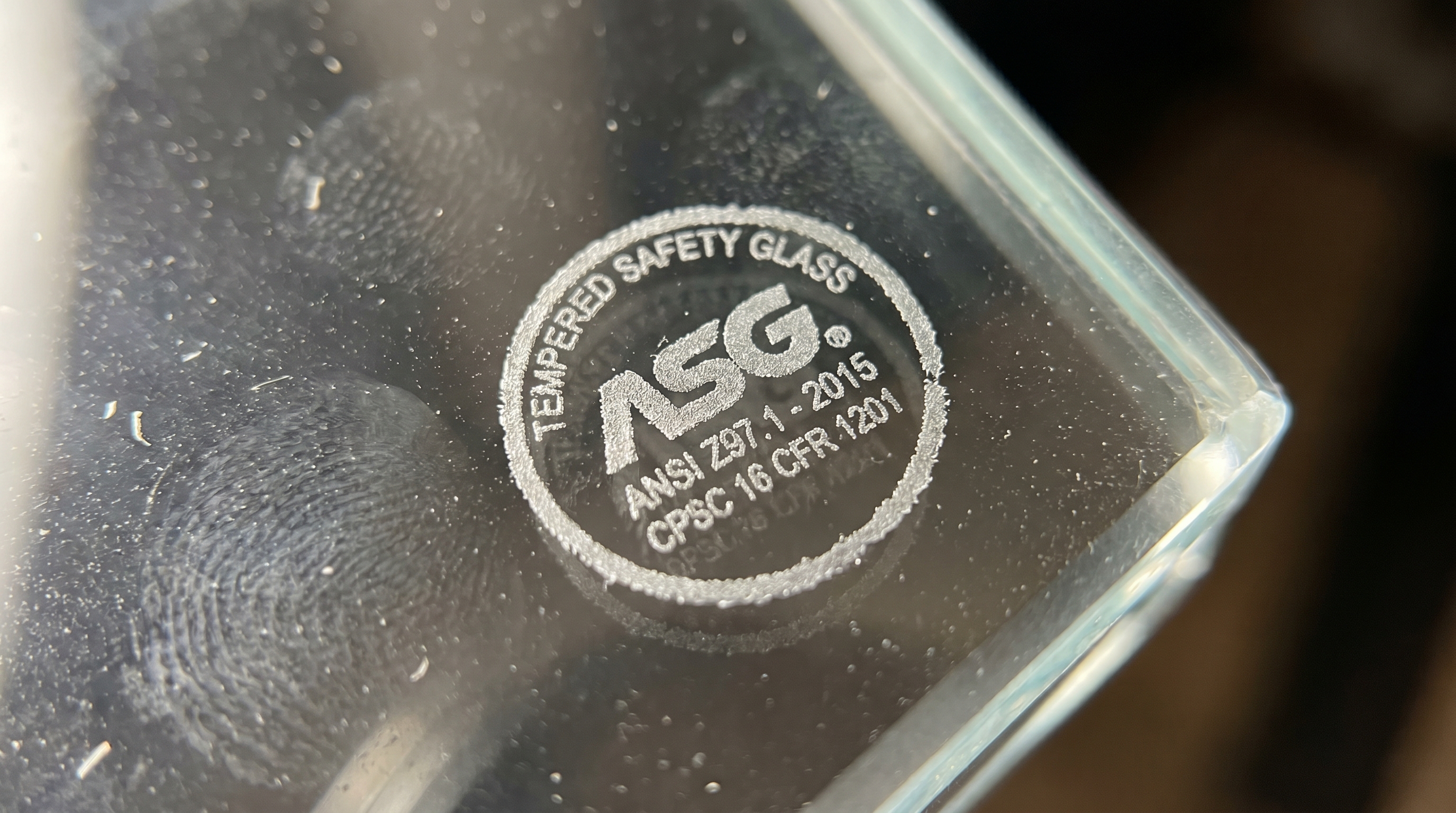
If you are inspecting an existing building, identifying Tempered Glass vs Regular Glass is usually a simple visual check. Most tempered glass features a small, permanent “bug” or stamp etched into the corner. Regular glass will lack this stamp, and you can further distinguish them by looking for “roller waves” or using a handheld polarized light filter.
Searching for the Manufacturer’s Stamp
A “bug” is a laser-etched mark that identifies the glass as tempered and lists the safety standards it meets. You should look in the corners of your glass panels for a small logo or white text that says “Tempered” or “CPSC 16 CFR 1201.” If the glass is installed in a frame, you might need to look closely at the edges to find this vital piece of information.
Look:
- Laser-etched permanent mark.
- Safety certification numbers.
- Manufacturer identification.
- Usually in the bottom corner.
Key Takeaway: The presence of a safety stamp is the most reliable and immediate way to verify that a panel has been toughened.
Using the Polarized Light Test
If a stamp is missing, you can use polarized sunglasses to perform a quick field test. When looking at tempered glass through these lenses at an angle, you will often see a “leopard spot” pattern or dark lines. This is caused by the internal stress created during the quenching process and is a definitive sign of heat treatment that regular glass will never show.
Think about it:
- Visible strain patterns.
- Dark spots under polarization.
- Distinctive roller-wave shadows.
- Non-destructive inspection method.
Key Takeaway: Scientific inspection tools like polarized filters allow you to identify tempered glass even when the manufacturer’s mark is absent or hidden.
| Identification | Regular Glass | Tempered Glass |
|---|---|---|
| Corner Stamp | Absent | Typically Present |
| Edge Feel | Sharp/Raw | Smooth/Finished |
| Polarized View | Uniformly Clear | Spotted/Dark Patterns |
Our field studies show that knowing how to identify glass types is essential for maintaining safety standards and property compliance.
FAQ: Your Glass Questions Answered
Can I cut a tempered glass panel to fit my new window frame?
No. You cannot cut tempered glass because the internal tension will cause it to explode into thousands of tiny pieces the moment the surface is breached. You must order your tempered glass in the exact final size needed.
What’s the best glass for a tabletop in a high-traffic office?
The best choice is tempered glass. It is five times stronger than regular glass and will protect your employees from injury if someone accidentally leans too hard or drops a heavy object on the surface.
Can I use regular glass for a bathroom mirror?
Yes, regular glass is fine for mirrors. Since the glass is usually glued to a wall or held securely in a frame where impact is unlikely, the safety benefits of tempering are rarely needed for this specific application.
What’s the best way to clean tempered glass without scratching it?
Use a soft microfiber cloth and a dedicated non-abrasive glass cleaner. Avoid using razor blades or metal scrapers, as tempered glass can be more susceptible to surface scratches from industrial debris trapped on the surface.
Can I tell the difference between glass types by the sound it makes?
Yes, tempered glass often has a slightly higher “ring” or metallic sound when tapped lightly with a fingernail compared to regular glass. However, this is not a definitive test and should always be confirmed by a professional stamp.
Conclusion: Make the Safe Choice Today
Choosing between Tempered Glass vs Regular Glass is more than just a matter of price; it is a decision that impacts the safety and longevity of your entire project. At PrimePro Glass, our vision is to provide every client with precision-engineered glazing that meets the highest industrial standards of strength and clarity. We believe that no building should compromise on the security of its occupants.
Don’t leave your structural integrity to chance. Whether you are upgrading a commercial storefront or finishing a modern home renovation, the right glass makes all the difference. Contact us today to speak with our experts and get a custom quote for your high-strength glass needs!