Low E Glass is a technologically advanced glazing solution featuring a microscopically thin, transparent metallic coating that reflects long-wave infrared energy (heat) while allowing visible light to pass through.
Are you tired of your home feeling like an oven in the summer and a freezer in the winter? You might notice that even with the AC blasting, your rooms near the windows remain uncomfortably warm, and your expensive hardwood floors are starting to look bleached and brittle.
The truth is, standard glass is a thermal sieve, allowing valuable heat to escape during the winter and solar radiation to bake your interiors in the summer. If you continue to ignore this “thermal leak,” you are essentially throwing money out the window every month through inflated utility bills and inevitable interior damage.
The good news? Switching to high-performance Low E Glass provides a permanent “thermal mirror” for your property, balancing temperature and protecting your assets without sacrificing your view.
1. What is low E glass and how does it actually work?
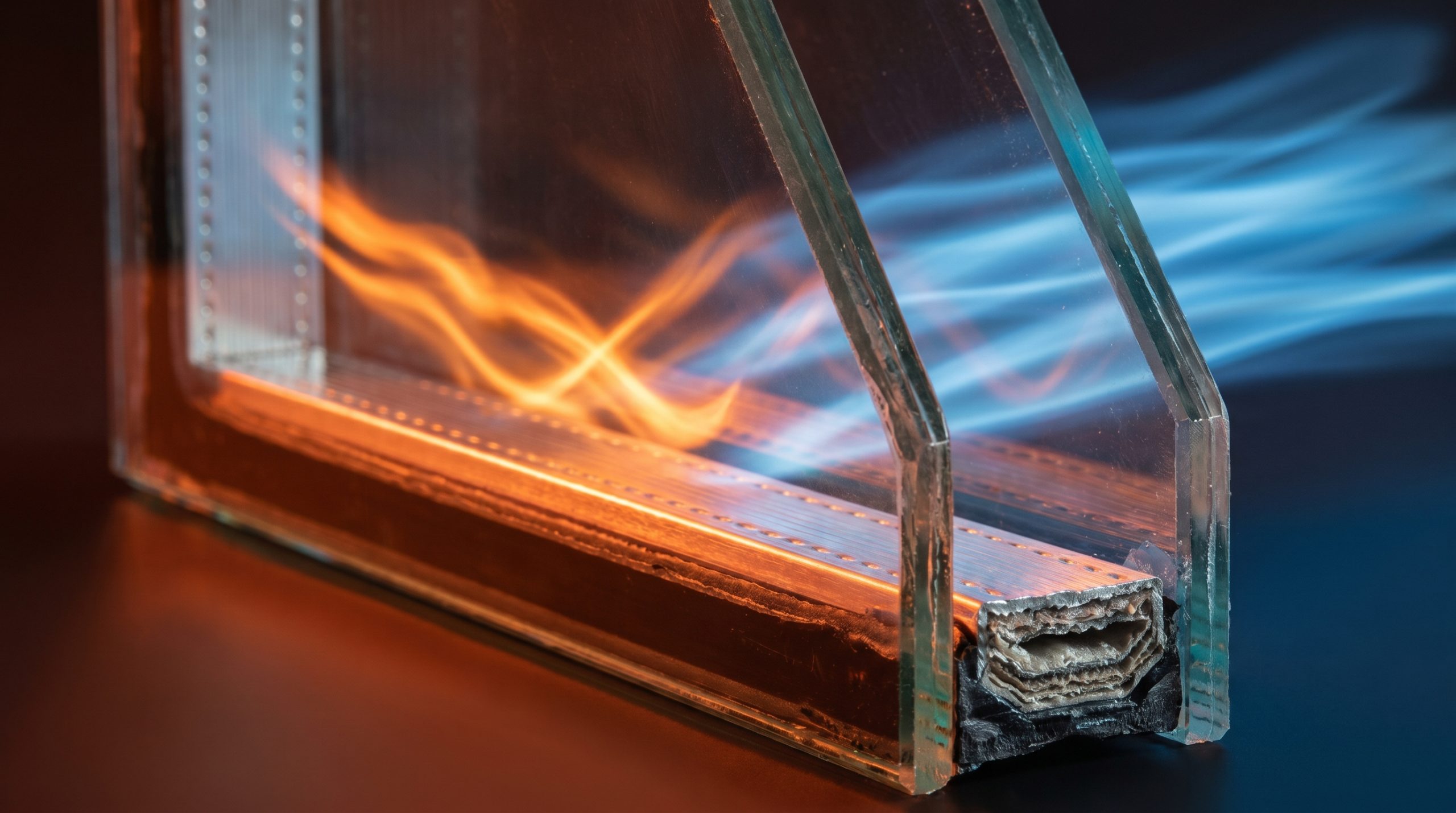
Low E Glass works by utilizing a silver or tin oxide coating that reflects thermal radiation back to its source, whether that is the sun outside or the heater inside.
When you install Low E Glass, you are essentially adding a smart filter to your building’s envelope.
The Physics of Emissivity
- Emissivity refers to a material’s ability to radiate energy.
- Standard glass has high emissivity, meaning it absorbs and radiates heat easily.
- Low-E coatings reduce this emissivity, forcing the heat to bounce off the surface rather than pass through.
Spectral Selectivity
- The coating is designed to be “selective.”
- It permits short-wave solar energy (visible light) to enter.
- It blocks long-wave infrared energy (heat) from moving across the pane.
The Role of Noble Gases
- Many Low-E units are filled with Argon or Krypton.
- These gases provide an additional layer of insulation between the panes.
- The combination of the coating and gas maximizes thermal performance.
| Feature | Standard Glass | Low-E Glass |
|---|---|---|
| Heat Reflection | Low (approx. 15%) | High (up to 95%) |
| Emissivity Rating | 0.84 | 0.02 – 0.20 |
| Insulation Type | Passive | Active Reflection |
Key Takeaways:
- Low-E stands for “low emissivity,” focusing on heat management.
- The microscopic coating is thinner than a human hair and invisible to the eye.
- It acts as a two-way mirror for thermal energy.
2. Why should you care about silver coatings on your windows?
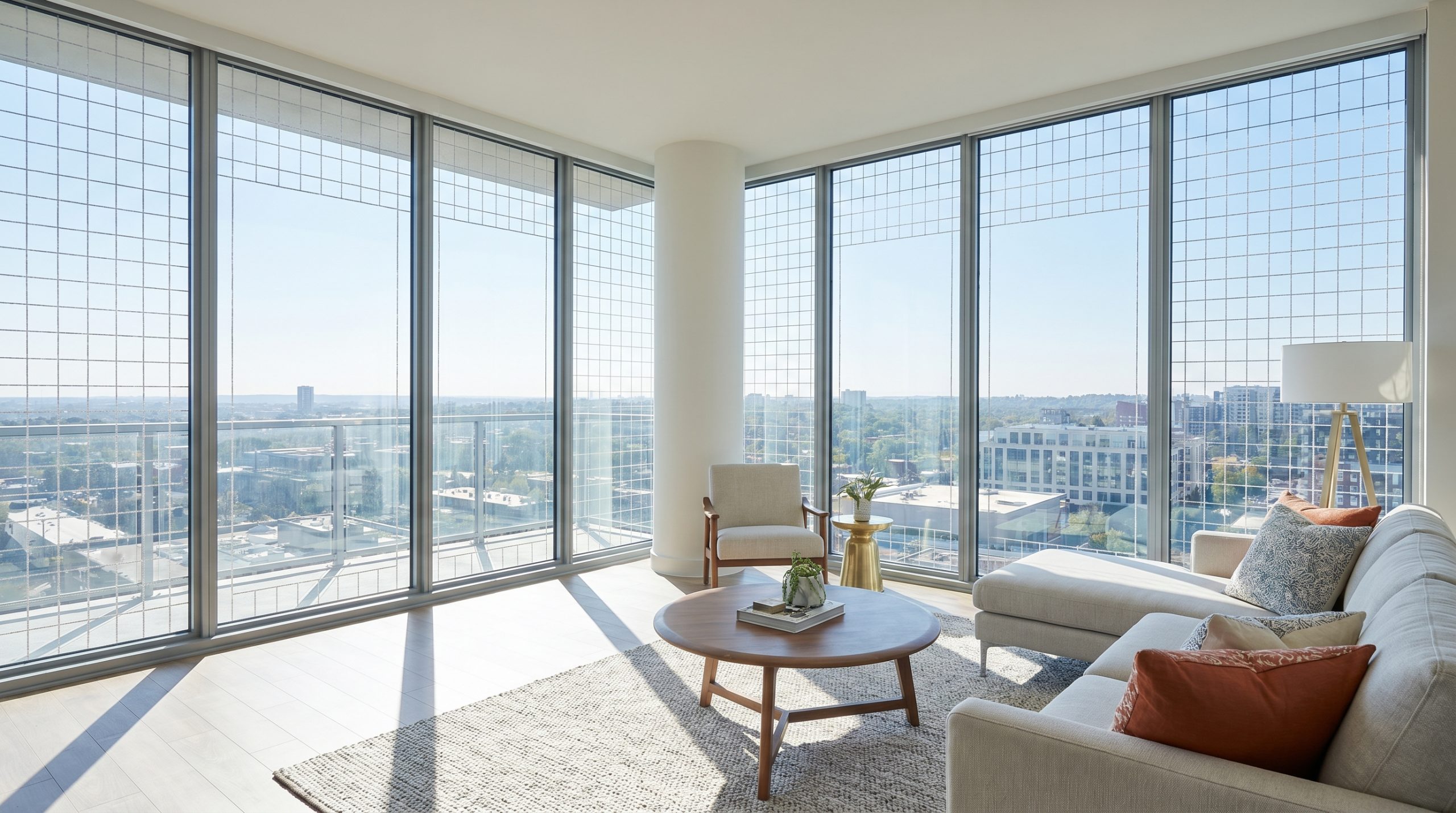
Silver coatings are the “secret sauce” that gives modern windows their high-performance reflective properties without looking like a mirror.
You might wonder why a PrimePro manufacturer would use precious metals in window production.
Molecular Engineering
- Manufacturers apply atoms of silver or other low-emittance metals in a vacuum chamber.
- This process, known as sputtering, ensures a perfectly even distribution.
- The result is a layer so thin it doesn’t obstruct your view but blocks significant heat.
Chemical Stability
- The silver is often sandwiched between layers of dielectrics.
- This prevents the metal from oxidizing or tarnishing over time.
- Modern soft-coat silver layers are protected inside an insulated glass unit (IGU).
Invisible Protection
- The coating is virtually undetectable to the naked eye.
- You get all the benefits of a “tint” without the dark, gloomy aesthetic.
- It maintains the high-end look of your facade.
| Coating Material | Performance Level | Visual Impact |
|---|---|---|
| Silver Sputter | Ultra-High | Neutral/Invisible |
| Tin Oxide | Moderate | Slight Haze |
| Multi-Silver (Triple) | Maximum | Extremely Clear |
Key Takeaways:
- Silver is the primary material used for its exceptional reflective properties.
- The coating is applied at a molecular level for maximum clarity.
- It is protected within the glass assembly for long-term durability.
3. Does low E glass really lower your monthly energy bills?
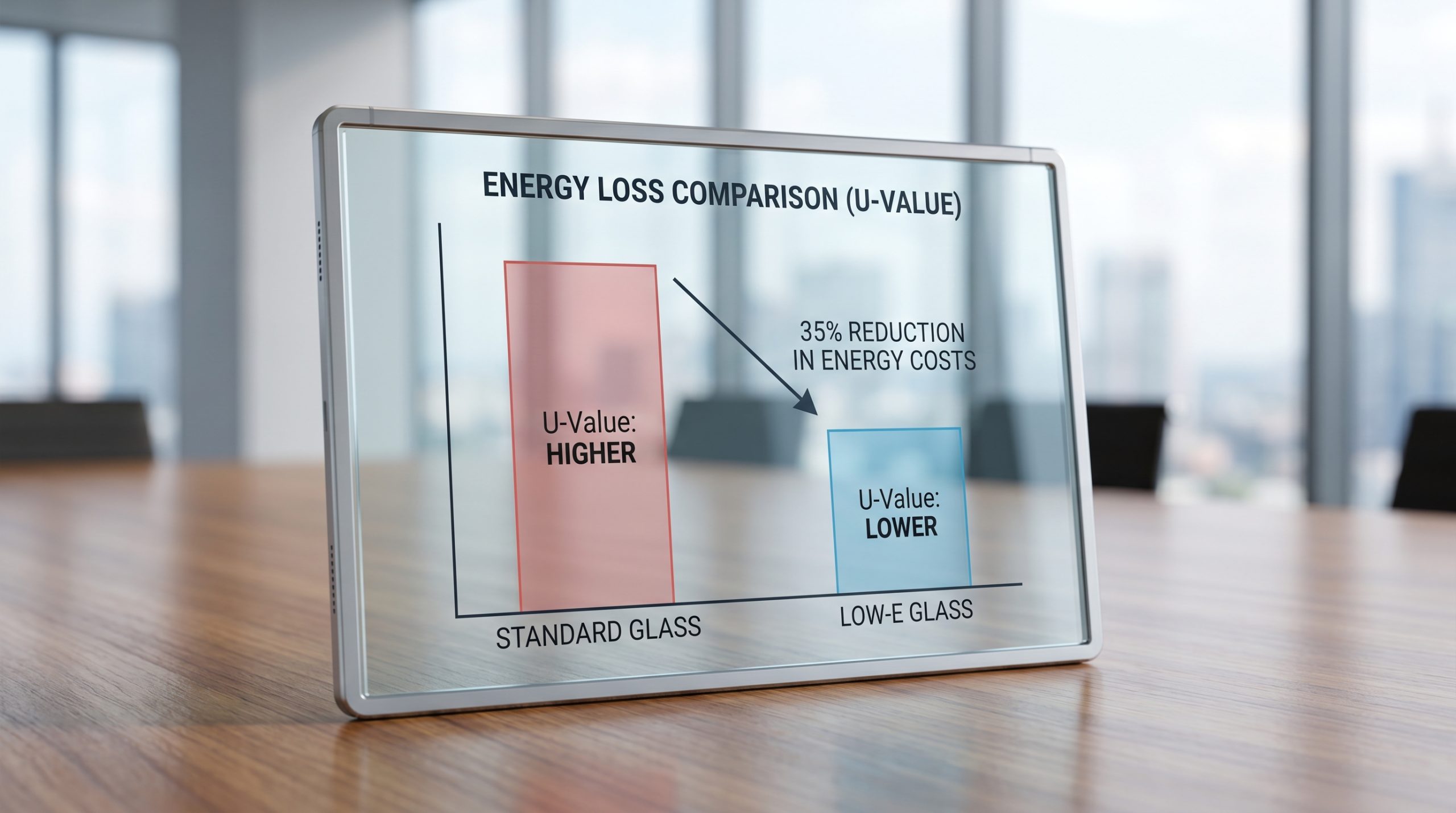
Low E Glass significantly reduces energy bills by lowering the “U-Value” of your windows, which measures how much heat is lost through the glass.
By choosing Low E Glass, you are making a direct investment in your monthly cash flow.
Lowering the U-Value
- A lower U-Value means better insulation.
- Low-E glass can improve U-values by over 50% compared to clear glass.
- This keeps your furnace and AC from running constantly.
Reduced HVAC Strain
- Windows are typically the “weakest link” in a home’s insulation.
- When you fix the windows, your HVAC system lasts longer because it works less.
- Maintenance costs for your heating and cooling systems drop significantly.
Year-Round Efficiency
- In summer, it keeps the sun’s heat out.
- In winter, it keeps your interior heat trapped inside.
- You save money regardless of the season.
| Season | Heat Source | Low-E Action |
|---|---|---|
| Summer | Exterior (Sun) | Reflects Heat Outward |
| Winter | Interior (Heater) | Reflects Heat Inward |
| Savings | Energy Usage | 20% – 35% Reduction |
Key Takeaways:
- The U-Value is the most important metric for energy savings.
- HVAC systems experience significantly less wear and tear.
- Savings typically pay for the glass upgrade within a few years.
4. Can low E glass stop your furniture from fading in the sun?
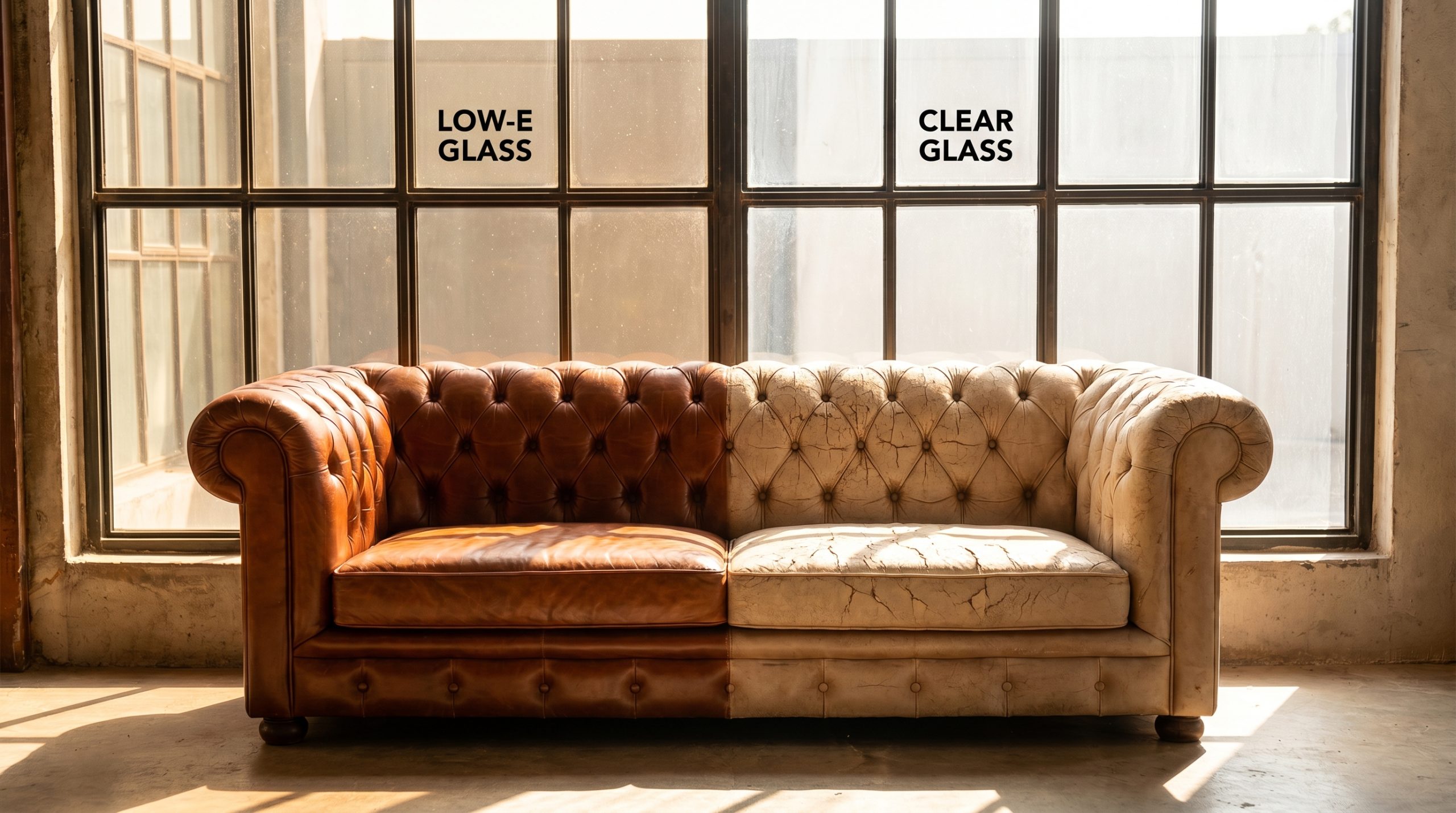
Yes, Low E glass blocks up to 80% of harmful Ultraviolet (UV) rays and Infrared (IR) light that cause fabrics and finishes to fade.
Think about this:
Have you ever moved a rug only to find a bright patch of “original color” underneath?
Blocking the UV Spectrum
- UV rays are the primary culprit for “photo-degradation” (fading).
- Low-E coatings act like SPF 50 sunscreen for your home.
- It protects photos, artwork, and expensive upholstery.
Managing Infrared Light
- IR light doesn’t cause fading directly but contributes to heat damage.
- Heat can cause wood to warp and finishes to crack.
- Low-E glass reduces this “heat aging” of interior materials.
Preserving Natural Colors
- Unlike heavy tints, Low-E glass doesn’t change the color of the light.
- Your furniture looks the way it was meant to look.
- Natural wood grains remain vibrant for decades.
| Material | Damage Without Low-E | Protection With Low-E |
|---|---|---|
| Hardwood Floors | Bleaching / Drying | High Preservation |
| Oil Paintings | Color Shift / Cracking | UV Shielding |
| Upholstery | Brittle Fibers | Extended Life |
Key Takeaways:
- UV protection is one of the most underrated benefits of Low-E technology.
- It significantly extends the lifespan of interior investments.
- Protection is achieved without the need for unsightly blinds or heavy curtains.
5. How do hard-coat and soft-coat low E options compare?
Low E Glass comes in two main varieties: Hard-Coat (Pyrolytic), which is durable and applied during manufacturing, and Soft-Coat (Sputtered), which offers much higher performance but must be sealed.
When selecting Low E Glass, you must choose between durability and peak performance.
Hard-Coat (Pyrolytic)
- The coating is fused to the glass while it is still hot.
- It is incredibly durable and hard to scratch.
- Ideal for single-pane applications or DIY storm windows.
Soft-Coat (Sputtered)
- The coating is applied in a vacuum chamber at room temperature.
- It offers much lower emissivity than hard-coat.
- It is delicate and must be placed inside a double-glazed unit to prevent oxidation.
Which One Should You Choose?
- Soft-coat is the industry standard for residential energy efficiency.
- Hard-coat is preferred for extreme durability or specific commercial needs.
- Most high-end architectural glass products utilize soft-coat technology.
| Feature | Hard-Coat (Pyrolytic) | Soft-Coat (Sputtered) |
|---|---|---|
| Emissivity | ~0.15 (Good) | ~0.02 (Excellent) |
| Durability | Very High | Must be sealed in IGU |
| U-Value | Moderate | Very Low |
Key Takeaways:
- Soft-coat is better for energy savings but requires more careful handling.
- Hard-coat is virtually permanent and can be used on “exposed” surfaces.
- Always check if your glass is “off-line” (soft) or “on-line” (hard) coated.
6. Is the higher upfront cost of low E glass worth it?
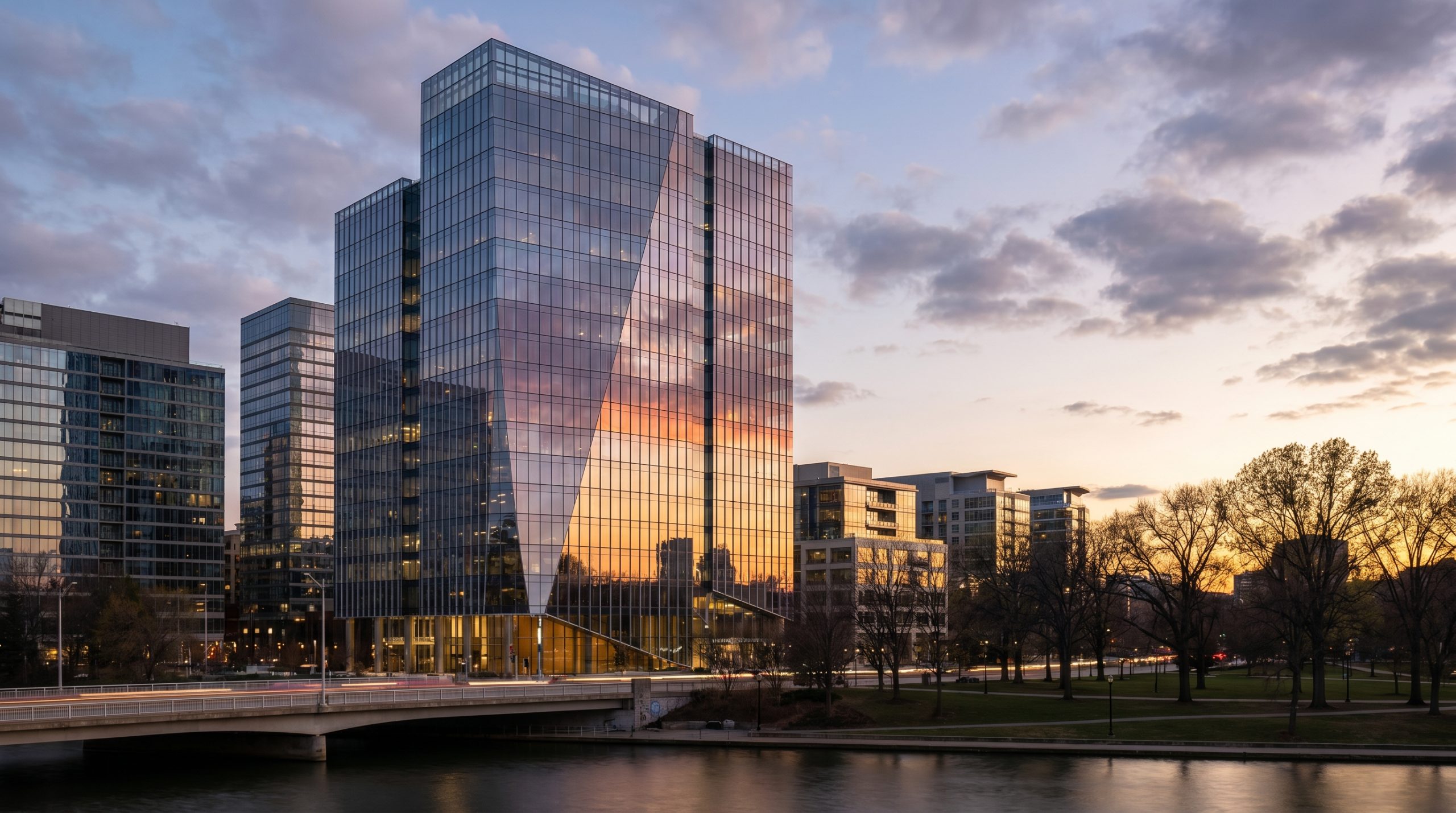
While the initial cost of low E glass is 10% to 15% higher than standard glass, the Return on Investment (ROI) is realized quickly through lower energy bills and increased property value.
The PrimePro Glass manufacturer model focuses on direct-factory pricing to mitigate these initial costs for large projects.
Payback Period Analysis
- Most homeowners see a full return on the “Low-E premium” within 3 to 5 years.
- In extreme climates (very hot or very cold), the payback is even faster.
- It is one of the few home upgrades that pays for itself.
Reduced Replacement Costs
- Because your interior remains cooler, your window seals and frames experience less thermal expansion.
- This leads to fewer window failures over a 20-year period.
- The longevity of your HVAC system also factors into the total value.
Market Demand
- Energy efficiency is a top priority for modern home buyers.
- Low-E glass is often a “must-have” on real estate checklists.
- It acts as a strong selling point that justifies a higher asking price.
| Expense Category | Standard Glass | Low-E Glass |
|---|---|---|
| Initial Unit Cost | $ (Baseline) | $$ (+15%) |
| Annual Energy Cost | $$$ | $ |
| 10-Year Total Cost | $$$$ | $$ |
Key Takeaways:
- Don’t look at the price tag; look at the lifecycle cost.
- The “Low-E premium” is negligible compared to total construction costs.
- Energy savings are guaranteed as long as the window is standing.
7. Will low E glass make your home feel darker inside?
Modern Low E Glass is designed to maximize Visible Light Transmission (VLT), meaning it remains incredibly clear while only filtering out the “invisible” spectrum of light.
Many people worry that Low E Glass will make their home look like a dark office building.
Visible Light Transmission (VLT)
- High-quality Low-E glass has a VLT of 70% to 80%.
- This is nearly identical to the transparency of clear glass.
- The human eye barely registers the difference in light levels.
Eliminating the “Haze”
- Older versions of Low-E glass had a slight blue or green tint.
- Newer generations, like those from PrimePro, are virtually color-neutral.
- You get crisp, natural colors when looking through the window.
Reduced Glare
- While it lets in light, it actually helps reduce the “harshness” of direct sun.
- This makes it easier to see computer screens and televisions.
- It creates a more comfortable lighting environment for your eyes.
| Glass Type | Light Transmission | Visual Quality |
|---|---|---|
| Clear Glass | 90% | Crystal Clear |
| Modern Low-E | 75% – 82% | Neutral / Clear |
| Old Low-E | 60% | Slight Green Tint |
Key Takeaways:
- Dark windows are a myth of the past; modern coatings are nearly invisible.
- High VLT ratings ensure your home remains bright and airy.
- It actually improves visual comfort by managing glare.
8. How does low E glass perform during harsh winter months?
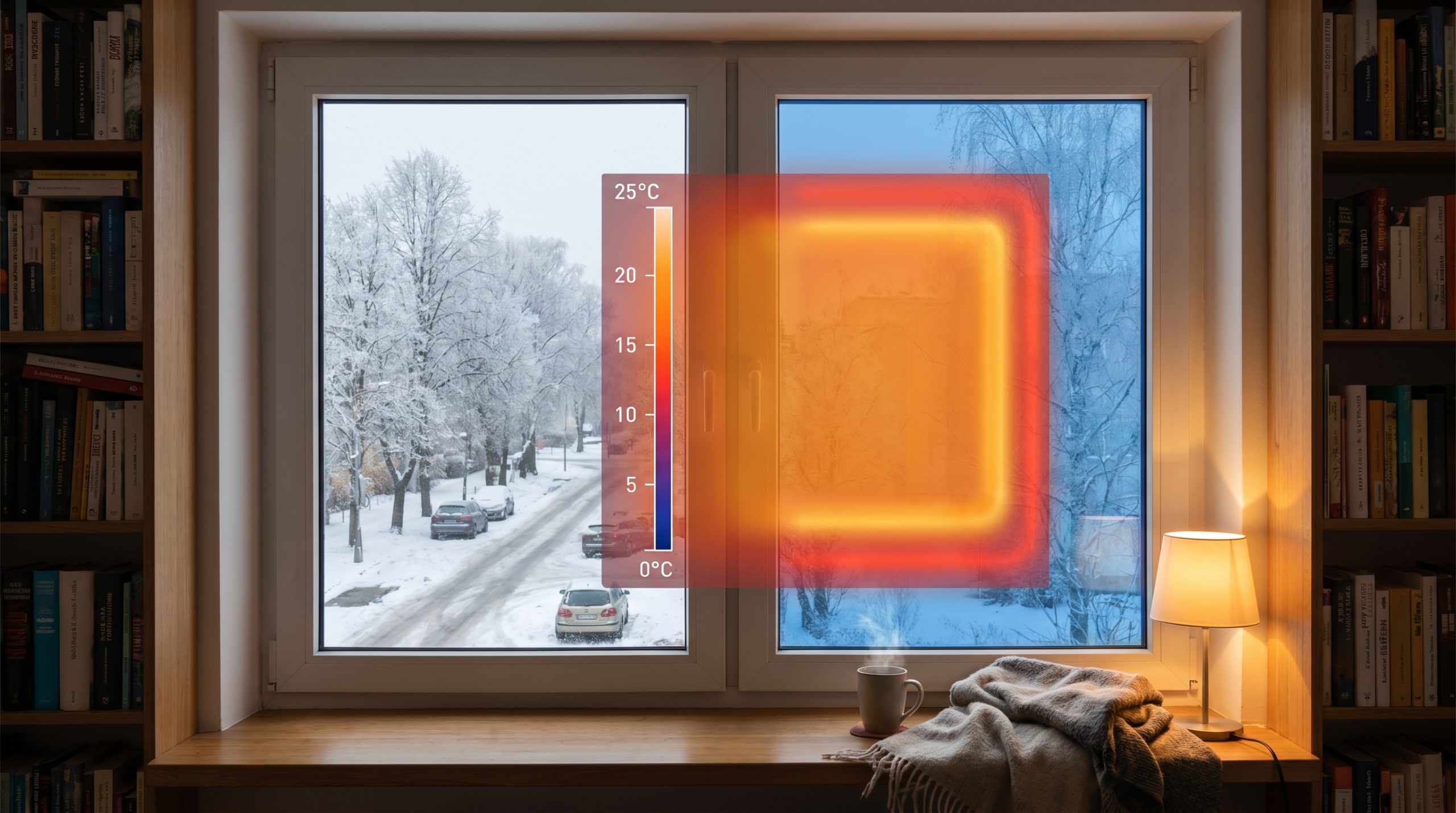
During winter, low E glass acts as a thermal blanket, reflecting the long-wave heat generated by your radiators back into the room rather than letting it escape.
When you source high-quality glass products for cold climates, the focus shifts to heat retention.
Eliminating the “Cold Spot”
- Ever sit by a window in winter and feel a draft even if it’s sealed?
- That’s “radiant heat loss”—your body heat is being sucked toward the cold glass.
- Low-E glass stays warmer to the touch, eliminating that “cold shoulder” feeling.
Condensation Control
- Warm, moist indoor air hits cold standard glass and turns into water.
- Low-E glass keeps the inner pane warmer.
- This prevents mold-causing condensation from forming on your sills.
Passive Solar Gain
- Certain types of Low-E glass are designed to let some solar heat in.
- This is called “High Solar Gain” Low-E.
- It allows the sun to help heat your home for free during the day.
| Winter Benefit | Clear Glass | Low-E Glass |
|---|---|---|
| Glass Surface Temp | Cold (30°F) | Warm (55°F) |
| Heat Retention | Poor | Excellent |
| Draft Feeling | High | None |
Key Takeaways:
- It keeps your home warmer by reflecting furnace heat back inside.
- It significantly reduces the risk of mold and condensation damage.
- It increases the “usable space” in your home during winter.
9. Does low E glass improve your home’s overall resale value?
Yes, Low E Glass is a high-value upgrade that improves property appraisals and appeals to the growing market of eco-conscious buyers.
Investing in Low E Glass is a strategic move for any property owner.
Energy Star Certification
- Windows with Low-E glass are often Energy Star rated.
- This certification is a major selling point in modern real estate.
- It proves to buyers that the home is cheap to maintain.
Future-Proofing the Asset
- Building codes are becoming stricter regarding energy efficiency.
- Standard glass may eventually become “non-compliant” for major renovations.
- Low-E ensures your property remains up to date with future regulations.
Aesthetics and Curb Appeal
- The neutral, high-end look of modern coatings looks expensive.
- It signals to buyers that the owner didn’t cut corners on quality.
- It provides a “premium” feel to the entire building facade.
| Value Driver | Impact Level | Duration |
|---|---|---|
| Energy Rating | High | Permanent |
| Buyer Appeal | High | Immediate |
| Appraisal Value | Moderate | Long-term |
Key Takeaways:
- Energy efficiency is the #1 feature buyers look for in new homes.
- Low-E glass protects your resale value from “energy-hungry” stigmas.
- It is a visible sign of a well-maintained, high-quality property.
10. What are the common maintenance myths about low E glass?
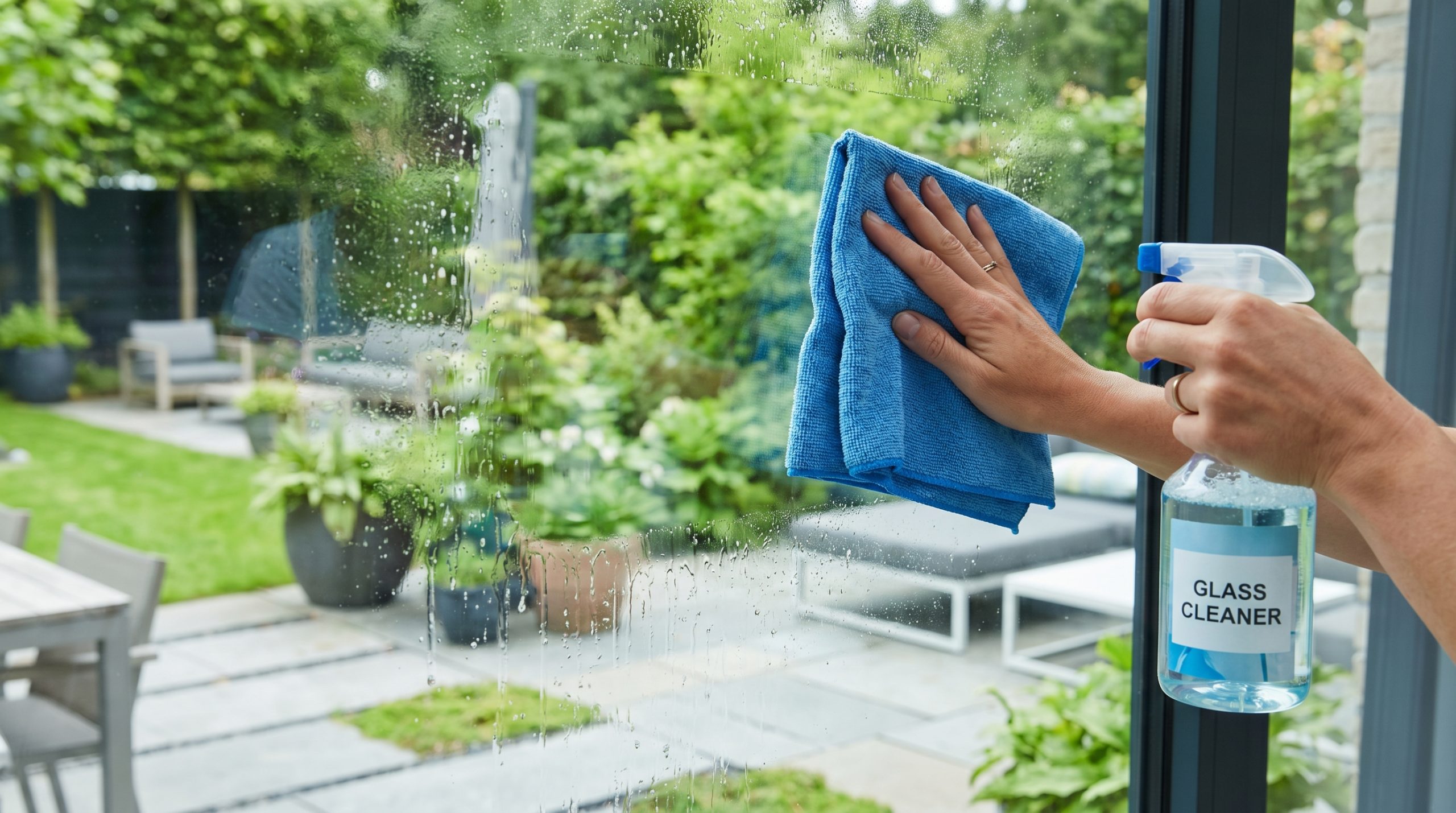
The most common myth is that low E glass is fragile or hard to clean, but in reality, the coating is protected within the glass unit and requires no special chemicals.
Before you contact the engineering team for your next project, let’s clear up the maintenance confusion.
Myth: You Can’t Use Windex
- The Reality: If you have soft-coat Low-E, the coating is inside the double glazing.
- You are cleaning standard glass, so you can use any standard cleaner.
- Only “hard-coat” on the exterior requires slightly more care with abrasive pads.
Myth: The Coating Peels Off
- The Reality: These are not “films” or “tints” applied with adhesive.
- The coating is molecularly bonded or fused to the glass surface.
- It will never bubble, peel, or flake off.
Myth: It Only Lasts a Few Years
- The Reality: The Low-E properties last as long as the seal of the window.
- A well-manufactured PrimePro Glass unit can last 20-30 years.
- The metallic layer does not “wear out” from reflecting light.
| Maintenance Task | Hard-Coat | Soft-Coat (IGU) |
|---|---|---|
| Cleaning | Standard (No Abrasives) | Standard |
| Longevity | Life of Glass | Life of Seal |
| Repair | Not Possible | Not Necessary |
Key Takeaways:
- Maintenance is identical to standard glass for most residential units.
- Coatings are durable and permanent, not a temporary film.
- Reliability depends more on the quality of the window’s seal than the coating itself.
Frequently Asked Questions
Can I add a low-E coating to my existing windows?
You cannot add a true Low-E metallic coating to existing glass because it must be applied in a factory setting. However, you can apply “Low-E window films,” though they are generally less effective and less durable than factory-applied coatings.
What’s the best climate for low E glass?
Low-E glass is beneficial in all climates, but the “best” type depends on your location. In cold climates, “High Solar Gain” Low-E is best to help heat the home; in hot climates, “Low Solar Gain” Low-E is superior for blocking out the sun’s heat.
How do I know if my windows already have low E glass?
The easiest way is the “match test.” Hold a lit match or a flashlight up to the window. In a double-pane window, you will see four reflections. If one of the reflections is a different color (usually pinkish, greenish, or purple) than the others, you have a Low-E coating.
Does low E glass block houseplant growth?
Most houseplants require the visible light spectrum for photosynthesis, which Low-E glass allows to pass through. While it blocks UV rays, most plants actually thrive because the glass creates a more stable, consistent temperature without the risk of “leaf scorch” from intense infrared heat.
Which side of the glass is the coating on?
In a standard double-pane unit, the coating is typically placed on the #2 surface (the inside of the outer pane) to block heat from entering, or the #3 surface (the outside of the inner pane) to keep heat from leaving.
Conclusion
Low-E glass represents the gold standard in modern architectural glazing. By balancing the need for natural light with the necessity of thermal control, it transforms windows from “holes in the wall” into high-performance energy shields. Whether you are looking to slash your utility bills, protect your interior decor, or increase your property’s value, the advantages of this technology far outweigh the modest initial investment.
Ready to upgrade your project with precision-engineered glass? Contact us today for a custom quote from our engineering-grade manufacturing facility.