Architectural glass is the specialized glazing used in building envelopes and interiors to provide structural integrity, thermal control, and aesthetic clarity. Sourcing the incorrect glass type for a high-stakes commercial project often leads to catastrophic performance failures, non-compliance with safety codes, and aggressive installation delays.
Imagine the reputational damage when a skyscraper facade suffers spontaneous breakage or fails to meet strict energy efficiency mandates, triggering massive contract penalties. You can eliminate these risks by utilizing precision-engineered Architectural Glass from a manufacturer that guarantees technical traceability and factory-direct quality control.
How is Architectural Glass Manufactured Today?
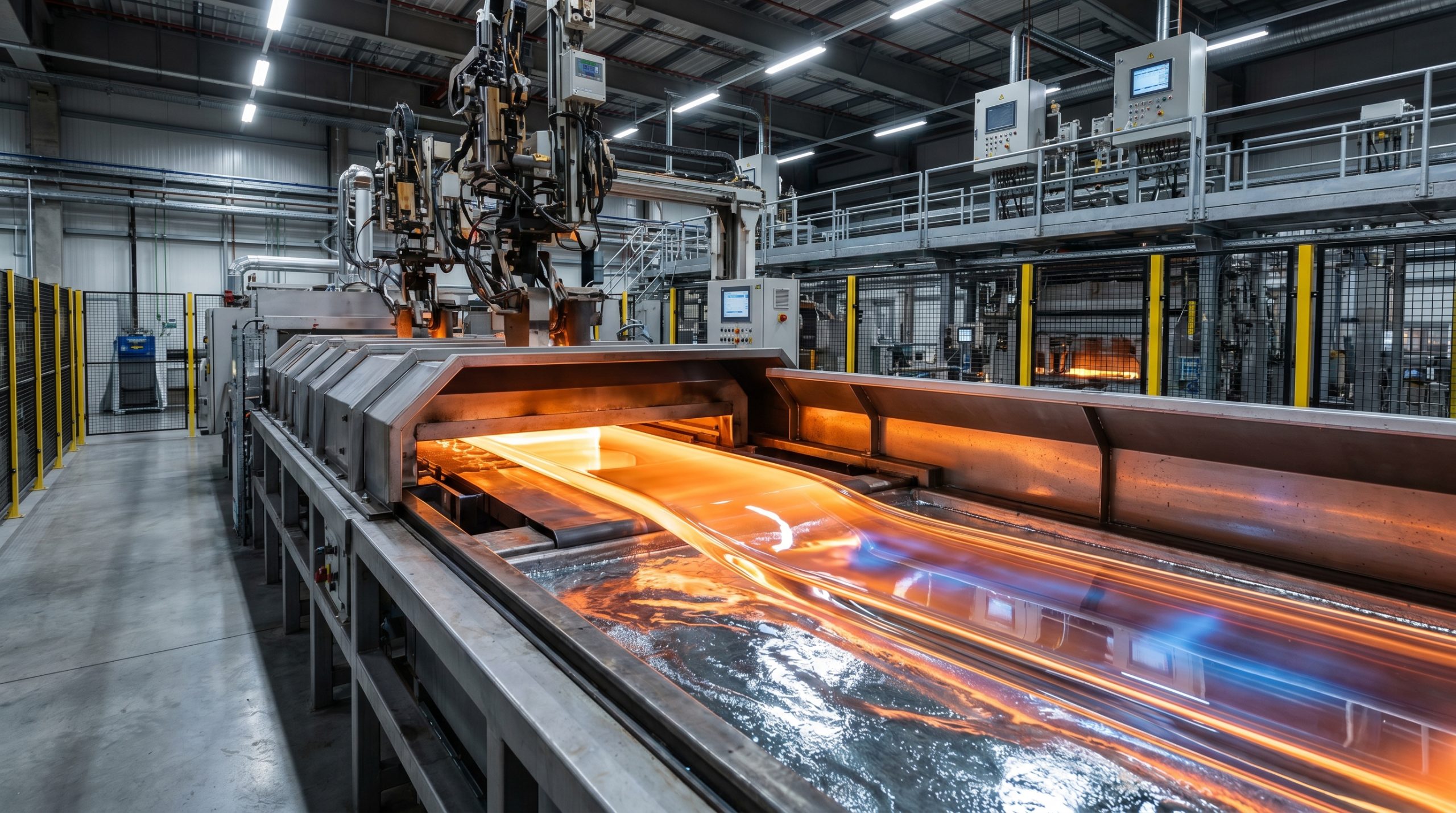
Modern manufacturing utilizes the float process to create perfectly flat, distortion-free sheets by floating molten silica over a bed of liquid tin. This high-precision environment ensures that Architectural Glass starts with a uniform thickness and superior optical clarity. The process begins at temperatures exceeding 1500°C before the glass undergoes controlled cooling.
Base Materials and the Float Process
The quality of your glazing depends entirely on the purity of raw materials like silica sand, soda ash, and limestone. These components are melted into a molten state and spread across a tin bath to achieve a flawless finish.
Look:
- Raw materials: Silica sand (72%), Soda ash (13%), Limestone (9%).
- Result: Uniform sheets ranging from 2mm to 19mm in thickness.
- Advantage: Eliminates the visual distortion found in older plate glass methods.
The catch? Any impurity in the batch can lead to inclusions that threaten the structural integrity of the final pane.
Annealing vs. Heat Treatment
Annealing is the slow cooling of glass to remove internal stresses, making it easier to cut and fabricate. Secondary heat treatments, such as tempering, are required when you need the glass to withstand higher mechanical loads.
Best part?
- Annealed glass: Standard for low-traffic interior applications.
- Heat-strengthened: Twice as strong as annealed glass.
- Tempering: Reaches four to five times the strength of standard float glass.
Key Takeaway: The manufacturing method dictates the final safety rating and strength of the glazing.
| Step | Process Type | Temperature Range | Physical Property |
|---|---|---|---|
| 1 | Melting | 1500°C+ | Molten State |
| 2 | Float Bath | 1000°C | Uniform Thickness |
| 3 | Annealing | 600°C to 100°C | Stress Relief |
Analysis: Precision cooling during annealing is the foundation for all secondary safety glass fabrication.
What are the Types of Architectural Glass?
The primary types include tempered, laminated, and insulated units, each serving specific roles in safety and environmental control. When you specify Architectural Glass, you must match the glass properties to the localized wind loads and occupancy risks of the building. Choosing the right category ensures long-term durability and occupant protection.
Tempered and Heat-Strengthened Safety Glass
Tempered glass is a safety material that shatters into small, blunt cubes rather than dangerous shards upon impact. This characteristic makes it the industry standard for high-traffic entryways and lower-level windows.
Look:
- Manufacturing: Rapid cooling creates high surface compression.
- Safety: Shatters into “dice” to minimize injury risk.
- Durability: Highly resistant to thermal stress and physical impact.
Here is the deal: Once tempered, the glass cannot be cut or drilled, so all fabrication must be completed beforehand.
Laminated Glass for Security
Laminated units consist of two or more glass layers bonded by a tough interlayer like PVB or SentryGlas. This construction ensures that even if the glass breaks, the fragments remain adhered to the interlayer.
Best part?
- Security: Resists forced entry and remains a barrier after breakage.
- Sound: The interlayer naturally dampens acoustic vibrations.
- UV Protection: Blocks up to 99% of harmful ultraviolet rays.
Key Takeaway: Laminated glass is the premier choice for overhead glazing and anti-intrusion zones.
| Glass Type | Strength Ratio | Break Pattern | Primary Benefit |
|---|---|---|---|
| Annealed | 1x | Large Shards | Cost-Effective |
| Tempered | 4-5x | Small Cubes | Human Safety |
| Laminated | Variable | Stays in Frame | High Security |
Analysis: Safety glass selection should be based on the specific injury risk and security requirements of the zone.
How Does Architectural Glass Improve Energy Efficiency?
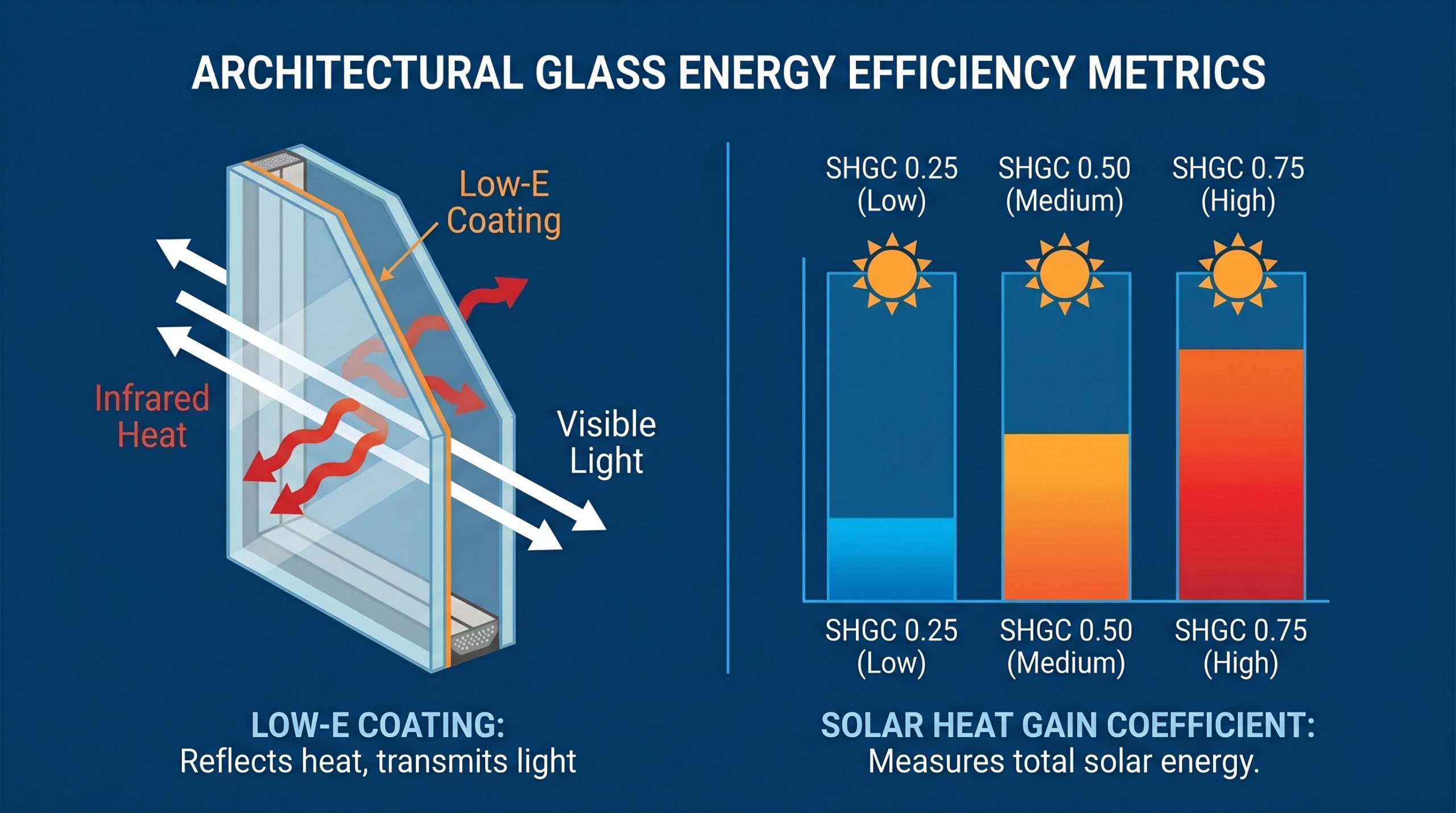
Glazing improves energy efficiency by utilizing Low-E coatings and gas-filled cavities to minimize heat transfer while maximizing natural light. High-performance Architectural Glass reduces the cooling load on HVAC systems by reflecting infrared heat away from the building. This technology allows you to design expansive glass facades without compromising the building’s thermal envelope.
Low-E Coatings and Thermal Insulation
Low-Emissivity (Low-E) coatings are microscopically thin metallic layers applied to the glass surface. These coatings are designed to reflect long-wave infrared energy (heat) while allowing visible light to pass through freely.
Look:
- Performance: Significantly lowers the U-value of the window assembly.
- Comfort: Reduces the “cold draft” feel near large windows in winter.
- Light: Maintains high Visible Light Transmission (VLT).
In fact: Passive solar Low-E coatings can actually help heat a building in colder climates by trapping solar energy.
Insulated Glass Units (IGUs)
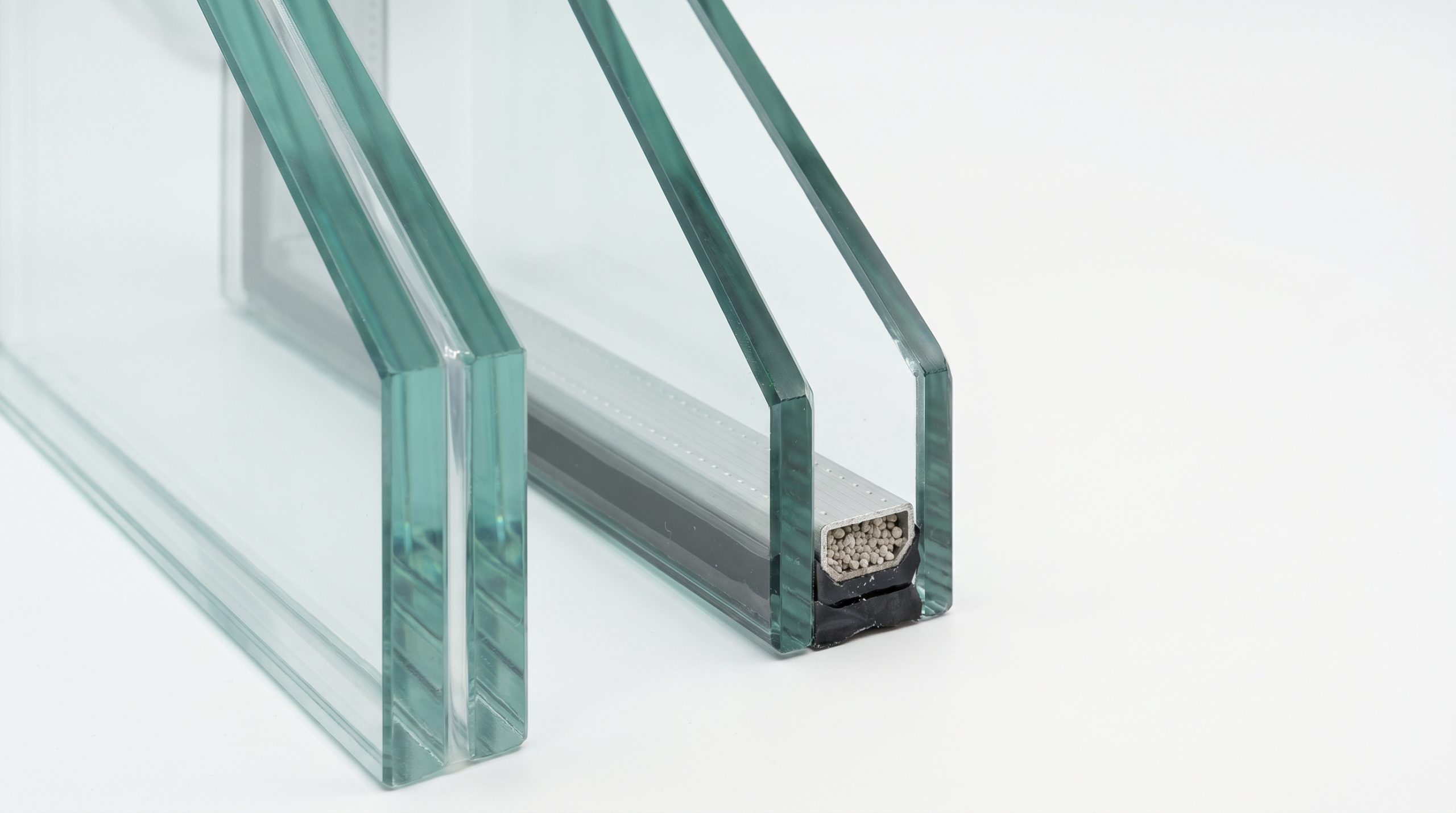
IGUs consist of two or three panes separated by a spacer and a sealed space filled with insulating gas like Argon. This configuration creates a thermal break that drastically outperforms single-pane glazing.
Best part?
- Insulation: Argon gas is denser than air, slowing down heat convection.
- Condensation: Sealed units prevent moisture buildup between panes.
- Flexibility: Can combine tempered and Low-E glass in a single unit.
Key Takeaway: IGUs are the most effective way to meet modern “green building” energy codes.
| Metric | Single Pane | Double IGU (Clear) | Double IGU (Low-E) |
|---|---|---|---|
| U-Value | 5.8 | 2.8 | 1.1 – 1.5 |
| SHGC | 0.82 | 0.70 | 0.25 – 0.40 |
| Light Trans | 90% | 81% | 65% – 75% |
Analysis: Upgrading to Low-E IGUs can reduce heat loss by over 70% compared to standard single glazing.
Where is Architectural Glass Used in Modern Facades?
Modern facades utilize glass in curtain walls, skylights, and structural railings to create transparent, weather-tight building envelopes. When you implement Architectural Glass in exterior applications, you are balancing structural loads with environmental protection. These systems are engineered to withstand wind pressure while providing clear views for occupants.
Curtain Wall Systems
Curtain walls are non-structural exterior coverings that protect the building from the elements without supporting the weight of the floor or roof. They use large panels of glass held in aluminum frames to create a seamless vertical aesthetic.
Look:
- Design: Allows for floor-to-ceiling glass without heavy masonry.
- Logistics: Units can be pre-fabricated (unitized) for faster site installation.
- Performance: Integrates thermal breaks to prevent energy loss through the frame.
The catch? Improper sealing of curtain wall joints can lead to air and water infiltration issues over time.
Overhead and Sloped Glazing
Glazing used in skylights or canopies requires strict safety specifications to prevent injury from falling glass. Laminated glass is almost always mandatory here to ensure the pane remains in the frame if it shatters.
Best part?
- Natural Light: Brings daylight into the deep core of large buildings.
- Safety: Interlayers prevent the “glass rain” effect during a break.
- Aesthetics: Creates dramatic architectural features and open atriums.
Key Takeaway: Sloped glazing must be engineered for both snow loads and potential impact from above.
| Application | Recommended Type | Key Spec | Primary Goal |
|---|---|---|---|
| Curtain Wall | Low-E IGU | Wind Load | Thermal/Views |
| Skylights | Laminated IGU | Impact Rating | Safety |
| Railings | Thick Laminated | Edge Finish | Structural |
Analysis: Application-specific glass selection is critical for meeting localized building codes and safety standards.
How is Architectural Glass Tested for Safety and Strength?

Testing protocols involve impact simulation, wind load analysis, and thermal stress evaluations to ensure the glass survives extreme conditions. Every batch of Architectural Glass must undergo rigorous fragmentation tests to verify it meets international safety glazing standards. You should always demand certified test reports to verify that the product will perform as intended under pressure.
Impact and Fragmentation Testing
Impact tests involve dropping weights or firing projectiles at the glass to see how it reacts to sudden force. For tempered glass, fragmentation tests count the number of pieces in a specific area to ensure they are small enough to be safe.
Look:
- Test: The “Shot Bag” or “Pendulum” impact test.
- Standard: ANSI Z97.1 or EN 12600 compliance.
- Outcome: Glass must not break into sharp, piercing shards.
Here is the deal: A failure in fragmentation testing usually indicates an issue with the tempering furnace’s cooling cycle.
Thermal Stress and Heat Soak Testing
Thermal stress occurs when different parts of a glass pane expand at different rates due to temperature changes. Heat soak testing is a destructive process used to identify panes containing nickel sulfide inclusions that might cause spontaneous breakage.
Best part?
- Reliability: Eliminates “timed bomb” panes before they reach the site.
- Insurance: Often required for high-rise projects to reduce liability.
- Quality: Ensures only the most stable tempered panes are installed.
Key Takeaway: Heat soak testing is the gold standard for preventing spontaneous breakage in tempered facades.
| Test Category | Standard | Method | Passing Criteria |
|---|---|---|---|
| Impact | ASTM C1048 | 100lb Lead Shot | No large shards |
| Fragmentation | EN 12150 | Center Punch | 40+ particles/sq inch |
| Thermal | ISO 12543 | Heat Chamber | No spontaneous break |
Analysis: Certified testing is your only guarantee that the glass meets the safety requirements of the project.
Can Architectural Glass Control Noise in Urban Areas?

Glazing controls noise by using varying glass thicknesses and acoustic interlayers to disrupt and absorb sound waves. Specifying high-STC Architectural Glass is essential for projects located near airports, highways, or busy city centers. You can achieve a quiet interior environment by selecting the right combination of laminated layers and air gaps.
Sound Transmission Class (STC) Ratings
STC is a numerical rating of how well a building partition attenuates airborne sound. For glass, higher STC numbers indicate better soundproofing capabilities for the interior space.
Look:
- Single Pane: Typical STC of 28-32.
- Laminated Glass: Can reach STC 35-40.
- Acoustic IGU: High-end units can achieve STC 45+.
The catch? Even a small gap in the window frame or sealant will completely bypass the glass’s soundproofing ability.
Asymmetric Glazing for Acoustics
Asymmetric glazing uses two panes of different thicknesses within an insulated unit to prevent sound resonance. Because each pane vibrates at a different frequency, they work together to block a wider range of noise.
Best part?
- Performance: Outperforms standard IGUs without increasing total weight.
- Versatility: Can be combined with Low-E coatings for dual benefits.
- Cost: Highly effective compared to adding heavy third panes.
Key Takeaway: Acoustic performance is best achieved through lamination and thickness variation.
| Configuration | Glass Build | Estimated STC | Typical Application |
|---|---|---|---|
| Standard | 6mm Monolithic | 31 | Interior Partitions |
| Standard IGU | 6-12-6 | 35 | Residential Windows |
| Acoustic IGU | 6-12-Lami 8.76 | 42 | Hotels / Busy Streets |
Analysis: Laminated glass with a dedicated acoustic PVB is the most efficient way to block low-frequency city noise.
Why is Architectural Glass Important for Structural Design?
Structural glass is engineered to carry significant loads, allowing it to function as floors, stairs, and even load-bearing fins. This use of Architectural Glass eliminates the need for heavy metal supports, creating a minimalist and highly transparent aesthetic. When you design with structural glass, you are utilizing multi-layered lamination to ensure redundancy and safety.
Load-Bearing Glass Floors and Stairs
Glass floors use thick, multi-ply laminated panels that can support the weight of multiple people simultaneously. The top layer is often treated with a non-slip frit to ensure pedestrian safety in wet or high-traffic conditions.
Look:
- Build: Usually 3 or more layers of 10mm-12mm glass.
- Redundancy: Engineered so that if one layer breaks, the others hold the load.
- Finish: Acid-etched or ceramic patterns for slip resistance.
In fact: Structural glass can be engineered to withstand loads comparable to concrete or steel in specific spans.
Glass Fins and Support Systems
Glass fins are vertical glass strips used as structural reinforcements to stabilize large facades against wind loads. They provide the necessary stiffness while maintaining the visual continuity of an “all-glass” building.
Best part?
- Views: Minimizes visual obstruction compared to steel mullions.
- Strength: Uses heavy-duty lamination for maximum rigidity.
- Design: Creates a sleek, high-tech appearance for commercial lobbies.
Key Takeaway: Structural glass relies on engineering redundancy to maintain safety in load-bearing roles.
| Structural Use | Min. Thickness | Lamination Type | Load Capacity |
|---|---|---|---|
| Flooring | 30mm+ | Multi-Ply SGP | 5.0 kN/m² |
| Balustrades | 15mm – 21mm | PVB / SGP | 1.5 kN/m |
| Support Fins | 19mm+ | Laminated | Variable Wind |
Analysis: Structural glass must always include a safety factor that accounts for the breakage of at least one pane.
How Do You Choose the Right Architectural Glass?
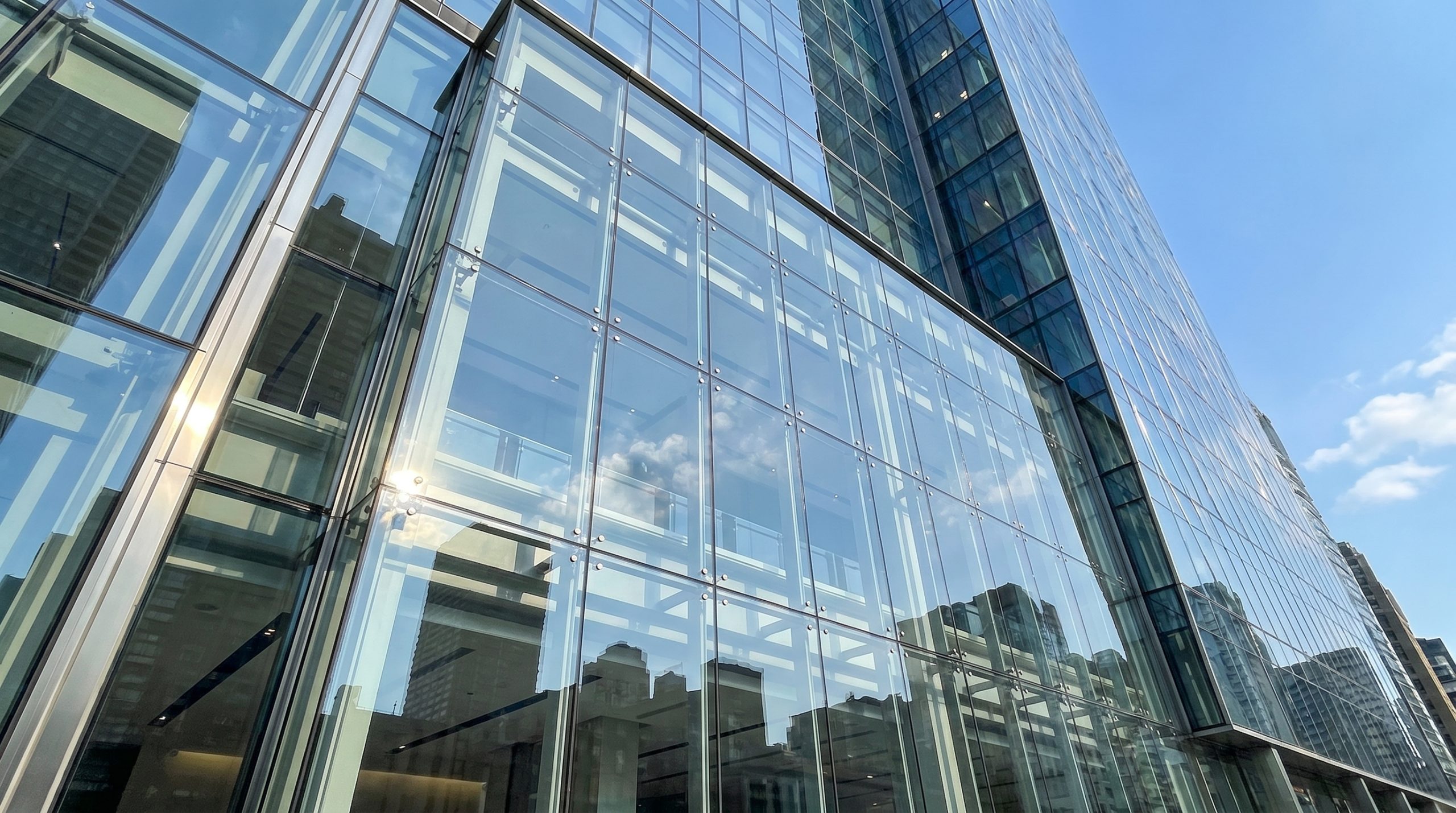
Selecting the right glass requires a deep dive into performance metrics, building codes, and aesthetic goals. When evaluating Architectural Glass, you must consider the solar orientation of the building to prevent overheating. You should also verify that the supplier’s fabrication tolerances match the requirements of your framing system.
Defining Project Performance Goals
You must prioritize whether your primary goal is energy savings, sound reduction, or extreme safety. Each priority leads to a different glass configuration, such as a Low-E IGU for thermal efficiency or heavy lamination for security.
Look:
- Location: Is the building in a hurricane zone or a quiet suburb?
- Orientation: Does the facade face the harsh southern sun?
- Code: What are the local requirements for safety glazing and U-values?
The catch? Over-specifying glass can lead to unnecessary costs, while under-specifying leads to performance failure.
Coordinating with Framing and Sealants
The glass must be chemically and physically compatible with the gaskets, sealants, and metal frames used in the assembly. Improper coordination can lead to edge delamination in laminated glass or seal failure in IGUs.
Best part?
- Longevity: Ensures the unit maintains its seal for 20+ years.
- Warranty: Manufacturers often require specific sealant brands for coverage.
- Fit: Precise CNC cutting ensures the glass fits perfectly into narrow frames.
Key Takeaway: Successful procurement involves verifying the entire system’s compatibility, not just the glass.
| Selection Step | Key Question | Documentation Needed |
|---|---|---|
| 1. Performance | What are the thermal targets? | Spec Sheet / U-Value |
| 2. Safety | Is it a high-risk impact zone? | Test Reports |
| 3. Budget | Is the lead time realistic? | Manufacturer Quote |
Analysis: A holistic approach to selection prevents the most common project delays and installation errors.
What are the Key Technical Specs for Architectural Glass?
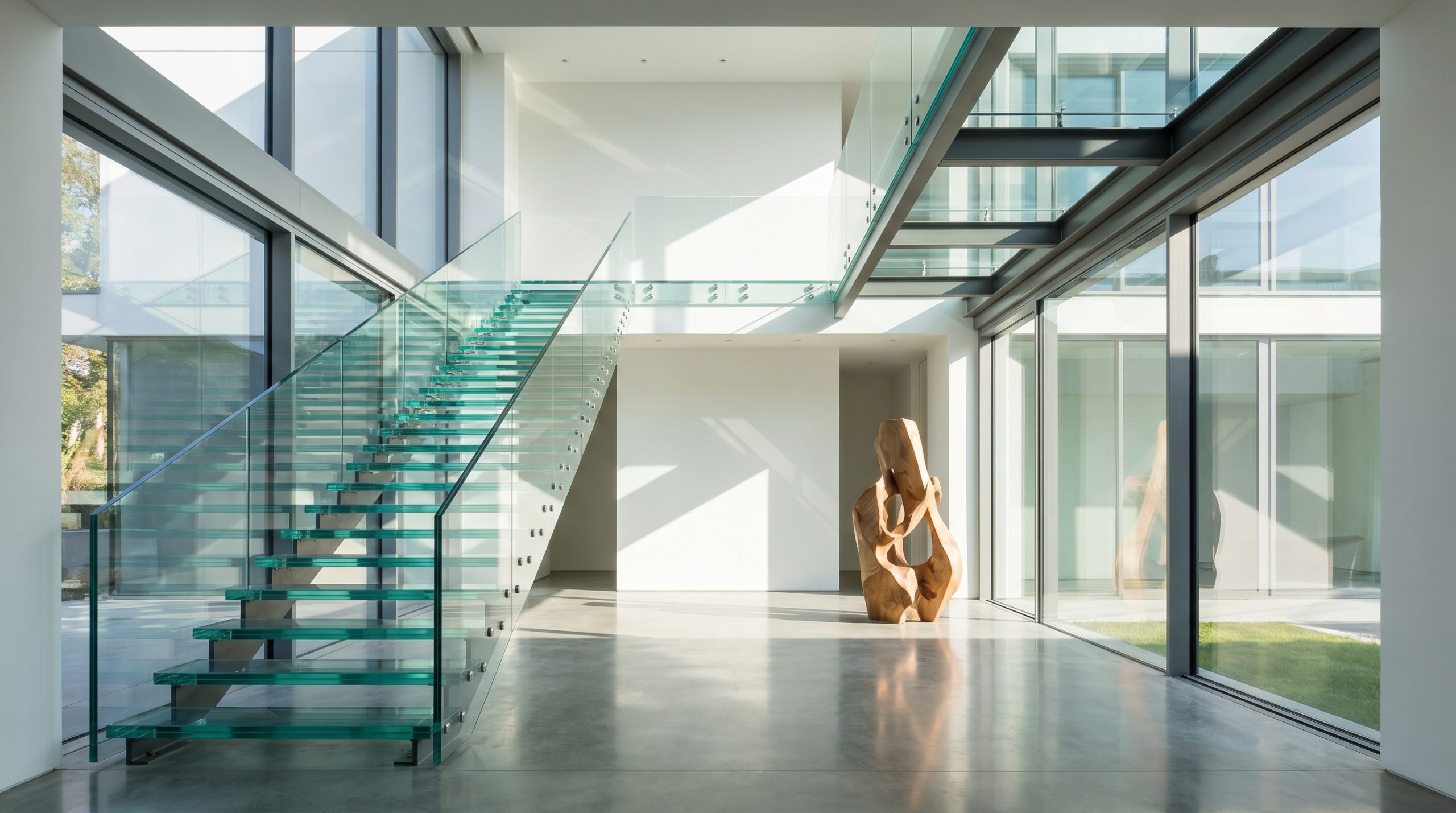
Technical specifications include Visible Light Transmission (VLT), Solar Heat Gain Coefficient (SHGC), and U-factor, which define how the glass interacts with energy. Understanding these metrics is vital when reviewing Architectural Glass data sheets for a new construction project. You need to balance these numbers to ensure the interior is bright enough for workers but not uncomfortably hot.
Visible Light Transmission (VLT)
VLT measures the percentage of visible light that passes through the glazing. A high VLT is desirable for maximizing natural daylight, which reduces the need for artificial lighting and improves occupant well-being.
Look:
- Clear Glass: ~90% VLT.
- Tinted Glass: 30% – 50% VLT.
- High-Performance Low-E: 60% – 75% VLT.
Here is the deal: Higher VLT often comes with a higher SHGC, meaning you must balance light with heat gain.
Edge Quality and Fabrication Tolerances
The quality of the glass edge is critical for preventing stress-related cracks, especially in tempered units. High-quality fabrication ensures that holes, notches, and chamfers are cut with sub-millimeter precision.
Best part?
- Durability: Polished edges reduce the risk of thermal breakage.
- Aesthetics: Essential for frameless applications like shower doors or railings.
- Accuracy: CNC-controlled fabrication ensures ±0.5mm tolerance.
Key Takeaway: Precision edge treatment is just as important for performance as the glass type itself.
| Technical Metric | Definition | Ideal Value (Typical) |
|---|---|---|
| VLT | Light passing through | 60% – 75% |
| SHGC | Solar heat entering | 0.25 – 0.35 |
| U-Factor | Heat loss rate | < 1.5 W/m²K |
Analysis: Balancing high VLT with low SHGC is the hallmark of modern high-performance architectural glazing.
How Can Architectural Glass Be Customized?
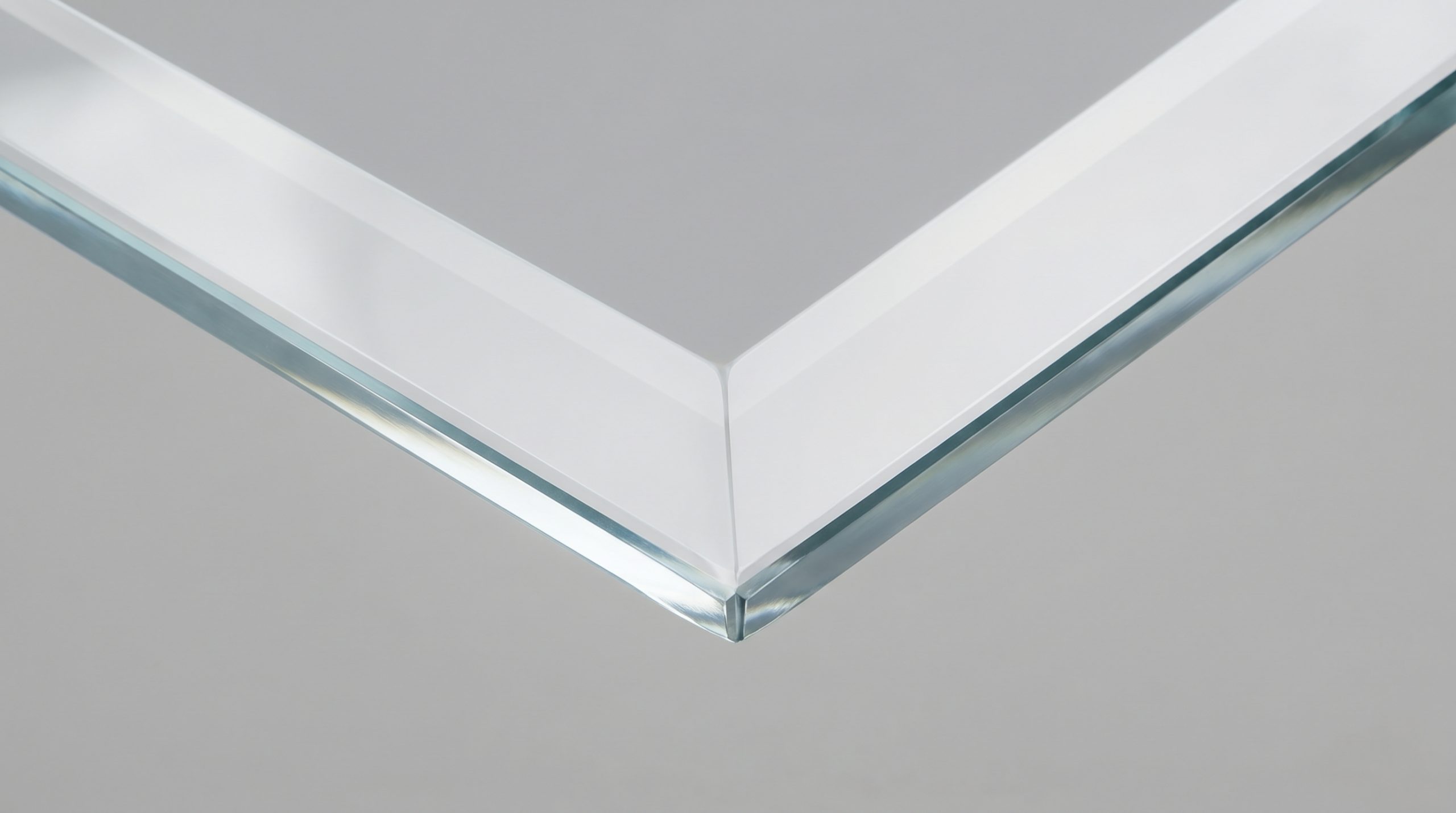
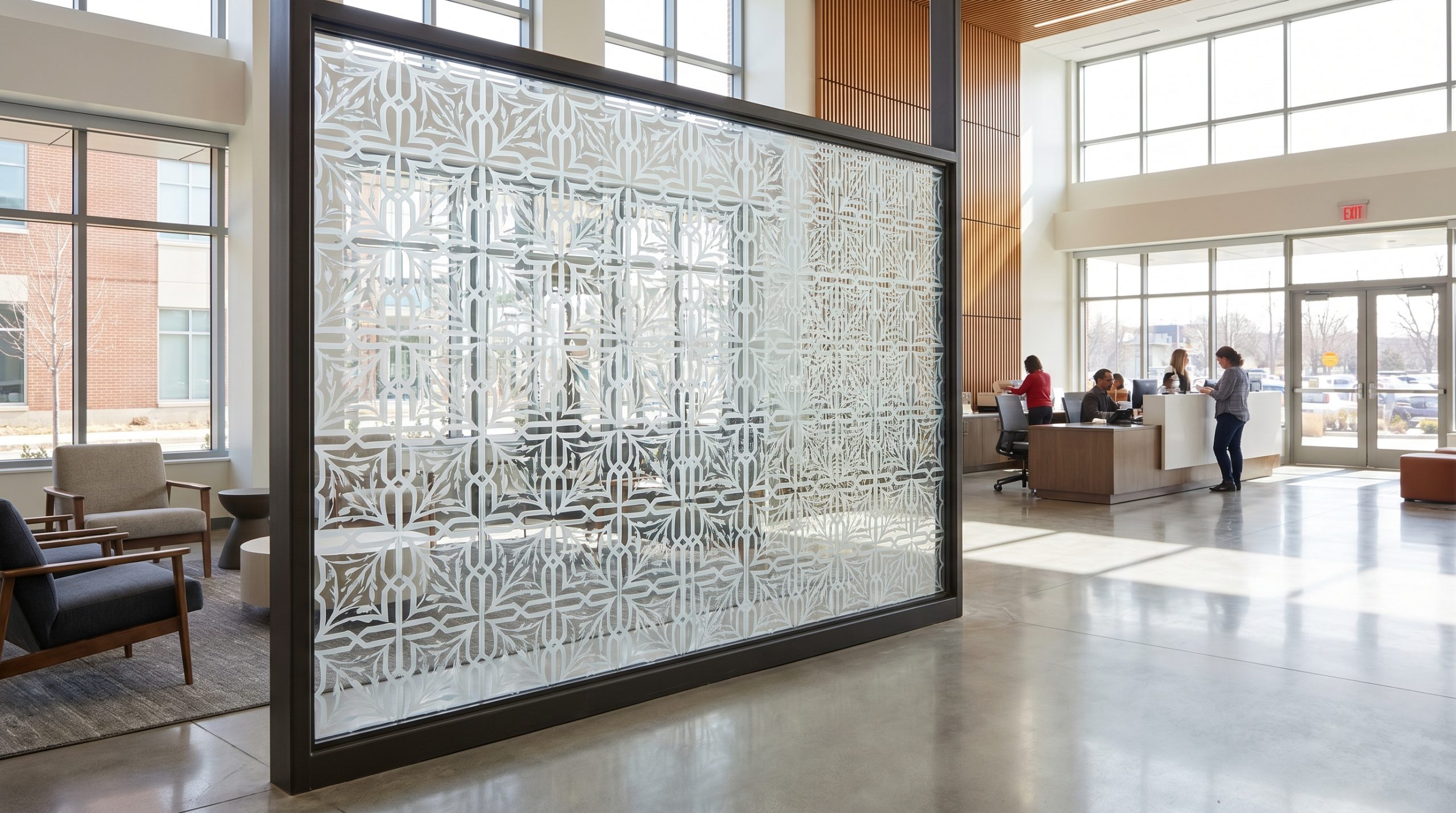
Customization options include ceramic frit patterns, digital printing, and bespoke shapes to meet unique architectural visions. When you order customized Architectural Glass, you are adding functionality such as privacy or branding directly into the pane. Modern fabrication facilities use CNC technology to create complex hole patterns and polished edges for hardware integration.
Ceramic Frit and Screen Printing
Ceramic frit involves applying a permanent, glass-based ink to the surface before the tempering process. This creates durable patterns that can provide bird-strike protection, reduce glare, or add decorative elements to a facade.
Look:
- Durability: The pattern is fused into the glass and cannot be scratched.
- Privacy: Allows for gradient opacities in office partitions.
- Energy: Can be used to shade parts of the building from direct sun.
In fact: Ceramic frit patterns are one of the most effective ways to make large glass surfaces visible to birds.
Digital Printing on Glass
Digital printing allows for high-resolution images and complex multi-color designs to be printed directly onto the glass. This technology offers unlimited creative freedom for interior branding or artistic building envelopes.
Best part?
- Detail: Can replicate textures like wood, stone, or photography.
- Scale: Large images can be split across multiple panels for a mural effect.
- Speed: Faster setup for complex, multi-colored designs compared to screening.
Key Takeaway: Customization allows glass to serve as both a structural element and a primary design feature.
| Custom Option | Method | Best For |
|---|---|---|
| Ceramic Frit | Screen / Roller | Uniform Patterns / Shading |
| Digital Print | Inkjet | High-Res Art / Branding |
| Acid Etching | Chemical | Full Privacy / Soft Glow |
Analysis: Modern customization turns standard glass into a tailored solution for privacy, safety, and brand identity.
FAQ: Common Questions on Sourcing and Specs
Can I customize the thickness of architectural glass for my project?
Yes, you can specify thicknesses ranging from 3mm to 19mm depending on the load requirements. These can be further combined in laminated or insulated units to meet structural or acoustic goals.
What’s the best architectural glass for high-rise facades?
The industry standard is a double-glazed Insulated Glass Unit (IGU) with a Low-E coating. Often, the inner pane is laminated for enhanced safety and sound dampening in urban environments.
How do I know if my architectural glass meets safety codes?
You should always request certified test reports for ASTM C1048 or EN 12150. Additionally, check the glass corners for permanent safety markings indicating the tempering or lamination standard.
Can I get a sample before placing a bulk order?
Most professional manufacturers provide first-article samples or mock-ups to verify color and coating performance. This is a critical step for verifying the visual impact of the glazing before mass production.
What’s the best way to reduce noise using glass?
You should use laminated glass with a dedicated acoustic PVB interlayer. For even better results, use an asymmetric IGU where the two glass panes have different thicknesses to disrupt sound waves.
Conclusion: Partnering for Precision
Selecting the right glass is a critical engineering decision that dictates the safety, efficiency, and aesthetic legacy of your building. By prioritizing technical accuracy and factory-direct quality control, you eliminate the operational risks that plague standard procurement. To ensure your next project is backed by engineering excellence and verified performance, contact us today for a professional consultation.