The secret to maintaining and cleaning home glass perfectly lies in matching chemical-free neutral surfactants with structured, non-abrasive mechanical techniques. Architectural glazing brings magnificent natural light and stunning views to your high-end developments, but dirt, hard water, and environmental pollutants quickly degrade these expensive installations.
If you allow mineral deposits and acid rain to sit, they chemically etch the delicate silica, leading to permanent haze, micro-scratches, and costly premature replacements. Fortunately, adopting a proactive, engineered approach to maintaining and cleaning home glass preserves both the structural integrity and the aesthetic value of your luxury residential projects for decades.
Why Is Maintaining and Cleaning Home Glass Crucial?
Perfecting the process of maintaining and cleaning home glass is essential because it actively prevents environmental contaminants from permanently altering the molecular surface of the glazing. When left unchecked, acidic rain, airborne salts, and alkaline concrete runoff create micro-chemical reactions that destroy optical clarity. Safeguarding these assets requires deep knowledge of material degradation and routine, systematic care.
Beyond aesthetics, proper maintenance directly impacts the overall durability and safety margins of advanced architectural installations. Unresolved surface grime can hide hairline fractures or edge damage, which eventually lead to sudden, catastrophic structural failures. For high-end builders and property managers, pristine glazing serves as the ultimate proof of rigorous quality and meticulous engineering.

What Causes Surface Degradation?
Understanding the physics of environmental wear is the first step in protecting your building’s envelope. Think about it: microscopic dust particles carry sharp mineral shards that act as abrasives.
Over time, heavy rain and wind drive these particulates into the micro-pores of standard float glass. You must eliminate these compounds quickly before they bond with the silica structure.
- Acidic atmospheric pollutants
- Alkaline runoff from surrounding precast concrete
- Sodium chloride buildup in coastal zones
- Industrial particulate fallout
How Does Upkeep Protect Material Integrity?
Regular washing routines neutralize chemical reactions on the outer silica layer before permanent etching occurs. Here is the deal: if you neglect cleaning, you invite irreversible physical damage.
Consistent inspections during washing help you identify early signs of physical weathering. This allows you to resolve minor seal leaks before they ruin the entire installation.
- Early detection of structural stress cracks
- Prevention of hard-water mineral calcification
- Preservation of external weather sealants
Key Takeaway: Implementing a systematic cleaning program prevents irreversible chemical etching, which preserves your property’s value and structural safety.
| Contaminant | Chemical Source | Primary Impact | Prevention Priority |
|---|---|---|---|
| Acid Rain | Industrial Emissions | Silica Etching | Critical (Monthly) |
| Concrete Runoff | Precast Elements | Alkaline Staining | High (Post-Construction) |
| Salt Spray | Marine Atmosphere | Sodium Deposits | Continuous (Bi-weekly) |
Looking at these values, it is clear that environmental pollutants pose distinct chemical threats that require prompt, targeted maintenance schedules.
What Is Best for Maintaining and Cleaning Home Glass?
Choosing professional-grade surfactant formulas over harsh retail cleaners is the absolute best path for maintaining and cleaning home glass. Standard off-the-shelf solvents often contain ammonia or high-acid mixtures that strip modern protective coatings. Utilizing high-dilution, pH-neutral solutions is key to securing flawless optical clarity without risking chemical damage.
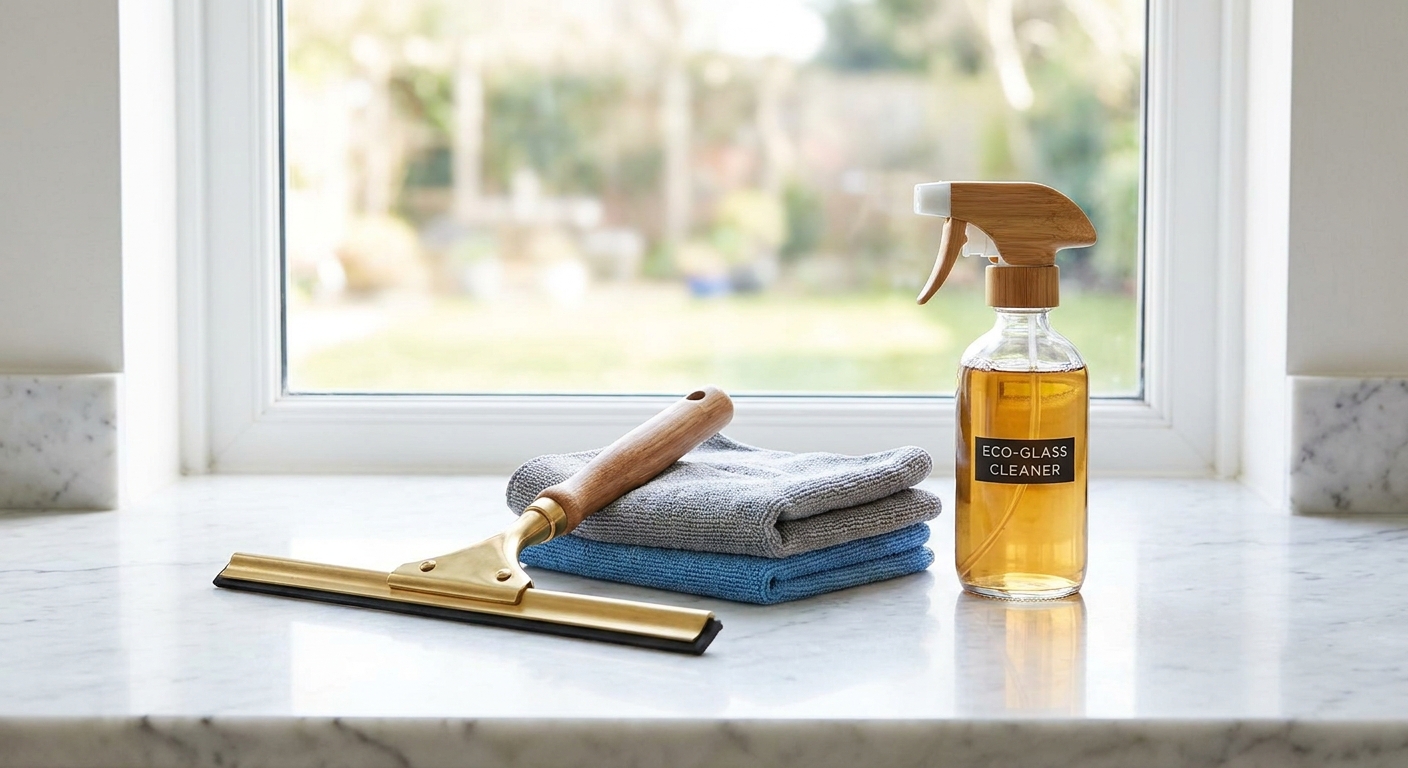
The physical tools you select also determine whether the surface remains pristine or sustains micro-scratches. High-quality squeegees with natural rubber blades are indispensable for removing liquid residue smoothly. Combining these with dense microfiber cloths ensures that no lint or grit remains behind.
Soap vs. Chemical Solvents: Which Wins?
Selecting the right chemical agent prevents permanent chemical hazing on high-performance glazing. As it turns out, heavy-duty industrial soaps can leave behind thick, sticky residues.
You must rely on specialized, neutral cleaning agents to break down grease and environmental oils safely. This keeps your building’s face sparkling clear without damaging the surrounding metal frames.
- pH-neutral liquid surfactants
- Deionized water for residue-free drying
- Isopropanol alcohol for grease removal
Microfiber Cloths vs. Squeegees
Standard paper towels contain wood fibers that cause microscopic surface wear over years of use. Think about it: you deserve tools that protect your investments instead of wearing them down.
Squeegees remove dirty water in single, clean passes to ensure streak-free results. Using the right cloth to wipe the edges completes the perfect clean.
- Ultra-soft synthetic microfiber cloths
- Flexible brass squeegees with replaceable rubber edges
- Lint-free cotton scrim for frame detailing
Key Takeaway: Pairing pH-neutral surfactants with professional rubber squeegees guarantees streak-free, crystal-clear surfaces without degrading performance coatings.
| Tool / Agent | Optimal pH Range | Mechanical Action | Risk Profile |
|---|---|---|---|
| Neutral Surfactant | 7.0 – 7.5 | Chemical Dissolution | Minimal |
| Brass Squeegee | N/A | Fluid Displacement | Low (Requires Clean Blade) |
| Microfiber Cloth | N/A | Friction Absorption | Low (Collects Dust) |
Looking at these values, it is clear that a balanced neutral pH chemistry combined with targeted fluid displacement yields the safest results.
How to Avoid Scratches When Maintaining and Cleaning Home Glass?
The secret to avoiding scratches when maintaining and cleaning home glass is establishing a strict “wet-method” rinsing protocol before applying any physical pressure. Wiping dry glass that is coated in windborne dust acts exactly like sandpaper, cutting tiny grooves into the surface. By flooding the glass with water first, you float abrasive grit away safely.
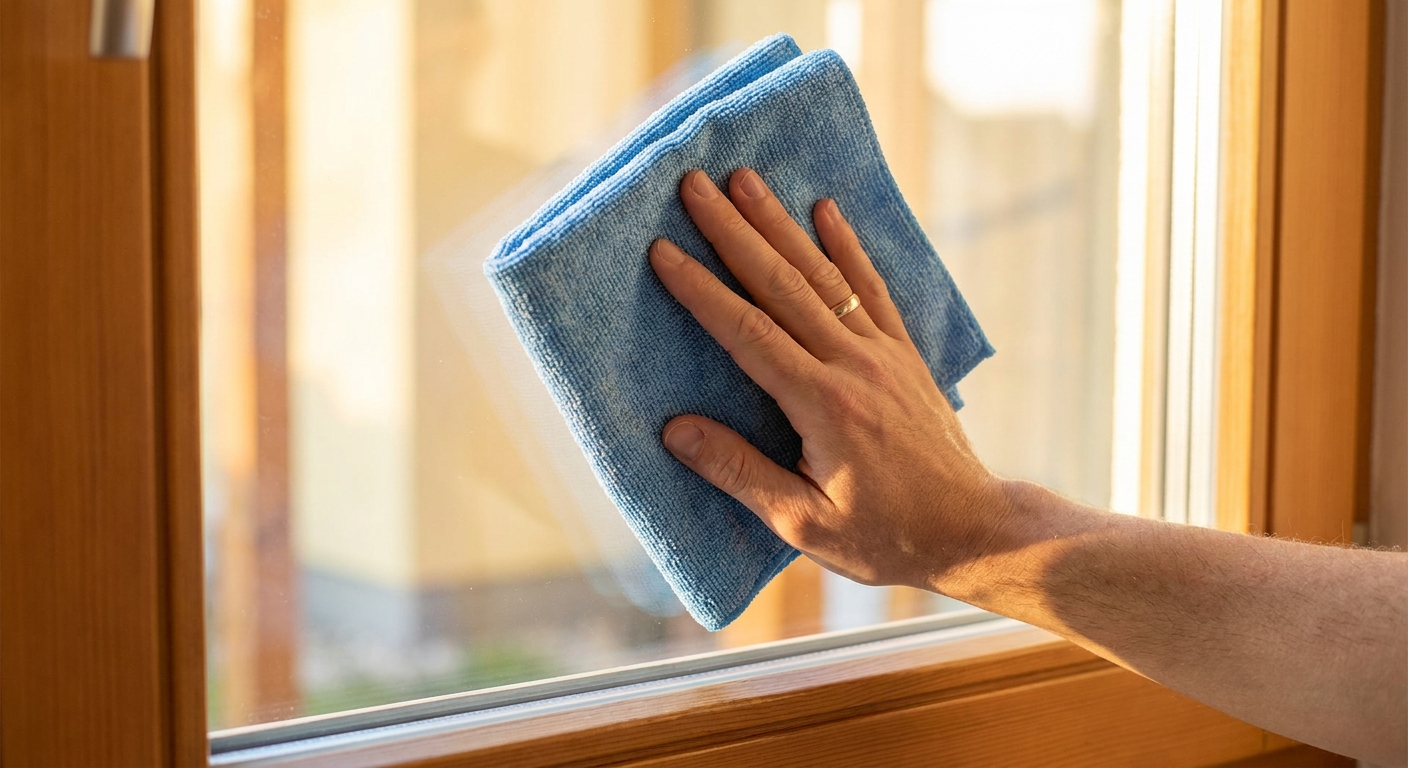
Your choice of cleaning motion also plays a massive role in protecting structural surfaces. Circular motions trap hard debris under the rag, while straight, overlapping strokes push remaining particulates off the edge. This simple mechanical shift eliminates the risk of swirl marks and micro-abrasions.
Why Pre-Rinsing Grit Is Critical
Dry cleaning is the primary cause of hairline scratches on premium residential window frames. Here is the deal: skipping the initial rinse is a recipe for surface destruction.
You should always use low-pressure water to wash away loose sand and atmospheric dust first. This simple step keeps your physical cleaning pads clean and grit-free.
- Low-pressure water spray
- Pure water delivery systems
- Soft-bristled pre-wash brushes
How to Safely Wipe Debris Away
Once the heavy grit is gone, you must use straight strokes to clear the remaining film. But wait, there is more: clean cloth sections must be rotated constantly.
If you reuse a dirty cloth, you risk grinding trapped dust back into the glass. Changing your cloths frequently ensures a completely polished, scratch-free finish.
- Parallel horizontal wiping patterns
- Flipping microfiber cloth to clean quadrants
- Wiping frame tracks prior to glass cleaning
Key Takeaway: Flooding the glass with water before wiping prevents abrasive friction, keeping your high-end panels completely scratch-free.
| Material | Mohs Hardness | Scratch Risk Profile | Reusability |
|---|---|---|---|
| Microfiber (Synthetic) | 2 – 3 | Ultra-Low (Safe) | High (Washable) |
| Standard Paper Towel | 3 – 4 | Moderate (Abrasive) | Single-Use |
| Steel Wool (Grade 0000) | 4.5 | High (Risky) | Low |
Looking at these values, it is clear that synthetic microfibers present the lowest Mohs hardness risk to architectural glass surfaces.
How to Manage Mold While Maintaining and Cleaning Home Glass?
You can effectively manage mold and mildew by combining non-abrasive organic acids with daily dry-squeegee habits during maintaining and cleaning home glass. Wet bathroom environments allow moisture and organic matter to accumulate in silicone seals. Breaking down these spores requires consistent chemical inhibition paired with physical moisture control.
The physical gaskets and sealing joints around shower enclosures require deep sanitization to prevent leakage. If mold penetrates behind the structural glass, it degrades the adhesive bond and threatens safety. Keeping these damp zones completely dry is vital for the long-term health of your bathroom fittings.

Why Soap Scum and Mold Cooperate
Soap scum forms a sticky organic matrix that serves as the perfect food source for mold. Think about it: a warm, humid shower room acts as a natural incubator for bacteria.
You must dissolve these calcium-rich layers chemically to halt mold colonization. This prevents unsightly black spots from spreading across your clean glass screens.
- Hard water magnesium and calcium deposits
- Organic fatty acids from soaps
- Fungal spore germination in damp spaces
Best Sanitizing Agents for Shower Screens
Avoiding harsh chlorine bleaches protects both your metallic finishes and structural silicone joints. Here is the deal: eco-friendly organic acids neutralize spores without damaging hardware.
Regular application of these mild acids breaks down mineral bonds effortlessly. This simple chemical approach eliminates the need for hard scrubbing.
- Diluted citric acid solutions
- Tea tree oil antimicrobial sprays
- Isopropyl alcohol seam detailing
Key Takeaway: Keeping shower glass dry with a daily squeegee routine stops mold and hard-water buildup before they can etch the glass.
| Cleaning Solution | Active Concentration | Mold Inhibition | Hardware Safety |
|---|---|---|---|
| Citric Acid Blend | 10% Aqueous | High | Safe (Non-corrosive) |
| Isopropyl Alcohol | 70% Pure | Excellent | Safe (Fast evaporating) |
| Chlorine Bleach | >5% Sodium Hypochlorite | Maximum | High Risk (Hardware Corrosive) |
Looking at these values, it is clear that organic citric acid solutions provide the safest balance of mold removal and hardware protection.
Why Protect Tempered Panels When Maintaining and Cleaning Home Glass?
Protecting tempered safety units during maintaining and cleaning home glass is crucial because their surface tension makes them highly vulnerable to sudden edge-impact failures. While fully tempered glass is three to five times stronger than standard float glass, it stores massive internal energy. A tiny micro-crack on an unprotected edge can cause the entire sheet to shatter spontaneously.
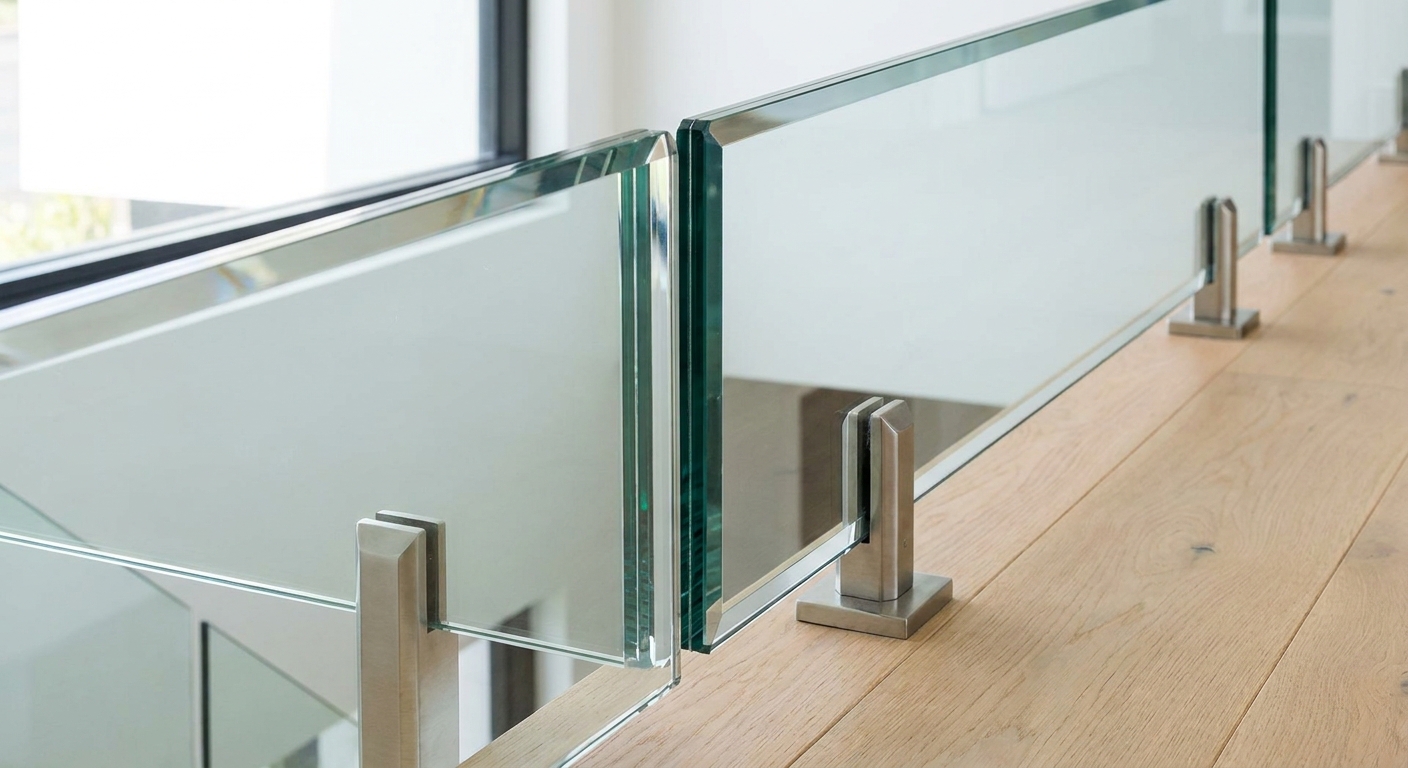
When executing routine maintenance, cleaning crews must pay special attention to perimeter frames and support brackets. Avoiding direct metal-to-glass contact during washing prevents localized stress points from developing. Maintaining structural integrity requires a combination of careful handling and gentle tool selection.
The Physics of Compressive Surface Stress
Rapid thermal cooling during manufacturing locks the outer layers of tempered glass in high compression. Think about it: this internal stress is what gives the glass its high strength.
However, deep scratches that penetrate this compressive layer will compromise the entire panel. This is why you must avoid using metal scrapers or rough abrasive pads.
- High-compression outer skin
- High-tension inner core
- Small, safe, blunt-angled fracture particles
Safeguarding Vulnerable Edges
The edges of a tempered pane are its Achilles’ heel during heavy-duty maintenance. As it turns out, even a minor knock from a metallic tool can trigger breakage.
You must ensure that cleaning frames are thoroughly padded to absorb unexpected impacts. This protects the outer edges from physical shock.
- Rubber edge protectors on hand tools
- Polished chamfers to reduce edge stress
- Wooden or plastic spacers in glazing channels
Key Takeaway: Protecting tempered glass edges during cleaning eliminates the risk of spontaneous thermal-stress fractures, ensuring occupant safety.
| Glass Type | Tensile Strength (PSI) | Fracture Pattern | Edge Sensitivity |
|---|---|---|---|
| Fully Tempered | 10,000+ | Tiny Blunt Fragments | Extremely High |
| Heat-Strengthened | 5,000 – 8,000 | Large Linear Shards | Moderate |
| Standard Annealed | 3,000 | Jagged Shards | Low |
Looking at these values, it is clear that fully tempered glass offers superior strength but demands maximum edge care during handling.
How to Treat Double Panes When Maintaining and Cleaning Home Glass?
To properly treat double-pane insulated glass units (IGUs) when maintaining and cleaning home glass, you must protect the outer edge sealants from moisture pooling. Double and triple-glazed units rely on a dual-barrier sealing system to keep dry gas trapped inside. If you allow cleaning water to sit in the frame tracks, it can slowly dissolve these sealants over time.
Furthermore, protecting the internal desiccants from moisture saturation is vital for avoiding internal condensation. Once an outer seal is breached, moisture enters the air cavity, causing permanent fogging. Taking a proactive approach to frame drainage ensures your high-performance insulated glass remains clear and efficient.

Understanding Insulated Glazing Seal Integrity
The space between double panes is typically filled with insulating argon gas to lower the U-value. But wait, there is more: this gas only stays trapped if the primary butyl seal remains intact.
You must inspect the perimeter sealant regularly for cracks, gaps, or signs of dry rot. Correcting these early saves your building from costly thermal energy loss.
- Primary polyisobutylene (PIB) moisture barrier
- Secondary structural silicone seal
- Argon gas retention for thermal efficiency
Keeping Frame Weep Holes Clear
Modern window frames feature built-in drainage channels called weep holes to shed rain. Here is the deal: if these holes clog, standing water will attack the glass seals.
You should clear dust and organic debris from weep holes during every washing cycle. This ensures that water drains away from the lower edge seal immediately.
- Regular inspection of lower frame tracks
- Vacuuming dirt out of drainage pathways
- Testing water outflow before heavy cleaning
Key Takeaway: Keeping frame drainage tracks clear prevents standing water from degrading the perimeter seals of your double-pane insulated units.
| Seal Layer | Primary Material | Main Function | Water Exposure Risk |
|---|---|---|---|
| Primary Seal | Polyisobutylene (PIB) | Vapor Barrier | High (Hydrolytic degradation) |
| Secondary Seal | Silicone / Polysulfide | Structural Strength | Moderate |
| Spacer Bar | Aluminum / Stainless Steel | Desiccant Housing | Low |
Looking at these values, it is clear that protecting the primary vapor barrier from prolonged water pooling is the most critical factor.
How to Wash Low-E Layers When Maintaining and Cleaning Home Glass?
When maintaining and cleaning home glass with advanced Low-E (low-emissivity) coatings, you must avoid any abrasive tools that could scratch the microscopic metal sputtering layers. These highly efficient windows feature ultra-thin, vacuum-deposited silver layers that reflect far-infrared heat. Since some architectural designs place this coating on exposed surfaces, gentle handling is absolutely critical.
Chemically, you must steer clear of any cleaning solutions containing ammonia, acetone, or strong mineral acids. These aggressive chemicals can react with the metallic silver and tin oxides, causing permanent discoloration. Utilizing mild, non-ionic surfactants combined with clean microfiber products ensures optimal thermal performance is preserved.

Protecting Microscopic Silver Sputtering
Sputtered magnetron coatings are incredibly thin—often measuring only a fraction of a human hair. Think about it: one wrong wipe with an abrasive sponge can ruin a multi-million dollar glass facade.
You must approach these surfaces with a soft touch to avoid removing the microscopic silver layer. This keeps the glass working efficiently for years.
- Microscopic silver and tin oxide layers
- Reflective solar heat shielding
- Protection against UV furniture fading
Safe Solvents for Coated Glass
High-purity isopropyl alcohol and deionized water are the gold standards for removing organic residues from coated glass. Here is the absolute key to success: always pre-test your solution on an inconspicuous corner first.
This precaution prevents widespread damage if there is any unexpected chemical incompatibility. Following this simple test keeps your reflective facades completely flawless.
- Deionized water for spot-free rinsing
- Diluted isopropyl alcohol for grease cutting
- Soft lint-free synthetic cloth wipes
Key Takeaway: Avoiding harsh chemical solvents and abrasive scrubs protects the delicate metal oxides of Low-E glass, securing long-term energy savings.
| Coating Position | Sputtered Metal | Solvent Compatibility | Scratch Risk Level |
|---|---|---|---|
| Surface #1 (Exterior) | Titanium Oxide | High (Hard Coated) | Low |
| Surface #2 (Internal) | Silver (Single/Double/Triple) | N/A (Sealed Unit) | None (Protected) |
| Surface #4 (Interior) | Indium Tin Oxide | Moderate (Soft Coated) | High (Exposed) |
Looking at these values, it is clear that exposed interior soft-coat surfaces (Surface #4) demand the most delicate cleaning protocols.
Why Is Safety Vital When Maintaining and Cleaning Home Glass?
Maintaining safety protocols during maintaining and cleaning home glass is vital because handling heavy, large-format architectural panes involves significant fall and impact risks. Large residential developments often feature high-elevation windows and multi-story glass railings. Without proper fall protection and secure handling gear, routine upkeep can quickly lead to dangerous accidents.
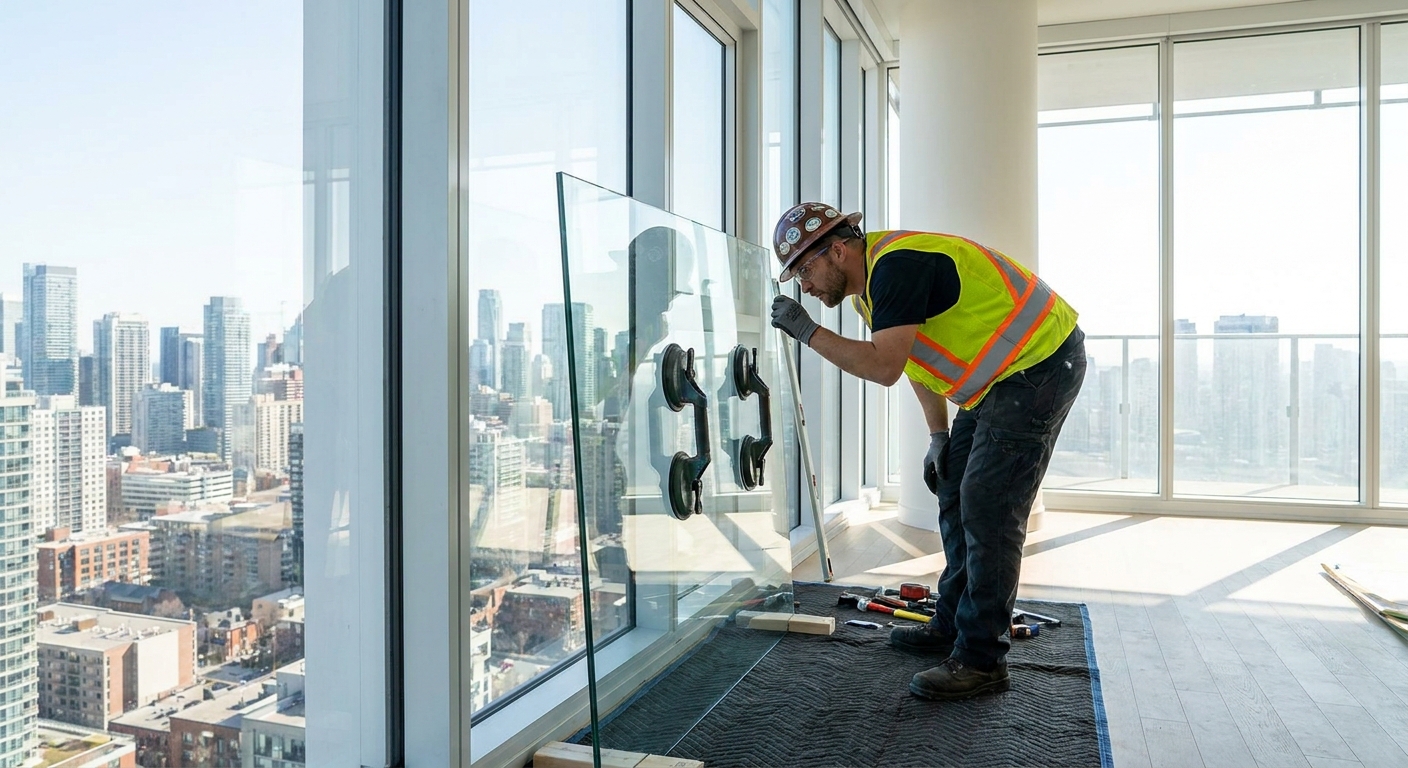
In addition, using professional-grade personal protective equipment (PPE) shielding protects maintenance crews from glass breakage and chemical exposure. Selecting high-grip suction cups and anti-slip footwear ensures stable control over large panels in wet conditions. Prioritizing safety minimizes liability risks and guarantees a safe work environment on site.
Managing Elevated Glazing Work Safely
Washing multi-story external windows demands secure scaffolding or certified harness anchor points. Think about it: a single slip from a ladder can have life-altering consequences for your team.
You should always establish clear ground safety zones below the work area before starting. This keeps pedestrians safe from dropped tools or falling water.
- OSHA-compliant fall arrest harnesses
- Secure wind-rated access scaffolding
- Ground-level warning signs and barricades
Handling Large Format Glass Safely
Heavy architectural panels cannot be carried safely without dedicated mechanical lifting aids. As it turns out, standard manual carrying methods increase the chance of dropping glass.
You must equip your maintenance team with certified industrial vacuum suction cups for secure handling. This lowers the physical strain on your workers.
- Dual-cup vacuum glass lifters
- Cut-resistant protective sleeves and gloves
- Steel-toe safety boots with high-traction soles
Key Takeaway: Implementing OSHA-approved safety gear and proper handling tools minimizes project liability and completely prevents accidents during glazing maintenance.
| Elevation Level | Fall Protection Tool | Risk Rating | Operational Protocol |
|---|---|---|---|
| Ground Level (<6 ft) | Anti-Slip Footwear | Low | Visual Area Inspection |
| Mid-Level (6 – 15 ft) | Secure Extension Poles | Moderate | Secure Ladder Footing |
| High-Level (>15 ft) | Full Harness & Anchor | Extreme | Certified Scaffolding Crew |
Looking at these values, it is clear that elevated glazing tasks above six feet require formal fall protection gear to ensure full regulatory compliance.
When to Consult Experts When Maintaining and Cleaning Home Glass?
Knowing when to consult a certified technician during maintaining and cleaning home glass is crucial for resolving major structural issues like failed seals and deep cracks. While minor dirt and light mineral haze can be handled by standard cleaning crews, structural failures require professional diagnostic gear. Attempting DIY repairs on major fractures can compromise the structural load capacity of the window system.
Expert glazing teams utilize specialized laser micrometers and stress analysis tools to assess overall material integrity. By conducting thorough structural inspections, they can determine if a panel needs simple polishing or full replacement. Partnering with certified installers ensures your home’s building envelope remains safe and efficient.

Identifying Structurally Critical Scratches
Deep surface scratches that catch your fingernail can weaken the tempered glass surface layer. Think about it: thermal expansion and wind loads put constant stress on these weak points.
You need professional optical polishing to restore the structural strength of scratched panels. This ensures your safety barriers remain reliable.
- Scratches exceeding 10% of glass thickness
- Localized chips near exposed outer edges
- Surface micro-fissures from environmental impacts
Diagnosing Internal Seal Failures
Persistent haze or condensation between the panes is a clear sign of a failed insulated unit seal. Here is the deal: cleaning the outside of the glass will never fix this issue.
You must have a certified glazing team replace the entire sealed double-pane unit. This restores the thermal insulation of your building envelope.
- Permanent fogging inside the air gap
- Saturation of the internal silica desiccants
- Loss of thermal insulation (rising U-value)
Key Takeaway: Consulting certified glazing experts for deep scratches and failed seals restores the structural strength and insulation of your window systems.
| Issue | Diagnostic Method | Feasible Solution | Typical Repair Duration |
|---|---|---|---|
| Hairline Scratch | Nail Test / Visual | Professional Polishing | 1 – 2 Hours |
| Failed IGU Seal | Laser Dew-Point Meter | Full Unit Replacement | 3 – 5 Weeks (Custom Build) |
| Edge Crack | Acoustic Emission Test | Immediate Replacement | 1 Day (Emergency) |
Looking at these values, it is clear that while minor cosmetic scratches can be polished out quickly, structural seal failures demand customized factory replacements.
How to Standardize Maintaining and Cleaning Home Glass?
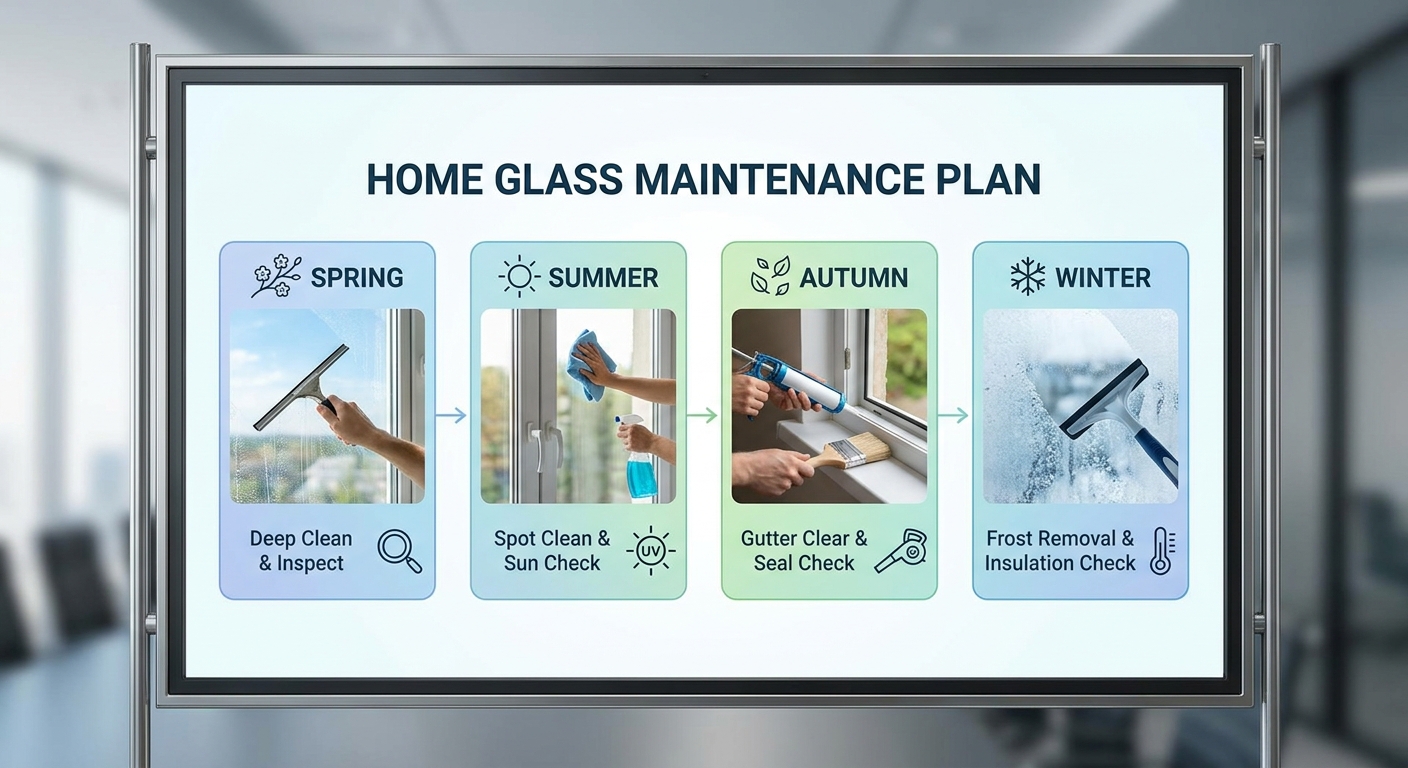
Establishing a structured Standard Operating Procedure (SOP) is the ultimate way to standardize maintaining and cleaning home glass for luxury estates and commercial facilities. Creating a repeatable, step-by-step cleaning timeline ensures maintenance crews deliver consistent results. Regular inspections protect your glazing investments and prevent costly emergency repairs.
A comprehensive maintenance program should map out weekly, monthly, and seasonal upkeep tasks for every type of glass. This preventative approach lets you spot minor wear, clogged weep holes, or worn seals before they cause leaks. Setting clear standards ensures long-term clarity and structural performance.
Creating a Preventative Schedule
Setting a firm bi-annual schedule keeps your architectural glazing looking its best. Think about it: a consistent routine is much cheaper than emergency structural repairs.
You should plan deep cleanings to coordinate with changing weather seasons for optimal care. This simple habit keeps your windows performing perfectly all year.
- Spring deep cleaning and seal inspection
- Autumn frame and weep hole clearance
- Monthly coastal salt-wash schedules
Training Your Maintenance Team
Educating your staff on safe cleaning techniques is vital for avoiding accidental scratches. Here is the deal: proper training pays off in lower breakage rates and pristine glass.
You need to ensure they follow the approved SOPs for cleaning coated glass. This step protects delicate metallic layers from accidental wear.
- Approved chemical diluting ratios
- Mandatory tool inspection checklists
- Strict safety harness protocols
Key Takeaway: Standardizing your glass maintenance program through clear SOPs and regular schedules extends the life of your glazing and preserves pristine views.
| Maintenance Frequency | Target Components | Core Action | Expected Lifetime Benefit |
|---|---|---|---|
| Weekly | Entryway Glazing | Microfiber Surface Wipe | Scratch Prevention |
| Quarterly | Shower Enclosures | Mild Acid Wash & Squeegee | Mold Mitigation |
| Bi-Annually | High-Rise Low-E Facades | Professional Wet Rinse | Coating Preservation |
Looking at these values, it is clear that a structured, frequency-based maintenance strategy is the key to protecting diverse architectural glass installations.
Conclusion and Strategic Next Steps
Protecting the aesthetic appeal and structural safety of high-performance architectural glass is a continuous engineering commitment. From managing the chemistry of environmental pollutants to protecting delicate silver sputtered Low-E coatings, proper upkeep ensures that luxury building envelopes remain energy-efficient, structurally sound, and perfectly clear. For high-end builders, contractors, and procurement managers, partnering with a dependable direct-to-factory manufacturer who understands structural glass engineering is the ultimate way to safeguard property investments.
As a leading B2B custom glass manufacturer, Prime Pro Glass specializes in delivering high-performance, custom-fabricated tempered, insulated, laminated, and ceramic frit glass directly from our state-of-the-art facility to your job site. Spanning over 30,000 square meters with a skilled production team of 500 professionals, we have over 20 years of manufacturing expertise. We process over 4 million square meters of custom architectural glass annually, exporting to over 100 countries under strict international standards. If you are ready to eliminate middleman markups, ensure stable lead times, and secure fully certified glass for your next project, contact us today to discuss your blueprint specifications.
Frequently Asked Questions
Can I use standard consumer glass cleaners on custom Low-E coated glass?
No, it is not recommended. Off-the-shelf cleaners often contain ammonia, vinegar, or acidic compounds that can react chemically with and degrade exposed microscopic metallic silver sputtered coatings. You should always use pH-neutral, non-ionic professional surfactants mixed with deionized water and soft synthetic microfiber cloths to preserve thermal performance.
What is the best way to clean tough mineral deposits from tempered glass without scratching?
The best approach is applying a mild, diluted organic acid solution (like 10% citric acid) to chemically break down the alkaline calcium and magnesium mineral bonds. Let the solution sit for 2–3 minutes to loosen the deposits, then rinse thoroughly with deionized water. Avoid using abrasive nylon pads, steel wool, or metallic scrapers, which can easily scratch the glass surface skin.
How do I know if my double-pane insulated glass seals have failed?
The primary indicator is persistent internal condensation or fogging between the two sealed glass sheets. If you clean both outer surfaces and still notice micro-droplets, hazy patterns, or rainbow oil-slick films inside the air gap, the physical perimeter sealant has failed. At this point, the argon insulating gas has escaped, and the entire double-pane unit must be replaced.
Can I use a pressure washer to clean hard-to-reach exterior home glass?
No, we strongly advise against using pressure washers on architectural window assemblies. High-pressure water jets can easily degrade perimeter silicone sealants, rupture double-pane insulated seals, and force water into structural wall cavities. Instead, use water-fed telescopic poles operating at low gravity pressures paired with soft brushes and deionized water.
How do I know if a surface scratch on my tempered panel is dangerous?
Run your fingernail gently across the scratch. If your nail catches in the groove, the scratch has penetrated the outer compressive surface stress layer, which typically makes up the top 20% of the glass thickness. Deep scratches on fully tempered panels create local stress points that raise the risk of spontaneous thermal-stress breakage; you should have a certified glazing inspector evaluate the panel immediately.