The difference between these two safety materials is that laminated glass consists of multiple layers bonded by a plastic interlayer to prevent shattering, while tempered glass is a single pane heat-treated to break into small, blunt granules.
Selecting the wrong glazing for a commercial project can lead to catastrophic safety failures and massive budget overruns. When you are specifying materials for high-traffic facades or overhead structures, the pressure to balance structural integrity with cost often leads to dangerous indecision.
Understanding the fundamental nuances of Laminated Glass vs Tempered Glass is the only way to ensure your procurement strategy aligns with the engineering requirements of modern construction.
What is the main Laminated Glass vs Tempered Glass difference?
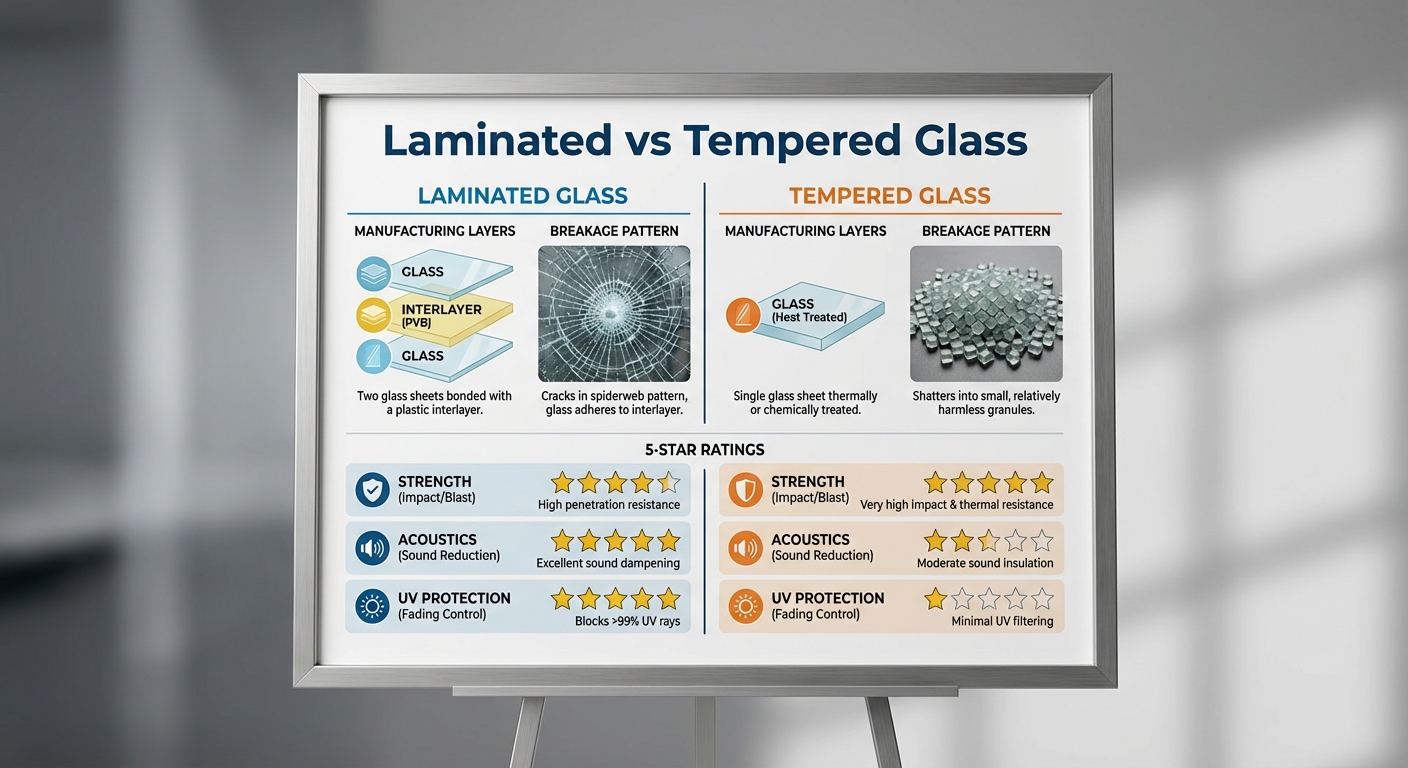
The core distinction between these products is how they respond to extreme force and failure. When evaluating Laminated Glass vs Tempered Glass, you will find that one is designed to stay in the frame while the other is designed to evacuate the frame safely. This determines which material is appropriate for your specific architectural application.
Understanding Structural Integrity
You need to know that the physical makeup of these glasses dictates their primary use case in a building. While both are considered “safety glass,” they solve different engineering problems.
But here is the kicker:
- Laminated glass is a “sandwich” of glass and plastic.
- Tempered glass is a single, toughened sheet.
- Safety is achieved through different mechanical properties.
Key Takeaway: Laminated glass is for security and retention, while tempered glass is for high-strength impact resistance.
| Feature | Laminated Glass | Tempered Glass |
|---|---|---|
| Construction | Multi-layer with PVB | Single-layer thermal |
| Failure Mode | Remains intact | Shatters into granules |
This comparison highlights why specific building codes require one over the other based on the risk of falling glass.
How is Laminated Glass vs Tempered Glass manufactured?
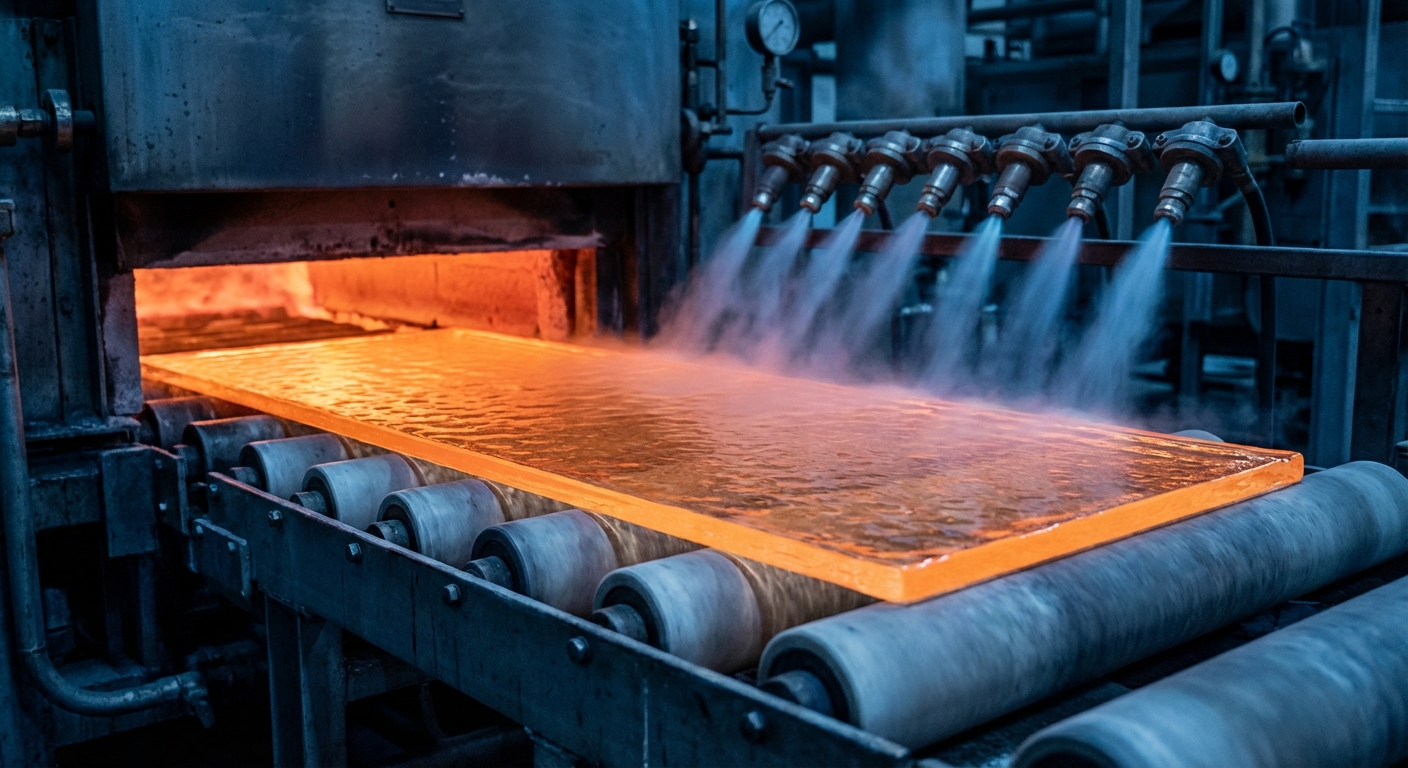
Laminated glass is produced by bonding layers with heat and pressure, whereas tempered glass undergoes a high-heat treatment followed by a rapid “quenching” process. The manufacturing path for Laminated Glass vs Tempered Glass determines the final stress distribution within the material. This process is irreversible once completed.
The Thermal and Chemical Journey
You should recognize that the furnace settings and cooling speeds are what give these glasses their unique properties. Tempered glass relies on surface compression, while laminated glass relies on chemical bonding with an interlayer.
The best part?
- Tempering increases strength by 400%.
- Lamination requires an autoclave for bonding.
- Precision cooling prevents warping in large panes.
Key Takeaway: Manufacturing differences create either high surface tension (tempered) or a flexible bond (laminated).
| Process Step | Laminated | Tempered |
|---|---|---|
| Heat Requirement | High (Autoclave) | Extreme (Furnace) |
| Cooling Method | Slow/Controlled | Rapid Quenching |
These distinct industrial workflows mean that tempered glass cannot be cut after the process is finished.
Which is stronger: Laminated Glass vs Tempered Glass?
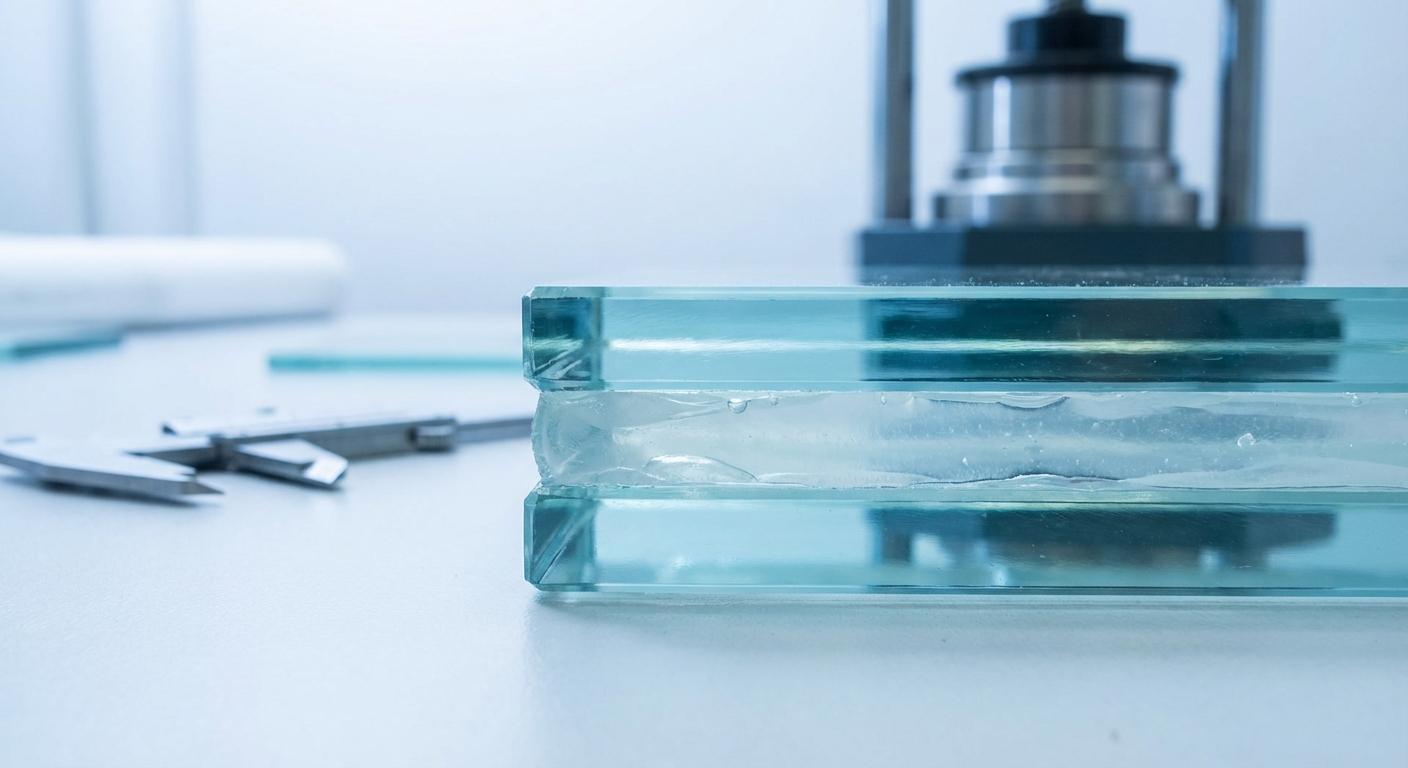
Tempered glass is generally 4 to 5 times stronger than standard glass, but Laminated Glass vs Tempered Glass comparisons show that laminated glass offers superior penetration resistance. While tempered panes can withstand higher initial impacts, they lose all structural value once broken. Laminated glass maintains a barrier even after the glass layers have cracked.
Impact vs. Penetration Resistance
You must differentiate between the ability to withstand a blow and the ability to prevent someone from passing through. For high-security environments, strength is measured by how hard it is to create a hole.
But wait, there is more:
- Tempered glass handles wind loads better.
- Laminated glass resists repeated physical attacks.
- Hybrid units offer the benefits of both worlds.
Key Takeaway: Tempered is stronger against pressure, but laminated is stronger against breach.
| Metric | Laminated | Tempered |
|---|---|---|
| Impact Strength | Moderate | Very High |
| Breach Resistance | Superior | Low |
Architects often use a combination of both to satisfy both structural load and anti-theft requirements.
How do Laminated Glass vs Tempered Glass breakage patterns vary?
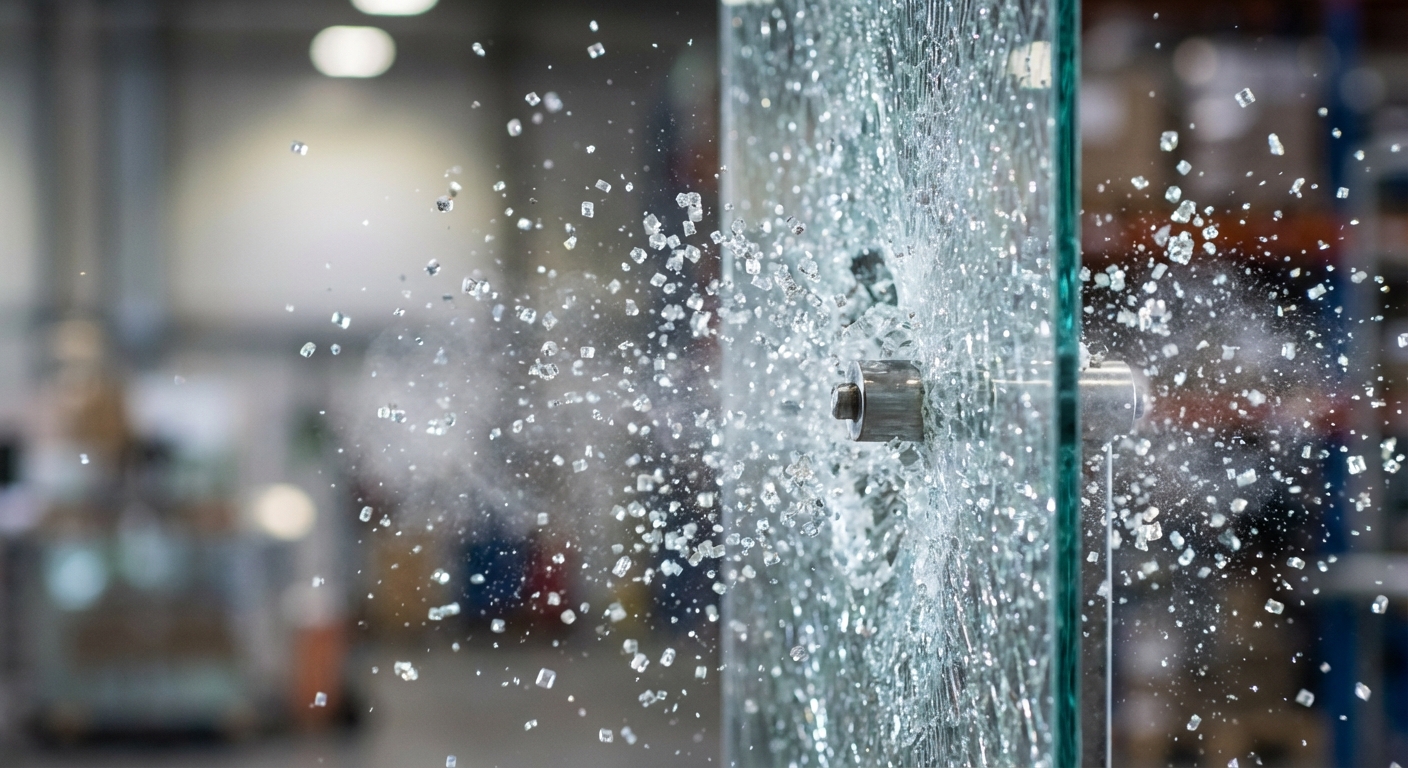
Tempered glass shatters into small, blunt granules, while Laminated Glass vs Tempered Glass breakage analysis shows that laminated glass adheres to its interlayer in a spiderweb pattern. This visual difference is the most immediate way to identify which safety glass has been installed. The granules of tempered glass are designed to minimize deep lacerations during an accident.
Safe Failure Mechanics
You can see that the way the glass breaks is a safety feature in itself. If a pane fails, you want to ensure the shards do not become lethal projectiles or falling “guillotines.”
Believe it or not:
- Tempered shards are called “dice.”
- Laminated cracks stay within the PVB bond.
- Cleanup is easier with laminated glass.
Key Takeaway: Tempered glass protects by crumbling; laminated glass protects by staying together.
| Breakage Type | Laminated Pattern | Tempered Pattern |
|---|---|---|
| Appearance | Radiating Cracks | Small Granules |
| Disposal | Single Sheet | Loose Debris |
This ensures that even in the event of a catastrophic impact, the risk to building occupants is significantly reduced.
Does Laminated Glass vs Tempered Glass offer better acoustics?
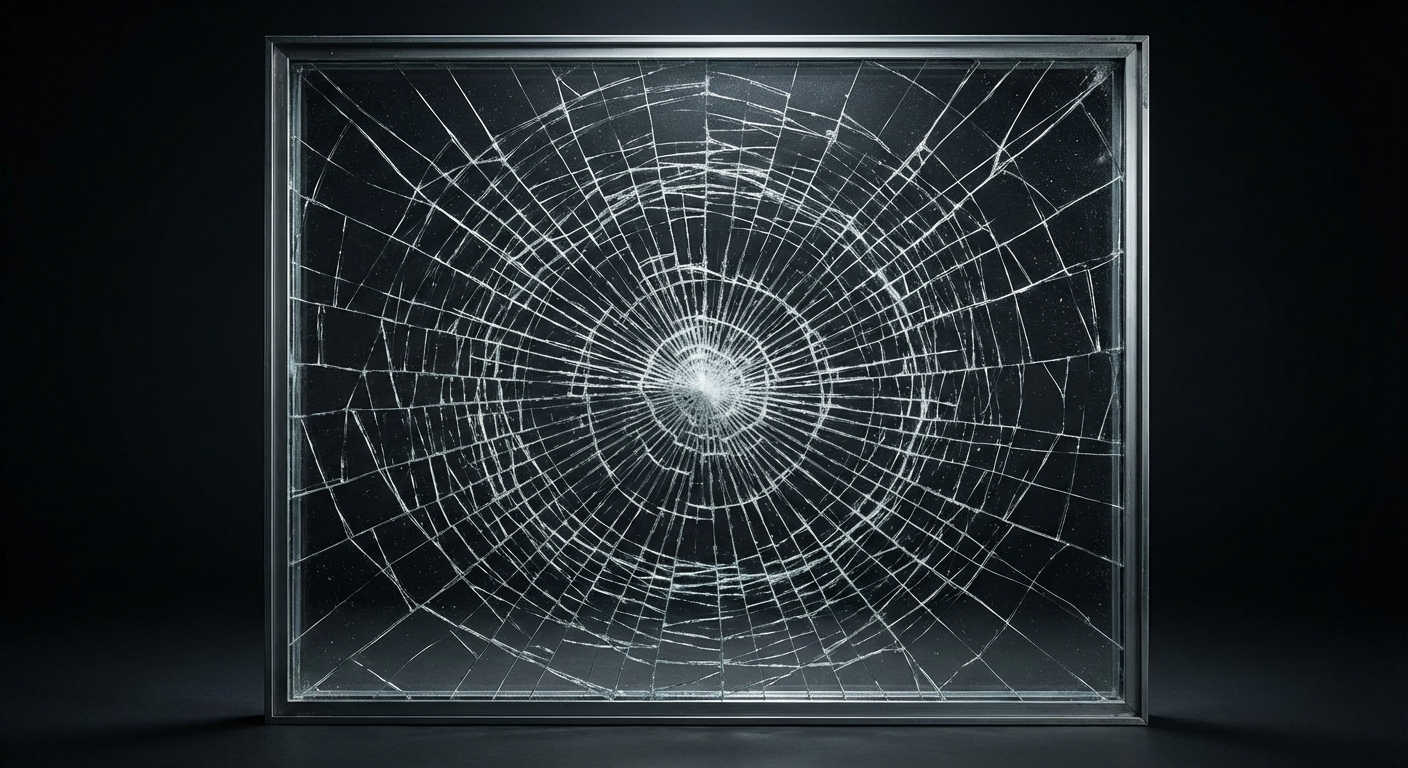
Laminated glass is the clear winner for soundproofing because the polymer interlayer acts as a dampening core that disrupts sound waves. When weighing Laminated Glass vs Tempered Glass for office partitions or urban facades, the acoustic performance of the laminated version is significantly higher. Tempered glass provides very little sound attenuation beyond its standard thickness.
Noise Reduction Technology
You will notice a massive reduction in decibel levels when you switch to a laminated solution. The interlayer prevents the glass from vibrating at the same frequency as exterior noise.
Here is the kicker:
- Acoustic PVB can block up to 90% of noise.
- Tempered glass vibrates easily with sound.
- Thick panes help, but lamination is more efficient.
Key Takeaway: For quiet work environments, laminated glass is the only viable professional specification.
| Performance | Laminated | Tempered |
|---|---|---|
| Sound Dampening | High (STC 35+) | Low (STC 30) |
| Best Use | Offices / Airports | Internal Partitions |
The dampening effect of the internal plastic layer is what makes a building feel truly premium and isolated.
Is Laminated Glass vs Tempered Glass best for insulated units?
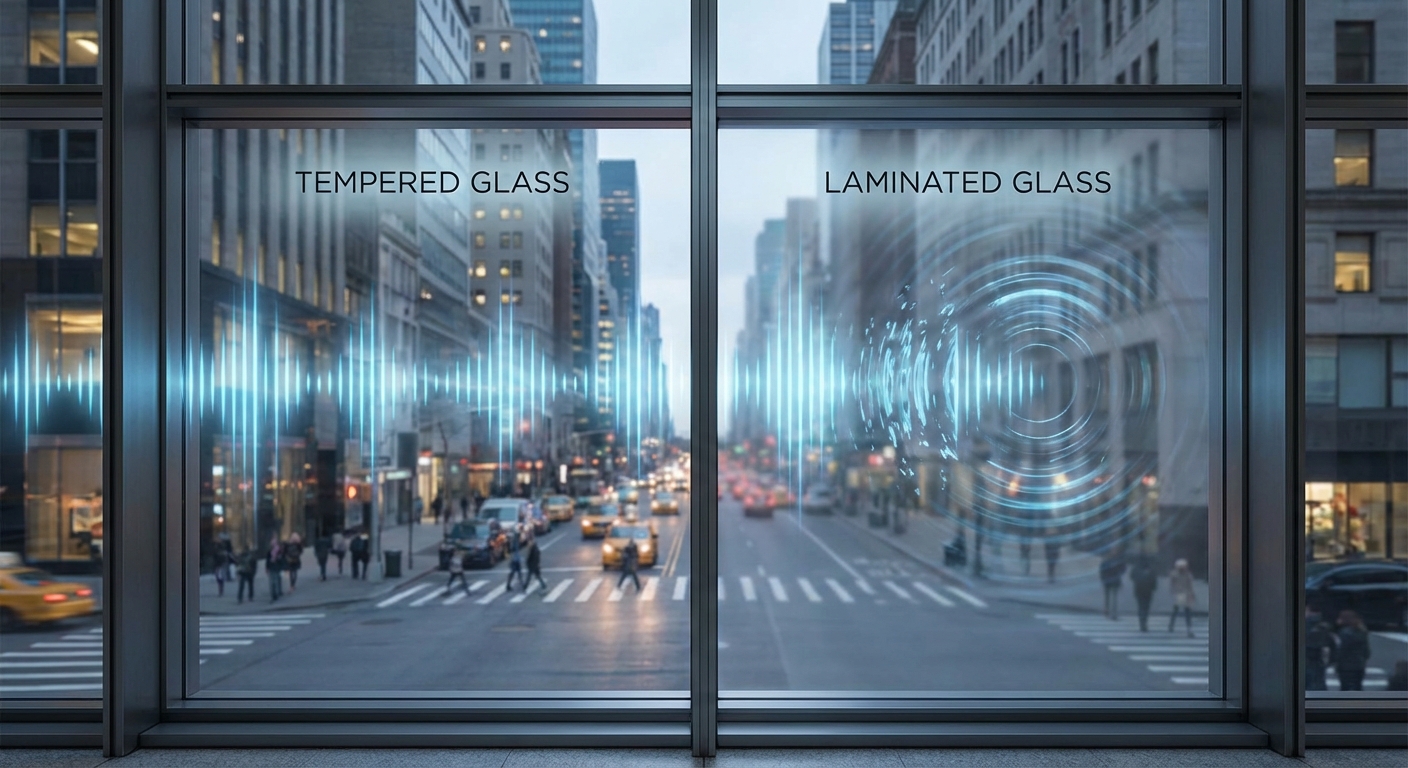
Deciding between Laminated Glass vs Tempered Glass for insulated units depends on your thermal goals, as both can be used to create high-performance windows. You will typically find that tempered glass provides the structural outer layer, while laminated glass is used for the inner layer to enhance security. Using a hybrid configuration is common in modern skyscrapers.
Thermal Efficiency Strategies
You can optimize your building’s energy envelope by choosing the right combination for your double or triple glazing. The air gap between the panes provides the insulation, but the glass type provides the safety.
Think about this:
- Insulated units reduce HVAC costs.
- Tempered panes resist thermal stress better.
- Laminated panes add an acoustic barrier.
Key Takeaway: Combining both types in an insulated unit provides the best balance of safety and efficiency.
| Component | Inner Pane Option | Outer Pane Option |
|---|---|---|
| Safety Focus | Laminated | Tempered |
| Cost Focus | Tempered | Tempered |
This strategic layering allows procurement teams to meet strict energy codes without sacrificing occupant security.
Can Laminated Glass vs Tempered Glass block harmful UV rays?

Laminated glass naturally filters up to 99% of UV radiation, a feature that standard Laminated Glass vs Tempered Glass comparisons highlight as a major advantage. Tempered glass does not provide any inherent UV protection unless a specialized coating is added later. For retail storefronts or museums, this protection is mandatory to prevent the fading of expensive assets.
Protecting Your Interior Assets
You should prioritize laminated options if your project involves high-end finishes or merchandise sensitive to sunlight. The UV rays are blocked by the chemical composition of the PVB interlayer itself.
But wait, there is more:
- UV protection prevents carpet fading.
- Furniture stays vibrant for longer.
- Energy costs for cooling are often lower.
Key Takeaway: Laminated glass acts as a permanent sunscreen for your building’s interior.
| UV Blocking | Laminated | Tempered |
|---|---|---|
| Filter Rate | Up to 99% | Very Low (Standard) |
| Asset Protection | Superior | Minimal |
This feature alone often justifies the higher upfront cost of laminated materials in high-end commercial real estate.
Should you use Laminated Glass vs Tempered Glass for low-E?

Both materials can accommodate low-E coatings, but the application method for Laminated Glass vs Tempered Glass varies to protect the delicate metallic layers. In a laminated unit, the coating is often placed on the inner surface facing the interlayer to protect it from oxidation. For tempered glass, the coating must withstand the extreme heat of the tempering furnace.
Solar Heat Gain Control
You can significantly lower your building’s solar heat gain coefficient (SHGC) by using low-emissivity technology. This keeps heat inside during winter and outside during summer.
The real secret?
- Low-E coatings reflect infrared light.
- Hard-coat Low-E is used for tempered.
- Soft-coat Low-E is ideal for laminated.
Key Takeaway: Low-E performance is enhanced when protected inside a laminated glass sandwich.
| Coating Type | Laminated Compatibility | Tempered Compatibility |
|---|---|---|
| Soft Coat | Excellent (Protected) | Requires Caution |
| Hard Coat | Good | Excellent |
Using these technologies together ensures that your building remains comfortable regardless of the external weather conditions.
Where should you specify Laminated Glass vs Tempered Glass?
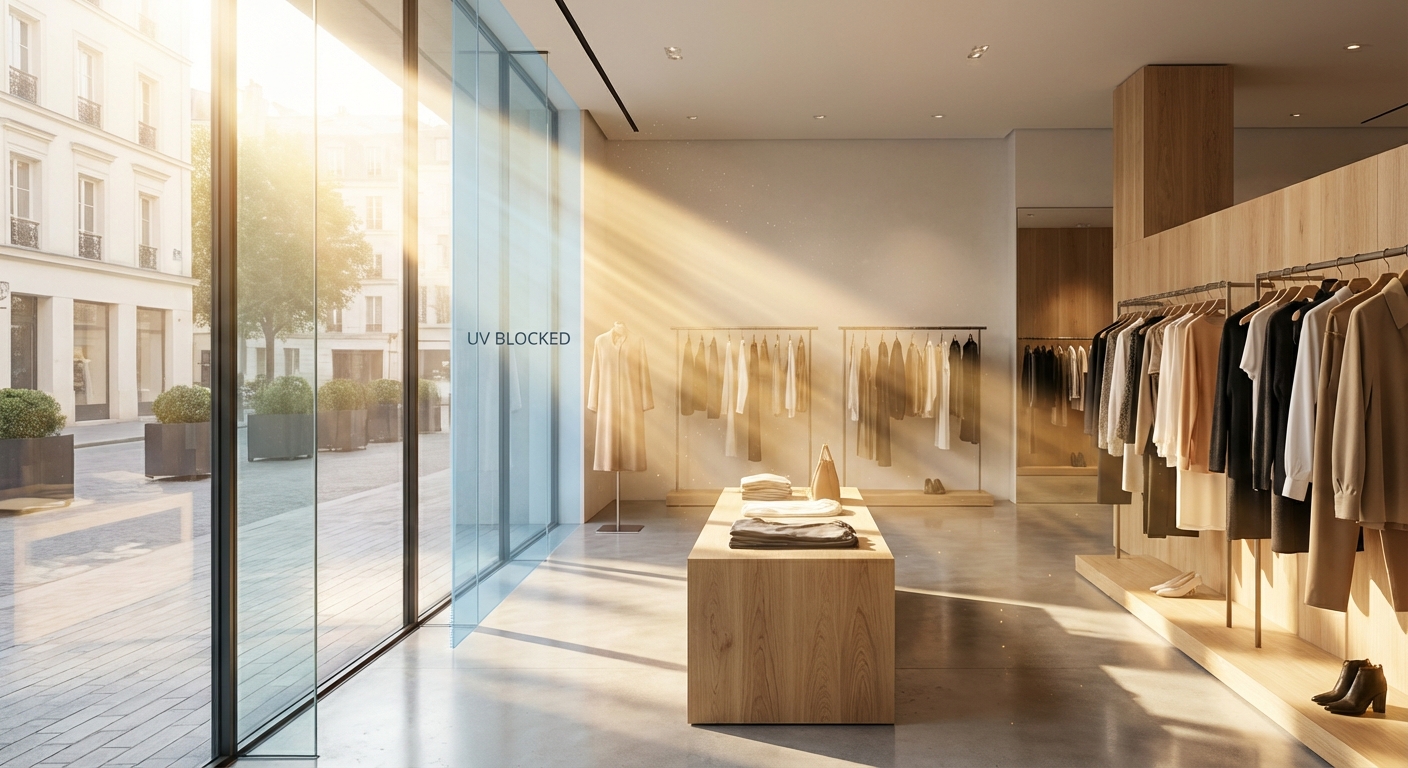
You should specify Laminated Glass vs Tempered Glass based on the environmental risk: use tempered for high-impact zones and laminated for security-critical areas. Tempered glass is the industry standard for shower doors, tabletops, and side windows in vehicles. Laminated glass is required for windshields, hurricane zones, and overhead skylights where falling shards would be dangerous.
Risk-Based Specification
You need to evaluate the potential for injury if the glass fails in your specific installation. High-traffic entryways often require a combination of strength and retention.
Here is the kicker:
- Shower glass must be tempered.
- Balustrades should be laminated.
- Storefronts benefit from both.
Key Takeaway: Use tempered for “safe breaking” and laminated for “staying in place.”
| Location | Recommended Type | Reason |
|---|---|---|
| Skylights | Laminated | Prevents falling shards |
| Side Windows | Tempered | Easy emergency exit |
Choosing correctly ensures you stay compliant with local building codes and minimize long-term liability.
Is Laminated Glass vs Tempered Glass more cost-effective?
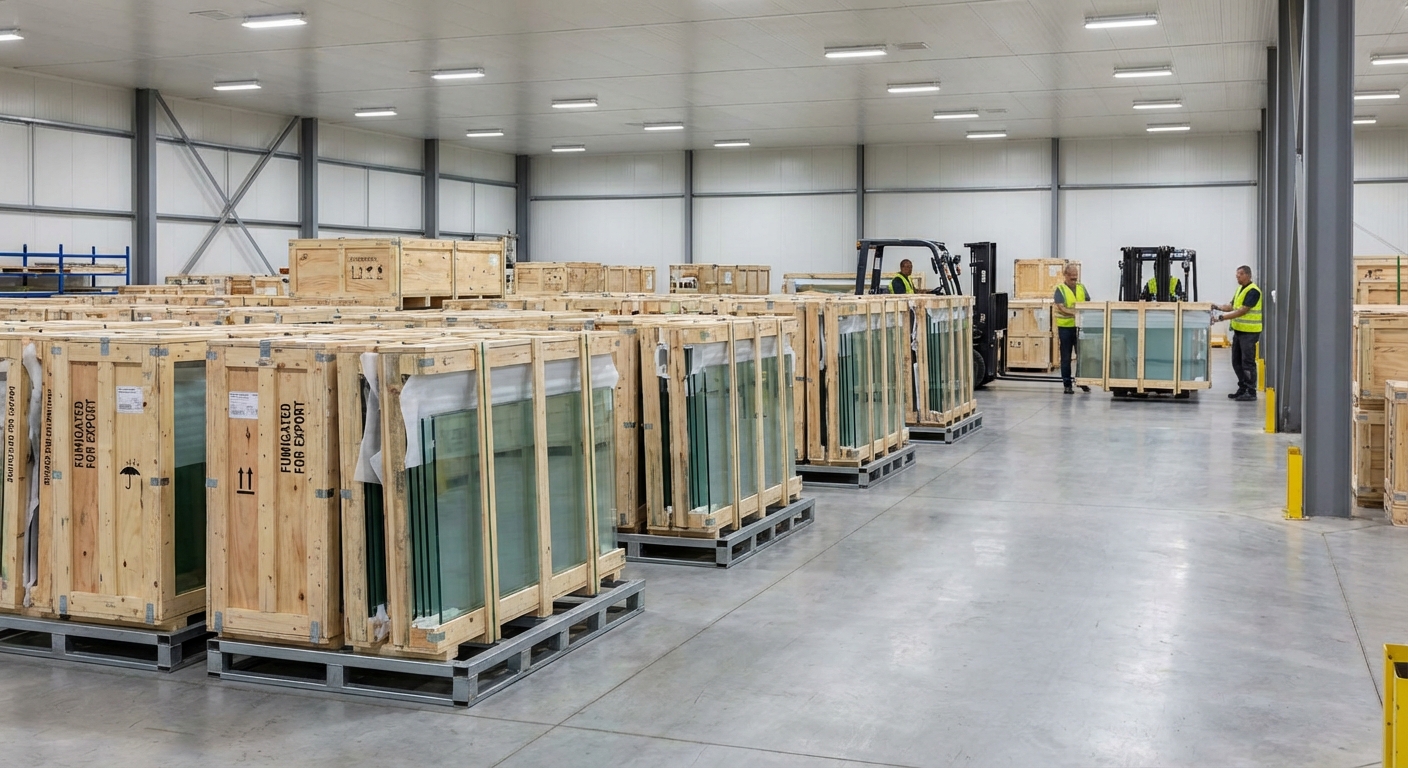
Tempered glass is generally the more economical option for most projects because it has a less complex manufacturing process than Laminated Glass vs Tempered Glass alternatives. Laminated glass requires more raw material and specialized autoclave processing, which increases the price per square meter. However, the long-term ROI of laminated glass in security and acoustic savings can be much higher.
Budget and Value Analysis
You must look beyond the initial purchase price to understand the true cost of ownership. Replacing stolen goods or dealing with noise complaints can quickly erase the savings of a cheaper glass choice.
The best part?
- Tempered glass is cheaper to ship.
- Laminated glass reduces insurance premiums.
- Hybrid units offer the best cost-to-value ratio.
Key Takeaway: Tempered glass wins on upfront cost, but laminated glass wins on functional value.
| Cost Factor | Laminated | Tempered |
|---|---|---|
| Production Cost | High | Moderate |
| Logistics Weight | Heavier | Standard |
By analyzing your specific project needs, you can allocate your budget where safety and performance matter most.
Conclusion
The decision between laminated and tempered glass depends entirely on your project’s safety, acoustic, and budget requirements. While tempered glass provides the raw strength needed for high-traffic environments, laminated glass offers the security and sound dampening essential for modern commercial spaces.
To ensure your next project meets the highest industry standards with direct-factory oversight, Contact Us for a technical consultation today.
FAQ
Is laminated glass better than tempered?
Both types serve different purposes and neither is “better” overall. Tempered glass is superior for high-impact strength, while laminated glass is better for security, noise reduction, and UV protection.
Can I use both together?
Yes, you can specify laminated-tempered glass which offers the strength of tempered glass with the safety of a laminated interlayer. This is often used for high-rise glass floors and structural railings.
What is the best glass for security?
Laminated glass is the best choice for security applications. Its ability to stay intact after multiple impacts makes it nearly impossible for a burglar to quickly breach the window.
Can I cut tempered glass?
No, tempered glass cannot be cut or drilled once the tempering process is complete. Any attempt to modify the glass will cause the entire pane to shatter into small granules instantly.
What is the main difference?
The main difference is that laminated glass is a multi-layered product that stays in place when broken, while tempered glass is a single sheet that shatters completely. This fundamental distinction dictates their specific use in architecture.