To calculate the weight of a glass panel, you must multiply the surface area by the thickness and then by the standard density factor of 2.5 kg/m². This straightforward method allows you to determine the mass of any architectural pane with high precision.
You face a significant risk when you estimate glass loads without a formal formula. Incorrect assumptions can lead to structural failures, shattered hardware, or serious site injuries that derail your project timeline. Mastering a precise glass panel weight calculation ensures you select the right supports and lifting equipment from the start.
Why prioritize glass panel weight calculation for safety?
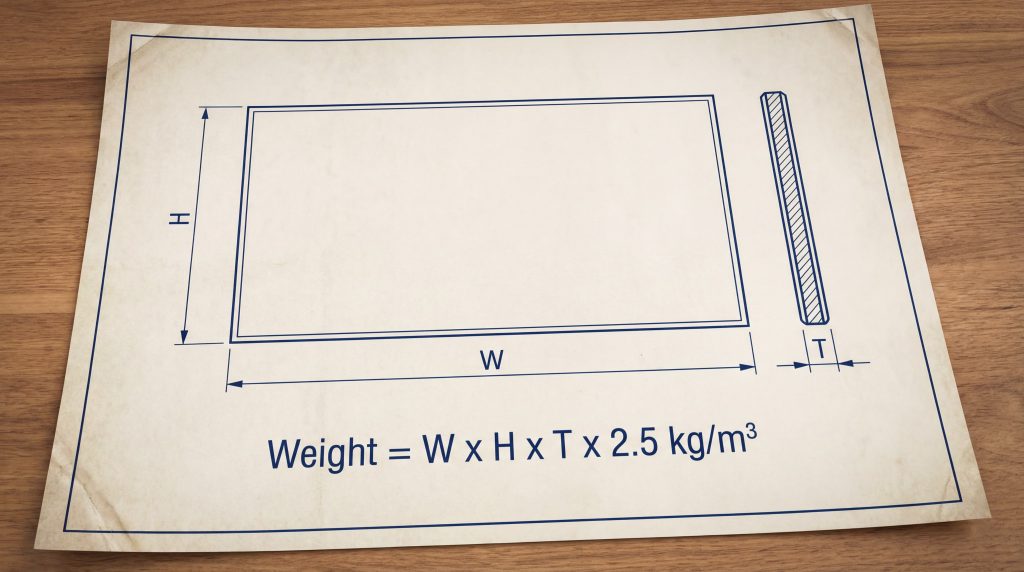
You must prioritize this calculation because the static mass of glass dictates the structural integrity of your entire installation. Failing to account for glass panel weight calculation puts undue stress on frames and fasteners.
Identifying Structural Load Limits
Think about this: every fastener has a breaking point. If you underestimate the weight, you risk a catastrophic collapse of the glazing system.
- Fastener shear strength must exceed the panel’s mass.
- Support blocks must prevent edge-to-frame contact.
- Deflection limits for frames must be strictly maintained.
Planning for Safe On-Site Handling
The truth is, heavy panels require specialized lifting gear. Knowing the weight allows you to book the correct cranes or suction lifters in advance.
| Panel Type | Typical Area | Estimated Weight |
|---|---|---|
| Single Pane (6mm) | 2 m² | 30 kg |
| Single Pane (10mm) | 2 m² | 50 kg |
| Large Balustrade (12mm) | 3 m² | 90 kg |
Accurate weight data is the only way to ensure that your site team has the appropriate tools and manpower for a safe install.
Key Takeaway:
Safety starts with the math. Never move a panel until you have confirmed its total mass against your hardware’s rated capacity.
What formula defines glass panel weight calculation?

The standard formula for glass panel weight calculation is: Weight (kg) = Area (m²) × Thickness (mm) × 2.5. This calculation relies on the universal density of silica glass, which remains consistent across most architectural applications.
Understanding the 2.5 Density Factor
Here is the deal: glass has a density of approximately 2,500 kg per cubic meter. When you calculate per millimeter of thickness, it simplifies to 2.5 kg per square meter.
- One square meter of 1mm glass weighs 2.5 kg.
- Density remains constant for clear and tinted glass.
- This factor provides a reliable baseline for all estimations.
Applying the Metric Formula
It gets better. Using the metric system eliminates the confusion often found in complex imperial conversions.
| Thickness (mm) | Multiplier | Weight per m² |
|---|---|---|
| 4mm | 2.5 | 10 kg |
| 8mm | 2.5 | 20 kg |
| 19mm | 2.5 | 47.5 kg |
Using a consistent multiplier ensures that your procurement and engineering teams stay aligned on every project specification.
Key Takeaway:
The “2.5 Rule” is your most valuable shortcut. Multiply thickness by 2.5 to get the weight per square meter instantly.
How do you start glass panel weight calculation?
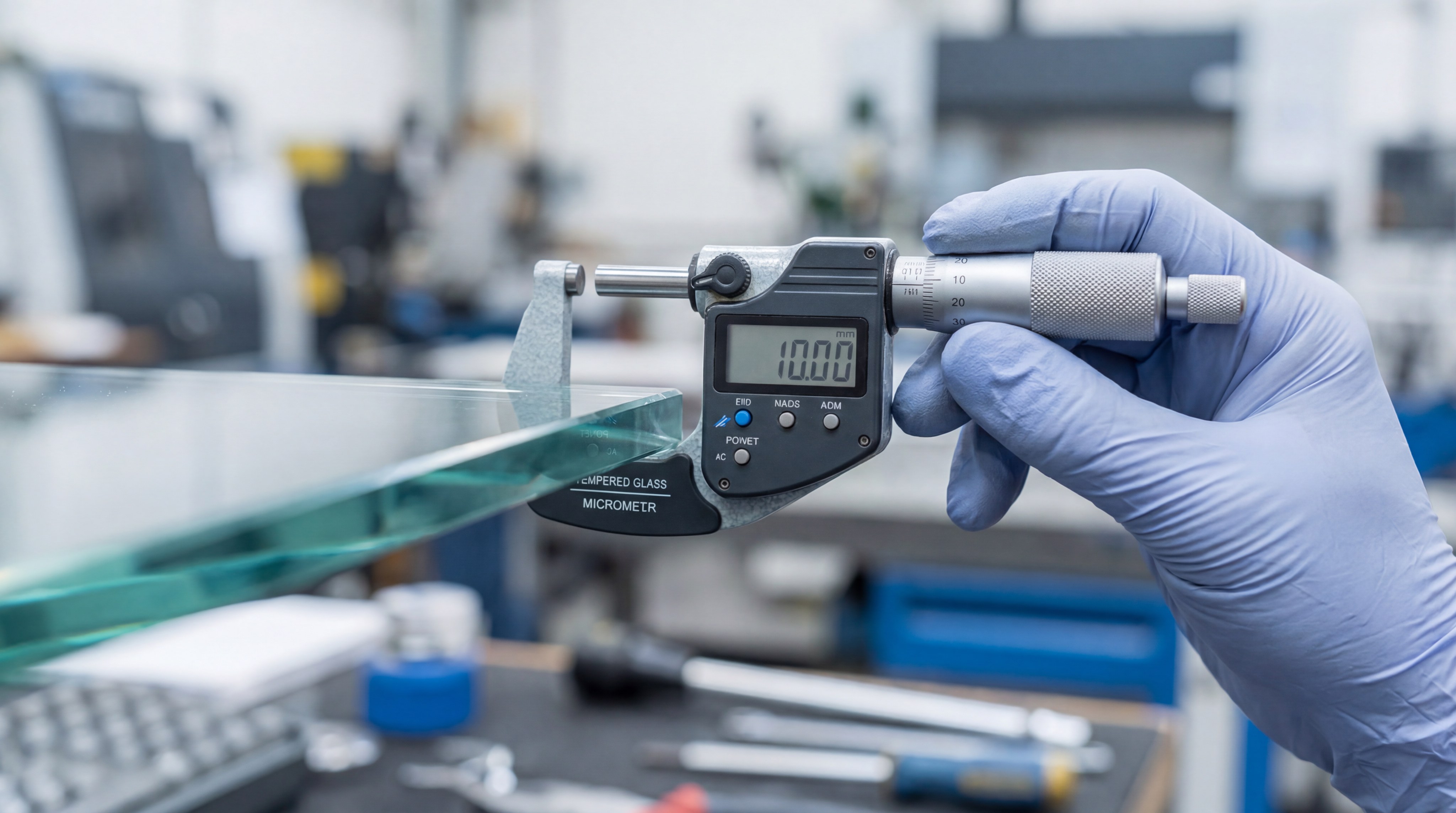
You start by obtaining precise measurements of the width, height, and thickness of the pane. A successful glass panel weight calculation requires these dimensions to be converted into meters for the area and millimeters for the thickness.
Measuring Dimensions Accurately
Accuracy is everything in custom fabrication. You should use a laser measurer or a high-quality tape to find the exact edge-to-edge distance.
- Measure width and height in millimeters first.
- Divide those numbers by 1,000 to get decimal meters.
- Verify the nominal thickness using a digital micrometer.
Calculating the Surface Area
Believe it or not, small measurement errors compound quickly. Multiplying height by width gives you the square meterage needed for the final formula.
| Width (m) | Height (m) | Total Area (m²) |
|---|---|---|
| 1.0 | 1.5 | 1.5 m² |
| 1.2 | 2.4 | 2.88 m² |
| 2.0 | 3.0 | 6.0 m² |
Starting with precise area measurements prevents you from ordering under-rated hardware that could fail during the installation phase.
Key Takeaway:
Measurements must be perfect. Always double-check your area calculations before applying the density factor to avoid costly logistical errors.
Is tempered glass panel weight calculation different?
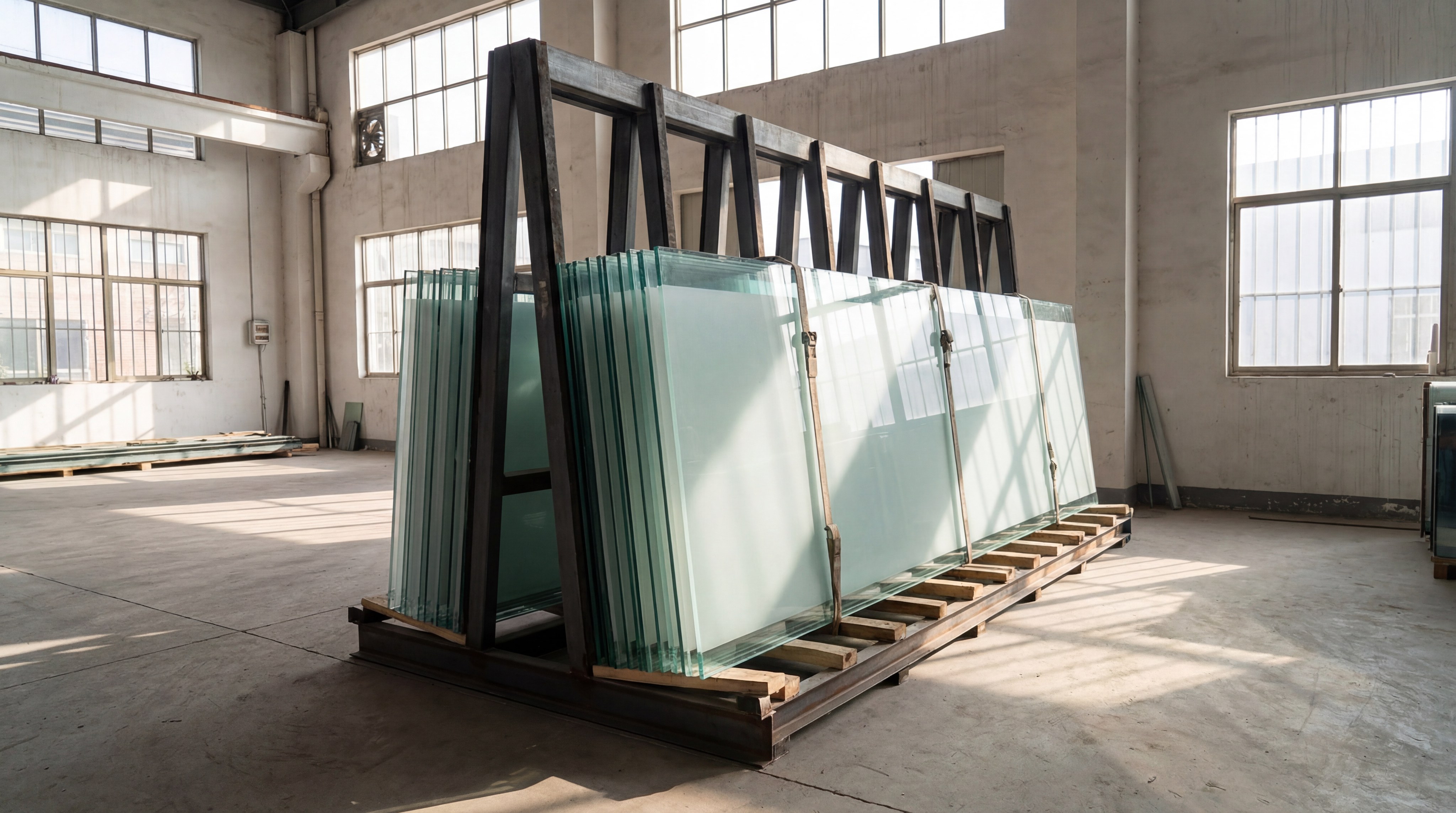
No, the weight remains exactly the same because the tempering process only changes the internal stress of the glass, not its physical density. Your glass panel weight calculation for tempered units uses the same 2.5 multiplier as standard annealed glass.
Why Strength Doesn’t Add Mass
You might think tougher glass is heavier, but that is a common misconception. The heating and cooling process rearranges molecules without adding any new material.
- Tempering increases impact resistance significantly.
- The volume of the glass remains unchanged.
- Standard density factors still apply across the board.
Comparing Glass Types
Consider this: while the weight is identical, the safety benefits of tempered glass are far superior. It is essential for high-traffic zones or overhead glazing.
| Glass Type | Thickness | Weight per m² |
|---|---|---|
| Annealed | 10mm | 25 kg |
| Tempered | 10mm | 25 kg |
| Heat-Strengthened | 10mm | 25 kg |
Since the weight is consistent, you can upgrade to tempered glass for safety without needing to redesign your existing structural supports.
Key Takeaway:
Tempering adds strength, not weight. You can calculate the mass of toughened panels using the standard annealed glass formula.
How to use glass panel weight calculation for IGUs?
To calculate the weight of an Insulated Glass Unit (IGU), you must sum the weights of the individual glass leaves while excluding the air or gas gap. This glass panel weight calculation ensures you don’t over-estimate by including the weightless space between the panes.
Summing Multiple Glass Layers
The secret is simple: ignore the spacer bar width. You only care about the actual glass thickness used in the assembly.
- Add the thickness of the outer pane to the inner pane.
- Multiply that total thickness by 2.5 for the weight per m².
- Remember that triple glazing adds a third layer of mass.
Factoring in Laminate Interlayers
Wait, there is more. If one of your IGU panes is laminated, the plastic interlayer adds a negligible amount of weight that is usually ignored.
| IGU Configuration | Total Glass (mm) | Unit Weight (kg/m²) |
|---|---|---|
| 4mm / Gap / 4mm | 8mm | 20 kg |
| 6mm / Gap / 6mm | 12mm | 30 kg |
| 10mm / Gap / 10mm | 20mm | 50 kg |
Focusing only on the glass thickness allows you to provide accurate load requirements for window frames and commercial curtain walls.
Key Takeaway:
Count the glass, ignore the air. For IGUs, the total weight is strictly a function of the combined thickness of all glass panes.
What impacts glass panel weight calculation for showers?
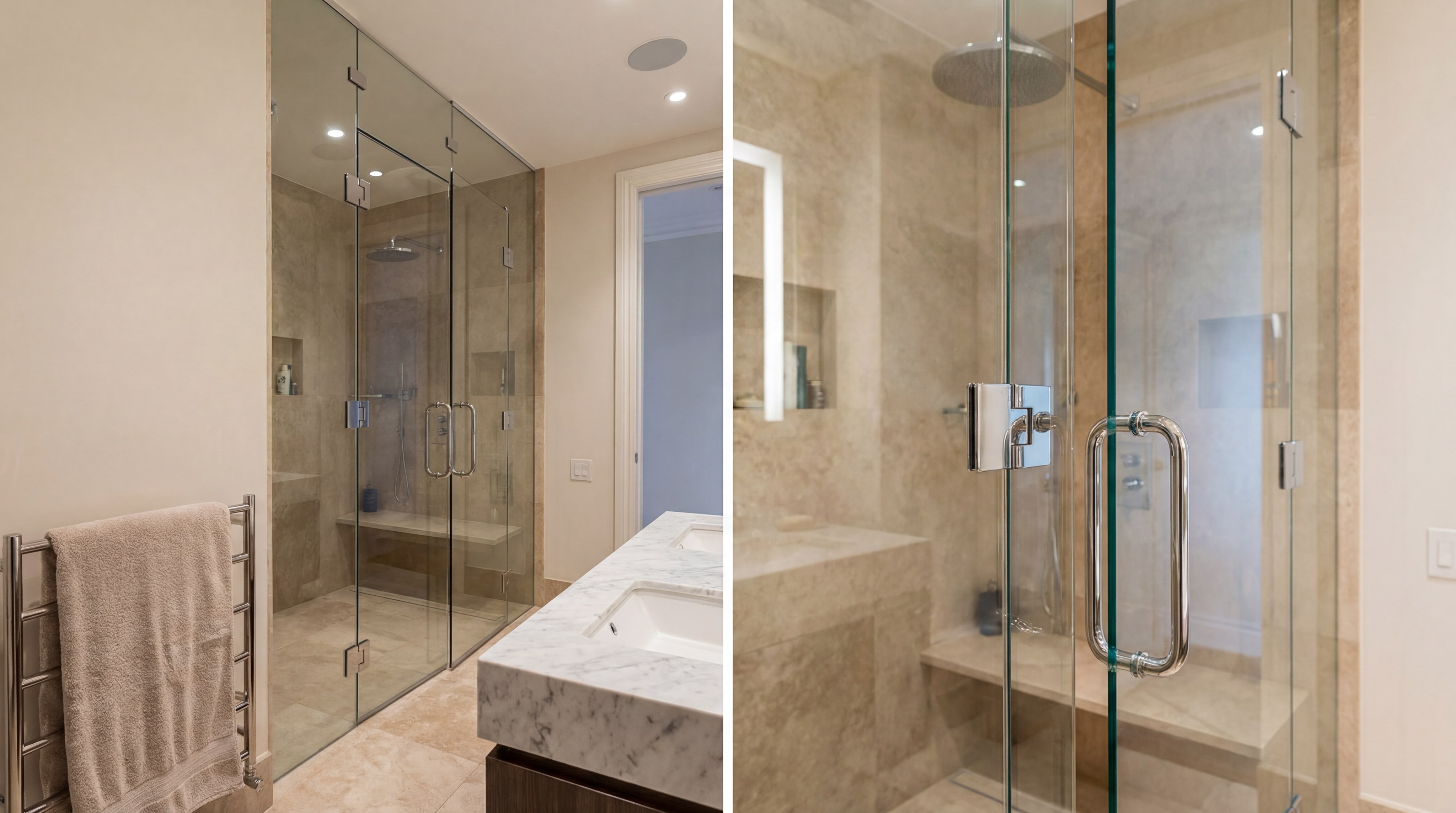
In shower installations, the weight is primarily influenced by the move toward thicker, frameless panels that require heavy-duty hardware. A precise glass panel weight calculation is critical here to ensure that wall studs and hinges can support the door’s dynamic swing.
Choosing Between 8mm and 10mm
Think about the user experience. A 10mm door feels premium and stable, but it is 25% heavier than an 8mm alternative.
- Thicker glass requires reinforced mounting points.
- Heavy doors need high-rated pivot hinges.
- Glass weight determines the type of wall anchors used.
Assessing Hardware Load Limits
You must check the specs. Most standard shower hinges are rated for specific weight limits that you cannot exceed without risking failure.
| Glass Thickness | Panel Size | Total Weight |
|---|---|---|
| 8mm | 700mm x 2000mm | 28 kg |
| 10mm | 700mm x 2000mm | 35 kg |
| 12mm | 700mm x 2000mm | 42 kg |
Ensuring your glass panel weight matches your hinge capacity prevents the door from sagging or dragging against the floor over time.
Key Takeaway:
Showers demand precision. Always calculate the door’s weight before selecting hinges to ensure long-term durability and smooth operation.
Does size change glass panel weight calculation accuracy?
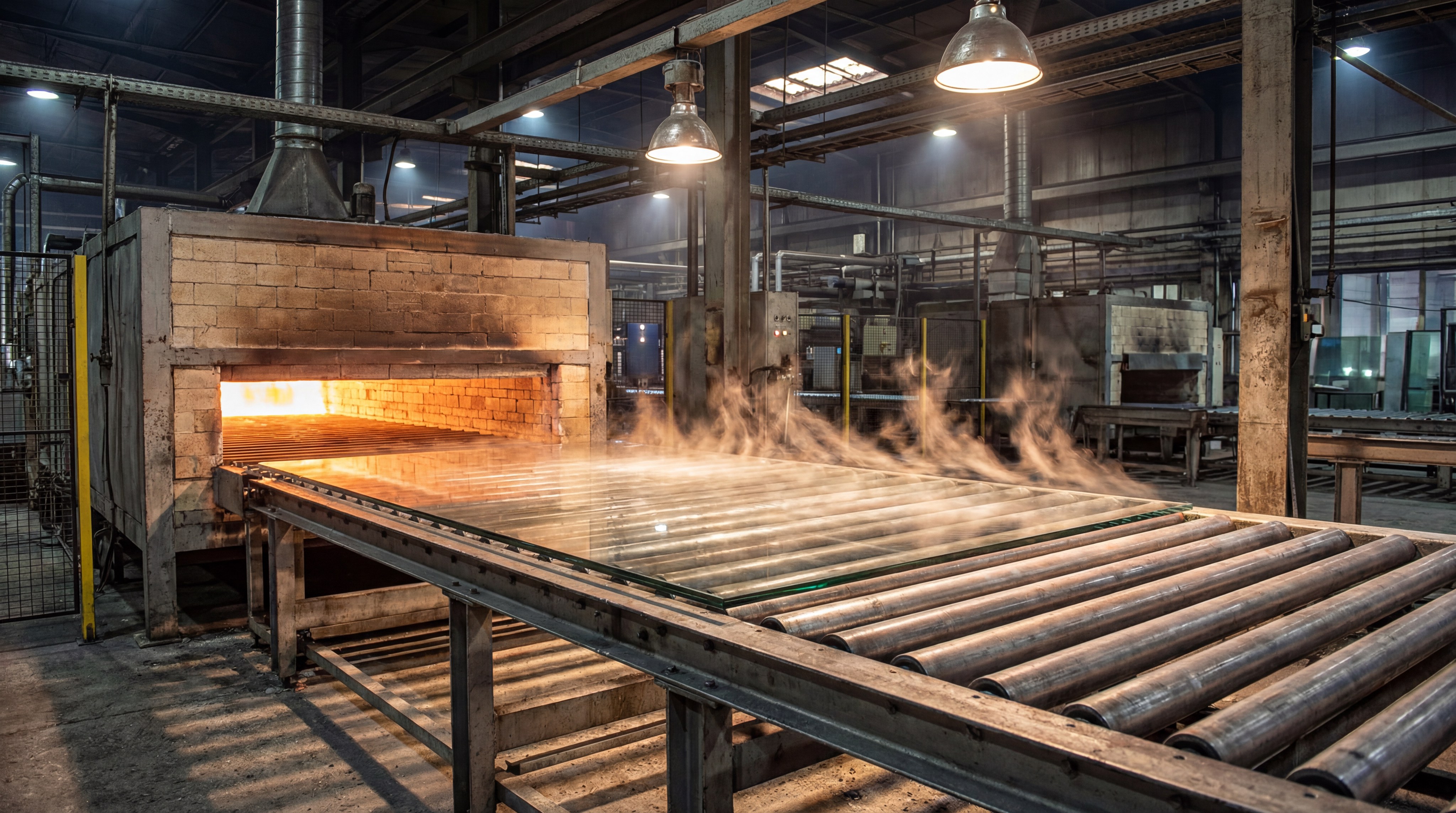
No, the accuracy of the formula remains high regardless of size, but the logistical implications grow exponentially as panels get larger. Using glass panel weight calculation for oversized panes is non-negotiable for safe transport and installation.
Handling Oversized Architectural Panes
Here is the deal: large spans of glass can reach weights that exceed the capacity of manual labor. You need to know the mass to plan your mechanical assistance.
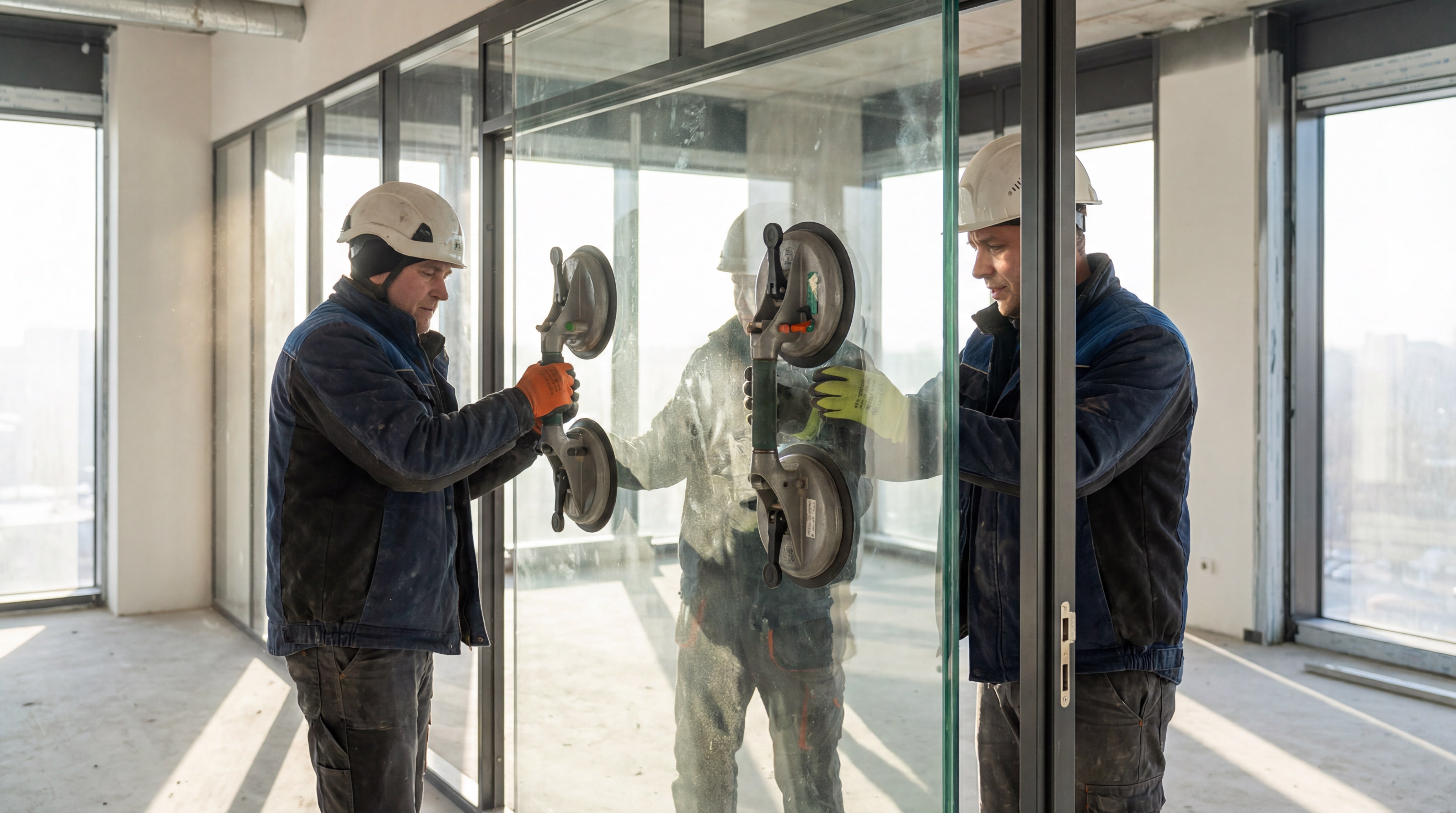
- Panels over 80 kg usually require mechanical suction cups.
- Wind loads become more significant on larger surface areas.
- Center-of-gravity shifts during lifting must be managed.
Calculating for Jumbo Sheets
The math stays the same. Whether it is a small window or a jumbo storefront pane, the 2.5 density factor provides the data you need.
| Height (m) | Width (m) | Thickness (mm) | Weight (kg) |
|---|---|---|---|
| 3.0 | 2.0 | 12mm | 180 kg |
| 4.0 | 2.5 | 15mm | 375 kg |
| 5.0 | 3.0 | 19mm | 712.5 kg |
As sizes increase, the weight becomes the defining factor for your entire installation strategy and crane rental requirements.
Key Takeaway:
Scale changes everything but the math. Use the same formula for giant panels to avoid dangerous surprises during the lifting process.
Can glass panel weight calculation prevent shipping damage?
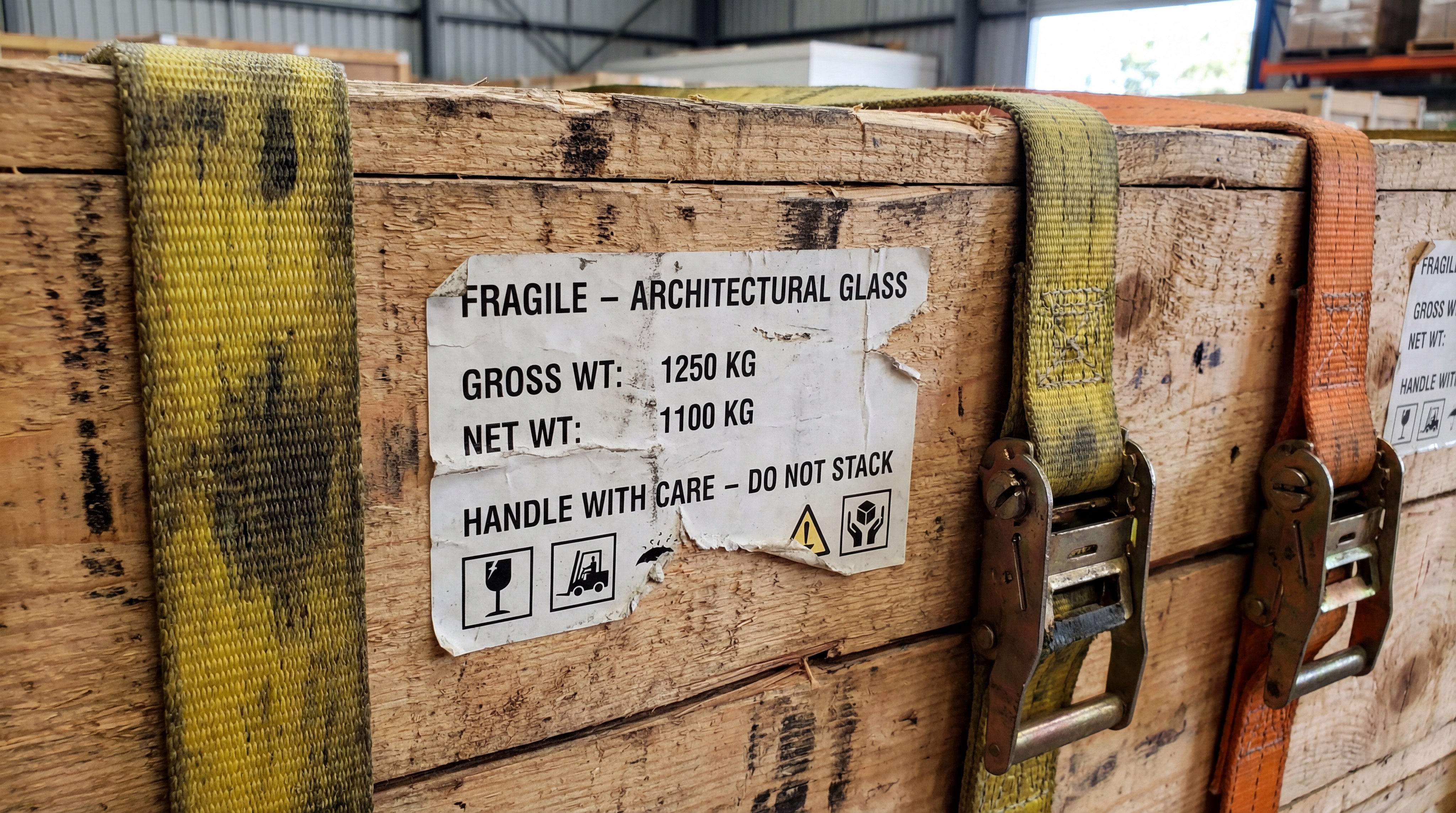
Yes, knowing the exact weight allows you to design reinforced crates and select the appropriate freight class for transport. An accurate glass panel weight calculation prevents overloading delivery vehicles and ensures the glass arrives without cracks.
Designing Reinforced Export Crating
You should never settle for flimsy packaging. The weight of the glass determines how much internal bracing and foam padding your crates require.
- Heavier loads need thicker wooden skids.
- Weight distribution must be centered for forklift safety.
- Crates should be labeled with the exact gross weight.
Optimizing Freight Costs
It gets better. Carriers charge based on weight and volume, so providing an exact mass helps you negotiate better shipping rates.
| Number of Panes | Unit Weight (10mm) | Total Glass Weight |
|---|---|---|
| 10 Panels (2m²) | 50 kg | 500 kg |
| 20 Panels (2m²) | 50 kg | 1,000 kg |
| 50 Panels (2m²) | 50 kg | 2,500 kg |
Accurate shipping weights protect your bottom line by preventing unexpected “overweight” surcharges from your logistics partners.
Key Takeaway:
Weight dictates your shipping strategy. Calculate the total mass of your order to ensure safe crating and accurate freight quoting.
How does glass panel weight calculation affect skyscrapers?

In high-rise construction, the cumulative weight of thousands of glass panels determines the structural requirements of the building’s steel or concrete skeleton. Your glass panel weight calculation feeds directly into the master engineering plans for the entire facade.
Supporting Curtain Wall Systems
Think about the scale. A typical skyscraper may have 20,000 square meters of glazing, representing hundreds of tons of dead load.
- Brackets must support the vertical shear of the glass.
- Building sway must be accounted for in the weight distribution.
- Thermal expansion gaps must handle the heavy glass movement.
Balancing Weight and Insulation
You often have to choose between triple glazing for efficiency and the extra weight it adds to the foundation.
| Glazing Type | Thickness (Total) | Load per 1000m² |
|---|---|---|
| Double Glazed | 12mm | 30,000 kg |
| Triple Glazed | 18mm | 45,000 kg |
| Laminated IGU | 24mm | 60,000 kg |
Engineers use these figures to determine the size of the structural columns and the depth of the building’s foundation.
Key Takeaway:
High-rise glass is a massive engineering feat. Every kilogram calculated helps ensure the tower remains stable under its own transparent skin.
Where to get a tool for glass panel weight calculation?

You can find reliable calculation tools on manufacturer websites or by using professional specification sheets that list the weight per square foot for every thickness. A digital glass panel weight calculation tool saves time and reduces the risk of manual arithmetic errors.
Using Manufacturer Spec Sheets
Most factories provide data sheets that do the heavy lifting for you. These tables allow you to cross-reference your dimensions with pre-calculated weights.
- Download PDF spec sheets for quick reference.
- Use online calculators for custom or odd-shaped panes.
- Consult with engineers for complex laminated configurations.
Requesting a Professional Quote
If you are unsure, you should always ask your supplier. They can provide a full weight breakdown as part of your project estimate.
| Service Item | Detail Provided | Benefit |
|---|---|---|
| Weight Audit | Exact KG per Pane | Safety Compliance |
| Loading Plan | Container Weight | Shipping Accuracy |
| Hardware Match | Rated Support Needs | Longevity |
Leveraging professional tools ensures that your project is built on a foundation of accurate data rather than dangerous guesswork.
Key Takeaway:
Tools eliminate errors. Use digital calculators and factory spec sheets to validate your findings before starting production.
Conclusion
Precision in glass weight estimation is the cornerstone of professional glazing. By applying the formula of Area x Thickness x 2.5, you can confidently specify hardware, plan logistics, and ensure site safety.
At PrimePro Glass, we specialize in manufacturing high-performance panels that meet your exact structural requirements. For expert guidance on your next project, contact us today.
FAQ
Can I use the same weight formula for laminated glass?
Yes, you can use the same formula for laminated glass as the interlayers (PVB/SGP) are very thin and have a density similar to glass. For extreme precision in heavy multi-layer floors, you may add 1-2% to the total, but the standard 2.5 multiplier is sufficient for most architectural load calcs.
How do I know if my hardware is rated for the glass weight?
You must check the manufacturer’s load rating certificate, which is usually expressed in kilograms or pounds. Always ensure your calculated glass weight is at least 10-20% below the hardware’s maximum capacity to allow for dynamic loads and safety margins.
Can the weight of glass change based on its color or coating?
No, performance coatings like Low-E or decorative ceramic frit do not add measurable weight to the panel. The density of the glass substrate remains the primary factor, meaning a clear pane and a coated pane of the same size will weigh exactly the same.
How do I calculate the weight of a circular glass panel?
You calculate the weight of a circle by finding the area (π x radius²) and then multiplying by the thickness and 2.5. If you are ordering from a factory, they often charge and calculate shipping based on the “square” area of the smallest rectangle the circle can be cut from.
What is the easiest way to convert kilograms to pounds for glass?
To convert your results to the imperial system, simply multiply the weight in kilograms by 2.204. This allows you to communicate weight requirements clearly with partners who use different measurement standards.