Hotel glass bathroom ideas transform contemporary hospitality spaces by introducing minimalist frameless enclosures, smart switchable glass, and high-performance safety partitions that maximize natural light. You know the exact challenge when designing or managing high-end hotel guestrooms: space is at a premium, and rooms can quickly feel dark and cramped.
Traditional drywall and bulky partition systems block natural light, leaving ensuite washrooms feeling small, dark, and uninviting, which directly hurts guest satisfaction and online ratings. Specifying premium hotel glass bathroom solves this spatial bottleneck by introducing architectural glass systems that visually expand the suite.
Why Choose Frameless Glass Showers for Hotels?
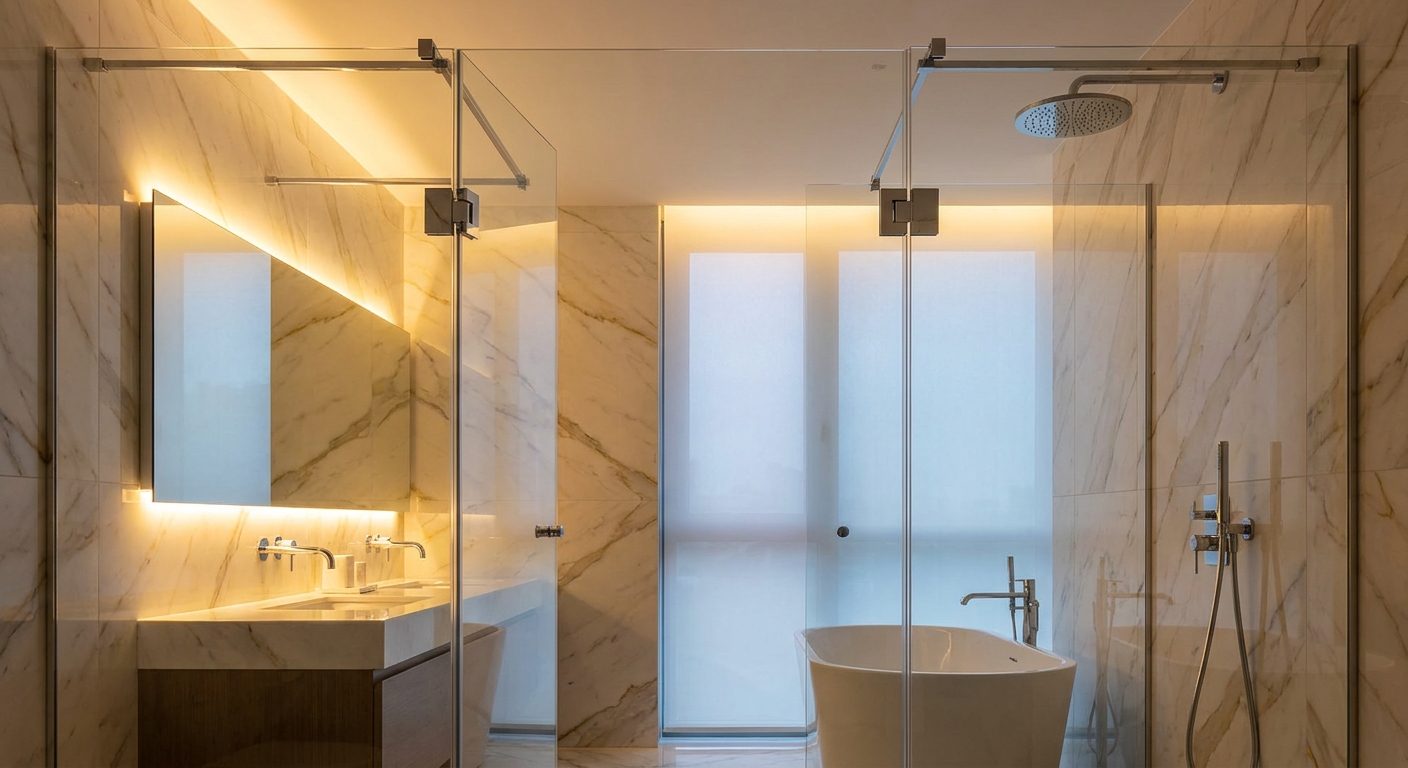
Frameless glass showers provide the ultimate modern aesthetic by eliminating heavy metal framing and maximizing visual flow within the guest suite. Utilizing frameless hotel glass bathroom allows natural light to flood deep into the vanity and shower areas. This design choice elevates the overall room atmosphere, making even standard rooms feel like luxury suites.
What Are the Aesthetic Benefits of Frameless Systems?
Frameless glazing configurations create clean, unbroken sightlines that expand the visual boundaries of the guestroom. This minimalist look is highly sought after by modern hotel developers looking to deliver a premium guest experience.
The reality is simple:
Eliminating bulky metal frames instantly modernizes the suite while showcasing premium tile and stone finishes.
- Frameless systems deliver a sleek, contemporary appearance that complements high-end plumbing fixtures.
- Clear tempered glass allows for 89% visible light transmittance (VLT) to brighten up dark corners.
- Standard panels are processed with CNC machines to ensure polished, safe edges.
- Seamless glass-to-glass joints minimize visual distractions and enhance spatial integration.
How Does Heavy Glass Ensure Long-Term Stability?
Heavy glass panels provide superior rigidity and prevent flexing, ensuring the shower enclosure remains structurally stable under daily commercial use. These thick panels are engineered to withstand physical impacts and sudden pressure changes.
Think about it:
B2B buyers cannot afford flimsy installations that rattle or feel unsafe to paying guests.
- Specifying a heavy thickness of 12mm or 15mm ensures structural stiffness and eliminates wobbling.
- Precision fabrication holds tolerances strictly to
±0.5mmfor all mounting cutouts and hardware notches. - Advanced convection-assisted tempering furnaces eliminate anisotropy and reduce roller wave distortion.
- Heavy tempered safety glass delivers up to five times the strength of standard annealed glass substrates.
Key Takeaway: Correctly specifying heavy-gauge frameless glass minimizes panel flexing and ensures a high-end, stable feel for hotel guests.
| Specification | Target Value | Compliance Standard | Key Benefit |
|---|---|---|---|
| Glass Thickness | 12mm to 15mm | ANSI Z97.1-2015 | Eliminates deflection and panel rattle |
| Roller Wave | < 0.05mm | ISO 9001:2015 | Minimizes visual distortion across the pane |
| Light Transmittance | 89% Center-of-Glass | EN 12150-1 | Maximizes natural illumination of interior zones |
This performance data demonstrates how selecting precise glass thicknesses directly reduces structural deflection in high-traffic commercial environments.
How to Ensure Safety in Hotel Glass Bathroom?
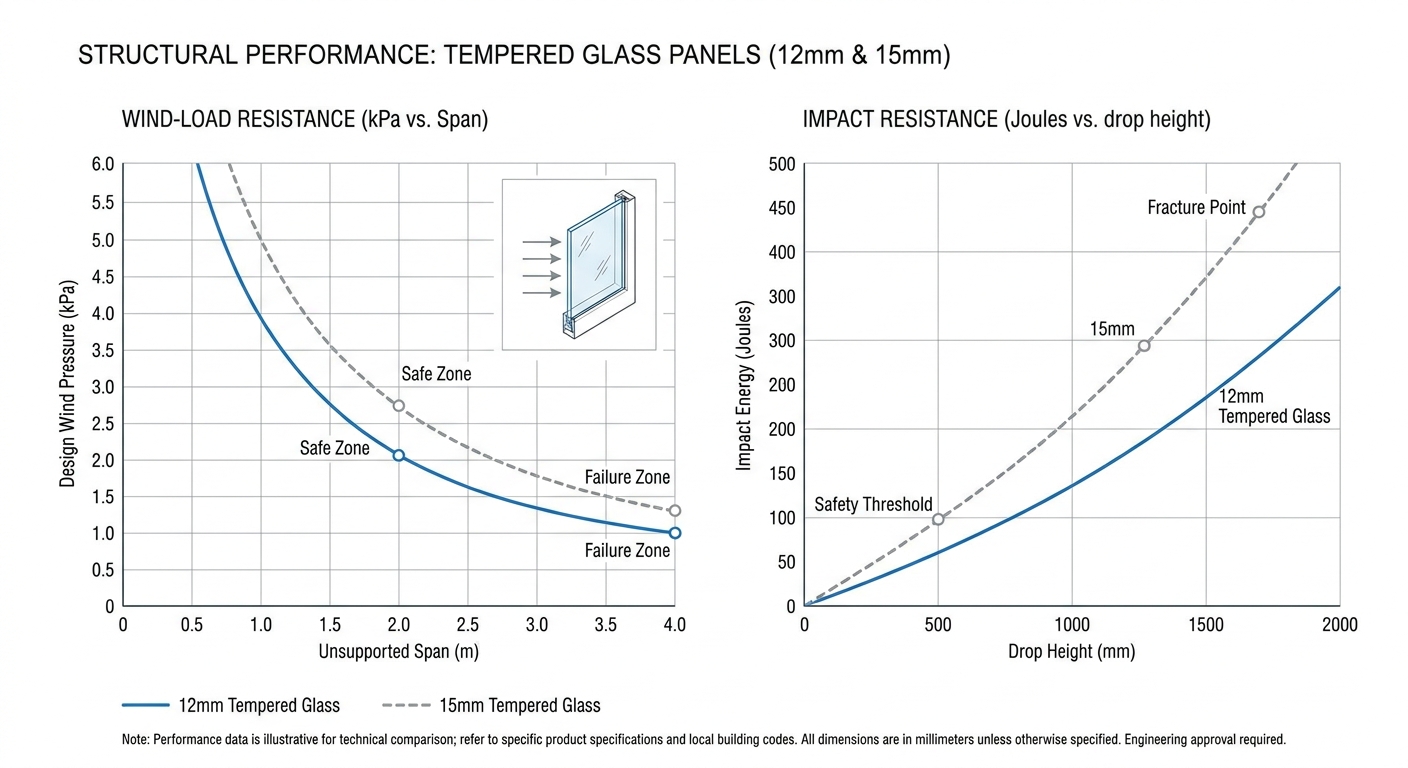
Ensuring safety in hotel glass bathroom requires selecting fully certified tempered safety glass that meets global building codes and resists accidental impact. High-durability hotel glass bathroom must be specified with precise engineering tolerances to withstand heavy daily use. This engineering focus prevents catastrophic failures and protects your properties from liability.
What Safety Standards Must Your Specifications Meet?
All specified architectural glass must undergo rigorous testing to ensure it conforms to international safety glazing codes. Choosing certified safety glass prevents dangerous shattering and reduces maintenance risks.
Here is the key:
Every panel we manufacture is permanently marked with safety compliance logos.
- Conforms to ANSI Z97.1-2015 and CPSC 16 CFR 1201 for excellent impact resistance.
- Complies with EN 12150-1 European standards for thermally toughened safety glass.
- Manufactured under certified ISO 9001:2015 quality management systems for zero defects.
- Supports LEED v4.1 credits for materials and resources through local sourcing.
Why Perform Wind-Load and Thermal Stress Analyses?
Running wind-load and thermal stress analyses prevents spontaneous glass breakage due to temperature fluctuations and structural movement. Engineers must calculate localized loads to ensure the glass thickness is perfectly suited for the space.
What does this mean for your project?
Preventing unexpected cracking keeps your construction timelines on schedule and avoids costly room downtime.
- Calculate localized wind-load resistance in accordance with ASCE 7 guidelines.
- Perform a thorough thermal stress risk analysis to prevent spontaneous breakage in coated panels.
- Verify compatibility with neutral-cure structural silicones complying with ASTM C1184.
- Establish structural stability by using engineered, high-performance hardware systems.
Key Takeaway: Specifying certified safety glass and conducting upfront engineering analyses eliminates liability risks and prevents structural failure.
| Safety Standard | Code Citation | Material Requirement | Structural Outcome |
|---|---|---|---|
| Impact Resistance | ANSI Z97.1-2015 | Fully Tempered Glass | Safe fracture pattern into tiny particles |
| Seal Integrity | ASTM E2190 | Neutral-Cure Sealant | Prevents moisture intrusion and edge cloudiness |
| Structural Load | ASCE 7 | Thickened Laminates | Resists wind and building deflection forces |
Applying these strict engineering standards ensures that full-height glass partitions resist external stresses without structural cracking.
Why Specify Low-Iron Glass for Luxury Suites?
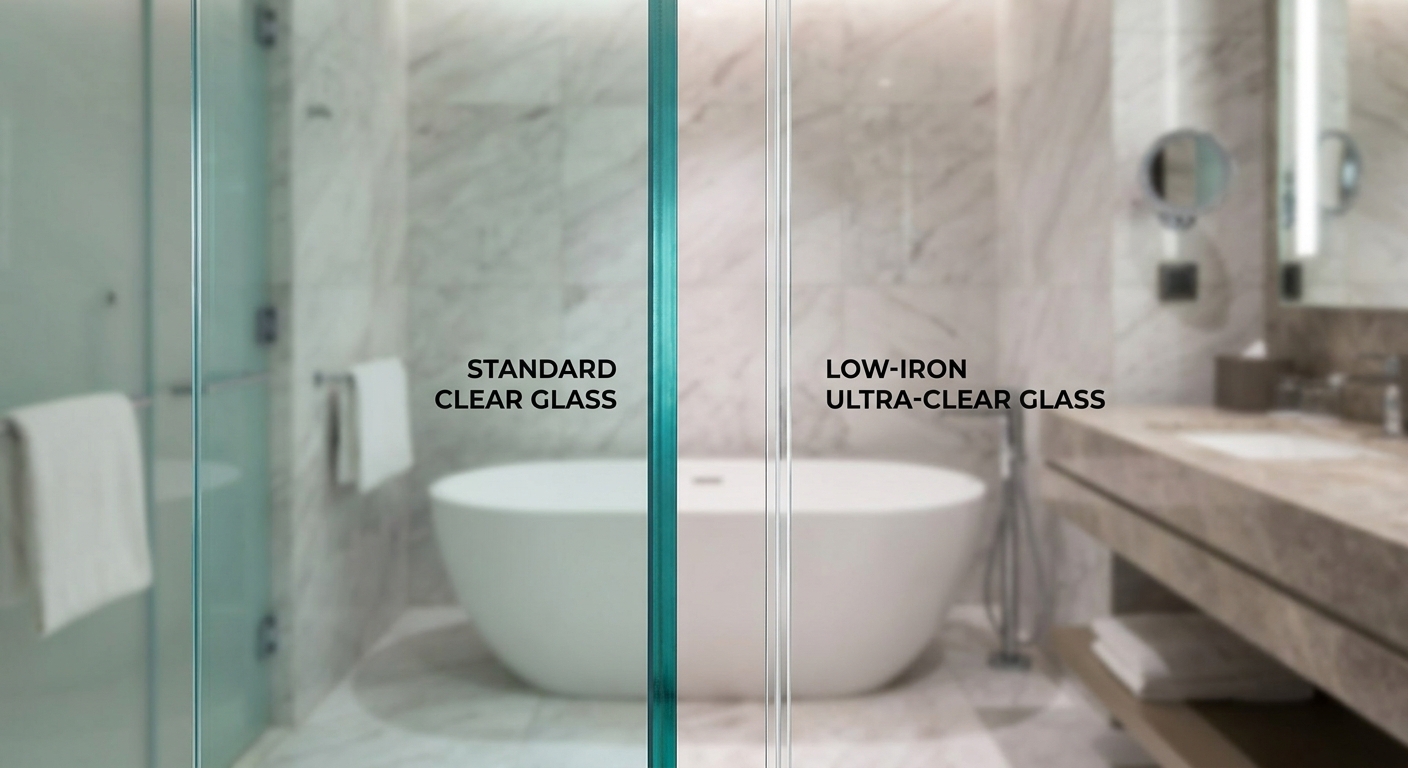
Specifying low-iron glass for luxury suites is crucial because it eliminates the distracting green tint seen in standard glass, delivering pristine color accuracy. Using low-iron glass in hotel glass bathroom provides crystal-clear edge clarity that instantly highlights your premium stone and tile finishes. This simple upgrade enhances the upscale feel of your luxury hotel guestrooms.
How Does Low-Iron Glass Eliminate the Green Tint?
Low-iron glass is formulated with a reduced iron oxide content, removing the greenish hue inherent to standard clear glass. This chemical adjustment creates a highly transparent panel with excellent color neutrality.
Think about it:
High-end guestrooms deserve perfect, undistorted views of premium marble and tile.
- Reduces iron content to less than 10% of standard glass, ensuring maximum clarity.
- Delivers an ultra-clear, neutral edge that blends seamlessly with modern minimalist design.
- Maintains a high visible light transmittance (VLT) of 91% for brighter interiors.
- Eliminates visual distortion when viewing high-end bathroom finishes through the glass.
What Is the Impact of Low-Iron Glass on Guest Experience?
Installing ultra-clear glass partitions makes luxury suites feel brighter, cleaner, and significantly more spacious. This high transparency level helps guests feel more relaxed and comfortable during their stay.
But wait, there is more.
Our low-iron glass edge treatment holds tolerances to ±0.5mm to ensure flawless fitment.
- Enhances the natural colors of marble wall claddings and premium bathroom tiling.
- Allows warm ambient light to pass through the suite without color distortion.
- Resists scratching and chemical wear when cleaned with standard professional solutions.
- Supports natural daylighting design strategies to contribute to LEED v4.1 points.
Key Takeaway: Low-iron glass provides the ultimate crystal-clear visual quality, elevating the suite’s aesthetic and proving your commitment to luxury details.
| Glass Type | Iron Content | Edge Appearance | Visible Light Trans. (VLT) | Color Rendering Index |
|---|---|---|---|---|
| Standard Clear | High | Distinct Green Hue | 89% | Good |
| Low-Iron Ultra-Clear | Reduced (< 0.01%) | Pure Crystal-Clear | 91% | Exceptional (Near Perfect) |
| Low-E Coated Low-Iron | Reduced (< 0.01%) | Light Blue/Neutral | 78% | Excellent |
Choosing low-iron glass substrates removes the green tint, allowing your bathroom’s high-end marble claddings to shine in their true colors.
How Can Hotels Solve Bathroom Privacy Concerns?
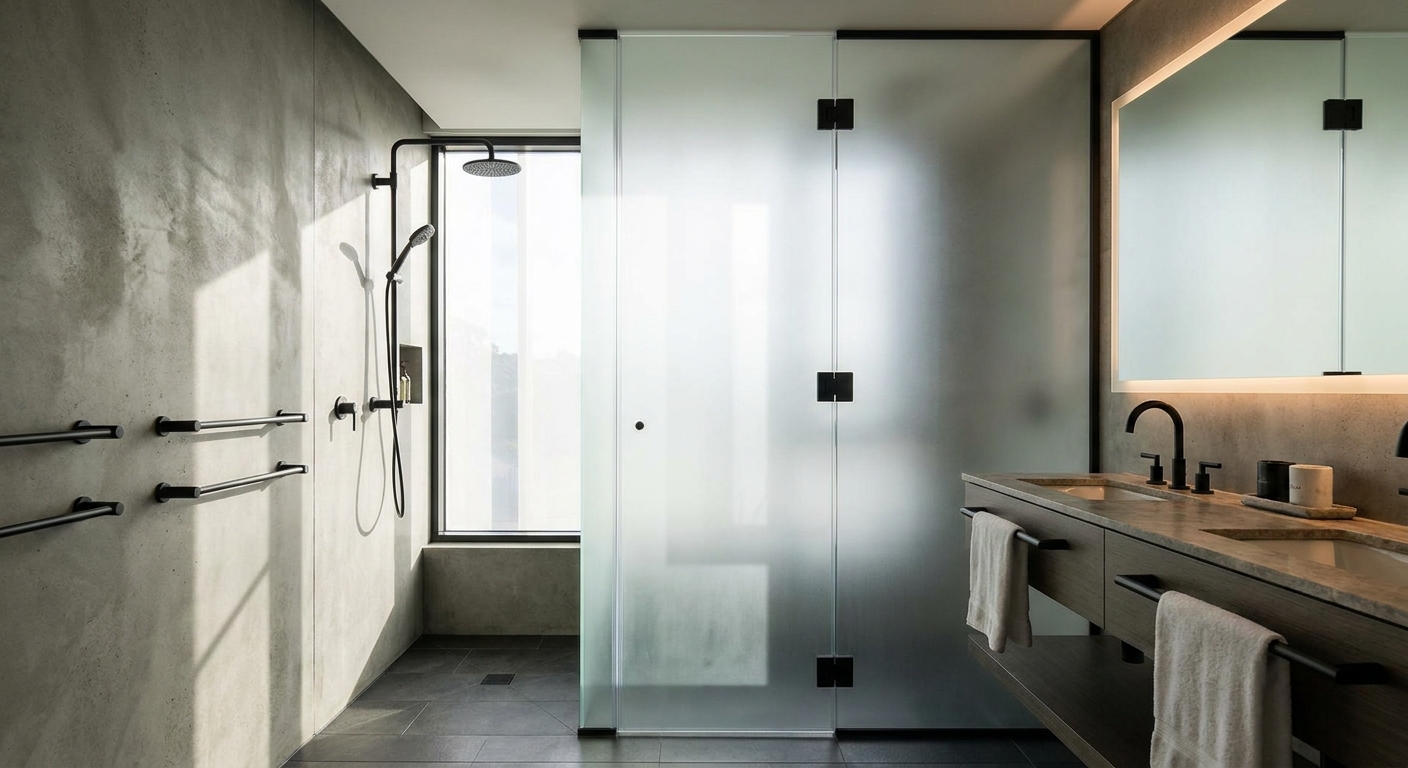
Hotels can solve bathroom privacy concerns by specifying acid-etched glass panels, switchable smart glass, or partial patterned screens that diffuse direct sightlines. Using these clever designs in hotel glass bathroom allows you to deliver a bright, open feel while ensuring absolute guest comfort. These materials offer a modern alternative to dusty, high-maintenance curtains.
How Does Acid-Etched Glass Deliver Premium Privacy?
Acid-etched frosted glass features a chemically treated satin finish that diffuses light, making it impossible to see through while keeping the space bright. This permanent finish is highly durable and resists fingerprints, making it ideal for busy hotels.
The reality is simple:
Guests want privacy without feeling closed off in a dark, cramped washroom.
- Provides a high privacy rating while transmitting up to 78% of natural daylight.
- Features a smooth, non-porous surface that resists water stains and soap scum buildup.
- Resists scratches and will not peel or delaminate over time.
- Cleans quickly using standard non-abrasive housekeeping spray solutions.
What Are the Benefits of Ceramic-Fritted Glass?
Ceramic-fritted glass allows you to print custom patterns, lines, or solid bands directly onto the glass surface during tempering. This processing technique creates a customized privacy screen that matches your hotel’s unique brand style.
How does this work?
We fuse custom ceramic inks directly into the glass under extreme heat to ensure they never fade.
- Applies durable, high-temperature ceramic frit designs that resist scratching and wear.
- Allows for custom gradient prints that transition smoothly from opaque to clear.
- Assists in solar control and reduces visual glare from exterior-facing windows.
- Manufactured within tight dimensional tolerances of
±0.5mmfor a perfect installation.
Key Takeaway: Using acid-etched or custom ceramic-fritted glass provides elegant, permanent privacy barriers that allow natural light to flow freely.
| Privacy Treatment | Privacy Rating (1-10) | Light Transmittance | Housekeeping Effort | Custom Design Flexibility |
|---|---|---|---|---|
| Acid-Etched Satin | 8 / 10 | 78% | Very Low (Fingerprint-Resistant) | Moderate (Full/Partial Etching) |
| Ceramic-Frit Pattern | 6 to 9 / 10 | 65% – 82% | Low (Scratch-Resistant) | High (Logo/Custom Vector Patterns) |
| Clear Tempered Safety | 1 / 10 | 89% | High (Daily Polishing) | Low (Standard Clear Pane) |
Specifying acid-etched treatments gives you a fingerprint-resistant surface, reducing the need for constant daily cleaning by housekeeping staff.
What Is the Best Way to Save Guestroom Space?
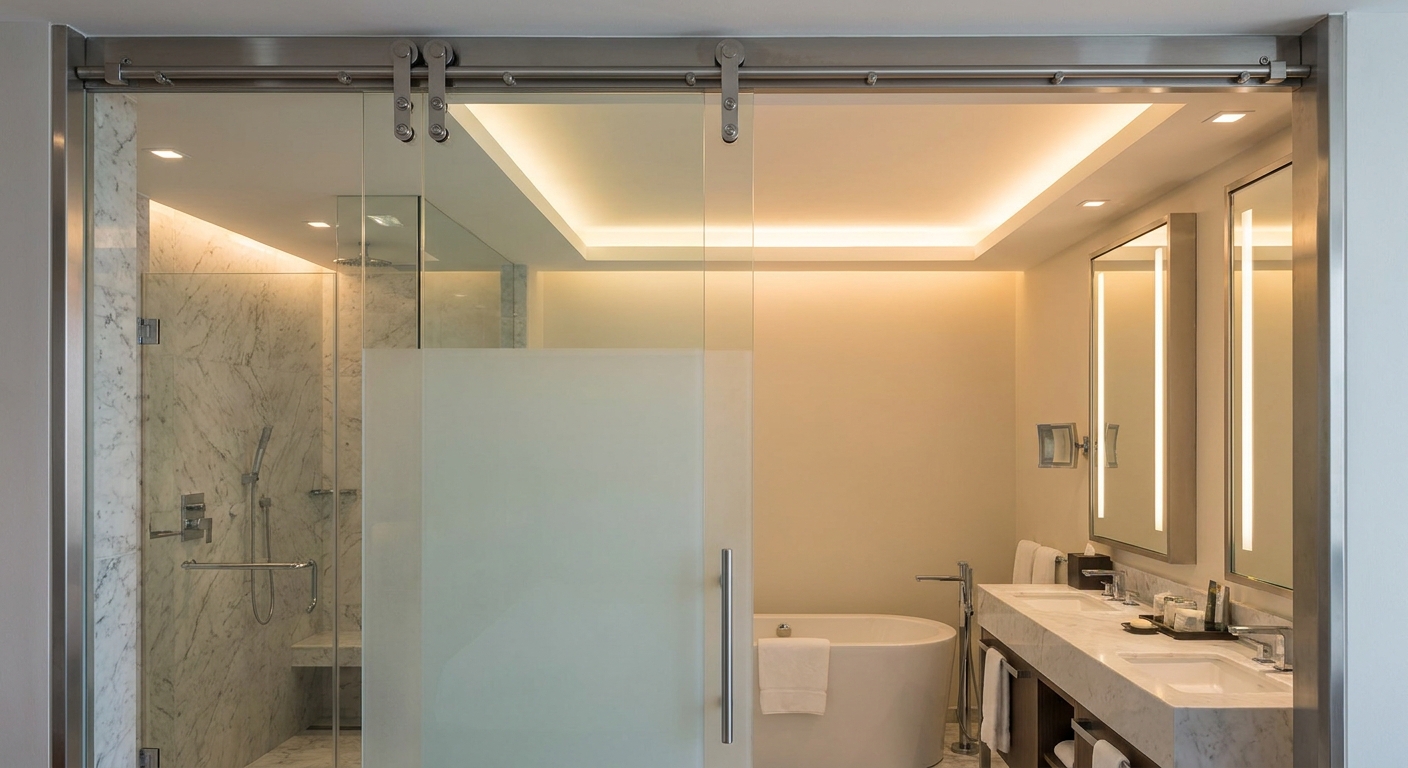
The best way to save guestroom space is by replacing standard swing doors with high-performance sliding glass doors that slide smoothly along a wall track. Installing sliding systems in hotel glass bathroom eliminates door-swing clearance zones, giving you extra usable floor space. This compact layout style is ideal for boutique hotels and urban guest suites.
How Do Sliding Glass Doors Optimize Floor Plans?
Sliding door configurations slide parallel to the wall, letting you place vanities and furniture closer to the bathroom entry. This efficient design helps small guestrooms feel open, spacious, and highly functional.
Think about it:
Gaining extra floor space allows you to design a larger bedroom area or add extra amenities.
- Saves up to 1.5 square meters of floor space compared to standard swing doors.
- Improves room flow and layout flexibility, especially in compact boutique suites.
- Allows for wide, wheelchair-accessible door openings that comply with accessibility codes.
- Pairs perfectly with sliding glass partitions to create a sleek, cohesive layout.
Which Sliding Door Tracks Work Best for Hotels?
Heavy-duty, top-hung sliding tracks are the best choice for hotels because they ensure smooth, quiet operation without requiring a floor track. This layout prevents tripping hazards and makes cleaning the bathroom floor quick and easy.
But wait, there is more.
Our precision-engineered rollers are designed to handle doors weighing up to 80 kg for years to come.
- Utilizes high-grade polymer rollers that glide smoothly along anodized aluminum tracks.
- Integrates soft-close dampers to prevent slamming, door damage, and guest noise.
- Keeps tracks clear of dirt and debris, reducing maintenance callouts.
- CNC cutting holds track mounting tolerances strictly to
±0.5mmfor a perfect fit.
Key Takeaway: Top-hung sliding glass doors maximize usable room area, prevent tripping hazards, and ensure smooth, quiet operation for guests.
| Door Mechanism | Swing Clearance Required | Usable Floor Space Saved | Soft-Close Integration | Floor Track Required |
|---|---|---|---|---|
| Top-Hung Sliding | 0 mm | Up to 1.5 m² | Yes (Standard Damper) | No (Barrier-Free Floor) |
| Bottom-Rolling Sliding | 0 mm | Up to 1.2 m² | Yes (Optional) | Yes (Low-Profile Rail) |
| Standard Pivot Swing | 1,200 mm Radius | 0 m² | No (Standard Bumper) | No (Pivot Pin Only) |
Top-hung sliding systems provide a barrier-free floor line, simplifying bathroom cleaning and making suites fully accessible.
How to Reduce Noise in Open-Concept Hotel Rooms?
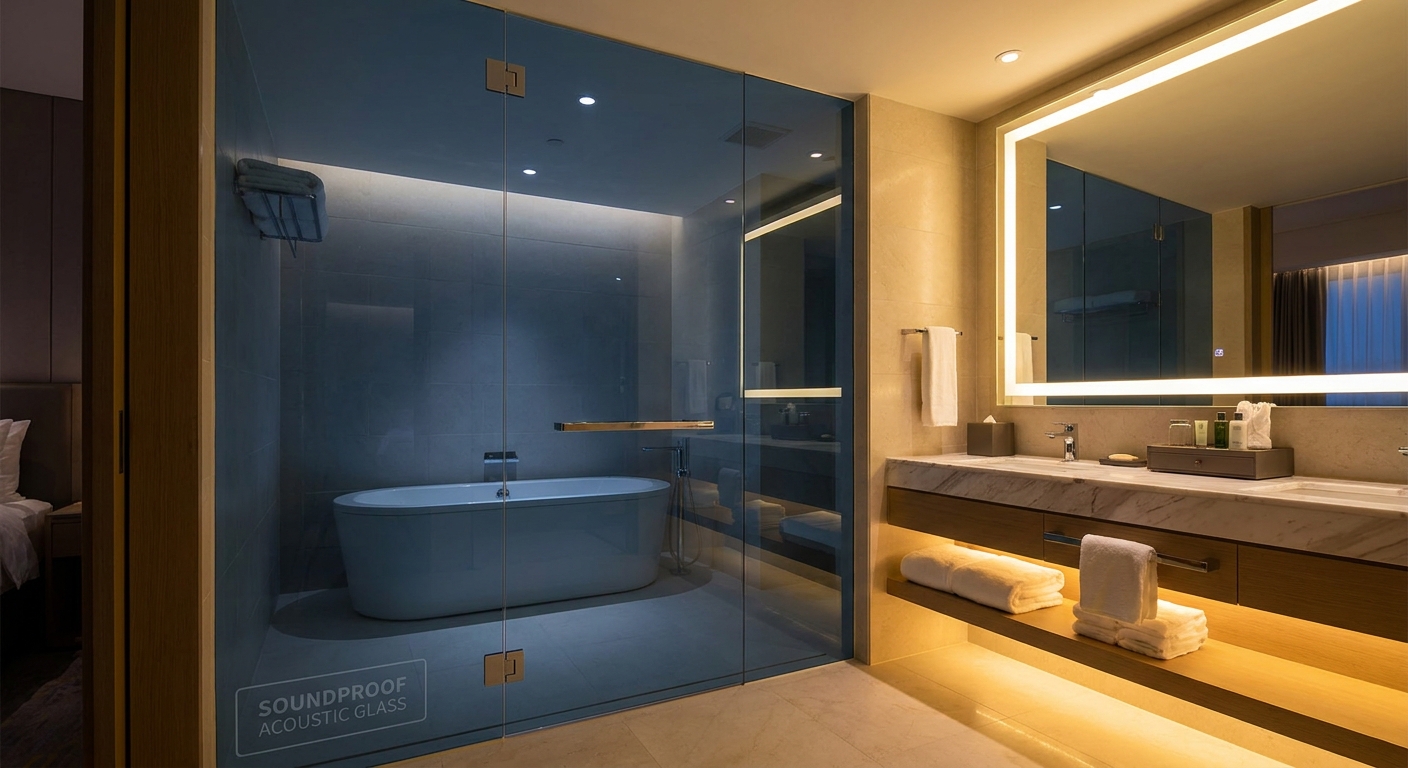
Reducing noise in open-concept hotel rooms requires specifying acoustic laminated safety glass that dampens sound transmission between the ensuite and sleeping areas. Specifying soundproofing glass in hotel glass bathroom keeps guestrooms peaceful and comfortable, even when multiple guests are sharing a suite. This high-end solution ensures a quiet night’s sleep for your guests.
What Is the Acoustic Advantage of Laminated Glass?
Acoustic laminated glass features a specialized polyvinyl butyral (PVB) interlayer that absorbs and dampens sound waves as they pass through. This advanced lamination technology blocks loud sounds much better than standard monolithic glass.
What does this mean for your project?
Meeting strict acoustic codes prevents guest complaints and keeps your online ratings high.
- Achieves high sound dampening ratings of up to 42 dB STC to block bathroom noise.
- Reduces noise transmission across low and high frequencies for a quieter room.
- Meets ANSI Z97.1-2015 impact standards to provide excellent safety protection.
- Blocks up to 99% of harmful UV rays to prevent fading of expensive interior finishes.
How Do Dampening Interlayers Reduce Guest Noise?
Specifying specialized acoustic PVB interlayers breaks up sound vibration frequencies, keeping noise from traveling between rooms. Combining this safety glass with high-quality seals creates a quiet, restful room environment.
Here is the key:
The acoustic interlayer remains completely clear, giving you perfect transparency alongside high sound insulation.
- Utilizes a 0.76mm acoustic PVB interlayer bonded securely between glass panels.
- Works best when paired with high-quality drop-down seals and compression gaskets.
- Mitigates structural building vibrations that can cause standard glass to rattle.
- Supports compliance with global building codes for acoustic comfort.
Key Takeaway: Laminated acoustic glass keeps guest suites quiet and peaceful, significantly improving guest comfort and sleep quality.
| Glazing Type | Nominal Thickness | Sound Transmission Class (STC) | Outdoor-Indoor Trans. (OITC) | Primary Acoustic Benefit |
|---|---|---|---|---|
| Monolithic Tempered | 12mm | 32 dB | 28 dB | Basic spatial partition |
| Standard Laminated | 12.76mm | 38 dB | 32 dB | Moderate noise reduction |
| Acoustic Laminated | 16.76mm | 42 dB | 35 dB | Exceptional soundproofing |
Specifying acoustic laminated glass blocks up to 42 dB of sound, keeping bathroom noises from entering the sleeping suite.
Which Hardware Finishes Enhance Glass Durability?
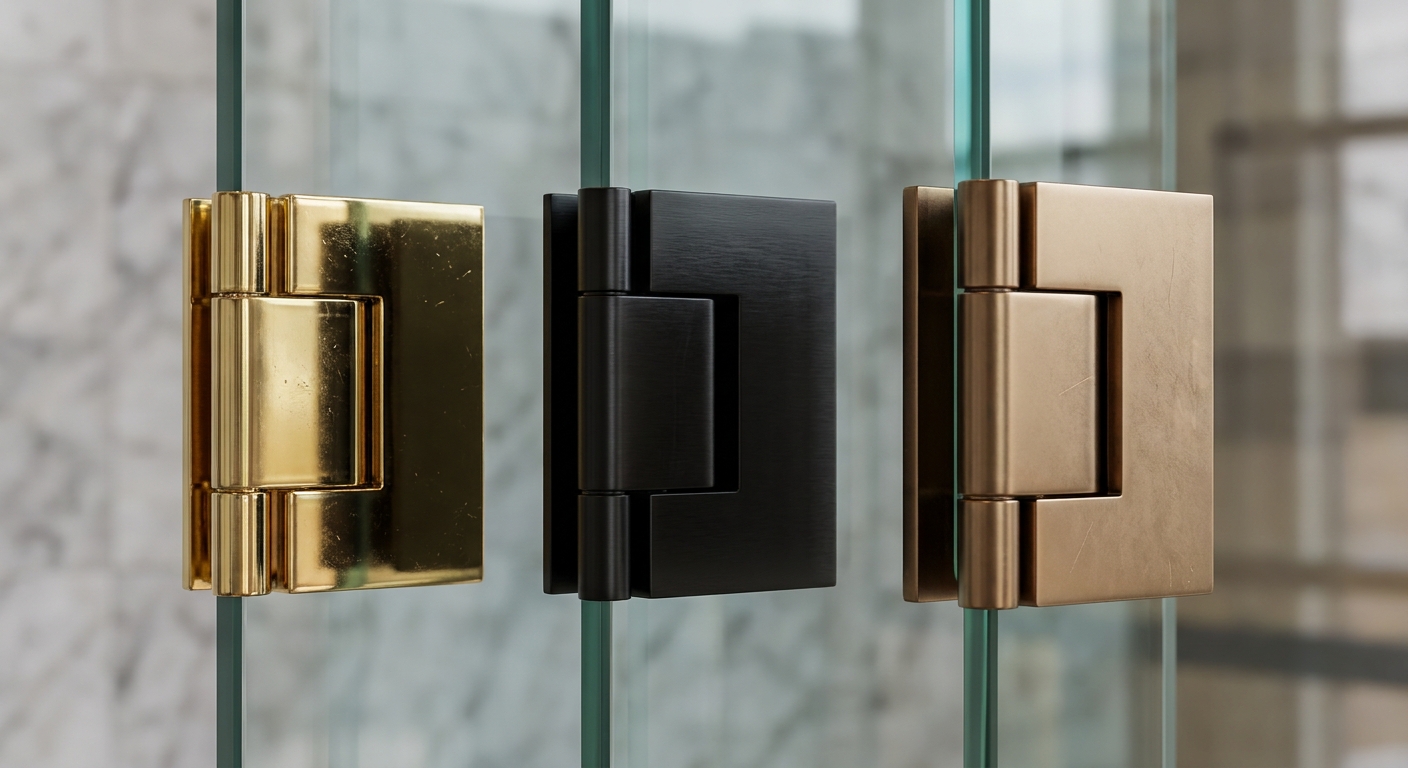
Hardware finishes that use Physical Vapor Deposition (PVD) enhance glass durability by creating a scratch-resistant, rust-proof layer over heavy-duty brass or stainless steel components. Specifying high-quality PVD-finished hardware in hotel glass bathroom prevents tarnish and peeling under humid, wet conditions. This engineering choice reduces maintenance callouts and keeps your bathrooms looking brand new.
Why Choose PVD-Coated Architectural Hardware?
PVD coatings are bonded to the metal surface at a molecular level, creating an extremely hard finish that resists scratches and cleaning chemicals. This advanced finish prevents peeling and rust, making it ideal for busy hotel bathrooms.
But wait, there is more.
PVD hardware is available in trendy finishes like matte black, brushed gold, and anodized bronze to match your styling.
- Features a surface finish that is up to ten times harder than standard electroplating.
- Resists corrosion from moisture, humidity, and harsh bathroom cleaning agents.
- Resists fingerprints and water stains to keep your hardware looking clean.
- Manufactured within tight dimensional tolerances of
±0.5mmfor a perfect fit.
What Are the Load Limits for Glass Door Hinges?
Heavy tempered glass doors need strong, carefully engineered hinges to support their weight and prevent doors from sagging. Correctly calculating door weights and using proper hinge models ensures smooth, safe operation.
Think about it:
Hinges that sag can cause the glass to rub against floor tiles, risking sudden breakage.
- Heavy-duty hinges are designed to support door panels weighing up to 60 kg per pair.
- Features self-closing pivots that bring the door back to center automatically.
- Uses high-density neoprene gaskets to prevent metal-to-glass contact.
- Keeps glass doors aligned perfectly to prevent water leaks and rubbing.
Key Takeaway: Specifying PVD-coated hardware and high-load hinges ensures your glass doors swing smoothly and resist rust, protecting your investment for years.
| Hardware Finish | Process Technology | Hardness Rating | Salt Spray Resistance | Expected Lifetime |
|---|---|---|---|---|
| Standard Electroplated | Chemical Bath | Low | 96 Hours | 2 to 3 Years |
| Powder Coated Satin | Baked Paint | Moderate | 240 Hours | 4 to 5 Years |
| PVD Brushed Gold | Vacuum Plasma Deposition | Exceptional | > 1,000 Hours | 15+ Years (No Fading) |
Specifying PVD-treated hardware prevents corrosion from steam and humidity, keeping your hotel bathrooms looking premium.
How to Design Partition Walls for Boutique Rooms?
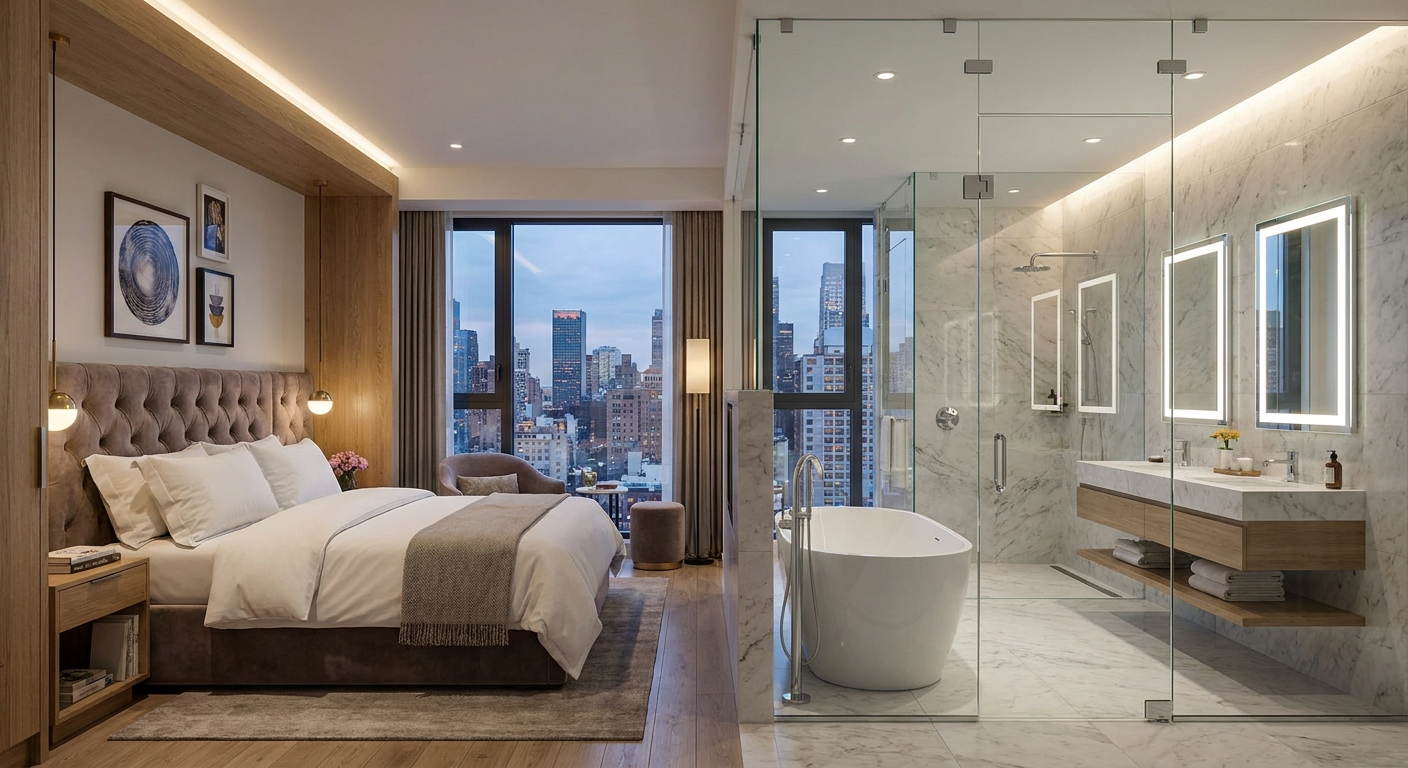
Designing partition walls for boutique rooms requires combining slim metal framing, open-concept glass layouts, and custom patterns to create a memorable guest environment. Implementing custom partition systems in hotel glass bathroom allows you to optimize compact floor plans while maximizing daylight flow. This layout choice helps boutique hotels stand out with unique, signature styling.
How to Design Open-Concept Layouts with Partitions?
Open-concept layouts use clear or lightly tinted glass partitions to connect the bedroom and bathroom, helping the entire room feel larger and brighter. This visual connection creates a flowing space that appeals to modern travelers.
How does this work?
Placing frosted zones or smart glass strategically ensures privacy while keeping the room feeling open.
- Maintains open sightlines to make small boutique rooms feel airy and spacious.
- Allows natural daylight from the bedroom windows to illuminate the bathroom.
- Uses slim, recessed aluminum tracks to keep installation lines clean and uncluttered.
- Integrates with sliding or folding glass doors to save usable floor area.
What Are the Benefits of Partial Glass Barriers?
Partial glass barriers partition the space and contain water splash without closing off the bathroom. These half-walls offer a cost-effective design solution that organizes the suite while keeping it bright and open.
Here is the key:
Partial barriers eliminate the need for moving doors, simplifying cleaning and maintenance.
- Defines wet and dry bathroom zones clearly while keeping layouts visually connected.
- Saves space and reduces hardware costs compared to fully enclosed glass cabins.
- Mounts securely to floor and wall channels with tolerances held to
±0.5mm. - Pairs perfectly with curbless, barrier-free showers for a modern, accessible design.
Key Takeaway: Custom glass partitions and partial barriers allow boutique hotels to create unique, open-plan suites that optimize light and space.
| Layout Strategy | Spatial Footprint | Natural Daylight Flow | Hardware Cost Level | Visual Room Expansion |
|---|---|---|---|---|
| Full-Height Seamless | Minimal (Slim Profile) | Exceptional (89% VLT) | Moderate | Highly Expansive |
| Partial Fixed Barrier | Ultra-Minimal | Very High (82% VLT) | Low (No Operable Parts) | Moderately Expansive |
| Traditional Drywall | Thick (120mm Profile) | 0% (Blocks Light) | High (Multi-Trade Labor) | Closed-In (Cramped Feel) |
Using slim glass partitions saves valuable floor space compared to bulky, multi-layer drywall installations.
How Do Hydrophobic Coatings Save Hotel Labor?
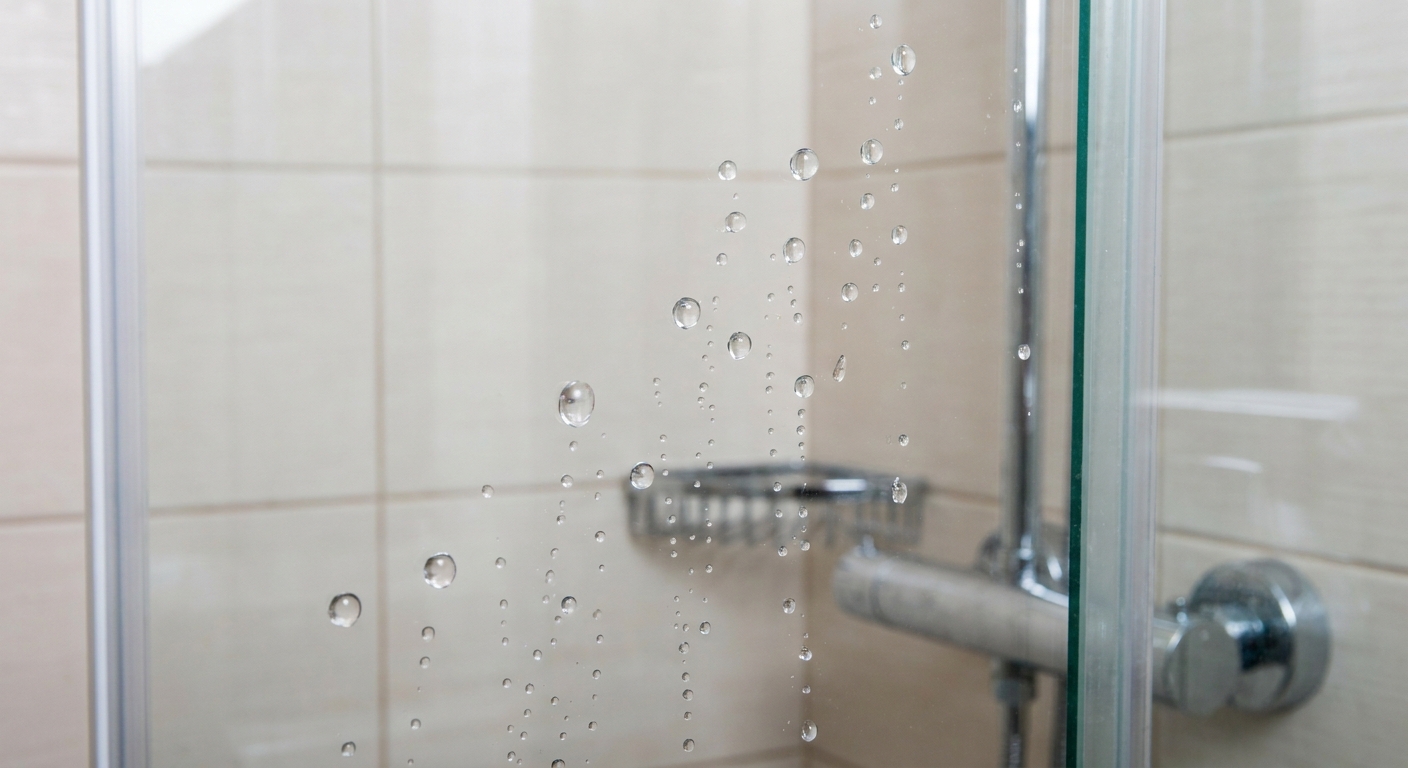
Hydrophobic coatings save hotel labor by creating an ultra-smooth, water-repellent shield that prevents soap scum, dirt, and hard water minerals from sticking to the glass. Specifying hydrophobic glass in hotel glass bathroom allows housekeeping staff to clean panels with a quick wipe, rather than heavy scrubbing. This treatment reduces cleaning time, lowers water spot buildup, and cuts your maintenance costs.
How Do Hydrophobic Coatings Reduce Cleaning Cycles?
Hydrophobic treatments fill in the microscopic pores of the glass, causing water to bead up and roll off easily, taking soap and minerals with it. This self-cleaning effect keeps the glass clear and reduces the need for frequent cleaning.
The reality is simple:
Housekeeping teams can clean treated glass panels in half the time, letting them focus on other room details.
- Increases the water contact angle to 115 degrees, causing water to slide off easily.
- Prevents minerals and soap scum from bonding to the glass surface.
- Reduces cleaning times by up to 50% and cuts chemical cleanser usage.
- Keeps glass looking sparkling clean and transparent between guest stays.
What Is the Cleaning Protocol for Coated Surfaces?
Maintaining hydrophobic coatings requires using gentle cleaning agents and soft micro-fiber cloths to avoid wearing away the protective layer. Following this simple protocol keeps the coating working perfectly for years.
Best of all:
You will not need harsh, expensive chemical cleaners to keep your glass clean and clear.
- Never use highly abrasive scouring powders, strong acids, or alkaline cleansers (pH > 11).
- Spray with a mild, non-ammoniacal glass cleaner or diluted neutral soap.
- Wipe with a clean micro-fiber cloth or a non-abrasive felt pad.
- Squeegee dry after wiping to prevent water spots and keep glass clear.
Key Takeaway: Hydrophobic coatings protect your glass from water stains, reduce daily housekeeping times, and keep bathrooms looking clean with minimal effort.
| Surface Treatment | Water Contact Angle | Housekeeping Time Saved | Chemical Detergent Needs | Expected Coating Lifetime |
|---|---|---|---|---|
| Untreated Tempered Glass | 42 Degrees | Baseline (No savings) | High (Acidic Scrubbing) | N/A |
| Factory Hydrophobic | 115 Degrees | 50% Reduction | Ultra-Low (Water Wipe Only) | 10 Years (Bonded Protection) |
| Dual-Sided Oleophobic | 112 Degrees | 45% Reduction | Low (Neutral Soap Wipe) | 8 Years |
Applying hydrophobic coatings helps water roll off, preventing mineral deposits from forming on your glass panels.
Technical Maintenance, Safety, and Installation Guidelines
To keep your hotel glass looking brand new and performing safely, follow these step-by-step cleaning, maintenance, and safety protocols.
Chemical Agent Warnings and Cleaning SOP
Using harsh chemical cleaners can damage low-E coatings and safety interlayers, leading to cloudiness and seal failures. Follow this 4-step cleaning process to keep your glass clean and clear:
- Rinse: Rinse the glass with clean water to remove any loose dirt or dust.
- Apply Cleanser: Spray a mild, non-ammoniacal glass cleaner or a diluted neutral soap solution.
- Wipe: Gently wipe the surface with a clean micro-fiber cloth or a non-abrasive felt pad.
- Squeegee: Squeegee the glass dry to prevent water spots and mineral buildup.
Chemical Warnings: Never use highly acidic solutions, abrasive scouring powders, or strong alkaline cleansers (pH > 11) on any glass surface. These harsh chemicals can permanently scratch the glass and damage protective coatings.
Glazing Silicone and Compatibility Compliance
Using incompatible silicones can damage the PVB safety interlayers and break down insulated unit seals. Always use neutral-cure structural silicones complying with ASTM C1184 for all glass joints and edges. Acid-cure silicones must never be used, as they can damage laminated safety glass and void the manufacturer’s warranty.
Wind-Load, Thermal Stress, and Warranty Integrity
Before specifying glass thicknesses, have a qualified structural engineer run wind-load calculations following ASCE 7 guidelines. You should also perform a thermal stress risk analysis to prevent spontaneous breakage from uneven heating, especially on large, exterior-facing glass panels.
Prime Pro Glass offers a 10-year limited warranty on all Insulated Glass Units (IGUs), covering seal failures and condensation. This warranty remains valid only if the glass is installed strictly according to GANA (Glass Association of North America) guidelines.
Technical FAQs
Can I use smart switchable glass in a wet shower partition?
Yes. Smart dynamic glass is fully safe for wet zones when sealed with neutral-cure structural silicone complying with ASTM C1184 and installed with IP67-rated water-resistant electrical connectors.
What’s the best glass thickness for a full-height hotel bathroom partition?
Typically, a thickness of 12mm or 15mm is recommended. This heavy tempered safety glass prevents structural flexing, ensures absolute stability under high-traffic usage, and complies with ANSI Z97.1-2015 safety standards.
How do I know if my hotel bathroom glass complies with local safety codes?
Always look for a permanent SGCC certification logo etched onto the corner of each glass panel. This certified mark guarantees that the tempered or laminated glass has successfully passed ANSI Z97.1-2015 and CPSC 16 CFR 1201 impact resistance tests.
Can I specify acoustic laminated glass for a frameless sliding door system?
Yes. Acoustic laminated glass can be easily specified for heavy-duty sliding systems to achieve sound transmission reduction of up to 42 dB when combined with top-hung rails and compression seals.
What’s the best way to clean and maintain hydrophobic bathroom glass partitions?
Simply wipe down the glass with a clean micro-fiber cloth and a mild, non-ammoniacal glass cleaner or diluted neutral soap. Never use highly acidic solutions, abrasive scouring powders, or strong alkaline cleansers as they can permanently damage the water-repellent coating.
Transform Your Hospitality Projects Today
Ready to elevate your hotel design with high-performance glass partitions and modern, custom-shaped enclosures? Our team of structural engineers and commercial glass specialists is here to help you select the perfect materials, ensure safety code compliance, and deliver beautiful, durable results.
Please contact us today to submit your architectural CAD drawings and design specifications. Our engineering division will provide a detailed technical quote and custom architectural blueprint tailored directly to your commercial project needs.