The best glass for commercial buildings is high-performance tempered or laminated glass integrated with low-emissivity (Low-E) coatings and insulated units. Many developers struggle with skyrocketing utility costs and safety liabilities that stem from improper glazing choices.
This inefficiency can drain your operational budget and leave your property vulnerable to security breaches or environmental damage. By selecting advanced materials like commercial windows engineered for durability and thermal control, you can protect your investment and enhance occupant comfort simultaneously.
Why is tempered the best glass for commercial buildings?
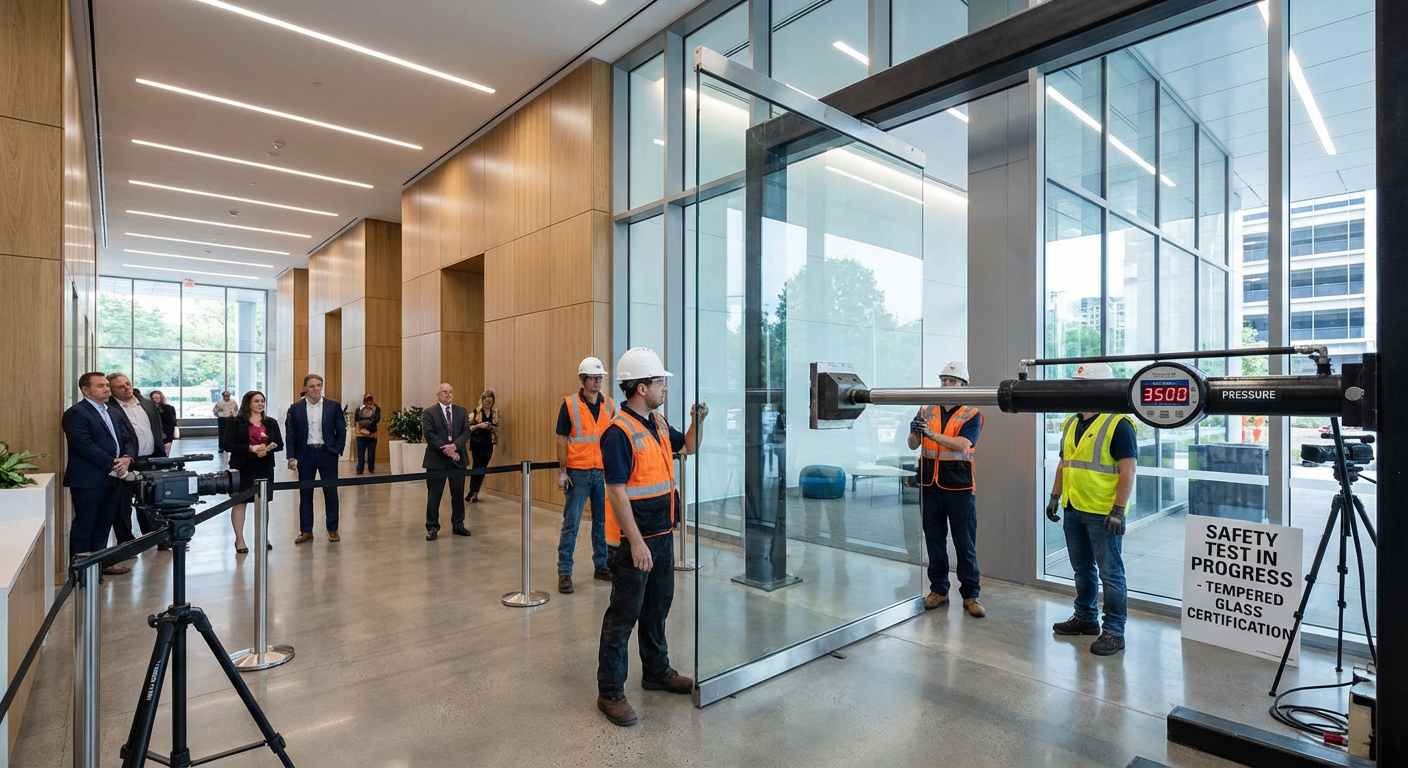
Tempered glass is considered the best glass for commercial buildings because it is four to five times stronger than standard float glass. This material is specifically heat-treated to create high surface compression, allowing it to withstand heavy wind loads and physical impacts.
Does it provide better safety?
You might be wondering: what happens if this glass actually breaks? Unlike standard glass that shatters into dangerous shards, tempered glass crumbles into small, blunt cubes.
- Reduces the risk of severe injury in high-traffic lobbies.
- Meets international safety glazing standards for entryways.
- Simplifies cleanup after an accidental breakage occurs.
How does it handle extreme heat?
Here is the thing: commercial facades are often exposed to intense thermal stress throughout the day. Tempered glass can handle temperature differentials up to 250°C without cracking, making it ideal for sun-drenched skyscrapers.
- Resists thermal shock from sudden weather changes.
- Maintains structural integrity under heavy solar exposure.
- Prevents spontaneous breakage common in non-treated glass.
Key Takeaway: Tempered glass ensures structural resilience and occupant safety in high-traffic zones.
| Feature | Tempered Glass Benefit |
|---|---|
| Strength | 4-5x stronger than regular float glass |
| Breakage Pattern | Small, blunt cubes for minimal injury risk |
| Thermal Limit | Resists heat differentials up to 250°C |
This table highlights why heat-treated safety glass is the foundational choice for modern lobbies.
Is laminated the best glass for commercial buildings?
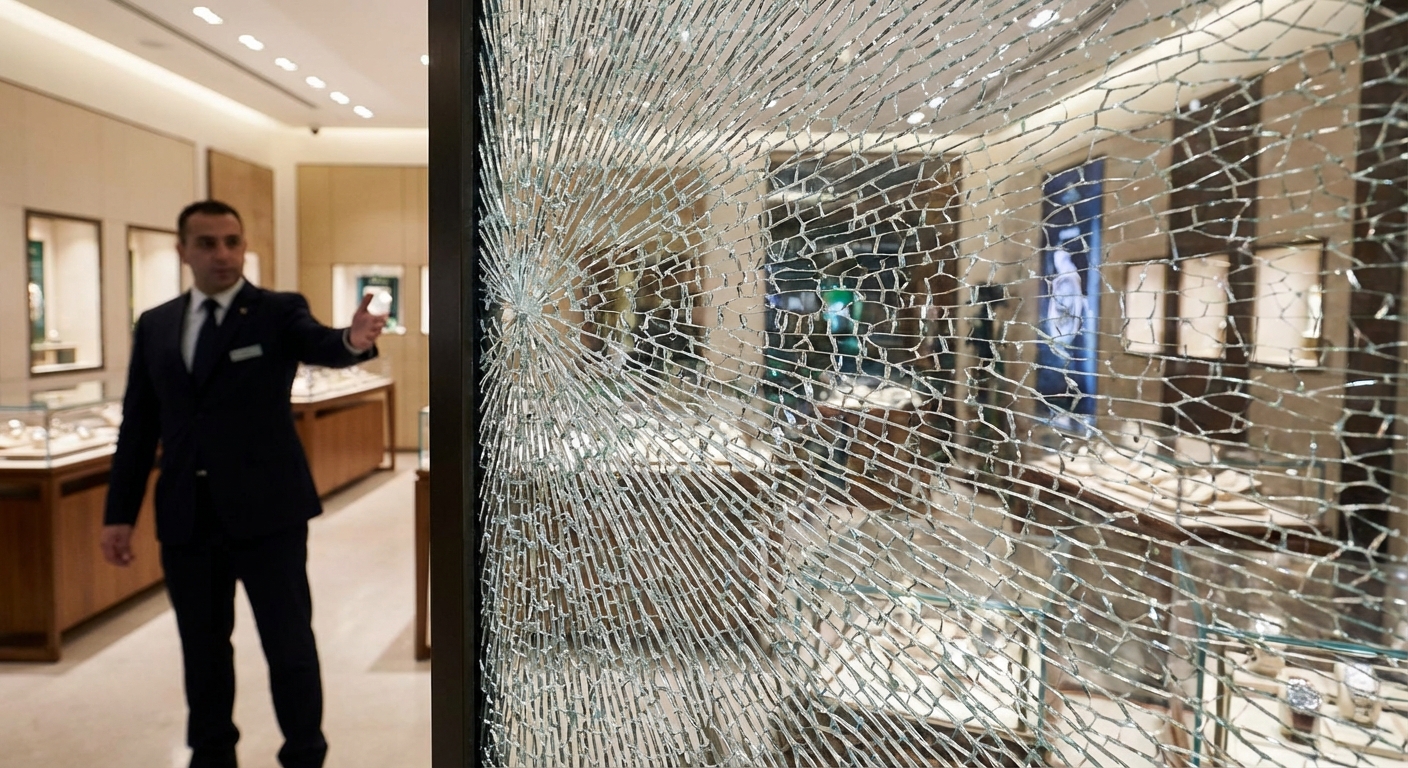
Laminated glass is the best glass for commercial buildings when security and sound dampening are the primary project requirements. It consists of multiple glass layers bonded by a tough plastic interlayer, typically PVB or SGP, that holds fragments together upon impact.
Can it stop a forced entry?
The truth is: standard glass offers almost zero resistance to a motivated intruder. Laminated glass remains in the frame even when cracked, acting as a powerful deterrent against “smash and grab” crimes in retail environments.
- Maintains a physical barrier after the glass is broken.
- Requires significant time and tools to fully breach.
- Protects high-value inventory in jewelry or electronics stores.
Does it block outside noise?
You might be surprised: the plastic interlayer also serves as an exceptional acoustic dampener. This makes it an essential component for offices located near airports, highways, or bustling urban centers.
- Significantly reduces decibel levels from street traffic.
- Enhances privacy for sensitive boardroom discussions.
- Increases employee productivity by minimizing distractions.
Key Takeaway: Laminated glass provides a dual layer of protection against both physical threats and noise pollution.
| Feature | Laminated Glass Benefit |
|---|---|
| Security | Fragments stay bonded to the interlayer |
| UV Protection | Blocks up to 99% of harmful UV radiation |
| Acoustics | Superior sound dampening for urban offices |
Review these metrics to understand how laminated units safeguard both people and property.
Why use low-E as the best glass for commercial buildings?
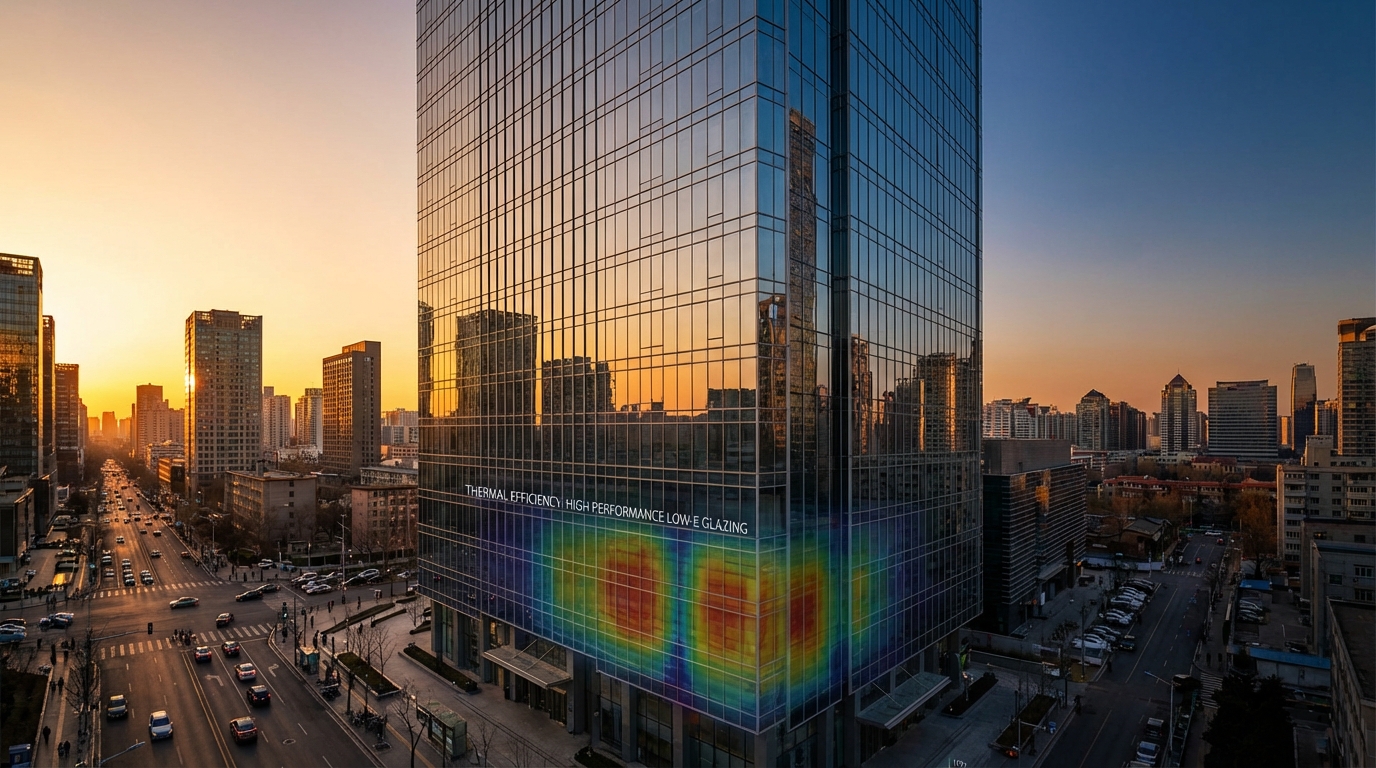
Low-E (low-emissivity) coatings make this the best glass for commercial buildings aiming to minimize energy consumption and HVAC operating costs. These microscopic metallic layers reflect infrared heat while allowing visible light to pass through the facade freely.
How does it lower utility bills?
Think about it: heating and cooling often account for the largest expense in building management. Low-E coatings reflect internal heat back into the room during winter and keep solar heat out during the summer months.
- Reduces the mechanical strain on large HVAC systems.
- Helps buildings achieve prestigious LEED certifications.
- Lowers the total carbon footprint of the commercial property.
Will it protect interior assets?
Here is the kicker: solar radiation is the number one cause of fading for carpets, furniture, and inventory. Low-E glass selectively filters out the solar spectrum that causes damage without making the interior feel dark.
- Preserves the color and life of office furnishings.
- Protects sensitive retail displays from sun damage.
- Maintains a bright, natural atmosphere for employees.
Key Takeaway: Low-E coatings provide a rapid return on investment through significant long-term energy savings.
| Metric | Low-E Coating Impact |
|---|---|
| Solar Heat Gain | Dramatically reduced via infrared reflection |
| Visible Light | High transmission for natural illumination |
| HVAC Savings | Up to 30% reduction in climate control costs |
Energy efficiency starts with selecting the right spectral-selective coatings for your facade.
Is insulated the best glass for commercial buildings?
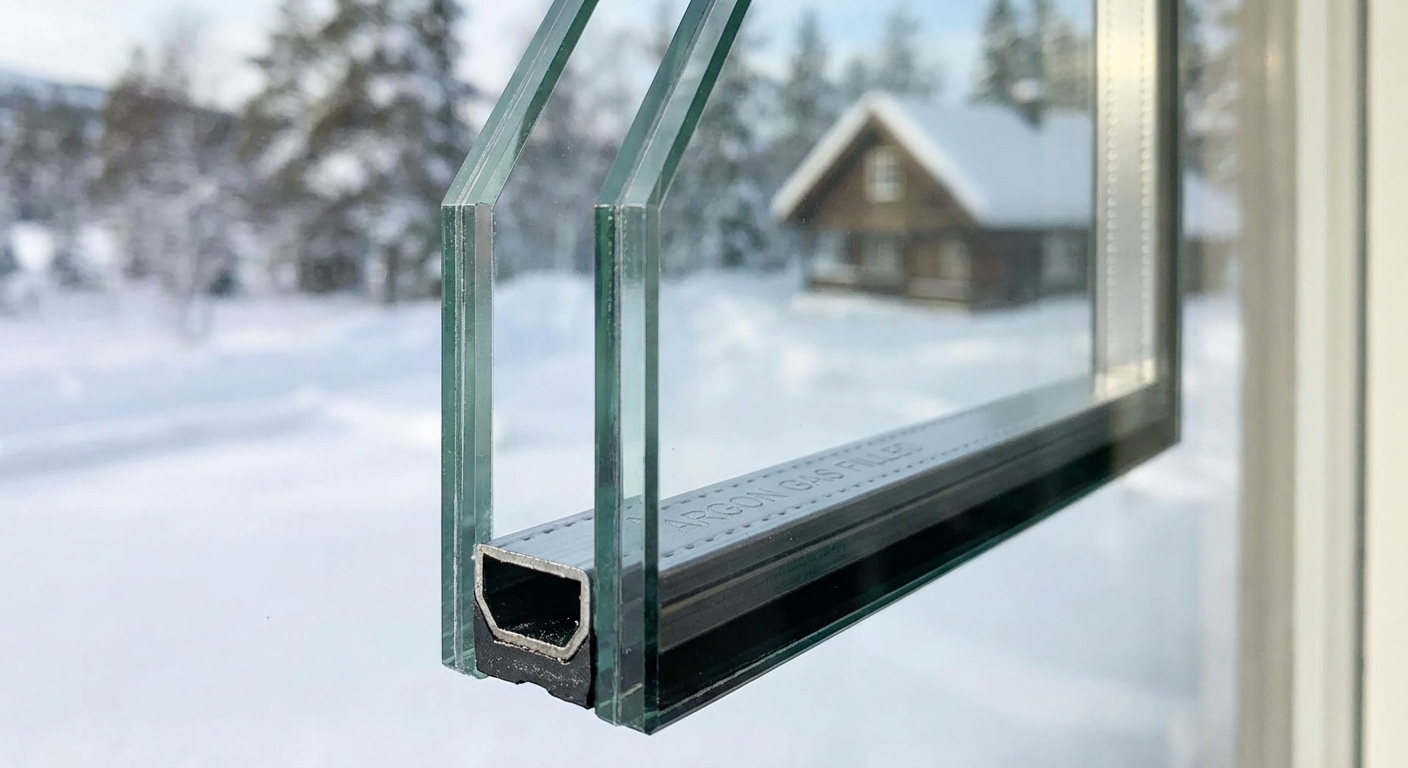
Insulated glass units (IGUs) are the best glass for commercial buildings located in regions with extreme temperature fluctuations. By separating two or more panes with a gas-filled spacer, these units create a thermal break that prevents heat transfer between the interior and exterior environments.
Why use argon gas filling?
Believe it or not: the air between the panes isn’t just plain air. Argon or krypton gas is used because it is denser and slower-moving, providing far superior insulation than a standard vacuum.
- Slows down the conduction of heat through the window.
- Eliminates the “cold zone” typically felt near large windows.
- Increases the overall R-value of the building envelope.
Can it prevent condensation?
It’s a common problem: moisture buildup on windows can lead to mold and structural damage over time. Insulated units keep the interior glass pane closer to room temperature, which virtually eliminates the risk of fogging or dripping.
- Prevents water damage to window sills and frames.
- Maintains clear views for occupants regardless of weather.
- Reduces the maintenance costs associated with mold removal.
Key Takeaway: Hollow insulated units are the gold standard for creating a stable, comfortable internal climate.
| Component | Purpose in Insulated Glass |
|---|---|
| Spacer | Maintains precise gap between glass panes |
| Argon Gas | Provides a high-density thermal barrier |
| Desiccant | Absorbs moisture to prevent internal fogging |
Effective insulation relies on the structural integrity of the hermetically sealed IGU.
Is tinted glass the best glass for commercial buildings?
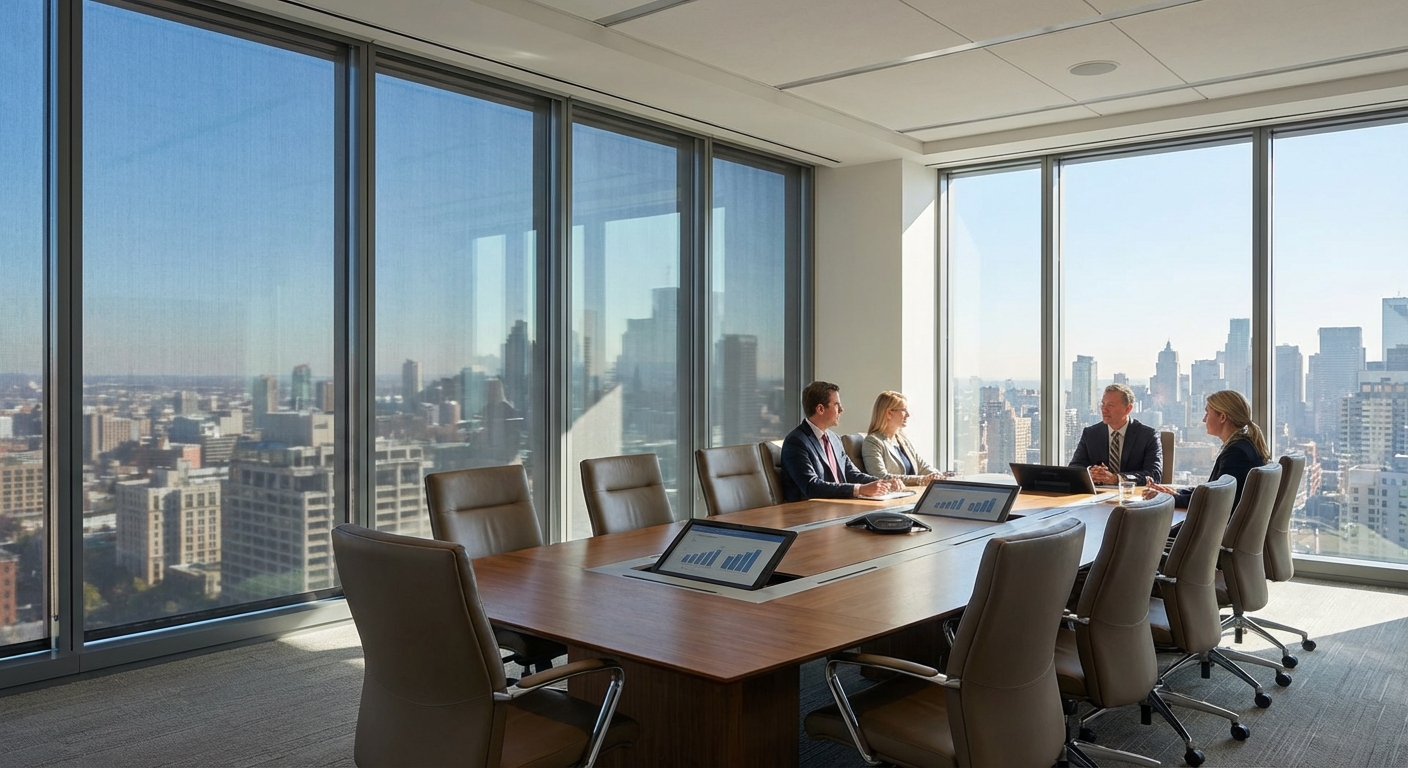
Tinted glass is often chosen as the best glass for commercial buildings because it balances aesthetic appeal with significant solar glare reduction. By adding metal oxides during the manufacturing process, the glass can absorb solar energy and provide daytime privacy for occupants.
How does tinting reduce glare?
You might be wondering: why is glare such a deal-breaker in modern offices? Excessive light on computer screens can destroy productivity and cause significant eye strain for employees working near windows.
- Lowers light intensity without blocking the outside view.
- Removes the need for bulky, dust-collecting internal blinds.
- Creates a more uniform lighting environment for workstations.
Does it enhance building character?
Here is the thing: the color of your glass defines the architectural identity of the entire structure. Tinted options allow developers to choose from bronze, gray, blue, or green shades to match the brand’s aesthetic.
- Provides a sleek, modern appearance for the exterior facade.
- Increases daytime privacy for ground-floor clinics or offices.
- Hides internal messy office spaces from public view.
Key Takeaway: Tinting provides a cost-effective way to manage light and enhance the building’s visual profile.
| Shade Option | Performance Characteristic |
|---|---|
| Gray/Bronze | Excellent glare reduction and neutral views |
| Blue/Green | High light transmission with heat absorption |
| Reflective | Maximum privacy and solar heat rejection |
Selecting the right tint color is a critical step in defining the building’s thermal and visual comfort.
Is fritted glass the best glass for commercial buildings?
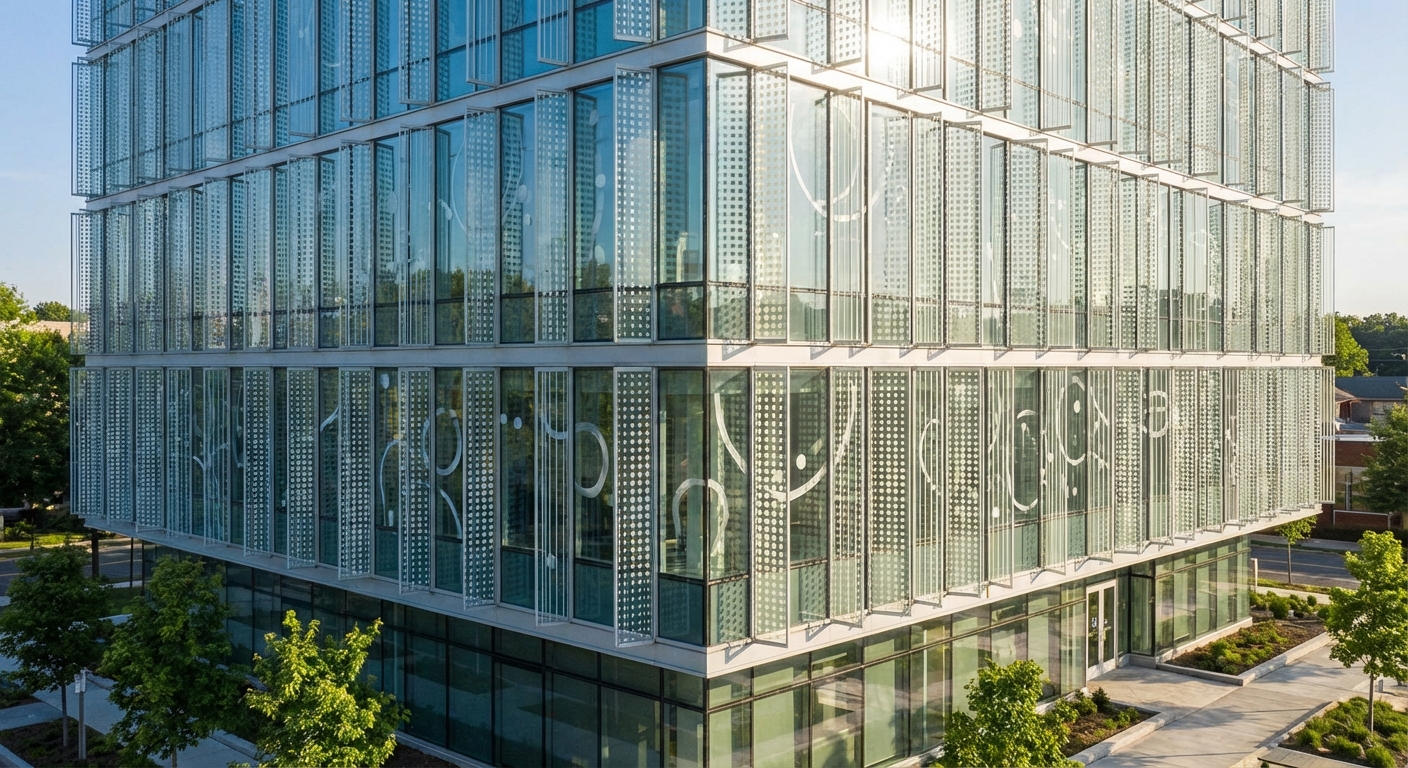
Fritted glass is the best glass for commercial buildings that require a custom blend of artistic design and functional shading. This process involves screen-printing ceramic patterns onto the glass, which are then permanently fused to the surface during the tempering process.
Can it save local wildlife?
The facts are clear: large glass buildings are often invisible to birds, leading to millions of strikes annually. Fritted patterns create a visual “marker” that makes the glass visible to birds, helping developers meet modern eco-friendly building codes.
- Reduces bird strikes without sacrificing transparency for humans.
- Complies with municipal bird-safe design requirements.
- Demonstrates a commitment to local environmental sustainability.
Does it improve solar shading?
You might be surprised: the density of the printed pattern can be adjusted to act as a built-in sunshade. This allows architects to strategically block solar gain on specific areas of the facade that receive the most sun.
- Reduces the cooling load on south-facing curtain walls.
- Provides customizable levels of opacity for interior privacy.
- Creates unique branding opportunities through printed logos.
Key Takeaway: Ceramic frit is a versatile tool for enhancing both the beauty and the ecological footprint of a building.
| Application | Fritted Glass Advantage |
|---|---|
| Bird Safety | Pattern density makes glass visible to wildlife |
| Solar Control | Strategic shading reduces cooling expenses |
| Branding | Permanent, scratch-resistant logos and designs |
Architects use fritted patterns to solve complex lighting and environmental challenges simultaneously.
Is impact glass the best glass for commercial buildings?
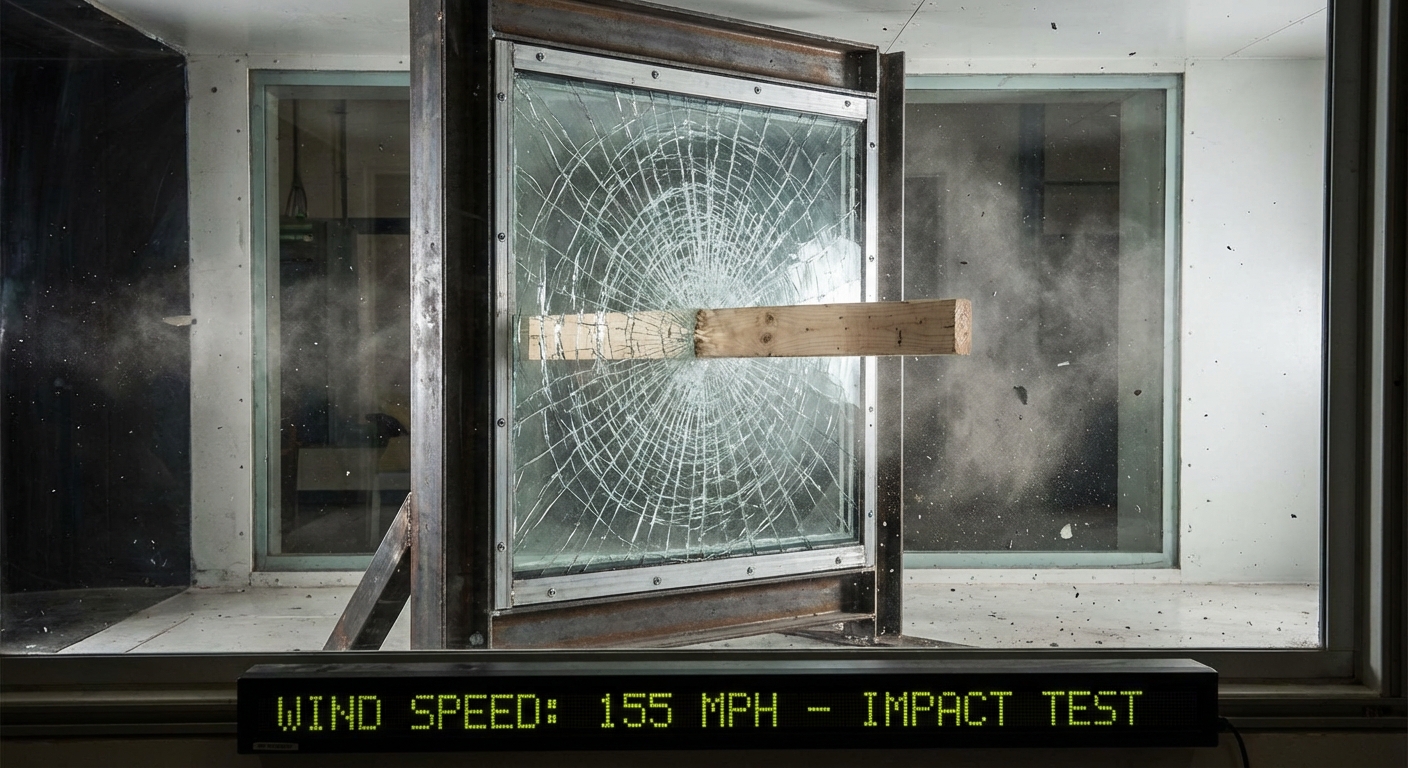
Impact-rated glass is the best glass for commercial buildings located in coastal hurricane zones or high-wind areas. This specialized glazing is engineered to survive large-missile impacts—like flying debris—without breaching the building’s structural envelope.
How does it prevent a collapse?
Here is the kicker: if a single window blows out during a major storm, the resulting internal pressure can lift the roof off the building. Impact glass stays in its frame even when shattered, maintaining the pressure balance required to keep the structure standing.
- Resists the extreme wind-borne debris found in Category 5 storms.
- Eliminates the need for unsightly hurricane shutters or plywood.
- Provides 24/7 protection against both storms and burglars.
Is it worth the investment?
You might be wondering: isn’t this glass significantly more expensive than standard units? While the upfront cost is higher, it can lead to lower insurance premiums and avoids the catastrophic costs of total building loss.
- Meets the strictest coastal building codes (like Miami-Dade).
- Provides peace of mind for property managers in storm zones.
- Ensures business continuity immediately after a natural disaster.
Key Takeaway: Impact-rated glazing is the ultimate insurance policy for buildings in high-risk environmental zones.
| Test Category | Impact Glass Requirement |
|---|---|
| Large Missile | Must resist a 9lb 2×4 timber at high speed |
| Cycle Pressure | Must withstand thousands of wind gusts post-impact |
| Certification | Verified for specific wind-speed zones (e.g., 150+ mph) |
This table illustrates the rigorous testing required to ensure structural safety during a disaster.
Is fire-rated the best glass for commercial buildings?
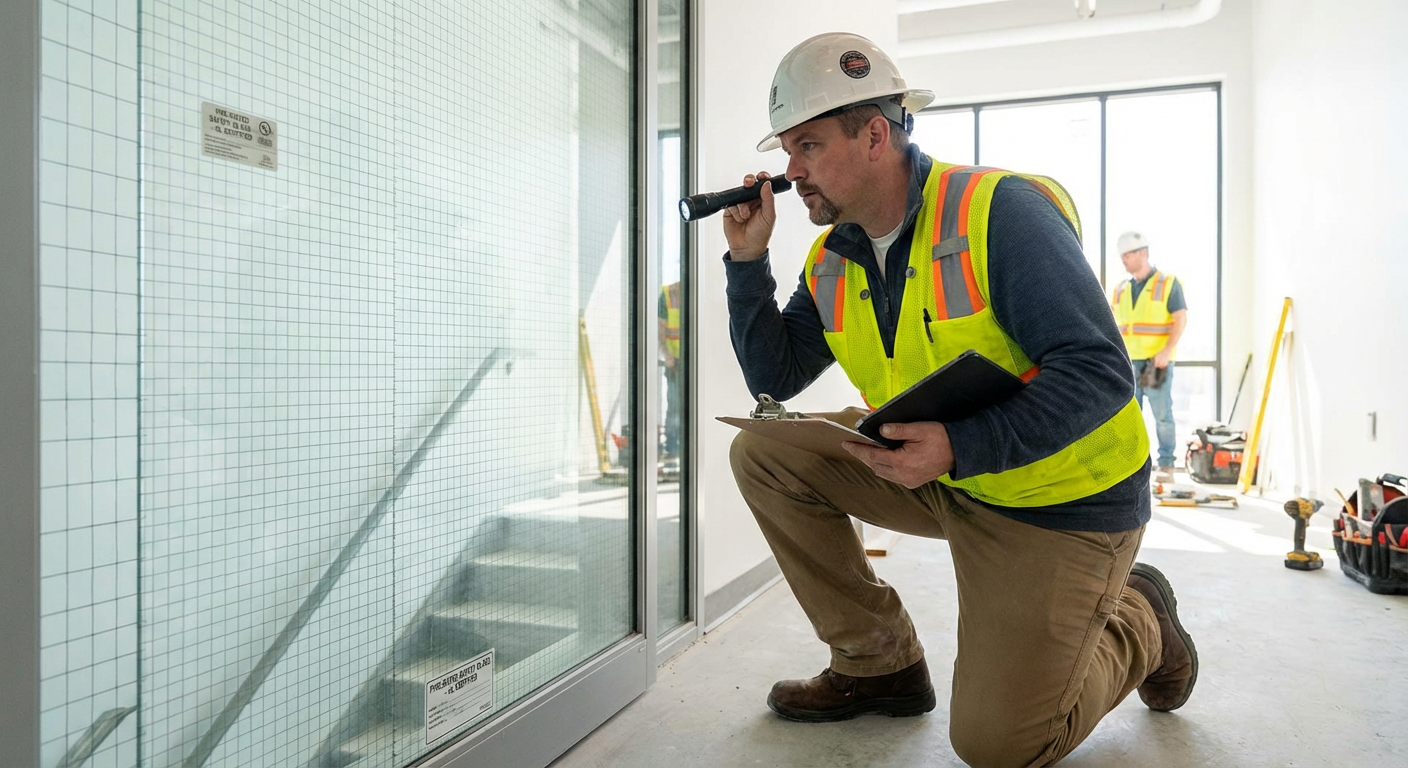
Fire-rated glass is the best glass for commercial buildings when designing stairwells, elevator lobbies, and corridor partitions. This life-safety product is engineered to contain flames, smoke, and sometimes even radiant heat for up to 120 minutes.
Does it allow for safe evacuation?
The truth is: in a fire, visibility and containment are the most critical factors for saving lives. Fire-rated glazing allows occupants to see escape routes while keeping the fire from spreading into designated “safe zones.”
- Prevents the spread of toxic smoke through the building.
- Maintains visibility for firefighters entering the structure.
- Meets mandatory fire codes for high-occupancy buildings.
Can it block radiant heat?
Here is the thing: some fire-rated glass is also an “insulative” barrier. This means it prevents heat from passing through the glass, ensuring that exit corridors remain cool enough for people to walk through.
- Blocks heat transfer that could ignite materials on the other side.
- Ensures stairwell walls don’t become burning hot to the touch.
- Provides up to two hours of protection for critical exit paths.
Key Takeaway: Fire-rated glass is a non-negotiable safety component that protects both occupants and the property itself.
| Protection Level | Fire-Rated Glass Function |
|---|---|
| Integrity | Blocks flames and smoke from passing through |
| Insulation | Limits the temperature rise on the protected side |
| Rating Time | Available from 20 to 120 minutes of protection |
Safety compliance requires a deep understanding of fire-rated glazing applications and certifications.
How to select the best glass for commercial buildings?
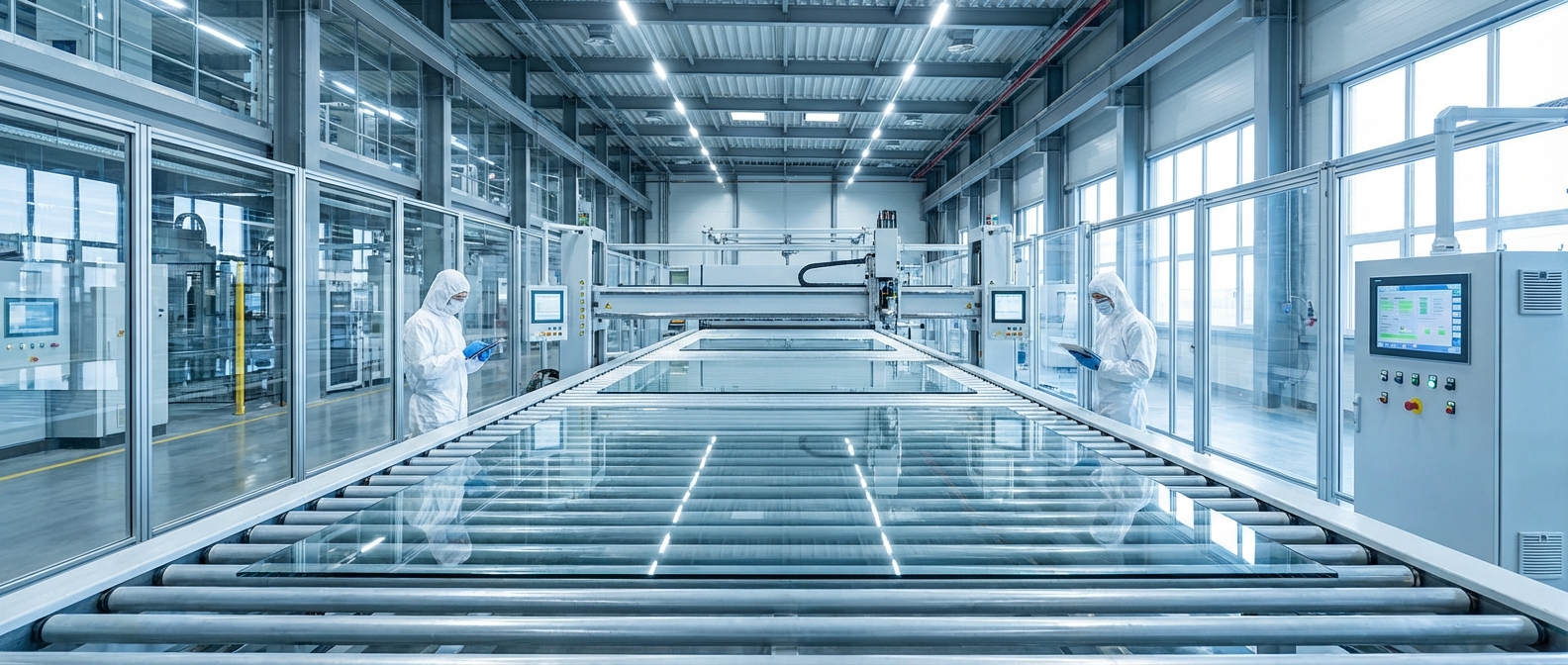
Selecting the best glass for commercial buildings requires a systematic evaluation of energy goals, security needs, and budgetary constraints. Partnering with a glass installation expert who understands local climate data is the first step toward a successful facade project.
Why choose a source factory?
Think about it: many glass suppliers are just middlemen who add markup without adding value. Working directly with a source factory ensures that you have full QC traceability and predictable lead times for your custom specifications.
- Guarantees ±0.5mm precision for hole drilling and edge grinding.
- Provides contractual delivery dates to prevent project delays.
- Offers direct factory pricing without intermediary markups.
What about blueprint validation?
You might be wondering: how do I know the glass will fit my specific frame design? Leading manufacturers provide a technical drawing review to catch dimension errors before mass production begins.
- Ensures all hardware notches and holes are perfectly aligned.
- Verifies that glass thickness matches the local wind load requirements.
- Reduces the risk of expensive rework during the installation phase.
Key Takeaway: A structured procurement process with a direct manufacturer eliminates project risk and maximizes value.
| Evaluation Step | Goal of the Selection Process |
|---|---|
| Energy Audit | Determine the necessary U-value and SHGC |
| Security Risk | Decide between tempered, laminated, or ballistic |
| Design Review | Align glass color and frit with architectural vision |
Selecting a manufacturer with a dedicated project manager ensures your specifications are met from quote to delivery.
What is truly the best glass for commercial buildings?
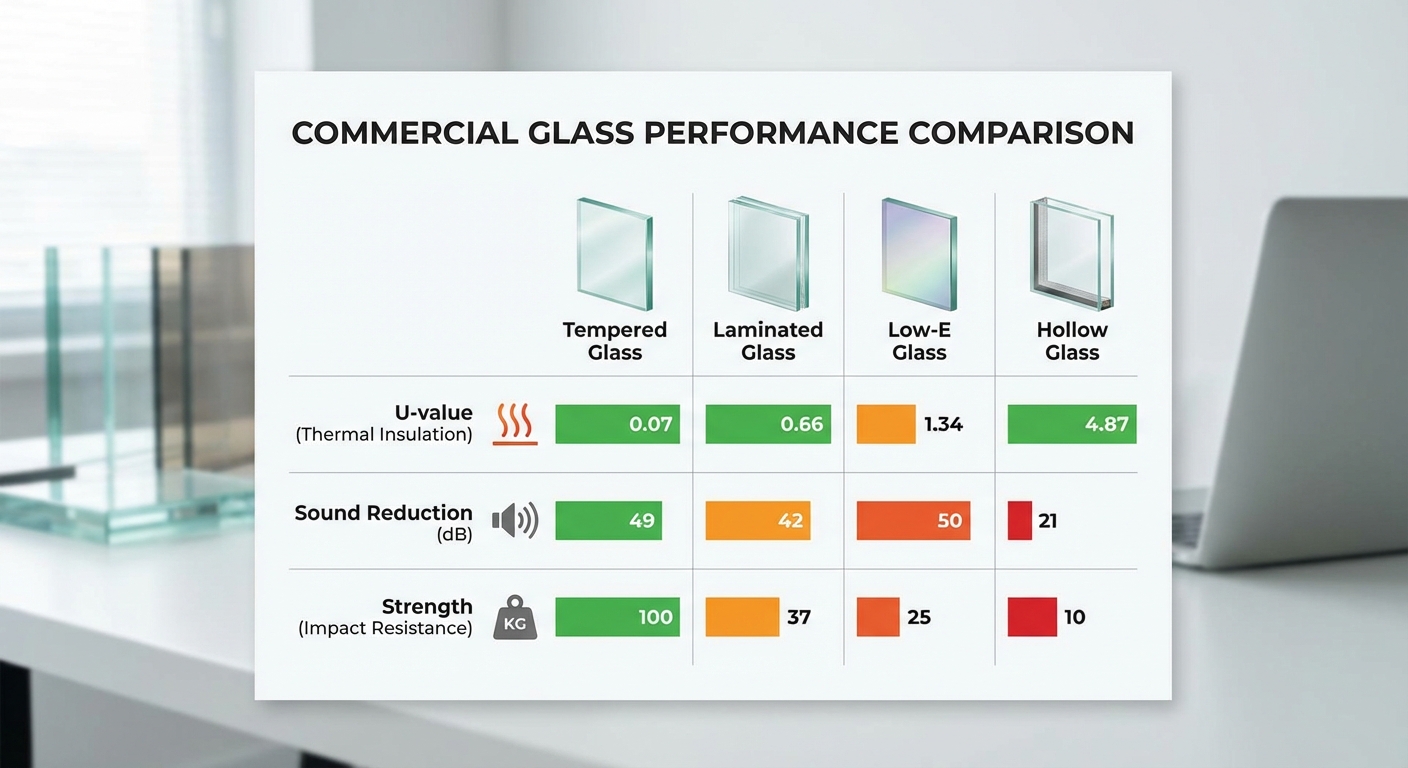
The best glass for commercial buildings is rarely a single product, but rather a high-performance system tailored to the building’s specific environment. Most modern skyscrapers utilize a combination of technologies to achieve the perfect balance of safety, efficiency, and beauty.
Can you combine safety and efficiency?
The answer is: absolutely. Many of the most successful projects use a triple-paned insulated unit that features a tempered outer pane for strength, a low-E coating for heat control, and a laminated inner pane for security.
- Provides the ultimate thermal barrier against extreme weather.
- Offers 24/7 protection against break-ins and accidents.
- Creates a near-silent interior environment for high-end offices.
Is the ROI easy to calculate?
You might be surprised: the cost of high-performance glass is often recovered in just a few years. When you factor in lower insurance premiums and 30% savings on energy bills, the long-term value of the best materials becomes undeniable.
- Increases the resale and rental value of the property.
- Reduces the frequency of glass replacement due to breakage.
- Avoids the heavy fines associated with non-compliant safety glazing.
Key Takeaway: The “best” choice is an integrated glazing solution that addresses every facet of the building’s lifecycle.
| Metric | Ideal Performance Goal |
|---|---|
| Durability | Life expectancy of 25+ years without seal failure |
| Comfort | Zero hot or cold spots near the building perimeter |
| Longevity | Resistance to scratches, corrosion, and UV fading |
A comprehensive analysis of these factors will lead you to the most profitable and safe glazing decision.
Conclusion
This article solved the complex challenge of identifying the best glass for commercial buildings by breaking down the technical benefits of tempered, laminated, low-E, and fire-rated solutions. At PrimePro Glass, we can help you navigate these choices by providing direct-from-factory engineering support, guaranteed lead times, and precision-manufactured units that meet the strictest international standards. Our vision is to empower developers and architects with high-performance glass that transforms structures into efficient, secure, and beautiful landmarks.
For a custom technical review or to receive a detailed quote for your next project, please contact us today.
Frequently Asked Questions
Can I use residential glass for my commercial storefront?
No, residential glass is usually too thin and lacks the required safety certifications for commercial use. Commercial properties must use tempered or laminated glass to comply with building codes and withstand higher traffic and wind loads.
What’s the best glass for reducing street noise?
Laminated glass is the most effective solution for acoustic dampening. The specialized interlayer absorbs sound waves, significantly reducing the transmission of traffic and city noise into your office or retail space.
How long does it take to get custom commercial glass?
Standard production usually takes 25 to 30 days once blueprints are confirmed. This timeline includes precision cutting, tempering or laminating, and rigorous quality inspection before the glass is packed for export.
Can low-E coatings be applied to existing windows?
While after-market films exist, true low-E performance is achieved through factory-applied coatings on the glass surface. For maximum energy efficiency, it is always better to replace old units with factory-sealed low-E insulated glass.
What is the best glass for a high-crime area?
Ballistic-grade or heavy-duty laminated glass is the recommended choice. These materials are engineered to stay in the frame even after multiple heavy impacts, preventing unauthorized entry and protecting your interior assets from “smash and grab” attacks.