Choosing the right glass for your climate depends primarily on matching the U-factor and Solar Heat Gain Coefficient (SHGC) to your specific geographic region. Many facility managers and builders struggle with rising energy overheads and occupant discomfort because they overlook how various window glass types interact with local thermal patterns.
It is frustrating to finalize a construction project only to find the interior environment is sweltering in summer or leaking heat during winter. By understanding specific performance metrics, you can ensure your building remains a high-performance, energy-efficient sanctuary.
How do climate zones impact your selection of window glass types?
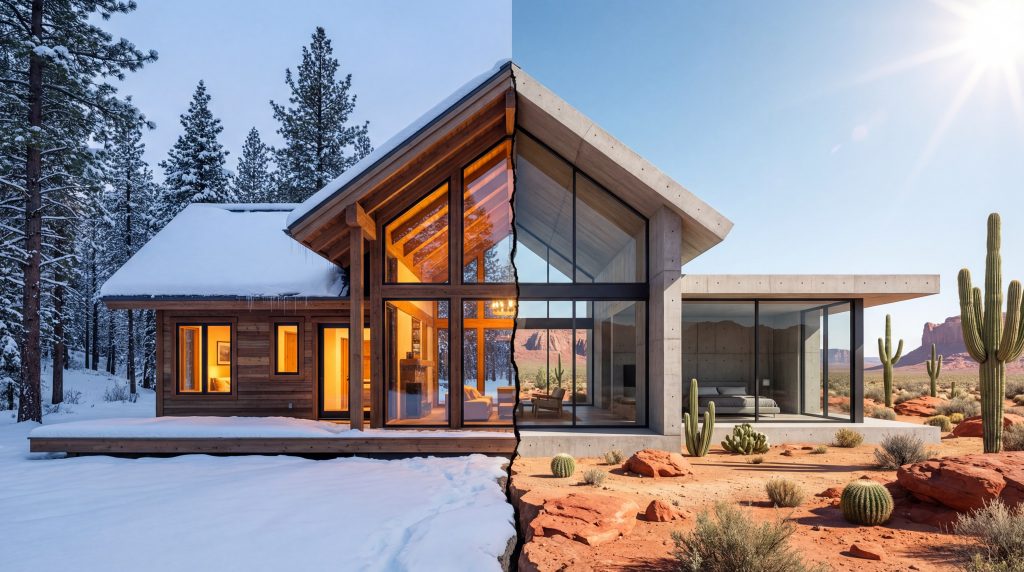
Your local climate zone serves as the primary technical blueprint for determining which thermal properties your glazing must possess. When you evaluate different window glass types, you must first categorize your site as a heating-dominated, cooling-dominated, or temperate region. This distinction dictates whether your glass should prioritize keeping warmth inside or reflecting solar radiation away from the facade.
How does regional temperature affect glass?
Your local weather patterns determine the amount of insulation required to maintain a stable interior. In northern latitudes, the goal is to prevent expensive interior heat from escaping through the building envelope. Southern climates require glass that actively reflects external solar energy to keep cooling systems from overworking.
- Northern Zones: Prioritize high insulation and heat retention.
- Southern Zones: Focus on solar heat rejection and UV blocking.
- Coastal Zones: Require resistance to wind loads and salt-air corrosion.
Key Takeaway: Your geographic location is the most critical factor in deciding which glass specifications will provide a long-term return on investment.
| Climate Zone | Primary Objective | Recommended Glass Feature |
|---|---|---|
| Extreme Cold | Heat Retention | Triple Pane / Low U-Factor |
| Tropical Heat | Solar Rejection | Low SHGC / Spectrally Selective |
| High Wind | Safety & Integrity | Laminated / Impact Glass |
Matching the glass technology to the specific thermal demands of your region is the only way to guarantee architectural efficiency.
What performance metrics should you check for different window glass types?
Understanding the technical labels on your glazing units is essential for making an informed procurement decision. These metrics tell you exactly how the window glass types will perform under specific environmental pressures. By focusing on data-driven ratings, you can eliminate the guesswork often associated with large-scale window replacements or new installations.
Why is the U-Factor so important?
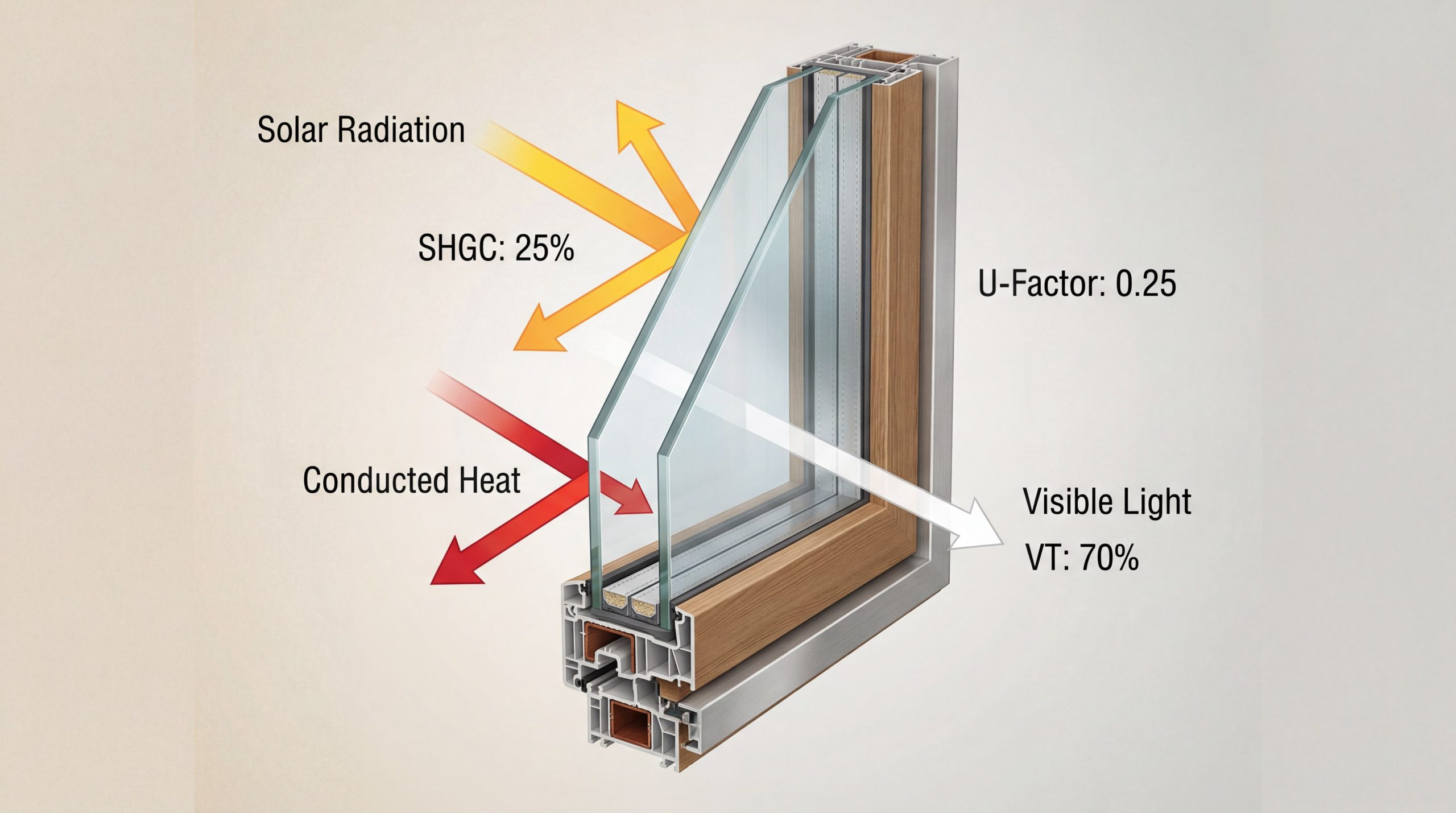
The U-factor tells you how well a window prevents heat from escaping your interior spaces. You should look for lower numbers if you want to keep your building warm during harsh winter months. This rating is the gold standard for measuring the insulation capability of any glazing unit.
- U-Factor: Measures the rate of non-solar heat loss.
- SHGC: Measures how much solar radiation enters the building.
- Visible Transmittance: Indicates the amount of natural light allowed through.
Key Takeaway: Always prioritize the U-factor for cold climates and the SHGC for hot climates to ensure maximum indoor comfort.
| Performance Metric | Measurement Focus | Hot Climate Target | Cold Climate Target |
|---|---|---|---|
| U-Factor | Heat Loss Rate | Moderate (<0.40) | Low (<0.30) |
| SHGC | Solar Heat Gain | Low (<0.25) | High (>0.40) |
| VT | Natural Daylight | High (0.50+) | High (0.50+) |
Balancing these three metrics allows you to customize the thermal envelope of your building to match specific environmental goals.
Which window glass types are best for freezing cold climates?
In environments where temperatures frequently drop below freezing, you need window glass types that function as a powerful thermal barrier. Standard single-pane or untreated glass units are insufficient when you are facing sub-zero winds and heavy snow accumulation. These regions require advanced multi-pane configurations that trap air or gas to minimize thermal transfer.
Can triple-pane glass solve heat loss?
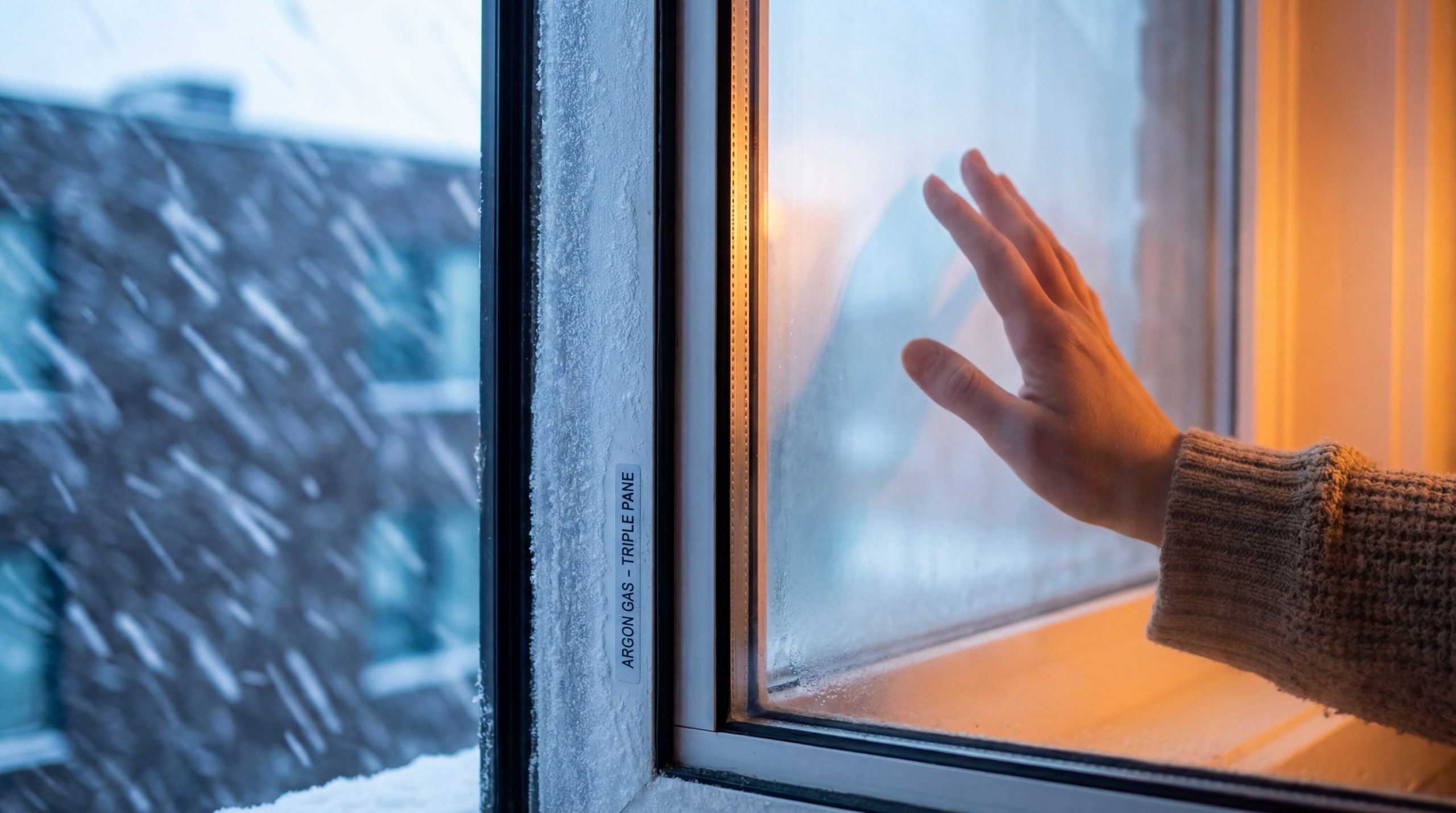
Triple-pane units add an extra layer of glass and an additional air space to drastically improve insulation levels. This configuration creates a formidable barrier that prevents your interior heat from migrating to the frozen outdoors. You will notice a significant reduction in drafts and a more consistent temperature across large glass surfaces.
- Triple-Pane Units: Provide three layers of protection and two insulating gaps.
- Argon Gas Fills: Denser than air to significantly slow down heat movement.
- Warm-Edge Spacers: Prevent cold spots and condensation at the glass edges.
Key Takeaway: For extreme cold, the combination of triple panes and inert gas fills is the most effective way to prevent massive energy loss.
| Component | Cold Climate Benefit | Thermal Impact |
|---|---|---|
| Triple Pane | Maximum Insulation | Reduces heat loss by 50%+ |
| Krypton Fill | Superior Density | Best for narrow frame gaps |
| High SHGC | Passive Solar Gain | Uses the sun to heat interiors |
Investing in high-insulation glass for cold climates provides immediate relief to mechanical heating systems and enhances occupant satisfaction.
How can specific window glass types keep your home cool in hot climates?
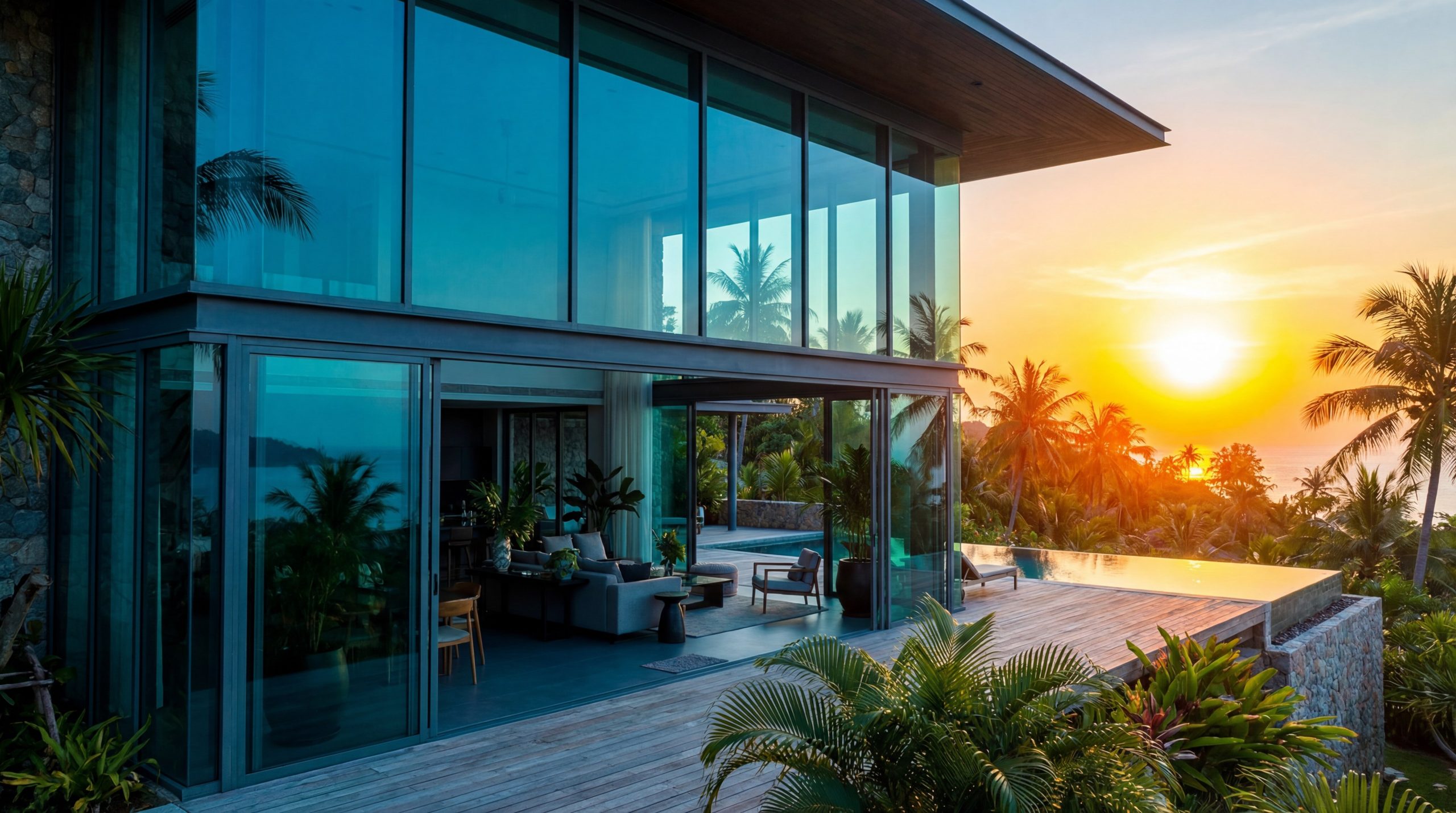
If you operate in a region where the sun is relentless, your choice of window glass types must focus on heat rejection. The primary goal is to block the sun’s infrared rays without sacrificing the natural light that makes a space inviting. Advanced coatings allow you to maintain a clear view while keeping your air conditioning requirements at a manageable level.
How do selective coatings work?
Spectrally selective coatings are engineered to filter out the heat-producing infrared spectrum while letting in the light you need. You can enjoy bright, sun-filled rooms without the “greenhouse effect” that typically accompanies large windows in the summer. It is an invisible shield that protects your interior from the sun’s most aggressive thermal energy.
- Spectrally Selective: Block heat while allowing visible light through.
- Reflective Glass: Bounces solar energy away from the building’s facade.
- Tinted Options: Absorb a portion of the solar energy to reduce glare.
Key Takeaway: Focus on Low-E coatings that specifically target solar heat gain to maintain a cool interior without losing your architectural view.
| Glass Treatment | Cooling Benefit | Visual Result |
|---|---|---|
| Spectrally Selective | Heat rejection | Crystal clear views |
| Tinted Glass | Glare reduction | Subtle color wash |
| Reflective Coating | Maximum deflection | Mirror-like exterior |
Selecting glass with a low Solar Heat Gain Coefficient is the most effective strategy for managing high-temperature environments.
What are the most balanced window glass types for mixed climates?
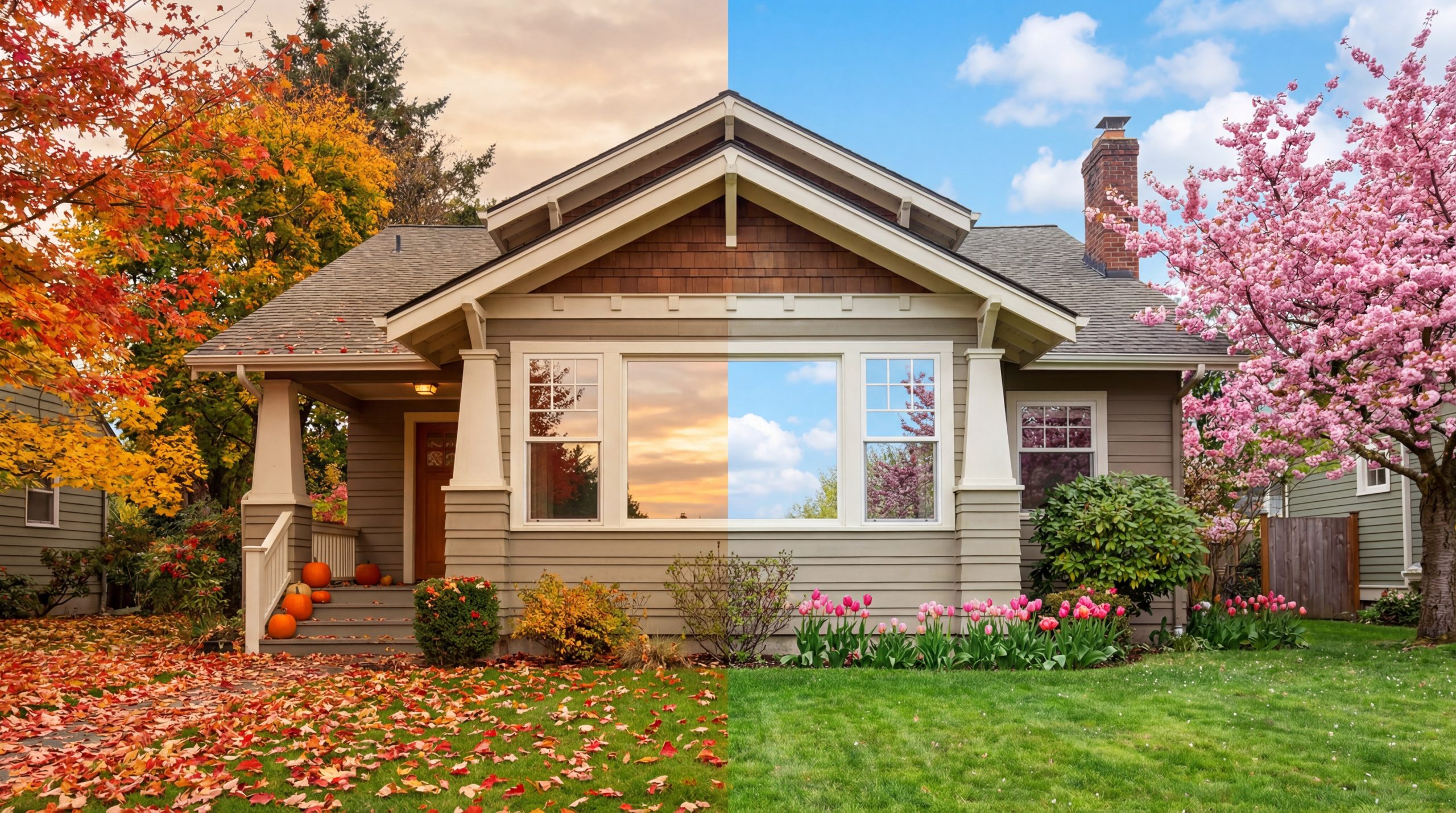
Regions that experience both sweltering summers and snowy winters require window glass types that offer versatile year-round performance. You cannot afford to prioritize only one season, as a glass type that excels in July might fail you in January. Finding a “sweet spot” in performance metrics allows you to maintain comfort regardless of the changing seasons outside.
Why is window orientation critical?
In mixed climates, you should consider using different glass types on different sides of your building to optimize energy use. South-facing windows can benefit from a higher SHGC to help warm the building in winter, while west-facing windows need low SHGC to block intense afternoon sun. This tailored approach ensures you aren’t fighting the sun’s path throughout the day.
- Moderate U-Factor: Provides enough insulation for cool autumns and winters.
- Balanced SHGC: Limits summer heat while harvesting some winter sun.
- Dual-Pane Low-E: Offers the best value-to-performance ratio for variable weather.
Key Takeaway: A “one-size-fits-all” approach rarely works in mixed climates; you should tailor your glass selection based on the direction each window faces.
| Window Facing | Recommended Priority | Design Logic |
|---|---|---|
| North | Low U-Factor | Least sun, highest cold risk |
| South | Moderate SHGC | Captures passive winter heat |
| West | Very Low SHGC | Blocks harsh sunset radiation |
Mixed climates demand a strategic glazing plan that accounts for the sun’s varying intensity and seasonal temperature swings.
Are there specialized window glass types for coastal or high-humidity areas?
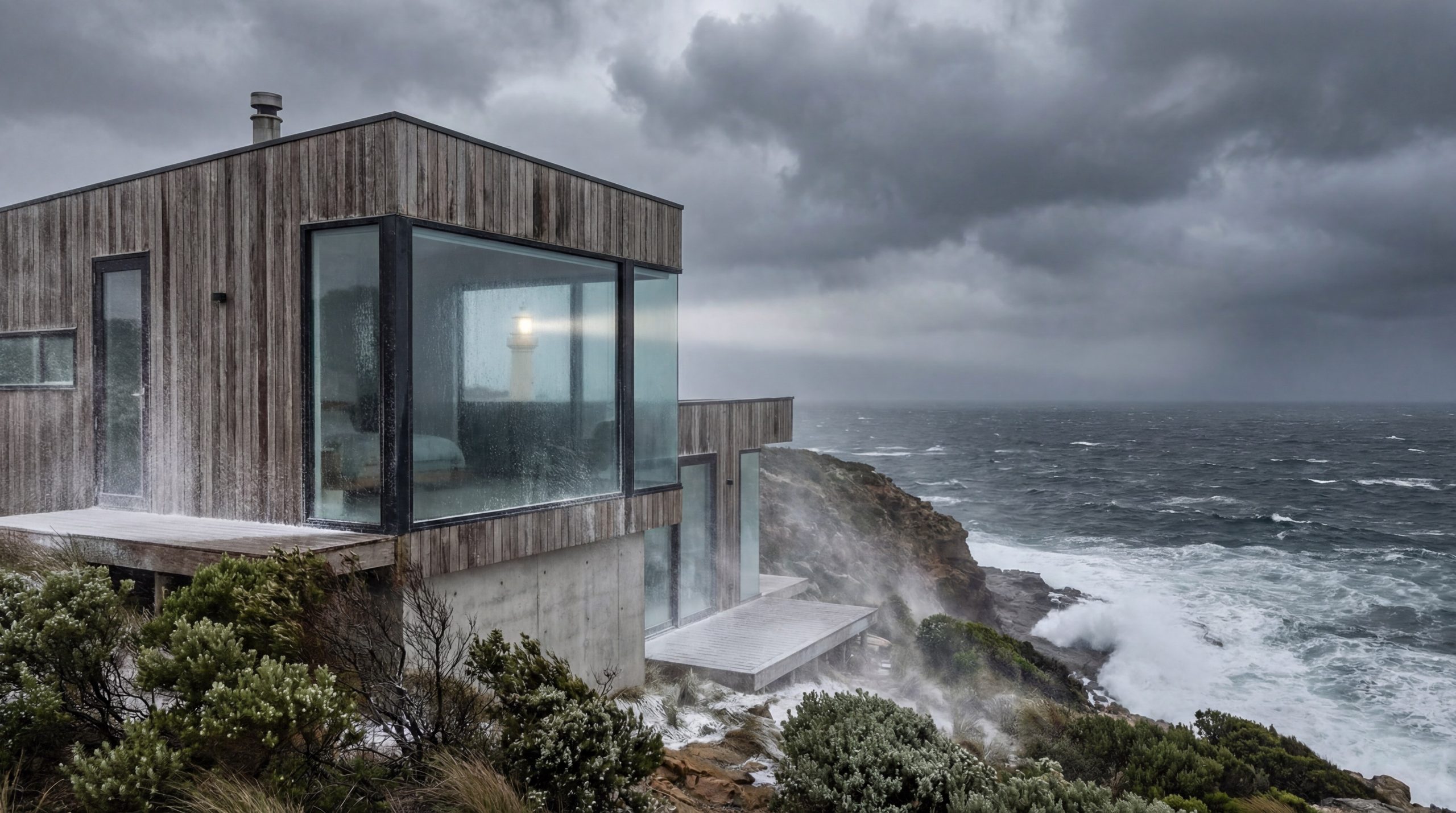
Living near the ocean or in tropical humidity presents unique challenges such as salt-air corrosion and constant moisture. Your window glass types must be durable enough to withstand these harsh environmental factors without fogging or seal failure. Specialized materials and sealants are required to ensure the long-term clarity and structural integrity of your windows in these zones.
How does salt air affect glass?
Salt spray can be incredibly abrasive and corrosive to standard metallic coatings and window hardware over time. You should specify corrosion-resistant coatings that are designed to endure the high-salinity environments found along the coastline. These specialized treatments ensure your glass remains clear and your views of the water remain unobstructed for decades.
- Silicone Seals: Provide superior moisture resistance compared to standard options.
- Stainless Steel Spacers: Prevent rust and salt damage at the unit edges.
- Anti-Condensation: Help keep the glass surface clear in high humidity.
Key Takeaway: In coastal zones, the durability of the seals and spacers is just as important as the thermal performance of the glass.
| Coastal Issue | Engineered Solution | Long-Term Benefit |
|---|---|---|
| Salt Corrosion | Protected Coatings | Maintains optical clarity |
| High Humidity | Argon-Filled Units | Prevents interior fogging |
| Intense UV | Laminated Interlayers | Stops furniture fading |
Coastal projects require specialized glazing solutions that prioritize material longevity and resistance to aggressive atmospheric conditions.
Which window glass types provide the best protection in storm-prone zones?
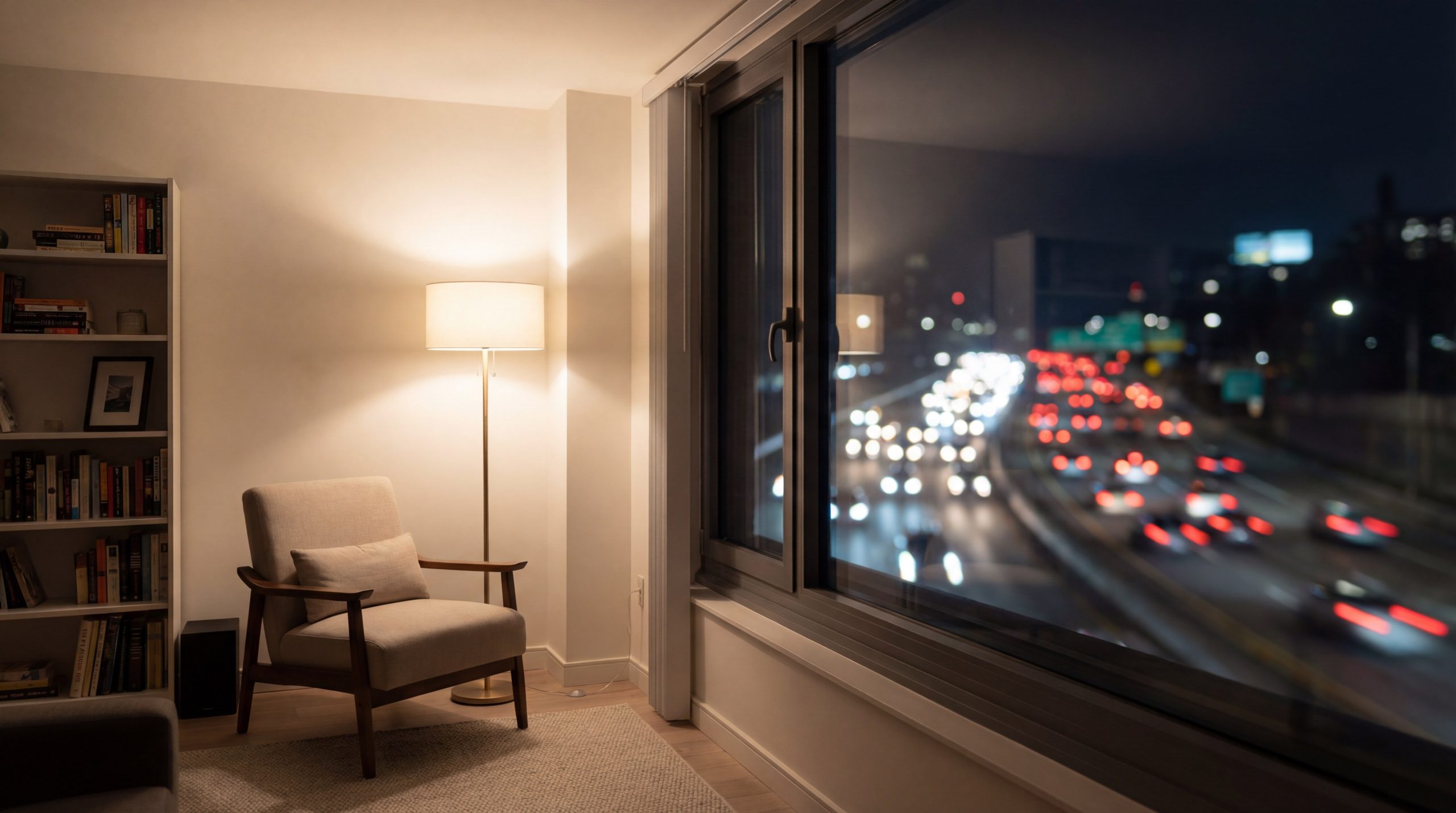
If you are building in a hurricane or high-wind zone, your window glass types serve as the primary defense for the building’s structural integrity. When a window breaks during a major storm, the resulting pressure change can lead to roof failure or severe internal damage. You need impact-resistant glass that remains intact even if it is struck by flying debris or subjected to extreme wind pressure.
Is laminated glass a safety requirement?
Laminated glass consists of two panes bonded together with a tough plastic interlayer that keeps shards in place if the glass breaks. You should use this type of glazing to prevent the wind and rain from entering your building during a hurricane. It provides continuous 24/7 protection, eliminating the need for unsightly storm shutters or temporary plywood boards.
- PVB Interlayers: The standard for bonding layers for impact resistance.
- SGP Interlayers: Extra-strong polymers for high-security storm zones.
- Heat-Strengthened: Provides the rigidity needed to resist heavy wind loads.
Key Takeaway: Impact-resistant laminated glass is a safety requirement in many coastal areas and provides 24/7 security against both storms and intruders.
| Storm Threat | Glass Solution | Protection Level |
|---|---|---|
| Flying Debris | Laminated Interlayers | Maximum Security |
| High Wind Loads | Increased Thickness | High Structural Integrity |
| Heavy Rain | Hermetic Sealing | Zero Water Penetration |
Specifying impact-rated glass is an essential risk management step for any project located in a recognized hurricane or storm corridor.
How do desert environments affect the durability of various window glass types?
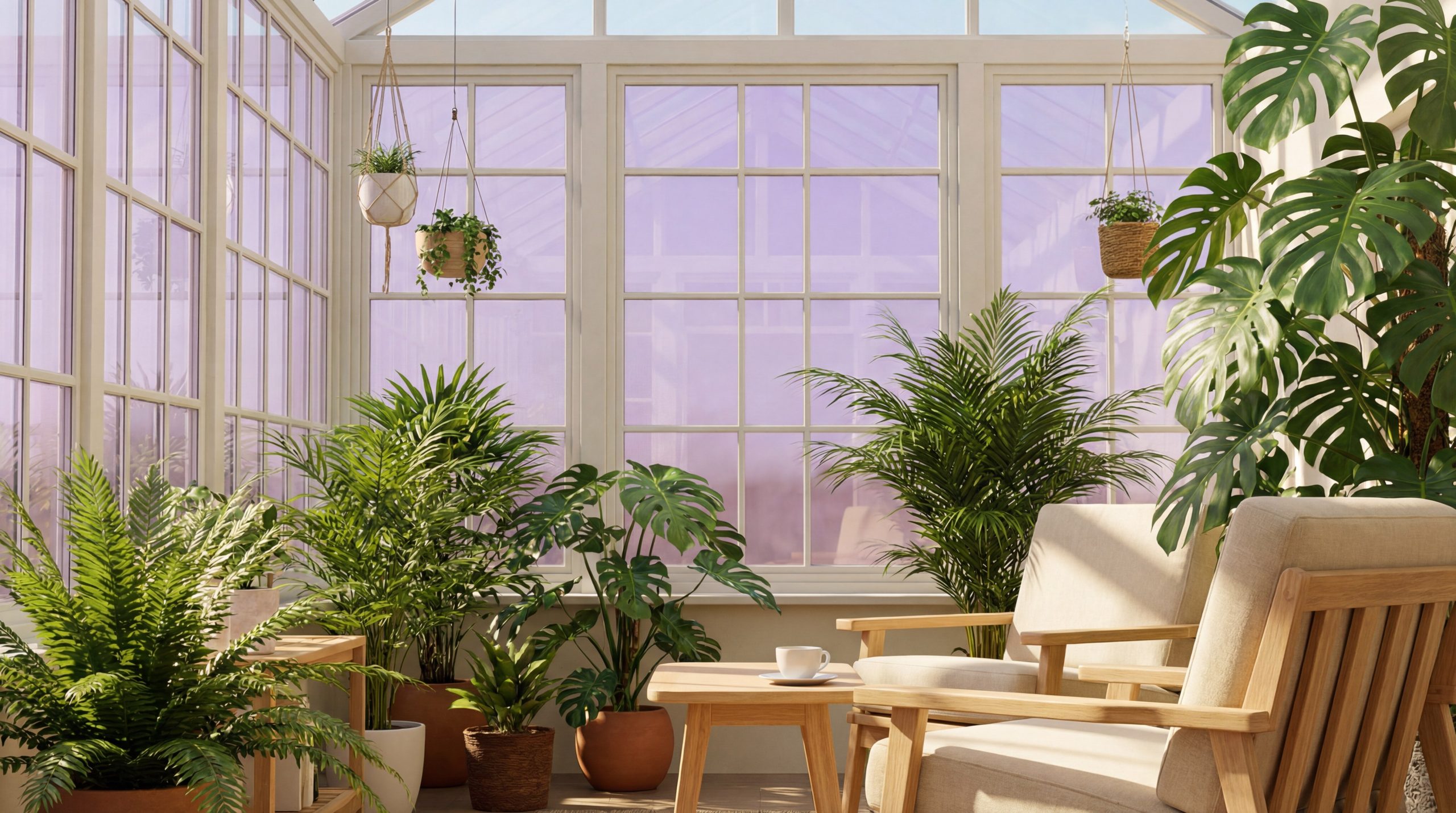
Deserts are famous for extreme temperature swings, where scorching afternoons are followed by freezing nights. This creates intense thermal stress that can cause certain window glass types to crack due to uneven expansion and contraction. You must choose glass that is both thermally “tough” and highly reflective to handle the 40-degree temperature variations found in arid regions.
Why is thermal shock a risk?
Thermal shock occurs when one part of a glass pane is in the hot sun while another part remains in the shade, causing the glass to expand at different rates. You should specify tempered or heat-strengthened glass to ensure your windows can withstand these rapid temperature changes without fracturing. This durability is essential for maintaining the safety and efficiency of desert-based properties.
- Tempered Glass: Highly resistant to heat-related stress and physical impact.
- Triple-Silver Low-E: The gold standard for blocking intense desert heat.
- Reflective Tints: Minimize the “oven effect” in rooms with large glass walls.
Key Takeaway: Desert glass must be both thermally resilient and highly reflective to manage the extreme temperature swings and intense UV radiation.
| Desert Need | Recommended Feature | Performance Result |
|---|---|---|
| Stress Resistance | Tempered / Heat-Strengthened | Prevents thermal cracks |
| UV Protection | Laminated / Low-E | Zero interior fading |
| Heat Rejection | Low SHGC (<0.20) | Lowered cooling costs |
Engineering your glass for the specific rigors of an arid climate prevents premature failures and maintains a cool, comfortable interior.
Why should you consider Low-E coatings for all window glass types?
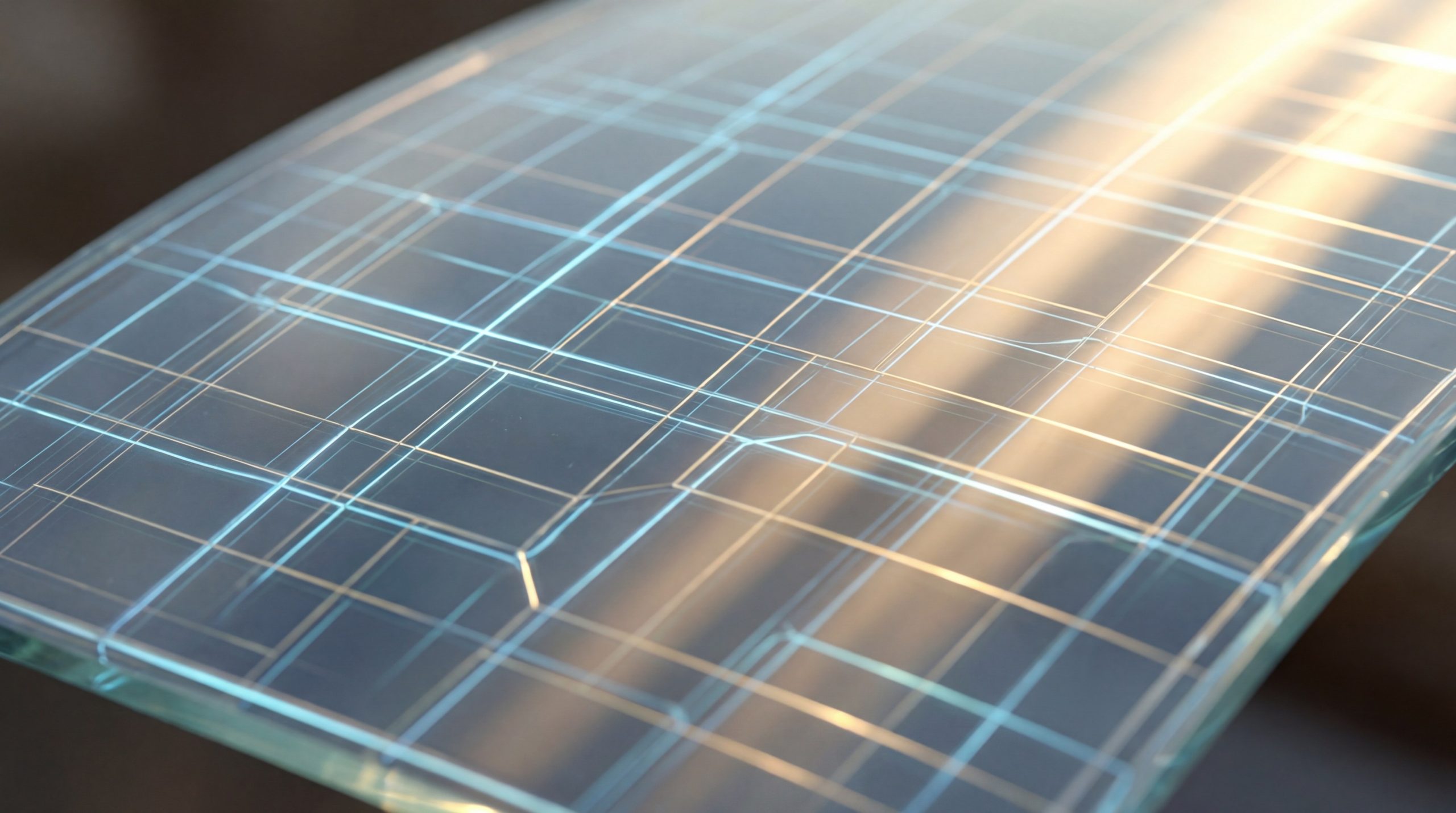
Whether you are building in the Arctic or the Sahara, adding Low-E technology to your window glass types is the most effective way to improve performance. This microscopically thin coating works by reflecting thermal energy back to its source, whether that heat is coming from the sun or your furnace. It is a permanent, invisible solution that enhances the efficiency of any glazing configuration.
How does Low-E improve comfort?
Low-E glass maintains a surface temperature that is much closer to your room’s air temperature than standard glass. You can sit right next to a window in the middle of winter without feeling a chill, or in the summer without feeling the sun’s bite. This increased comfort level makes your interior spaces more usable and reduces the need for constant thermostat adjustments.
- Hard Coat: Durable and applied during the glass manufacturing process.
- Soft Coat: Offers higher thermal performance inside a dual-pane unit.
- Multi-Layer: Provide the highest possible energy ratings for modern buildings.
Key Takeaway: Low-E coatings have become the industry standard because they provide massive energy savings for a relatively small upfront cost.
| Season | Coating Function | Practical Result |
|---|---|---|
| Winter | Reflects indoor heat back | Lower heating expenses |
| Summer | Reflects solar heat away | Lower cooling expenses |
| All Year | Blocks UV radiation | Protects interior assets |
Integrating Low-E technology is a non-negotiable step for any professional looking to achieve modern energy certification or maximum building efficiency.
How do you use a checklist to finalize your choice of window glass types?
With the vast array of options available, following a systematic checklist ensures you do not overlook critical details when ordering your window glass types. This data-driven approach allows you to balance initial material costs against the long-term value of energy savings and occupant comfort. By verifying your specifications against local building codes and environmental needs, you can finalize your project with total confidence.

How do you balance cost and value?
While advanced options like triple-pane or laminated Low-E glass carry a higher initial price, they often pay for themselves through reduced utility bills. You should view your glass selection as a long-term investment that increases the overall value and marketability of your property. Choosing high-performance materials now prevents the need for expensive retrofits or upgrades just a few years down the line.
- Step 1: Define your primary climate challenge (Hot, Cold, or Mixed).
- Step 2: Check building codes for specific U-factor or impact requirements.
- Step 3: Evaluate window orientation to tailor coatings for each facade.
Key Takeaway: Use a structured, data-driven checklist to select your glass, focusing on the specific metrics that solve your most pressing local weather challenges.
| Selection Step | Critical Question | Engineering Goal |
|---|---|---|
| 1. Climate | Is it heating or cooling dominated? | Set U-Factor/SHGC targets |
| 2. Orientation | Which windows get the most exposure? | Tailor coatings per facade |
| 3. Security | Are there storm or noise concerns? | Add lamination or thickness |
Following a rigorous selection process eliminates procurement errors and ensures your building performs at its peak for its entire lifecycle.
Conclusion
Choosing the perfect glass is about finding the right balance between light, heat, and protection. By matching your selection to your local climate—whether that means prioritizing a low U-factor for the cold or a low SHGC for the heat—you ensure your building remains comfortable and efficient for decades to come.
If you have any questions about specific architectural requirements or need a custom manufacturing solution for your next project, contact us today for expert guidance.
FAQs
Can I replace only the glass instead of the whole window?
Yes, if your frames are in good structural condition, you can replace just the glass units (IGUs), which is significantly cheaper and faster than a full replacement.
What’s the best glass for a rainy climate?
For rainy regions, you should focus on high-quality weather stripping and double-pane units with warm-edge spacers to prevent interior condensation and fogging.
What’s the best glass for temperature control?
Double or triple-pane glass featuring Low-E coatings and Argon gas fill is the industry gold standard for maintaining stable indoor temperatures year-round.
Can I use different glass types on different sides of my house?
Absolutely, and it is highly recommended; for example, you can use low-SHGC glass on west-facing windows and higher-insulation glass on north-facing ones.
How do I know if my glass is Low-E?
Simple judgment reveals that most modern Low-E windows have a slight tint or will reflect the color of a flame differently than standard clear glass.