The choice between framed and frameless shower doors depends entirely on your project’s balance of upfront budget, aesthetic goals, and long-term maintenance costs. Specifying bathroom fixtures for a high-volume residential build or luxury hotel project is a high-stakes decision that directly impacts client satisfaction and your bottom line.
If you make the wrong choice, you face elevated glass breakage rates, high labor costs during installation, and constant warranty claims that erode your profit margins. Water leaks, mold buildup, and disappointed property managers only add to the operational headache.
Fortunately, understanding the physical and economic differences between framed and frameless shower doors allows you to de-risk your procurement strategy and maximize long-term asset value.
How do framed and frameless shower doors differ?
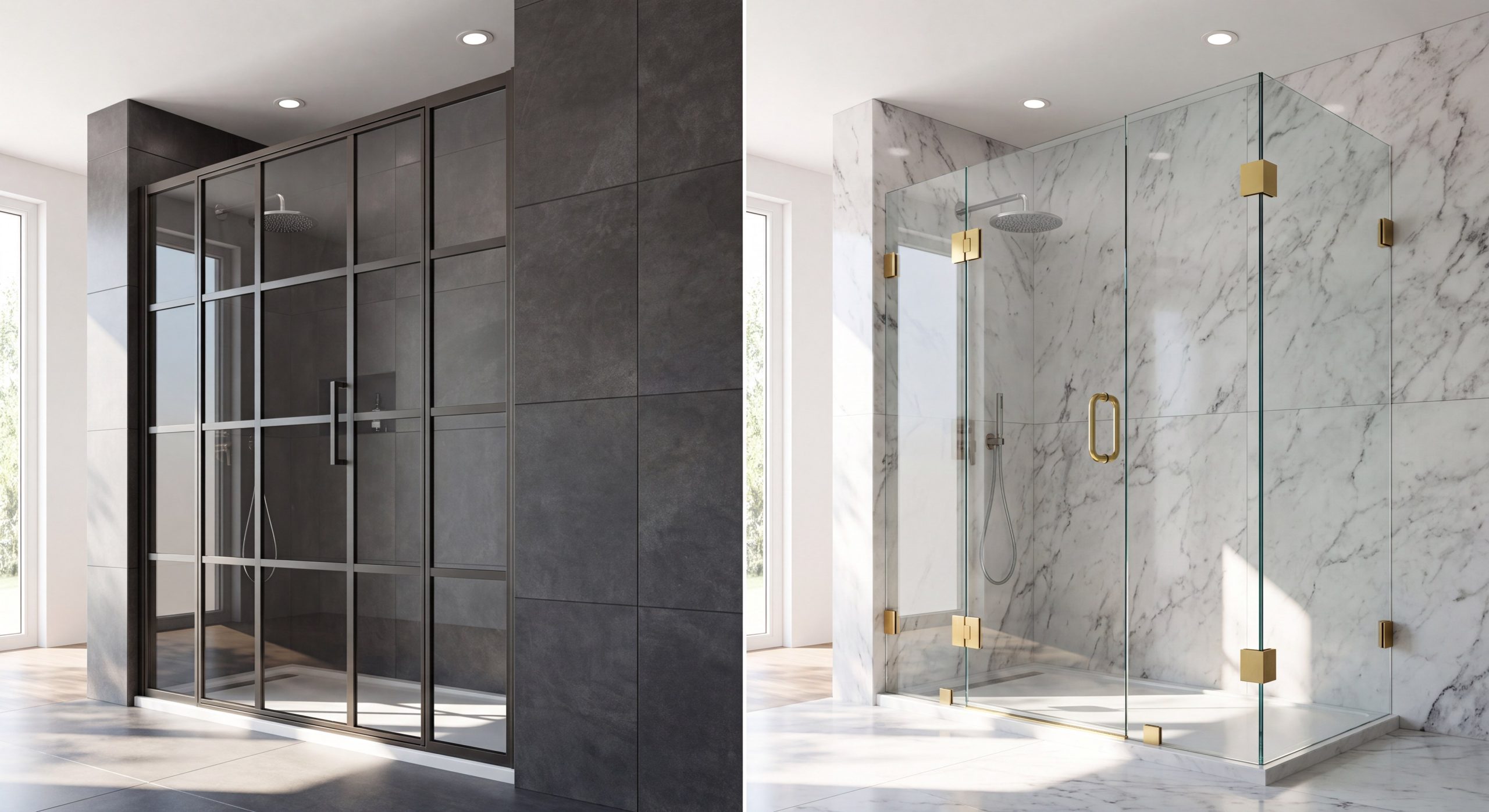
Framed and frameless shower doors differ primarily in their structural design, glass thickness, and reliance on metal support. Traditional systems use thin glass panels supported by continuous metal framing, while modern systems utilize heavy tempered glass and minimalist metal clamps. We can help you navigate these differences in framed and frameless shower doors to select the ideal option for your next development.
Understanding the Aluminum Framing System
Traditional framed units rely on lightweight, anodized aluminum extrusions to encapsulate thin glass panels, distributing structural loads continuously along the perimeter. Think about it: this metal boundary keeps the system stable even when using highly cost-effective glass.
- Uses thin 6mm (1/4″) tempered glass panels.
- Anodized aluminum alloy (typically 6063-T5) provides structural integrity.
- Distributes structural load continuously along the bathroom floor and walls.
The Structural Role of Heavy-Duty Glass
Frameless systems bypass perimeter metal profiles completely, relying on structural, heavy-tempered glass to maintain safe, upright operations. Here is why: the thick glass itself acts as the primary support, supported only by heavy-duty solid brass or stainless steel clamps.
- Demands thick 10mm (3/8″) to 12mm (1/2″) heavy glass.
- Requires solid brass or stainless steel wall mounts and hinges.
- Creates a clean, uninterrupted floating visual effect.
Which Has Better Water Retention?
Framed enclosures inherently prevent water leaks much better than their frameless counterparts due to their interlocking channels and rubber seals. Let’s face it: while frameless panels are incredibly beautiful, they require meticulous alignment to avoid small gaps where water can escape.
- Framed doors seal water inside via overlapping metal channels and sweeps.
- Frameless systems rely on tight clear vinyl seals and precise glass sizing.
- Proper alignment of frameless hinges prevents high-pressure leaks.
Key Takeaway: For projects prioritizing zero-leak performance on a limited budget, framed models offer immediate peace of mind; however, for premium properties targeting modern visual appeal, the structural integrity of heavy-duty frameless systems is unmatched.
| Feature | Framed System | Frameless System |
|---|---|---|
| Glass Thickness | 6mm (1/4″) | 10mm to 12mm (3/8″ to 1/2″) |
| Structural Support | Continuous metal frame | Heavy-duty brass/steel clamps |
| Water Seal Efficiency | Excellent overlapping tracks | Moderate clear vinyl sweeps |
Analyzing these structural properties helps procurement teams understand how each option aligns with specific architectural layouts and client expectations.
Who buys framed and frameless shower doors today?
General contractors, high-end architects, and hospitality procurement managers buy framed and frameless shower doors depending on their specific project budgets and building codes. Identifying your target market segment ensures that your physical inventory matches regional commercial demands perfectly.

Meeting the Demands of Contractors and Builders
Developers and general contractors prioritize high-volume, budget-friendly options that offer quick installation times and high structural tolerances. Think about it: multi-family housing projects require rapid execution and low maintenance risks.
- Prioritize fast-paced multi-family housing installations.
- Seek cost-effective products to protect tight capital budgets.
- Rely on standard sizes to avoid tedious site customization.
Why High-End Architects Prefer Minimalism
Contemporary interior designers and high-end architects consistently specify frameless enclosures to maximize sightlines and enhance natural light transmission. Let’s face it: minimalist bathrooms look larger, sleeker, and far more luxurious.
- Promote uninterrupted sightlines and spaciousness.
- Highlight premium tile patterns and designer shower fixtures.
- Maximize ambient and artificial light flow across the room.
Hotel Procurement: Finding the Balance
Hotel procurement managers balance the modern aesthetic of frameless glass with its cleaning requirements to protect their operational budgets. Here is why: a beautiful room increases booking rates, but high-maintenance fixtures can quickly erode profit margins.
- Evaluate long-term operational costs and housekeeping time.
- Compare initial purchase prices against room-rate premium potential.
- Demand highly durable materials that resist heavy guest traffic.
Key Takeaway: Contractors and volume builders gain the highest initial cost savings from framed units, whereas luxury architects and hotel managers generate higher long-term property values with frameless glass.
| Buyer Segment | Preferred Style | Primary Decision Factor |
|---|---|---|
| Volume Builders | Framed Enclosures | Unit Cost & Installation Speed |
| High-End Architects | Frameless Systems | Aesthetics & Visual Spaciousness |
| Hotel Procurement | Frameless / Custom | Life-cycle Cost & Guest Experience |
Once you identify the specific needs of your target audience, evaluating the actual financial metrics becomes the next logical step.
How to price framed and frameless shower doors?
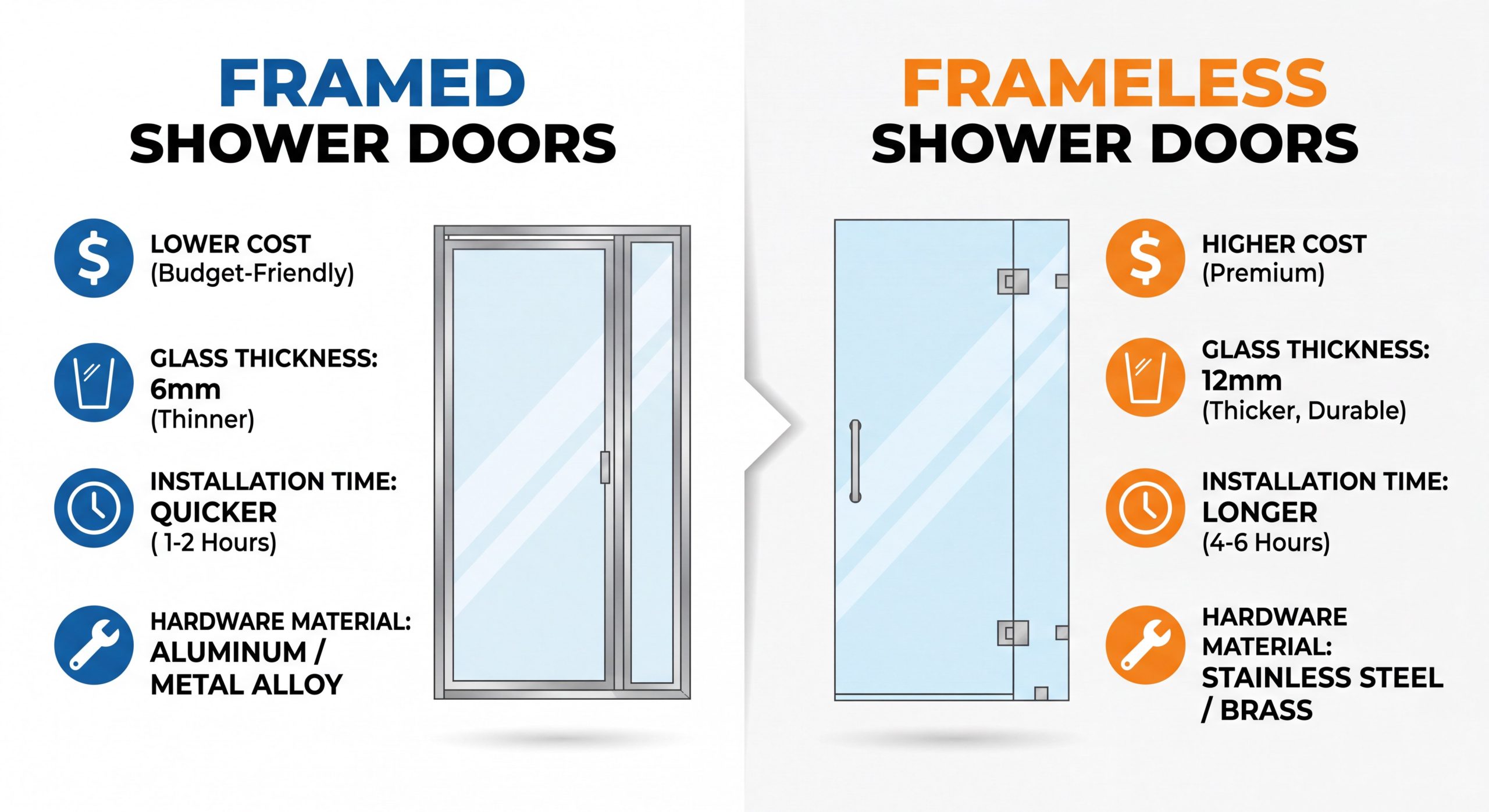
Pricing framed and frameless shower doors depends on raw material costs, glass thickness, specialized manufacturing tolerances, and hardware grades. By understanding these cost drivers, B2B buyers can accurately calculate their project expenses and protect their margins. This financial breakdown helps you choose the most profitable configuration of framed and frameless shower doors for your portfolio.
Breakdown of Material and Production Costs
Framed doors utilize economical, thinner glass, whereas frameless units demand thick, premium tempered glass that requires precision grinding and edge polishing. Think about it: raw glass weight and manufacturing complexity scale up the cost significantly.
- Framed glass uses standard 6mm panels with minimal edge work.
- Frameless glass requires dense, heavy 10mm to 12mm safety sheets.
- Precision grinding and corner-polishing are essential for frameless safety.
Why Frameless Requires Premium Hardware
The metallurgical differences and costs of high-performance brass or 304-grade stainless steel hinges make frameless hardware much more expensive. Let’s face it: cheap hardware cannot safely hold heavy glass sheets without sagging or failing.
- Solid brass or 304 stainless steel resists rust and structural warping.
- Heavy-duty hinges must support weights exceeding 80 to 100 pounds.
- Precision-engineered glass clamps prevent panel shifting over time.
Evaluating the Total Cost of Ownership
Savvy B2B buyers compare low initial procurement costs against long-term maintenance, housekeeping labor, and structural lifespan. Here is why: spending more upfront on easy-to-clean glass can drastically reduce operating expenses over the next decade.
- Low-cost framed units can incur higher maintenance and cleaning costs.
- Seamless frameless panels lower daily labor times for commercial cleaning staff.
- Anodized aluminum can oxidize, whereas premium steel hardware remains pristine.
Key Takeaway: High-volume commercial developments often benefit from the low CapEx of framed systems, while properties planned for long-term retention realize a lower TCO by investing in frameless glass.
| Cost Component | Framed Assembly | Frameless Assembly |
|---|---|---|
| Material Cost | Budget-friendly | Premium (heavy glass + brass) |
| Hardware Weight | Minimal aluminum channel | Heavy structural clamps/hinges |
| Installation Labor | 1 to 1.5 hours | 2.5 to 4 hours |
Beyond initial and long-term pricing, safety standards represent a non-negotiable factor in any professional procurement decision.
Are framed and frameless shower doors highly safe?
Both framed and frameless shower doors are exceptionally safe when manufactured to strict industrial standards and installed by trained professionals. Knowing how tempered safety glass behaves under impact protects your business from liability and ensures compliance with building codes. Understanding these safety mechanics is essential when sourcing framed and frameless shower doors for commercial real estate.

The Science of High-Stress Tempered Safety Glass
The thermal tempering process creates high compressive surface stress, ensuring that if failure occurs, the glass fractures into small, blunt fragments. Think about it: this prevents the dangerous, razor-sharp shards associated with standard annealed glass.
- Rapid heating and cooling cycles create balanced internal tension.
- Glass breaks into harmless, pebble-like pieces if structurally compromised.
- Compressive surface stress must meet international building standards.
What Causes Glass to Spontaneously Break?
Spontaneous glass breakage is rare but typically caused by microscopic nickel sulfide (NiS) inclusions or severe edge damage during transit. Let’s face it: sourcing from a manufacturer that utilizes thorough quality control is the only way to mitigate this risk.
- Nickel sulfide inclusions can expand slowly over time inside tempered glass.
- Micro-cracks on unprotected edges are a primary cause of eventual failure.
- Heat-soak testing (HST) reduces the probability of spontaneous breakage to near zero.
Meeting SGCC and CE Compliance Standards
Commercial construction projects require glass safety certifications to pass local building inspections and satisfy legal guidelines. Here is why: utilizing uncertified glass can lead to expensive project shutdowns, heavy fines, or insurance claims.
- SGCC (ANSI Z97.1) certification is mandatory for US construction.
- CE (EN 12150) compliance ensures adherence to European safety norms.
- Independent laboratory testing verifies impact resistance and safety performance.
Key Takeaway: Specifying heat-soak tested, SGCC-certified tempered glass for either framing system eliminates liability risks and guarantees compliance with global construction codes.
| Safety Metric | Framed Standard | Frameless Standard |
|---|---|---|
| Tempered Certification | SGCC / CE certified | SGCC / CE certified |
| Structural Flex Limit | Low (supported by metal frame) | Extremely high (self-supporting) |
| Edge Protection | Fully enclosed by aluminum | Exposed (requires precision polishing) |
Once the safety and compliance of the glass are established, the next physical step is determining the optimal installation environment.
Where to install framed and frameless shower doors?
You should install framed shower doors in multi-family housing or student dorms, and frameless systems in luxury hotels and premium residential estates. Evaluating the architectural footprint and building category helps you specify the correct model for your physical space. Let’s explore how to choose the right enclosure for your layout by browsing our framed and frameless shower doors options.
Multi-Family Housing and Budget-Sensitive Builds
High-density apartment complexes and student housing developments benefit from the fast installation and high tolerance of framed systems. Think about it: when installing hundreds of units, speed and simplicity are critical to keeping the project on schedule.
- Suited for standard layout alcoves and tub-to-shower conversions.
- Provides cost-effective luxury for entry-level multi-family apartments.
- Saves hours of labor when scaled across massive job sites.
Luxury Hospitality and Penthouse Applications
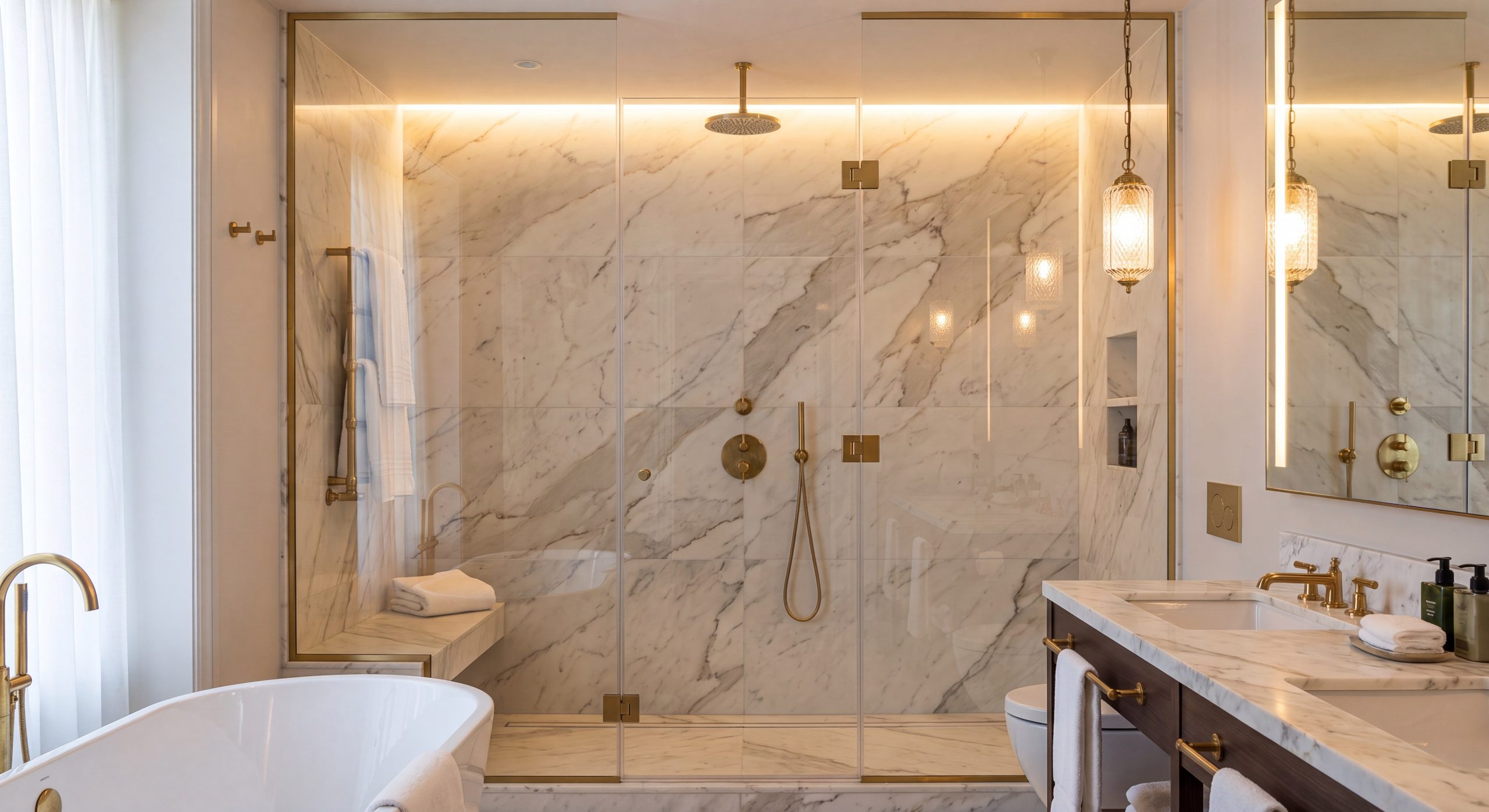
Boutique hotels, luxury resorts, and high-end residential estates utilize frameless enclosures to convey a premium, spa-like atmosphere. Let’s face it: discerning guests expect flawless glass without bulky, dated metal borders.
- Complements high-end natural stone, quartz, or marble tiling.
- Elevates the visual appeal of premium walk-in wet rooms.
- Allows natural light to flow freely through high-end hotel suites.
Adapting Enclosures to Imperfect Wall Angles
Out-of-plumb walls affect installation and dictate whether you need a framed channel or a custom glass cut. Here is why: framed systems handle wall irregularities with adjustable profiles, saving you from expensive custom glass remakes.
- Framed channels adjust up to 1/2-inch to mask crooked framing.
- Frameless designs require precise, professional wall leveling.
- Out-of-plumb walls in frameless setups need custom, angled glass cuts.
Key Takeaway: Framed units offer the flexibility needed for fast-paced renovation projects with uneven walls, while frameless units require near-perfect structural conditions to showcase modern elegance.
| Application Type | Best Choice | Wall Adjustability |
|---|---|---|
| Student Housing | Framed Bypass | Excellent (up to 1/2-inch adjustability) |
| Boutique Hotels | Frameless Pivot | Zero (requires precision measurement) |
| Historic Renovations | Framed / Semi-Framed | High (forgiving of uneven walls) |
After selecting the perfect location for installation, long-term cleaning and sanitation practices must be planned.
How to clean framed and frameless shower doors?
To clean framed and frameless shower doors efficiently, you must choose between scrubbing metal tracks or simply wiping flat, continuous glass panels. Commercial properties must optimize these maintenance schedules to lower housekeeping times and labor costs. Choosing the right style of framed and frameless shower doors directly impacts your property’s daily operational efficiency.
The Soap Scum and Mold Trap in Framed Channels
Moisture, hard water minerals, and soap residue collect inside the bottom tracks and metal seams of framed doors, requiring regular scrubbing. Think about it: stagnant water trapped in aluminum channels is the perfect breeding ground for mold.
- Requires deep cleaning inside metal tracks and corners.
- Traps mineral deposits that can cause eventual metal corrosion.
- Demands strong chemical cleaners to eliminate mold in seams.
Streamlined Maintenance of Seamless Glass
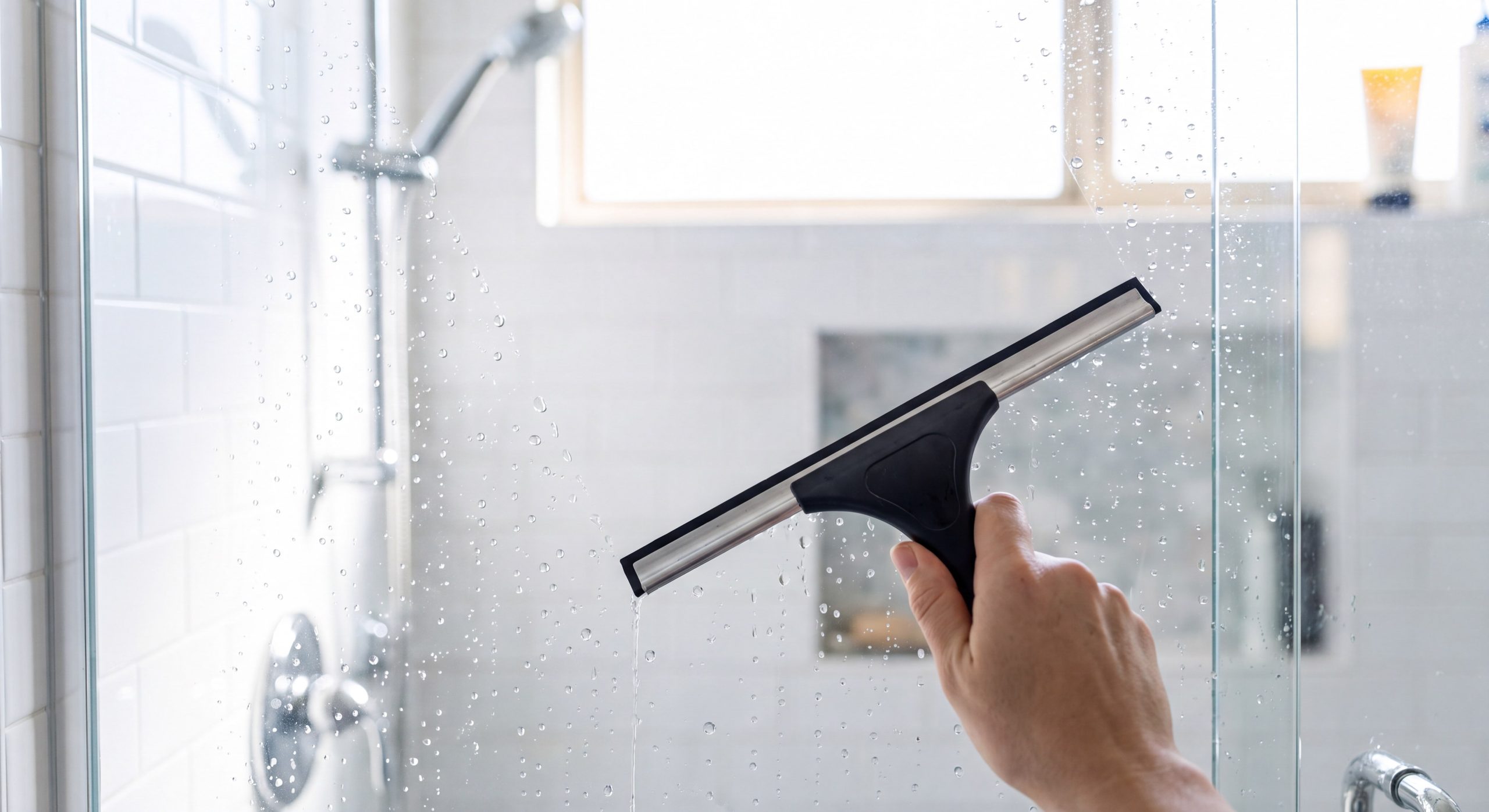
The flat, uninterrupted surfaces of frameless systems eliminate dirt traps, allowing cleaning staff to wipe down the glass in seconds. Let’s face it: a quick pass with a squeegee is all it takes to maintain a spotless look.
- Eliminates metal seams and tracks where dirt can hide.
- Speeds up housekeeping turnover times in commercial hospitality.
- Reduces the need for harsh, abrasive cleaning chemicals.
How Do Easy-Clean Nano-Coatings Save Labor?
Factory-applied hydrophobic nano-coatings repel water and organic contaminants, preventing them from bonding with the glass surface. Here is why: water droplets slide off immediately, preventing tough hard-water stains and reducing maintenance labor by up to 50 percent.
- Repels water, body oils, soap scum, and mineral deposits.
- Maintains the clear, sparkling look of low-iron glass.
- Lowers the frequency of professional cleaning interventions.
Key Takeaway: Frameless systems with built-in nano-coatings require significantly less cleaning labor, making them the superior financial investment for busy hotel and commercial properties.
| Cleaning Metric | Framed Enclosure | Frameless Enclosure |
|---|---|---|
| Dirt Accumulation | High (in bottom metal tracks) | Minimal (flat glass only) |
| Squeegee Friendly | Moderate (blocked by frame) | Excellent (unimpeded swipe) |
| Chemical Needs | Frequent harsh descalers | Mild soap and water |
Transitioning from maintenance to setup, the actual physical installation process reveals another set of vital structural differences.
How to style framed and frameless shower doors?
You can custom-style framed and frameless shower doors by selecting premium metal finishes, glass textures, and hardware geometries that elevate your bathroom’s design. Matching these physical details with modern fixtures creates a cohesive, high-end look that attracts modern renters and home buyers. Finding the perfect aesthetic balance is easy when designing framed and frameless shower doors for luxury properties.
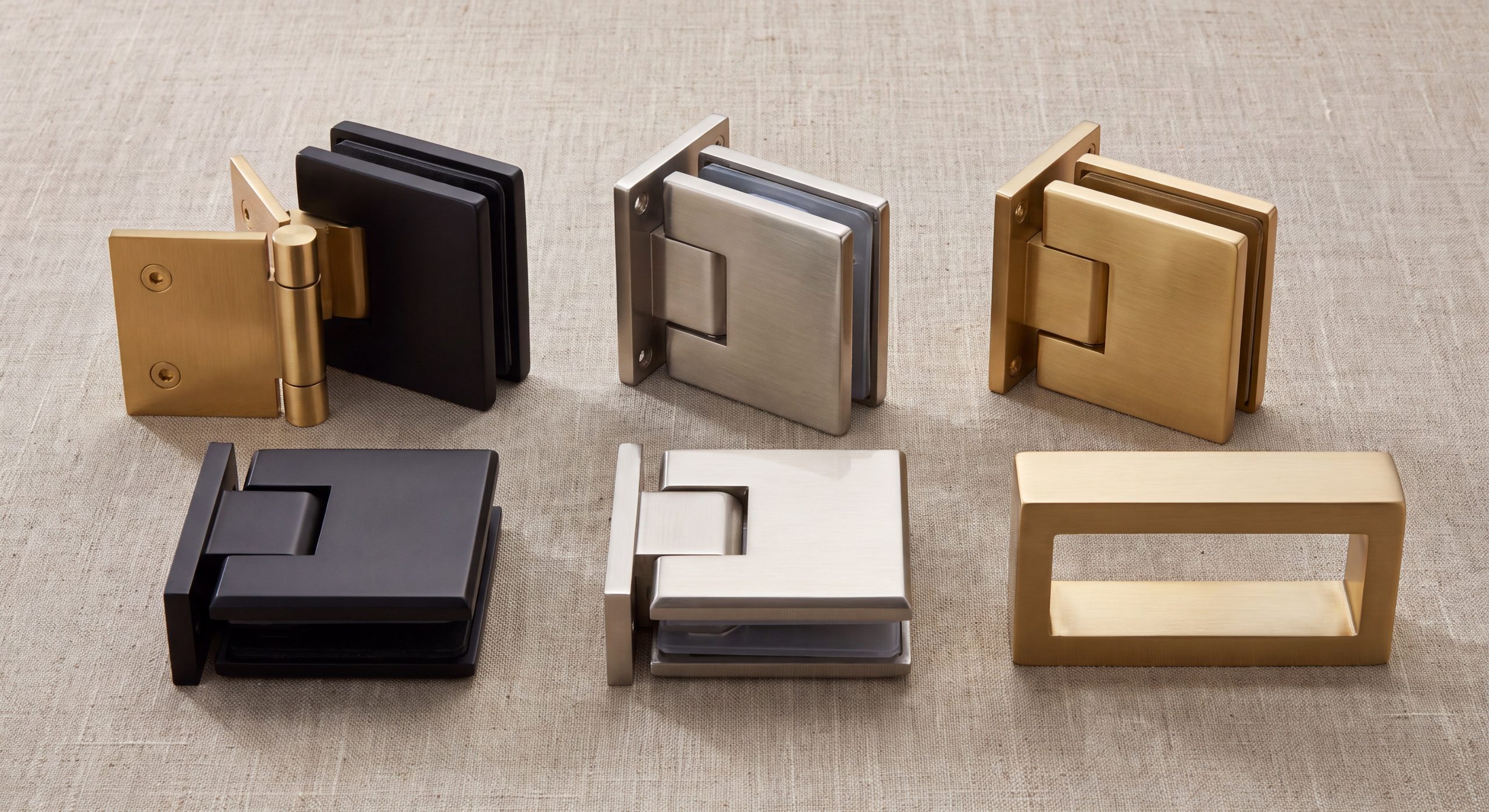
Selecting Premium Architectural Metal Finishes
Modern architectural hardware finishes can seamlessly tie your shower enclosure together with contemporary commercial plumbing fixtures. Think about it: a matching matte black, brushed gold, or polished chrome theme immediately signals high-end, thoughtful design.
- Matte Black provides a bold, modern industrial statement.
- Brushed Gold adds warmth and classic luxury to marble walls.
- Chrome and Satin Nickel deliver timeless, low-maintenance versatility.
Upgrading to Frosted, Low-Iron, or Tinted Glass
Upgrading your glass panels to low-iron, acid-etched, or custom body-tinted options allows you to balance privacy demands with high-end style. Let’s face it: standard glass has a slight green tint that can spoil a crisp, white marble design.
- Low-Iron glass removes the green edge tint for crystal-clear views.
- Frosted and Acid-Etched patterns provide privacy for shared family bathrooms.
- Gray or Bronze Tinted glass adds a sleek, contemporary, moody aesthetic.
Tailored Layouts: In-Line, Neo-Angle, and Sliders
Selecting the right configuration like sliding bypass doors or multi-panel neo-angle enclosures helps you optimize layout flow in tight or awkward spaces. Here is why: a door that strikes the toilet or vanity when opening is a major architectural failure.
- Sliding Bypass doors save valuable floor space in tight layouts.
- Neo-Angle corner enclosures make excellent use of small square footage.
- Inline Panels create seamless, expansive walk-in wet rooms.
Key Takeaway: Customizing finishes and upgrading to ultra-clear low-iron glass allows designers to elevate simple bathrooms into luxurious, spa-like retreats that command premium market values.
| Design Element | Framed Options | Frameless Options |
|---|---|---|
| Visual Profile | Bold metal borders and grids | Minimalist floating glass lines |
| Glass Customization | 6mm patterned or frosted | 10mm to 12mm low-iron or tinted |
| Hardware Styles | Profile-matched headers & tracks | Custom geometric clamps & handles |
Selecting the perfect design styles is only half the battle; ensuring a reliable, bulk-supply chain is what makes projects successful.
How long do framed and frameless shower doors last?
Under normal conditions, framed shower doors last 10 to 15 years, while heavy-duty frameless systems can easily last over 20 to 30 years with proper hardware maintenance. Evaluating this physical wear-life ensures your building retains its value and requires fewer costly replacements. Knowing these lifespans helps you specify the most durable configurations of framed and frameless shower doors for your real estate investments.
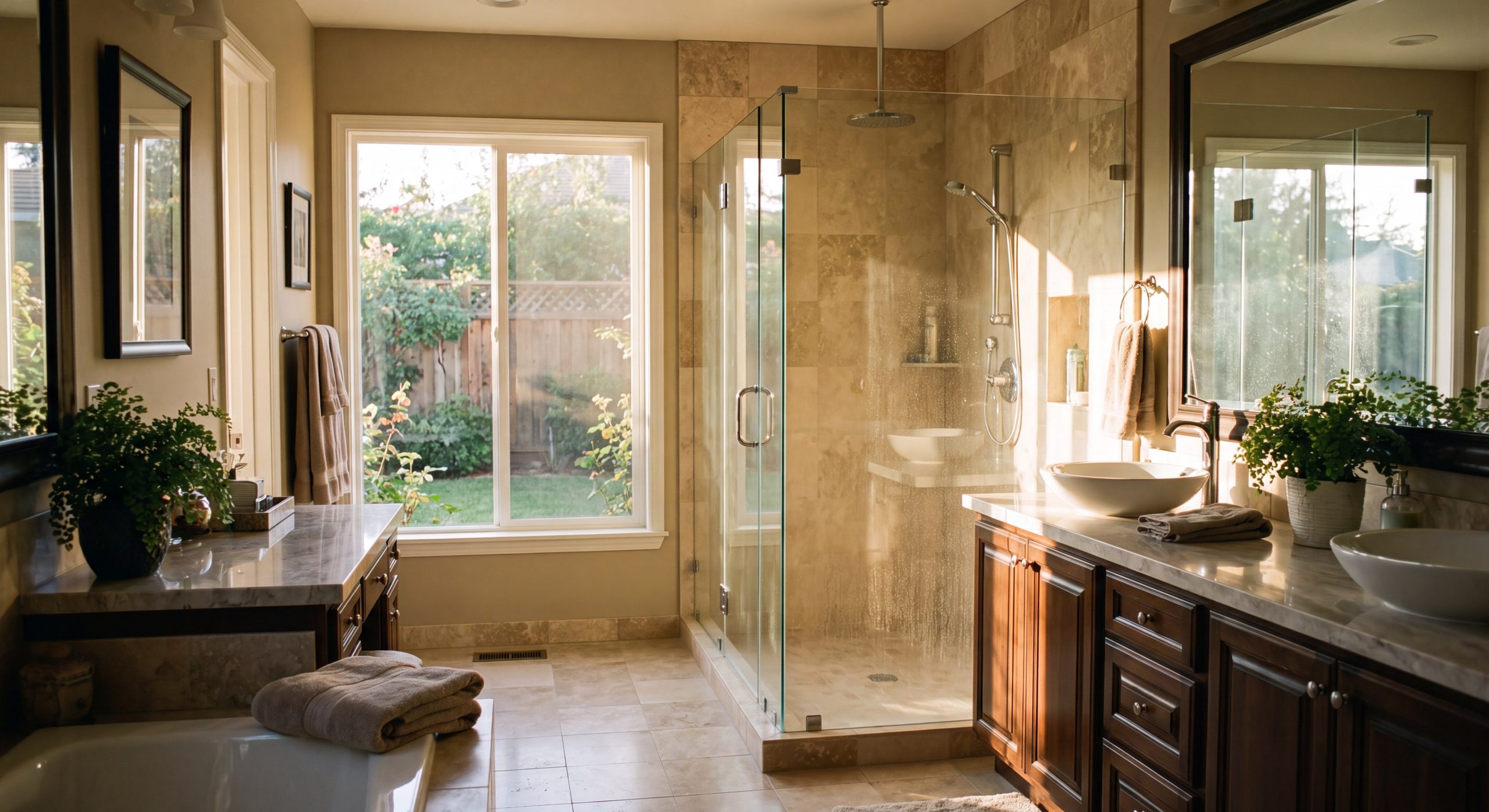
Dealing with Aluminum Corrosion Over Time
The long-term effects of moisture and hard water minerals can degrade anodized aluminum frames if their protective finish becomes compromised. Think about it: water trapped in metal seams can lead to oxidation and unsightly pitting.
- Anodized aluminum (6063-T5 alloy) resists rust but can slowly oxidize.
- Trapped water inside metal tracks accelerates sealant breakdown.
- Regular cleaning prevents hard-water minerals from etching the metal.
The Structural Durability of Heavy Glass Hinges
High-performance solid brass hinges and structural glass clamps are designed to maintain perfect alignment over thousands of open-close cycles. Let’s face it: investing in premium heavy-duty hardware means your heavy frameless door will never sag or bind.
- Solid brass or stainless steel hardware handles weight without warping.
- Precision internal springs ensure smooth, reliable pivot actions.
- High-grade rubber gaskets prevent metal-to-glass grinding.
Which Option Protects Long-Term Property Value?
Specifying premium frameless shower systems increases a property’s overall appraisal value and helps command higher rental or hotel room rates. Here is why: a modern, upscale bathroom is one of the most effective ways to influence potential buyers or guests.
- Elevates the entire bathroom aesthetic to modern, luxury standards.
- Attracts higher-quality renters and commands premium nightly room rates.
- Reduces long-term CapEx by avoiding frequent frame replacements.
Key Takeaway: While framed doors are excellent for immediate budget savings, investing in the robust structural lifespan of frameless glass ensures maximum asset appreciation.
| Lifespan Factor | Framed Enclosure | Frameless Enclosure |
|---|---|---|
| Average Lifespan | 10 to 15 years | 20 to 30+ years |
| Primary Wear Point | Aluminum oxidation and rollers | Hinge gaskets (easy to replace) |
| Property Valuation | Standard / Budget | High-end premium upgrade |
Transitioning from a theoretical comparison to a practical B2B project plan requires evaluating a reliable manufacturer that can deliver these systems.
Technical Specifications Quick-Reference
For procurement managers finalizing design specifications, this reference table outlines the physical and structural differences between the two systems:
| Architectural Component | Framed Enclosure System | Frameless Enclosure System |
|---|---|---|
| Glass Quality Standards | SGCC (ANSI Z97.1), CE (EN 12150) | SGCC (ANSI Z97.1), CE (EN 12150) |
| Glass Configuration | Flat, Tempered, or Laminated | Flat Tempered, Low-Iron, Acid-Etched |
| Structural Frame Material | Extruded Aluminum (6063-T5) | Minimalist Brass Clamps / Channels |
| Hinge Mechanism | Continuous Pivot / Track-Guided Rollers | Heavy-Duty Wall-Mount / Glass-to-Glass Hinges |
| Sealing System | Vinyl Sweeps, Adhesive Silicone, Metal Tracks | Polycarbonate Gaskets, Translucent Seals |
| Wall Out-of-Plumb Tolerance | Up to 1/2″ (Adjustable via profile) | Very tight (requires custom taper cutting) |
We have broken down the critical differences between framed and frameless options—from initial CapEx and installation complexity to long-term cleaning costs and structural safety. As a leading B2B supplier with over 30 years of industrial safety glass experience, Prime Pro Glass is ready to support your next project. Our state-of-the-art facilities and team of over 500 skilled professionals deliver precision-tempered glass, highly durable laminated options, and factory-applied easy-clean nano-coatings that protect your investment.
If you are ready to secure factory-direct pricing and custom OEM/ODM solutions, contact us today to receive a specialized quote for your upcoming project. Our goal is to empower builders and distributors with the world’s most reliable glass solutions, ensuring every installation delivers lasting safety and timeless beauty.
Frequently Asked Questions
Can I customize the glass thickness for my commercial shower door orders?
Yes. You can customize the glass thickness to meet local building codes, with commercial projects typically specifying either 10mm (3/8-inch) or 12mm (1/2-inch) tempered glass.
What’s the best glass finish to minimize maintenance in high-traffic hotels?
It depends on your maintenance budget, but specifying ultra-clear low-iron glass treated with a factory-applied hydrophobic nano-coating is highly recommended. This combination keeps the glass sparkling clear and reduces room turnover cleaning times.
How do I know if my building walls can support a heavy frameless door?
It depends on the structural backing behind your bathroom walls. Since a 10mm or 12mm glass panel is extremely heavy, your framing studs must be reinforced with solid wood blocking to support the weight securely.
Yes. While standard framed doors use thinner 6mm glass, they can be customized with high-strength tempered safety glass or custom laminated glass options to meet strict commercial project requirements.
Can frameless shower doors be installed on uneven walls?
Yes, but precise measurements and custom-tapered glass may be required. For significantly out-of-plumb walls, framed shower doors are often more practical because their adjustable profiles can accommodate variations of up to 1/2 inch.