Curtain walls typically use a combination of tempered, laminated, and Low-E (low-emissivity) glass to ensure safety, structural strength, and thermal efficiency. Designing a modern commercial facade often leaves you balancing high-performance needs with aesthetic goals. If you pick the wrong materials, your project risks safety violations, poor insulation, and skyrocketing utility costs. Selecting the right curtain wall glass provides a definitive solution, creating a secure and energy-efficient building envelope that lasts for decades.
What are the primary glass types for curtain walls?
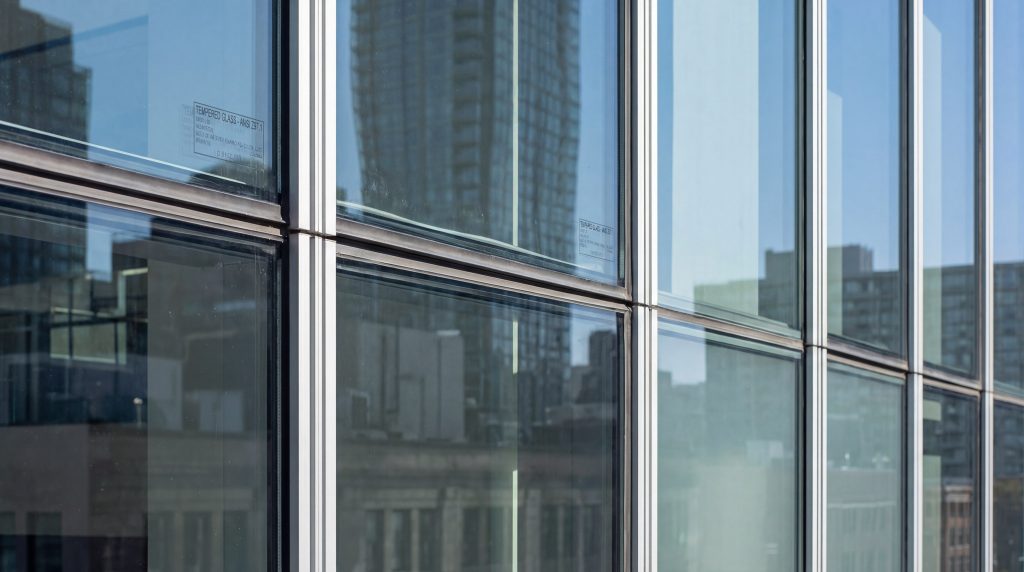
The primary glass types used in curtain walls include tempered safety glass, laminated glass, and high-performance insulated units. Using high-quality curtain wall glass ensures that the building remains structurally sound while offering maximum visibility. These glass types are chosen because they can withstand significant wind loads and provide essential protection for occupants.
Every pane is engineered to handle specific environmental stressors like gravity and thermal expansion. Because curtain walls are non-structural, the glass must be durable enough to protect the interior without adding excessive weight.
What makes tempered glass safer?
Look: standard glass can be dangerous if it fails. Tempered glass is heat-treated to be four to five times stronger than regular annealed glass.
- Shatters into small, rounded granules.
- Resists high-velocity wind pressure.
- Withstands temperature fluctuations.
Key Takeaway:
Safety glass is the non-negotiable standard for modern facades to prevent injury and structural failure.
| Glass Type | Strength Level | Impact Resistance | Failure Mode |
|---|---|---|---|
| Tempered | Very High | Excellent | Small Granules |
| Laminated | High | Good | Stays in Frame |
| Annealed | Low | Poor | Sharp Shards |
Structural safety begins with choosing the correct thermal processing for every exterior pane.
Why choose heat-strengthened glass?
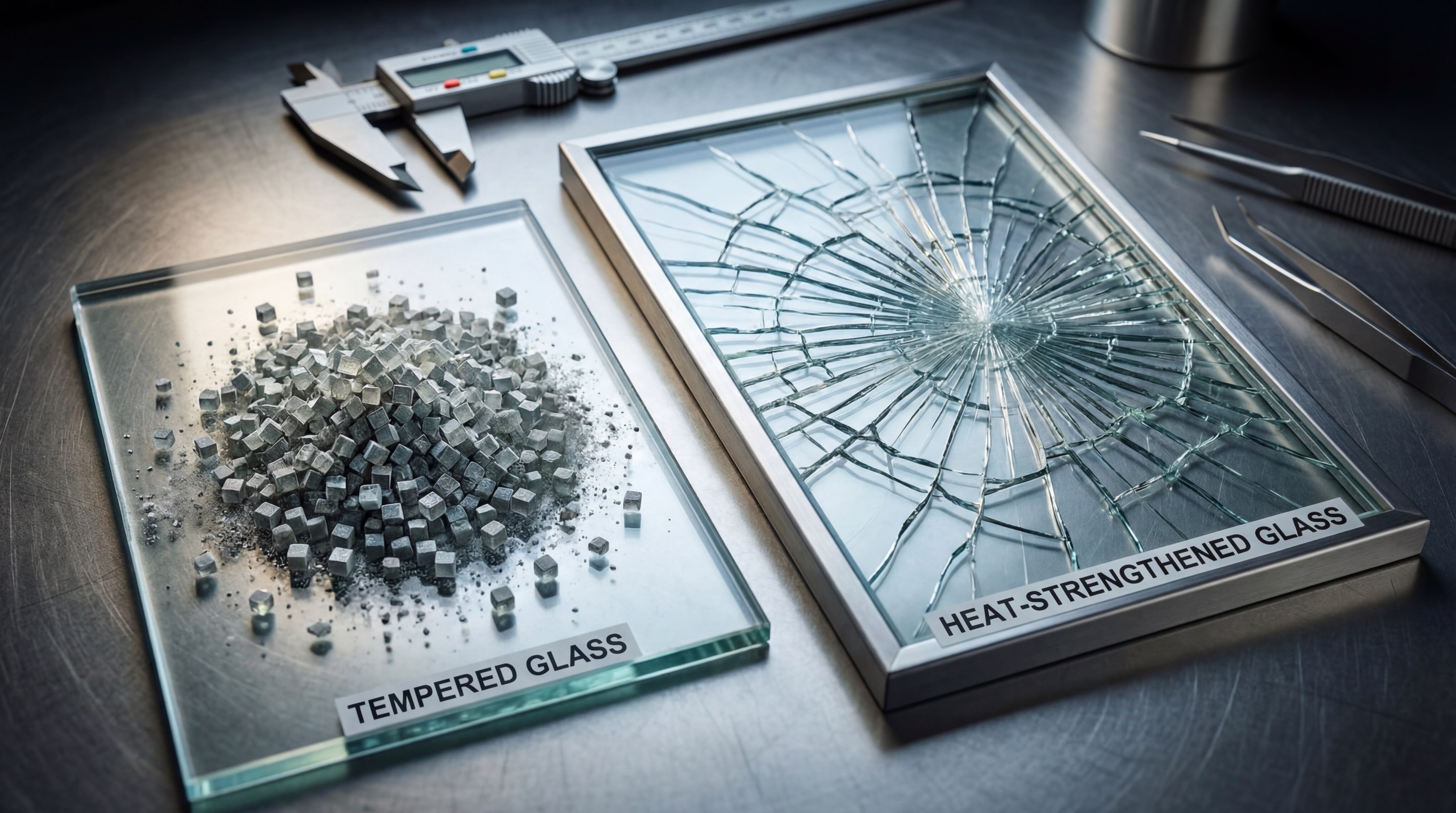
You should choose heat-strengthened glass when you need double the strength of standard glass but want to avoid the spontaneous breakage risk associated with fully tempered panes. This specific curtain wall glass undergoes a slower cooling process than tempered glass. This results in a breakage pattern where the glass stays in the frame rather than shattering into small granules.
It provides a great middle ground for projects that require enhanced durability without the extreme tension of full tempering. Architects often specify this type for upper-story windows where falling glass shards would pose a major hazard.
Is it better for thermal stress?
But here is the kicker: heat-strengthened glass is highly resistant to thermal shock. It handles the uneven heating caused by shadows and sun exposure without cracking.
- Twice as strong as annealed glass.
- Lower risk of nickel sulfide inclusions.
- Maintains visibility while adding protection.
Key Takeaway:
Heat-strengthened glass offers a safer breakage pattern for high-rise buildings while resisting thermal stress.
| Feature | Heat-Strengthened | Fully Tempered |
|---|---|---|
| Cooling Rate | Moderate | Rapid |
| Typical Use | Spandrel/Upper Floors | Entrances/Safety Zones |
| Break Pattern | Large Pieces | Small Crumbles |
Balancing strength and breakage behavior is critical for the long-term safety of tall structures.
How does Low-E glass save energy?
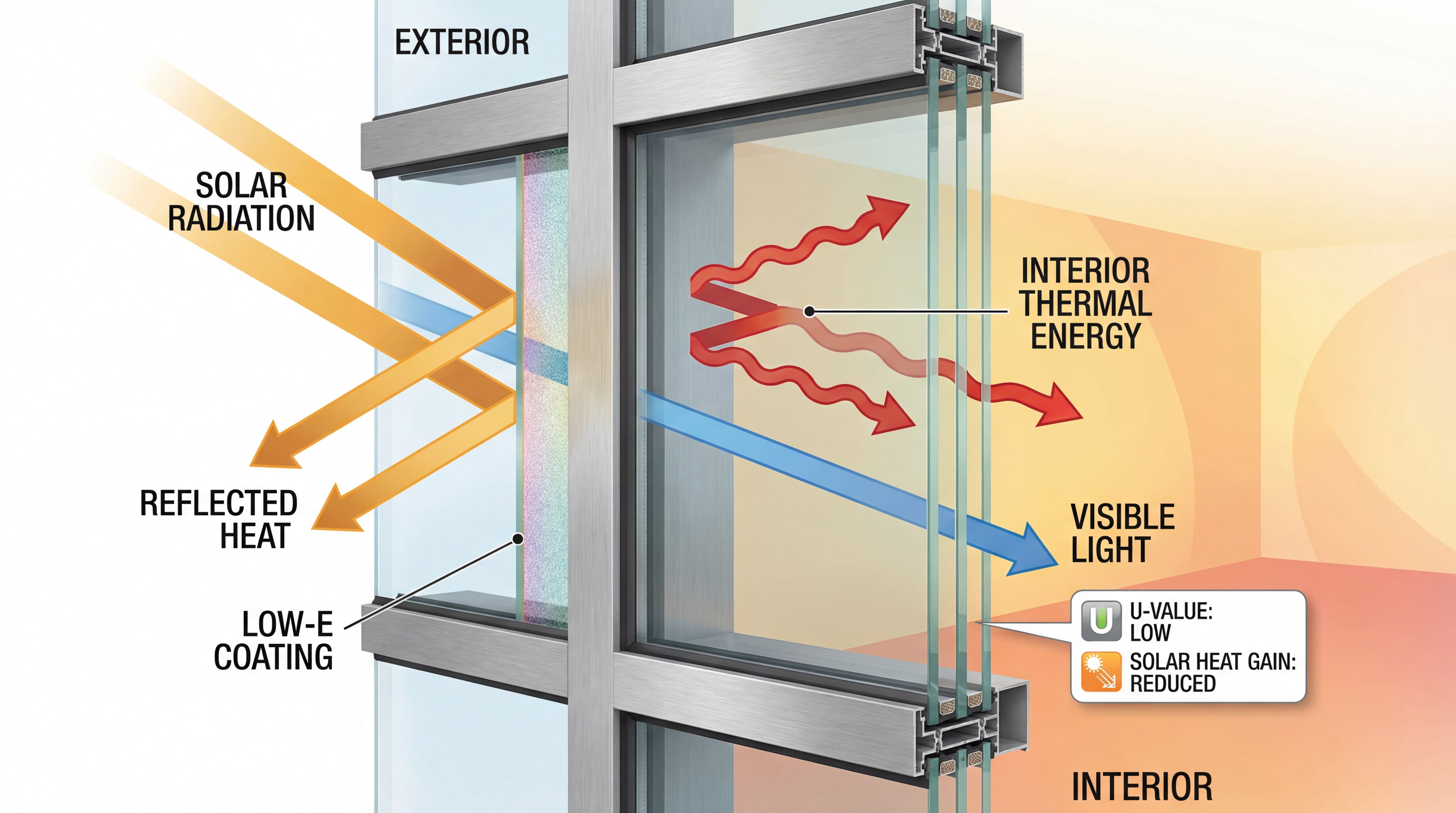
Low-E glass saves energy by utilizing microscopically thin metallic coatings that reflect infrared heat while allowing visible light to pass through. Integrating this curtain wall glass into your facade significantly reduces the solar heat gain during hot summer months. It acts as a thermal mirror, keeping your interiors cool and reducing the load on HVAC systems.
In winter, the same coating works to bounce internal heat back into the room. This year-round thermal management is essential for achieving green building certifications and reducing operational costs.
Can it lower utility bills?
You see: the cost of the glass pays for itself over time. By blocking up to 70% of solar energy, you can significantly downsize your cooling equipment.
- Reflects infrared energy.
- Maintains high light transmission.
- Protects interior furniture from UV fading.
Key Takeaway:
Low-E coatings are the most effective way to manage a building’s carbon footprint and energy expenditure.
| Coating Type | Heat Blockage | Light Transmission | Relative Cost |
|---|---|---|---|
| Single Silver | Moderate | High | Low |
| Double Silver | High | Moderate-High | Moderate |
| Triple Silver | Maximum | Moderate | High |
High-performance coatings allow for massive glass walls without sacrificing the building’s thermal integrity.
When is fire-resistant glass required?
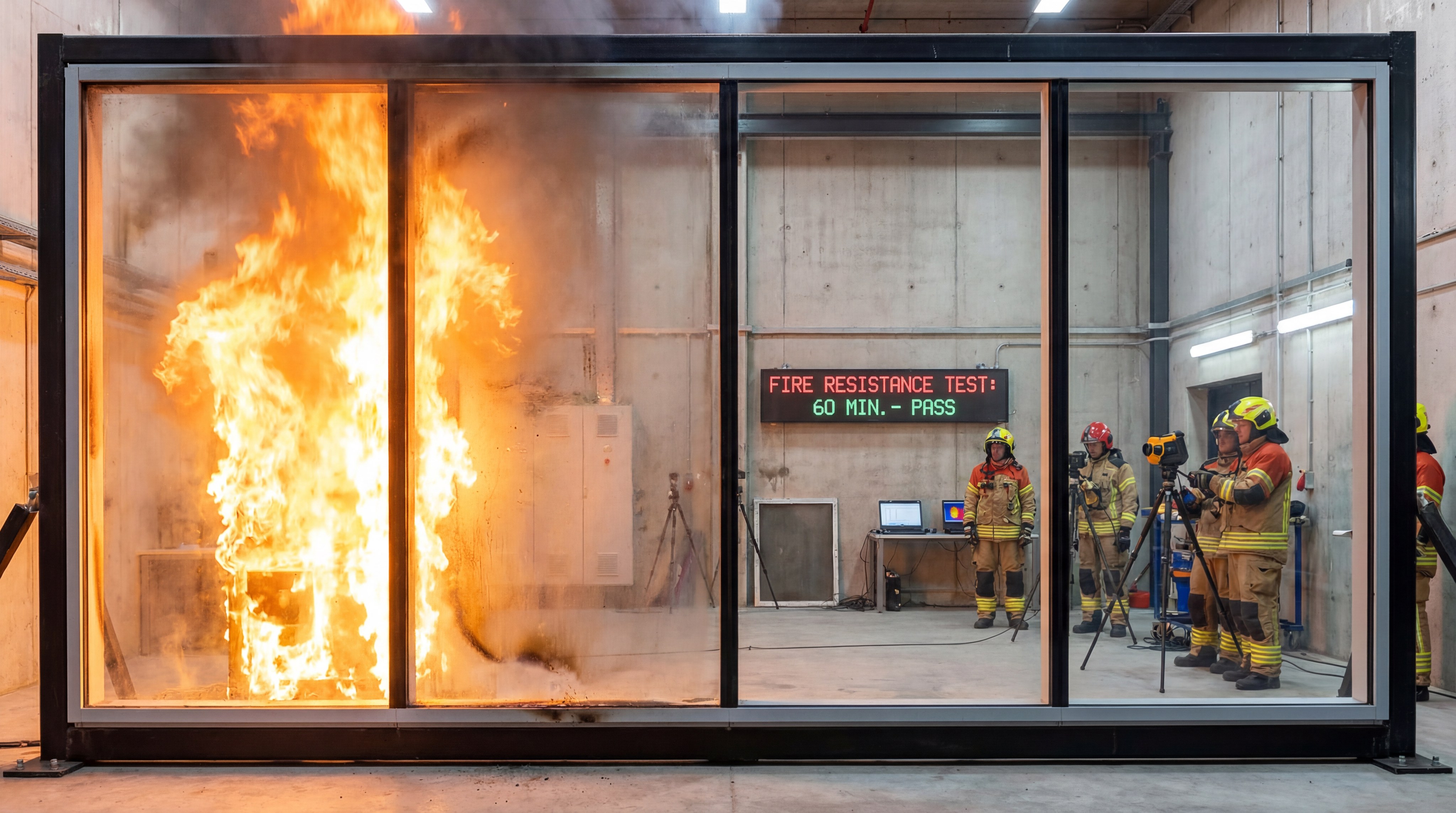
Fire-resistant glass is required in curtain walls located near property lines or in critical evacuation paths where building codes mandate a fire-rated barrier. High-performance curtain wall glass with fire ratings can prevent the spread of flames and smoke for up to 180 minutes. This specialized glazing is essential for protecting lives and property during an emergency event.
It is often tested to withstand the thermal shock of a fire hose after being exposed to extreme heat. This ensures the glass remains a solid barrier even under the most chaotic conditions.
Does it block radiant heat?
The truth is: some fire-rated glass only blocks flames, while “fire-resistive” glass also blocks heat transfer. This prevents objects on the non-fire side from auto-igniting.
- Ratings range from 20 to 180 minutes.
- Available in clear, wire-free options.
- Meets strict ASTM and UL standards.
Key Takeaway:
Fire-rated glass provides a critical window of time for evacuation and fire department response.
| Protection Level | Flame Barrier | Smoke Barrier | Radiant Heat Block |
|---|---|---|---|
| Fire-Protective | Yes | Yes | No |
| Fire-Resistive | Yes | Yes | Yes |
Strategic placement of fire-rated units is a core requirement for urban high-rise safety compliance.
What are the benefits of triple glazing?
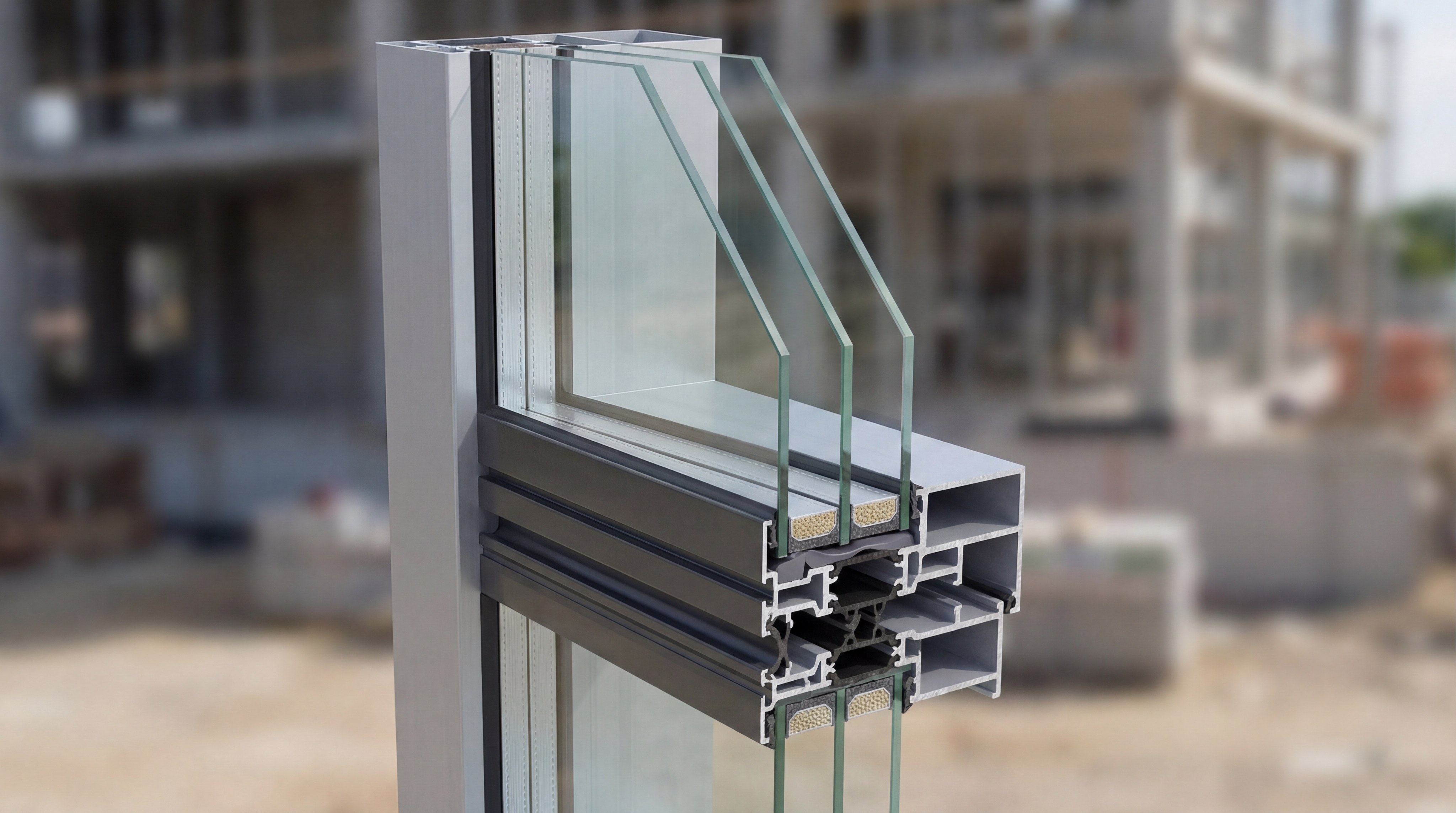
Triple glazing provides maximum thermal insulation and superior noise reduction by using three panes of glass separated by argon or krypton gas-filled spaces. Specifying this curtain wall glass is particularly beneficial for projects located in extreme climates or near noisy urban environments. The extra layer of protection significantly lowers the U-value of the building envelope.
While heavier than double glazing, the long-term energy savings often outweigh the initial structural and material costs. It creates a highly stable indoor environment regardless of the weather outside.
Is it worth the investment?
Check this out: triple glazing can reduce heat loss by over 50% compared to standard double-pane units. This makes it the gold standard for Passive House and high-efficiency designs.
- Enhanced acoustic insulation.
- Reduced condensation risk.
- Maximum thermal resistance (R-value).
Key Takeaway:
Triple-pane units offer the highest level of comfort and efficiency for buildings in harsh environments.
| Configuration | U-Value (Lower is Better) | Noise Reduction (dB) | Weight |
|---|---|---|---|
| Single Pane | 1.0+ | ~25 | Light |
| Double Pane | 0.25 – 0.30 | ~32 | Moderate |
| Triple Pane | 0.12 – 0.18 | ~38+ | Heavy |
Investing in triple-pane technology is the most direct route to achieving elite sustainability ratings.
Is reflective glass right for your facade?
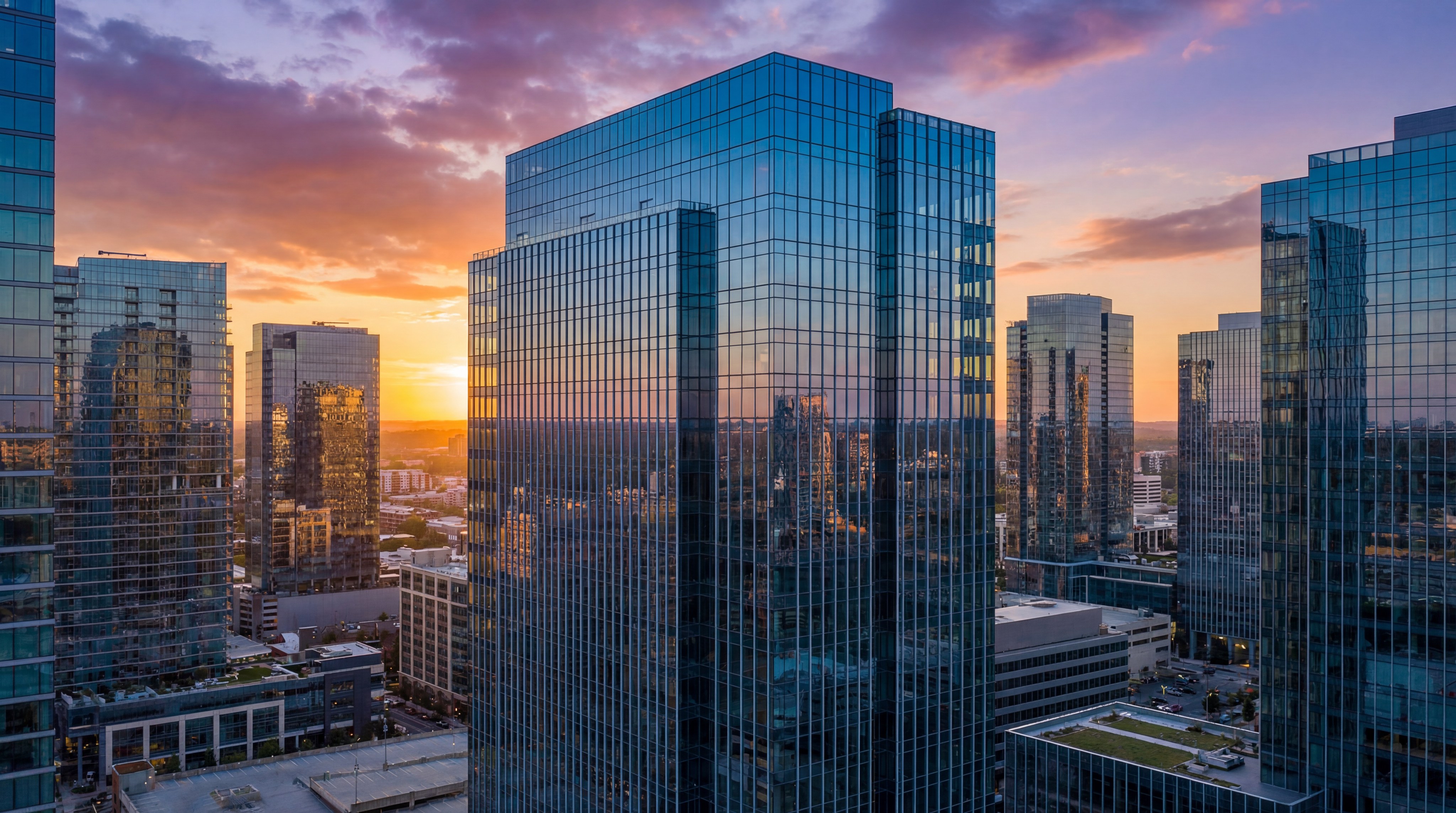
Reflective glass is an excellent choice for facades requiring high levels of daytime privacy and significant solar heat rejection. This curtain wall glass features a metallic coating that bounces away sunlight before it can heat the building’s interior. While aesthetically striking, you must consider the potential for light pollution and glare on surrounding structures.
The mirror-like finish can define a building’s identity while effectively hiding the interior structure and HVAC components. It is a popular choice for corporate headquarters and high-end commercial towers.
How does it impact privacy?
Think about it: during the day, nobody can see in, but you maintain a clear view of the outside world. This privacy is a major selling point for urban office spaces.
- Reduces glare on computer screens.
- Provides a uniform exterior look.
- Blocks significant infrared heat.
Key Takeaway:
Reflective coatings balance high-impact aesthetics with functional heat rejection and occupant privacy.
| Coating Type | Reflectance % | Privacy Level | Glare Control |
|---|---|---|---|
| Semi-Reflective | 15% – 25% | Moderate | Good |
| High-Reflective | 30% – 45% | High | Excellent |
Choosing the right reflectance level requires evaluating the building’s orientation and its impact on the neighborhood.
How to maximize natural light?

You can maximize natural light by selecting glass with high visible light transmittance (VLT) while maintaining low solar heat gain coefficients. High-clarity curtain wall glass allows sunlight to penetrate deep into the floor plate, improving the well-being and productivity of the building’s occupants. Modern coatings ensure you get the light you want without the unwanted heat.
Using clear, low-iron glass further enhances this effect by removing the green tint common in standard glass. This results in true-to-life colors and a more vibrant interior atmosphere.
Why does VLT matter?
Here is the deal: higher VLT means less need for artificial lighting during the day. This reduces internal heat from bulbs and lowers electricity consumption.
- Boosts employee morale and health.
- Reduces reliance on electrical lighting.
- Enhances the sense of interior space.
Key Takeaway:
Maximizing daylighting requires a precise balance between transparency and thermal performance.
| Glass Base | VLT % | Color Clarity | UV Protection |
|---|---|---|---|
| Standard Clear | 80% | Slight Green | Moderate |
| Low-Iron | 90%+ | Neutral | Moderate |
High-clarity glazing systems transform offices into bright, inviting environments that foster creativity.
What are the key selection criteria?
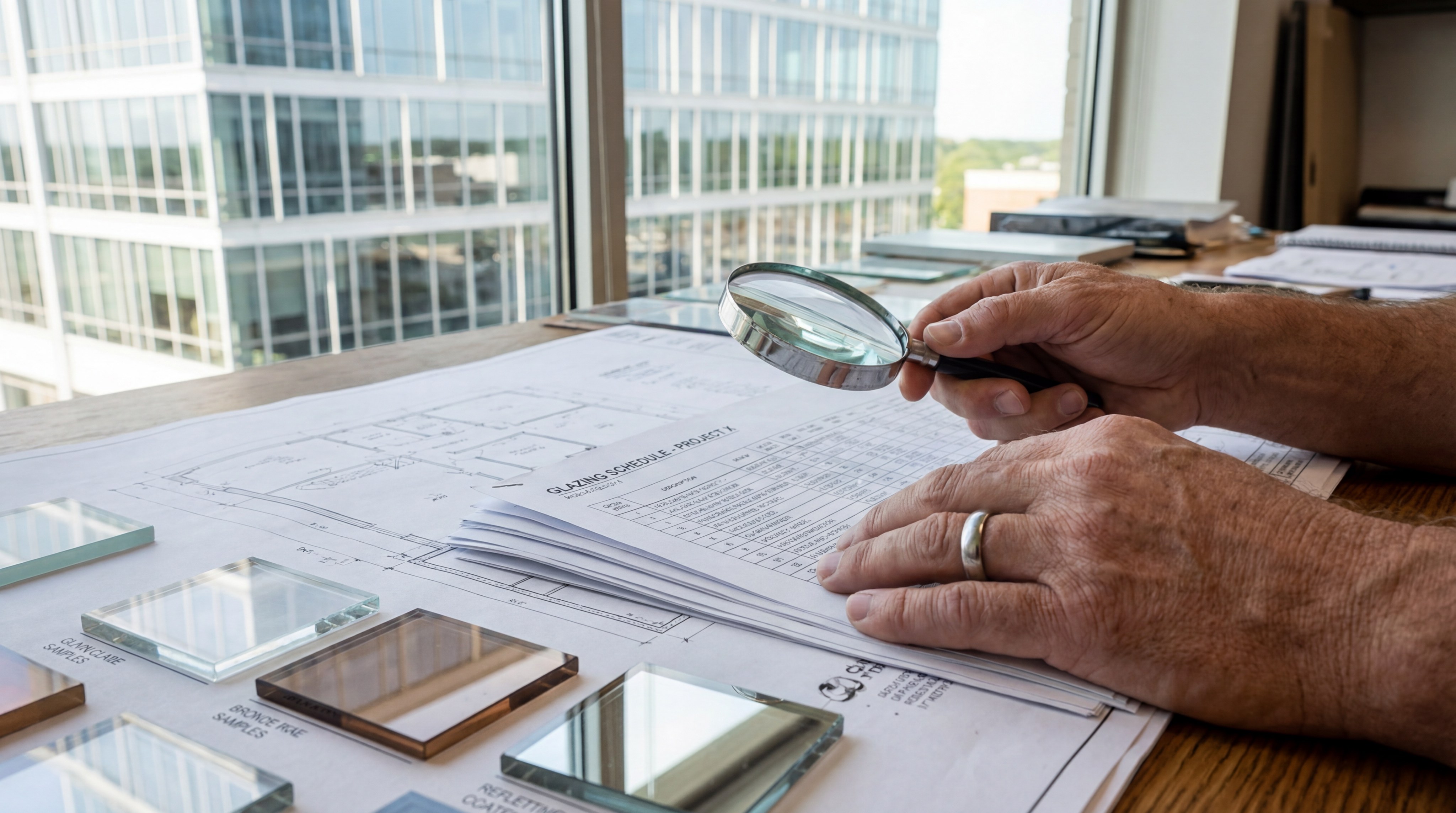
The key selection criteria for your project include thermal performance metrics, structural safety requirements, and the desired aesthetic finish. Choosing the right curtain wall glass requires a deep dive into U-values, SHGC ratings, and local building codes. You must also account for the environmental conditions unique to the building’s geographic location.
Budget is always a factor, but performance often dictates the long-term value of the asset. A cheaper glass today can lead to massive maintenance and energy costs down the line.
Should you prioritize safety?
Listen: code compliance is the absolute baseline for any curtain wall installation. Beyond code, you must consider the specific risks of your building’s height and location.
- U-Value for insulation.
- SHGC for solar heat gain.
- Acoustic ratings for noise.
Key Takeaway:
Comprehensive selection involves balancing technical performance data with aesthetic and budget constraints.
| Metric | Target | Importance |
|---|---|---|
| U-Value | Lower is better | Heating/Cooling Efficiency |
| SHGC | Lower is better | Solar Heat Management |
| VLT | Higher is better | Interior Light Levels |
A well-documented specification sheet ensures that the final build matches the architect’s performance intent.
How is structural integrity tested?
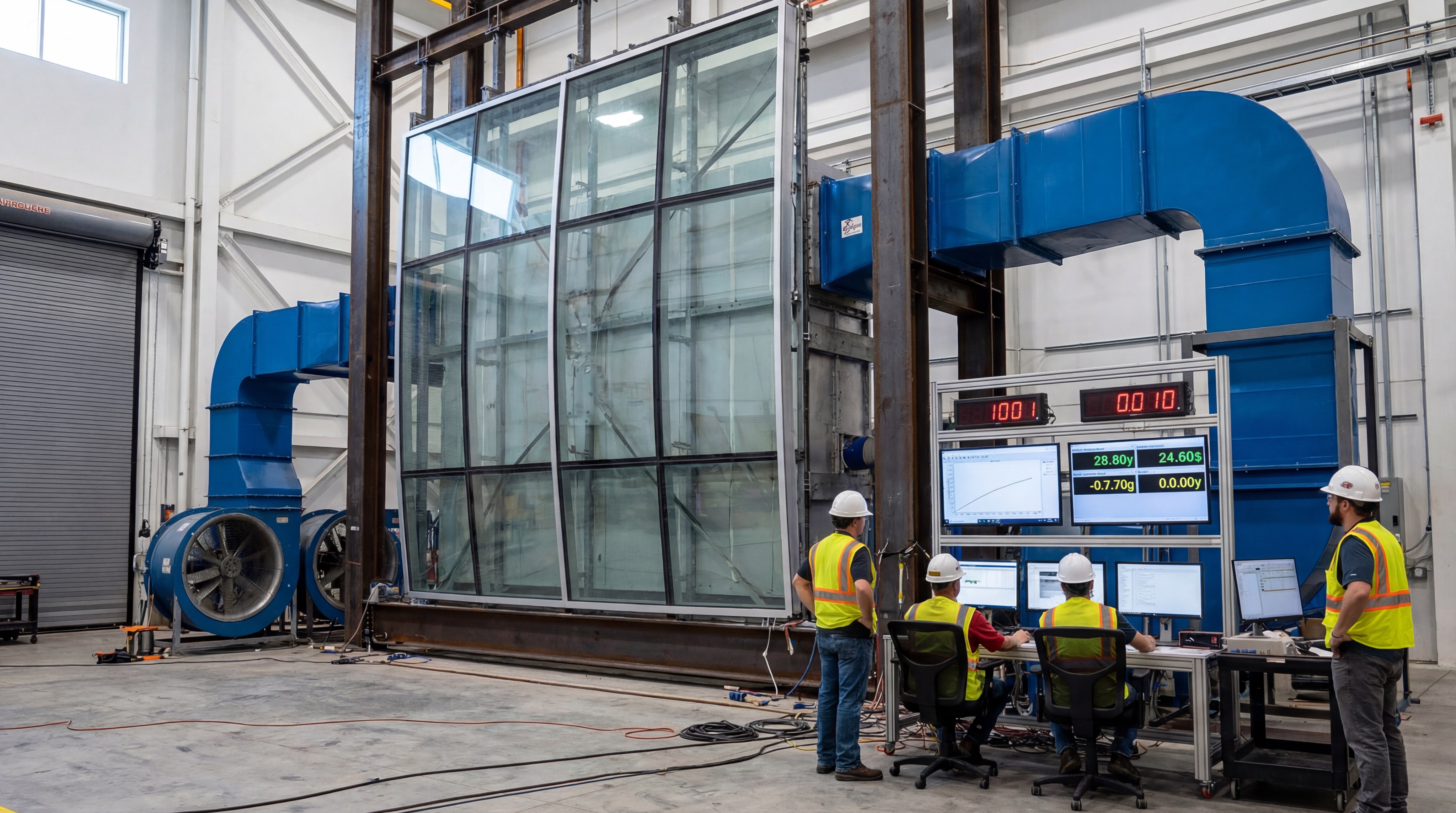
Structural integrity is tested through rigorous wind load simulations, water penetration checks, and seismic movement assessments in controlled laboratory environments. This ensures that every pane of curtain wall glass can withstand the intense pressures of a high-rise environment without failing. Engineers measure the deflection and air leakage to verify that the system meets safety standards.
These tests are often performed on full-scale mockups of the curtain wall system. This “real-world” verification is required to prove that the design will perform as expected on the job site.
What about water leaks?
The secret is: pressure-equalized systems use the wind’s own force to keep water out. Testing confirms that even during a hurricane, the interior remains completely dry.
- Simulated wind speeds up to 150+ mph.
- Dynamic water penetration tests.
- Inter-story drift (seismic) testing.
Key Takeaway:
Testing is the only way to guarantee that a glass facade will remain safe and dry over its lifespan.
| Test Category | Measurement | Success Criteria |
|---|---|---|
| Wind Load | Deflection (L/175) | No permanent deformation |
| Water Test | Penetration (Pa) | Zero water on interior |
| Air Leakage | cfm/sqft | Below specified limits |
Performance testing builds the trust required to construct expansive, glass-heavy architectural landmarks.
Is smart glass the future of facades?
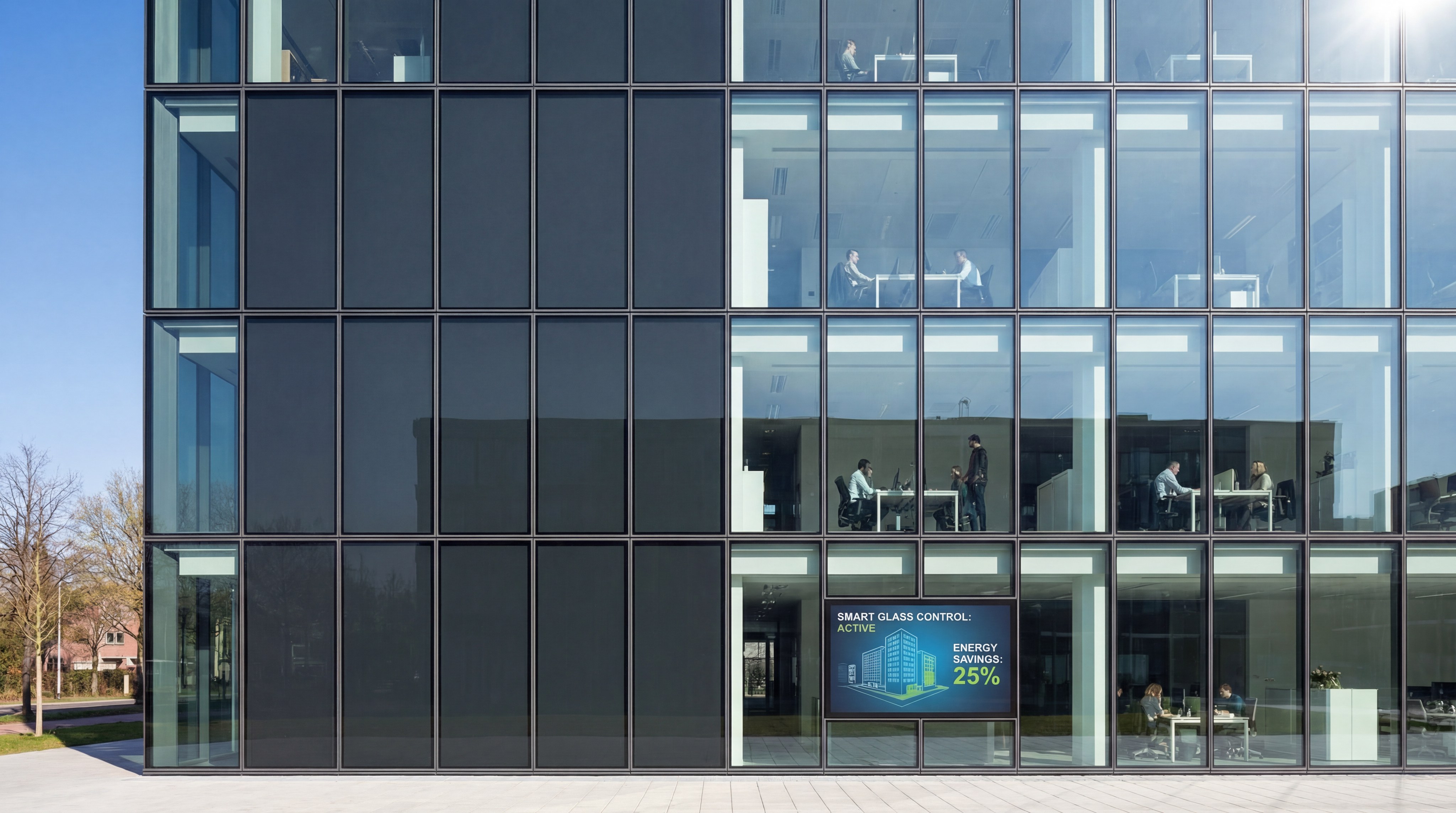
Smart glass is rapidly becoming the future of facades by allowing glass to change its tint or opacity in response to sunlight or electrical signals. This innovative curtain wall glass eliminates the need for blinds and provides dynamic control over solar heat gain. It transforms the building envelope into an intelligent system that optimizes energy consumption in real-time.
Occupants can control their environment with a smartphone app or wall switch. This high-tech solution is ideal for premium office spaces and luxury hospitality projects.
Can it automate energy savings?
Look: electrochromic glass can automatically tint when the sun is at its peak intensity. This prevents the building from heating up before the AC even turns on.
- No mechanical blinds needed.
- Dynamic glare control.
- Significant energy savings.
Key Takeaway:
Smart glass technology offers the ultimate integration of comfort, technology, and sustainability.
| Glass Type | Transition Time | Control Method | Energy Saving |
|---|---|---|---|
| Electrochromic | Minutes | Electrical / App | Very High |
| Photochromic | Seconds | Passive (UV Light) | Moderate |
As costs decrease, smart glass will likely become a standard feature for energy-conscious commercial developers.
FAQs
Can I use standard annealed glass for a curtain wall?
No, building codes generally prohibit annealed glass in curtain walls due to safety risks. You must use safety-processed glass like tempered or laminated types to ensure that if breakage occurs, the shards do not fall and cause injury to those below.
What is the best glass for maximum energy efficiency?
The best option is typically a triple-glazed unit featuring double or triple silver Low-E coatings and argon gas fill. This combination provides the highest possible thermal resistance and solar heat rejection for modern buildings.
How do I know if my curtain wall glass is safety-rated?
You should look for a permanent etched logo (bug) in the corner of the glass pane. This mark indicates the manufacturer, the standard it was tested against, and whether it is tempered or laminated safety glass.
Can glass thickness be customized for high-wind areas?
Yes, glass thickness is specifically calculated by structural engineers based on the building’s height and local wind speed data. Panes can range from 6mm to 12mm or thicker to ensure they don’t deflect excessively or fail during storms.
What is an “argon-filled” insulated glass unit?
It is a unit where the air between the glass panes is replaced with argon, an inert gas that is denser than air. This gas significantly slows down the transfer of heat through the glass, improving the overall insulation value (U-value).
Conclusion
The selection of glass for curtain walls is a sophisticated engineering process that solves critical challenges regarding building safety, thermal leakage, and occupant comfort. By integrating advanced materials like Low-E coatings, tempered safety glass, and triple-glazing technology, we have successfully addressed the historical problems of energy waste and structural vulnerability in glass facades.
Our vision at PrimePro Glass is to lead the industry through precision manufacturing and data-driven material selection. To ensure your next architectural project meets the highest standards of efficiency and safety, contact us today.