Imagine a scenario where a high-performance industrial furnace or a luxury fireplace reaches peak operating temperature, only for the viewing pane to suddenly spiderweb and explode. This failure doesn’t just halt production; it creates a massive safety liability and incurs thousands in emergency repair costs. Selecting the wrong material for extreme environments is a risk your project cannot afford. The solution lies in understanding the engineering specifications of Tempered Glass vs Ceramic glass to ensure structural integrity and thermal endurance.
What Are the Main Differences in Tempered Glass vs Ceramic glass?
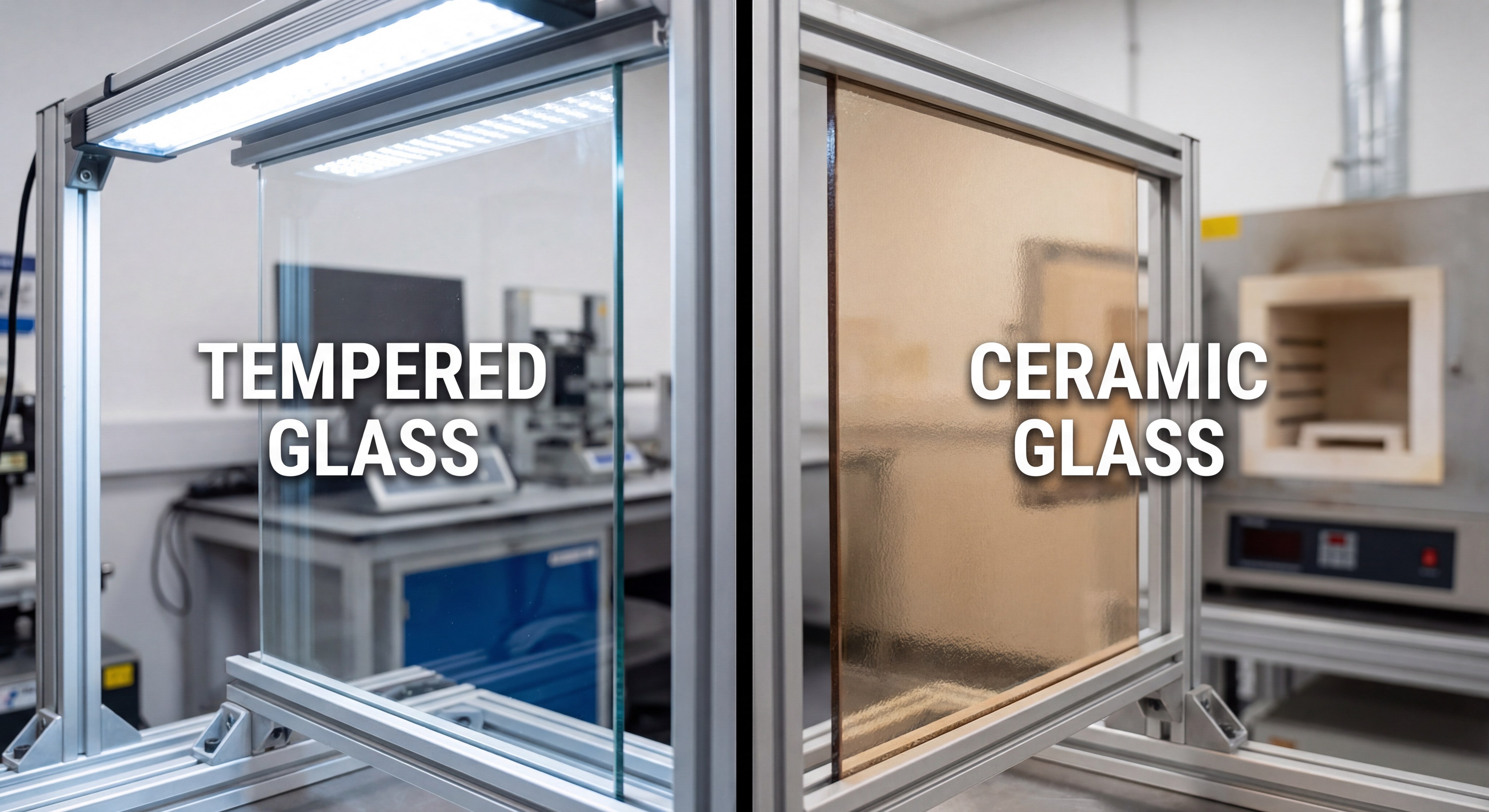
The primary distinction between Tempered Glass vs Ceramic glass lies in their chemical composition and their reaction to extreme temperature fluctuations. While tempered glass is a soda-lime material strengthened through heat treatment, ceramic glass is a polycrystalline material designed to withstand intense heat without expanding. You will find that these two materials serve entirely different purposes in commercial and industrial settings.
The reality is:
- Tempered glass is a safety-first material that crumbles into pebbles.
- Ceramic glass is a heat-first material that maintains its shape at 1,200°F.
- The optical clarity differs slightly, with ceramic often having a subtle amber tint.
Is the Chemical Makeup Different?
Yes, the chemical foundation of these two materials is fundamentally distinct. Tempered glass uses standard silica sand, while ceramic glass includes agents like lithium and aluminosilicate to prevent thermal expansion.
Does Thermal Expansion Vary?
The expansion coefficient is the most critical metric here. Ceramic glass has a near-zero thermal expansion, meaning it won’t crack when one side is freezing and the other is scorching.
Key Takeaway: Choose ceramic for direct heat contact and tempered for high-traffic safety zones.
| Feature | Tempered Glass | Ceramic Glass |
|---|---|---|
| Material Base | Soda-lime Silica | Polycrystalline Ceramic |
| Expansion Rate | High | Near-Zero |
| Safety Pattern | Small Pebbles | Large Shards |
The following analysis demonstrates how thermal expansion dictates the functional lifespan of the material in extreme environments.
How Is Tempered Glass vs Ceramic glass Manufactured?
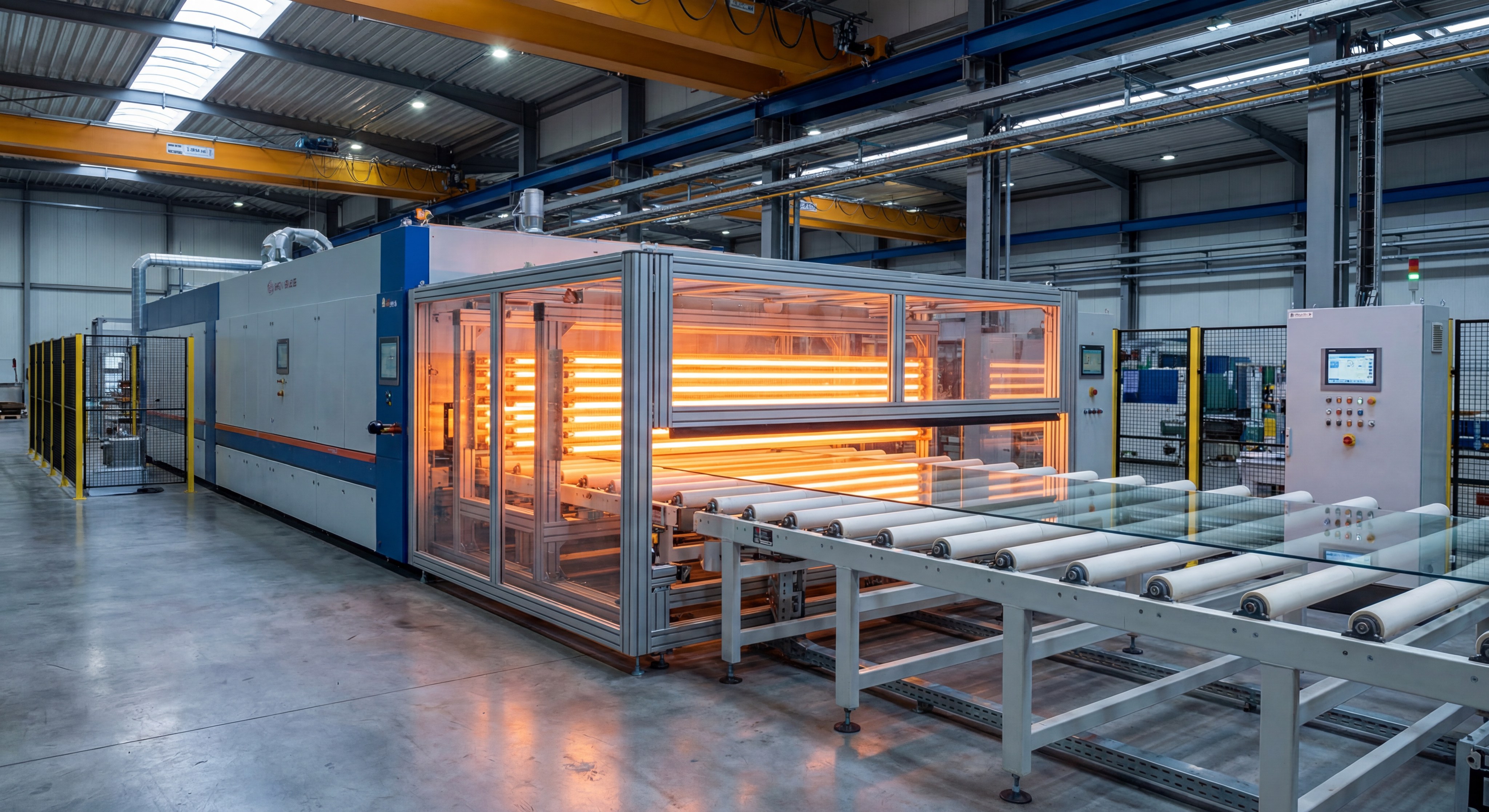
The manufacturing processes for Tempered Glass vs Ceramic glass are engineered to produce specific mechanical properties suited for B2B applications. Tempered glass undergoes a “quenching” process where it is heated and then blasted with cold air to create high surface compression. In contrast, ceramic glass is “devitrified,” a controlled crystallization process that transforms the glass into a heat-resistant ceramic.
Look:
- Quenching creates the internal tension that makes tempered glass 4-5x stronger.
- Devitrification ensures the ceramic version does not melt or soften under standard fire loads.
- Both processes require high-precision industrial kilns and specialized cooling racks.
Can You Recut These Materials?
You cannot cut or drill tempered glass once the tempering process is complete. Any attempt to modify the pane will result in an immediate and total shatter of the entire piece.
Why Does Devitrification Matter?
This process is what gives ceramic glass its unique thermal properties. It creates a micro-structure that resists the atomic movement usually caused by high heat.
Key Takeaway: All fabrication and sizing must be completed before the final heat treatment or crystallization occurs.
| Process Step | Tempered Glass | Ceramic Glass |
|---|---|---|
| Heating Phase | 1,100°F (approx.) | Over 1,400°F |
| Cooling Method | Rapid Air Quenching | Controlled Slow Cooling |
| Post-Process Cutting | Prohibited | Generally Prohibited |
Strategic manufacturing choices determine whether a glass pane acts as a structural shield or a thermal barrier.
Which Handles Heat Better: Tempered Glass vs Ceramic glass?
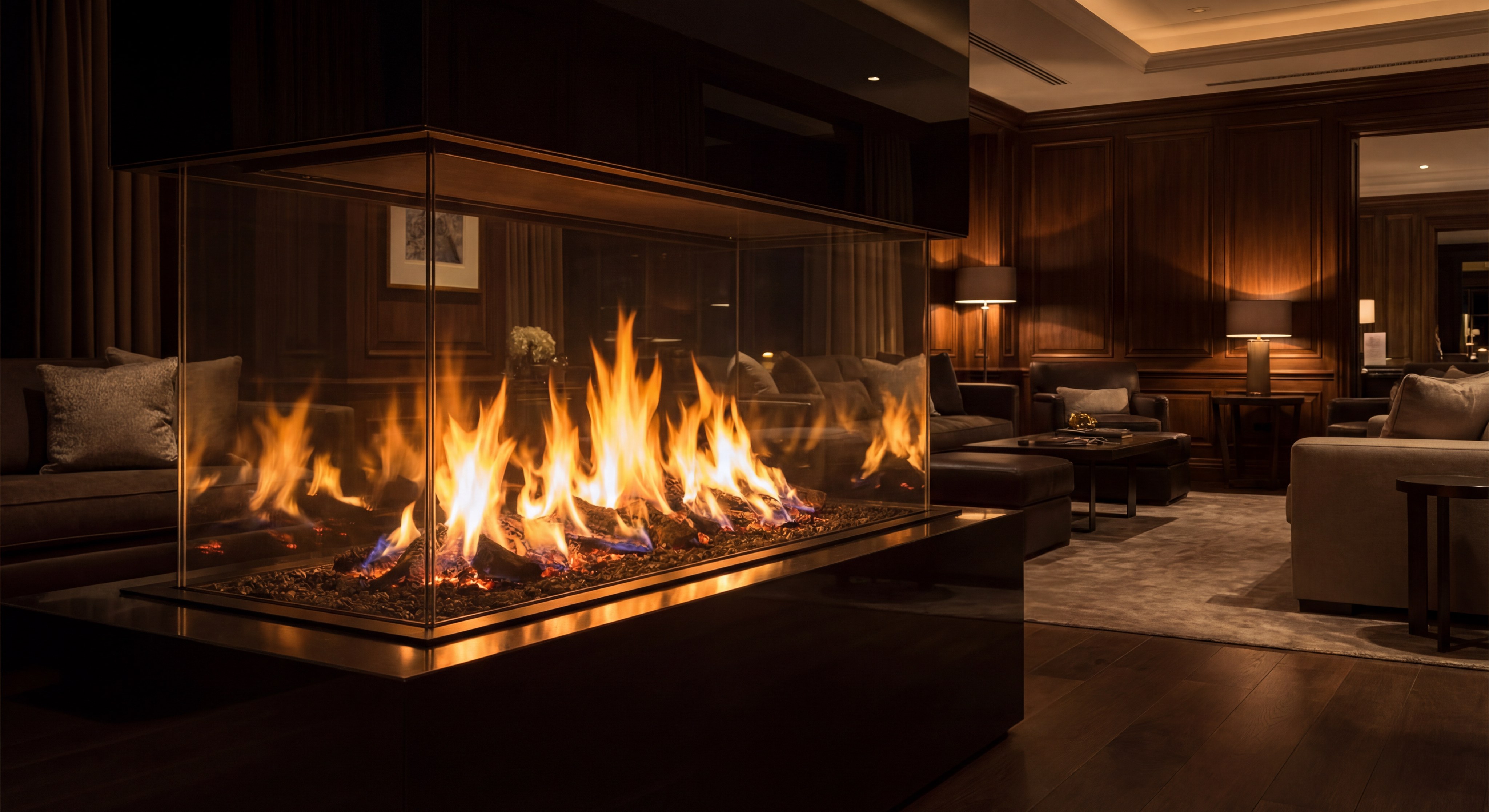
When evaluating the heat resistance of Tempered Glass vs Ceramic glass, the thermal limits define their safe operating environments. Tempered glass is rated for continuous use up to approximately 470°F, making it suitable for oven doors but not direct flame. Ceramic glass, however, excels in temperatures exceeding 1,200°F without losing structural integrity.
The bottom line:
- Tempered glass fails if exposed to uneven heating across its surface.
- Ceramic glass handles “thermal shock,” such as cold water hitting a hot surface.
- Overheating tempered glass can lead to spontaneous breakage as internal stresses realign.
What Is the Thermal Shock Limit?
Thermal shock occurs when rapid temperature changes cause different parts of the glass to expand at different rates. Ceramic glass is almost immune to this effect, while tempered glass has strict limits.
Is Direct Flame Contact Safe?
You should never allow direct flame to touch tempered glass for extended periods. Ceramic glass is the industry standard for wood stove windows specifically because it handles direct contact.
Key Takeaway: If your application involves temperatures over 500°F or direct flame, ceramic is the only viable engineering choice.
| Thermal Property | Tempered Glass | Ceramic Glass |
|---|---|---|
| Max Operating Temp | 470°F – 500°F | 1,200°F – 1,400°F |
| Thermal Shock Resist | Moderate | Extreme |
| Flame Resistance | Low (Indirect Only) | Very High (Direct Contact) |
Thermal endurance remains the primary differentiator for glass components in heavy industry and residential heating.
Is Tempered Glass vs Ceramic glass Stronger Against Impact?
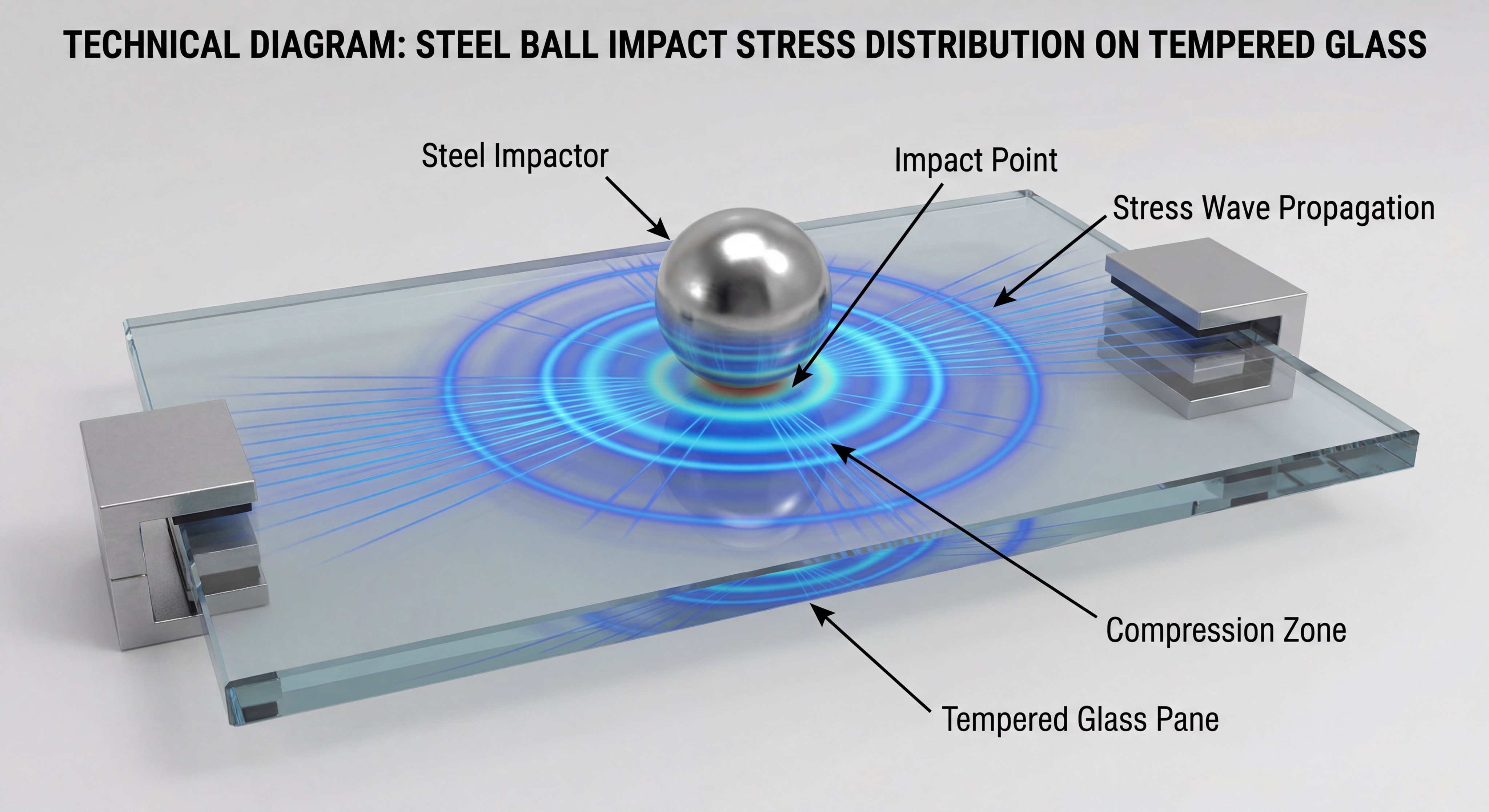
If impact resistance is your primary concern, the battle between Tempered Glass vs Ceramic glass has a clear winner. Tempered glass is engineered for mechanical strength, offering 4 to 5 times the impact resistance of standard glass. While ceramic glass is incredibly heat-resistant, it is relatively brittle and can break more easily under blunt force.
Make no mistake:
- Tempered glass is used in basketball backboards and storefronts for a reason.
- Ceramic glass will crack if struck by a heavy log or tool.
- Strength in tempered glass comes from surface compression, not thickness alone.
How Does Surface Tension Help?
The quenching process creates a “compressed skin” on tempered glass. This skin must be penetrated for the glass to break, making it highly resistant to surface scratches and light impacts.
Does Thickness Improve Strength?
While increased thickness helps both materials, a 6mm tempered pane will still outperform a 6mm ceramic pane in a drop test. Thickness cannot compensate for the inherent brittleness of ceramic crystals.
Key Takeaway: Use tempered glass for structural railings or doors where human impact or wind loads are expected.
| Metric | Tempered Glass | Ceramic Glass |
|---|---|---|
| Impact Strength | 10,000+ PSI | 3,000 – 5,000 PSI |
| Scratch Resistance | Very High | High |
| Flexural Strength | Exceptional | Moderate |
Mechanical durability is the trade-off required when prioritizing the extreme thermal performance of ceramic materials.
Can You Use Tempered Glass vs Ceramic glass for Fireplaces?
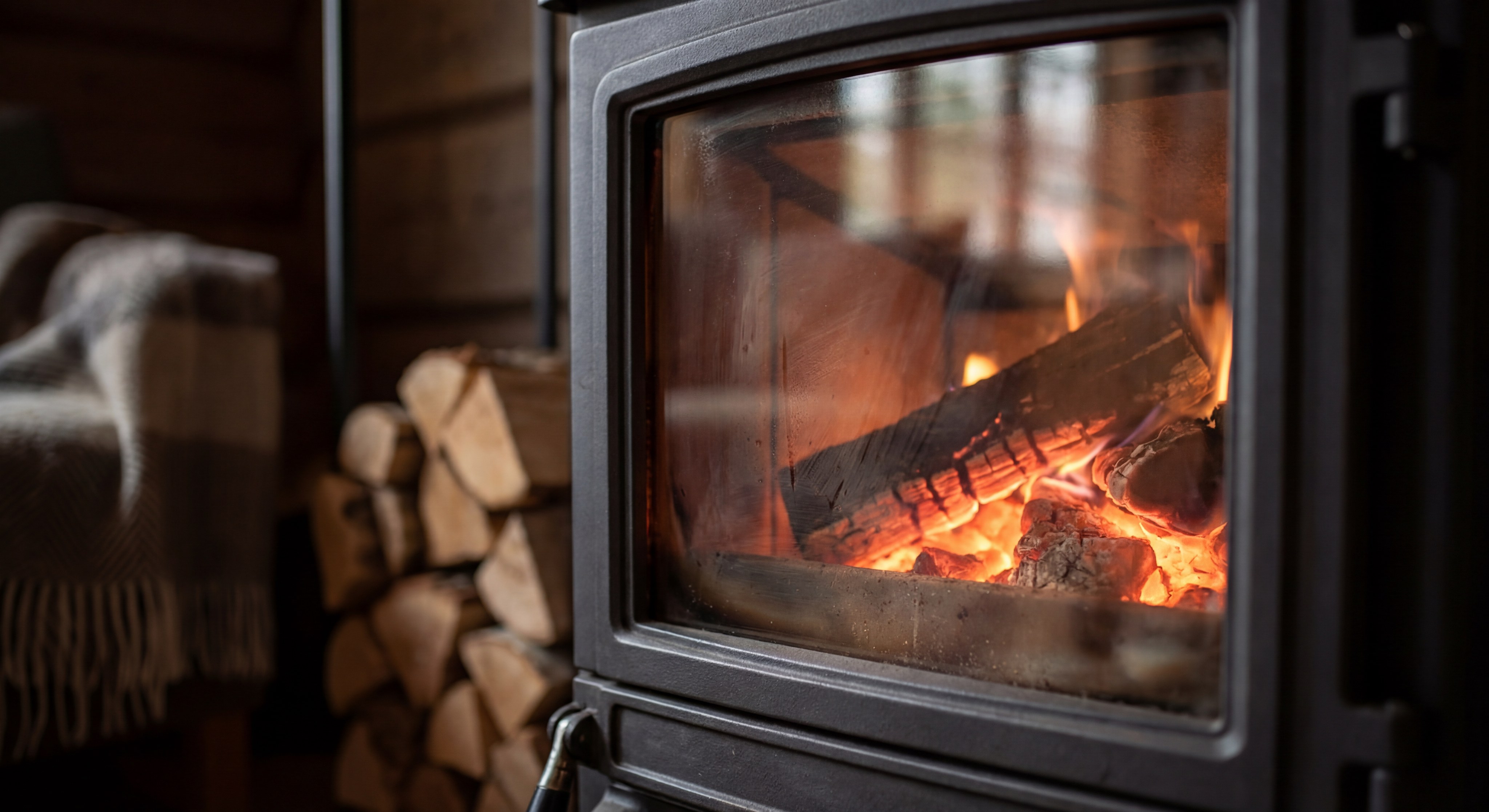
Fireplace applications highlight the most common misuse of Tempered Glass vs Ceramic glass in the architectural world. Gas fireplaces with lower heat outputs often use tempered glass as a decorative barrier between the room and the burner. However, high-efficiency wood stoves and coal burners generate heat that would cause tempered glass to fail within minutes.
Think about this:
- Tempered glass is for fireplace doors that stay open during a fire.
- Ceramic glass is for viewing windows that remain closed during combustion.
- Using tempered glass in a wood stove is a fire hazard that voids most insurance policies.
What Happens During Glass Failure?
In a fireplace, a tempered failure results in “dicing,” where the entire pane turns into thousands of pebbles. This leaves an open fire unattended in your living space.
Is Gas Always Safe for Tempered?
Not necessarily. High-BTU gas units with narrow clearances can still exceed the 500°F limit, necessitating a switch to ceramic for safety.
Key Takeaway: Always verify the BTU output and clearance distances before specifying tempered glass for any heating appliance.
| Application | Tempered Glass | Ceramic Glass |
|---|---|---|
| Wood Stoves | Dangerous/Prohibited | Recommended |
| Gas Fireplaces | Standard (Low Heat) | High-Performance Units |
| Fire Screens | Excellent | Over-engineered/Expensive |
Choosing the correct fireplace glass is a matter of both operational efficiency and fundamental fire safety.
Why Choose Tempered Glass vs Ceramic glass for Facades?

Architectural facades rely on Tempered Glass vs Ceramic glass to balance aesthetic clarity with local building codes. In almost every commercial skyscraper, tempered glass is the standard choice because it meets “safety glass” requirements for high-altitude wind loads. Ceramic glass is rarely used in facades unless there is a specific fire-rated requirement for elevator shafts or stairwells.
The reality is:
- Tempered glass offers superior optical clarity for large-scale viewing.
- Weight is a factor; tempered glass is often easier to integrate into standard curtain wall systems.
- Ceramic glass has a slight tint that may interfere with a building’s uniform aesthetic.
Are There Fire-Rated Facades?
Yes, in dense urban areas, building codes may require fire-rated glass on property lines. This is the only scenario where ceramic-based glass is used in exterior walls.
How Does Wind Load Impact Choice?
Tempered glass flexes under wind pressure without breaking. Ceramic glass is too rigid and would likely crack under the intense pressures found at the top of a skyscraper.
Key Takeaway: For 99% of architectural exterior applications, tempered glass is the superior and more cost-effective choice.
| Building Metric | Tempered Glass | Ceramic Glass |
|---|---|---|
| Wind Load Capacity | High | Low |
| Optical Tint | Clear/Low-Iron | Amber/Yellowish |
| Safety Certification | ANSI Z97.1 | Fire-Rating Specific |
Modern architecture favors tempered glass for its versatility, while ceramic remains a niche solution for fire containment.
What Are Safety Features of Tempered Glass vs Ceramic glass?
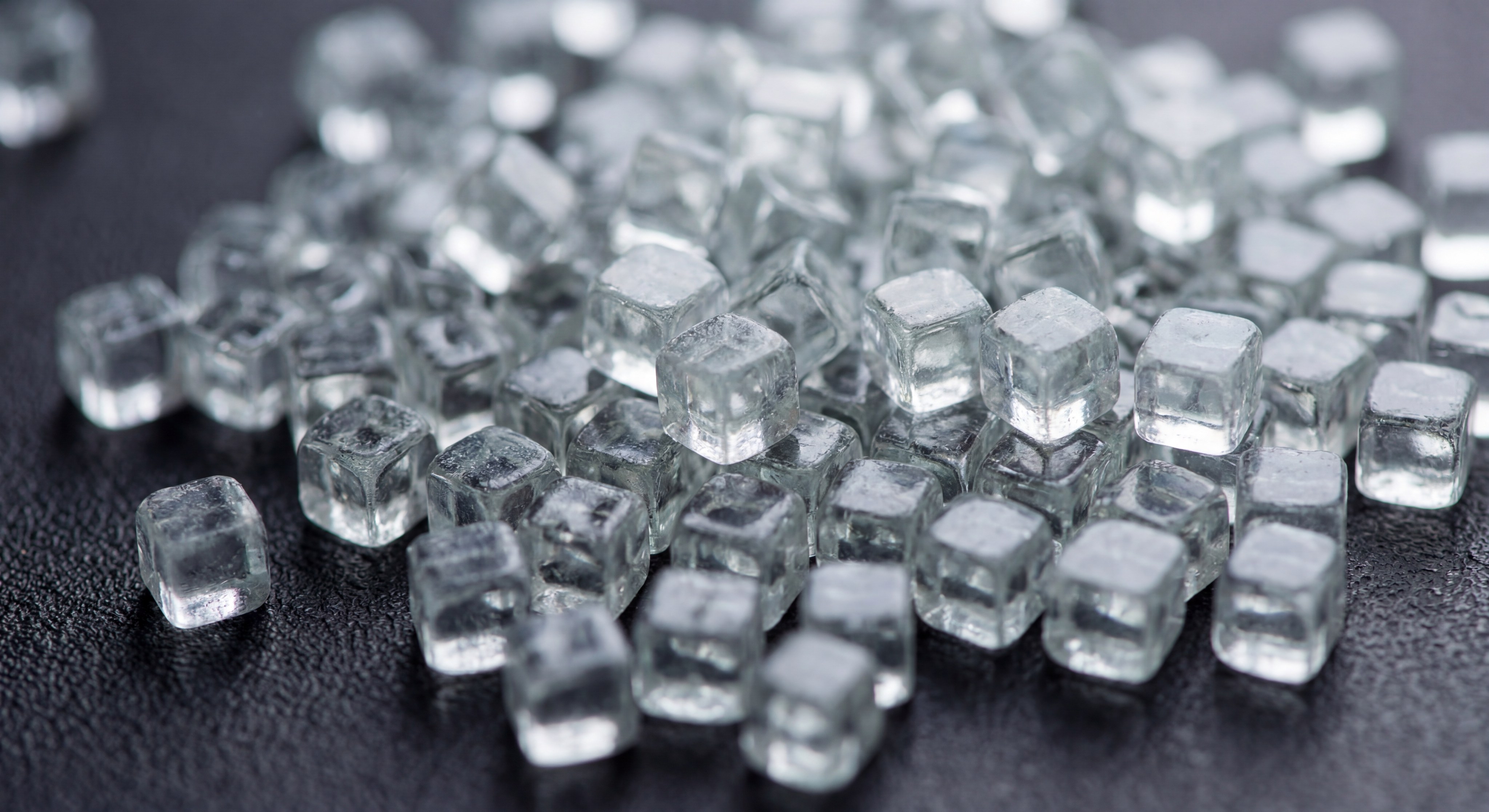
Understanding the safety profiles of Tempered Glass vs Ceramic glass is essential for mitigating injury risks in public spaces. Tempered glass is legally classified as safety glass because it breaks into small, relatively harmless cubes. Ceramic glass, when it fails, breaks into large, sharp shards similar to standard window glass, which can be life-threatening in high-traffic areas.
Keep in mind:
- Tempered glass eliminates the risk of deep lacerations during a collision.
- Ceramic glass requires additional lamination if it needs to meet human-impact safety codes.
- The “pop” of a tempered pane breaking is loud but indicates the safety tension is working.
Why Does Tempered Glass “Dice”?
The internal tension from the manufacturing process forces the glass to break along a complex grid. This prevents the formation of “guillotine” shards that are common in non-safety glass.
Can Ceramic Be Made Safer?
You can find laminated ceramic glass, which sandwiches the ceramic between layers of plastic. This keeps the shards contained but significantly increases the cost and thickness.
Key Takeaway: If the glass is located where people might walk into it, tempered glass is the standard safety requirement.
| Safety Factor | Tempered Glass | Ceramic Glass |
|---|---|---|
| Breakage Pattern | Small Pebbles | Sharp Shards |
| Laceration Risk | Minimal | High |
| Safety Category | Fully Tempered Safety | Fire-Resistant Non-Safety |
The way glass breaks is just as important as how it stands up to pressure when protecting human life.
How Does Cost Compare for Tempered Glass vs Ceramic glass?
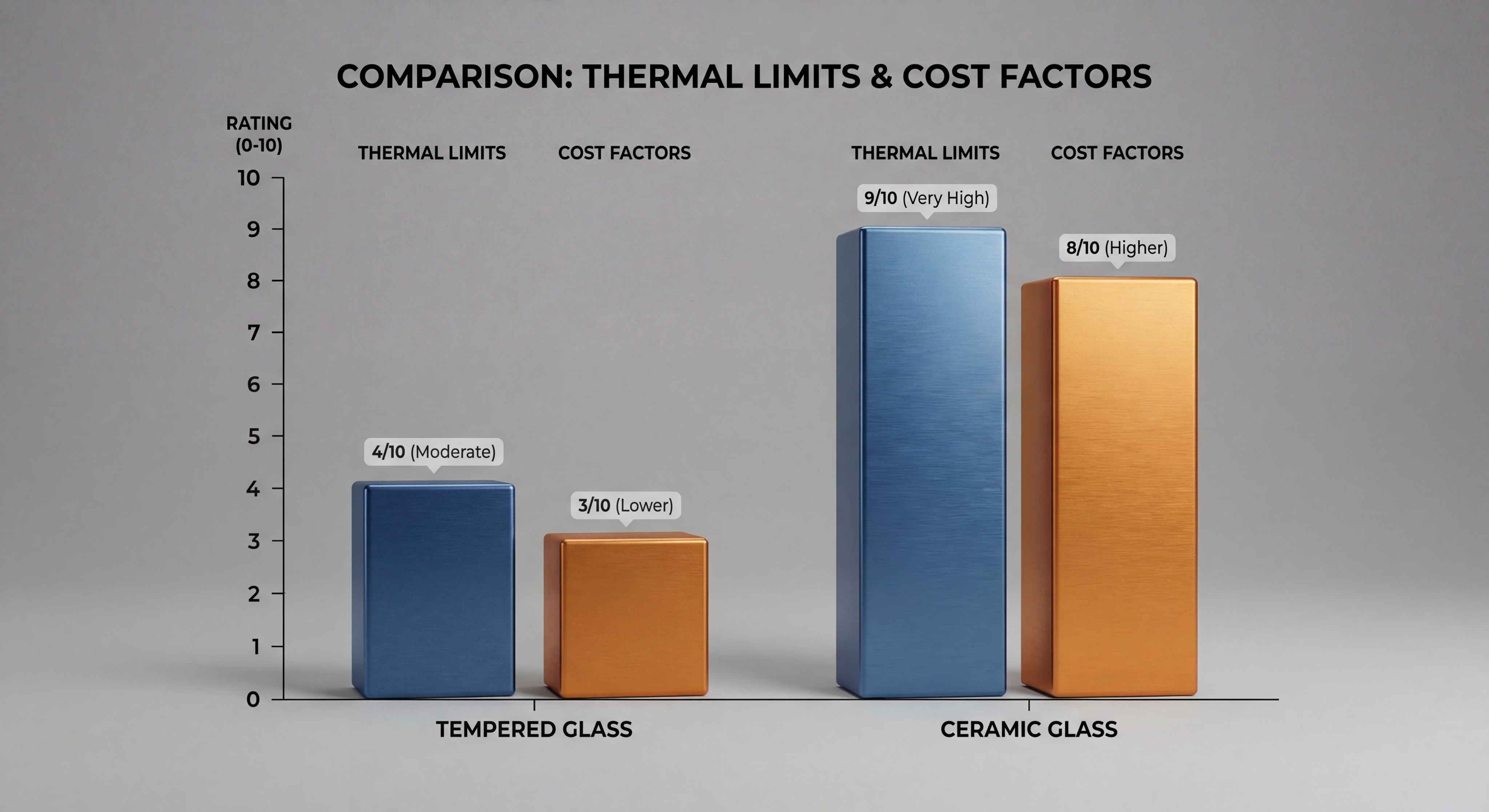
Budget considerations for Tempered Glass vs Ceramic glass can make or break a commercial project’s profitability. Tempered glass is a mass-produced commodity, making it highly affordable even for custom sizes and shapes. Ceramic glass is a specialized engineering material with a price tag often 5 to 10 times higher than its tempered counterpart.
Consider this:
- Large-scale tempering furnaces can process hundreds of sheets per hour.
- Ceramic glass production is a slow, boutique process with higher energy requirements.
- Shipping ceramic glass requires more protective packaging due to its brittleness.
Is Customization More Expensive?
Yes, because ceramic glass is harder to work with and more prone to breakage during fabrication. Every cut or hole in a ceramic pane adds significant labor costs.
What Is the Long-Term ROI?
Using ceramic where tempered would suffice is a waste of capital. However, using tempered where ceramic is needed leads to frequent replacements, which is more expensive over time.
Key Takeaway: Reserve ceramic glass for the “hot zones” and use tempered glass for everything else to optimize your budget.
| Cost Element | Tempered Glass | Ceramic Glass |
|---|---|---|
| Base Price | Low to Moderate | Very High |
| Replacement Frequency | Low | Low (if used correctly) |
| Fabrication Cost | Standard | Premium |
Precision in material selection ensures that you are paying for performance, not just a premium label.
How Do You Clean Tempered Glass vs Ceramic glass?
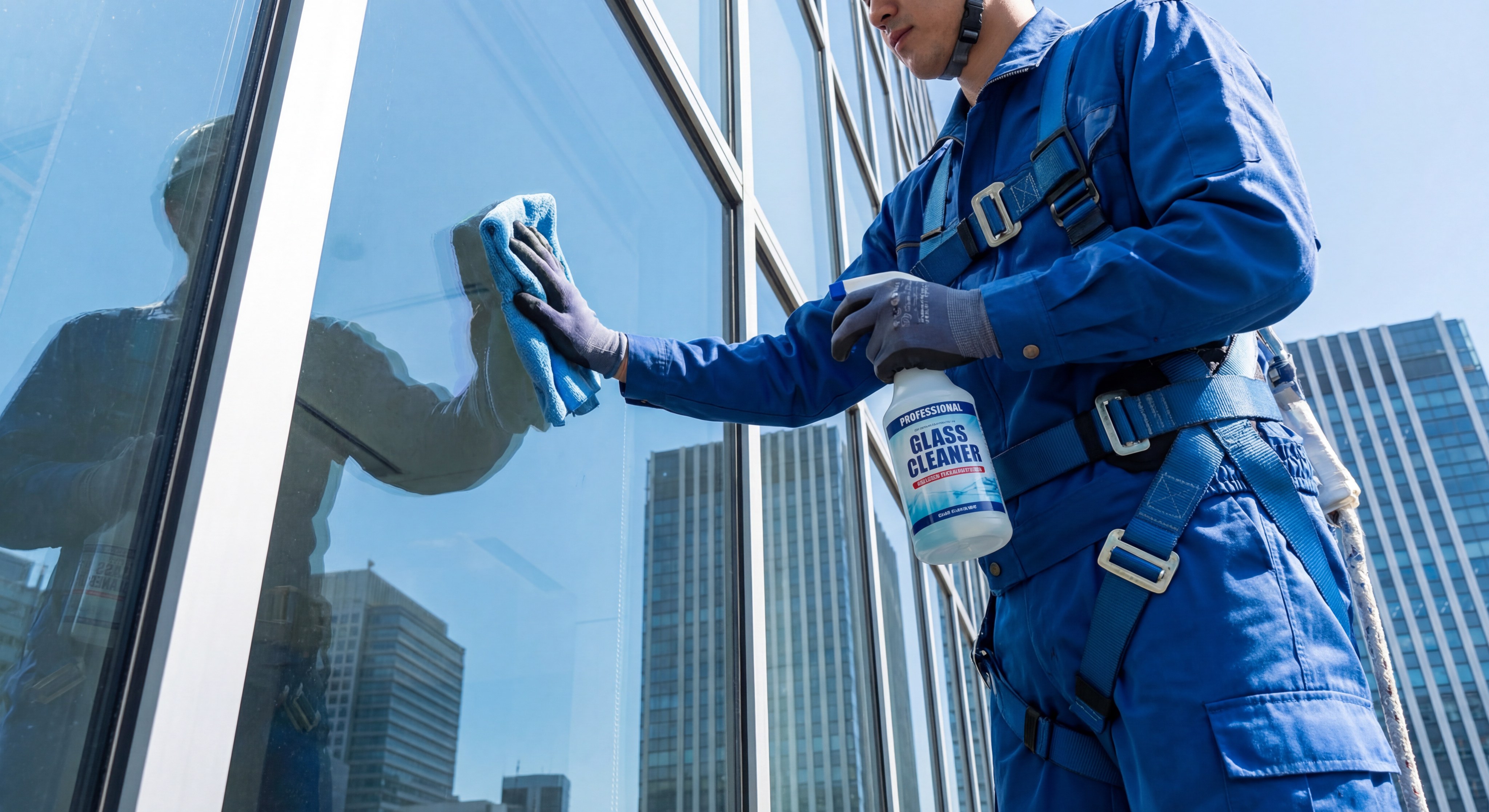
Maintenance protocols for Tempered Glass vs Ceramic glass differ based on the type of residue they typically accumulate. Tempered glass in architectural settings usually faces dust and fingerprints, requiring standard ammonia-free cleaners. Ceramic glass in industrial or fireplace settings faces “creosote” and carbon buildup, which requires specialized non-abrasive creams.
The reality is:
- Using a razor blade on tempered glass can catch “zinc nodules” and cause scratches.
- Abrasive pads will ruin the optical surface of ceramic glass over time.
- Both materials are sensitive to chemical etching if the wrong industrial solvent is used.
Are Specialized Cleaners Necessary?
For ceramic glass used in stoves, a specialized “ceramic cooktop” cleaner is best. This removes burnt-on carbon without scratching the crystal structure.
Can You Clean Them While Hot?
You should never clean tempered glass while it is hot, as it may cause thermal shock. Ceramic glass can technically handle it, but for safety and to prevent streaking, wait for it to cool.
Key Takeaway: Use soft microfiber cloths and pH-neutral cleaners to preserve the surface integrity of both glass types.
| Cleaning Factor | Tempered Glass | Ceramic Glass |
|---|---|---|
| Common Residue | Dust/Smudges | Carbon/Creosote |
| Tool Preference | Squeegee/Microfiber | Soft Cloth/Specialty Cream |
| Scrape Resistance | Moderate | Low |
Proper maintenance extends the life of the glass and ensures that safety and thermal properties remain intact.
How Do You Choose Tempered Glass vs Ceramic glass for Projects?
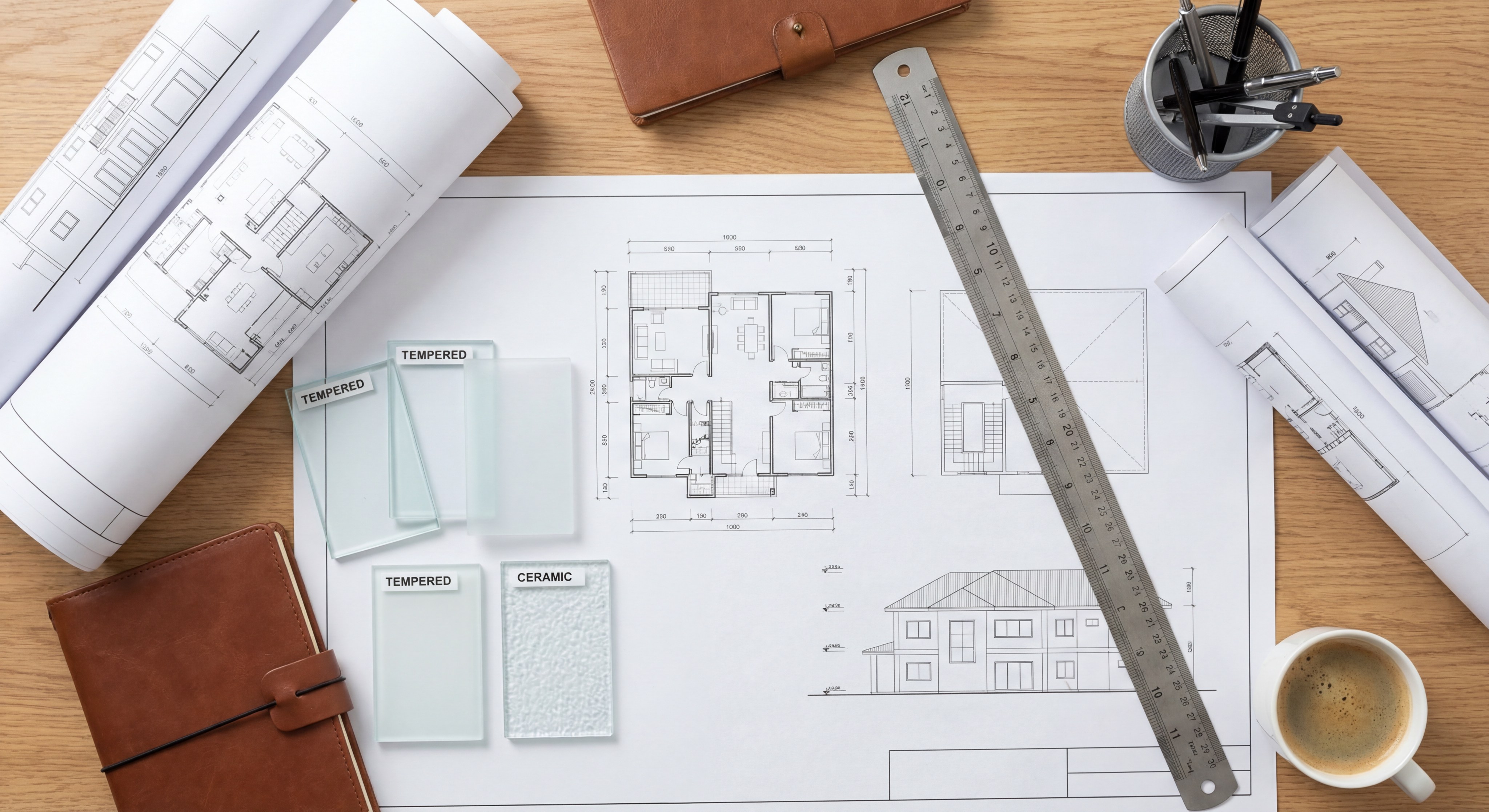
Selecting between Tempered Glass vs Ceramic glass requires a clear hierarchy of needs: heat, impact, or cost. If your project involves a commercial kitchen, an industrial furnace, or a wood-burning stove, ceramic is the only safe option. For storefronts, shower enclosures, or skyscraper facades, tempered glass provides the necessary safety and structural strength at a fraction of the cost.
Look:
- Identify the maximum temperature the glass will ever reach.
- Assess the likelihood of human or mechanical impact.
- Check local fire and safety codes for the specific installation zone.
Should I Ask an Engineer?
Yes, especially if the application is industrial. A minor miscalculation in thermal expansion or pressure loads can lead to catastrophic failure.
Is Lead Time a Factor?
Tempered glass typically has shorter lead times because more factories have the necessary equipment. Ceramic glass might require sourcing from specialized manufacturers.
Key Takeaway: When in doubt, specify ceramic for heat and tempered for strength to ensure project compliance and safety.
| Project Need | Preferred Glass | Reason |
|---|---|---|
| Extreme Heat | Ceramic | Near-zero expansion |
| Structural/Safety | Tempered | High impact resistance |
| Tight Budget | Tempered | Commodity pricing |
The right choice ensures your project remains safe, compliant, and cost-effective for years to come.
Summary of Solutions
Choosing between tempered and ceramic glass solves several critical B2B challenges:
- Safety Risk Mitigation: Using tempered glass prevents sharp-shard injuries in public spaces.
- Operational Continuity: Specifying ceramic glass prevents thermal-shock shutdowns in industrial heating.
- Cost Optimization: Proper selection avoids the unnecessary expense of over-engineering or frequent replacements.
Ready to secure high-quality materials for your next project? Contact us today to discuss your specifications with our expert team and receive a custom quote tailored to your engineering needs.
PrimePro Glass: Engineering Clarity and Strength for the Modern Built Environment.
FAQ
- Can I cut tempered glass after it has been heat-treated?
Concise Judgment: No. Tempered glass is under immense internal tension; any attempt to cut or drill it will cause the entire pane to shatter instantly into small pieces. - What’s the best glass for a high-efficiency wood stove?
Concise Judgment: Ceramic glass. Wood stoves produce temperatures that far exceed the limits of tempered glass, and only ceramic can handle direct flame contact safely. - How do I know if my existing glass is tempered or ceramic?
Concise Judgment: Check for a permanent stamp (bug) in the corner. Tempered glass almost always has a safety logo, while ceramic glass is often unstamped or has a subtle amber tint when viewed from the edge. - Can I use ceramic glass in a bathroom shower door?
Concise Judgment: It is not recommended. While it won’t break from heat, ceramic glass is more expensive and breaks into dangerous sharp shards, unlike the safe pebbles of tempered glass. - How do I know if I need fire-rated glass for my building?
Concise Judgment: Consult your local building codes and fire marshal. Generally, if the glass is near a property line or in a designated exit stairwell, ceramic-based fire-rated glass is required.