Yes, tempered glass is technically recyclable, but you must find a facility equipped to process its unique chemical and thermal properties. Imagine you are managing a renovation and suddenly face a mountain of shattered safety panels that won’t fit in your standard bins. This disposal dilemma creates massive safety hazards for your team and contributes to the millions of years glass takes to decompose in local landfills. Fortunately, understanding why tempered glass recyclable options exist can help you transform this waste into a sustainable resource through specialized channels.
Why is tempered glass recyclable in some areas?
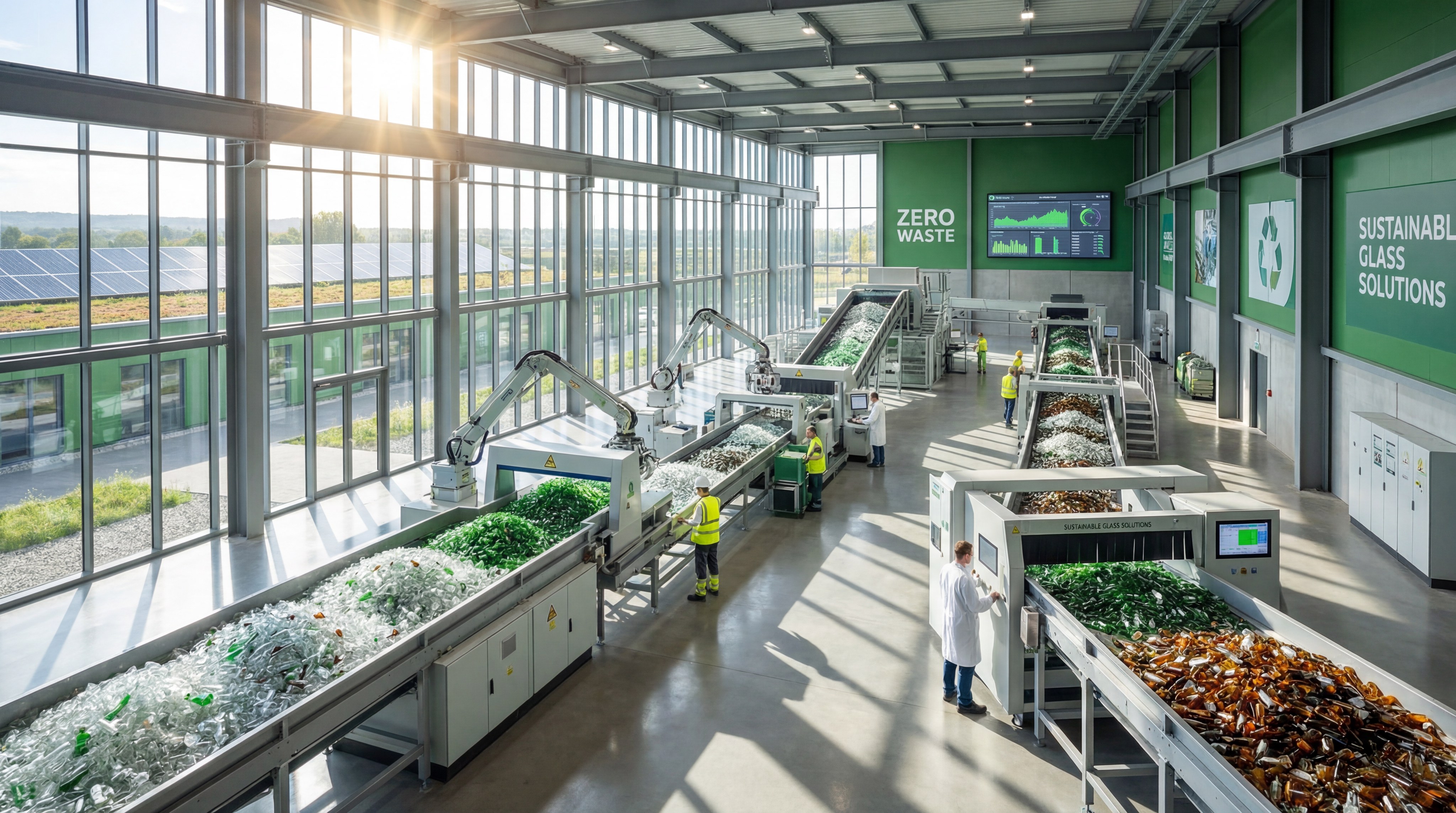
Tempered glass is recyclable in regions where specialized industrial furnaces can reach the extreme temperatures required to melt safety-treated materials. Most municipal programs lack this infrastructure, but industrial hubs often provide the tempered glass recyclable solutions needed for high-strength glass.
Does your local center accept it?
Regional infrastructure dictates whether your local facility can process these materials effectively. Many standard centers reject safety glass because it ruins the chemistry of bottle glass batches.
Here is the deal:
- Municipalities often focus on food-grade containers only.
- Industrial recyclers are more likely to accept safety glass.
- Specialized heat-resistant furnaces are a prerequisite for processing.
Regional rules for safety glass
Local regulations vary significantly based on the chemicals used during the glass manufacturing process. You must check with your county’s hazardous waste or industrial disposal division for specific compliance rules.
The bottom line:
- State laws may mandate industrial glass recycling for contractors.
- Local fees might apply to specialized drop-offs.
- Chemical purity determines the final use of the recycled material.
Key Takeaway: Recyclability is determined by the presence of high-heat industrial furnaces and local environmental mandates.
| Aspect | Detail |
|---|---|
| Local Availability | Dependent on regional industrial furnace infrastructure. |
| Regulation Type | Varies by state; often categorized as industrial waste. |
This data highlights that regional infrastructure is the primary hurdle for those seeking to recycle safety materials.
Is tempered glass recyclable like standard glass?
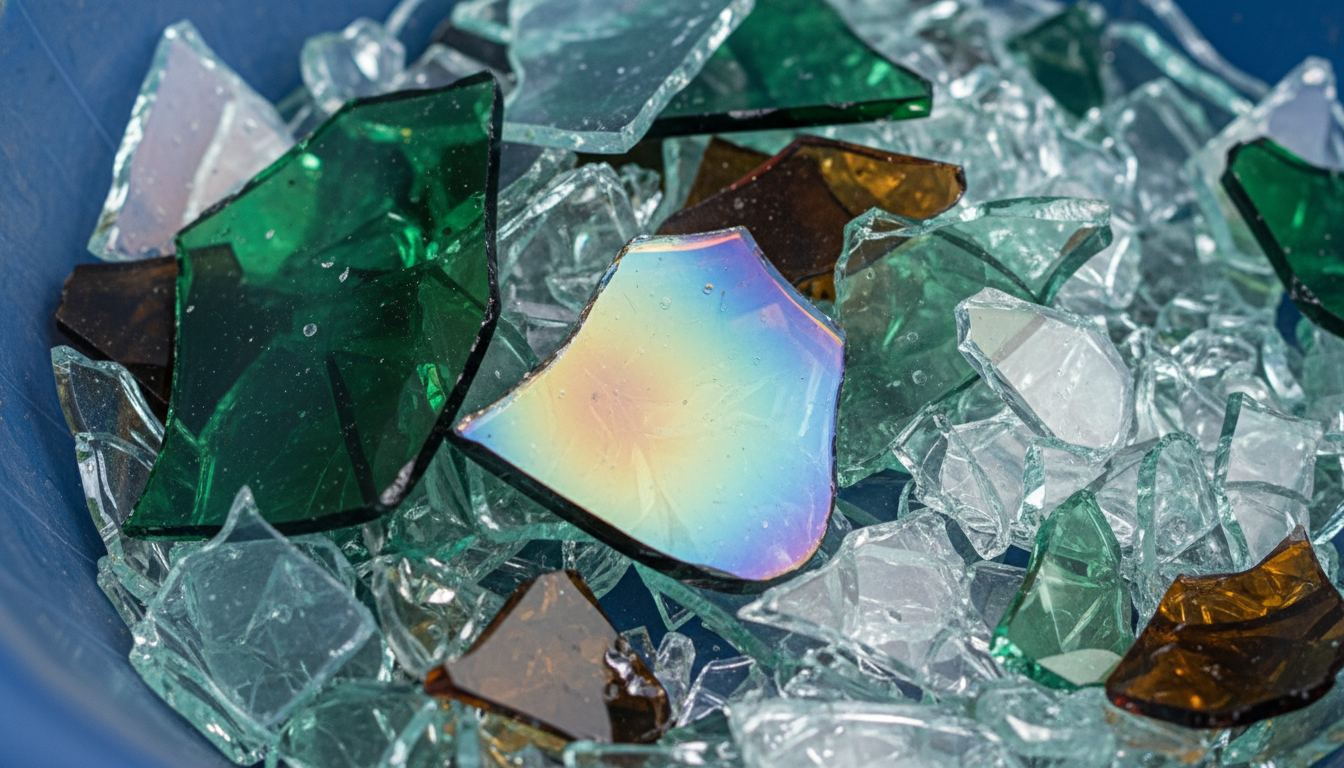
No, tempered glass is not recyclable in the same manner as standard bottle glass because it has a significantly higher melting point. Attempting to mix the two can contaminate entire batches, making the tempered glass recyclable keyword critical to distinguish from consumer-grade cullet.
Why normal bins are not the answer
Mixing safety glass into curbside bins causes massive production failures at the plant. The chemical treatments used to strengthen the glass prevent it from melting alongside jars and bottles.
Think about this:
- Standard glass melts at much lower temperatures than safety glass.
- “Stones” or unmelted chunks can ruin a new batch of bottles.
- Contamination leads to entire truckloads being sent to the landfill.
The role of soda lime and silica
While the core components of tempered glass are 100% renewable, the tempering process changes how these materials respond to heat. Silica and soda lime remain valuable, but they require specialized handling to return to the manufacturing cycle.
But wait, there is more:
- Silica is a never-ending resource if handled correctly.
- Tempered shards can be used as “cullet” for new industrial glass.
- High-purity silica from safety glass is ideal for fiberglass insulation.
Key Takeaway: Tempered glass requires higher processing temperatures, making it incompatible with standard curbside recycling streams.
| Feature | Tempered vs. Standard |
|---|---|
| Material Base | Silica and Soda Lime for both. |
| Recycling Bin Safe? | No, tempered glass causes batch contamination. |
Understanding these chemical differences is the first step toward responsible glass management.
How is tempered glass recyclable through art?

Tempered glass is highly recyclable through community art projects because its shattered “pebble” shape is safer and more aesthetically pleasing for mosaics. By choosing this route, you ensure your tempered glass recyclable materials find a second life as beautiful public installations.
Repurposing glass for community projects
Art centers frequently seek donated tempered shards to create murals and outdoor sculptures. Since tempered glass breaks into small, dull-edged cubes, it is the perfect medium for student and community workshops.
The result?
- Public murals gain a crystalline, shimmering quality.
- Safety glass provides a durable material for outdoor exposure.
- Waste is diverted from landfills into local cultural assets.
Creative ways to reuse small pieces
You can also repurpose small quantities of safety glass for landscaping or decorative home accents. These pieces provide excellent drainage in garden beds while reflecting light beautifully in the sun.
Here is the kicker:
- Tumbled shards work as a premium alternative to traditional gravel.
- Small pieces can be set in resin for custom countertops.
- Glass mulch helps retain soil moisture without attracting pests.
Key Takeaway: Aesthetic repurposing provides an immediate, low-energy method for recycling tempered materials into community assets.
| Reuse Method | Application |
|---|---|
| Mosaics | Community murals and student art workshops. |
| Landscaping | Decorative garden mulch and reflective drainage stones. |
Repurposing glass for art serves as a functional and visual victory for sustainability.
Why is finding tempered glass recyclable options hard?
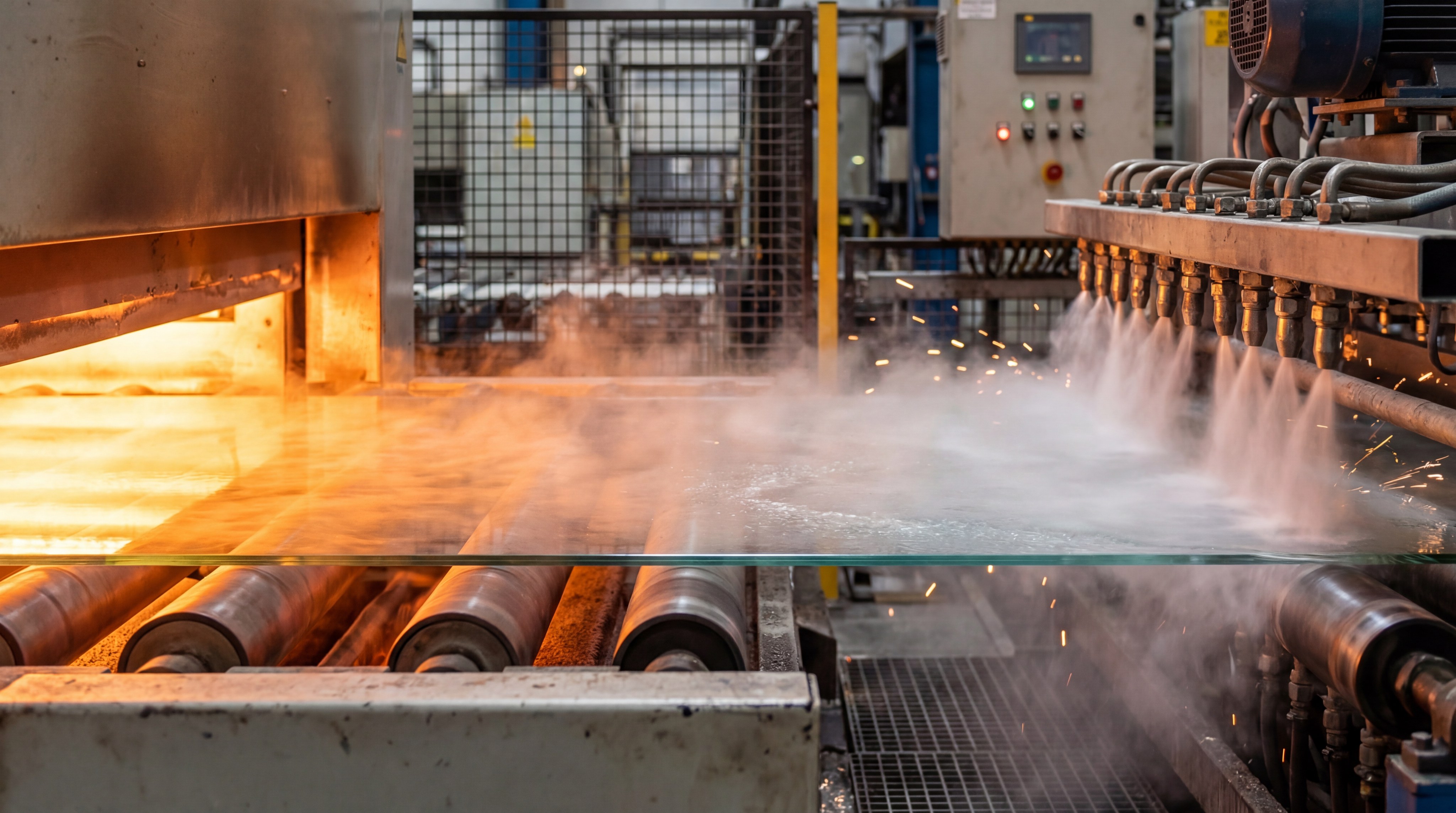
Finding tempered glass recyclable options is difficult because the tempering process creates a molecular structure that resists standard remelting techniques. Most facilities simply find it more cost-effective to process standard glass than to invest in the high-energy requirements for safety glass.
Chemical treatments and durability factors
The thermal or chemical treatments that make the glass safe also make it stubborn during the recycling phase. Unlike standard glass, safety panels are designed specifically to withstand extreme stress and heat.
Believe it or not:
- Tempered glass is roughly four times stronger than standard plate glass.
- Its high thermal resistance requires specialized industrial furnaces.
- The cost of the energy required often exceeds the value of the raw cullet.
The cost of processing safety glass
Economic factors play a massive role in why your local center might refuse safety glass. Many facilities must charge a fee to handle these materials because they require extra sorting and higher furnace run times.
Here’s the deal:
- Labor costs for manual sorting can be prohibitively high.
- Specialized crushers are needed to handle the pebble-like shards.
- Markets for safety-glass cullet are smaller than those for bottle glass.
Key Takeaway: High melting points and economic processing costs create significant barriers to widespread safety glass recycling.
| Challenge | Impact on Recycling |
|---|---|
| Heat Sensitivity | Requires specialized, high-energy industrial equipment. |
| Processing Cost | Higher energy and labor costs reduce profit margins. |
The difficulty in recycling stems from the very strength that makes tempered glass so desirable in construction.
What makes tempered glass recyclable for raw materials?
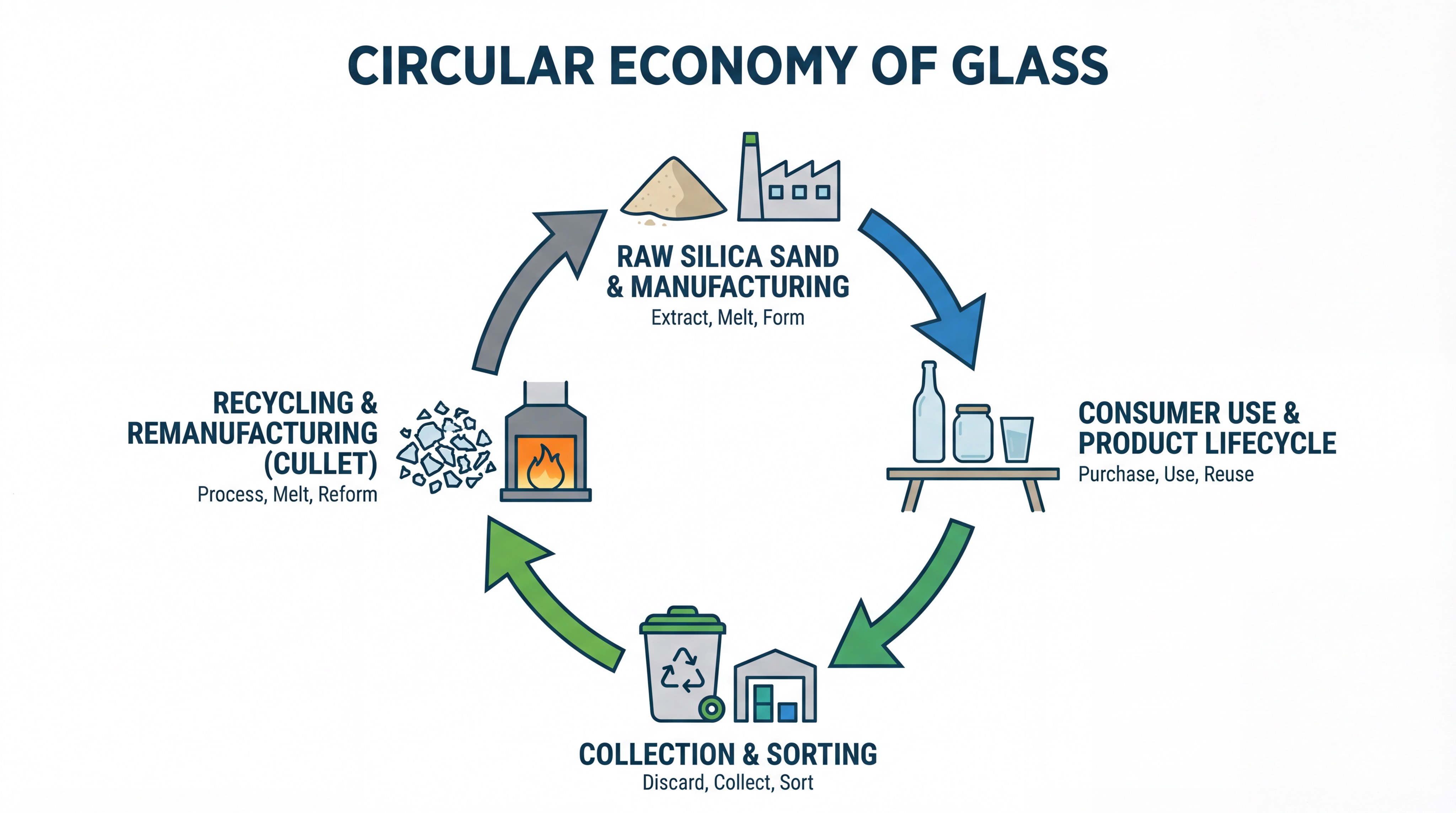
Tempered glass is recyclable for raw materials because it contains high concentrations of pure silica that can be repurposed into fiberglass or industrial abrasives. Using a tempered glass recyclable stream ensures these minerals stay in the circular economy rather than being buried.
Using glass as a renewable resource
Silica sand is the backbone of the glass industry, and recycling it saves significant energy compared to mining raw sand. When safety glass is crushed into cullet, it can be remelted to create new industrial-grade products.
It gets better:
- Recycling one ton of glass saves over 1,300 pounds of sand.
- Cullet melts at a lower temperature than raw materials, saving fuel.
- Glass can be recycled infinitely without losing its structural purity.
Environmental benefits of glass reuse
Reducing the volume of glass in landfills is a major environmental win, as glass never truly decomposes. By diverting safety glass, you help lower the carbon footprint associated with both waste management and glass manufacturing.
Think about this:
- Recycling reduces greenhouse gas emissions from furnace operations.
- Keeping glass out of landfills protects sanitation equipment.
- Every recycled panel contributes to a more sustainable building industry.
Key Takeaway: Utilizing safety glass as a raw material source drastically reduces energy consumption and preserves natural sand resources.
| Benefit | Environmental Impact |
|---|---|
| Energy Savings | Reduces furnace fuel consumption by using cullet. |
| Waste Reduction | Prevents permanent landfill accumulation of silica. |
Transitioning to a circular economy for glass is essential for modern industrial sustainability.
Is broken tempered glass recyclable and safe?
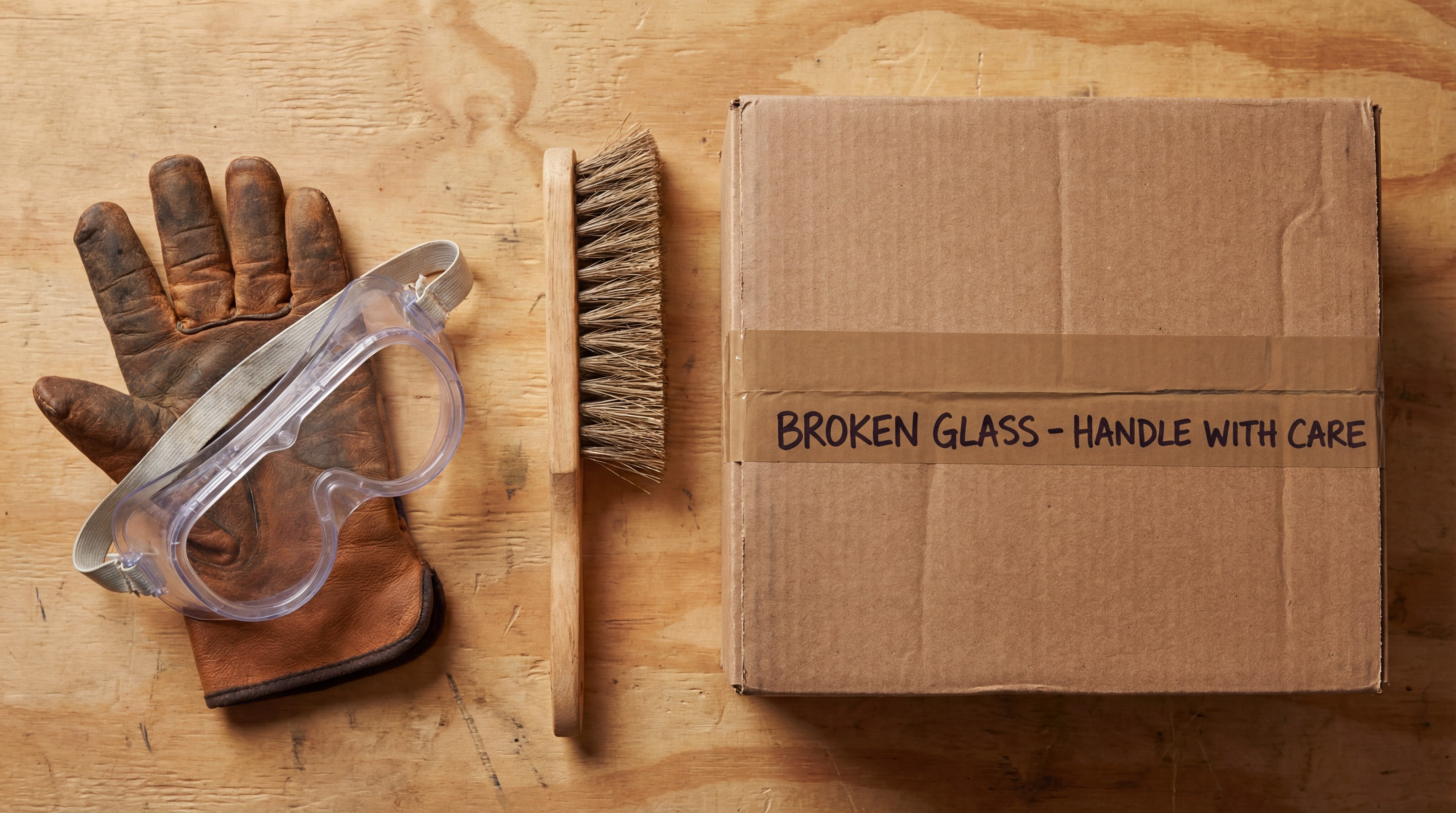
Broken tempered glass is recyclable, and it is actually safer to handle than standard glass because it shatters into small, relatively dull fragments. However, you still need to follow specific safety protocols to ensure the tempered glass recyclable fragments don’t cause injury during transit.
Proper steps for handling shards
When a tempered panel breaks, you should use a heavy-duty broom to gather the small “pebbles” into a centralized pile. Avoid using your bare hands, as even dull edges can cause micro-cuts if enough pressure is applied.
Here is the kicker:
- Use thick cardboard boxes instead of plastic bags for storage.
- Double-bag small fragments to prevent punctures during transport.
- Clearly label all containers as “Broken Safety Glass” for handlers.
Essential gear for glass disposal
Safety should be your top priority when preparing glass for a recycling center. High-strength glass debris can still pose risks to your eyes and skin if a panel continues to crumble or pop.
But wait, there is more:
- Puncture-resistant gloves are a non-negotiable requirement.
- ANSI-rated safety goggles protect against flying glass splinters.
- Heavy-soled boots prevent shards from piercing through to your feet.
Key Takeaway: Safe handling through proper protective gear and sturdy containers is mandatory for successful safety glass recycling.
| Safety Step | Required Material |
|---|---|
| Collection | Heavy-duty broom and cardboard containment. |
| Protection | Puncture-resistant gloves and safety eyewear. |
Handling safety glass requires a disciplined approach to ensure the well-being of your logistics team.
Is tempered glass recyclable at municipal centers?
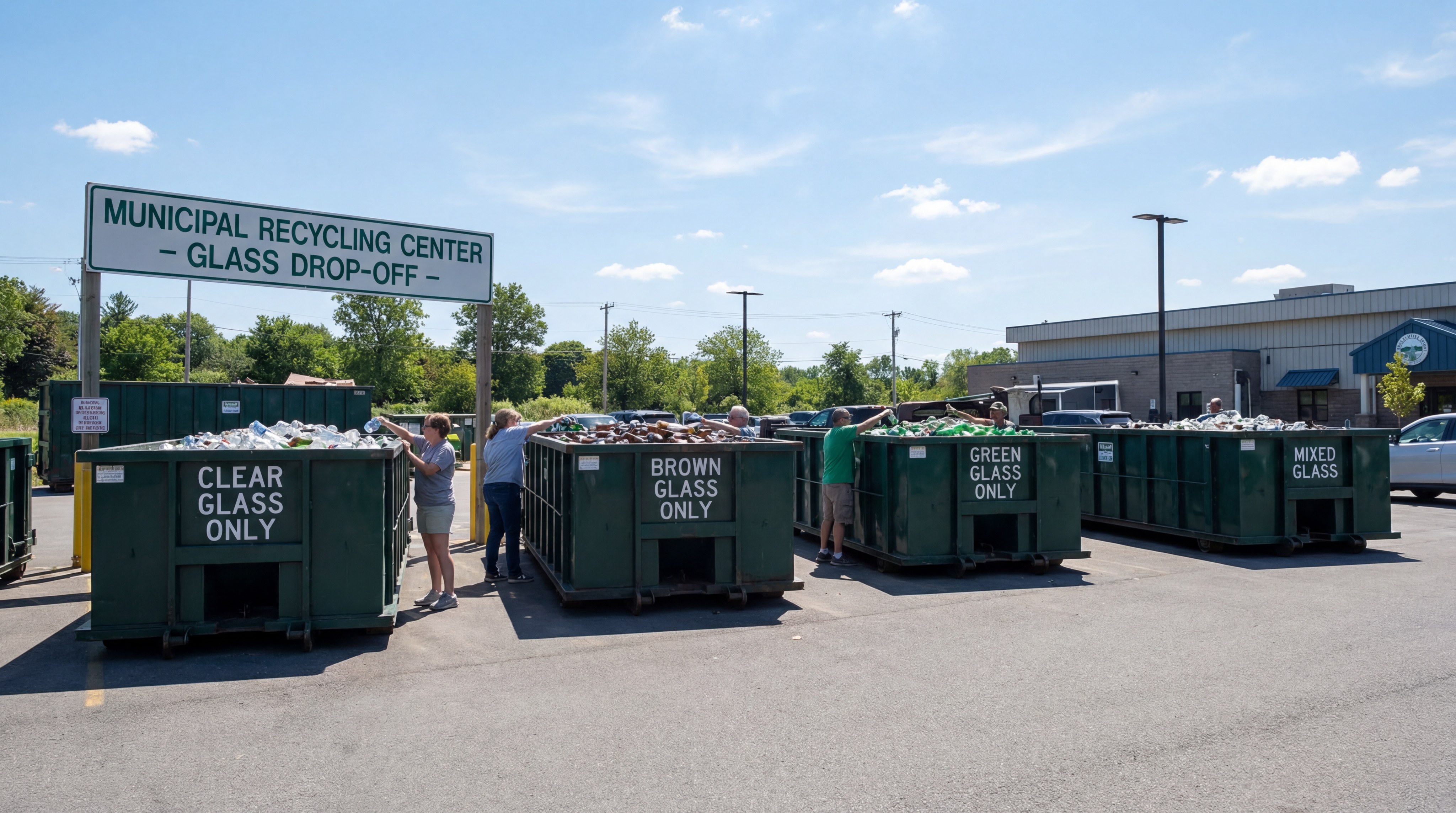
Tempered glass is rarely recyclable at standard municipal centers, though some cities offer specialized drop-off days for construction debris. If you are searching for a tempered glass recyclable outlet, you should verify with your city’s waste department before arriving with a load.
Checking your local waste program
Most curbside programs explicitly forbid safety glass because their automated sorting machines cannot distinguish it from bottle glass. You must call ahead to see if they have a dedicated bin for “flat glass” or “plate glass.”
The bottom line:
- Cities with high industrial activity are more likely to accept it.
- Online waste directories often list specialized glass recyclers.
- Always ask specifically about “tempered” or “heat-treated” glass.
What to do if the city says no
If your local municipality rejects the material, your next best option is a private industrial waste management firm. These companies specialize in large-scale debris and often have the connections to process safety glass.
Here is the deal:
- Private haulers can provide dedicated bins for large projects.
- Industrial landfills sometimes have separate areas for glass recovery.
- Some glass manufacturers offer “buy-back” or “take-back” programs.
Key Takeaway: Municipal centers are often a dead end; look toward industrial waste specialists for reliable safety glass disposal.
| Facility Type | Acceptance Rate |
|---|---|
| Curbside | Extremely Low (Causes contamination issues). |
| Special Drop-off | Moderate (Check for industrial/bulk days). |
Alternative disposal routes are often more effective than relying on standard public services.
How can companies make tempered glass recyclable?

Companies can make tempered glass recyclable by partnering directly with manufacturers to implement closed-loop take-back programs. For large-scale construction sites, ensuring the tempered glass recyclable panels are sorted at the source is the most efficient way to guarantee they are processed correctly.
Partnering with glass manufacturers
Many high-end glass producers are now offering incentives for contractors to return off-cuts and broken panels. This direct-to-factory pipeline ensures that the high-quality silica is immediately reintegrated into the production line.
Think about this:
- Manufacturers already have the furnaces needed to melt tempered cullet.
- Returning glass can sometimes lower the cost of future orders.
- It simplifies the logistics of waste management for the contractor.
Bulk disposal for construction sites
On massive projects, setting up a dedicated “Glass Only” bin can prevent contamination from other construction materials. When glass is kept clean and separate, industrial recyclers are much more likely to accept it at a lower cost.
It gets better:
- Separated glass has a higher market value for recyclers.
- Bulk hauling reduces the number of trips to disposal sites.
- Clean glass can be crushed on-site to save significant storage space.
Key Takeaway: Direct manufacturer partnerships and site-specific sorting are the most effective B2B strategies for glass recycling.
| B2B Solution | Efficiency Level |
|---|---|
| Direct-to-Factory | High (Guarantees immediate material reuse). |
| Industrial Haulers | High (Best for massive volumes and logistics). |
Effective bulk management transforms a waste liability into a streamlined logistics asset.
Is tempered glass recyclable or just disposable?

Tempered glass should be considered recyclable whenever possible, but it is often treated as disposable due to a lack of local processing options. Maintaining the tempered glass recyclable mindset is vital for long-term sustainability goals in the architectural and design sectors.
Tossing it in the trash vs. recycling
Tossing safety glass panels in the general trash is a missed opportunity for resource recovery and a safety risk for sanitation workers. While it may seem easier to dispose of it quickly, the environmental cost of landfilling silica is permanent.
Believe it or not:
- Glass in a landfill will remain there for at least a million years.
- Trash trucks can be damaged by the weight and density of glass.
- Recycling preserves the energy already spent during initial production.
Impact of glass in landfills
When glass is discarded, it occupies valuable space and contributes nothing back to the economy. In a circular economy, every broken shower door or storefront window represents raw material for the next generation of building supplies.
The result?
- Landfills reach capacity slower when glass is diverted.
- The demand for virgin sand mining decreases significantly.
- Corporations can meet their Zero Waste and ESG goals.
Key Takeaway: Treating tempered glass as a recyclable resource is a commitment to the circular economy and long-term environmental health.
| Disposal Method | Time to Decompose |
|---|---|
| Landfill | 1,000,000+ Years (Essentially permanent). |
| Recycling | Immediate Reuse (Infinite lifecycle). |
The choice between disposal and recycling defines a company’s commitment to modern sustainability standards.
Can donation make tempered glass recyclable?
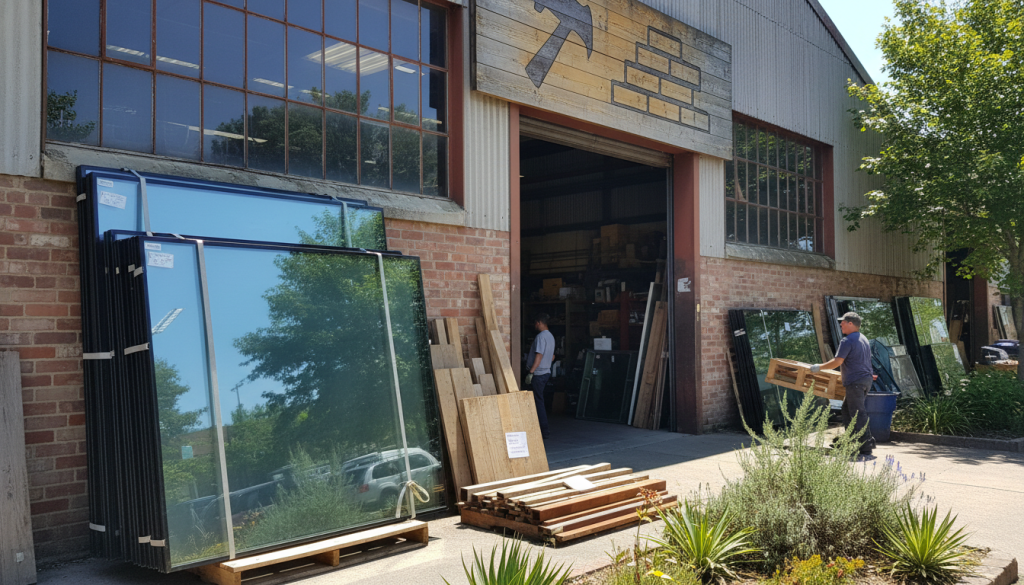
Donation is an excellent way to make tempered glass recyclable by extending its lifecycle through reuse in non-profit building projects. By gifting intact panels, you ensure your tempered glass recyclable materials bypass the energy-intensive melting process and go straight back into service.
Finding art programs for your glass
Many vocational schools and art organizations are constantly looking for high-quality glass for their workshops. Tempered glass is particularly valued for its strength and safety, making it a favorite for student projects.
Here is the kicker:
- Donations may be eligible for tax deductions in some regions.
- You build strong ties with local creative communities.
- Small shards can be used for sandblasting or etching practice.
Donating to community builders
Organizations like Habitat for Humanity often accept intact tempered panels, such as shower doors or large windows, for use in low-cost housing. This type of direct reuse is the highest form of recycling, as it requires zero additional energy for processing.
But wait, there is more:
- Intact panels provide immediate value to families in need.
- Reuse prevents the carbon emissions of manufacturing new panels.
- It is the most cost-effective way to clear out surplus inventory.
Key Takeaway: Donation and direct reuse are the most environmentally friendly methods of “recycling” intact tempered glass.
| Donation Outlet | Best Glass Type |
|---|---|
| Art Schools | Broken shards and small off-cuts. |
| Non-Profits | Intact panels and architectural windows. |
Donating glass transforms surplus inventory into a powerful tool for community development and waste reduction.
Conclusion
Tempered glass is a durable and sophisticated material that requires a specialized approach to disposal and recovery. By moving beyond standard waste streams and exploring industrial recyclers, art programs, or manufacturer take-back initiatives, you can ensure your glass waste serves a greater purpose. Diverting these materials from landfills is not just an environmental necessity; it is a strategic move toward a more sustainable and efficient building industry.
At PrimePro Glass, we believe that high-performance glass should have a lifecycle that matches its strength. If you are ready to integrate sustainable, high-quality glass solutions into your next project, contact us today to discuss our engineering-grade options and technical support. Our vision is to lead the industry in precision manufacturing while fostering a circular economy that protects our planet’s resources.
Frequently Asked Questions
Can I put tempered glass in my curbside bin?
No, you should never put tempered glass in standard curbside bins because it has a higher melting point than container glass. Mixing the two can contaminate the entire recycling batch and damage manufacturing equipment at the processing plant.
What’s the best way to transport broken glass?
The best method is to store shards in double-walled cardboard boxes and secure them with heavy-duty tape. Always label the box clearly as “Broken Glass” to ensure the safety of anyone handling the container during transit.
Can I reuse old shower doors for projects?
Yes, intact shower doors are excellent for reuse in greenhouses, cold frames, or as durable tabletops. Reusing the glass in its current form is the most sustainable option because it eliminates the energy needed for remelting.
How do I know if my glass is tempered?
You can identify tempered glass by looking for a small laser-etched “bug” or watermark in one of the corners. Additionally, tempered glass often has smoother, rounded edges and may show slight distortions when viewed through polarized sunglasses.
Does recycling glass save energy?
Yes, recycling glass saves significant energy because cullet (crushed recycled glass) melts at a much lower temperature than raw sand and soda lime. This reduction in furnace temperature directly lowers fuel consumption and carbon emissions during manufacturing.