Impact glass uses a laminated interlayer to stay intact upon breakage, while tempered glass is heat-treated to crumble into small, safe pebbles. You have likely experienced that sinking feeling when a storm siren wails or a suspicious sound echoes near your storefront in the middle of the night. Choosing the wrong glazing can leave your property vulnerable to catastrophic failure or forced entry, putting your assets and safety at immediate risk. Understanding the technical nuances of Impact Glass vs. Tempered Glass is the essential solution to securing your building envelope effectively.
1. What is the basic difference in Impact Glass vs. Tempered Glass?
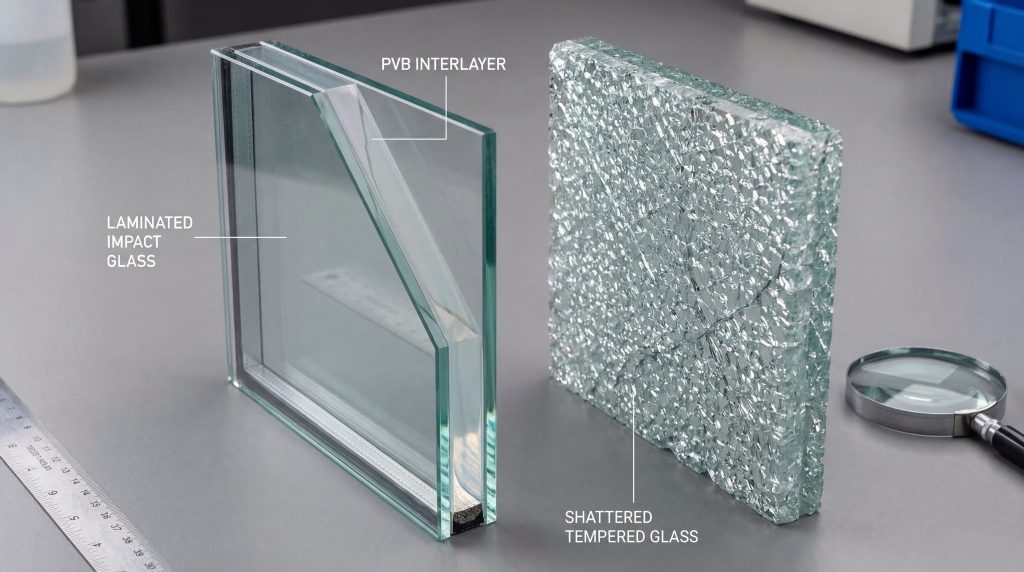
The fundamental difference lies in their structural response to force, where impact-rated units maintain a solid barrier even after fracturing. This technical distinction in Impact Glass vs. Tempered Glass stems from how the glass is manufactured and layered. One emphasizes surface hardness, while the other prioritizes retention of the building’s seal.
How is tempered glass manufactured for safety?
You might be wondering how standard safety glass gains its strength through heat. The process involves heating the pane to high temperatures and rapidly cooling it to create internal compression.
- Rapid Quenching: High-pressure air blasts the hot surface.
- Compression Strength: Creates a pane 4-5 times stronger than annealed glass.
- Safe Fragmentation: Breaks into small “pebbles” rather than sharp shards.
- Thermal Resistance: Handles significant temperature swings without cracking.
What is the construction of laminated glass?
But here is the kicker: laminated glass used for impact resistance involves a permanent bond. Two or more panes are fused with a flexible interlayer that keeps fragments from falling out of the frame.
- Multi-Layer Bond: Uses PVB or SGP plastic interlayers.
- Retention Capability: Holds glass together even when shattered.
- Penetration Resistance: Prevents objects from passing through the unit.
- Code Compliance: Meets specific wind-borne debris requirements.
| Feature | Tempered Glass | Impact Glass |
|---|---|---|
| Composition | Single Heat-Treated Pane | Laminated Multi-Pane Sandwich |
| Failure Mode | Crumbles/Leaves Frame | Cracks/Stays in Frame |
| Primary Goal | Injury Prevention | Property Protection |
This data confirms that tempered glass focuses on personal safety, whereas impact-rated solutions provide a continuous structural defense.
Key Takeaway: You benefit from knowing that while tempered glass is safe for people, only impact glass protects the building’s interior during a breach.
2. Is Impact Glass vs. Tempered Glass better for home security?
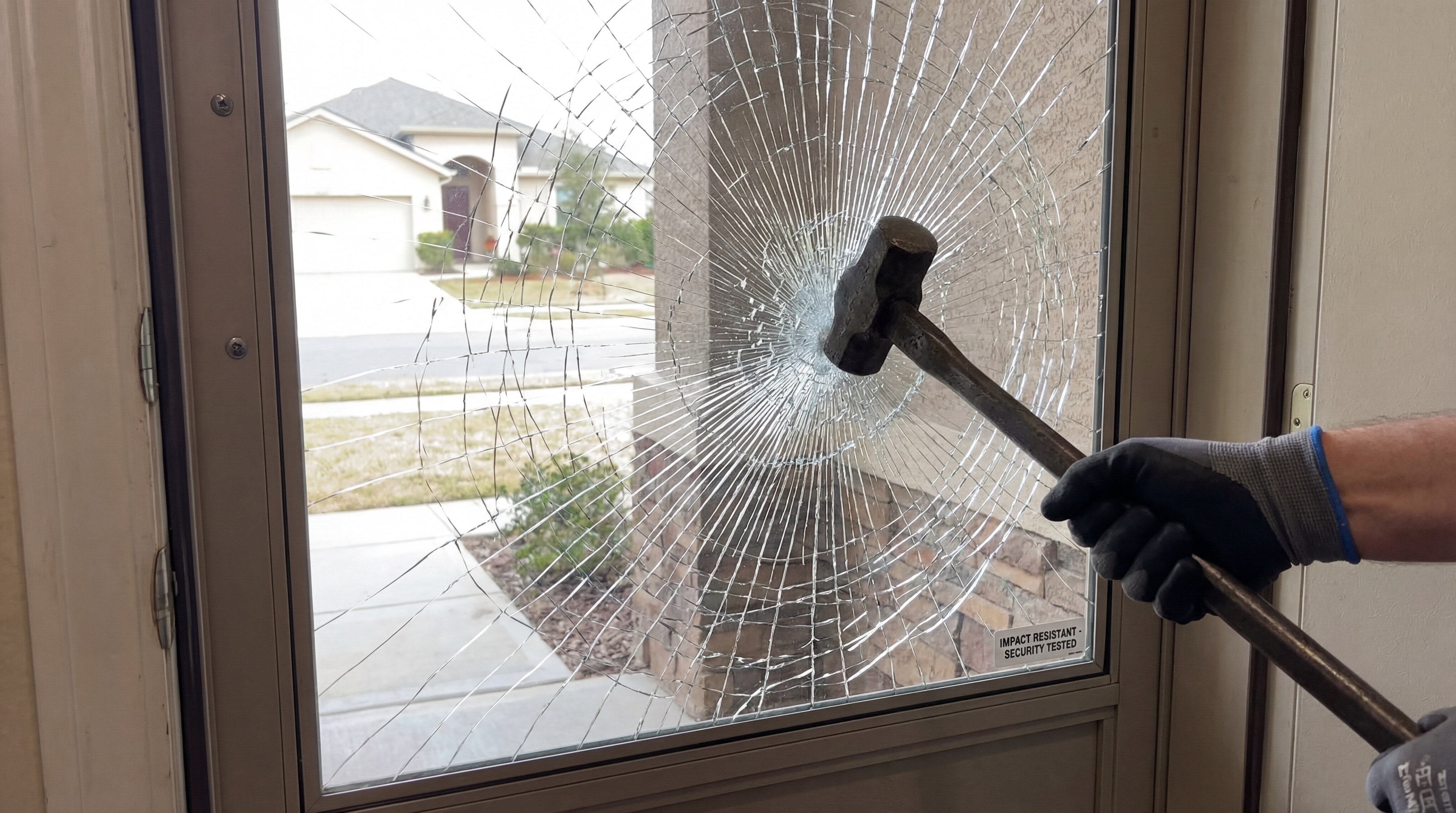
Impact-rated glass is the superior choice for security because its interlayer acts as an unbreakable membrane that resists forced entry attempts. When comparing Impact Glass vs. Tempered Glass, it is clear that tempered panes are easily defeated once their surface tension is compromised. You need a solution that keeps intruders out rather than just breaking safely.
Can burglars easily break through tempered panes?
Think about this for a second: a single punch tool can clear a whole tempered window in seconds. While tempered glass is hard to break with a blunt object, it disappears entirely once it shatters.
- Instant Removal: The entire pane falls away once broken.
- Low Resistance: Offers no barrier after the initial impact.
- Minimal Delay: Intruders can enter the property immediately.
- Visual Clues: Easily identified by professional burglars as a weak point.
Why does the interlayer stop forced entry?
Wait, there is more to the story when you use laminated security systems. The plastic interlayer is incredibly difficult to pierce or cut, even if the glass layers on either side are completely spiderwebbed.
- Sticky Bond: Glass fragments adhere to the interlayer.
- Physical Deterrent: Requires loud, sustained effort to breach.
- Energy Absorption: Spreads the force of impacts across the surface.
- Constant Shield: Works 24/7 without needing to be armed or activated.
| Threat Level | Tempered Performance | Impact Performance |
|---|---|---|
| Smash and Grab | Poor (Presents no obstacle) | Excellent (Maintains barrier) |
| Sustained Attack | Failing (Instant removal) | High (Requires heavy tools) |
| Visual Deterrent | Minimal | Significant |
Laminated systems provide a physical obstacle that effectively doubles as a psychological deterrent against unauthorized access.
Key Takeaway: You can enjoy total peace of mind knowing that impact glass creates a nearly impenetrable barrier for your ground-floor windows.
3. Does Impact Glass vs. Tempered Glass withstand hurricane winds?
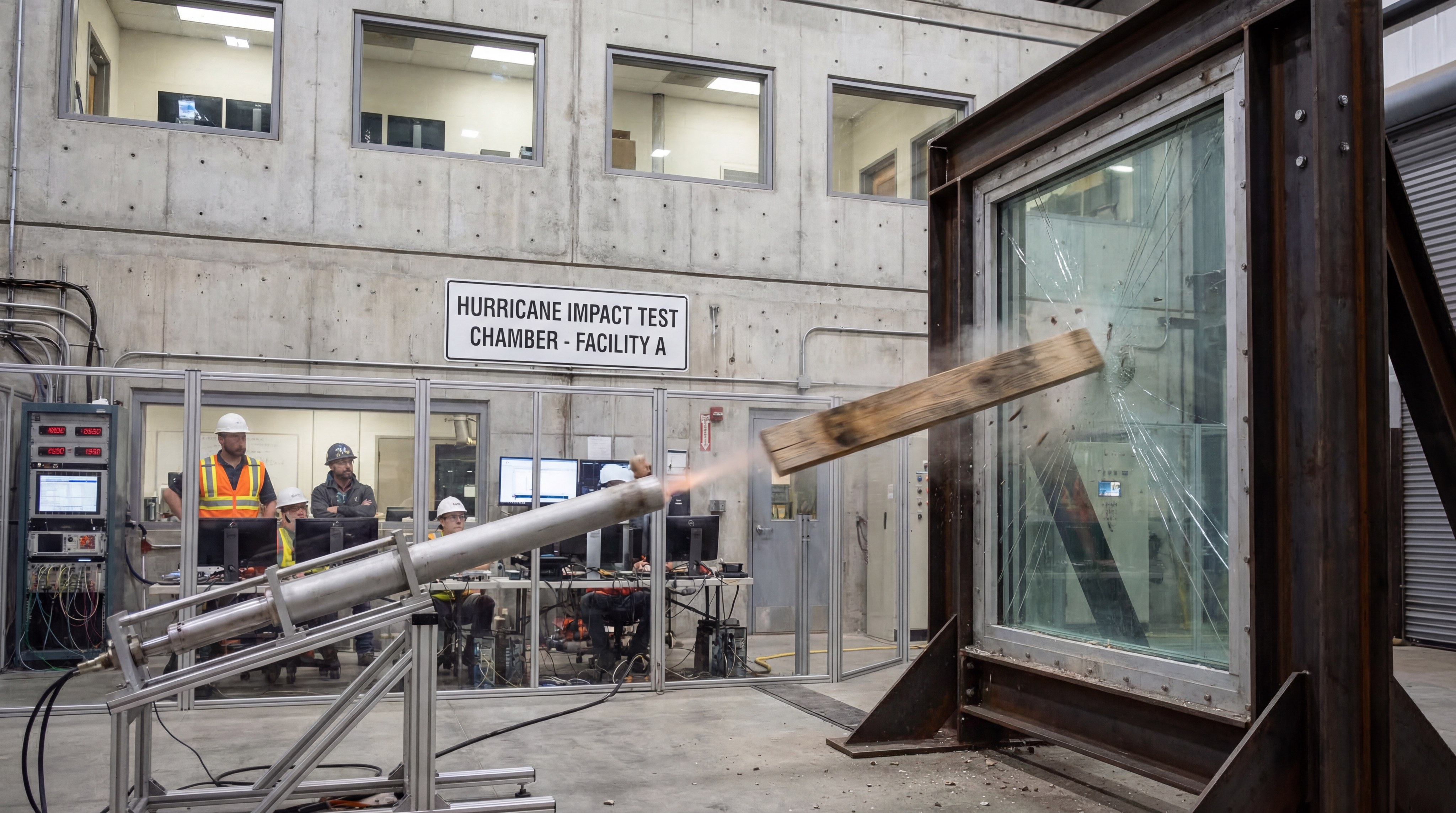
Only impact-rated glass is certified to withstand the wind-borne debris and pressure cycles associated with major hurricanes. Standard safety glazing in the Impact Glass vs. Tempered Glass debate fails to meet the High-Velocity Hurricane Zone (HVHZ) requirements. You risk structural collapse if a window breaks and allows internal pressure to lift the roof.
Does tempered glass meet hurricane safety codes?
Here is the reality: tempered glass is generally not accepted as “hurricane-proof” in coastal jurisdictions. It cannot handle the impact of a projectile like a roof tile or a tree limb traveling at high speeds.
- Zero Debris Rating: Shallows into pebbles upon any significant strike.
- Pressure Vulnerability: Leaves the building envelope open to wind.
- Code Exclusion: Fails Large Missile Impact tests.
- Risk of Loss: Can lead to total building destruction if breached.
How does impact glass handle debris strikes?
Believe it or not, these units are tested by firing 9-pound wooden 2x4s at the surface. The glass is designed to crack but remain firmly in the frame to preserve the structural seal.
- Large Missile Testing: Withstands high-speed projectile hits.
- Cycle Pressure Loading: Resists thousands of wind gusts after cracking.
- Insurance Credits: Often qualifies you for significant premium reductions.
- Passive Protection: No need for heavy shutters or plywood during storms.
| Hurricane Metric | Tempered Glass | Impact Glass |
|---|---|---|
| HVHZ Approved | No | Yes |
| Projectile Shield | Failing | Passing |
| Seal Maintenance | None | Continuous |
The technical data proves that impact glass is the only legitimate defensive glazing for regions prone to extreme weather events.
Key Takeaway: By choosing impact glass, you prevent catastrophic wind pressure changes that could otherwise destroy your entire property.
4. How does cost vary between Impact Glass vs. Tempered Glass?
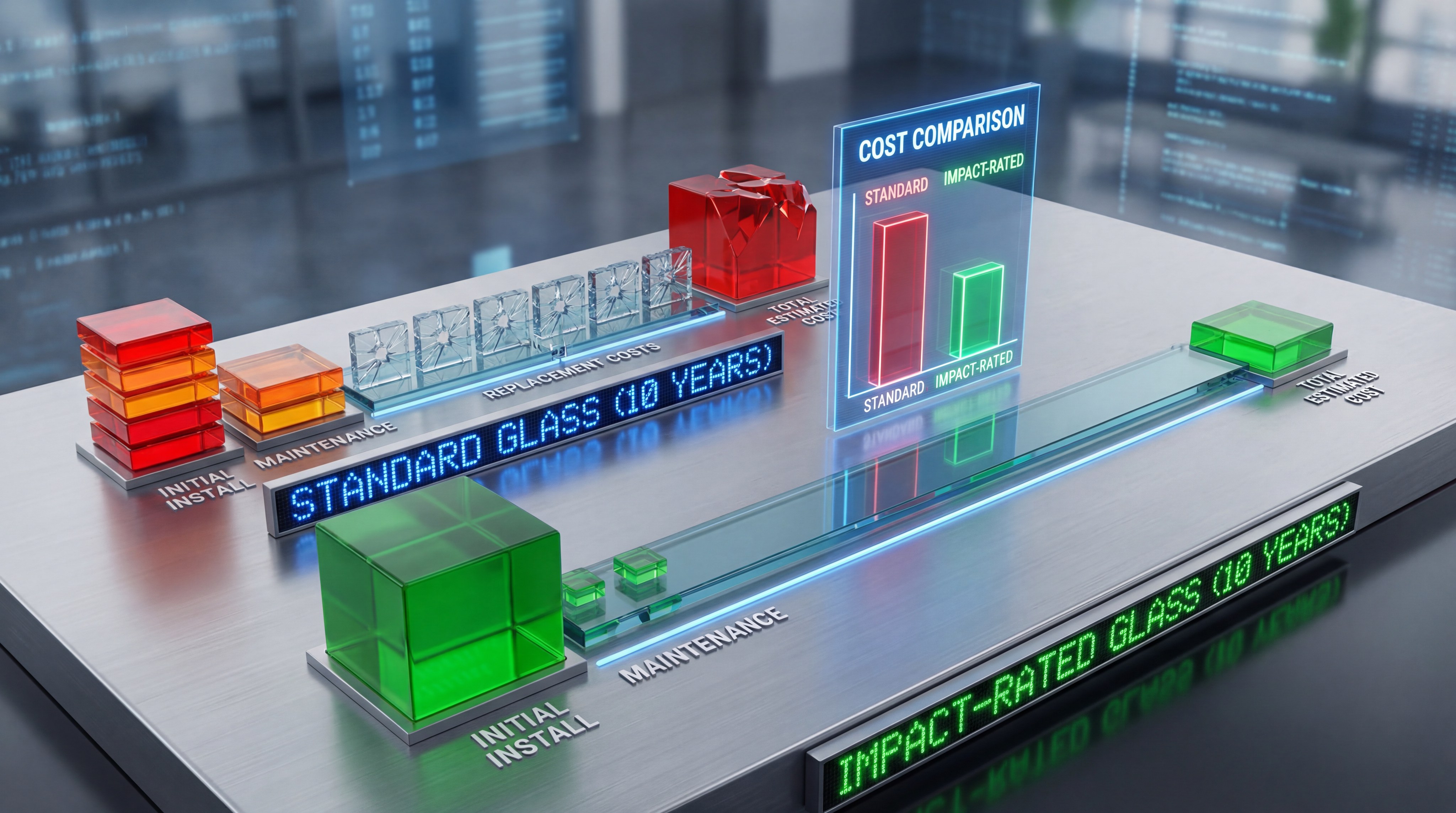
Tempered glass is significantly cheaper upfront, but impact glass offers a much higher return on investment through energy savings and insurance discounts. When weighing the financials of Impact Glass vs. Tempered Glass, you must consider the 10-year cost of ownership. Professional manufacturing solutions often highlight that the more expensive option pays for itself over time.
What is the upfront price difference?
Check this out: impact glass is more expensive because of the multi-pane construction and heavy-duty interlayers. It also requires more robust framing systems and specialized labor for installation.
- Material Cost: Laminated units use double the glass plus interlayers.
- Weight Factors: Heavier glass needs stronger hinges and frames.
- Shipping/Handling: Requires reinforced packaging to avoid delamination.
- Installation Time: Professional setup is more complex and time-consuming.
Does impact glass provide long-term savings?
The bottom line? The initial investment is offset by the elimination of other storm protection costs. You save money every month on cooling and every year on your property insurance policy.
- Lower Insurance: Premium reductions of 10% to 20% are common.
- Energy Efficiency: Multi-pane units block significant heat transfer.
- No Shutters: Eliminates the need to buy or maintain storm shutters.
- Resale Value: Higher property appraisal for storm-hardened structures.
| Financial Factor | Tempered Glass | Impact Glass |
|---|---|---|
| Upfront Price | $ | $$$ |
| Maintenance | Low | Low |
| ROI (10 Years) | Low | High (Energy/Insurance) |
While the initial check you write is larger, the long-term financial benefits of impact glass far exceed the savings of tempered alternatives.
Key Takeaway: You save thousands in the long run by investing in impact glass now rather than paying for shutters and high insurance later.
5. Which is safer: Impact Glass vs. Tempered Glass for interiors?
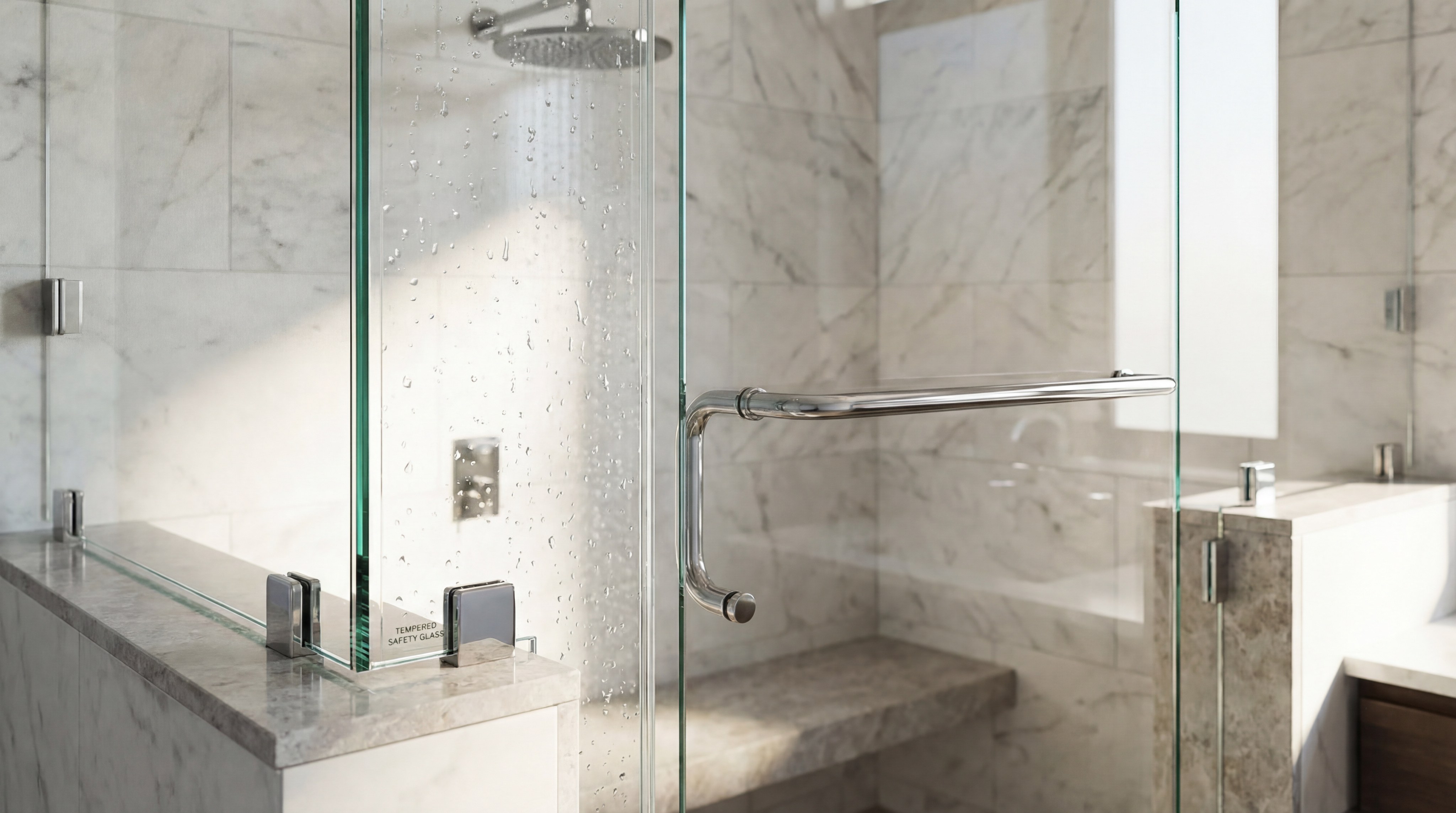
Tempered glass remains the industry standard for most interior safety applications due to its cost-effectiveness and injury-prevention properties. In the Impact Glass vs. Tempered Glass comparison for home interiors, impact-rated glass is often considered overkill unless you are building a glass floor or railing. You want to prioritize materials that prevent lacerations during accidental collisions.
Is tempered glass the standard for bathrooms?
In other words: almost every shower door you see is tempered for a reason. It handles moisture and heat changes exceptionally well while ensuring that a fall doesn’t result in dangerous glass shards.
- Safety Glazing: Meets all building codes for wet areas.
- Scratch Resistance: Hard surface withstands frequent cleaning.
- Thermal Stability: Handles steam and hot water without stress.
- Lightweight: Easier to operate on sliding tracks and hinges.
Can impact glass be used for railings?
Here is the kicker: many high-end commercial projects use laminated impact glass for glass railings. If the panel breaks, it stays in place, preventing a person from falling through a sudden opening.
- Fall Protection: Stays intact as a barrier after breaking.
- Structural Integrity: Required for certain high-traffic balconies.
- Modern Aesthetic: Provides a thick, premium look and feel.
- Noise Buffer: Helps dampen echo in large, open interior spaces.
| Application | Tempered Choice | Impact Choice |
|---|---|---|
| Shower Doors | Recommended (Efficient) | Overkill (Heavy) |
| Stair Railings | Good (Breaks Out) | Superior (Stays In) |
| Tabletops | Excellent | Good but Heavy |
Tempered glass is the practical choice for most furniture, while impact glass is becoming the new standard for architectural railings.
Key Takeaway: You should stick with tempered glass for shower enclosures to keep costs down while maintaining a high safety standard for your family.
6. Can Impact Glass vs. Tempered Glass reduce outside noise levels?

Impact glass provides superior sound dampening compared to tempered glass because the flexible interlayer absorbs and disrupts sound wave vibrations. For properties near airports or busy highways, the Impact Glass vs. Tempered Glass choice is usually decided by decibel reduction. You can achieve a much quieter indoor environment without needing specialized acoustic curtains.
Does tempered glass block street noise?
Think about this for a second: a single pane of tempered glass vibrates like a drum head when hit by sound waves. It offers very little resistance to low-frequency noise like truck engines or aircraft.
- Single Barrier: Only blocks noise based on the mass of the glass.
- Vibration Passage: Sound waves pass through the solid material easily.
- STC Rating: Typically ranges between 28 and 30 for standard units.
- Limited Performance: Not recommended for noise-sensitive environments.
How does the interlayer dampen sound?
Wait, there is more: the PVB or SGP interlayer has a different density than the glass layers. This change in density creates a “damping effect” that effectively kills the noise before it reaches your ears.
- Wave Disruption: The interlayer absorbs the energy of the sound wave.
- Acoustic Buffer: Significantly reduces high and low-frequency noise.
- STC Improvement: Ratings jump to 35 or higher with impact glass.
- Quiet Living: Creates a library-like atmosphere in city centers.
| Noise Source | Tempered Performance | Impact Performance |
|---|---|---|
| Busy Traffic | Audible | Muffled |
| Sirens/Horns | Loud | significantly Reduced |
| Rain/Wind | Clattery | Near Silent |
Impact-rated windows are the only effective way to isolate your indoor space from the chaotic sounds of the urban world outside.
Key Takeaway: You will enjoy a much higher quality of life and better sleep by using impact glass to silence the outside world.
7. How is UV protection in Impact Glass vs. Tempered Glass?

Impact glass naturally blocks up to 99% of harmful UV rays, whereas standard tempered glass provides almost zero protection against sun damage. In the contest of Impact Glass vs. Tempered Glass, the multi-layered construction acts as a permanent sunscreen for your interior. You can combine this with low-E glass coatings for maximum thermal performance.
Does tempered glass prevent furniture fading?
But here is the kicker: clear tempered glass lets almost all UV radiation pass right through. This leads to the rapid degradation of your most expensive indoor investments over just a few years.
- High Transmission: Most UV and infrared light passes through clear panes.
- Fading Risk: Causes rugs, art, and upholstery to lose color.
- Heat Gain: Contributes to higher indoor temperatures in summer.
- Material Damage: Can cause wood flooring to dry out and crack.
How much UV does impact glass block?
Here is the reality: the plastic interlayer used in impact glass has built-in UV inhibitors. This protection is part of the glass itself, so it never peels or bubbles like aftermarket window tints.
- Built-in Filter: Blocks more than 99% of the UV spectrum.
- Asset Protection: Extends the life of your furniture and decor.
- Skin Safety: Reduces UV exposure for people inside the building.
- Clear View: Provides this protection without darkening the room.
| Protection Type | Tempered Glass | Impact Glass |
|---|---|---|
| UV Blockage | < 25% | > 99% |
| Solar Heat Gain | High | Low (Laminated) |
| Fading Defense | Minimal | Maximum |
Laminated impact glass provides an invisible shield that preserves the beauty and value of your interior space indefinitely.
Key Takeaway: You save money on interior maintenance and replacements because impact glass prevents the sun from destroying your belongings.
8. Is Impact Glass vs. Tempered Glass required by building codes?

Building codes often mandate tempered glass for interior safety zones and impact-rated glass for exterior coastal openings. When navigating Impact Glass vs. Tempered Glass regulations, you must consult your local wind zone map and safety glazing requirements. You could face failed inspections and expensive rework if you install the wrong type in regulated areas.
When is tempered glass mandatory?
You might be wondering where the law requires you to use safety glass. Generally, any glass near a door, floor, or wet area must be tempered to prevent injury during a collision.
- Safety Glazing Laws: Required for glass within 24 inches of a door.
- Wet Area Rules: Mandatory for all glass in bathrooms and pools.
- Height Restrictions: Required for windows lower than 18 inches from the floor.
- Large Openings: Necessary for panes larger than 9 square feet in traffic areas.
Where is impact-rated glass a legal requirement?
Check this out: in High-Velocity Hurricane Zones (HVHZ), you have a legal obligation to protect the building envelope. This usually means either installing impact glass or having certified hurricane shutters on every opening.
- Coastal Mandates: Required for most new construction near the ocean.
- Windborne Debris Zones: Mandatory for homes in 140+ mph wind zones.
- Public Buildings: Often required for hospitals and emergency centers.
- Insurance Mandates: Some lenders require impact glass to secure a mortgage.
| Location/Zone | Tempered Requirement | Impact Requirement |
|---|---|---|
| Interior Bathrooms | Mandatory | Optional |
| Standard Residential | Optional (Non-Safety) | Optional |
| Coastal HVHZ Zones | Fails Debris Codes | Mandatory |
Selecting the correct glass is not just about preference; it is about meeting the legal safety standards that protect your investment.
Key Takeaway: You avoid legal headaches and project delays by verifying your local “Wind Zone” requirements before you order any glass.
9. What is the lifespan of Impact Glass vs. Tempered Glass?
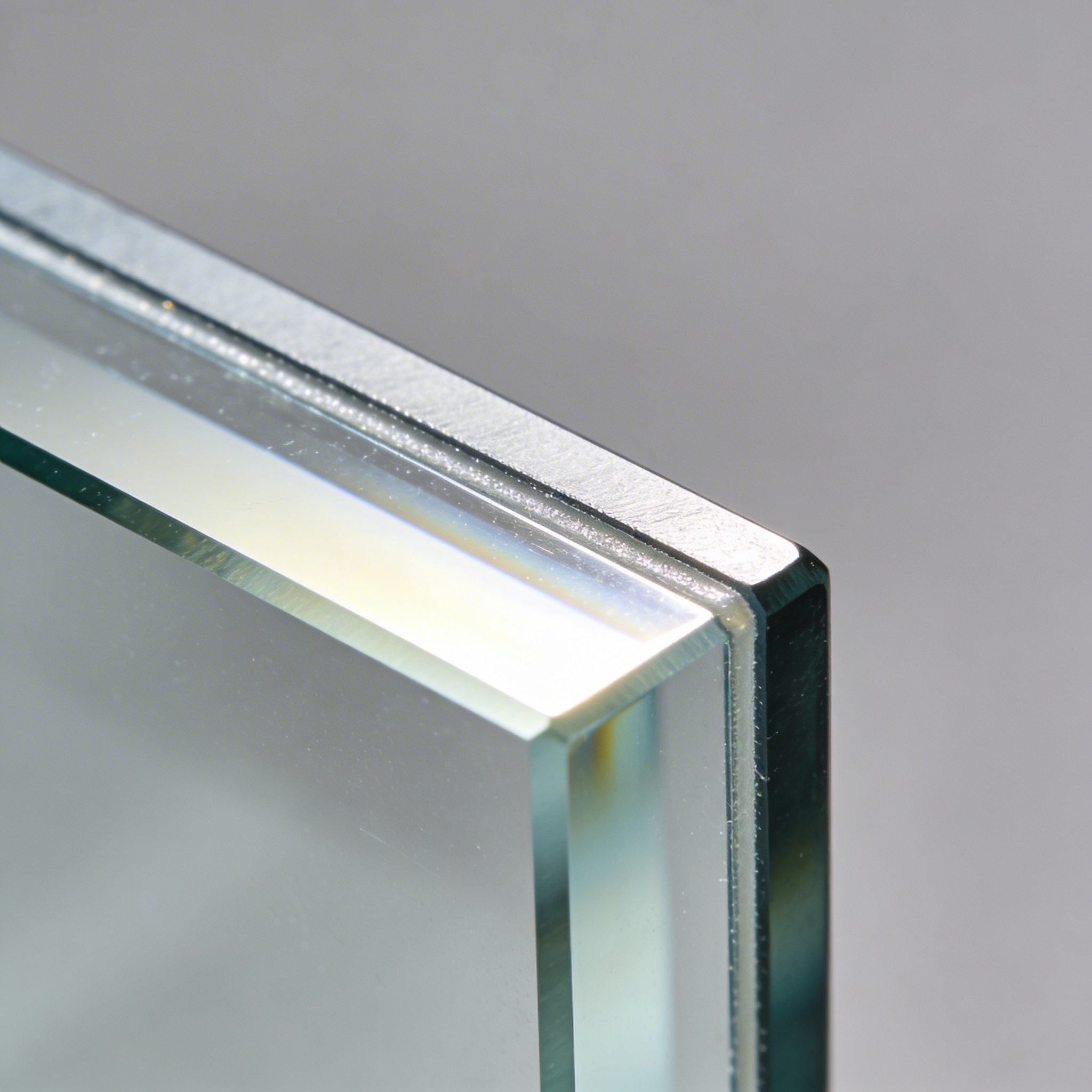
Both glass types are incredibly durable, but impact glass requires higher-quality manufacturing to prevent long-term issues like delamination or clouding. In the Impact Glass vs. Tempered Glass longevity study, tempered glass is often simpler to maintain because it is a single monolithic sheet. You need to ensure that your impact glass comes from a source with strict about us quality controls.
Does tempered glass degrade over time?
Here is the reality: tempered glass is practically immortal as long as the surface isn’t scratched and the frame stays solid. It handles moisture and heat without any chemical changes to the material.
- High Stability: Extremely resistant to salt air and moisture.
- Hard Surface: Very difficult to scratch with standard cleaning.
- No Fogging: Since it is a single pane, there are no internal layers to fail.
- Decades of Use: Can easily last 50+ years with basic frame care.
Can impact glass suffer from clouding?
Believe it or not, the edges are the most vulnerable part of an impact-rated unit. If the interlayer is exposed to moisture or poor-quality chemicals, it can begin to separate or “cloud” over time.
- Delamination Risk: Separation of the layers at the edges.
- Seal Importance: Requires high-quality glazing and frame sealing.
- Edge Stability: Better interlayers like SGP resist clouding much longer.
- Manufacturing Quality: Directly impacts the 20-year visual clarity.
| Durability Metric | Tempered Glass | Impact Glass |
|---|---|---|
| Environmental Stability | Absolute | High (Requires Seal) |
| Edge Failure Risk | Zero | Low to Moderate |
| Maintenance Need | Very Low | Low |
While tempered glass is more chemically stable, impact-rated glass offers a much higher level of protection that justifies its slightly higher maintenance profile.
Key Takeaway: You ensure a lifetime of crystal-clear views by having impact glass installed by professionals who properly seal the unit edges.
10. Why choose Impact Glass vs. Tempered Glass for your project?
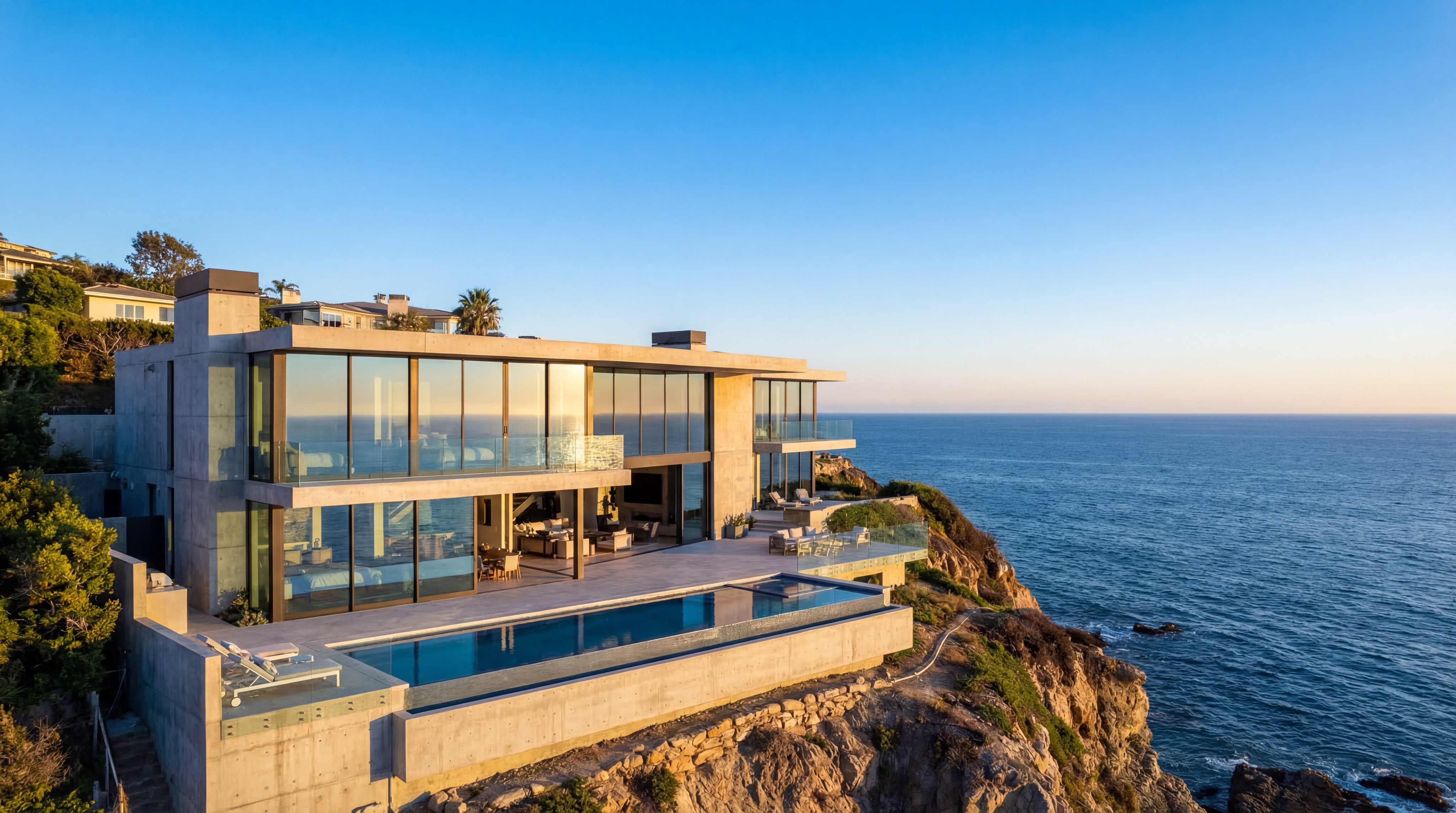
The ultimate decision between Impact Glass vs. Tempered Glass depends on whether you prioritize immediate cost savings or total property protection. If you live in a storm zone or a high-crime area, impact glass is no longer an optional luxury—it is a functional necessity. You should choose the material that best matches the environmental risks of your specific location.
Is tempered glass enough for your needs?
The bottom line? If you are renovating a bathroom or building in a region with no hurricane history, tempered glass is usually the smartest choice.
- Budget-Friendly: Best for low-risk interior and residential projects.
- Lightweight: Great for doors and windows that get heavy use.
- Safe Enough: Meets all basic safety codes for non-coastal areas.
- Easily Replaced: Standard sizes are often available in stock for fast fixes.
When is impact glass a “must-have”?
Wait, there is more to consider if your property represents a significant financial investment. Impact glass provides passive, 24/7 protection that works even when you aren’t home to prepare for a storm or intruder.
- High-Value Assets: Protects interiors from water damage and theft.
- Coastal Exposure: Required for building code compliance and safety.
- Noise Environments: The only way to truly soundproof a building.
- UV Sensitive Areas: Necessary for galleries, boutiques, and luxury homes.
| If Your Priority Is… | Your Best Choice Is… |
|---|---|
| Lowest Initial Cost | Tempered Glass |
| Hurricane Defense | Impact Glass |
| Quiet Interior | Impact Glass |
| Bathroom Safety | Tempered Glass |
Ultimately, impact-rated glass is the gold standard for high-performance buildings, while tempered glass remains the workhorse of general safety applications.
Key Takeaway: You should choose impact glass if you want the highest level of security and peace of mind for your home or business.
Choosing the right glass is the single most important decision for the safety and efficiency of your building. We have explored how impact glass provides a permanent barrier against storms, intruders, and noise, while tempered glass offers a cost-effective solution for basic safety needs. Our vision is to empower you with precision-engineered glass that stands up to the toughest challenges. To secure your property with the world’s highest quality manufacturing standards, contact us today for a technical consultation.
Frequently Asked Questions
Can I upgrade my existing windows to impact glass?
You can replace the glass units, but impact glass is much heavier and usually requires a reinforced frame design to function correctly. Most professionals recommend a full window replacement to ensure the system can handle hurricane-force pressures.
What’s the best way to identify tempered glass?
You should look for a permanent laser-etched “bug” or stamp in the corner of the pane. This mark will identify the manufacturer and the safety standards, such as ANSI Z97.1, that the glass meets.
Can I use tempered glass in a sliding door?
Yes, you can use it because building codes require sliding doors to utilize safety glazing to prevent injury. While tempered is the minimum legal requirement, many choose impact glass for sliding doors due to their vulnerability during break-ins.
How do I clean impact-rated glass properly?
You can clean it using standard mild soap and water or non-abrasive commercial glass cleaners. It is important to avoid using razor blades or harsh chemicals that could damage the edge seals or any low-E coatings.
Is impact glass the same as bulletproof glass?
No, it is not. While impact glass is extremely strong and resists forced entry, bullet-resistant glass uses much thicker layers of polycarbonate and specialized glass to stop high-velocity ballistic rounds.