You cannot cut tempered glass once it has undergone the heat-treatment process. If you find yourself with a panel that doesn’t fit, you are likely facing a project delay and potential safety hazards. This guide explains why you cannot cut tempered glass once it is finished and provides the professional alternatives you need to keep your project on track.
Why is it dangerous to cut tempered glass?
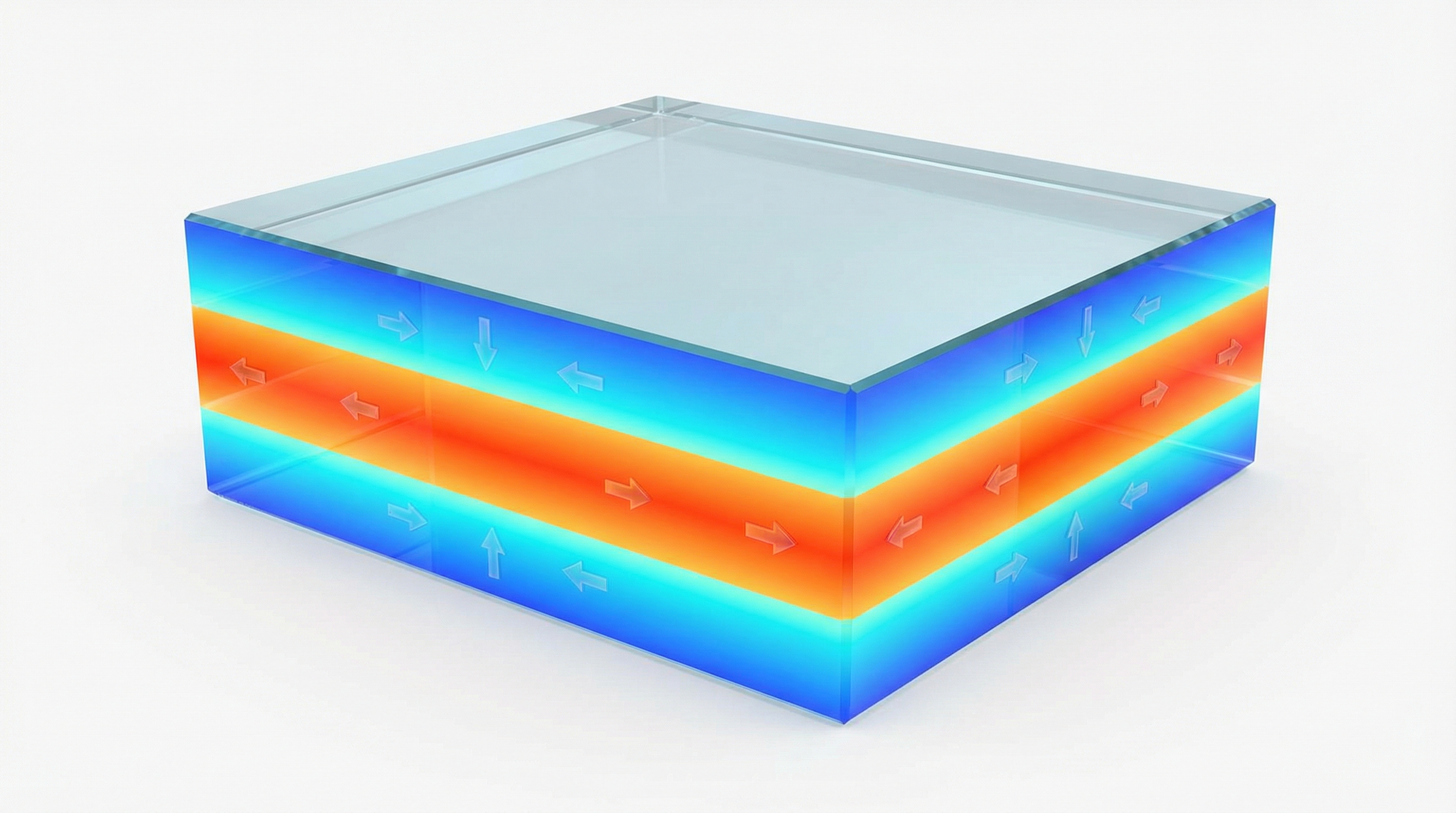
You cannot cut tempered glass because the internal stress balance makes it physically unstable when the surface is breached. Attempting to cut tempered glass triggers a chain reaction that shatters the entire sheet into thousands of blunt pieces.
This instability is due to the “locked-in” energy created during the manufacturing quench. The compressive surface and tensile core are in a delicate state of equilibrium.
Understanding the physics of surface tension
Why does this happen?
- The outer layers are in extreme compression.
- The inner core remains in a state of tension.
- The balance provides the glass with its safety properties.
- Breaking the surface releases all this energy instantly.
Here is the thing: once the tempering process is complete, that glass is “set” in its final form. You cannot modify the dimensions without total structural failure.
Key Takeaway: The physical properties that make tempered glass safe also make it impossible to resize manually after fabrication.
| Component | State of Stress | Result of Breach |
|---|---|---|
| Outer Surface | Compression | Protective Shield |
| Inner Core | Tension | Stored Kinetic Energy |
| Entire Panel | Equilibrium | Immediate Fragmentation |
Analysis: The high compressive stress on the exterior prevents standard cutting tools from creating a controlled score line.
What happens if you try to cut tempered glass with a saw?
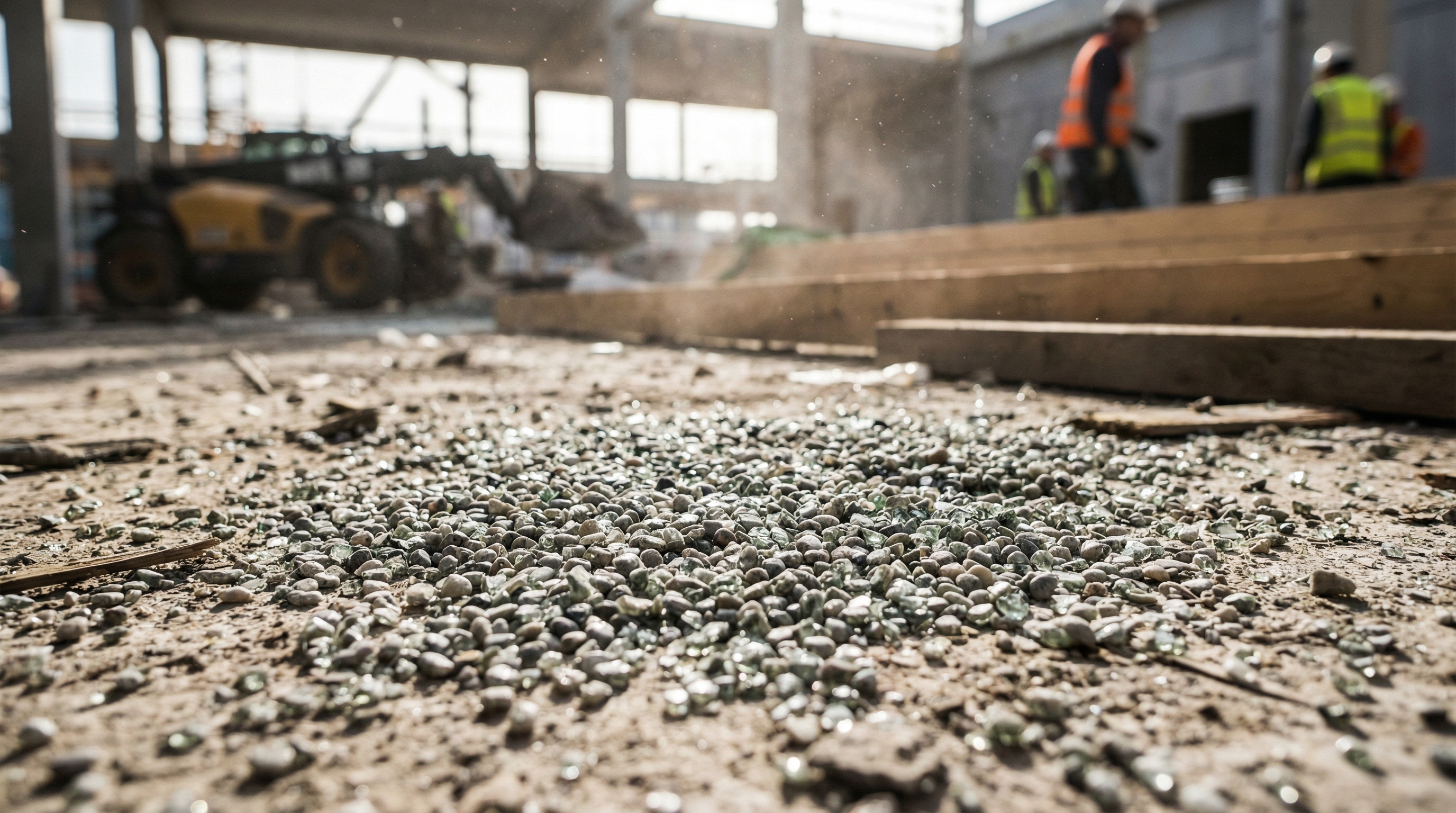
Using a mechanical saw will cause the panel to explode instantly rather than produce a clean line. If you try to cut tempered glass with an angle grinder or wet saw, the vibrations and friction will destroy the structural integrity.
The RPM of a standard saw is too high for the delicate tension of safety glass. You will likely end up with a pile of glass “pebbles” and a ruined tool blade.
The failure of diamond blades and power tools
It’s a common misconception.
- High RPM tools create micro-fractures in the compression layer.
- Vibrations travel through the tension core instantly.
- Wet saws cannot cool the internal stress quickly enough.
- The result is always a total loss of the material.
Think about this: if a professional shop could use a saw to resize these panels, they wouldn’t spend thousands on CNC precision before tempering. Power tools are simply too violent for the material.
Key Takeaway: Power saws of any kind are incompatible with finished safety glass and will result in immediate shattering.
| Tool Type | Mechanism | Outcome |
|---|---|---|
| Angle Grinder | High Friction Heat | Thermal Explosion |
| Wet Saw | Mechanical Vibration | Core Fracture |
| Diamond Blade | Micro-chipping | Instant Crumbing |
Analysis: Mechanical vibration is the primary trigger for core failure when using saws on toughened panels.
Can a pro help you cut tempered glass with specialty tools?
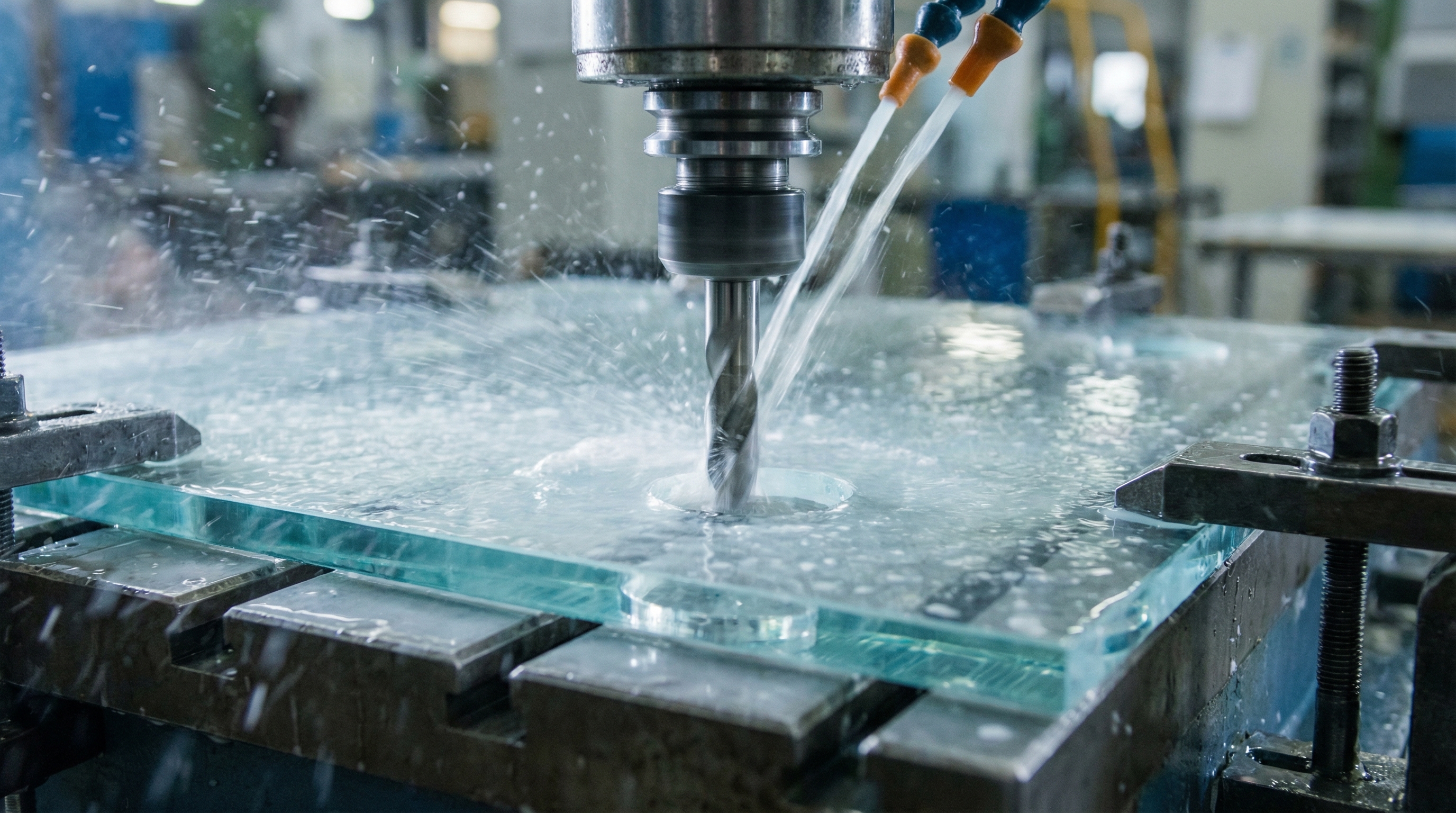
Most professionals will tell you that it is impossible to cut a finished panel without specialized re-annealing. To cut tempered glass, a specialist must essentially “un-temper” the glass in a kiln before any modification can take place.
Some shops may offer minor edge grinding for a few millimeters. However, even this carries a significant risk of the panel exploding during the process.
The limits of industrial edge modification
What can actually be done?
- Grinding the edges by 1mm to 3mm is sometimes possible.
- Water-jets are occasionally attempted but frequently fail.
- Laser cutting is generally reserved for pre-tempered panels.
- Total resizing is almost never offered by reputable shops.
The truth is, the labor cost for a professional to attempt a risky modification is often higher than the cost of a new panel. Most fabricators will recommend a fresh order to guarantee safety.
Key Takeaway: Professional “cutting” of finished tempered glass is actually an annealing or grinding process, both of which are high-risk.
| Method | Feasibility | Risk Level |
|---|---|---|
| Water-Jet Cutting | Extremely Low | 90% Failure Rate |
| Edge Grinding | Moderate | 20% Failure Rate |
| Re-Annealing | Possible | High Labor Cost |
Analysis: Edge grinding is the only “modification” commonly performed, but it cannot change the overall dimensions significantly.
Is it possible to “de-temper” and cut tempered glass?
Yes, you can technically de-temper the glass by heating it in an industrial kiln to release the internal stresses. Once it is returned to an annealed state, you can then cut tempered glass as if it were a standard windowpane.
However, this process is time-consuming and requires the glass to be re-tempered afterward to maintain its safety rating. For most B2B applications, this is not a cost-effective solution.
The process of industrial annealing
How do the experts do it?
- The glass is heated to roughly 900°F (500°C).
- It is held at this temperature to equalize stress.
- The cooling process is slowed down significantly.
- The glass becomes “soft” enough for standard cutting.
But here is the catch: you lose the safety certification during the annealing. You must pay for the kiln time twice—once to soften it and once to harden it again.
Key Takeaway: Annealing is the only scientific way to cut tempered glass, but it is rarely cheaper than ordering a replacement.
| Stage | Temperature | Result |
|---|---|---|
| Heating | ~900°F | Stress Release |
| Slow Cool | Room Temp | Annealed Glass |
| Modification | Ambient | Cut/Drill Allowed |
Analysis: Thermal stress relief allows for modification but destroys the original safety temper of the panel.
What are the best alternatives if you cannot cut tempered glass?
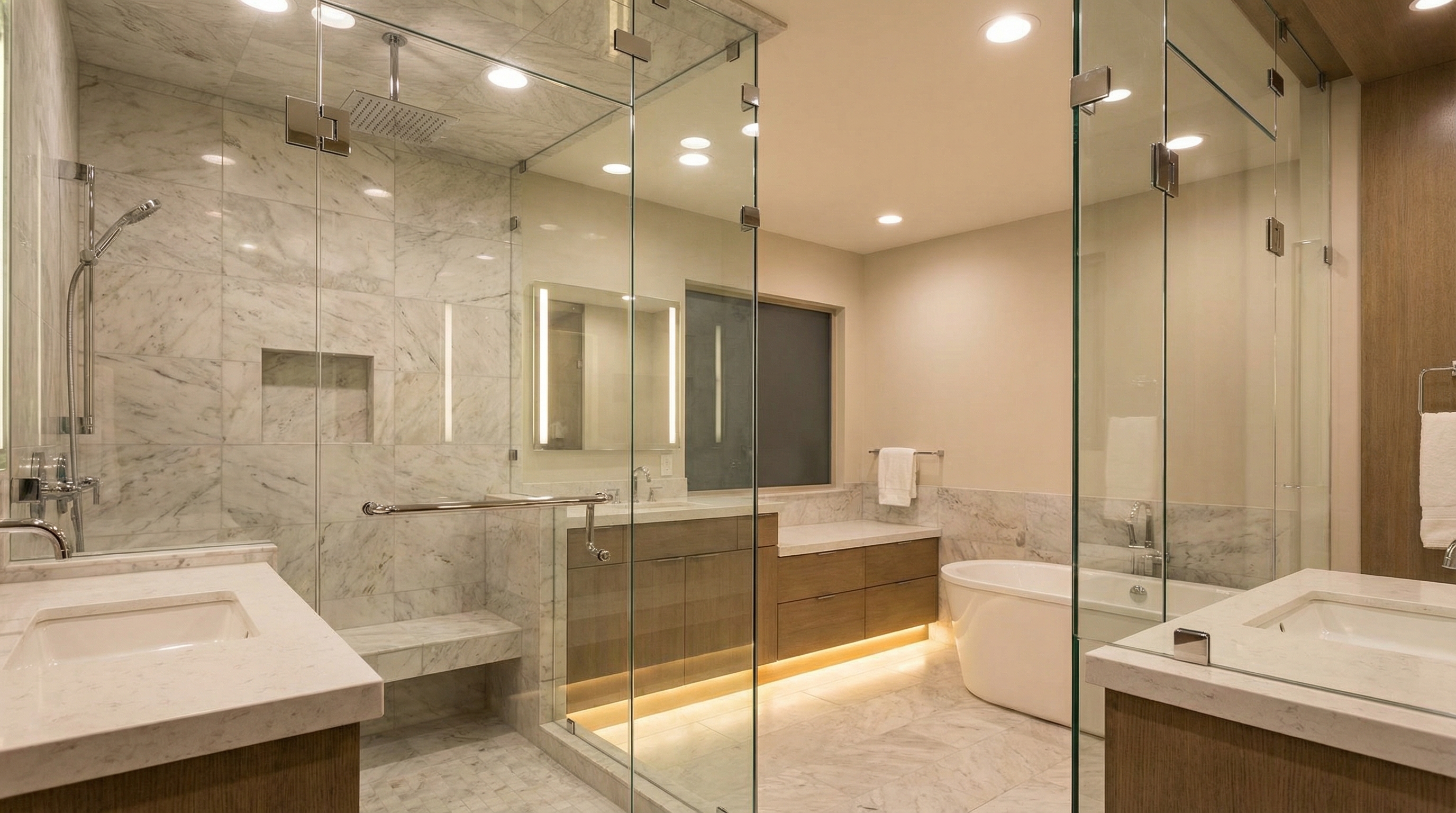
If your glass doesn’t fit, the best course of action is to re-order the panel with precise measurements. Trying to cut tempered glass on-site is a recipe for disaster, so professionals look for workarounds in the hardware or the frame.
Sometimes, you can adjust the mounting brackets or deepen the U-channel to accommodate a slightly larger piece. This avoids the need for a total replacement while keeping the safety glass intact.
Exploring on-site installation adjustments
What are your options?
- Deepen the floor or wall channels to hide extra height.
- Use offset hinges to manage width discrepancies.
- Swap out the frame for a thinner profile.
- Switch to laminated glass if on-site cutting is mandatory.
Laminated glass is often the better choice for projects where dimensions are uncertain. Unlike tempered units, you can score and snap laminated glass without it shattering into a million pieces.
Key Takeaway: Adjusting hardware or switching to laminated glass are the most practical solutions when a tempered panel doesn’t fit.
| Alternative | Benefit | Trade-off |
|---|---|---|
| Deepen Channel | Saves Material | Labor Intensive |
| Offset Hinges | Fixes Width | Aesthetic Change |
| Laminated Glass | Cuttable on Site | Heavier/Thicker |
Analysis: Hardware adjustments are the most cost-effective way to handle minor sizing errors without discarding the glass.
How do you identify the panel before you try to cut tempered glass?
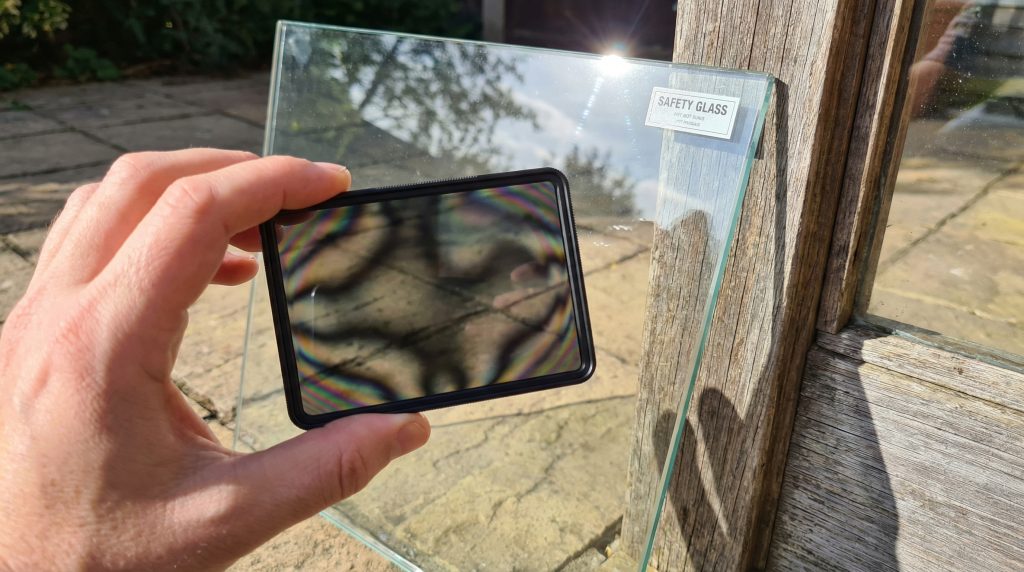
Before you pick up a tool, you must verify the glass type to prevent an accident. You can usually identify a panel by looking for a small etched “bug” or stamp in one corner that confirms it is tempered glass.
If the stamp is missing, you can use polarized lenses or look for slight surface waves. These indicators tell you that the material is under tension and should not be modified.
Professional identification techniques
How can you be sure?
- Check all four corners for a permanent certification etch.
- Look for “roller waves” caused by the tempering furnace.
- View the glass through polarized sunglasses to see strain patterns.
- Examine the edges for a smooth, rounded, or polished finish.
Standard annealed glass usually has sharp, raw edges if it hasn’t been finished. If the edges are perfectly smooth and rounded, assume you cannot cut tempered glass in that state.
Key Takeaway: Never attempt to cut glass unless you have confirmed it is annealed; look for the “bug” or use polarized light.
| ID Mark | Appearance | Meaning |
|---|---|---|
| Temper Bug | Etched Logo | Certified Safety Glass |
| Strain Pattern | Rainbow/Dark Spots | High Internal Tension |
| Roller Waves | Slight Ripples | Heat-Treated Surface |
Analysis: The “bug” is the most reliable identifier, but visual distortion tests are necessary for unmarked custom panels.
Why must you drill holes before you try to cut tempered glass?
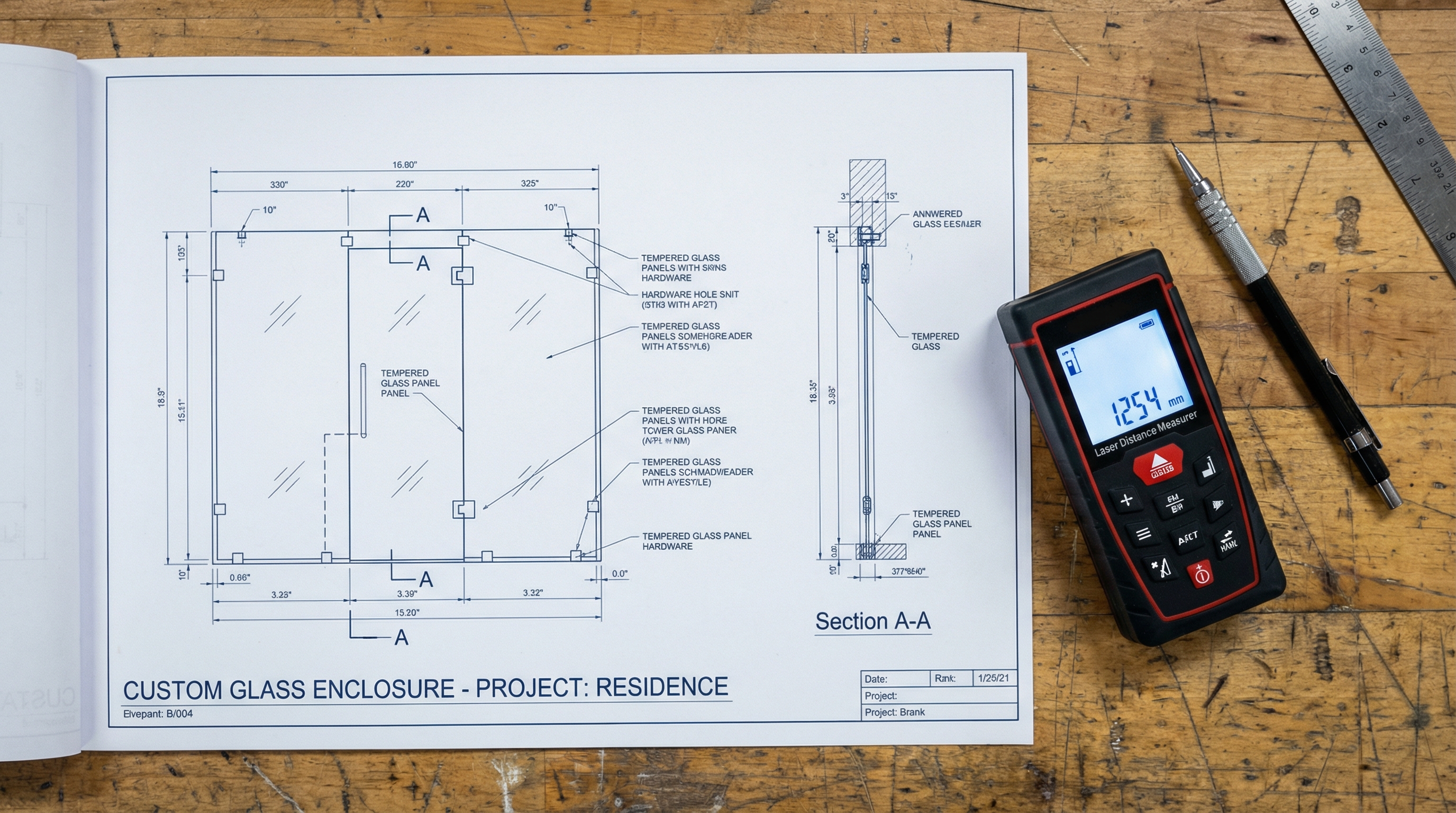
All fabrication, including holes for hinges or handles, must be completed before the glass enters the tempering furnace. If you try to cut tempered glass or drill into it later, the drill bit will hit the tension layer and cause the panel to explode.
Fabricators use high-precision CNC machines to prepare the glass in its “soft” annealed state. This ensures that the holes are perfectly placed before the glass becomes high-strength safety material.
Blueprint planning and CNC fabrication
Why is the sequence critical?
- Holes create local stress concentrations.
- Tempering “locks” the hole geometry into place.
- Drilling post-temper triggers a core tension release.
- Blueprints must be 100% accurate before production starts.
If you miss a hole in the design phase, you cannot fix it later. You will have to scrap the entire panel and start over from the raw annealed glass stage.
Key Takeaway: Precision in the blueprint phase is mandatory because post-temper drilling is physically impossible.
| Fabrication Step | Timing | Tooling |
|---|---|---|
| Dimension Cutting | Pre-Temper | CNC Table |
| Hole Drilling | Pre-Temper | Diamond Drill |
| Heat Treatment | Final Step | Quench Furnace |
Analysis: The manufacturing workflow is linear; the heat-treatment “locks” the glass, preventing any further mechanical drilling.
What tools work for regular glass but fail to cut tempered glass?
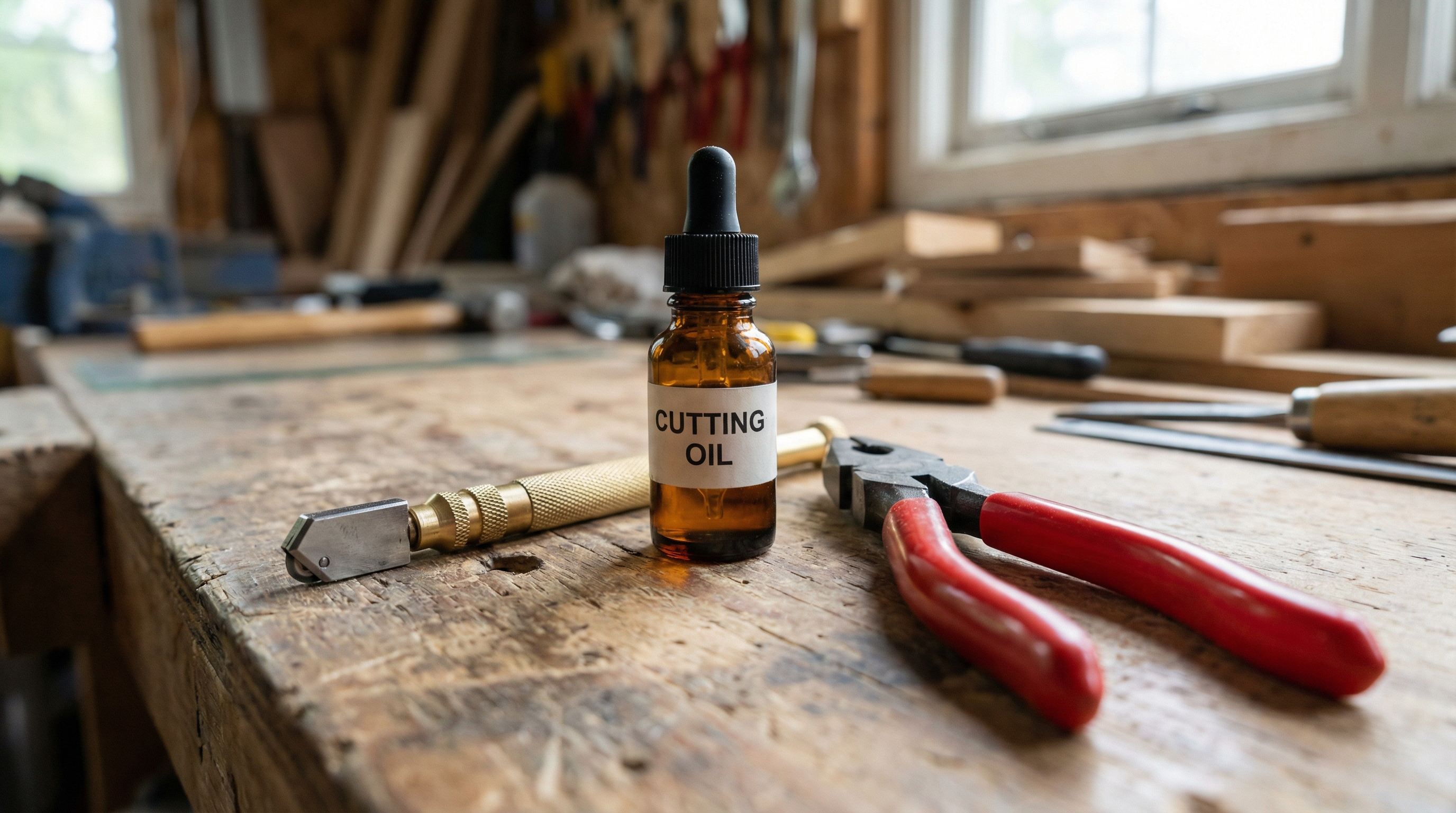
A standard carbide wheel or diamond-tipped cutter is perfect for annealed glass but useless for toughened panels. When you try to cut tempered glass with these tools, they fail to penetrate the compression layer and instead cause a catastrophic shatter.
Scoring and snapping is a technique built on controlled crack propagation. In tempered glass, cracks propagate at over 3,000 miles per hour, making control impossible.
The mechanics of the failed score line
What happens on the workbench?
- The carbide wheel skips over the hardened surface.
- The score line is inconsistent and shallow.
- Applying pressure to “snap” the glass breaks the tension core.
- The entire piece crumbles rather than breaking along the line.
The tools themselves are fine; it is the material science that prevents the cut. You are essentially trying to scratch a material that is designed to resist impact through high surface compression.
Key Takeaway: Standard glass cutters rely on controlled breaking, which is the exact opposite of how tempered glass behaves.
| Tool | Success on Annealed | Success on Tempered |
|---|---|---|
| Carbide Wheel | 100% (Clean Break) | 0% (Shatter) |
| Running Pliers | 100% (Snap) | 0% (Explosion) |
| Cutting Oil | Reduces Friction | Irrelevant |
Analysis: Tool effectiveness is entirely dependent on the glass being in a low-tension, annealed state.
What safety codes should you follow to cut tempered glass?

Building codes often dictate where you must use safety glass, making it risky to swap tempered for annealed glass just to make it fit. When you decide not to cut tempered glass and instead use a regular panel, you might be violating local safety regulations for commercial or residential buildings.
Most jurisdictions require tempered glass in “hazardous locations” like doors, shower enclosures, and low windows. Using a non-tempered replacement could result in a failed inspection or a major liability.
Compliance in B2B glass procurement
What do the regulations say?
- Glazing near the floor must be safety-rated.
- All glass doors require a tempered or laminated stamp.
- Overhead glazing must often be heat-strengthened or laminated.
- Fire-rated areas have specific tempering requirements.
Always consult your local building inspector before substituting glass types. It is better to wait for a new tempered panel than to install an unsafe annealed piece that will break into dangerous shards.
Key Takeaway: Compliance with safety codes is more important than meeting a deadline; never substitute annealed glass for tempered glass.
| Location | Code Requirement | Safety Class |
|---|---|---|
| Commercial Entrance | Tempered/Laminated | Class A |
| Shower Door | Tempered Only | Safety Glazing |
| Stair Railing | Laminated/Tempered | Structural Safety |
Analysis: Regulatory standards prioritize occupant safety, making the correct glass choice a legal necessity in most environments.
What specs should you send a fabricator to cut tempered glass?
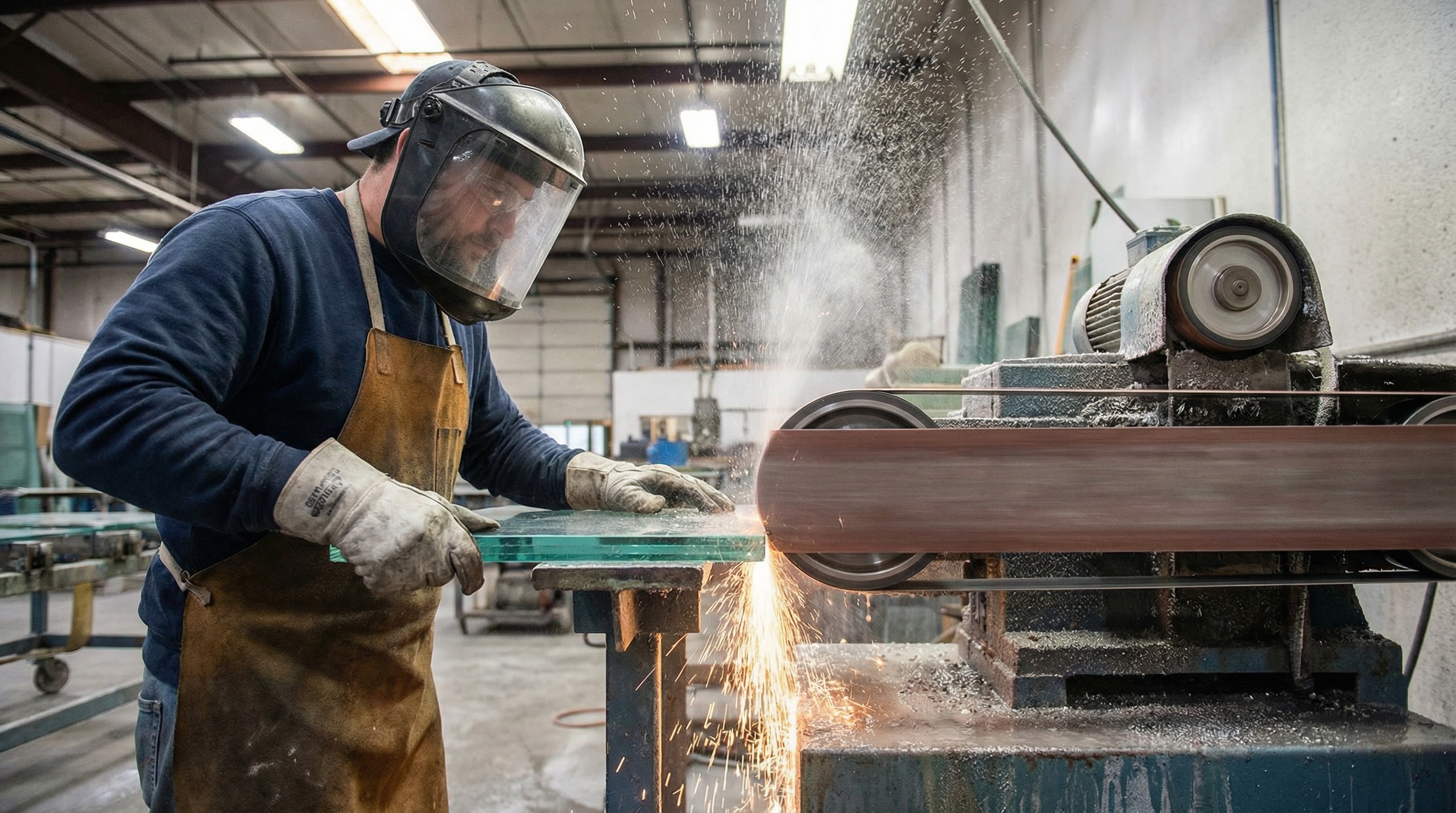
To avoid the need to cut tempered glass on-site, you must provide the fabricator with an exact CAD drawing or a detailed measurement list. Specify everything from the glass thickness to the edge finish and the exact location of any required cutouts.
When ordering, mention the “tight” dimensions versus the “opening” dimensions. Fabricators usually take a small deduction (typically 1/8 inch) to ensure the glass fits smoothly into its frame.
Preparing the procurement checklist
What information is required?
- Exact height and width in millimeters or decimal inches.
- Glass thickness (e.g., 10mm or 12mm).
- Edge type (Flat polished, seamed, or beveled).
- CAD files for any complex notches or hole patterns.
Double-check your measurements three times. Since you cannot cut tempered glass to fix an error, a mistake in the ordering phase means the entire cost of the panel is lost.
Key Takeaway: Precise communication with your manufacturer is the only way to ensure a “perfect fit” that requires no on-site modification.
| Specification | Example Value | Why it Matters |
|---|---|---|
| Thickness | 12mm (1/2″) | Weight & Strength |
| Edge Polish | Flat Polished | Aesthetics/Handling |
| Tolerance | +/- 0.5mm | Fitment Precision |
Analysis: High-fidelity specifications eliminate the “human error” factor that leads to unusable tempered glass panels.
Conclusion
The most important lesson in glasswork is knowing when a material cannot be modified. You should never attempt to cut tempered glass once it has left the factory furnace. Instead, focus on precise measurements and working with a reliable manufacturer who can deliver “Custom to Blueprint” solutions.
If you are dealing with a project that requires exact fits, safety certifications, and professional edge finishes, we are here to help. Contact us today to discuss your project requirements and receive a precision-engineered solution that meets all safety standards.
FAQ: Professional Safety Glass Management
Can I use a diamond blade to cut tempered glass?
No, a diamond blade will not work. Even though the blade is hard enough, the heat and friction will trigger the internal tension and cause the glass to crumble instantly.
What’s the best way to handle a panel that is 2mm too big?
The best way is to see if the hardware can be adjusted or if the frame can be deepened. If the frame is rigid, you must order a replacement panel with the correct dimensions.
Can I sand down the edges of tempered glass?
You can lightly sand a small chip for safety, but you cannot sand down several millimeters to change the size. If you hit the tension core while sanding, the panel will explode.
Is there a special saw for cutting safety glass?
There is no saw that can safely cut tempered glass post-production. Only “de-tempering” via an industrial annealing furnace allows for mechanical cutting.
Why can’t I just score it like a mirror?
A mirror is usually made of annealed glass, which allows cracks to travel in a straight line. Tempered glass is under such high pressure that any crack instantly branches out in all directions.