Tempered glass is approximately four to five times stronger than standard annealed glass. You face a major safety risk when using standard glass in high-traffic areas or structural applications because one accidental impact can lead to dangerous shards and costly liability issues.
Imagine a storefront window or a shower door shattering into jagged, razor-sharp pieces that threaten your project’s success. By choosing high-performance materials with superior tempered glass strength, you ensure that the material breaks into small, relatively harmless granules if it fails.
Why is tempered glass strength so much higher?
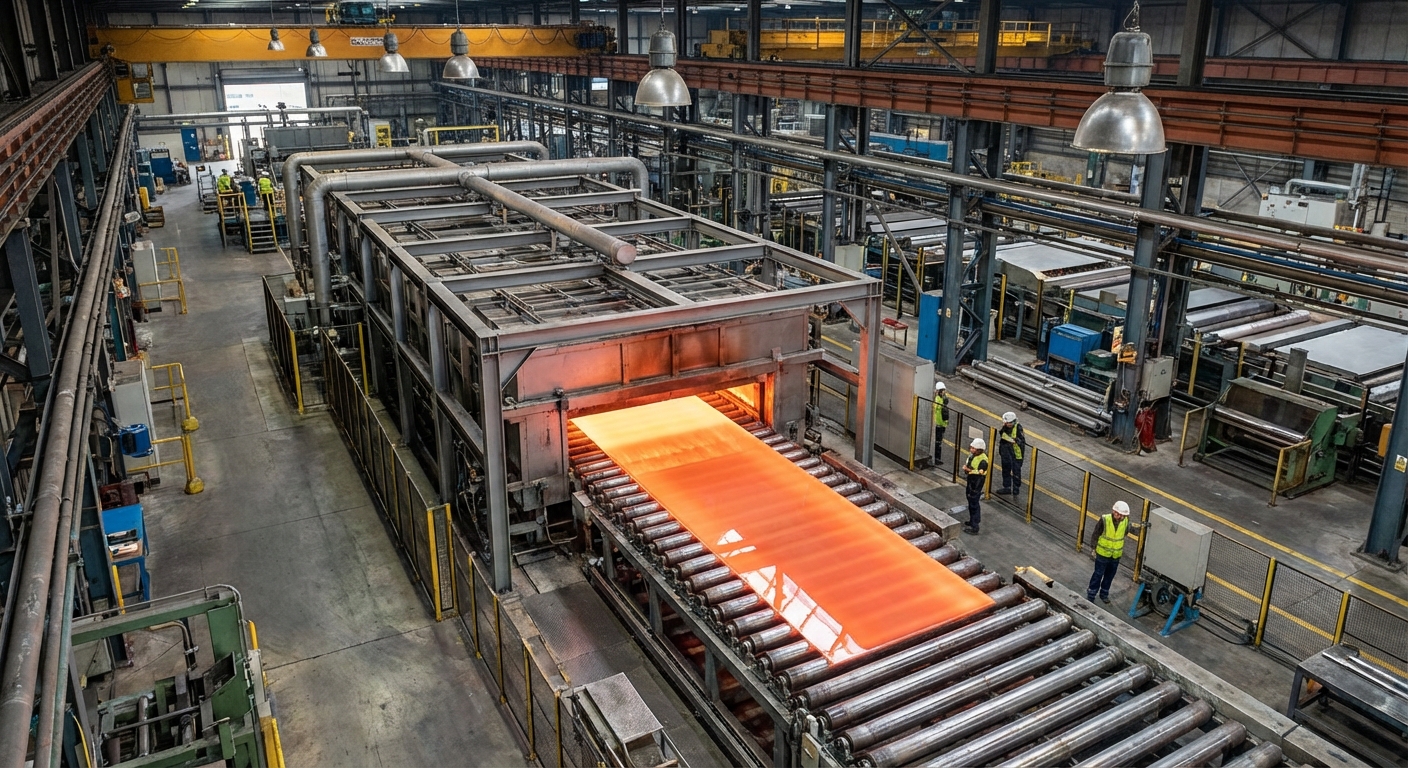
Tempered glass achieves its resilience through a specialized thermal process that creates permanent internal tension. This high tempered glass strength is the result of heating the material to over 600 degrees Celsius and then rapidly cooling the outer surfaces.
This creates a protective outer “skin” that is under heavy compression. Because the core cools slower than the surface, it pulls the glass inward, making it much harder to penetrate or break.
The thermal tempering process
You need to understand that the furnace is the heart of the manufacturing cycle. The glass travels through a heating zone until it reaches its softening point.
The truth is:
The cooling stage is where the magic happens.
- High-pressure air blasts the surface.
- The outer layer solidifies instantly.
- The inner core remains semi-fluid.
- Molecular bonds are pulled into tension.
Key Takeaway: The physical properties of the glass are fundamentally changed during manufacturing to create a protective outer “skin” that resists impact.
| Feature | Annealed Glass | Tempered Glass |
|---|---|---|
| Cooling Speed | Slow and natural | Rapid forced air |
| Internal State | Neutral | High tension core |
| Surface State | Fragile | High compression |
Proper thermal processing ensures your glass can withstand the rigors of modern architectural demands.
How do you measure tempered glass strength?
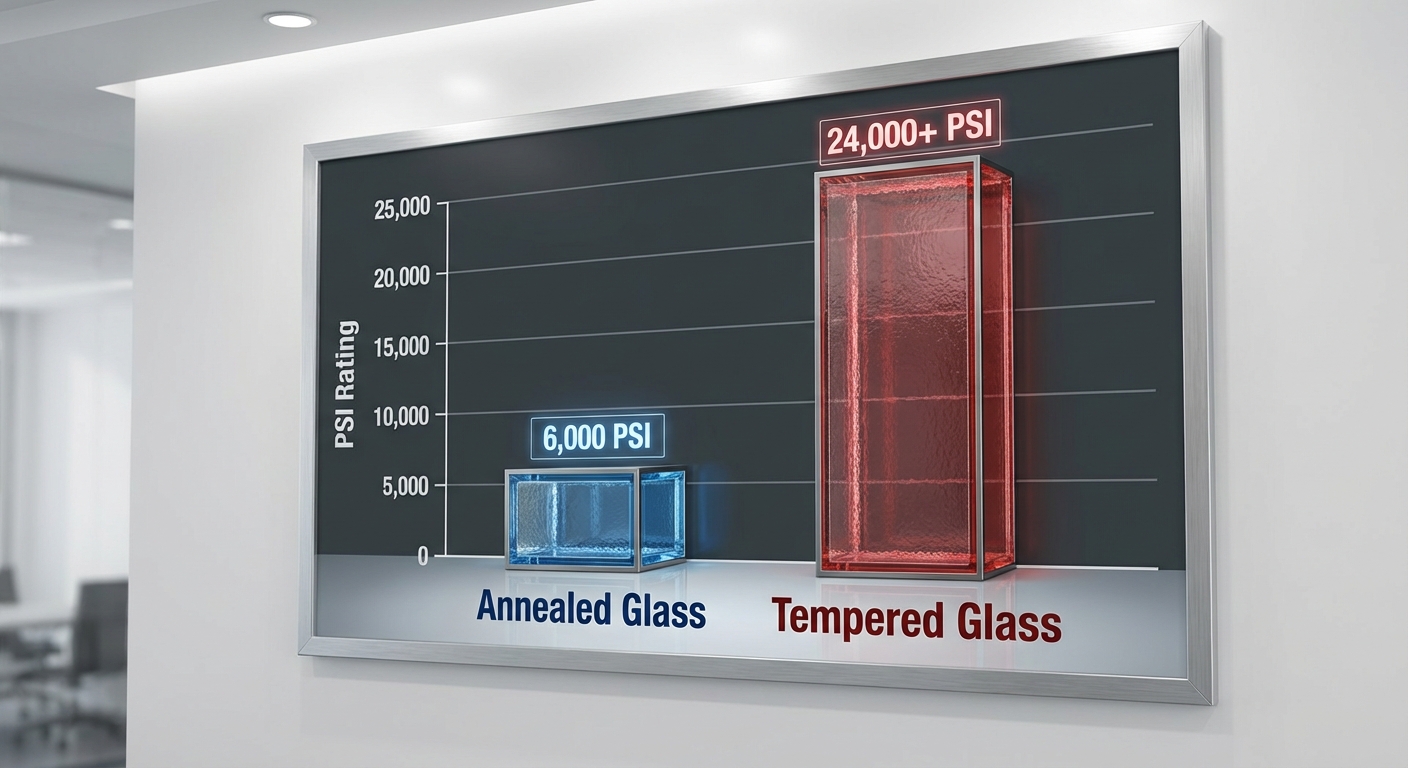
Engineers measure tempered glass strength by calculating the amount of pressure the surface can withstand before a fracture occurs. While standard glass typically fails at 6,000 PSI, the tempered version can easily handle 24,000 PSI or more.
You must rely on these metrics to ensure your project meets local building codes. This data provides the baseline for safety in high-load environments.
Understanding PSI ratings
You should look for the Modulus of Rupture when evaluating technical data sheets. This rating tells you exactly how much weight the glass can support before bending too far.
Think about it:
Higher PSI ratings directly translate to better safety.
- Annealed glass: 6,000 PSI limit.
- Heat-strengthened glass: 12,000 PSI limit.
- Tempered glass: 24,000+ PSI limit.
- Safety factor: 4x improvement.
Key Takeaway: Precision measurement ensures that every piece of glass meets the specific safety requirements for your architectural blueprints.
| Metric | Standard Glass | Tempered Glass |
|---|---|---|
| Surface Compression | <3,500 PSI | >10,000 PSI |
| Bending Strength | ~6,000 PSI | 24,000 – 30,000 PSI |
| Impact Load | Low | High |
Using verified PSI ratings allows you to specify materials that won’t fail under environmental stress.
Does thickness affect tempered glass strength?

While thicker glass handles heavier static loads, the tempering process provides a consistent proportional increase in tempered glass strength across all standard dimensions. You will find that a thin sheet of tempered glass can often outperform a much thicker sheet of standard glass.
This allows you to create lightweight structures that maintain high safety standards. Choosing the right thickness depends largely on your specific frame support and installation height.
Strength of 8mm vs 12mm glass
You might choose 8mm for interior partitions but require 12mm for heavy-duty structural railings. The 12mm glass provides the rigidity needed for frameless designs where there is no metal support.
It gets better:
Thicker glass adds significant sound dampening to your space.
- 6mm: Ideal for standard windows.
- 10mm: Perfect for shower enclosures.
- 12mm: Required for structural glass walls.
- 15mm+: Used for specialized safety floors.
Key Takeaway: Thickness provides the base strength, but the tempering process provides the safety factor required for structural glass.
| Thickness | Common Use | Strength Benefit |
|---|---|---|
| 6mm | Windows / Partitions | 4x Annealed |
| 10mm | Shower Enclosures | High impact safety |
| 12mm+ | Railings / Facades | Maximum structural load |
Selecting the appropriate thickness ensures you don’t over-engineer your project or sacrifice safety.
Can heat improve tempered glass strength?
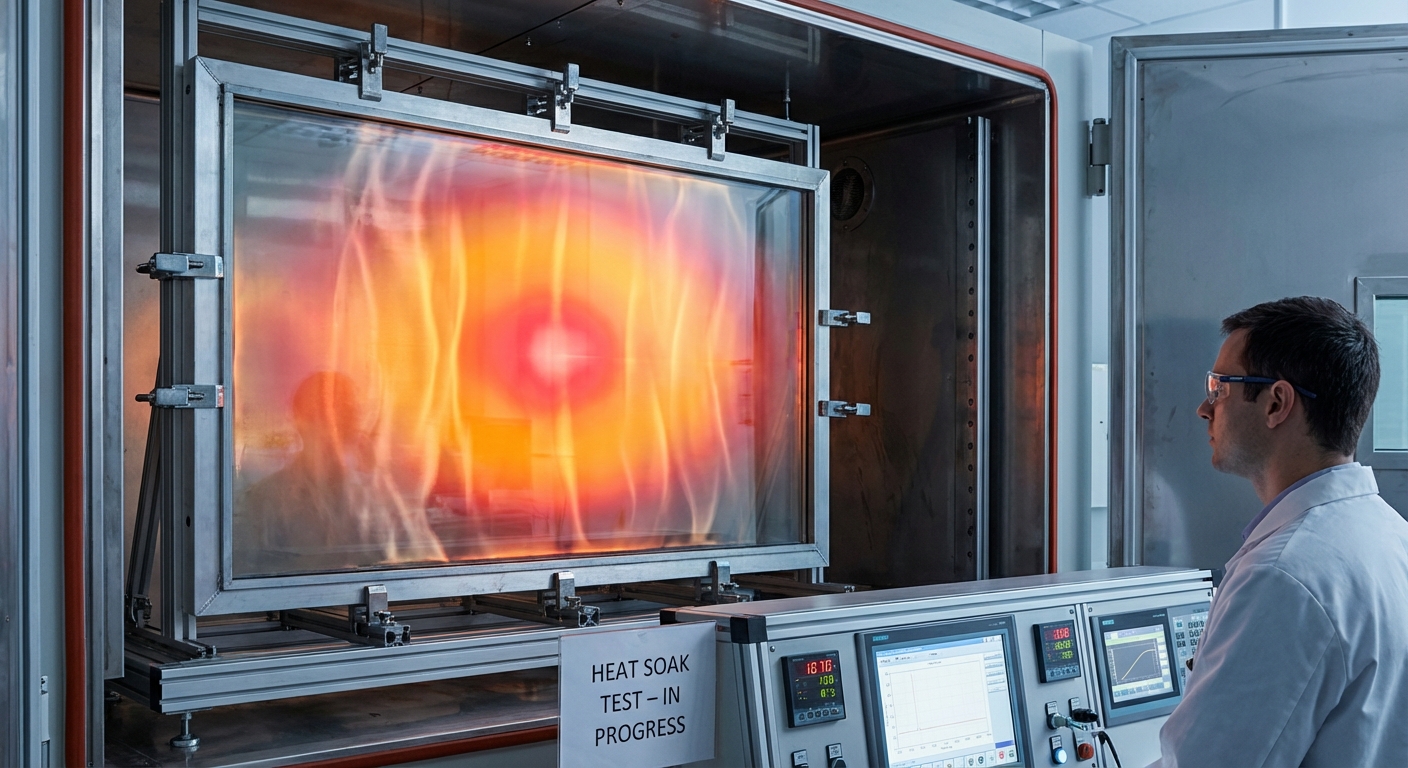
Heat is the primary catalyst used to create high tempered glass strength during the manufacturing stage. Beyond the initial tempering, specialty heat treatments like heat soaking can be used to identify potential failure points before installation.
You should consider these treatments if your project involves extreme temperature swings or high-altitude facades. This ensures the glass remains stable even in harsh environmental conditions.
Heat soaking benefits
You can use heat soaking to eliminate the risk of spontaneous breakage caused by nickel sulfide inclusions. The glass is baked at a consistent temperature to force any unstable panes to break in the factory.
The truth is:
This extra step saves you from costly on-site replacements.
- Reduces spontaneous breakage risks.
- Identifies microscopic impurities.
- Simulates long-term environmental stress.
- Provides ultimate peace of mind.
Key Takeaway: Thermal treatments are the primary reason tempered glass can survive in extreme environments like ovens or building facades.
| Process | Goal | Strength Result |
|---|---|---|
| Tempering | Safety & Strength | 4-5x increase |
| Heat Soaking | Risk Reduction | Identifies impurities |
| Heat Strengthening | Stability | 2x increase |
Thermal stability is a critical requirement for any project involving large-scale glass installations.
Is tempered glass strength affected by scratches?
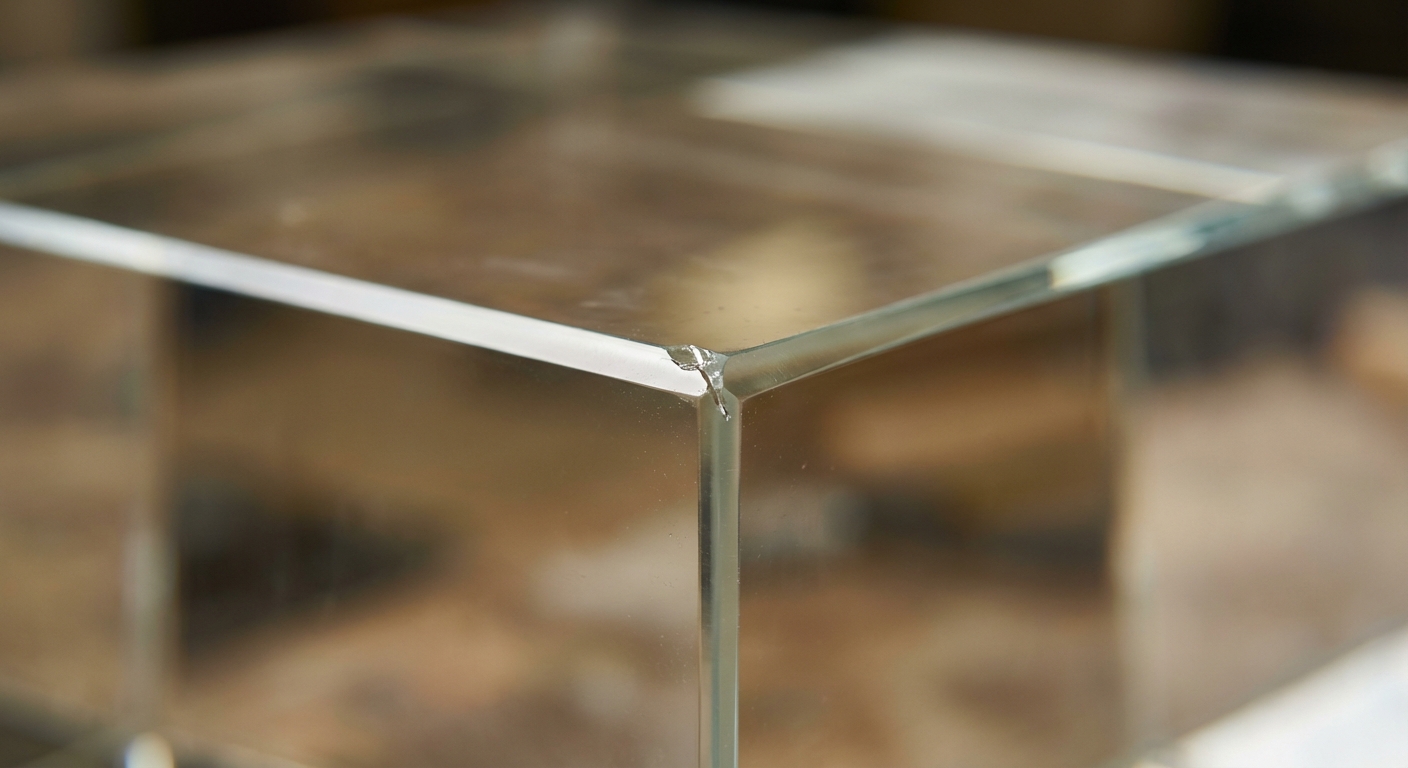
Surface damage can significantly compromise the integrity of your tempered glass strength. Even though the glass is resistant to blunt force, deep scratches that penetrate the compression layer can act as stress concentrators.
You must handle the edges and surfaces with extreme care during installation. If the internal tension layer is breached, the entire pane can shatter instantly without warning.
Surface integrity and failure
You should avoid using abrasive cleaning tools that can leave micro-scratches on the surface over time. These tiny imperfections can slowly weaken the outer compression zone.
Here is the kicker:
A single deep scratch is more dangerous than a heavy blunt impact.
- Abrasive cleaners damage the surface.
- Deep gouges lead to total failure.
- Edge chips are the most common cause of breaks.
- Polished edges help prevent micro-cracks.
Key Takeaway: Protecting the surface finish is just as important as choosing the right thickness for long-term durability.
| Damage Type | Impact on Strength | Failure Risk |
|---|---|---|
| Surface Scratch | Minimal if shallow | Low |
| Deep Gouge | Significant | High |
| Edge Chip | Extreme | Immediate failure |
Maintaining a pristine glass surface ensures that the internal compression stays intact for the life of the building.
How does tempered glass strength compare to others?
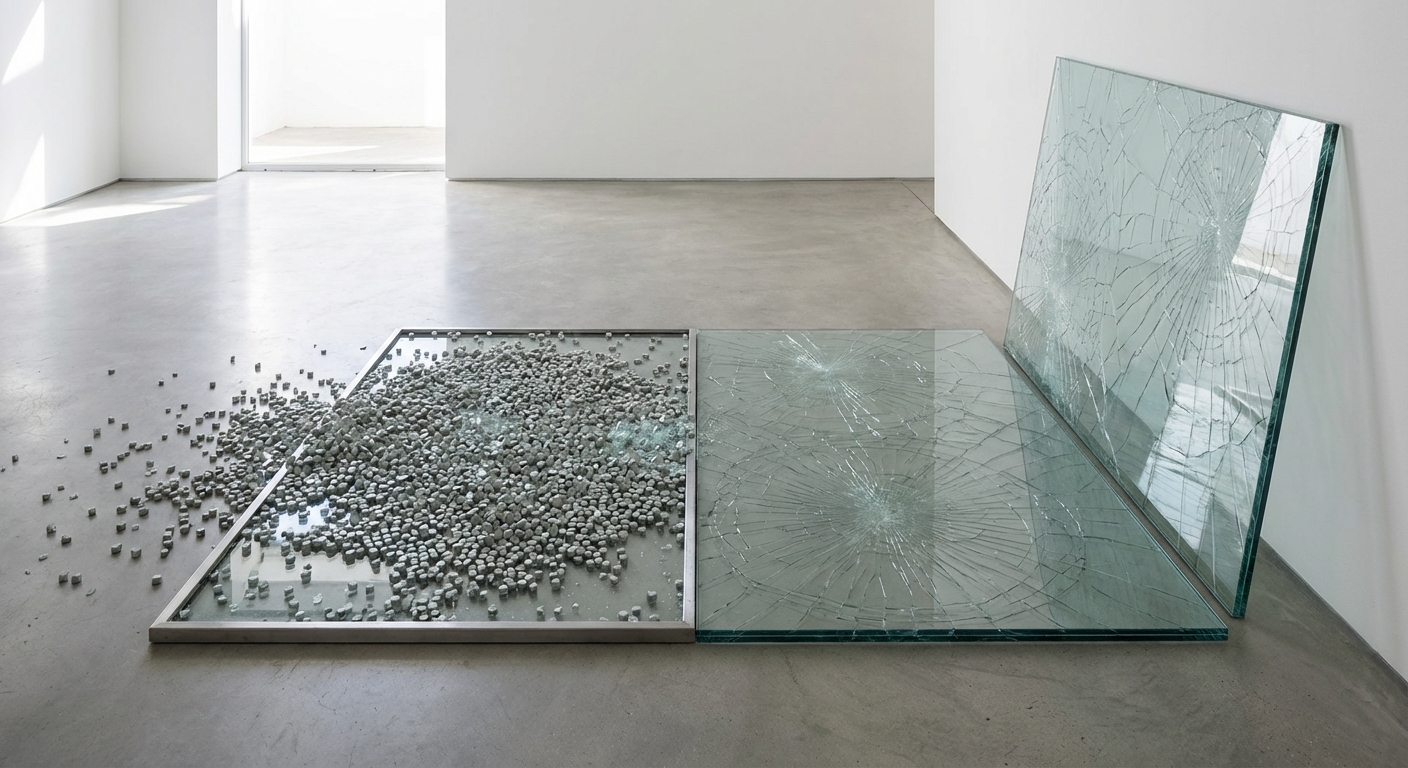
When comparing tempered glass strength to other safety glass, you must look at how the material behaves upon failure. Tempered glass is designed for raw impact resistance, whereas laminated glass is designed to stay in place even when broken.
You can combine these technologies into tempered-laminated glass for maximum security. This hybrid approach offers the best of both worlds for high-risk architectural applications.
Tempered vs. laminated glass
You will notice that tempered glass breaks into small, safe granules, while laminated glass sticks to an internal plastic interlayer. This difference is crucial for overhead glazing or security windows.
Think about it:
One protects from injury, the other protects from entry.
- Annealed: Breaks into dangerous shards.
- Tempered: Highest raw impact strength.
- Laminated: Stays in the frame.
- Hybrid: The ultimate safety solution.
Key Takeaway: Choosing the right glass type depends on whether you prioritize raw strength or the ability of the glass to stay in place after a break.
| Glass Type | Strength Factor | Break Pattern |
|---|---|---|
| Annealed | 1x (Baseline) | Large Shards |
| Laminated | 1x (Base) | Stays intact |
| Tempered | 4-5x | Small Granules |
Comparing these options helps you select the specific safety features required for your unique project.
Where is tempered glass strength most needed?

Modern architectural designs rely on high tempered glass strength to achieve large, transparent spans without heavy framing. You will find this material in skyscraper facades, glass railings, and frameless shower doors where safety is non-negotiable.
Architects use it because it allows for unobstructed views while meeting strict safety codes. Without this durability, modern “all-glass” designs would be structurally impossible.
Commercial curtain walls
You must specify tempered glass for high-rise facades to handle intense wind loads at high altitudes. The glass must flex under pressure without breaking to ensure the safety of both occupants and pedestrians below.
Best of all:
It withstands thermal stress better than standard glass.
- Curtain walls: Withstand wind loads.
- Glass railings: Support pedestrian weight.
- Storefronts: Resist impact and theft.
- Partitions: Enhance office safety.
Key Takeaway: High-strength glass is the foundation of modern, transparent architectural design.
| Application | Required Strength | Primary Risk |
|---|---|---|
| High-Rise Facade | Extreme | Wind & Thermal |
| Storefront | High | Impact & Theft |
| Shower Door | Medium | Slip & Fall Impact |
High-strength applications require a deep understanding of load distribution and environmental factors.
Can you lose tempered glass strength over time?
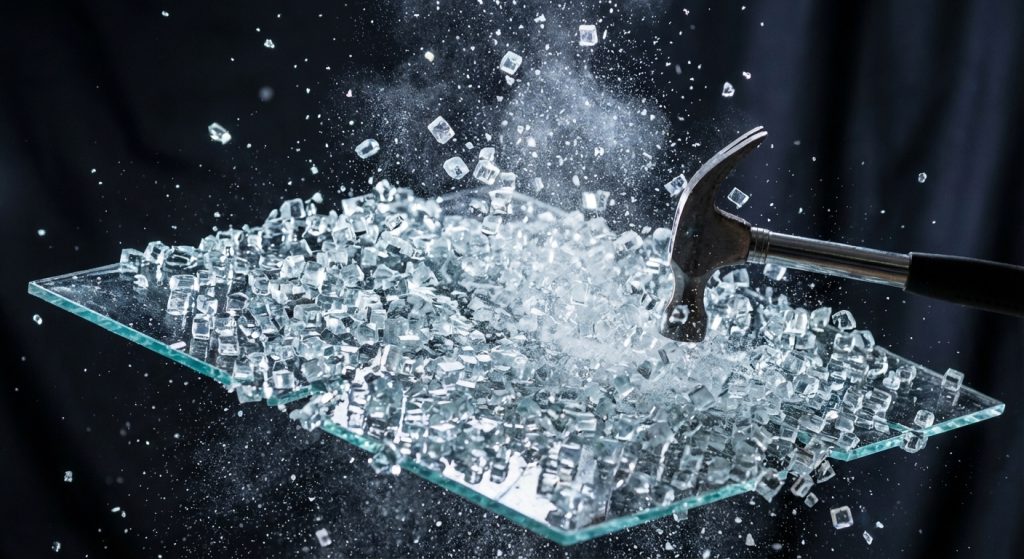
The physical tempered glass strength does not degrade naturally with age because the compression is a permanent part of the material’s structure. However, environmental factors and building settlement can create new stress points that may eventually lead to failure.
You should perform regular inspections to check for edge damage or frame shifting. While the glass itself doesn’t “weaken,” the stresses around it can change dramatically over several decades.
Environmental wear and tear
You need to be aware that coastal environments can etch the surface of the glass if it is not maintained. Harsh chemical exposure or pollution can also impact the clarity and long-term performance of your installation.
The truth is:
Maintenance is the key to longevity.
- Chemical corrosion: Etches the surface.
- Building settlement: Puts pressure on edges.
- Vibration: Can cause micro-cracks to grow.
- Inclusions: Can lead to spontaneous breakage.
Key Takeaway: While the glass doesn’t “weaken,” the stresses around it can change, making proper installation and maintenance vital.
| Factor | Long-term Effect | Mitigation |
|---|---|---|
| Time | No change to strength | Regular Inspection |
| Pollution | Surface dulling | Proper Cleaning |
| Vibration | Edge stress | Quality Gaskets |
Ongoing care ensures your high-strength glass remains a safe and beautiful part of your building for years.
Does drilling impact tempered glass strength?
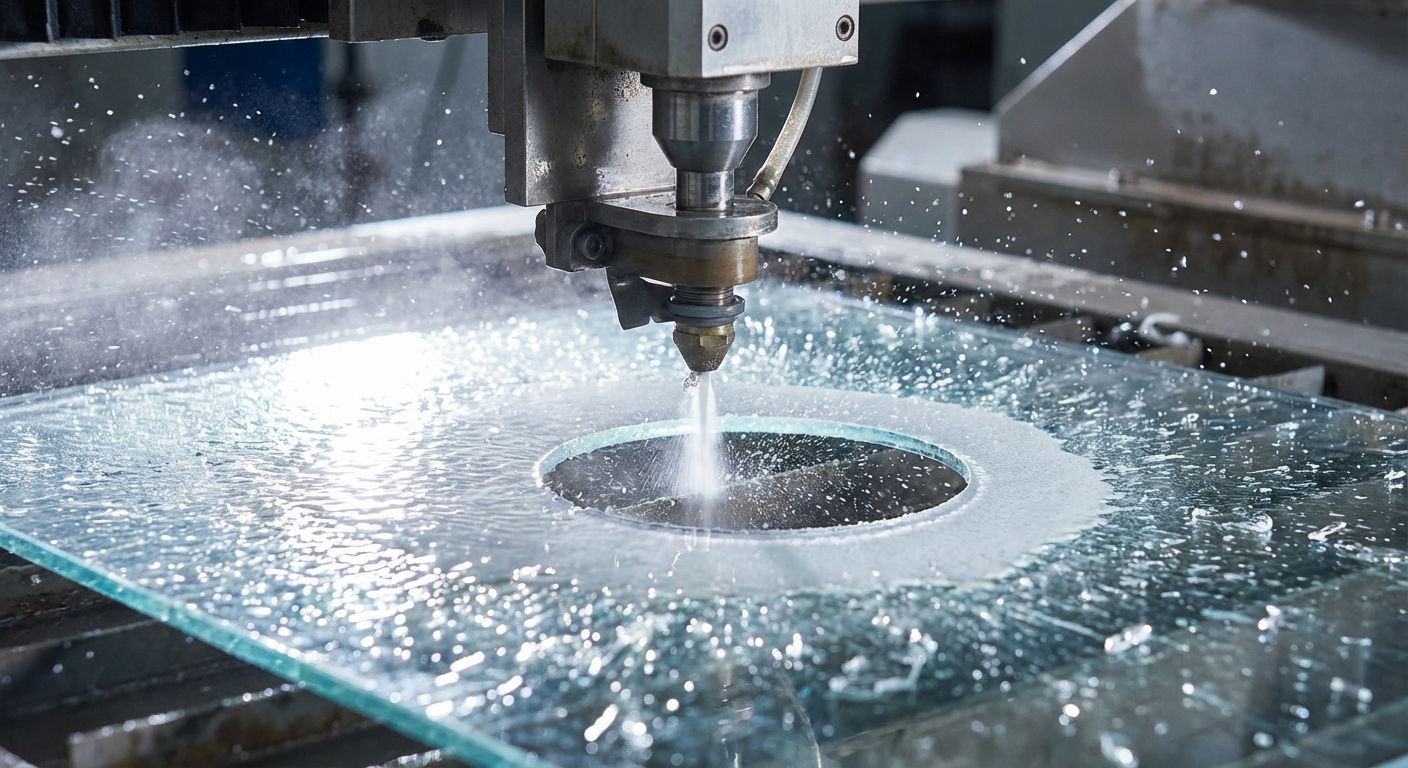
You cannot drill or cut glass once the tempering process is complete. If you attempt to modify the glass, the entire pane will disintegrate into thousands of pieces because the tempered glass strength relies on an unbroken tension layer.
This means all fabrication must be completed while the glass is still in its “annealed” or soft state. Precision planning is the only way to ensure your hardware fits perfectly during final assembly.
Importance of pre-tempering cuts
You must submit your CAD drawings and hardware specifications before production begins. This allows the factory to use CNC machines to drill holes and cut notches with sub-millimeter precision.
Think about it:
One wrong hole means a complete loss of the entire pane.
- Fabricate before tempering.
- Check hole positions twice.
- Use digital blueprints for accuracy.
- Follow hardware templates strictly.
Key Takeaway: Precision planning is the only way to ensure that your hardware fits perfectly without compromising the integrity of the glass.
| Fabrication Step | When to Perform | Result of Post-Tempering |
|---|---|---|
| Cutting to Size | Before Tempering | Total Shatter |
| Drilling Holes | Before Tempering | Total Shatter |
| Edge Polishing | Before Tempering | Edge Failure |
Planning your fabrication steps early prevents expensive delays and material waste during installation.
How do you verify tempered glass strength?
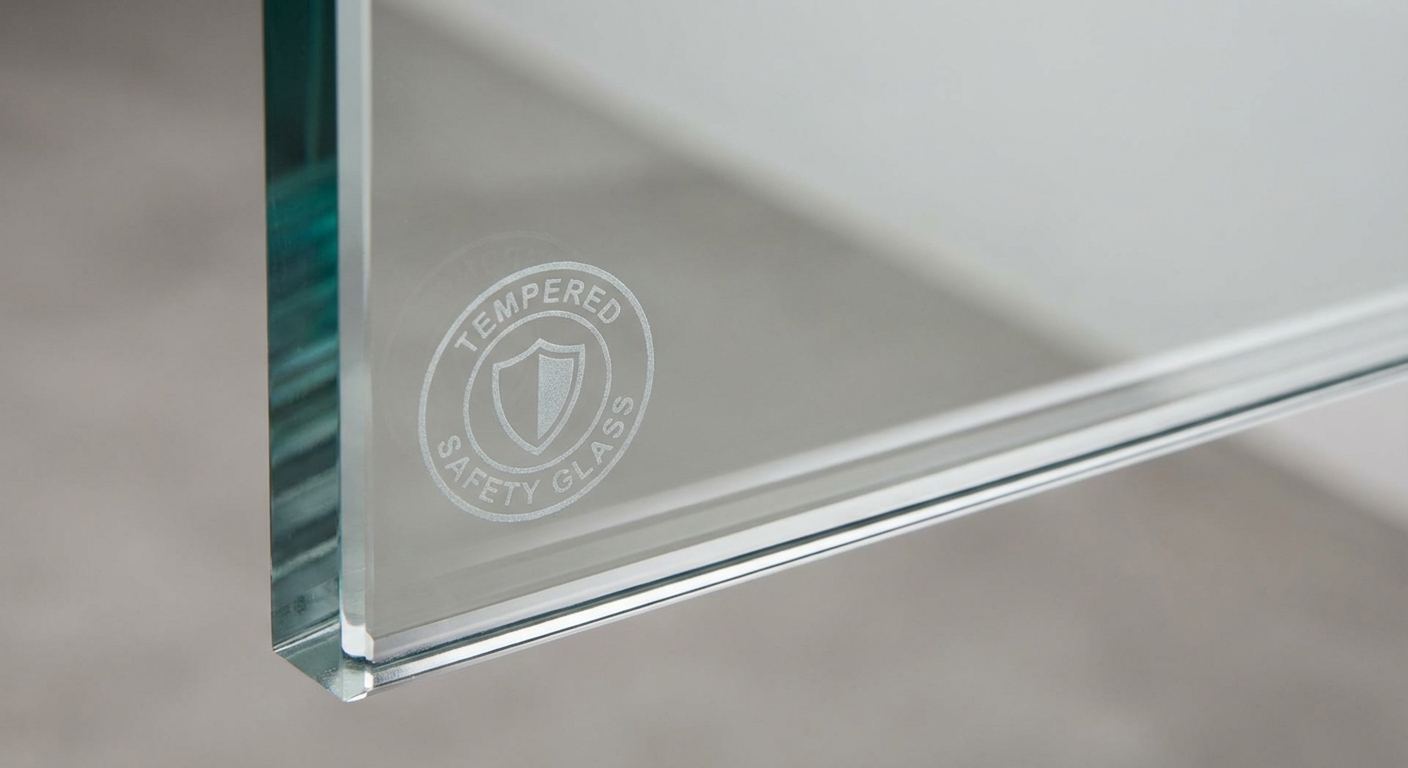
To verify you have received the correct tempered glass strength, you must look for a permanent safety stamp in the corner of the pane. These markings, often called “bugs,” provide a record of compliance with international safety standards like ASTM C1048.
You can also use polarized lenses to see the characteristic stress patterns inside the glass. Third-party testing reports are another essential tool for confirming the quality and durability of your order.
ASTM and EN standards
You should always request documentation that proves your glass meets the required standards for your region. This documentation is critical for passing building inspections and ensuring long-term project safety.
It gets better:
Reputable manufacturers provide full batch traceability.
- Look for the permanent “bug.”
- Verify the code (e.g., EN 12150).
- Request material test reports.
- Use polarized light for field checks.
Key Takeaway: Verification is the final step in ensuring that your project meets local building codes and safety standards.
| Standard | Region | Requirement |
|---|---|---|
| ASTM C1048 | North America | Heat-treated specs |
| EN 12150 | Europe | Fragmentation safety |
| AS/NZS 2208 | Oceania | Safety glazing materials |
Rigorous verification processes protect your investment and guarantee the safety of everyone who enters your building.
Conclusion
Standard glass creates significant safety hazards, but choosing the right manufacturing partner allows you to mitigate these risks effectively. From advanced thermal processing to rigorous verification, every step is designed to maximize safety. We are committed to providing professional glass manufacturing solutions that eliminate project delays and ensure structural integrity. Don’t leave your project’s safety to chance with unverified suppliers. To ensure you receive high-quality materials that meet your exact specifications, you should contact us today for a professional consultation and a free engineering review of your blueprints.
Frequently Asked Questions
- Can I cut tempered glass myself if it is too big? No, any attempt to cut tempered glass will cause the internal tension to release and shatter the entire sheet instantly.
- What is the best way to clean tempered glass without damaging it? Use a soft microfiber cloth and a pH-neutral glass cleaner to avoid creating surface scratches that could weaken the material.
- How do I know if my glass is actually tempered? You should look for a permanent, sandblasted safety logo in the corner or view the pane through polarized sunglasses to see stress patterns.
- Can I use tempered glass for high-heat applications like oven doors? Yes, it is the standard choice for high-temperature environments because it can withstand thermal shocks up to 250°C.
- What is the standard thickness for a frameless glass railing? Most professional installers specify 12mm tempered or tempered-laminated glass to provide the necessary structural rigidity and safety.